


The Changsan Tribe: Identity, Heritage, and Modern Struggles in India’s Northeast
Nestled within the hill regions of Northeast India—predominantly spanning parts of Assam and Manipur—the Changsan tribe (also historically documented among the Kuki-Chin-Mizo sub-clans or tribes) represent a distinct, culturally vibrant community whose rich history, kinship systems, oral traditions, and socio-economic realities tell a compelling story of resilience. In the intricate tapestry of Indian indigenous demographics, smaller tribes and sub-tribes often face a double challenge: asserting their socio-political identity against external assimilation while navigating the rapid, disruptive currents of 21st-century modernisation, political border divisions, land alienation, and economic vulnerability.
Historical Origins and Migration Trajectories
The history of the Changsan people is woven into the broader trans-border migratory movements that have defined the hill tracts of Northeast India, Western Myanmar (Chin State), and the Chittagong Hill Tracts of Bangladesh for centuries.
Like many Tibeto-Burman speaking communities classified under the Zo/Kuki-Chin ethno-linguistic spectrum, oral historiography forms the bedrock of Changsan genealogy.
The Oral Chronicle of Origins of Changsan Tribe
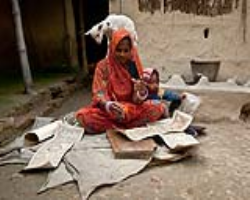
The Changsan trace their lineage back through generations of migratory waypoints commemorated in folk ballads, ancestral chants (Lakhui/La), and genealogical recitations (Chhang-pat). Central to their origin myths is the shared legend of emergence from a subterranean cave or ancestral shelter (Sinlung or Chhinlung), a cultural motif shared by several related clans across the Barail, Patkai, and Lushai ranges.
Historical migration trajectories reveal that during the pre-colonial era, groups moved westward and northwestward across rugged terrains, propelled by shifting agricultural requirements, inter-clan rivalries, and the push-and-pull dynamics of regional empires. Settlements were established along defensible ridgelines where early Changsan pioneers developed sophisticated forest-clearing methods, terrace agriculture in foothill valleys, and cooperative hunting traditions.
Colonial Disruption and Administrative Cartography of Changsan Tribe
The advent of British administrative intervention in the late 19th and early 20th centuries fundamentally altered the spatial and political existence of the Changsan. British colonial officials, driven by economic interests in tea plantations, forest timber, and border demarcation, classified hill communities under overarching, rigid categories.

The introduction of boundaries dividing the Assam plains, the Lushai Hills, the Naga Hills, and the princely state of Manipur fractured ancestral domains. Communities that historically moved along contiguous ecological corridors were abruptly divided into administrative enclaves, laying the groundwork for complex identity claims and jurisdictional marginalisation that persist in post-independence India.
- Social Organization, Kinship, and Clan Architecture
Changsan society is anchored by a structured social fabric defined by patrilineal descent, exogamous clan alliances, and communal reciprocity.
The Chieftainship System (Haosa)
At the core of traditional Changsan governance is the institution of the village chief (Haosa). Historically, the chief was not an absolute monarch, but the custodian of village lands, protector of customary laws, and mediator of domestic disputes.
- The chieftainship is typically hereditary, following the principle of primogeniture or modified patrilineal succession.
- Land within the village boundaries historically belonged to the village collective under the direct trusteeship of the chief.
- Households were allotted parcels for cultivation annually through village councils (Upas or Semang-Pachong), ensuring equitable subsistence opportunities across clans.
The Village Dormitory (Som) System
An essential socio-educational pillar of traditional Changsan society was the Som—the community dormitory for youth.
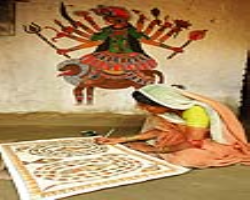
- Apprenticeship & Civic Duty: The Som operated as an informal academy where young men and women learned civic obligations, oral history, ethical codes, folk songs, martial arts, and craftsmanship.
- Cooperative Labor: The youth formed an organized labor reserve (Lawm) mobilised during peak agricultural seasons (clearing swiddens, sowing, and harvesting), building homes for elderly or vulnerable villagers, and defending the village perimeter.
While modern educational institutions and churches have largely replaced the physical structures of the Som, the ethos of collective labor and mutual aid (Kitho-kalson) remains deeply ingrained in day-to-day community life.
- Cultural Expressions, Rites of Passage, and Indigenous Knowledge
The cultural identity of the Changsan people is expressed vividly through their material culture, handlooms, traditional festivals, and customary life-cycle rituals.
Textiles and Material Heritage
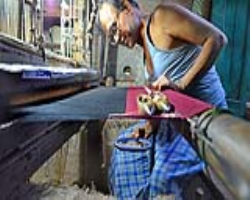
Changsan women are skilled weavers, practicing back-strap (loin) loom weaving. Textiles serve as both functional apparel and visual markers of clan identity, social standing, and marital status.
- Color Symbolism: Traditional shawls and sarongs incorporate black, red, yellow, and white threads, woven into distinctive linear and geometric motifs.
- Symbolic Motifs: Specific bands and chevron patterns on traditional wraparounds reflect milestones in hunting or social philanthropy (such as hosting feasts of merit).
- Sustainable Dyes: While synthetic threads are common today, older artisans still retain knowledge of extracting organic dyes from wild indigo, bark, and forest leaves.
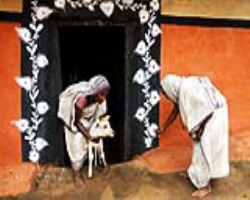
Festivals among the Changsan revolve around agricultural transitions.
- Chavang Kut: Celebrated after the autumn harvest, this festival is a collective thanksgiving to the divine for bumper yields. It features traditional sports, folk dances, musical recitations using indigenous wind and percussion instruments (such as brass gongs and bamboo pipes), and communal feasts.
- Mim Kut: Historically connected to the harvesting of maize and early crops, this solemn festival also honors ancestors and remembers family members who passed away during the preceding year.
Customary Law and Restorative Justice
The customary legal system of the Changsan prioritizes community reconciliation and restitution over retributive punishment.
Disputes concerning land boundaries, domestic conflicts, inheritance, or minor infractions are brought before the village council. Restitution typically takes the form of customary fines (Salam), compensation pigs or livestock for communal meals, and solemn declarations of reconciliation, preventing cycles of inter-familial hostility.
- The Transition from Indigenous Faith to Modern Religion
The 20th century brought sweeping transformations to the spiritual and ideological life of the Changsan community.
| Dimension | Pre-Christian Tradition | Contemporary Christian Era |
| Worldview | Animistic/polytheistic nature reverence (Pathen as supreme creator) | Trinitarian Christian theology |
| Spiritual Intermediary | Thiampu (shaman/priest), sacrificial rites | Ordained pastors, church elders |
| Healing Systems | Herbal medicine combined with appeasement rituals | Modern healthcare integrated with community prayer |
| Community Gathering | Sacred groves, village communal feasts | Local parish churches, Sunday schools, youth fellowships |
| Literacy & Script | Exclusively oral history and recitations | Roman-script literacy, translated hymnals and Bibles |
The Impact of Christian Missionaries
Beginning in the early decades of the 1900s, missionary initiatives (primarily Presbyterian, Baptist, and Roman Catholic) expanded into the hill interiors of Northeast India. For the Changsan, conversion was accompanied by significant structural changes:
- Eradication of Destructive Practices: Practices like inter-village headhunting and severe blood feuds were dismantled.
- Spread of Literacy: The introduction of the Roman script made written vernacular texts possible, fostering high baseline literacy and enabling the preservation of language through translated religious texts and local primers.
- Cultural Shifts: On the other hand, conversion led to the abandonment of some traditional ceremonies, sacred dances, and ritual feasts that early missionaries labeled as pagan.
Today, educated Changsan youth and scholars increasingly champion a cultural renaissance, actively separating indigenous cultural arts (textiles, music, language, folklore) from pre-Christian religious rites to celebrate their tribal identity within modern spiritual frameworks.
- Socio-Economic Profile and Subsistence Systems
The economy of the Changsan community remains largely agrarian, though transitions toward modern service and informal sectors are underway.
Agrarian Life: Jhum and Beyond
- Shifting Cultivation (Jhum): For generations, families have practiced slash-and-burn agriculture on hill slopes, rotating plots over long fallow periods. Mixed cropping—growing upland rice alongside maize, pumpkins, yams, ginger, and local leafy greens—ensures household food diversity.
- Declining Fallow Cycles: Population growth and demarcated forest reserves have shortened fallow cycles from 15–20 years down to 4–6 years. This land pressure has reduced soil fertility, accelerated topsoil erosion on steep slopes, and lowered crop yields.
- Wet-Rice Farming: In low-lying river valleys, wet-rice terrace farming offers higher, more sustainable yields, but access to flat, irrigable land remains limited in the hill areas.
Cash Cropping and Market Integration
In response to declining jhum returns, many Changsan farmers have shifted toward commercial horticulture:
- High-Value Cash Crops: Ginger, turmeric, bird’s-eye chili (King Chili), and seasonal fruits (pineapples, oranges, bananas) provide crucial household income.
- Supply Chain Vulnerabilities: Farmers remain vulnerable to volatile pricing, predatory middlemen, poor cold-storage infrastructure, and inadequate road links connecting isolated hill villages to urban retail centers in Dimapur, Imphal, or Guwahati.
- Human Development Indicators and Structural Challenges
Despite progress since 1947, the Changsan community faces distinct socio-economic vulnerabilities across health, education, and infrastructure.
- Healthcare Access and Systemic Shortfalls
Access to primary healthcare remains uneven across Changsan-inhabited settlements:
- Geographic Barriers: Many hill villages are miles away from functional Primary Health Centres (PHCs). Reaching an emergency obstetric facility or tertiary hospital during medical emergencies often requires navigating treacherous dirt roads, leading to delays that affect maternal and neonatal outcomes.
- Staffing Shortages: Rural postings in the Northeast regularly suffer from chronic absenteeism and shortages of doctors, nurses, and laboratory technicians.
- High Medical Costs: Rural families often face catastrophic out-of-pocket healthcare expenses when forced to visit private medical centers in faraway regional hubs.
- Educational Attainment and the Rural-Urban Divide
While literacy rates among Christianized hill tribes appear respectable in aggregate census figures, these numbers mask sharp qualitative disparities:
- Primary and Middle Schooling: Most village schools face severe shortages of qualified teachers, deficient science laboratories, absent libraries, and inadequate sanitation facilities.
- Language Disconnect: Primary schooling often uses regional majority languages (Assamese, Meiteilon, or standard English) without transitional bilingual primers in local tribal dialects, causing learning difficulties for younger students.
- Higher Education Migration: To pursue higher education or vocational qualifications, youth must migrate to cities like Shillong, Guwahati, Delhi, or Bengaluru, creating financial strains on agrarian families.
- Modern Struggles: Identity Politics, Land, and Displacement
The Changsan live in one of India’s most geostrategically sensitive and ethnically contested regions.
Consequently, their day-to-day existence is closely tied to broader questions of autonomy, land rights, and security.
Ethnic Friction and Spatial Insecurity
In multi-ethnic states like Manipur and Assam’s autonomous hill districts (Dima Hasao and Karbi Anglong), overlapping territorial claims have historically sparked inter-community tensions.
- The Predicament of Smaller Communities: Amid power struggles between larger ethnic groups, numerically smaller tribes like the Changsan face the risk of administrative neglect, cultural assimilation, or physical displacement during periods of unrest.
- Conflict-Induced Displacement: Regional conflicts disrupt schools, destroy agricultural assets, sever supply routes, and force populations into temporary relief camps. Displaced families often face prolonged socio-economic hardship, losing agricultural land, community ties, and stable livelihoods.
Land Alienation and Natural Resource Encroachment
Customary land systems are under mounting pressure from several directions:
- Statutory vs. Customary Jurisdictions: Tensions often emerge between traditional clan-based land usage rights and state-level forest conservation acts or land acquisition policies.
- Infrastructure and Extractives: Major development projects—including highway widening, dam construction, and extractive exploration—can lead to ecological degradation and displacement without providing proportionate long-term employment for local tribal youth.
- Privatization of Commons: Increasing commercialization has driven a shift from community-managed commons toward private, individual landholdings, concentrating prime acreage among affluent households and widening intra-tribal economic disparities.
- Institutional Mechanisms, Constitutional Safeguards, and Policy Roads
Addressing the marginalization of the Changsan requires focused administrative support, active legal protections, and responsive governance models.
Maximizing Constitutional Safeguards
- Autonomous District Councils (ADCs): In areas governed under the Sixth Schedule of the Indian Constitution (such as Dima Hasao), Autonomous District Councils hold legislative and executive power over land management, customary courts, and rural development. However, smaller minority clans often lack adequate representation within these bodies. Reforming ADC electoral rules via proportional representation or guaranteed minority quotas is critical for ensuring that Changsan interests are heard.
- Scheduled Tribe (ST) Protections: Targeted deployment of educational scholarships, civil-service reservation benefits, and central welfare schemes (like the PM-JANMAN initiative for vulnerable tribal communities) must reach remote settlements rather than remaining concentrated in urban district headquarters.
Actionable Pathways for Human Development
To build lasting self-reliance for the Changsan without stripping away their cultural heritage, targeted policy initiatives should focus on five priorities:
- All-Weather Rural Infrastructure: Rapidly completing all-season, climate-resilient roads (Pradhan Mantri Gram Sadak Yojana) to connect remote Changsan villages to regional economic markets.
- Revitalizing Indigenous Agro-Ecology: Introducing sustainable terrace farming techniques, organic certifications, solar processing units, and farmer-producer organizations (FPOs) for local cash crops like ginger and chili.
- Mother-Tongue Early Education: Creating early-childhood learning materials in the native Changsan dialect alongside national languages to reduce primary school dropout rates.
- Digital & Mobile Health Infrastructure: Equipping peripheral sub-centers with solar power, satellite internet, telemedicine kits, and consistent stocks of essential medicines to manage common health emergencies locally.
- Cultural Documentation and Heritage Preservation: Funding indigenous youth initiatives, oral historians, and community weavers to catalog oral folk literature, document genealogical histories, and build sustainable direct-to-consumer platforms for traditional handlooms.
The Road Ahead: Preserving Identity, Demanding Equity
The story of the Changsan tribe is one of resilience. Surviving ancestral migrations across dense hill ranges, weathering colonial disruptions, and adapting to modern geopolitical borders, the community has sustained its core identity through an enduring cultural ethos of solidarity, artistic expression, and connection to the land.
Yet resilience is not a substitute for structural equity. The challenges confronting the Changsan—ranging from environmental pressures and poor healthcare infrastructure to political marginalization—require concerted interventions by both central and state governments, civil society, and tribal councils. By pairing constitutional protections with community-driven development, India can ensure that historic communities like the Changsan do not merely survive as footnotes in anthropological texts, but thrive as equal, active architects of a diverse and democratic republic.