



Who Are the Kurivikkaran Tribe?
The Kurivikkaran tribe (frequently identified alongside or synonymously with the Narikoravan or Narikuravar) are an indigenous, historically nomadic community predominantly concentrated across the southern Indian state of Tamil Nadu, with demographic footprints extending into adjacent corridors of Kerala, Andhra Pradesh, and Karnataka. Etymologically derived from the Tamil words Kuruvi (sparrow/bird) and Karan (person or hunter/catcher), their traditional designation literally translates to “the bird-catchers”.
For generations, the community maintained an itinerant way of life, moving across dry scrub forests, village commons, and agricultural margins in pursuit of small game, particularly birds, jackals (Nari), and forest flora. Alongside foraging and hunting, they became renowned artisans of micro-crafts—fashioning glass beads, wooden trinkets, talismans, and the traditional Rudraksha malai sought by religious pilgrims at prominent spiritual centers such as Sabarimala, Palani, and Madurai.
Despite their intricate cultural knowledge and ecological self-reliance, the modern trajectory of the Kurivikkaran has been marred by structural invisibilization, systematic socio-economic displacement, institutional criminalization, and an arduous multi-decade campaign for affirmative constitutional recognition.
| Key Demographic & Cultural Attributes | Details |
| Primary Geographic Distribution | Tamil Nadu (all 38 districts; prominent in Villupuram, Tiruchirappalli, Madurai, Kanchipuram) |
| Alternate / Sub-group Names | Narikoravan, Narikuravar, Kuruvikaran, Hakki Pikki (linguistic/cultural cognates) |
| Linguistic Identity | Vagriboli (an unscripted Indo-Aryan language infused with Gujarati, Marathi, Telugu, and Tamil) |
| Traditional Livelihoods | Bird-trapping, small-game hunting, bead-making (Mani), indigenous medicine, itinerant peddling |
| Current Constitutional Status | Scheduled Tribe (ST) in Tamil Nadu (Formally legislated via the Constitution ST Order Amendment, 2022) |
| Key Socio-Economic Vulnerabilities | Landlessness, housing precarity, lack of formal documentation, educational dropouts |
Historical Roots and Nomadic Trajectory of Kurivikkaran Tribe
The Myth of Migration: From Central/Western Plains to Southern Scrublands
Oral histories preserved by elder tribal bards (Gurus and Peddas) trace the deep ancestral roots of the Kurivikkaran to the arid tracts of Western and Central India, notably Rajasthan and Gujarat. Community memory often references an ancient migration triggered by geopolitical fragmentation, warfare, and severe agrarian droughts centuries ago.
Encounters with Colonial Governance: The Stigma of Criminalization
The trajectory of the Kurivikkaran was fundamentally altered during British colonial rule. The British administration, accustomed to settled, taxable peasant agriculture and rigid territorial administration, viewed nomadic and forest-dependent communities with intense suspicion.
With the enactment of the draconian Criminal Tribes Act (CTA) of 1871, entire peripatetic groups were branded as “hereditarily criminal” solely based on birth and nomadic customs. The Kurivikkaran and allied nomadic clans found their customary wandering circumscribed, their hunting implements subjected to confiscation, and their community members placed under punitive local surveillance.
Although the CTA was repealed shortly after Indian independence in 1952—re-designating these populations as Denotified Tribes (DNT)—the deep-seated administrative and societal prejudices lingered. The historical label of “hereditary criminality” mutated into chronic socio-cultural stigma, institutional harassment by local enforcement bodies, and exclusion from emerging post-colonial civic development.
Clan Organisations and Kinship Ties and Kurivikkaran Tribe
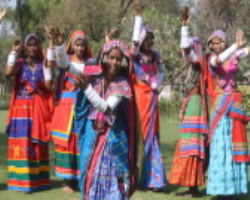
The social framework of the Kurivikkaran is built upon patrilineal clans known colloquially as Kulis or Gotras (such as the Mevado, Dhabe, Guwalo, and Pawar branches). These clan divisions:
- Regulate matrimonial alliances through strict clan exogamy (marrying outside one’s immediate patrilineal descent group).
- Maintain ritual equilibrium during lifecycle ceremonies (births, puberty rites, marriages, and mortuary observances).
- Establish mutual aid compacts, requiring members of related lineages to share resources during migrations or lean hunting seasons.
Customary Governance: The Tribal Council
Internal social cohesion is maintained through a customary dispute-resolution mechanism presided over by community elders (Nattamai or Yajaman). This council adjudicates intra-community friction, matrimonial disputes, inheritance of heirloom items, and breaches of customary ethics.
Fines, reconciliation feasts, and restorative restitution are prioritised over punitive ostracisation. However, modern interaction with the formal Indian judiciary, municipal authorities, and police departments has progressively weakened these self-governing mechanisms without seamlessly integrating community members into formal civic protections.
The Sacred Bundle: Sami Mootu
At the spiritual heart of every traditional Kurivikkaran household is the veneration of the Sami Mootu (literally “The Divine Bundle”). This heirloom package, wrapped in auspicious red or yellow fabric, contains sacred clan relics:
- Antique silver effigies and small brass amulets representing ancestor spirits.
- Traditional hunting blades and ceremonial knives handed down through generations.
- Dried protective roots, rare seeds, and forest botanicals considered ritual talismans.
The Sami Mootu is treated with profound reverence. It is suspended from the central roofpole of temporary dwellings or stored in a place untouched by outsiders. It is opened only during solemn annual festivals or critical life crises, accompanied by animal sacrifices, incense offerings, and rhythmic chanting in Vagriboli.
Matriarchal Shrines and Syncretic Traditions
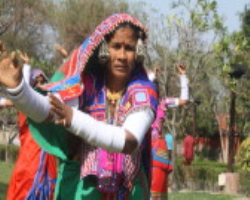
Kurivikkaran religious life is predominantly centred on ferocious, protective female deities, most notably:
- Bhavani Amman / Mariamman: Invoked for health, smallpox/epidemic prevention, and general prosperity.
- Keechaka Devi / Kali: Revered as the primal source of physical courage, hunting instincts, and clan defense.
While deeply rooted in animism, spiritism, and ancestral veneration, the Kurivikkaran have evolved an exceptionally fluid, syncretic approach to popular religion. During prominent regional festivals, they camp near major Hindu temples, Christian shrines (such as the Basilica of Our Lady of Good Health in Velankanni), and Sufi dargahs (such as Nagore Dargah), integrating venerated figures from multiple traditions into their personal spiritual pantheon.
Beadwork and Adornments (Mani Velai)
The material signature of the Kurivikkaran rests in their intricate, vivid beadwork (Pasi Mani). Originally utilizing dried seeds, polished forest stones, animal bones, and carved roots, they transitioned in the mid-20th century to glass, acrylic, and electroplated beads.
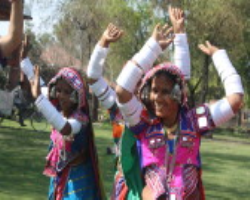
Women design elaborate necklaces, hair ornaments, bangles, and children’s protective amulets. Each color and design pattern carries traditional symbolic meaning:
- Black and Red Seeds (Kundumani): Intended to ward off the evil eye (Drishti).
- Deep Ochre and Rudraksha: Formatted for devotional pilgrims journeying to Shaivite shrines.
- Multihued Glass Filaments: Representing joy, fertility, and marital harmony.
The Collapse of Forest Livelihoods
Until the early 1970s, the primary economic pillar of the Kurivikkaran remained wild bird netting, small mammal trapping, and foraging forest produce. Men possessed an encyclopedic knowledge of bird vocalizations, animal migratory tracks, snare fabrication, and plant-based adhesives.
The passage of the Wildlife Protection Act (WPA) of 1972 dramatically altered their economic model. The act imposed strict bans on hunting, trapping, and the trade of wild fauna across India. While vital for ecological conservation and wildlife protection, the law was enacted without transition strategies, alternative employment programmes, or rehabilitation packages for forest-dwelling communities whose survival depended on these practices.
Overnight, the customary livelihood of the Kurivikkaran became a criminal offense. Confiscation of hunting nets, frequent arrests, heavy fines, and harassment by forest surveillance personnel compelled the tribe to abandon their ecological niches and migrate toward urban peripheries.
The Urban Informality Trap
Displaced from forests, the community pivoted toward the lowest tiers of the urban informal economy:
- Street Vending & Beadwork: Women string and sell decorative plastic and glass beads outside railway stations, bus stands, and beach fronts.
- Sale of Household Utensils: Men and women travel on foot carrying plastic buckets, steel pins, mirrors, and domestic knick-knacks through village streets.
- Informal Waste Segregation: In larger cities like Chennai, Madurai, and Coimbatore, many families resort to scrap metal collection, e-waste dismantling, and plastic sorting under hazardous conditions.
- Folk Medicine Peddling: Retaining herbal knowledge, some sell traditional roots, plant-based liniments, and oils across rural weekly markets (Sandhais).
The Decades-Long Struggle for Scheduled Tribe (ST) Status
| 1965 | Lokur Committee recommends ST status for Kuruvikaran |
| 1980s | Tamil Nadu CM M.G. Ramachandran petitions Central Govt |
| 2013 | Cabinet clearance drafted under UPA II; stalls in Parliament |
| 2015 | Grassroots marches & hunger strikes at Jantar Mantar, New Delhi |
| 2022 | Parliament passes Constitution (ST) Order (Fifth Amendment) Bill |
| Present | Implementation hurdles: issuance of physical community certificates |
The Lokur Committee Anomaly (1965)
The administrative struggle of the Kurivikkaran represents one of the most prolonged battles for affirmative recognition in modern Indian history. In 1965, the Lokur Committee—tasked with evaluating communities for Scheduled Tribe categorisation—explicitly
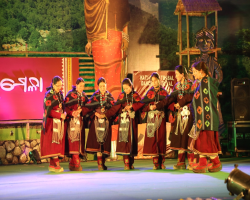
recommended the inclusion of the Narikoravan / Kuruvikaran community in the Scheduled Tribe list. The committee noted their distinctive nomadic traits, clear cultural isolation, and socio-economic deprivation.
However, administrative inaction left the recommendation unimplemented for decades. Instead, the Tamil Nadu state government categorized the community under the Most Backward Classes (MBC) umbrella.
The Consequences of the MBC Categorization
The MBC categorization proved inadequate for several systemic reasons:
- Unequal Competition: Within the MBC category, the Kurivikkaran had to compete for educational quotas and government positions against numerically stronger, politically organized, agrarian communities.
- Low Reservation Utilization: The literacy rate among the Kurivikkaran stood at less than 15-20%, with higher education completion rates hovering around 0.02%. Consequently, the community secured almost none of the benefits allocated under general backward-class quotas.
- Loss of Targeted Federal Allocations: Deprived of ST classification, they could not access funds, residential schools (Eklavya Model Residential Schools), scholarships, or housing subsidies earmarked for vulnerable tribal populations by the Union Ministry of Tribal Affairs.
Landmark Legislation: The 2022 Constitutional Amendment
Following extensive advocacy by tribal federations, grassroots leaders, independent anthropologists, and successive state administrations, the Indian Parliament passed the Constitution (Scheduled Tribes) Order (Fifth Amendment) Bill, 2022.
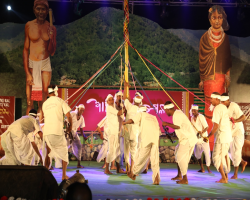
This landmark legislation officially placed the Narikoravan / Kuruvikkaran community onto the Scheduled Tribes roster of Tamil Nadu. This step established access to:
- Dedicated reservations in educational institutions and legislative assemblies.
- Legal protections under the Scheduled Castes and Scheduled Tribes (Prevention of Atrocities) Act, 1989.
- Specialized sub-plan budgetary resources for housing, microfinance, and vocational training.
Human Development Profile: Realities and Systemic Cracks
Despite legal advancements, the human development realities of the Kurivikkaran continue to highlight substantial disparities compared to national averages:
| Human Development Domain | Kurivikkaran Average | All-India Average |
| Literacy Rate | ~15% – 25% (Estimates) | 77.7% (NSO Survey) |
| Higher Education Rate | < 1.0% | ~27.1% (All-India GER) |
| Housing Land Tenure | 15% clear legal titles | ~70% (Rural home owners) |
| Primary Healthcare Access | Predominantly informal | Institutional (PHC grid) |
Educational Marginalization and Generational Dropout
Educational attainment within the tribe remains critically low. Factors driving these patterns include:
- Transience and Nomadic Cycles: As families relocate to pursue seasonal temple fairs and coastal tourist cycles, children are pulled from schools, disrupting continuous study.
- Classroom Discrimination: Children frequently experience social alienation, seat segregation, or derogatory remarks regarding their appearance, hygiene, or family backgrounds.
- Economic Dependencies: Older siblings regularly stay back at temporary settlements to care for toddlers, string bead necklaces, or hawk wares to supplement household income.
Spatial Invisibility: The Housing and Land Deficit
The Kurivikkaran remain largely landless. Most families reside in precarious informal settlements:
- Makeshift huts (Kudis) constructed of tarpaulin, woven reeds, bamboo, and discarded plastic sheets along highway embankments, lake margins, railway tracks, and municipal wastelands.
- Because they often lack registered property documents (Pattas), families face recurring eviction threats from municipal authorities and infrastructure expansion projects.
- The lack of a permanent address often delays the acquisition of baseline citizenship documentation, such as voter ID cards, ration cards, Aadhaar cards, and physical caste certificates.
Health, Hygiene, and Occupational Hazards
Public health indicators within Kurivikkaran settlements present immediate challenges:
- Nutritional Stunting and Anemia: High rates of chronic anemia and seasonal infections persist among women and infants, exacerbated by food insecurity and uneven access to Public Distribution System (PDS) shops.
- Unsafe Water and Sanitation: Dense living quarters without drainage or dedicated latrines lead to waterborne illnesses, including amoebic dysentery and enteric fevers.
- Toxic Occupational Exposures: Modern bead stringing uses thin synthetic filaments and tiny needles, leading to chronic eye strain, headaches, and joint strain. Those involved in scrap sorting face risks from discarded plastics, heavy metals, and electronic chemicals without protective gear.
Road to Empowerment: Strategic Policy Interventions
To translate constitutional Scheduled Tribe recognition into tangible quality-of-life improvements, policy frameworks must adopt comprehensive, multi-sector approaches:
- Housing Security and Community Certificates
- Issuance of Home-Site Pattas: Priority allocation of free house-site land titles (Grama Natham) to establish permanent residential addresses.
- Expedited Single-Window Certificate Camps: Mobilizing dedicated district revenue teams to issue computerized ST Community Certificates without requiring generational documentation that nomadic families rarely possess.
- Tailored Educational Interventions
- Mobile Bridge Classrooms: Flexible, seasonal bridge courses that follow major tribal pilgrimage routes to keep children enrolled in educational frameworks.
- Residential Tribal Ashram Schools: Expanding residential schooling with culturally responsive curricula, preserving Vagriboli oral traditions while building strong literacy in Tamil and English.
- First-Generation Learner Stipends: Targeted direct-benefit scholarships to offset lost daily household earnings when children attend secondary school.
- Economic Formalization and Artisan Collectives
- E-Commerce Market Links for Beadwork: Creating state-backed artisan cooperatives to sell their jewelry on national platforms (such as TRIFED, Tribes India, and regional handicraft boards), eliminating intermediaries.
- Fair Trade and Sustainable Sourcing: Providing non-toxic crafting materials, bead-stringing equipment, and product design workshops to align their crafts with contemporary global design markets.
- Capital and Credit Access: Providing access to microcredit under Mudra schemes and National Scheduled Tribes Finance and Development Corporation (NSTFDC) programs to help families establish stable craft and trade businesses.
Conclusion: Honoring Identity while Securing Human Dignity
The Kurivikkaran community represents an important chapter in India’s complex social and tribal landscape. Their story highlights remarkable cultural endurance: surviving colonial-era criminalization, modern legislative disruption, severe poverty, and social marginalization, all while maintaining their native language, metallurgical craft traditions, and artistic heritage.
The formal granting of Scheduled Tribe status has opened a vital door to structural equity. However, statutory classification is an initial foundation rather than a complete remedy. True development requires sustained, participatory efforts: ensuring every family holds secure land titles, every child can access quality schooling without bias, and their artistic traditions are celebrated as valued contributions to India’s cultural heritage. Supporting the Kurivikkaran on this journey honors their distinct cultural identity while ensuring full access to human dignity and socio-economic advancement.