


Introduction: Paiko Tribe
In the rugged contours of the Eastern Ghats, where ancient deciduous forests meet red-loam river valleys across southern Odisha and northern Andhra Pradesh, lives the Paiko community. Known historically for their martial heritage, distinct cultural cosmology, and close coexistence with neighboring Adivasi communities, the Paikos represent a crucial chapter in the complex tapestry of India’s indigenous and forest-dwelling populations.
Thank you for reading this post, don't forget to subscribe!Across regions such as Koraput, Rayagada, Nabarangpur, and the adjoining agency tracts of Visakhapatnam, the Paiko people have sustained a lifestyle rooted in agrarian rhythms, seasonal forest gathering, and community solidarity. Yet, as the forces of industrialization, infrastructure expansion, and legal ambiguity reshape rural India, the Paiko community finds itself balancing between ancestral heritage and modern vulnerability.
Understanding the Paiko community requires examining not only their vibrant folklore, kinship networks, and nature-centric worldview, but also their contemporary indicators of human development—education, health, livelihood security, and the persistent struggle for land and political recognition.
Historical Origins and Ethno-Geographical Roots
The term Paiko shares linguistic and historical roots with the Odia word Paika, historically designating foot soldiers, sentinels, or indigenous militia who protected local chieftains, hill kingdoms, and frontier territories. However, while the coastal Paikas of Khordha gained historical fame through the Paika Rebellion of 1817 against the British East India Company, the inland and agency-dwelling Paikos evolved within an entirely distinct socio-ecological milieu.
Settled primarily in the transitional belts between dense hill tracts and fertile agrarian plains, the Paiko ancestors served as intermediaries and frontier protectors for local rulers in the princely estates of Jeypore and surrounding kingdoms. In exchange for defensive services and maintaining peace across difficult mountain passes, Paiko families were granted hereditary rent-free lands (jagirs or service tenures).
Over centuries, as colonial rule consolidated and disarmed traditional local militias, these martial roles dissolved. The Paikos turned inward toward the soil and the forest, integrating deeply with neighboring indigenous groups like the Kondh, Paroja, and Gadaba. While sharing linguistic and ritual elements with mainstream regional agrarian castes, their physical settlement patterns, dependence on forest ecosystems, and clan-based social structures align them intrinsically with the broader Adivasi cultural landscape of the region.
Geographic Distribution and Habitat
The Paiko population is concentrated primarily within the highland plateaus and forested undulating hills of South Odisha, with spillover populations in adjoining border districts:
- Odisha: Predominantly Koraput, Nabarangpur, Malkangiri, Rayagada, and parts of Kalahandi.
- Andhra Pradesh: Agency tracts of Alluri Sitharama Raju district (formerly parts of Visakhapatnam agency) and Parvathipuram Manyam.
- Chhattisgarh Borders: Marginal settlements across the Bastar border corridor.
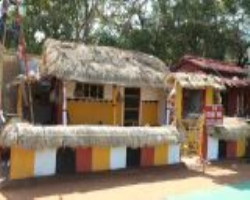
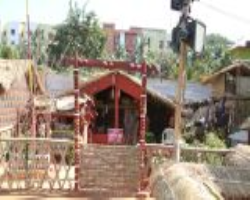
The climate in these tracts ranges from humid tropical to temperate mountain conditions, with heavy monsoon reliance. Water sources, traditional sacred groves (jaher or hundi), and terraced valley paddies form the architectural focal points of a typical Paiko village (pada).
Social Organization, Kinship, and Village Polity
The Paiko social framework blends lineage solidarity, territorial identity, and egalitarian village governance, operating on a patrilineal and patrilocal basis.
Clan Structure and Totemism
The community is partitioned into several exogamous clans (bansa or gotra), often associated with totemic symbols derived from the natural world. These totems include:
- Surya (Sun): Associated with celestial balance and vitality.
- Nagesh / Naga (Serpent): Symbolizing stewardship over water sources and underworld fertility.
- Kachhap (Tortoise): Revered for endurance and resilience against seasonal adversity.
- Bagh (Tiger): Symbolizing frontier bravery and deep forest domain.
Clan members maintain a strict prohibition against harming, consuming, or desecrating their respective totemic symbols. Marriage within the same clan is strictly taboo, as clan members consider one another brothers and sisters (dada-bhai).
Marriage Customs
Marriages are predominantly negotiated (mangi biha), though traditional forms such as marriage by mutual consent or elopement (jhika or udulia) were historically practiced under specific socio-economic conditions.
Bride-price (kanya shulka or jola), historically consisting of cattle, grains, and traditional cloth, historically served as an economic equalizer, compensating the bride’s family for the loss of a valuable productive member. In recent decades, however, contact with plain-caste customs has introduced the regressive practice of dowry, creating unprecedented financial distress for poorer households.
Traditional Village Governance
The civic and moral order of a Paiko village is overseen by a traditional council comprising elders:
- Naiko / Mukhya: The hereditary or consensually chosen village headman who mediates boundary disputes, inheritance partitions, and external village relations.
- Barik / Chalan: The community messenger and village coordinator responsible for assembling villagers for meetings and rituals.
- Disari / Gunia: The traditional healer, astrologer, and diviner who determines auspicious days for sowing, harvesting, and wedding rites, while diagnosing ailments through herbal knowledge and spiritual divination.
Decisions are reached through consensus within the village courtyard (charcha choupal), reflecting an indigenous model of participatory democracy that modern statutory panchayats have often eclipsed rather than empowered.
Cultural Cosmology, Belief Systems, and Festivals
The metaphysical life of the Paikos is rooted in animism, ancestor reverence, and an ecological pantheon that venerates the elements supporting life.
The Divine Pantheon
- Dharam Devta: The supreme celestial energy, identified with the life-giving sun, witnessing all human transactions and moral actions.
- Dhartani / Basumati: The Earth Mother, representing absolute fertility and patience. No plowing or sowing occurs without first invoking her blessings through offerings of vermilion, rice, and flowers.
- Grama Devi (Village Goddess): Housed in an unhewn stone under an ancient sacred tree (often Sal or Mahua) on the village perimeter, she protects the settlement from epidemics, crop failure, and predatory animals.
- Duma (Ancestral Spirits): Deceased ancestors are not distant figures; they are everyday guardians who reside in an earthern corner of the family kitchen. Food and rice beer (landa) are offered to the Duma before any meal or celebration.
Major Festivals
The festive calendar mirrors the agrarian and forest cycles:
Chaitra Parva (Spring Festival)
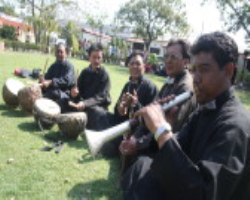
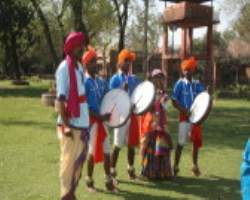
Celebrated in the month of Chaitra (March–April), marking the end of the agricultural year and the onset of the hunting and gathering season. Men embark on collective ceremonial forest expeditions (bheta), while women manage the homesteads and prepare fermented millet beverages. Evenings feature Dhemsa dancing accompanied by the rhythmic beat of the dhol, changu, and the reed-wind mohuri.
Nuakhai (Consuming the New Harvest)
Celebrated during the lunar cycle of Bhadrav (August–September), this agrarian milestone is observed with profound devotion. The newly harvested upland paddy is ground, cooked with milk, and offered to household deities and ancestors before any member of the community tastes it. Nuakhai emphasizes familial reunion, debt forgiveness, and collective joy.
Diwali and Bali Jatra
Unlike the mainstream urban festival of lights, the Paiko observance focuses on honoring cattle, cleaning agrarian tools, and acknowledging the earth’s renewal through communal rituals that last across several days.
Traditional Economy and Livelihood Strategies
The economic survival of the Paiko community has long relied on a multi-pronged livelihood system combining small-scale agriculture, minor forest produce collection, and animal husbandry.
1. Settled and Terraced Agriculture
Paiko farmers cultivate both lowland riverine basins (jhola lands) for wet paddy and steep upland plots (dongar lands) for hardy rainfed crops. Millets constitute both a cultural anchor and a nutritional foundation:
- Finger Millet (Eleusine coracana, locally Mandia): Prepared as porridge (jau) and consumed daily.
- Little Millet (Suan) and Foxtail Millet (Kangu): Drought-resilient cereals grown on thin hill soils without synthetic fertilizers.
- Pulses and Oilseeds: Arhar (pigeon pea), horse gram (kolatha), and niger seeds (alasi), which double as domestic provisions and market cash crops.
2. Non-Timber Forest Products (NTFP)
Between agricultural seasons, the forest provides a crucial economic safety net:
- Mahua (Madhuca longifolia): Blossoms are collected at dawn during March and April, sun-dried, and used for brewing domestic spirits, cooking sweeteners, and winter cattle feed. The seeds (tola) are pressed for oil.
- Sal Seeds and Leaves (Shorea robusta): Leaves are stitched into biodegradable plates (khalli-patra), while seeds are sold to state or private federations for oil extraction.
- Kendu Leaves and Tamarind: Gathered during peak summer months, providing cash income during the lean agrarian period.
3. Livestock Rearing
Livestock among the Paikos functions as living insurance. Indigenous dwarf cattle, sheep, goats, and country fowl provide dairy, organic manure, ritual offerings, and liquid wealth that can be liquidated quickly during medical emergencies or lean monsoon weeks.
Human Development Profile: Indicators and Realities
Despite their cultural resilience, the human development indicators among the Paiko community reflect systemic historical neglect, regional isolation, and policy bottlenecks.
Education and Literacy Trends
Structural Barriers to Education
- Linguistic Disconnect: Primary school curricula are commonly administered in standard coastal Odia or Telugu, creating an alienating classroom environment for children whose mother tongue is Desia (an Indo-Aryan contact language heavily influenced by Dravidian tribal speech).
- Geographical Friction: Many habitations lack all-weather access roads to secondary schools. Girls routinely drop out after primary school due to long walking distances through remote forested terrain.
- Economic Pressures: Older siblings are frequently withdrawn from school during peak agrarian and NTFP collection seasons to tend livestock or care for younger siblings.
Healthcare, Nutrition, and Maternal Wellbeing
- Malaria Endemicity: The region is historically hyper-endemic for Plasmodium falciparum. Cerebral malaria cases spike annually during the post-monsoon months (September to November).
- Maternal Health: While the expansion of Accredited Social Health Activists (ASHA) and 108 Emergency Ambulance services has increased institutional deliveries, remote hamlet terrain often forces families to carry expectant mothers on slings (khatia) to reachable roadheads.
- Nutritional Shift: Traditional diets rich in mixed millets, wild tubers (kanda), forest greens, and river crabs are increasingly displaced by subsidized white rice distributed via the Public Distribution System (PDS). This transition has mitigated starvation while worsening micronutrient deficiencies like iron and zinc anemia.
Modern Struggles: Land Alienation, Displacement, and Legal Limbo
The survival of the Paiko community today is entangled in legal, industrial, and social challenges that threaten their relationship with ancestral lands.
1. Land Alienation and Incomplete Title Recognition
Over the 20th century, non-tribal moneylenders and settled plains traders migrated into the agency valleys. Illiterate Paiko families, trapped by seasonal debt cycles, leased out fertile valley paddies through verbal mortgages, eventually losing de facto possession of ancestral lands.
While protective state statutes—such as the Odisha Scheduled Areas Transfer of Immovable Property (by Scheduled Tribes) Regulation, 1956 (Regulation 2 of 1956)—strictly prohibit the alienation of tribal land to non-tribals, their application has faced unique legal hurdles for the Paikos.
In several administrative jurisdictions, the Paikos have been historically categorized under Other Backward Classes (OBC) or Socially and Educationally Backward Classes (SEBC) rather than being recognized as a Scheduled Tribe (ST). This technical classification creates serious vulnerabilities:
- They are denied structural protections under the Fifth Schedule of the Indian Constitution.
- When lands are purchased or acquired, they lack the statutory restitution protections that safeguard neighboring Kondh or Paroja communities.
- They are often excluded from targeted Tribal Sub-Plan (TSP) budgetary allocations, despite living in the same geography under identical socioeconomic conditions.
2. Implementation Gaps in the Forest Rights Act (FRA, 2006)
The landmark Scheduled Tribes and Other Traditional Forest Dwellers (Recognition of Forest Rights) Act, 2006 was designed to right historical injustices. For the Paiko, establishing their status as Other Traditional Forest Dwellers (OTFD) requires proving three generations (75 years) of continuous residence and dependence on forest lands prior to December 13, 2005.
Gathering continuous documentary evidence across three generations in historically non-literate, remote forest hamlets is extraordinarily difficult. Consequently, thousands of Individual Forest Rights (IFR) and Community Forest Resource (CFR) claims filed by Paiko households have faced bureaucratic rejections or remain locked in administrative delays.
3. Industrialization, Mining, and Infrastructure Expansion
The Eastern Ghats hold rich deposits of bauxite, iron ore, and quartz, alongside major river valleys targeted for hydroelectric reservoirs, highway corridors, and industrial corridors.
- Ecological Disruption: Mining activities on high-altitude bauxite plateaus jeopardize the natural sponge-like aquifers that feed mountain springs (chuan). These springs are the sole source of drinking water and valley irrigation for Paiko settlements downstream.
- Displacement Without Rehabilitation: When infrastructure projects acquire land, cash compensation is rapidly consumed by unfamiliar market pressures, leaving displaced Paiko families landless and forced into low-wage migrant labor in distant industrial hubs like Surat, Hyderabad, or Bengaluru.
Gender Dynamics: The Resilience of Paiko Women
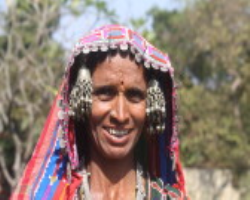
Women in the Paiko community bear a heavy share of the productive, economic, and domestic workload, serving as custodians of practical ethnobotanical knowledge and biodiversity.
- Seed Keepers: The selection, drying, and storage of indigenous seeds in clay-coated bamboo baskets (doli) is managed almost entirely by elder women, preserving heritage varieties that resist localized crop pests and unseasonal droughts.
- Weekly Markets (Haat): Women are the primary actors in rural weekly markets (haats), trading surplus seasonal produce, poultry, and forest greens to balance domestic budgets.
- Empowerment via SHGs: The expansion of Mission Shakti in Odisha and SERP in Andhra Pradesh has seen Paiko women organize into Self-Help Groups (SHGs). These collectives take on community contracts, lease village ponds for pisciculture, and manage solar-powered mini-millet processing units, gaining growing financial autonomy and voice in village assemblies.
Modernity, Acculturation, and Cultural Preservation
As rural electrification, mobile network coverage, and road connectivity expand, the Paiko community faces rapid cultural transitions.
1. Youth Aspirations and Distress Out-Migration
Younger Paikos, exposed to digital media and regional urban aspirational norms, frequently distance themselves from traditional agriculture, which is increasingly seen as labor-intensive and financially unviable.
Without viable rural manufacturing jobs or accessible higher education institutions, thousands of young adults migrate seasonally to brick kilns in Andhra Pradesh, construction sites in Telangana, or textile factories in Tamil Nadu. This seasonal drain depletes the working-age village population, leaving behind young children and elderly grandparents.
2. Erosion of Oral Traditions and Folk Arts
The rich repertoire of Paiko oral literature—encompassing creation songs, martial ballads of ancestral sentinels, riddle systems, and ritual incantations—is maintained almost entirely in the memory of community elders. With the spread of television, commercial film music, and smartphones, the younger generation rarely participates in nightly community singing circles or oral storytelling.
Traditional dances like the Dhemsa, once an organic celebration of collective labor and seasonal transitions, risk being reduced to commercialized cultural performances staged for regional tourism festivals.
Strategic Roadmap for Sustainable Human Development
Securing a sustainable future for the Paiko community requires a shift from patronizing, top-down welfare hand-outs to a rights-based framework grounded in community agency, territorial security, and cultural dignity.
1. Fast-Tracking Tenurial Security
- Expedited OTFD Claims: District-level Level Committees (DLCs) under the Forest Rights Act must establish objective, flexible evidentiary criteria for long-standing forest-dwelling communities like the Paikos, moving beyond rigid colonial paperwork to honor oral history and village testimony.
- Community Forest Resource (CFR) Titles: Granting formal CFR rights to Paiko villages empowers them to sustainably harvest, conserve, and commercially market forest produce without arbitrary interference from forest department check-posts.
2. Scaling Indigenous Agro-Ecology
- Odisha Millets Mission Integration: The ongoing success of the Special Programme for Promotion of Millets in Tribal Areas (Odisha Millets Mission) should be expanded to include all Paiko habitations. Providing guaranteed Minimum Support Prices (MSP) for finger millet, little millet, and pulses makes sustainable upland farming economically viable.
- Decentralized Processing Units: Establishing village-level, SHG-run millet threshers, de-hullers, and flour mills removes the physical drudgery from women’s labor while retaining nutritional value and economic margins within the village.
3. Culturally Rooted Education
- Mother-Tongue Early Childhood Education: Initial schooling (Kindergarten through Grade 3) should adopt the local spoken dialect (Desia) as the transitional medium of instruction, phasing into standard state languages gradually to reduce early-grade learning anxieties.
- Indigenous Ecological Knowledge in Curricula: School calendars and instructional modules should reflect the regional agrarian cycle, validating ancestral botanical, agricultural, and astronomical wisdom rather than treating indigenous culture as anachronistic.
4. Healthcare Decentralization
- Deploying specialized mobile medical units equipped with diagnostic capabilities for sickle-cell anemia, falciparum malaria, and tuberculosis directly to weekly haats.
- Integrating respected traditional healers (Disaris) with primary health center networks, training them to recognize early danger signs of severe dehydration, neonatal distress, and complicated malaria for rapid hospital referral.
Frequently Asked Questions (FAQ)
Who are the Paiko people?
The Paiko (also referred to as Paik or Paiko community) are an indigenous community residing primarily in the Eastern Ghats region of southern Odisha (Koraput, Nabarangpur, Rayagada) and the adjoining agency tracts of northern Andhra Pradesh. Historically recognized as frontier sentinels and rural militia, they are today primarily small-scale agriculturists and forest dwellers.
Is the Paiko community officially recognized as a Scheduled Tribe?
Their classification varies across regions. While possessing sociological, cultural, and economic traits common to Adivasi communities, in many areas they are classified under Other Backward Classes (OBC) or Socially and Educationally Backward Classes (SEBC). This hybrid administrative status has sparked ongoing debates regarding their access to targeted tribal protections and land alienation laws.
What are the main festivals of the Paiko?
The community celebrates major nature-centric and agrarian festivals including Chaitra Parva (the spring and forest-gathering festival marked by traditional Dhemsa dance and hunting expeditions), Nuakhai (the ceremonial consumption of the newly harvested rice), and Bali Jatra, alongside veneration of household ancestral spirits (Duma).
What challenges do the Paiko face under the Forest Rights Act (FRA)?
Because they are often categorized as Other Traditional Forest Dwellers (OTFD) rather than a Scheduled Tribe, Paiko claimants must legally prove three continuous generations (75 years) of residence and forest dependence. Gathering continuous formal documentary proof across decades of non-literate history creates major administrative hurdles, leading to high rejection rates of their land claims.
Conclusion: Balancing Modernity with Heritage
The Paiko community stands at a vital historical crossroads. They are neither museum exhibits untouched by contemporary India, nor an assimilated population willing to abandon their ancestral connection to the forests and hills of the Eastern Ghats.
Their sustainable farming techniques, deep knowledge of local flora and fauna, cooperative social norms, and resilient cultural cosmology hold critical lessons for a world grappling with environmental degradation, climate change, and unbridled consumerism. The ultimate measure of Indian democracy and equitable human development lies in its ability to support its most vulnerable populations—ensuring that communities like the Paiko can secure their constitutional rights, educate their children, and earn dignified livelihoods without severing the sacred bond they hold with the land of their ancestors.