


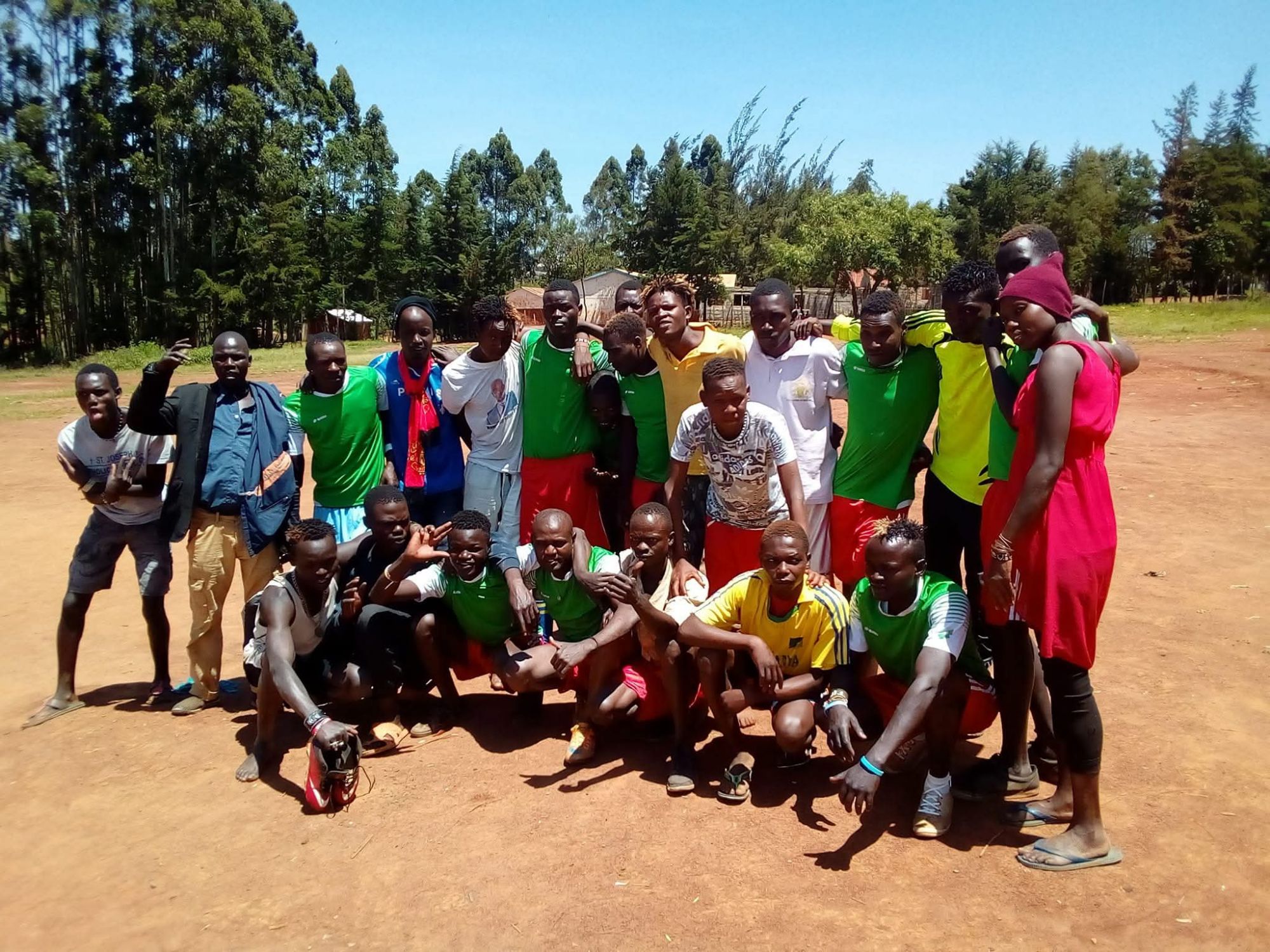

Ever walked past a child sleeping on cardboard, wondering what their story is? In India alone, over 20 million children call the streets their home—that’s more than the entire population of New York State.
Most people see these kids and either look away or toss them spare change. Both reactions miss what these children actually need: rehabilitation that addresses the root causes.
Street children rehabilitation isn’t just about providing temporary shelter. It’s about creating sustainable pathways out of poverty through education, psychological support, and family reintegration whenever possible.
What most people don’t realize is that the biggest obstacle to helping these children isn’t funding—it’s something far more surprising that changes everything about how we approach this crisis.
Understanding the Issue of Street Children
A. Root Causes Behind Child Homelessness
Ever wonder why kids end up on the streets in the first place? It’s rarely one thing, but rather a perfect storm of problems.
Conflicts and natural disasters uproot entire communities, leaving children separated from families. Urbanization draws rural families to cities where they can’t always survive together. And don’t forget discrimination – children from marginalized groups often face rejection from their communities.
B. Global Statistics and Regional Differences
The numbers are staggering. Worldwide, estimates suggest 100-150 million children live or work on streets. But these kids aren’t evenly distributed.
In South Asia and Africa, poverty drives the crisis. Latin America sees more gang-related street children. Meanwhile, Eastern Europe’s street child population often stems from institutional failures.

C. Common Challenges Faced by Street Children
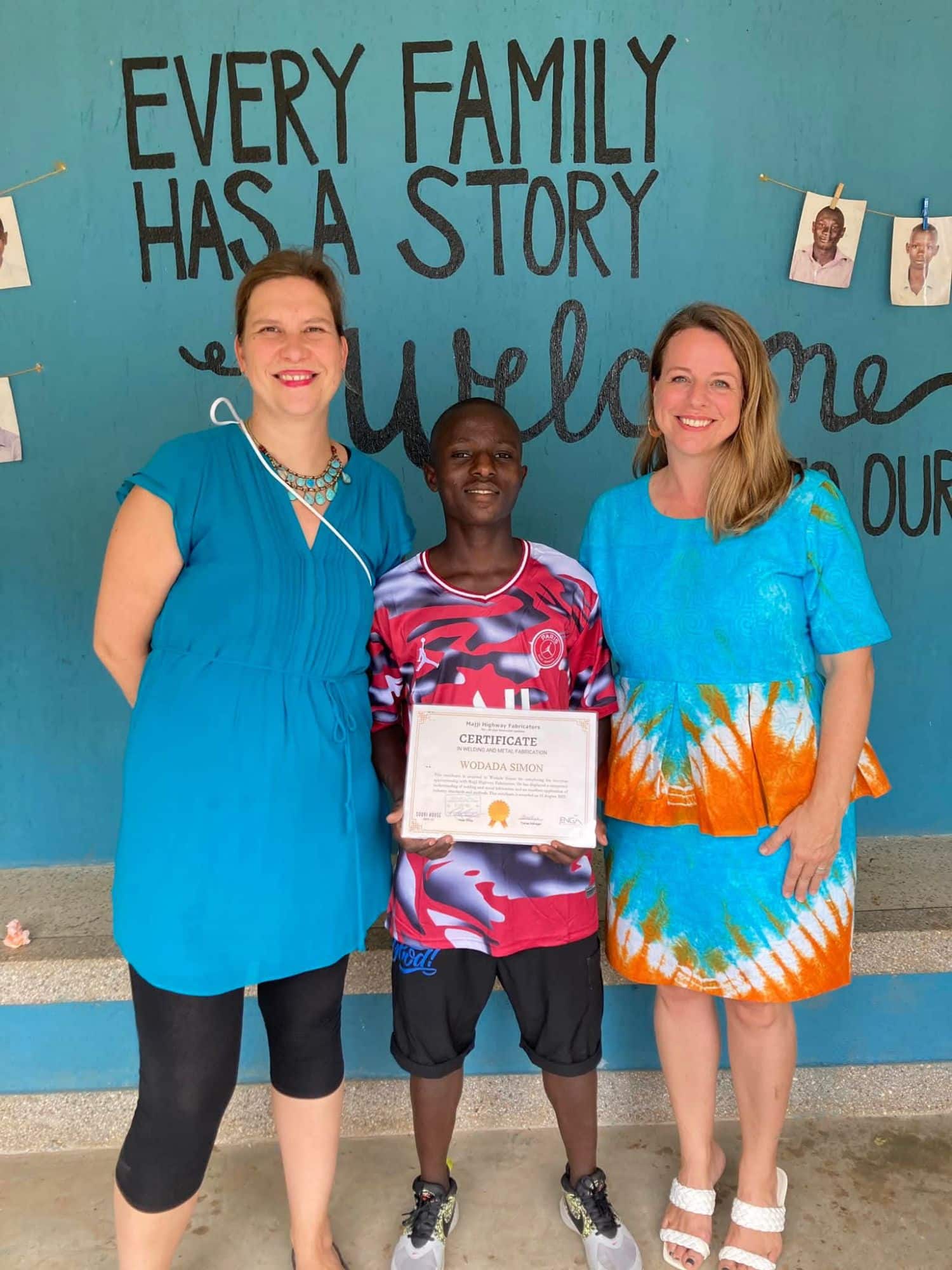
Street kids face a brutal reality. Finding food, clean water, and safe shelter becomes their daily struggle. Most don’t attend school, creating a cycle that’s nearly impossible to break.
Health problems run rampant – malnutrition, untreated illnesses, and exposure to harsh weather conditions. Violence is everywhere. These kids face abuse from authorities, other street dwellers, and sometimes the general public.
D. Long-term Effects of Street Life on Development
Street life leaves lasting scars. Physically, these kids often remain stunted, with compromised immune systems and chronic health issues. Their cognitive development suffers from lack of education, stable relationships, and constant stress.
Emotionally, they struggle with trust issues, PTSD, and difficulty forming healthy relationships. Many develop coping mechanisms that work on the streets but fail them elsewhere – aggression, emotional detachment, and hypervigilance.
Without intervention, the cycle continues. Many former street children struggle with employment, substance abuse, and may even have children who end up in similar situations.
Effective Intervention Strategies
A. Immediate Needs: Food, Shelter, and Healthcare
Street kids need basics before anything else works. A hungry child can’t focus on education or therapy. That’s just reality.
Effective programs start with:
- Hot meals without judgment
- Safe temporary housing that doesn’t feel like a prison
- Emergency medical care for infections, injuries, and untreated conditions
- Clean clothes and hygiene supplies
The best interventions don’t make kids jump through hoops. They provide these necessities first, ask questions later.
B. Building Trust: Outreach and Initial Engagement
You can’t help kids who don’t trust you. Street children have been let down by adults repeatedly.
Trust-building happens through:
- Consistent presence in their territories
- Respecting their autonomy and choices
- Following through on every promise, no matter how small
- Peer mentors who’ve lived street life themselves
This isn’t quick work. Some outreach workers visit the same spots for months before a child even speaks to them.
C. Trauma-informed Approaches
These kids have seen things no child should. Trauma shapes their brains, behaviors, and beliefs.
Smart programs:
- Train all staff in trauma recognition
- Create predictable, calm environments
- Avoid punitive responses to acting-out behaviors
- Offer multiple pathways to healing including art, play, and movement therapies
- Understand relapse as part of recovery
D. Success Stories from Global Programs
In Philippines, the Bahay Tuluyan program has rehabilitated thousands through its tiered approach. Kids start with drop-in services and gradually transition to education and family reunification when possible.
Brazil’s Projeto Axé transformed street rehabilitation by incorporating cultural expression and carnival arts. Their graduates have become dancers, musicians, and youth workers.
Vietnam’s Blue Dragon has rescued over 800 children from trafficking situations and helped them build new lives through personalized recovery plans.
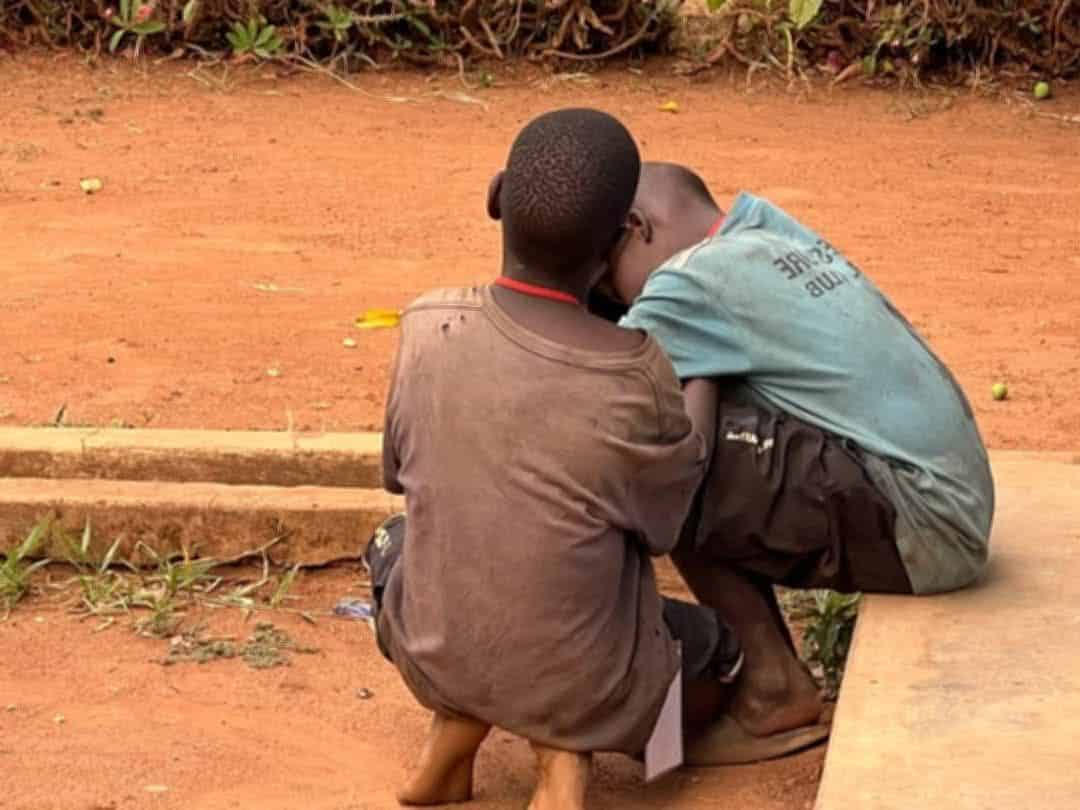

The common thread? Programs that see street children as full humans with potential, not problems to solve.
E. Mobile Services That Reach Children Where They Are
Street kids don’t come to you. Smart programs go to them.
Mobile intervention includes:
- Medical vans providing checkups and treatment
- Portable classroom setups under bridges and in parks
- Street libraries and reading circles
- Mobile charging stations for phones (crucial lifelines)
- Roving counselors who meet kids on their turf
These mobile approaches recognize children’s territories and routines instead of disrupting them.
Educational and Skill Development Programs
Bridging Educational Gaps
Street kids miss out on so much school that they fall way behind their peers. It’s hard to catch up when you don’t even know where to start. That’s why specialized “bridge” programs work so well – they meet these kids exactly where they are.
These programs focus on the basics first: reading, writing, and math. Many use non-traditional teaching methods because traditional classrooms failed these kids before. Picture learning math by selling items at a market stall or improving reading skills through storytelling circles.
The best part? These programs move at each child’s pace. No pressure, no shame, just progress.
Vocational Training Opportunities
Book learning isn’t everything. Many street children thrive when given practical skills that can earn them money right away.
Popular vocational programs include:
- Basic electronics repair
- Cooking and catering
- Tailoring and sewing
- Computer skills
- Carpentry and construction
- Hair styling and beauty services
These aren’t just classes – they’re pathways to real jobs. The smart programs pair training with apprenticeships or small business startup support.
Life Skills Development
Street survival requires cunning, but thriving in society demands different skills. Life skills training covers crucial ground:
- Financial literacy (saving, budgeting, avoiding debt)
- Conflict resolution without violence
- Personal hygiene and health management
- Time management and goal setting
- Communication skills for job interviews
These programs work best when they build on the independence these kids already have rather than treating them like blank slates.
Creativity and Self-expression Through Arts
Art isn’t a luxury – it’s essential healing. Through music, drama, painting, and dance, street children process trauma and discover new identities beyond “street kid.”
Drama therapy helps them act out difficult situations safely. Music gives voice to emotions they can’t always name. Visual arts create something beautiful when life has shown them mostly ugliness.
The transformation is remarkable. Kids who enter these programs withdrawn or aggressive often become leaders, mentors, and artists with powerful stories to tell.
Psychological and Social Support
A. Trauma Recovery Therapies
Street kids have seen things no child should. Trauma isn’t just an emotional wound – it’s physical too, rewiring their brains and bodies. That’s why trauma-informed approaches are absolute game-changers.
Art therapy works wonders with these kids. When words fail, colors and shapes speak. I’ve watched children transform their nightmares into paintings, finally giving form to fears they couldn’t name.
Play therapy too. Through seemingly simple games, children process complex emotions. One boy I worked with couldn’t talk about his abuse until he acted it out with action figures – giving him control over his story for the first time.
Group therapy creates something magical: belonging. When street kids realize “I’m not the only one,” shame loosens its grip. Suddenly, they’re not broken – they’re survivors.
B. Building Healthy Relationships
Trust doesn’t come easy for kids who’ve been betrayed by the very adults meant to protect them. Rebuilding this takes time and consistency.
Mentorship programs pair kids with stable adults who show up. No matter what. Week after week. This reliability creates the foundation for attachment.
The breakthrough moment? When a child tests boundaries, acts out, pushes away – and the adult still returns. That’s when healing begins.
Peer relationships matter enormously too. Street children often develop intense bonds with other kids in similar situations. These connections can be leveraged positively through structured peer support groups.

C. Addressing Substance Abuse Issues
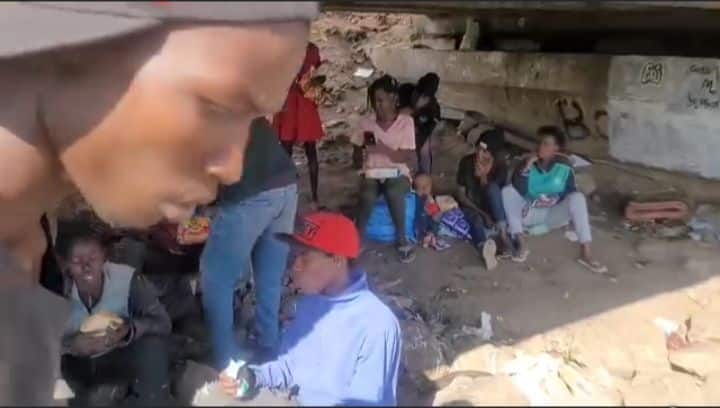
Many street kids use substances to numb physical and emotional pain. Withdrawal isn’t just uncomfortable – it’s terrifying when substances have been your only reliable coping mechanism.
Harm reduction approaches work better than zero-tolerance policies. Meeting kids where they are builds trust. Small victories count – maybe they’re still using, but less frequently or more safely.
Trauma and substance use are intertwined. Addressing one without the other is like fixing half a broken bridge. Integrated treatment approaches target both simultaneously.
Recovery communities specifically for youth provide crucial belonging. When a teen sees others like them staying clean, possibilities open up.
D. Identity Formation and Self-esteem Building
Street kids often define themselves through survival skills – fighting, stealing, hustling. Rehabilitation means helping them discover identities beyond survival.
Skill-building workshops in arts, sports, or vocational training give kids new ways to see themselves. “I’m not just a street kid – I’m an artist, a soccer player, a future carpenter.”
Positive affirmation matters, but empty praise rings hollow. Street-smart kids detect insincerity instantly. True self-esteem comes from genuine accomplishment.
Respecting their street wisdom while expanding their horizons is key. These children have incredible resilience and resourcefulness. Rehabilitation isn’t about erasing their past – it’s about building on their strengths while opening new futures.
Family Reintegration Approaches
A. Family Tracing and Assessment
Finding a child’s family isn’t as simple as it sounds. Street children often come from complicated backgrounds—some ran away, others were abandoned or gradually lost contact.
First step? Conversations with the child. But here’s the thing: many kids are hesitant to share details. Some fear returning to abusive situations, others feel ashamed or worry they’ll be rejected.
Skilled social workers dig deeper through indirect questioning, building trust over time. They look for clues in the child’s stories, accent, knowledge of certain areas, or even their last names.
Once potential family members are identified, thorough assessments begin. This isn’t just checking if relatives exist—it’s evaluating whether reunification would actually benefit the child.
The brutal truth? Sometimes family isn’t the answer. Assessment teams examine:
- Safety risks at home
- Economic capacity to care for the child
- Emotional readiness of both family and child
- Root causes that led to street life
Without addressing these factors, we’re just setting up a revolving door.
B. Mediation and Conflict Resolution
The reunion moment isn’t always tearful hugs and happy endings. Years of separation create deep wounds on both sides.
Families often blame the child: “Why did you embarrass us?” Children counter with: “You never protected me.” Without proper mediation, these conflicts explode or simmer beneath the surface.
Effective mediators:
- Create neutral spaces for difficult conversations
- Help each side recognize their role in the breakdown
- Guide families toward forgiveness without forcing it
- Establish new communication patterns
Role-playing exercises work wonders here. When a father practices responding calmly to a child’s anger or a mother learns to express concern without criticism, real breakthrough happens.
C. Supporting Families to Prevent Re-entry to Streets
The hard work starts after reunification. About 40% of reintegrated children return to the streets within a year without proper support.
Poverty drives many families apart. That’s why effective programs offer:
- Conditional cash transfers tied to keeping children in school
- Microfinance opportunities for sustainable family income
- Skills training for parents to increase earning potential
But money alone doesn’t solve everything. Parenting support groups connect families facing similar challenges. When a mother learns other parents struggle with former street children’s behavior, she feels less alone.
Home visits from case workers catch problems early. They notice when tensions rise or when a child shows signs of wanting to leave again.
Success requires addressing both practical needs and emotional wounds. Without healing both, we’re just applying bandages to deep cuts.
Creating Sustainable Solutions
Community-based Support Systems
Street children don’t need handouts. They need communities that have their backs.
The most effective rehabilitation happens when local communities step up. Why? Because locals understand the specific challenges these kids face in their neighborhoods.
Look at what’s working: Community centers that offer safe spaces, meals, and basic education without judgment. Places where street kids can just be kids for a while.
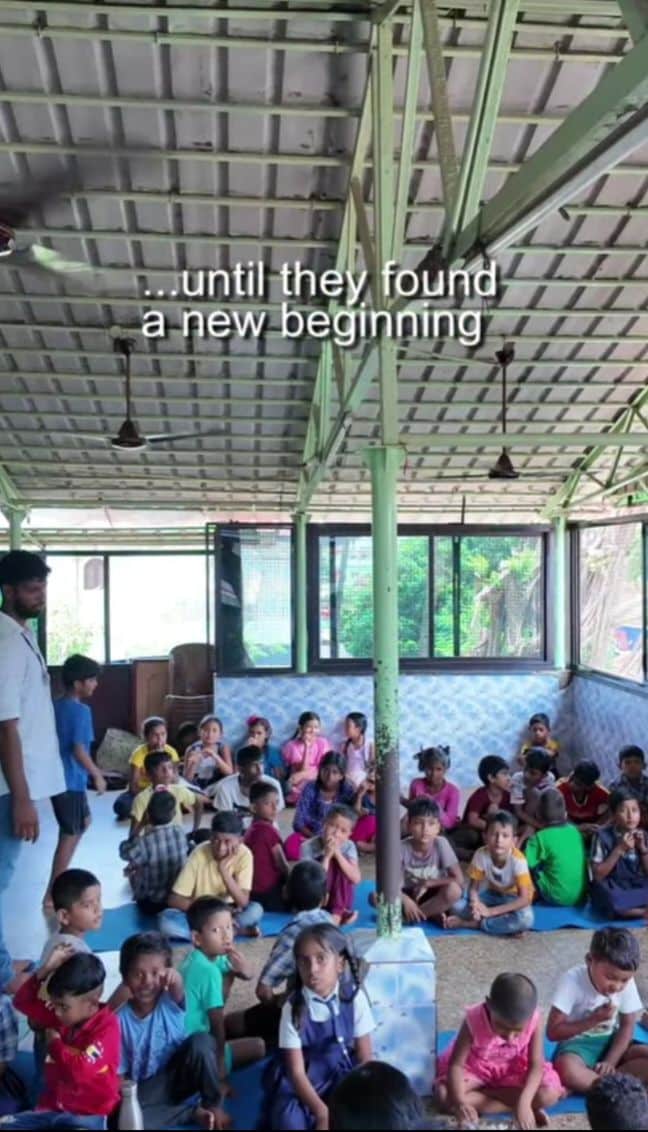

Neighborhood watch programs have shown amazing results too. When regular folks keep an eye out for vulnerable children and connect them with services, fewer kids fall through the cracks.
But here’s the reality check: community programs only work when they’re built on trust. Street children have been let down too many times. Building relationships takes patience, consistency, and showing up day after day.
The secret sauce? Involving former street children in these programs. Who better to reach out to kids living on the streets than someone who’s walked in their shoes?
Public-Private Partnerships for Rehabilitation
The government can’t fix this alone. Neither can NGOs. But together? Now we’re talking.
When businesses partner with social services, magical things happen. Companies bring resources, efficiency, and job opportunities. Government agencies bring legitimacy, reach, and policy support.
Take the “Second Chance” program in Brazil – corporate funding plus government infrastructure created vocational training centers that have helped thousands of street youth find stable employment.
These partnerships work because they play to everyone’s strengths:
| Partner | Brings to the table | Benefits |
|---|---|---|
| Businesses | Funding, job opportunities, efficiency | CSR fulfillment, future workforce |
| Government | Legal framework, facilities, reach | Reduced social costs, public safety |
| NGOs | Expertise, trust with children, flexibility | Sustainable funding, increased impact |
Policy Advocacy for Child Protection
The sad truth? Many laws meant to protect children actually criminalize them instead.
We need policies that recognize street children as victims, not perpetrators. This means pushing for legal reforms that focus on rehabilitation rather than punishment.
Smart advocacy doesn’t just make noise – it offers solutions. When approaching policymakers:
- Bring data that shows the economic cost of ignoring the problem
- Highlight success stories from other regions
- Present clear, actionable alternatives to current approaches
Effective child protection policies need teeth. That means proper funding, trained personnel, and accountability mechanisms that ensure implementation doesn’t just exist on paper.
The most powerful advocacy comes from street children themselves. When they speak about their experiences to lawmakers, it cuts through politics and hits at the heart of the issue.
Preventing New Cases Through Early Intervention
Here’s a radical thought: What if we stopped kids from ending up on the streets in the first place?
Early warning systems work. Schools can identify at-risk children before they drop out. Health workers can flag families in crisis. Community leaders can spot neighborhood factors pushing kids to the streets.
The math is simple: It costs far less to keep a child in school than to rehabilitate them after years on the street.
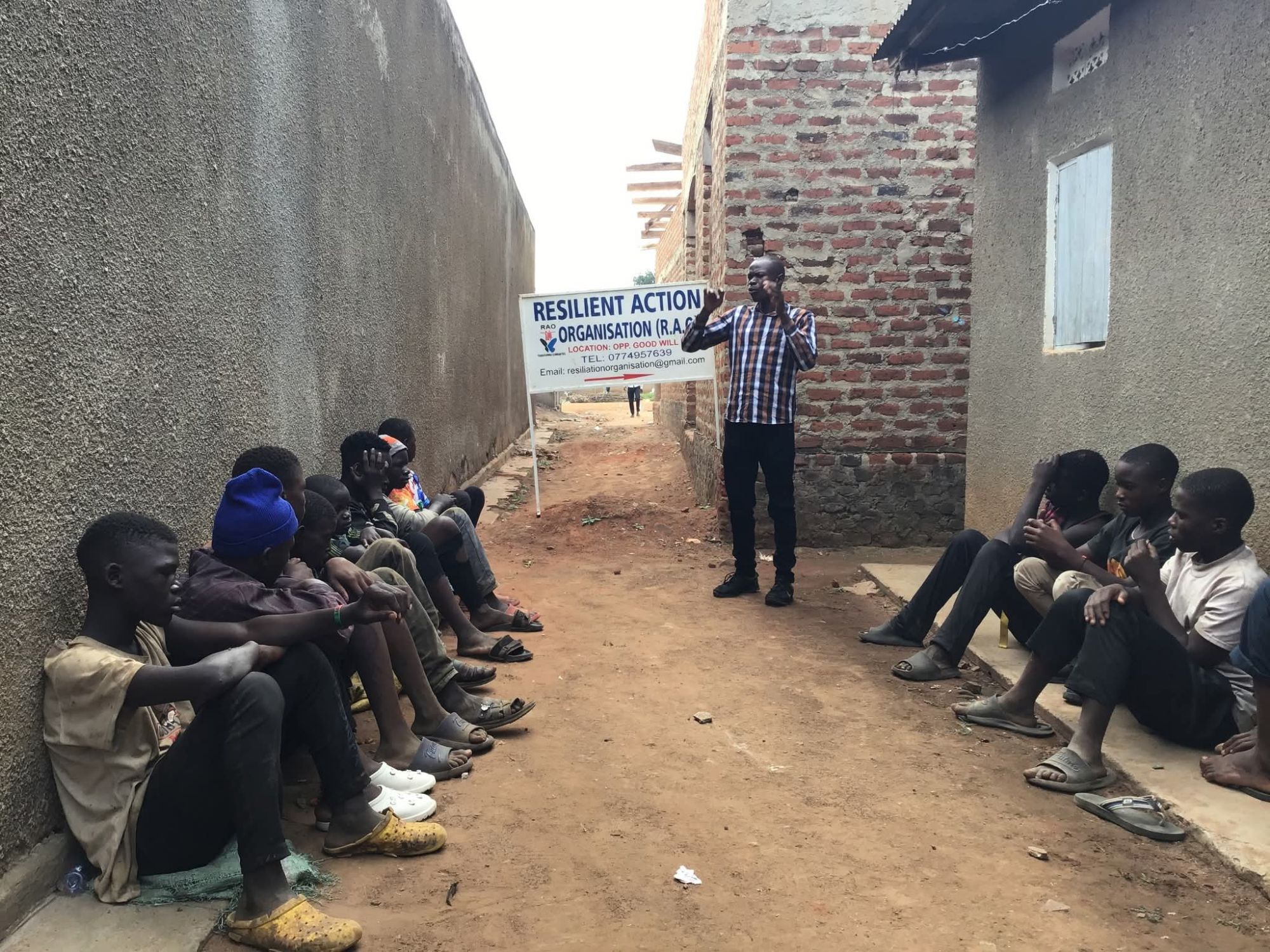
Targeted family support makes a huge difference. Programs that provide:
- Parenting skills training
- Emergency financial assistance
- Substance abuse treatment
- Mental health services
These interventions stabilize families before they fracture beyond repair.
And let’s talk schools. When education is engaging and relevant, when teachers are trained to recognize trauma, when schools become community hubs – they become powerful protective forces in vulnerable children’s lives.
Economic Empowerment for Sustainable Change
Give a street child food, they eat for a day. Teach them marketable skills, they rebuild their lives.
Economic empowerment isn’t just about job training. It’s about creating pathways to financial independence that match the reality of these kids’ lives.
Microenterprise programs have shown incredible promise. Starting with small businesses that require minimal capital – street vending, craft production, service provision – builds confidence and provides immediate income.
Savings programs specifically designed for street youth help them plan for the future. Many programs use matched savings, where each dollar saved is matched by the program, accelerating their path to stability.
The digital economy offers unique opportunities. With just a smartphone and training, street youth can access online freelance work, avoiding the discrimination they often face in traditional employment.
But skills alone aren’t enough. Successful programs also address the trauma and social challenges that might otherwise sabotage economic progress. This holistic approach recognizes that sustainable change happens when healing and opportunity grow together.
Measuring Impact and Success
Key Performance Indicators for Rehabilitation Programs
Tracking the right metrics makes all the difference when helping street children rebuild their lives. The most effective programs track these core KPIs:
- Reintegration rates: The percentage of children successfully reunited with families or placed in stable living situations
- Education milestones: School enrollment, attendance, and grade progression
- Health improvements: Physical recovery markers and mental health assessments
- Substance abuse reduction: Decrease in dependency and successful completion of treatment programs
- Legal status regularization: Obtaining birth certificates, IDs and other documentation
Raw numbers don’t tell the whole story. The real magic happens when you look at each child’s individual progress rather than just hitting statistical targets.
Long-term Follow-up Systems
Most rehabilitation programs fail in one critical area – what happens after the child leaves?
Effective follow-up systems include:
- Regular check-ins for at least 3-5 years post-program
- Graduated contact schedules (weekly → monthly → quarterly)
- Crisis intervention protocols for sudden setbacks
- Peer mentorship networks connecting program graduates
- Community support mechanisms involving local stakeholders
The harsh reality? Without proper follow-up, even the best programs see high relapse rates, with kids returning to street life.
Participant-centered Evaluation Methods
Kids know better than anyone if a program is actually helping them. Smart organizations:
- Use child-friendly feedback tools (drawing, storytelling)
- Conduct regular group discussions led by trusted facilitators
- Implement anonymous suggestion systems
- Create youth advisory boards with real decision-making power
- Involve former street children as evaluators and program designers
“Nothing about us without us” isn’t just a catchy phrase—it’s the only approach that works.
Adapting Programs Based on Outcomes
The programs that survive don’t just collect data—they actually use it.
When the numbers show something isn’t working:
- Rapid response teams identify the problem
- Staff and participants collaborate on solutions
- Small pilot adjustments test new approaches
- Successful changes scale program-wide
- Failed experiments become valuable learning opportunities
This continuous improvement cycle is what separates programs that transform lives from those that just warehouse kids until they age out.
A Comprehensive Approach to Street Children Rehabilitation
The rehabilitation of street children requires a multifaceted approach that addresses their immediate needs while creating pathways to long-term stability. Through educational interventions, healthcare solutions, psychological support, and family reintegration strategies, we can effectively help these vulnerable young people transition from street life to stability. Community engagement and policy-level interventions play crucial roles in creating sustainable solutions, while measuring program effectiveness ensures resources are directed toward truly impactful initiatives.
Success in this critical work depends on understanding the complex factors that lead children to the streets in the first place. By combining skill development programs with appropriate social support systems and working toward family reunification when possible, we can break the cycle of street life. Moving forward, let’s commit to evidence-based approaches that not only address immediate crises but build sustainable frameworks that prevent children from ending up on the streets in the first place. Every child deserves safety, education, healthcare, and the opportunity to thrive.