



Introduction
In today’s rapidly changing world, the need for reforming education has never been more pressing.
Thank you for reading this post, don't forget to subscribe!The Need for Educational Reform
The current education system, in many parts of the world, was designed for a different era. It often fails to address the needs of modern learners and the skills required in today’s job market. Some key reasons why reforming education is crucial include:
- Outdated curriculum and teaching methods
- Lack of focus on critical thinking and problem-solving skills
- Inadequate preparation for the digital age
- Inequalities in access to quality education
- High stress levels and mental health issues among students
- Disconnect between education and real-world applications
By addressing these issues through comprehensive education reform, we can create a system that better serves students, teachers, and society as a whole.

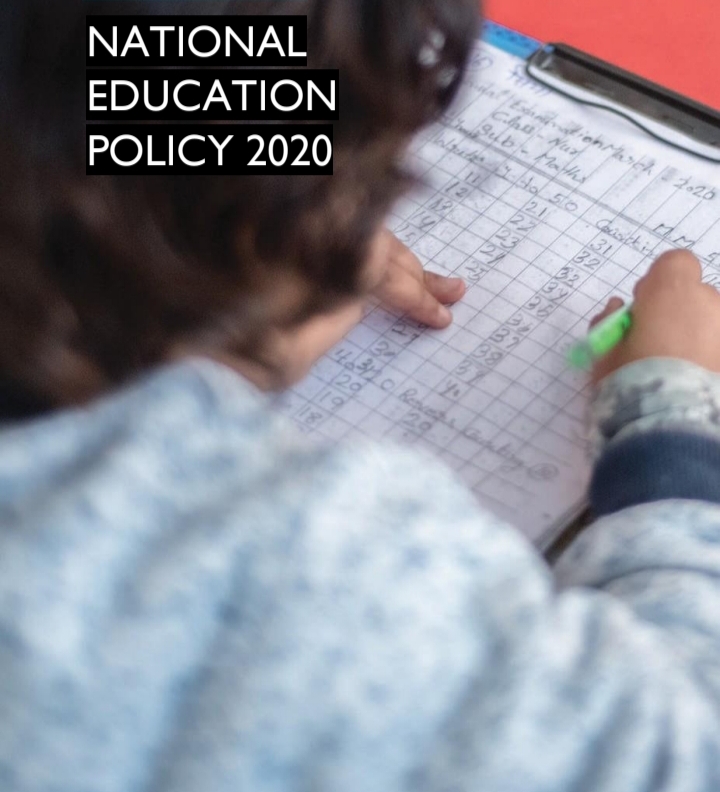
Key Areas of Focus in Education Reform
Reforming education is a multifaceted process that requires attention to various aspects of the learning experience. Some key areas of focus include:
- Curriculum design
- Teaching methodologies
- Technology integration
- Equity and inclusion
- Teacher training and support
- Assessment and evaluation
- Learning environments
- Student well-being
By addressing these areas holistically, we can create a more effective and engaging educational experience for all students.

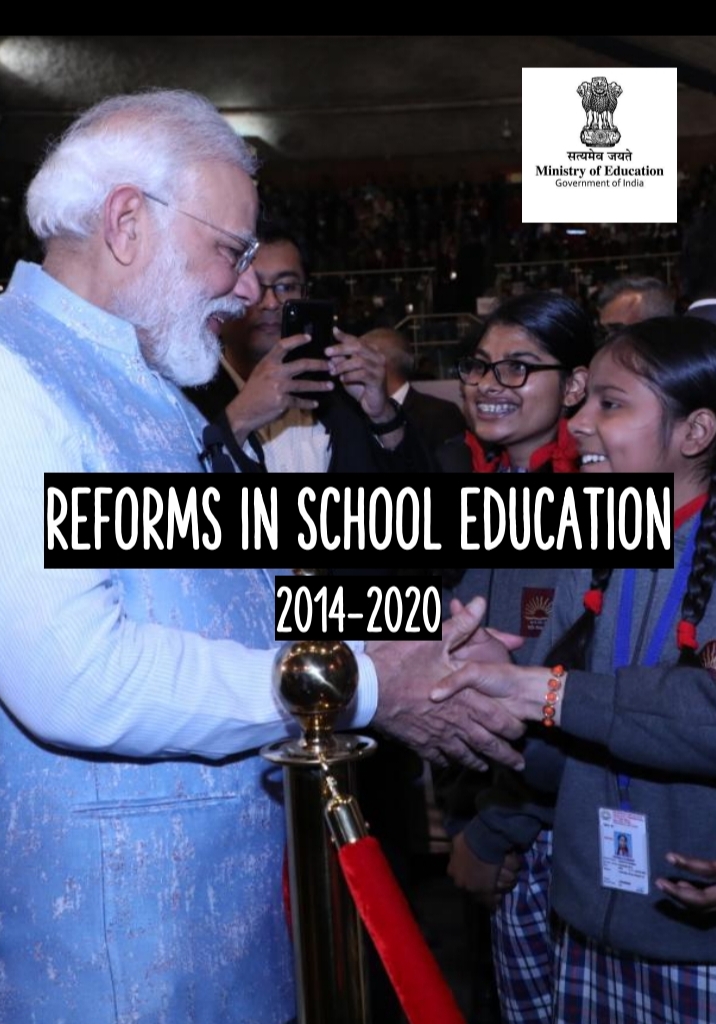
Innovative Approaches to Learning
One of the cornerstones of Reforming Education is the adoption of innovative approaches to learning. These methods aim to make education more engaging, relevant, and effective. Some examples include:
- Project-based learning: Students work on real-world projects that integrate multiple subjects and skills.
- Flipped classrooms: Students learn content at home through videos and online resources, then apply their knowledge in class with teacher guidance.
- Personalized learning: Tailoring education to individual student needs, interests, and learning styles.
- Experiential learning: Providing hands-on experiences that allow students to apply their knowledge in practical settings.
- Collaborative learning: Encouraging students to work together, fostering teamwork and communication skills.
By incorporating these approaches, educators can create a more dynamic and effective learning environment that better prepares students for the future.
Read more: Reforming EducationTechnology Integration in Education
In the digital age, technology plays a crucial role in reforming education. Some ways technology can enhance the learning experience include:
- Online learning platforms and resources
- Virtual and augmented reality for immersive learning experiences
- Artificial intelligence for personalized learning and assessment
- Gamification to increase engagement and motivation
- Collaboration tools for remote and group work
However, it’s important to note that technology should be used as a tool to enhance learning, not replace human interaction and guidance. Striking the right balance is key to successful Reforming Education.


Addressing Inequalities in Education
A critical aspect of reforming education is addressing the inequalities that exist in access to quality education. This includes:
- Improving funding for underprivileged schools and communities
- Providing resources and support for students with special needs
- Addressing racial and socioeconomic disparities in educational opportunities
- Ensuring access to technology and internet for all students
- Developing culturally responsive curricula and teaching methods
By focusing on equity and inclusion, we can create a Reforming education system that provides opportunities for all students to succeed, regardless of their background or circumstances.
Teacher Training and Support
Teachers play a crucial role in the success of education reform. To ensure they are equipped to implement new approaches and technologies, we must focus on:
- Ongoing professional development opportunities
- Training in new teaching methodologies and technologies
- Support for mental health and well-being
- Adequate resources and funding for classroom materials
- Opportunities for collaboration and sharing best practices
By investing in our teachers, we invest in the future of education and the success of our students.

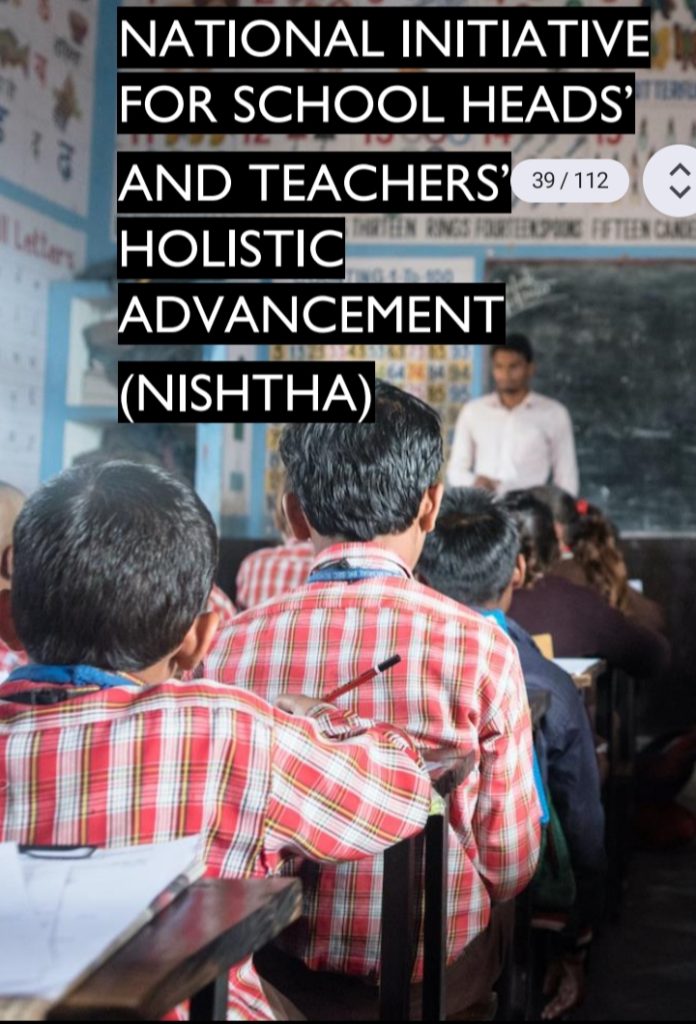
Curriculum Overhaul
Reforming education requires a thorough review and update of curriculum content. This involves:
- Aligning curriculum with 21st-century skills and job market needs
- Incorporating interdisciplinary learning
- Emphasizing critical thinking, problem-solving, and creativity
- Including financial literacy and life skills
- Integrating global perspectives and cultural awareness
A well-designed curriculum should provide students with the knowledge and skills they need to succeed in a rapidly changing world.
Assessment and Evaluation Methods
Traditional assessment methods often fail to capture the full range of student abilities and learning. Reforming education involves rethinking how we measure student progress and success. This may include:
- Moving away from standardized testing as the primary measure of success
- Incorporating project-based assessments
- Using portfolio assessments to showcase student growth over time
- Implementing formative assessments to guide instruction
- Developing methods to assess soft skills and 21st-century competencies
By diversifying assessment methods, we can get a more accurate picture of student learning and provide more meaningful feedback to guide their growth.
Parental and Community Involvement
Successful education reform requires the involvement of parents and the broader community. This can be achieved through:
- Regular communication between schools and families
- Opportunities for parents to participate in school decision-making
- Community partnerships to provide real-world learning experiences
- Family education programs to support learning at home
- Volunteer opportunities for community members to share their expertise
By fostering strong connections between schools, families, and communities, we can create a supportive ecosystem for student learning and growth.
Challenges in Implementing Education Reform
While the benefits of reforming education are clear, there are several challenges to overcome:
- Resistance to change from various stakeholders
- Limited funding and resources
- Political and policy barriers
- Time constraints for implementing new approaches
- Ensuring equitable access to new technologies and resources
- Measuring the effectiveness of new methods
Addressing these challenges requires collaboration, persistence, and a commitment to long-term change.
Success Stories in Education Reform
Despite the challenges, there are many examples of successful education reform initiatives around the world. Some notable examples include:
- Finland’s education system, which emphasizes equity, teacher autonomy, and student well-being
- Singapore’s focus on 21st-century competencies and character development
- Estonia’s digital education strategy, which has made it a leader in technology integration
- New Zealand’s efforts to incorporate indigenous knowledge and perspectives into the curriculum
These success stories can serve as inspiration and provide valuable insights for other countries and regions looking to reform their education systems.
The Future of Education
As we continue the process of reforming education, it’s important to consider what the future of learning might look like. Some potential trends include:
- Increased personalization through AI and adaptive learning technologies
- Greater emphasis on social-emotional learning and well-being
- More flexible and modular learning pathways
- Integration of virtual and augmented reality for immersive learning experiences
- Lifelong learning opportunities to support continuous skill development
By anticipating these trends and preparing for them, we can create an education system that remains relevant and effective in the years to come.
Conclusion
Reforming education is a complex and ongoing process, but it is essential for preparing students to thrive in the 21st century and beyond. By focusing on innovative teaching methods, technology integration, equity, and holistic student development, we can create an education system that empowers learners, supports teachers, and contributes to a more prosperous and equitable society.