
The Ao Tribe stands among the most prominent indigenous communities of Nagaland, Northeast India, with a rich cultural legacy spanning centuries. This guide is perfect for students, researchers, cultural enthusiasts, and anyone curious about the vibrant traditions of the Ao people.
You’ll discover the deep-rooted origins and cultural heritage that shaped this remarkable community, including their migration stories and ancestral beliefs. We’ll explore their traditional lifestyle and daily practices, from their unique agricultural methods to their distinctive social structures. Finally, you’ll learn about their colorful festivals and ceremonial traditions, including the famous Moatsu festival that celebrates their harvest season and community bonds.
Origins and Cultural Heritage of the Ao Tribe
Ancient Migration Patterns and Settlement History
The Ao people trace their origins to ancient migrations that brought them to the rugged hills of Nagaland in northeastern India centuries ago. Archaeological evidence and oral traditions suggest the Ao tribe migrated from Southeast Asia, following river valleys and mountain passes before establishing permanent settlements in what is now the Mokokchung district.
Their ancestors chose strategic locations on hilltops and ridges, creating fortified villages that offered both protection and agricultural advantages. These early settlements formed the foundation of twelve major Ao villages, including Chungliyimti, Longterok, and Yimyu, which remain culturally significant today. The Ao people developed sophisticated terraced farming systems that transformed steep hillsides into productive agricultural land, demonstrating remarkable adaptation to their mountainous environment.
Historical accounts describe the Ao as skilled warriors and traders who controlled important trade routes between the Brahmaputra valley and the hill regions. Their strategic position allowed them to interact with various neighboring tribes while maintaining their distinct cultural identity.

Traditional Belief Systems and Spiritual Practices
The spiritual world of the Ao tribe centers around animistic beliefs that recognize spirits inhabiting natural elements like trees, rocks, rivers, and mountains. Their traditional cosmology divides the universe into multiple realms where ancestral spirits continue to influence the living world.
Lungkum, the supreme deity, occupies the highest position in their pantheon, while various nature spirits govern specific aspects of daily life. The Ao people traditionally believed that maintaining harmony with these spiritual forces ensured prosperity, good harvests, and protection from misfortune.
Ritual practices included elaborate ceremonies for appeasing spirits, blessing crops, and honoring ancestors. Village priests called Ariju served as intermediaries between the spiritual and physical worlds, conducting rituals and interpreting omens. Sacred groves near villages remained untouched, serving as dwelling places for protective spirits.
The arrival of Christianity in the early 20th century significantly transformed Ao spiritual practices, though many traditional elements persist in modified forms within contemporary religious expressions.
Social Structure and Community Organization
Ao society operates through a sophisticated clan-based system that organizes communities around kinship groups called Tsükis. These clans trace their lineage through patrilineal descent, creating strong family bonds that extend across multiple villages and generations.
Village councils known as Panchayats handle local governance, combining traditional leadership structures with modern administrative requirements. Elder councils maintain authority over customary laws, dispute resolution, and cultural preservation. The traditional system recognizes different social classes based on ancestry, achievement, and contribution to community welfare.
Gender roles follow traditional patterns where men typically handle external affairs, hunting, and warfare, while women manage household activities, weaving, and child-rearing. However, women hold significant influence in family decisions and economic activities, particularly in agriculture and trade.

The Ao social structure emphasizes collective responsibility and mutual support. Community work projects, shared agricultural labor, and collaborative decision-making strengthen social bonds and ensure village prosperity.
Language Preservation and Linguistic Significance
Ao belongs to the Sino-Tibetan language family and represents one of the major Naga languages spoken in northeastern India. The language exhibits remarkable diversity with distinct dialects corresponding to different village clusters, reflecting the geographic isolation that preserved unique linguistic features.
The Ao script, developed by missionary Dr. Edward Clark in the early 1900s, uses Latin characters adapted for local phonetic requirements. This writing system enabled the translation of religious texts, creation of educational materials, and documentation of oral traditions that might otherwise have been lost.
Traditional oral literature includes creation myths, heroic epics, folk tales, and genealogical records passed down through generations. These narratives preserve historical knowledge, moral teachings, and cultural values that shape Ao identity and worldview.
Modern challenges to language preservation include increased migration to urban areas, dominance of English and Hindi in education, and reduced use of Ao in daily communication among younger generations. Community leaders and cultural organizations actively promote language learning through schools, cultural programs, and digital documentation projects to ensure linguistic continuity for future generations.

Traditional Lifestyle and Daily Practices
Agricultural Methods and Crop Cultivation Techniques
The Ao people have mastered the art of jhum cultivation, also known as shifting cultivation, which has sustained their communities for generations. This traditional farming method involves clearing forest patches, burning the vegetation, and cultivating crops on the nutrient-rich ash-covered soil. The Ao farmers typically grow rice as their staple crop, along with millet, maize, and various vegetables like beans, pumpkins, and chilies.
Their agricultural calendar follows ancient wisdom passed down through generations. The Ao tribe begins land preparation during the dry months, carefully selecting plots that have been left fallow for several years. They practice crop rotation and intercropping, planting different varieties together to maximize yield and maintain soil fertility. Women play crucial roles in seed selection and storage, preserving heirloom varieties that have adapted to local conditions over centuries.
Terraced farming on steep hillsides showcases the Ao people’s engineering skills. These terraces prevent soil erosion while creating flat surfaces for rice cultivation. The community works together during planting and harvesting seasons, strengthening social bonds while ensuring everyone’s fields receive adequate attention. Traditional tools like the dao (machete) and wooden plows remain essential for their agricultural practices.
Traditional Crafts and Artistic Expressions
Ao artisans excel in bamboo and cane craft, creating everything from baskets and mats to intricate furniture and storage containers. Their weaving techniques produce strong, waterproof baskets used for carrying agricultural produce and daily necessities. The women specialize in textile production, creating beautiful shawls and wraps using traditional backstrap looms.
Wood carving represents another significant art form among the Ao tribe. Skilled craftsmen carve decorative panels for houses, ceremonial objects, and everyday items like spoons and bowls. These carvings often feature geometric patterns and symbolic motifs that carry cultural significance and tell stories of their heritage.
Pottery making, though less common today, remains an important traditional skill. Ao potters create cooking vessels, storage jars, and ceremonial items using clay found in local riverbeds. The firing process often involves community participation, with families gathering to tend the kilns and share techniques.
Metalwork, particularly blacksmithing, produces essential tools for agriculture and daily life. Ao blacksmiths forge daos, spearheads, and agricultural implements using traditional techniques passed down through apprenticeship systems.
Clothing, Jewelry, and Personal Adornments
Traditional Ao clothing reflects both practical needs and cultural identity. Men typically wear a loincloth called “alongsu” paired with a shawl draped over the shoulders. The design and colors of these garments often indicate the wearer’s social status, age group, and achievements within the community.
Women’s traditional attire includes wrap-around skirts and blouses, often decorated with intricate geometric patterns woven in vibrant colors. The “tsulia” (women’s shawl) serves multiple purposes – as clothing, baby carrier, and ceremonial wear. Each village within the Ao tribe has distinct patterns and color combinations that identify their specific community.

Jewelry and ornaments hold special significance in Ao culture. Necklaces made from beads, shells, and brass are common, with certain pieces reserved for specific ceremonies or social positions. Earrings and nose ornaments, crafted from silver or brass, complement traditional outfits during festivals and important occasions.
Body modifications like tattooing were historically practiced among the Ao people, particularly among warriors and headhunters. These tattoos served as symbols of courage, achievements in battle, and social standing. Hair ornaments, including feathers and carved combs, complete the traditional appearance during ceremonial events.
The Ao tribe’s approach to personal adornment extends beyond mere decoration – each piece carries cultural meaning and connects the wearer to their ancestral traditions and community identity.
Festivals and Ceremonial Traditions
Moatsu Festival Celebrations and Rituals
Moatsu stands as the most significant festival of the Ao Tribe, marking the completion of sowing activities in May. This three-day celebration brings together entire communities in a vibrant display of cultural unity. The festival kicks off with purification rituals where village elders perform ceremonial cleansing of homes and granaries using traditional herbs and prayers.
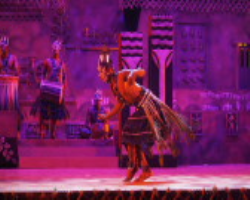
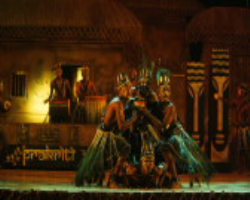
During Moatsu, the Ao people showcase their rich heritage through folk dances performed in colorful traditional attire. Men wear distinctive shawls with intricate patterns while women don beautiful mekhelas adorned with tribal jewelry. The rhythmic beats of log drums echo through villages as dancers move in synchronized formations, telling stories of their ancestors and agricultural cycles.
Community feasts play a central role, with families preparing special dishes using newly harvested crops. Rice beer flows freely as a symbol of abundance and shared prosperity. Young people use this time for courtship rituals under the watchful yet approving eyes of elders, making Moatsu a celebration of both cultural continuity and new beginnings.
Harvest Ceremonies and Seasonal Observances
The Ao people maintain deep spiritual connections with agricultural cycles through elaborate harvest ceremonies. The pre-harvest ritual of Tsungremmong in August involves community prayers for abundant crops and protection from natural disasters. Village priests, known as Tsubu, lead these ceremonies with chanted invocations to ancestral spirits.
Post-harvest celebrations transform villages into festive gathering spaces. The Ao Tribe organizes thanksgiving ceremonies where first fruits are offered to deities before any consumption begins. These rituals demonstrate respect for nature’s bounty and acknowledge the interconnectedness of human survival with environmental harmony.
Seasonal observances extend beyond major harvests. The Ao people mark the arrival of spring with flower festivals, summer with rain-calling ceremonies, and winter with fire festivals that ward off evil spirits. Each seasonal celebration includes specific foods, songs, and dances that have been passed down through generations, creating a living calendar of cultural expression.
Life Cycle Ceremonies from Birth to Death
Birth ceremonies among the Ao people begin with elaborate naming rituals conducted by tribal elders. Newborns receive names based on circumstances of their birth, seasonal timing, or ancestral dreams. The naming ceremony includes blessing chants and the presentation of traditional items that will guide the child’s future path.
Coming-of-age ceremonies mark crucial transitions in Ao society. Young men participate in initiation rites that test their courage, strength, and knowledge of tribal customs. These ceremonies often involve temporary isolation in the forest, where initiates learn survival skills and receive spiritual guidance from experienced mentors. Young women undergo similar rites focused on domestic skills, cultural knowledge, and preparation for family responsibilities.
Marriage ceremonies represent elaborate multi-day affairs involving both families and extended clan networks. The Ao Tribe follows specific protocols for courtship, negotiation, and ceremonial exchange of gifts. Traditional wedding rituals include the sharing of rice wine, exchange of handwoven textiles, and community dances that celebrate the union while strengthening inter-family bonds.
Death ceremonies reflect the Ao people’s complex spiritual beliefs about afterlife and ancestral connections. Funeral rites involve specific mourning periods, ritual preparation of the deceased, and elaborate burial ceremonies that ensure safe passage to the spirit world. Memorial feasts continue for prescribed periods, maintaining connections between the living and departed souls.
Community Bonding Through Collective Celebrations
The Ao Tribe strengthens social cohesion through regular community celebrations that transcend individual family boundaries. Village assemblies organize collective work parties called “Ren” where entire communities come together for major projects like house construction, road maintenance, or preparation for festivals. These gatherings combine practical work with social celebration, featuring shared meals and evening entertainment.
Labor-sharing festivities create networks of mutual support that define Ao social structure. When families need help with farming, construction, or ceremonial preparations, the community responds collectively. These collaborative efforts always conclude with celebratory meals and cultural performances that reinforce community bonds and shared identity.
Religious observances serve as powerful unifying forces within Ao settlements. Weekly prayer meetings, seasonal rituals, and special ceremonial occasions bring together people of all ages in shared spiritual experiences. The Ao people blend Christian practices with traditional beliefs, creating unique ceremonial expressions that honor both heritage and contemporary faith.
Sports competitions and cultural contests during festival seasons provide platforms for friendly rivalry between villages while maintaining overall tribal unity. Traditional games, folk dance competitions, and storytelling contests celebrate individual talents while reinforcing collective cultural pride. These events often attract visitors from other tribal communities, creating opportunities for cultural exchange and broader regional connections.
Modern Challenges and Cultural Preservation
Impact of modernization on traditional ways
The Ao people face significant pressure as modern technology and contemporary lifestyle choices reshape their ancestral homeland. Traditional bamboo and thatch homes are being replaced by concrete structures, while younger generations increasingly migrate to urban centers for education and employment opportunities. This exodus has created a knowledge gap, where ancient skills like traditional weaving, herbal medicine practices, and oral storytelling traditions struggle to find successors.
Digital connectivity has brought both benefits and challenges to Ao communities. While smartphones and internet access provide educational resources and economic opportunities, they also expose youth to outside influences that sometimes conflict with traditional values. The elders worry about losing their native language as English and Hindi become more dominant in daily communication.
Agricultural practices that sustained the Ao tribe for centuries now compete with modern farming techniques and cash crop cultivation. The traditional jhum (shifting cultivation) system faces criticism from environmental groups, leading to policy restrictions that affect food security and cultural practices tied to this ancient method.

Education and youth engagement initiatives
Community leaders and cultural organizations have launched several programs to bridge the generational gap affecting the Ao people. Language preservation workshops teach young Ao tribal members their native tongue through interactive sessions that blend traditional songs and stories with modern teaching methods. These initiatives recognize that language serves as the foundation for cultural identity.
Youth cultural camps during school holidays immerse children in traditional crafts, folk dances, and ceremonial practices. Participants learn to create traditional Ao textiles, master indigenous musical instruments, and understand the spiritual significance behind various rituals. These programs have shown remarkable success in rekindling interest among teenagers who previously showed little connection to their heritage.
Digital documentation projects involve young Ao people in recording elder interviews, cataloging traditional recipes, and creating online archives of cultural practices. This approach appeals to tech-savvy youth while preserving valuable knowledge that might otherwise disappear. Social media platforms now feature Ao cultural content created by young community members, reaching diaspora populations worldwide.
Government policies affecting tribal communities
The Indian government’s tribal welfare policies have created mixed outcomes for the Ao people. Constitutional protections under the Fifth Schedule provide certain safeguards for tribal land rights, but implementation often falls short of expectations. Land acquisition for development projects sometimes displaces Ao communities despite legal protections.
Educational reservation policies have opened doors for Ao students in higher education and government jobs, creating a new class of educated professionals within the community. However, these opportunities often require leaving traditional homelands, contributing to cultural disconnection and brain drain from tribal areas.
The Forest Rights Act of 2006 theoretically empowers Ao communities to claim traditional forest lands, but bureaucratic hurdles and lengthy verification processes limit practical benefits. Many Ao people continue to face restrictions on accessing forest resources that their ancestors used for generations.
Recent policies promoting tribal entrepreneurship and handicraft development have created new income sources for some Ao artisans. Government-sponsored craft fairs and online marketplaces help traditional Ao products reach broader markets, though these initiatives require communities to adapt their practices to commercial demands.
Tourism opportunities and cultural showcasing
Cultural tourism presents both opportunities and risks for the Ao tribe. Well-managed tourism can provide economic benefits while showcasing Ao traditions to wider audiences. Homestay programs allow visitors to experience authentic Ao hospitality while generating income for local families. These initiatives help community members see economic value in maintaining traditional practices.
The famous Hornbill Festival has become a major platform for Ao cultural expression, attracting thousands of domestic and international tourists to Nagaland. Ao participants showcase their traditional dances, music, and crafts, creating pride among community members and awareness among visitors. This exposure has led to increased appreciation for Ao culture both within and outside the tribe.
However, tourism also brings challenges. The commercialization of sacred rituals for tourist entertainment raises concerns among Ao elders about cultural appropriation and the loss of spiritual significance. Some worry that performing traditions for money changes their essential meaning and reduces ancient practices to mere entertainment.
Sustainable tourism models are emerging that involve Ao communities in planning and decision-making processes. These approaches prioritize cultural authenticity over commercial appeal, ensuring that tourism development respects traditional values while providing economic opportunities. Community-based tourism initiatives give Ao people control over how their culture is presented and shared with outsiders.
Contemporary Contributions and Future Prospects
Notable Ao Personalities in Various Fields
The Ao people have produced remarkable individuals who’ve made significant contributions across multiple sectors. Dr. Imkongliba Ao stands as a pioneering figure in education and literature, having authored numerous works that document Ao culture and traditions. His academic contributions have helped preserve the community’s rich heritage for future generations.
In politics and governance, personalities like T.R. Zeliang have represented the Ao tribe at state and national levels, bringing tribal perspectives to mainstream political discourse. These leaders have worked to bridge the gap between traditional governance systems and modern democratic institutions.
The field of music has been transformed by Ao artists who blend traditional melodies with contemporary sounds. Musicians from the community have gained recognition both nationally and internationally, showcasing Ao cultural expressions through modern platforms.
Military service has seen distinguished Ao officers who’ve served with honor in the Indian Armed Forces. Their contributions reflect the community’s strong tradition of valor and service to the nation.

Integration of Traditional Knowledge with Modern Practices
The Ao community has skillfully merged ancestral wisdom with contemporary approaches across various domains. Traditional agricultural practices, refined over centuries, now incorporate modern farming techniques and sustainable methods. Terraced farming systems, originally developed by the Ao people for jhum cultivation, have been enhanced with scientific irrigation methods and organic farming principles.
Traditional medicine systems continue to play a vital role, with community healers working alongside modern healthcare practitioners. Medicinal plants and herbal remedies, passed down through generations, are being studied and documented by researchers who recognize their potential value in contemporary healthcare.
Educational systems have evolved to include both traditional knowledge transfer methods and modern pedagogical approaches. Village elders who serve as repositories of cultural knowledge now collaborate with formally trained teachers to ensure comprehensive learning experiences for young people.
Architecture represents another area where traditional building techniques meet modern construction standards. Contemporary Ao homes often feature traditional design elements while incorporating modern amenities and construction materials that improve durability and comfort.
Economic Development Within the Community
Economic transformation within the Ao community has taken multiple paths while respecting cultural values. Agriculture remains a cornerstone, but farming practices have diversified beyond traditional crops. Cash crops, horticulture, and spice cultivation have created new income streams for families who previously relied solely on subsistence farming.
Tourism has emerged as a significant economic driver, with the community leveraging its unique cultural heritage and scenic landscapes. Cultural tourism, featuring traditional festivals, handicrafts, and authentic Ao experiences, attracts visitors seeking immersive tribal culture encounters.
Handicraft production has evolved from purely functional items to commercial enterprises. Traditional weaving, wood carving, and bamboo crafts now reach markets beyond the local community through online platforms and cultural exhibitions.
Small-scale industries have developed around food processing, with traditional fermented foods and organic products finding markets in urban areas. These ventures maintain cultural authenticity while meeting contemporary consumer demands.
Education and skill development programs have equipped younger generations with modern technical skills while preserving traditional knowledge systems. This dual approach ensures economic opportunities without complete departure from cultural roots.
The Ao tribe stands as a remarkable example of how ancient traditions can thrive alongside modern progress. Their rich cultural heritage, from traditional hunting practices to vibrant festivals like Moatsu, continues to shape their identity while they navigate contemporary challenges. The community’s dedication to preserving their language, customs, and ceremonial practices shows their commitment to honoring their ancestors while building a future for younger generations.
Today’s Ao people are making meaningful contributions to education, politics, and social development across Nagaland and beyond. Their story reminds us that cultural preservation doesn’t mean staying frozen in time – it means adapting and growing while keeping the heart of your traditions alive. Supporting indigenous communities like the Ao tribe means recognizing their valuable perspectives and ensuring their voices remain strong in our increasingly connected world.