
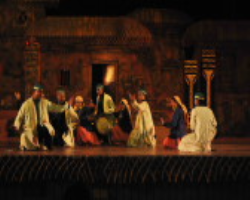
The Kheria Tribe represents one of India’s fascinating indigenous communities, carrying centuries of rich cultural traditions and unique social practices. This guide serves researchers, students, and anyone curious about tribal cultures who want to understand the Kheria people’s way of life and heritage.
You’ll discover the historical roots and cultural foundations that shaped the Kheria community over generations. We’ll explore their geographic presence across different regions and examine how their settlements developed over time. The article also covers their distinctive social organization, from family structures to community leadership roles, giving you insight into what makes the Kheria Tribe’s society so unique.
Historical Origins and Cultural Heritage of the Kheria Community
Ancient roots and migration patterns across Indian subcontinent
The Kheria Tribe traces its lineage back several centuries, with roots deeply embedded in the historical fabric of the Indian subcontinent. Archaeological evidence and oral traditions suggest that the Kheria community originated from the central regions of India, particularly around present-day Madhya Pradesh and Chhattisgarh. Over generations, various clans migrated eastward and southward, establishing settlements across multiple states including Jharkhand, Bihar, West Bengal, and parts of Odisha.
Migration patterns of the Kheria reveal a complex network of movement driven by seasonal agricultural cycles, trade opportunities, and social factors. Early settlements were strategically positioned near river valleys and forest edges, providing access to both agricultural land and natural resources. These migration routes often followed ancient trade paths, allowing the community to maintain cultural connections while adapting to new geographical environments.
Historical records from the colonial period document the presence of Kheria settlements in various districts, often describing them as semi-nomadic groups with strong territorial affiliations. The community’s movement patterns were closely tied to monsoon cycles and agricultural seasons, reflecting their deep understanding of environmental rhythms that sustained their traditional way of life.
Traditional occupations and skilled craftsmanship practices
The Kheria community has long been recognized for their exceptional skills in various traditional crafts and occupations. Historically, many Kheria families specialized in metalwork, particularly iron and brass crafting, creating agricultural tools, household utensils, and decorative items. Their expertise in blacksmithing made them valuable members of rural economies, as they provided essential tools for farming communities.
Bamboo and cane work represents another significant traditional occupation among the Kheria. Master craftsmen create intricate baskets, mats, and storage containers using techniques passed down through generations. These products served both practical and ceremonial purposes within their communities and neighboring villages.
 Agricultural activities also formed the backbone of Kheria economic life, with many families practicing subsistence farming and animal husbandry. Their agricultural knowledge encompasses traditional seed varieties, organic farming methods, and sustainable land management practices that have proven effective for centuries.
Language preservation and dialect variations
The Kheria Tribe maintains a rich linguistic heritage through their native dialects, which belong to the broader Munda language family. These dialects show significant regional variations, reflecting the community’s geographic distribution and historical interactions with neighboring linguistic groups. Primary dialect variations include differences in vocabulary, pronunciation patterns, and grammatical structures across different settlement areas.
Language preservation efforts within Kheria communities focus on oral traditions, including folk songs, stories, and ceremonial chants that carry cultural knowledge from one generation to the next. Elders play a crucial role in maintaining linguistic purity, often serving as repositories of traditional vocabulary related to crafts, agriculture, and spiritual practices.
Regional dialects demonstrate fascinating adaptations based on local influences:
- Eastern variants show borrowings from Bengali and Odia languages
- Central variants incorporate elements from Hindi and regional tribal languages
- Southern variants reflect interactions with Dravidian language families
Many Kheria communities are bilingual or multilingual, speaking their native dialect alongside regional languages necessary for trade and social interaction. This linguistic flexibility has helped preserve their cultural identity while enabling economic and social integration with broader regional communities.
Religious beliefs and spiritual customs
Kheria spiritual practices blend animistic traditions with elements borrowed from Hinduism and other regional belief systems. Nature worship forms the core of their religious worldview, with special reverence for forests, rivers, mountains, and ancestral spirits. Sacred groves are maintained by many Kheria communities, serving as centers for religious ceremonies and ecological conservation.
Ancestor worship holds particular significance in Kheria spiritual life. Family shrines honor deceased relatives, and elaborate rituals mark death anniversaries and seasonal festivals. These practices reinforce social bonds and cultural continuity while providing spiritual guidance for daily decisions.
Seasonal festivals align with agricultural cycles and natural phenomena. The community celebrates harvest festivals, rain ceremonies, and forest deity worship through collective singing, dancing, and ritual offerings. Shamanic traditions persist in many areas, with spiritual healers serving as intermediaries between the physical and spiritual worlds.
Traditional healing practices combine herbal medicine with spiritual rituals, reflecting the community’s deep knowledge of medicinal plants and their therapeutic properties. These healing traditions are carefully guarded and transmitted through apprenticeship systems that ensure knowledge preservation across generations.
Geographic Distribution and Settlement Patterns
Primary regions of concentration in India
The Kheria Tribe primarily inhabits the northern and central regions of India, with the largest concentrations found in Uttar Pradesh, Madhya Pradesh, and parts of Rajasthan. Uttar Pradesh hosts the most significant population clusters, particularly in the districts of Kanpur, Allahabad (now Prayagraj), and Lucknow. These areas have served as traditional strongholds for the community for generations.
In Madhya Pradesh, Kheria communities are predominantly settled in Bhopal, Indore, and surrounding districts. The state’s central location has historically made it an attractive region for trade and commerce, activities that many Kheria families have traditionally engaged in. Rajasthan’s Kheria population is mainly concentrated in Jaipur and Ajmer districts, where they have established well-integrated communities over the centuries.
The distribution pattern shows a preference for regions with established urban centers and trade routes. This geographical preference stems from the community’s historical involvement in commerce and skilled craftsmanship, making proximity to markets and trading hubs essential for economic survival.
Urban migration trends and adaptation challenges
Urban migration among the Kheria community has accelerated significantly since the 1990s, driven by educational opportunities and expanding job markets in metropolitan areas. Delhi, Mumbai, Pune, and Bangalore have emerged as major destination cities, attracting young Kheria families seeking better prospects.
The migration pattern typically follows a chain migration model, where initial settlers help establish networks that facilitate subsequent arrivals. Professional opportunities in information technology, healthcare, and business services have been primary drivers, especially among educated community members.
However, urban adaptation presents several challenges. Language barriers become apparent when Kheria families move to states with different regional languages. Cultural preservation becomes more difficult in cosmopolitan environments where traditional practices may seem out of place. Housing costs in major cities often force families to compromise on living standards initially.
Economic adaptation requires skill upgrading and formal education credentials that weren’t always necessary in traditional occupations. Many families struggle with the transition from community-based business models to corporate employment structures. Access to community support systems becomes limited, creating social isolation issues.
Community clusters and neighborhood formations
Kheria communities tend to form distinct residential clusters within both urban and rural settings. These neighborhoods serve as cultural preservation centers where traditional values and practices continue to thrive. In cities like Kanpur and Lucknow, specific localities have become synonymous with Kheria presence.
Community clusters typically develop around religious centers, with local temples or community halls serving as focal points for social gatherings. These spaces host festivals, marriages, and important community decisions. The clustering pattern helps maintain business networks, as many families continue traditional occupations or establish complementary enterprises.
Within these neighborhoods, informal support systems operate effectively. Child care, elderly care, and emergency assistance flow naturally through community connections. Business referrals and employment opportunities often circulate within these networks before reaching external channels.
Modern urban planning sometimes disrupts these traditional clustering patterns. Redevelopment projects and rising property values can scatter established communities. However, Kheria families often attempt to relocate within reasonable distances to maintain community ties. Digital communication now helps bridge physical distances when complete clustering isn’t possible.
These settlement patterns reflect the community’s balance between integration with broader society and preservation of distinct cultural identity. The neighborhoods serve as anchoring points that provide stability during periods of economic or social change.
Social Structure and Community Organization
Traditional governance systems and leadership roles
The Kheria tribe operates through a well-established hierarchical system that has guided their community for generations. Village elders hold the highest positions of authority, making crucial decisions about resource allocation, conflict resolution, and community welfare. These leaders typically gain their status through a combination of age, wisdom, and demonstrated commitment to tribal values.
The traditional council, known as the “Panchayat,” consists of five to seven respected members who represent different family lineages within the village. This system ensures that major decisions receive input from various segments of the community. The headman, or “Mukhiya,” serves as the primary spokesperson and coordinator between the Kheria community and external authorities.
Leadership roles are generally passed down through patrilineal lines, though exceptional individuals can earn positions through their contributions to community welfare. The governance structure emphasizes consensus-building rather than authoritative decision-making, reflecting the tribe’s collective approach to problem-solving.
Marriage customs and kinship networks
Marriage within the Kheria community follows strict traditional protocols that strengthen social bonds and maintain cultural continuity. Arranged marriages remain the predominant practice, with parents and elders playing central roles in selecting suitable partners for their children. The selection process considers factors such as family reputation, economic status, and compatibility between the prospective families.
The tribe practices exogamy, meaning individuals must marry outside their immediate clan or gotra to avoid blood relations. This custom has created extensive kinship networks that span multiple villages and regions. Marriage ceremonies involve elaborate rituals spanning several days, including traditional dances, folk songs, and community feasts that reinforce social connections.
Bride price or “tilak” remains an important aspect of marriage negotiations, though its significance has evolved over time. The kinship system creates strong support networks where extended families share responsibilities for child-rearing, elder care, and economic assistance during difficult periods.
Inter-community relationships and social mobility
The Kheria tribe maintains complex relationships with neighboring communities, balancing their desire to preserve cultural autonomy with the need for economic and social cooperation. Inter-community marriages occasionally occur, though they require careful negotiation and acceptance from both sides.
Social mobility within the tribe traditionally depends on factors like agricultural success, leadership qualities, and contributions to community development. While caste-like distinctions exist, they are less rigid than in mainstream society, allowing capable individuals to improve their social standing through merit and community service.
Trade relationships with other communities have historically provided opportunities for some Kheria families to accumulate wealth and enhance their social status. Modern education and employment opportunities have created new pathways for advancement, though these often require individuals to navigate between traditional expectations and contemporary demands.
Gender roles and women’s status within the tribe
Women in the Kheria community hold significant responsibilities in household management, agricultural activities, and cultural preservation. While traditional gender roles assign domestic duties primarily to women, they also participate actively in farming, animal husbandry, and small-scale commerce.
The matriarchal influence appears strong in certain aspects of family decision-making, particularly regarding children’s education and health matters. Older women, especially mothers-in-law, wield considerable authority within their households and often serve as informal mediators in family disputes.
However, formal leadership positions remain predominantly male-dominated, with women’s participation in village councils being limited. Property inheritance follows patrilineal patterns, though women retain certain rights to their natal family’s assets. Recent decades have seen gradual changes as education and economic opportunities expand women’s roles beyond traditional boundaries, creating ongoing negotiations between established customs and evolving social expectations.
Economic Activities and Livelihood Strategies
Traditional trades and artisanal skills
The Kheria community has built their economic foundation on a rich heritage of traditional craftsmanship and specialized trades. Metalworking stands as one of their most distinctive skills, with generations of Kheria artisans mastering the art of creating agricultural tools, household implements, and decorative items from iron and brass. Their expertise in forging durable farming equipment has made them valuable partners to agricultural communities across their regions.
Pottery remains another cornerstone of Kheria economic activity. The community’s potters create both functional and ceremonial vessels, drawing on techniques passed down through centuries. These earthenware products serve daily household needs while also playing important roles in religious and cultural ceremonies.
Many Kheria families also engage in traditional weaving, producing textiles that reflect their cultural identity. The patterns and designs woven into their fabrics tell stories of their heritage and serve as important sources of supplemental income for households.
Modern employment opportunities and career transitions
The changing economic landscape has opened new doors for the Kheria Tribe members. Education has become a pathway to government jobs, with many young people securing positions in administrative roles, teaching, and public services. The expansion of industrial sectors in nearby urban areas has created factory jobs and construction opportunities that provide steady wages.
Healthcare and service sectors have also absorbed Kheria workers, particularly in support roles within hospitals, schools, and community centers. Some community members have found success in transportation services, operating small vehicles for local commuting and goods transport.
The digital revolution has brought opportunities in basic computer operations and data entry work, though access to technology training remains limited. Those who have acquired these skills often become valuable resources for their entire community.
Entrepreneurial ventures and business development
Small-scale entrepreneurship has emerged as a viable path for many Kheria families. Setting up local shops that cater to daily necessities has proven successful, especially in areas where larger retailers haven’t established presence. These ventures often start as family operations and gradually expand to employ other community members.
Food-based businesses have gained popularity, with Kheria entrepreneurs opening small restaurants and snack stalls that serve both traditional and contemporary dishes. Their understanding of local tastes and affordable pricing strategies help these ventures thrive.
Some community members have leveraged their traditional skills into modern business models. Metalworkers now create products for urban markets, while potters sell their crafts to tourists and collectors. This blend of tradition and commerce has created sustainable income streams.
Transportation services represent another growing area of Kheria entrepreneurship. Owning and operating auto-rickshaws, small trucks, or motorcycle taxis provides independence and decent earnings for those willing to invest in vehicles.
Economic challenges and income diversification
Seasonal employment patterns create significant financial instability for many Kheria families. Traditional crafts often depend on agricultural cycles and festival seasons, leading to periods of reduced income. This unpredictability forces families to constantly seek alternative income sources.
Limited access to formal credit systems hampers business growth and emergency financial needs. Many Kheria entrepreneurs rely on informal lending networks, which often come with high interest rates that strain their resources.
Competition from mass-produced goods has reduced demand for traditional Kheria crafts. Factory-made tools and pottery cost less than handcrafted items, forcing artisans to either lower their prices or find new market niches.
To address these challenges, many families have adopted diversification strategies. Households typically engage in multiple economic activities simultaneously – combining traditional crafts with modern employment, seasonal agricultural work with small business operations. Women often contribute through home-based activities like tailoring, food preparation, or small-scale trading, while men might work in construction during peak seasons and return to traditional trades during slower periods.
This multi-pronged approach helps families weather economic uncertainties, though it also means that few can specialize deeply in any single activity. The result is a resilient but often stretched economic existence that requires constant adaptation and resourcefulness.
Cultural Practices and Lifestyle Traditions
Festivals and Ceremonial Celebrations
The Kheria tribe celebrates numerous festivals throughout the year that strengthen community bonds and honor ancestral traditions. Their most significant celebration is Sarhul, which marks the beginning of the new year and the blossoming of sal trees. During this festival, community members gather to offer prayers to their deities and ancestors, followed by traditional dancing and feasting that can last for several days.
Harvest festivals hold special importance in Kheria culture, with Karam being one of the most cherished celebrations. This festival honors the karam tree and involves elaborate rituals where unmarried girls fast and pray for the welfare of their brothers and male cousins. The ceremony includes decorating the karam tree with flowers and offering rice beer and traditional sweets.
Marriage ceremonies among the Kheria people involve multiple days of rituals, including pre-wedding negotiations between families, ceremonial baths, and the exchange of gifts. The bride and groom participate in sacred fire ceremonies while elders recite ancestral blessings and community members perform traditional songs.

Traditional Clothing and Jewelry Preferences
Kheria women traditionally wear colorful saris made from handwoven fabrics, often featuring intricate geometric patterns passed down through generations. The saris are typically draped in a distinctive style unique to the tribe, with specific colors chosen based on marital status and age. Unmarried girls prefer bright reds and oranges, while married women often wear deeper shades of blue and green.
Men traditionally don dhotis paired with kurtas or simple cotton shirts. During festivals and ceremonies, they wear special headgear made from woven cloth strips decorated with peacock feathers or flowers. Both men and women wear distinctive jewelry crafted from silver, brass, and beads.
Women’s jewelry includes elaborate necklaces, nose rings, and bangles that often indicate their family’s social status. Married women wear special toe rings and vermillion marks, while girls adorn themselves with colorful glass bangles and flower ornaments in their hair.
Culinary Heritage and Signature Dishes
The Kheria tribe’s culinary traditions center around rice as the staple food, accompanied by seasonal vegetables, fish, and occasionally meat. Their signature dish, “handia,” is a fermented rice beer that plays a central role in religious ceremonies and social gatherings. This traditional brew is prepared by women using special rice varieties and natural fermentation techniques passed down through generations.
“Dhuska” represents another beloved dish – deep-fried rice and lentil pancakes served during special occasions. The Kheria people also prepare “rugra,” a curry made from mushrooms found in local forests, showcasing their deep connection with nature and seasonal eating habits.
Traditional cooking methods involve clay pots and wood-fired stoves, which impart distinctive flavors to their foods. Fish curry prepared with mustard oil and local spices remains a daily staple, while meat dishes are reserved for festivals and important celebrations.
Folk Music and Dance Forms
Music and dance form the heart of Kheria cultural expression, with different forms performed during various occasions. “Jhumar” stands as their most popular dance form, performed during harvest festivals where men and women form circles and move rhythmically to traditional drum beats.
The tribe’s musical instruments include the “mandar” (a traditional drum), “nagara” (larger ceremonial drums), and flutes made from bamboo. These instruments accompany storytelling sessions and religious ceremonies, creating atmospheric soundscapes that connect the community with their spiritual beliefs.
“Paika” dance represents their warrior traditions, performed exclusively by men during ceremonies honoring brave ancestors. Women perform graceful “Chhau” variations that tell stories of divine love and seasonal changes through expressive hand movements and facial expressions.
Oral Traditions and Storytelling Practices
The Kheria tribe maintains rich oral traditions through storytelling sessions called “kissa kahani,” where elders share ancient tales, historical events, and moral lessons with younger generations. These sessions typically occur during winter evenings when families gather around fires.
Their stories often feature forest spirits, brave tribal heroes, and lessons about living harmoniously with nature. Creation myths explain the origins of their people and the sacred relationship between humans, animals, and the natural world. These narratives serve as educational tools, teaching children about tribal values, proper behavior, and ancestral wisdom.
Elderly women hold special roles as keepers of folk songs and lullabies that preserve genealogical information and family histories. Through these musical narratives, children learn about their lineage, traditional customs, and the importance of maintaining cultural identity in changing times.
Contemporary Challenges and Modernization Impact
Educational Access and Literacy Improvement Efforts
The Kheria community faces significant educational challenges that mirror those of many indigenous groups across the country. Remote settlements often lack proper schools, forcing children to walk long distances or migrate to urban areas for education. Many families struggle with the decision between preserving traditional knowledge systems and pursuing formal education that might disconnect their children from cultural roots.
Recent government initiatives have brought mobile schools and adult literacy programs to Kheria settlements. Local NGOs work alongside community elders to develop culturally sensitive curricula that incorporate traditional knowledge alongside modern subjects. These programs show promising results, with literacy rates among younger generations steadily improving. Women’s education receives special focus through evening classes and skill development workshops that respect household responsibilities while building academic foundations.
Healthcare Needs and Community Wellness Initiatives
Healthcare access remains a critical concern for the Kheria Tribe, particularly in remote areas where modern medical facilities are scarce. Traditional healing practices, passed down through generations, continue to play a vital role in community health management. However, the integration of modern healthcare services creates both opportunities and tensions within the community.
Mobile health clinics now visit many Kheria settlements regularly, providing basic medical care and preventive health services. Maternal and child health programs have shown significant success, reducing infant mortality rates and improving nutritional outcomes. Community health workers, often drawn from within the Kheria community itself, bridge the gap between traditional and modern medical approaches. These initiatives respect cultural beliefs while introducing evidence-based healthcare practices.
Technology Adoption and Digital Integration
The digital revolution reaches Kheria communities at varying speeds, creating a complex landscape of technological adoption. Mobile phones have become increasingly common, connecting previously isolated settlements with the broader world. Young people embrace social media platforms to share their cultural experiences and connect with other indigenous communities globally.
Internet connectivity through government rural broadband programs opens new economic opportunities. Some community members now sell traditional crafts through online marketplaces, reaching customers far beyond their local regions. Digital literacy programs teach basic computer skills while online banking services reduce dependence on distant financial institutions. However, the digital divide remains significant, with older generations often struggling to adapt to new technologies.
Cultural Preservation Versus Modern Adaptation
The tension between maintaining cultural identity and embracing modernity creates ongoing discussions within Kheria communities. Traditional languages face pressure from dominant regional languages used in schools and media. Younger generations often struggle to balance respect for ancestral ways with aspirations for modern careers and lifestyles.
Community leaders work actively to document oral traditions, recording stories, songs, and cultural practices for future generations. Cultural festivals and community gatherings take on new importance as spaces where traditional knowledge transfers to younger members. Some communities establish cultural centers that serve as repositories for artifacts, stories, and traditional practices while also embracing useful aspects of modern life.
The challenge lies in selective modernization – choosing which changes benefit the community while rejecting those that threaten core cultural values. This process requires ongoing dialogue between generations and careful consideration of long-term impacts on community cohesion and identity.
The Kheria Tribe represents a fascinating blend of ancient traditions and modern adaptation. Their rich cultural heritage, rooted in centuries-old practices and deeply connected to their geographic settlements, showcases how indigenous communities maintain their identity while navigating today’s changing world. From their unique social structures and traditional economic activities to their distinctive lifestyle practices, the Kheria people have built a resilient community framework that has stood the test of time.
As modernization continues to reshape rural landscapes and traditional ways of life, the Kheria Tribe faces both opportunities and challenges. Supporting indigenous communities like the Kheria means recognizing their valuable contributions to cultural diversity and helping them preserve their traditions while embracing beneficial changes. Learning about groups like the Kheria Tribe reminds us of the importance of protecting indigenous knowledge and ensuring these vibrant cultures continue to thrive for future generations.
