
Ever bitten into a steaming hot empanada and suddenly found yourself transported to the bustling streets of Buenos Aires? That’s not just hunger satisfaction—that’s cultural identity wrapped in dough.
Street food isn’t just cheap eats for tourists with Instagram accounts. It’s the culinary DNA of a place, telling stories no museum ever could.
When exploring street food and local identity, you’re actually diving into a community’s soul through its most accessible art form. The grandmothers making dumplings in Taiwan and the taco vendors in Mexico City aren’t just feeding people—they’re preserving history with every bite.
But here’s what most travelers miss completely when they sample these delicacies…
The Cultural Significance of Street Food
How street food reflects local traditions and history
Street food isn’t just tasty—it’s a living museum of cultural history. Think about it: those tacos from that street corner vendor? They carry generations of cooking techniques passed down through families. The spices, the preparation methods, the serving styles—they all tell stories about a place’s past.
Take Thailand’s Pad Thai. During World War II, the government promoted this rice noodle dish to reduce domestic rice consumption when there were shortages. Now it’s their national dish! Every time someone buys it from a Bangkok street cart, they’re literally tasting history.
Or consider New York hot dogs—immigrants brought their sausage-making skills and adapted them to American tastes and circumstances. The hot dog cart became an iconic symbol of the American dream.
The role of street food in cultural preservation
Street food keeps traditions alive when other aspects of culture might be fading. In a world of chain restaurants and homogenized dining, those little food stalls are cultural strongholds.
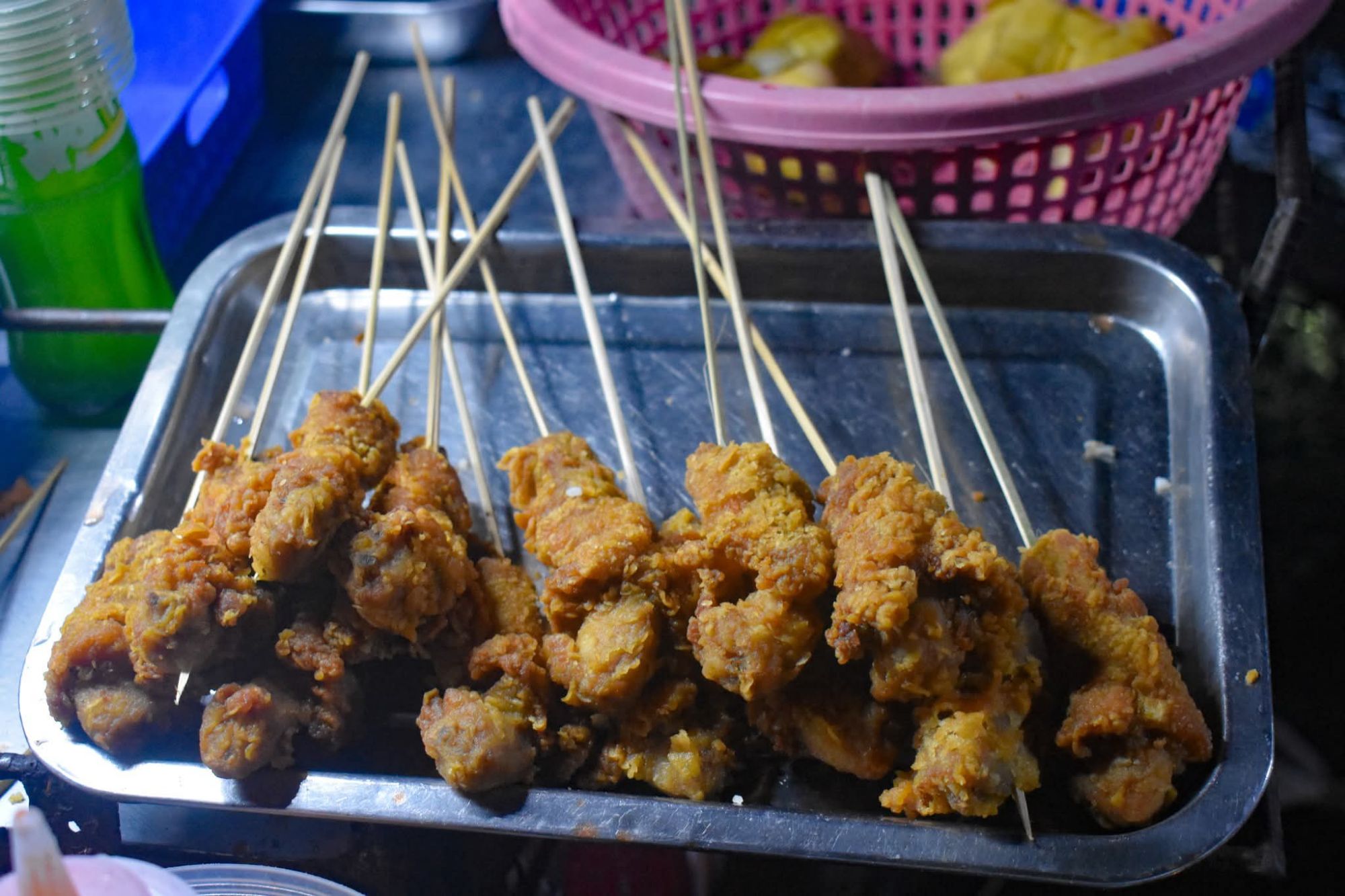
Many street vendors are using recipes that are centuries old. They’re not just feeding people—they’re preserving flavors that might otherwise disappear.
Street food stands firm against the tide of globalization, giving communities a taste of their roots every single day.
Street food as a form of cultural expression
Food is how we express who we are, and street food screams identity. The way Jamaican jerk chicken is spiced and smoked, how Italian pizza is hand-stretched and baked—these aren’t just cooking methods, they’re cultural statements.
Street vendors aren’t just cooks—they’re cultural ambassadors. They take pride in representing their heritage through food. The careful folding of a Vietnamese spring roll or the precise timing of frying a Spanish churro shows cultural artistry at work.
And it evolves! Street food isn’t static. It changes with society, reflecting new influences while keeping its cultural core. Korean-Mexican fusion tacos in LA? That’s cultural expression for a new generation.
How tourists experience authentic culture through street food
Want to really know a place? Skip the tourist traps and eat where locals eat.
It creates connections too. That moment when a vendor explains their specialty dish, or when you gesture and smile your way through an order in a language you don’t speak—that’s real cultural exchange.
And let’s be honest: street food scenes are where the action is. The steam, sizzle and shouts of Mexico City’s taco stands or the organized chaos of Mumbai’s chaat vendors give you the genuine pulse of a place that no museum or landmark ever could.
Street Food as Community Builders
A. Food markets as social gathering spaces
Ever watched a bustling street food market and noticed how everyone seems… connected? That’s no accident.
Street food markets aren’t just places to grab a quick bite—they’re the unofficial living rooms of neighborhoods. On any given evening in Mexico City’s markets, you’ll find families catching up over tacos, teens hanging out after school, and office workers unwinding with a cold drink and antojitos.
These spaces break down barriers like nothing else can. Rich, poor, young, old—everyone gets hungry, and everyone waits in the same line for that famous tamale vendor.
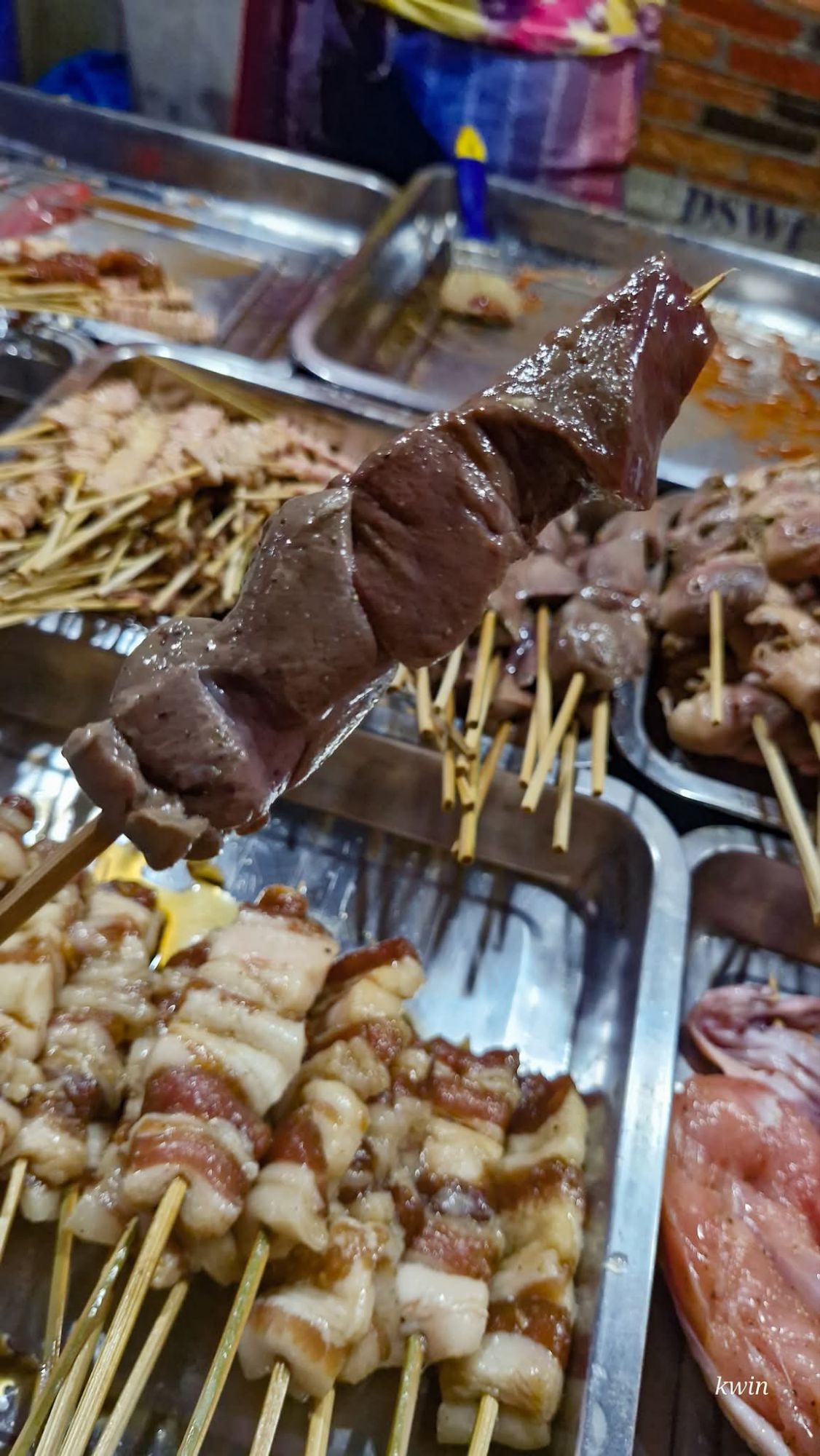
During my travels across Southeast Asia, I found that the plastic stools around street food stalls became my instant social circle. Conversations flow easier when you’re both slurping the same amazing noodles.
B. How street food vendors become neighborhood icons
That lady who’s been selling arepas on the corner for 25 years? She’s witnessed first dates that led to marriages, comforted the heartbroken, and watched children grow up.
Street food vendors aren’t just cooking—they’re keeping watch over the community.
In Bangkok, the som tam vendor knows exactly how spicy each regular likes their papaya salad. In New York, the halal cart guy remembers hundreds of orders without writing anything down.
They become the neighborhood’s living landmarks. When Mrs. Kim retired from her banchan stall in Seoul, the community actually held a ceremony for her. That’s not customer loyalty—that’s family.
C. The generational knowledge passed through street food recipes
Nobody writes down street food recipes—they’re written in movements, whispered corrections, and watchful eyes.
“No, not like that—like this,” a grandmother says, adjusting her daughter’s hand as she pats out tortillas. This is how culinary wisdom travels through generations.
Street food techniques aren’t learned in culinary school. They’re absorbed through years of standing beside elders who learned from their elders.
In Palermo, the secret to perfect arancini isn’t in any cookbook—it’s in the way a vendor’s daughter watched her father’s hands for 20 years before taking over the family cart.
These recipes carry more than flavors—they carry stories, migrations, adaptations, and survival. When a Vietnamese family brings their pho recipe to New Orleans and slowly incorporates local ingredients, that’s cultural evolution happening right before our eyes.
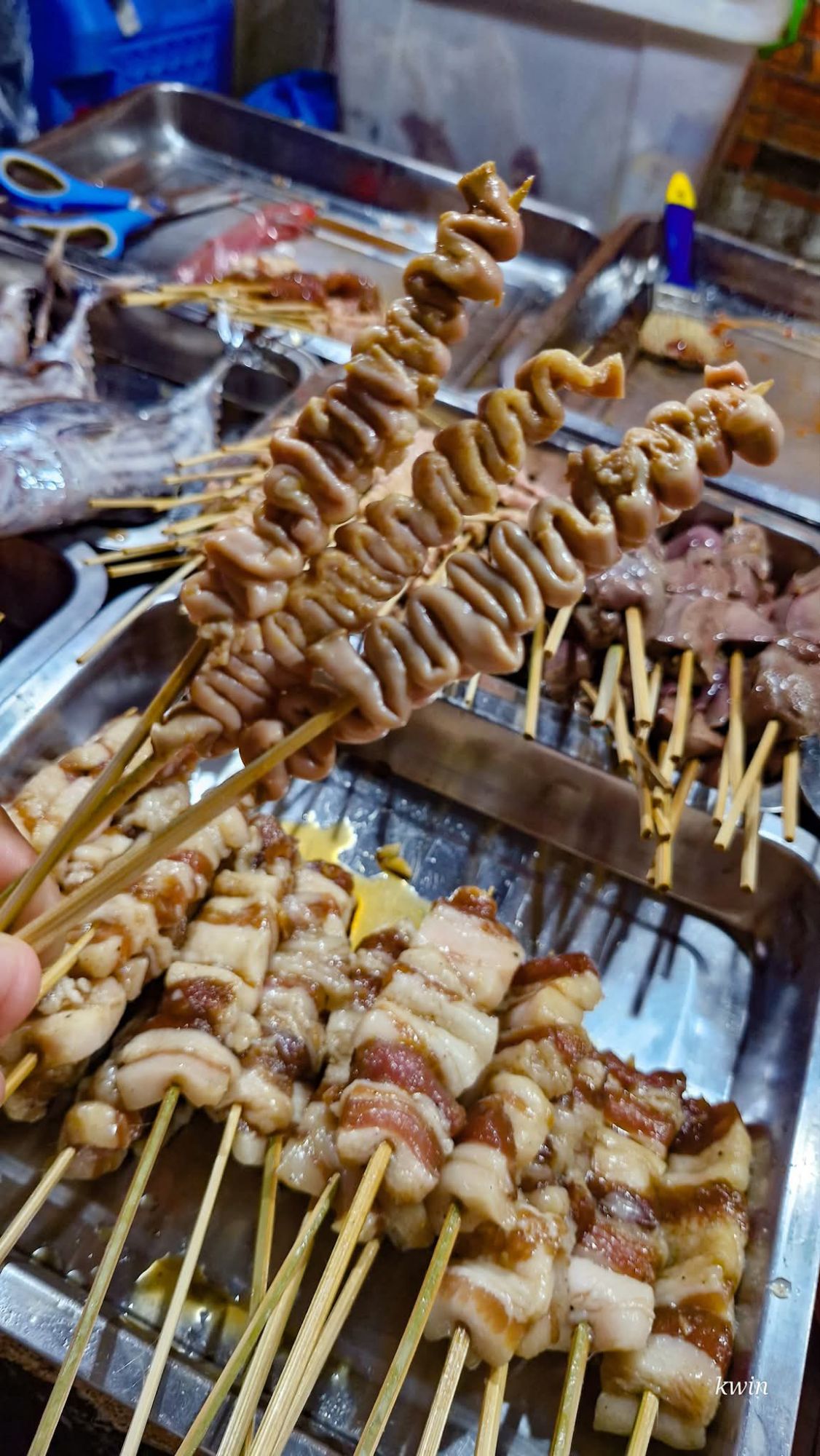
Regional Identity Through Distinctive Street Cuisines
How geography and climate shape local street food offerings
Grab any street food map and you’ll notice something right away: what’s cooking on the streets is directly tied to what grows nearby.
It’s not rocket science. In coastal cities, you’ll find vendors grilling fresh fish and seafood. In fertile valleys? Veggie-packed dishes rule the scene.
Take Thailand’s northern region – cooler temps mean heartier, slower-cooked dishes dominate street stalls, while Bangkok’s tropical heat creates demand for cooling foods like som tam (green papaya salad) that help locals beat the sweat.
Climate doesn’t just affect ingredients – it shapes how food is prepared and consumed. In rainy monsoon regions, you’ll find more covered food courts and steaming hot soups. Desert areas? Preserved foods and morning markets that close before the scorching afternoon sun hits.
Signature street dishes that define cities and regions
Some dishes are so iconic they become edible landmarks.
Philadelphia has cheesesteaks. Mumbai has vada pav. Palermo has panelle.
These aren’t just foods – they’re cultural symbols. When someone says “Berlin,” the döner kebab inevitably enters the conversation. Mention “Osaka” and takoyaki (octopus balls) immediately come to mind.
What makes these dishes stick as regional identifiers? Usually it’s a perfect storm: locally abundant ingredients, immigrant influence, economic necessity, and that magical something that makes locals adopt it as “ours.”
The bánh mì of Vietnam tells the entire colonial history of the country in one sandwich – French baguette meets Vietnamese ingredients in a perfect cultural fusion.
The pride communities take in their unique street food specialties
Street food isn’t just sustenance – it’s bragging rights.
Watch how locals beam with pride when introducing visitors to their signature street eats. The enthusiasm is contagious. They’re not just sharing food; they’re sharing identity.
Communities rally around their iconic dishes. When CNN or some food show declares a city’s street food “the best,” locals share the news like their team just won the championship.
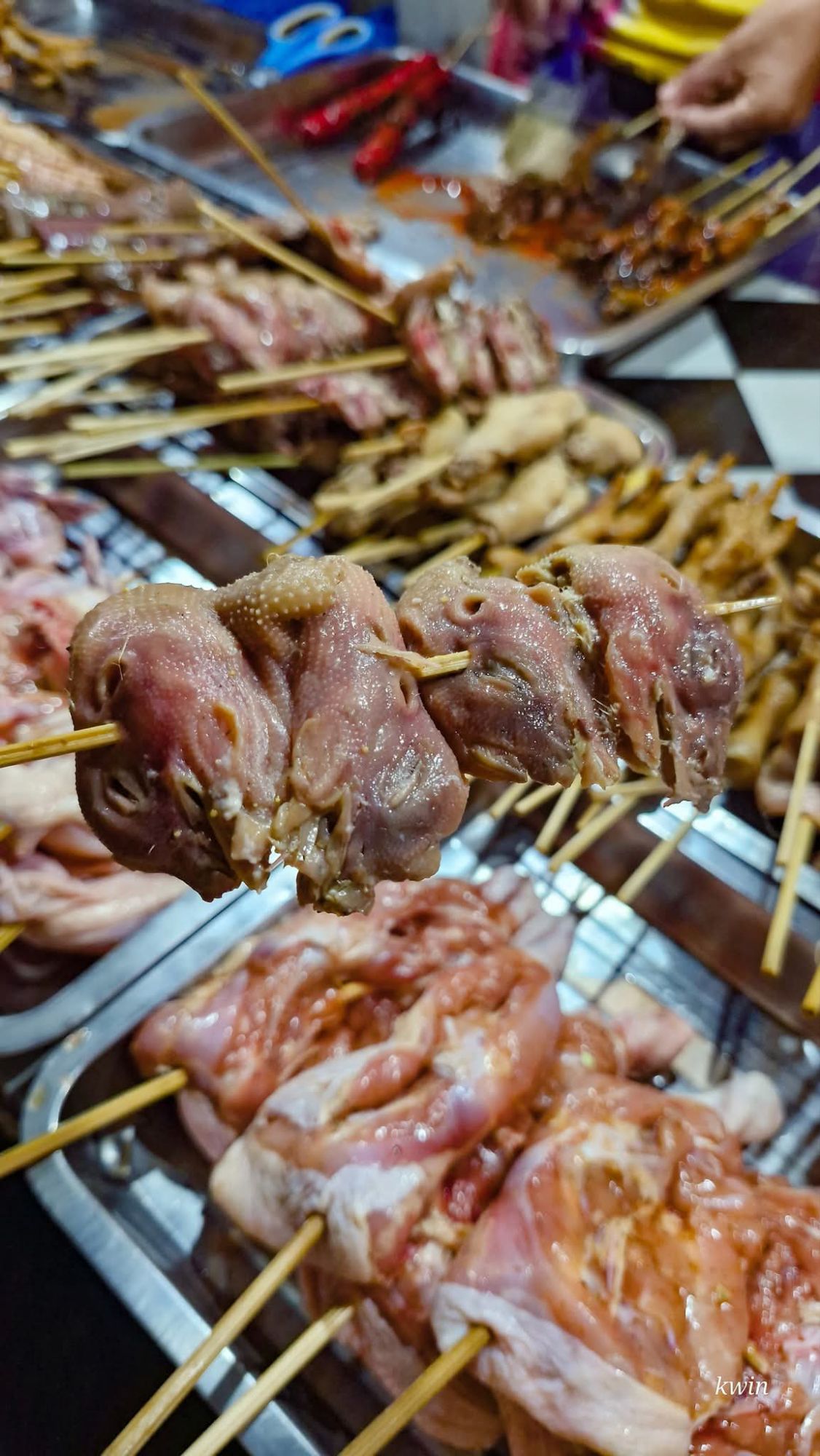
This pride runs deeper than taste – it’s about cultural ownership. When Mexico City residents defend their tacos al pastor or Singaporeans champion their hawker centers, they’re protecting something that belongs collectively to them.
And this pride creates fierce (sometimes playful) rivalries. The debate between New York and Chicago pizza styles isn’t just about food preferences – it’s about city identity and values expressed through dough and sauce.
Case studies of cities famous for their street food identity
Bangkok’s reputation as street food paradise wasn’t accidental. The city’s canals were once highways for floating markets, evolving into the land-based street food scene we know today. Despite government cleanup efforts, the cultural significance was so profound officials had to backtrack after public outcry.
Contrast that with Portland, Oregon, where food cart pods transformed vacant lots into culinary destinations. The city embraced and regulated the trend, creating a street food scene that’s now central to Portland’s quirky, innovative identity.
Penang, Malaysia leverages its multicultural street food heritage as a tourism cornerstone. Their street food isn’t just preserved – it’s actively celebrated through food festivals and government promotion as a living cultural treasure.
How street food creates a sense of place
Nothing anchors you to a location like distinctive street aromas. The smoky scent of meat sizzling on Mexico City’s street corners or the spice-laden steam rising from Marrakech food stalls creates sensory landmarks as powerful as any monument.
Street food zones become community gathering spots where social barriers dissolve. The plastic stools around Thailand’s street carts seat businesspeople next to laborers, creating momentary equality through shared enjoyment.
For immigrants and diaspora communities, street food creates “home” in foreign lands. Chinatowns, Little Italys, and ethnic enclaves worldwide use street food to maintain cultural connections and create familiar spaces in unfamiliar cities.
When development threatens traditional markets, communities often mobilize to protect them – not just as food sources but as irreplaceable social spaces that define neighborhoods and preserve local character against the rising tide of homogenization.
Evolution and Adaptation of Street Food Traditions
A. How migration patterns influence street food development
Street food doesn’t just appear out of nowhere. It travels with people.
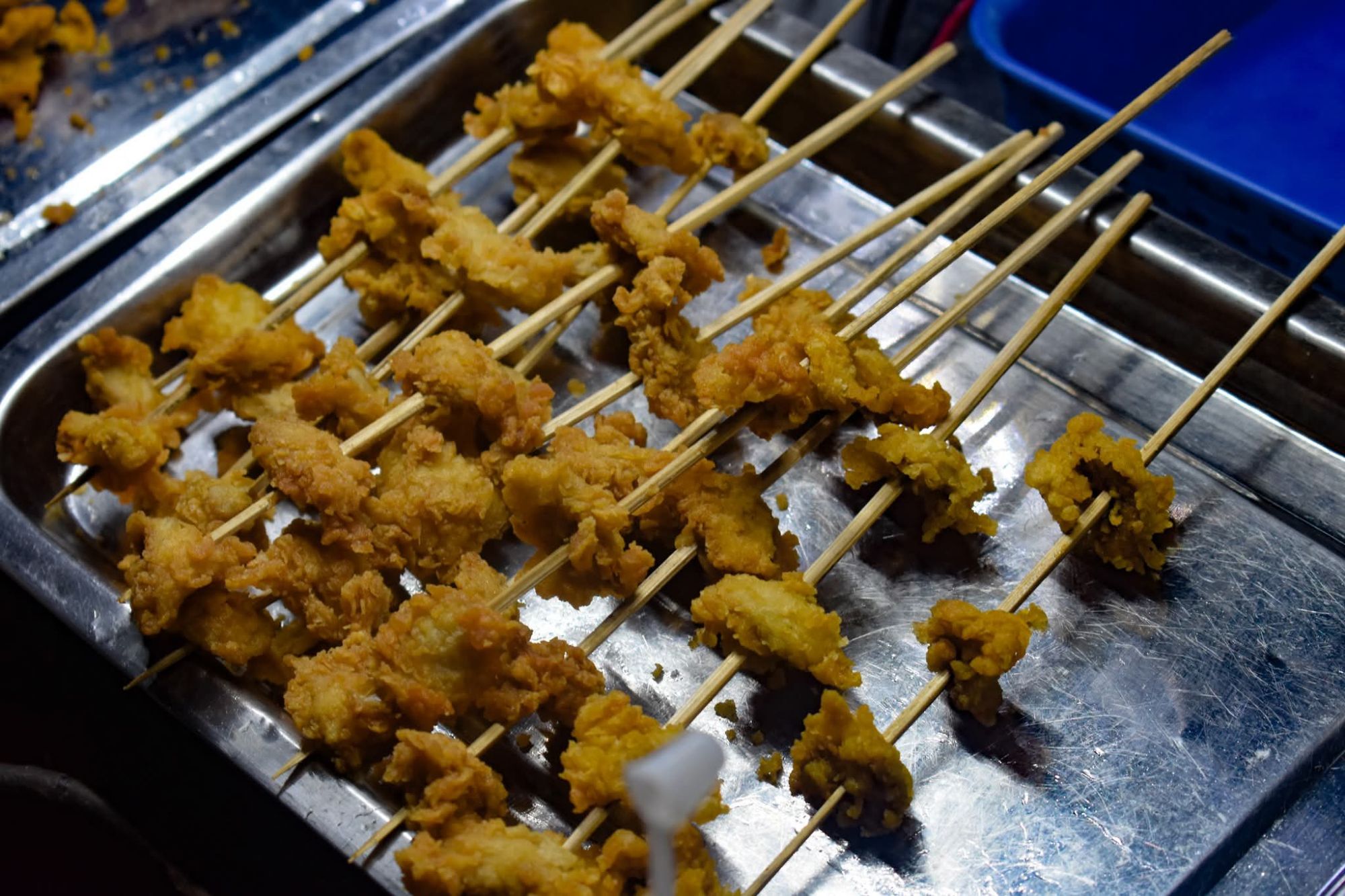
Think about it. When families move across borders, they bring their food traditions packed right alongside their suitcases. That’s why you can find authentic tacos in Tokyo or perfect pad thai in Portland.
Migration creates these incredible food corridors. Take the Silk Road – not just a trade route for spices and silk, but a superhighway for culinary techniques. Dumplings evolved as they traveled from China westward, becoming momos in Nepal, manti in Turkey, and pierogies in Poland.
In America, waves of immigration shaped street food scenes in every major city. Italian immigrants in New York created the slice-on-the-go pizza culture. Vietnamese refugees transformed banh mi into a food truck staple.
B. The fusion of cultures through street food innovation
Street food is where culinary magic happens. It’s the testing ground where traditions collide and create something entirely new.
Korean-Mexican tacos? Nobody planned that. It happened on LA streets when Korean immigrants started filling tortillas with bulgogi and kimchi. Now it’s everywhere.
The brilliance of fusion street food is its accessibility. You don’t need a reservation or a fancy outfit. Just cash and an appetite for adventure.
What makes these fusion creations stick isn’t just novelty – it’s that they actually work. Like the Indian-Chinese street food that developed in Kolkata’s Chinatown. The fiery Gobi Manchurian isn’t authentically Chinese or traditionally Indian, but it’s become its own legitimate cuisine.
C. Traditional techniques meeting modern preferences
Street food vendors are masters of adaptation. They know survival means evolution.
Traditional cooking methods – slow smoking, hand-pounding spices, fermenting – are being preserved in street food, but with modern twists. Vendors aren’t abandoning their grandmother’s recipes; they’re making them fit today’s tastes and needs.
Health-conscious consumers want traditional flavors without the guilt? That’s why you see steamed instead of fried dumplings, or grain bowls topped with ancestral sauces.
Time constraints matter too. Ancient slow-cooked dishes get reinvented for rapid service without sacrificing flavor. Think pressure-cooked rendang served in minutes rather than hours.
Even presentation evolves. Instagram-worthy food packaging and portable formats allow traditional foods to thrive in modern urban environments.
Economic Impact and Entrepreneurship
A. Street food as an entry point for culinary entrepreneurs
The beauty of street food? Low startup costs. Many of today’s restaurant empires began with a simple cart and a dream.
Think about it – instead of dropping $300,000 on a restaurant space, you can test your concept with just a few thousand dollars. It’s the ultimate “minimum viable product” for food businesses.
Street vendors don’t need fancy culinary degrees either. What they need is skill, hustle, and dishes that make people line up for more. Many immigrant entrepreneurs have used street food to introduce new flavors to communities while creating economic opportunities for themselves.
Take Roy Choi. Started with a food truck selling Korean-Mexican fusion tacos. Now? A restaurant empire and Netflix shows. Or Christina Nguyen, who parlayed her street food success into award-winning restaurants like Hai Hai in Minneapolis.
B. How street food tourism benefits local economies
Street food doesn’t just fill bellies – it fills wallets throughout entire communities.
Food tours in places like Bangkok, Mexico City, and Marrakech bring in thousands of tourists specifically hunting for authentic bites. These visitors don’t just spend money on food; they book hotels, hire guides, and buy souvenirs.
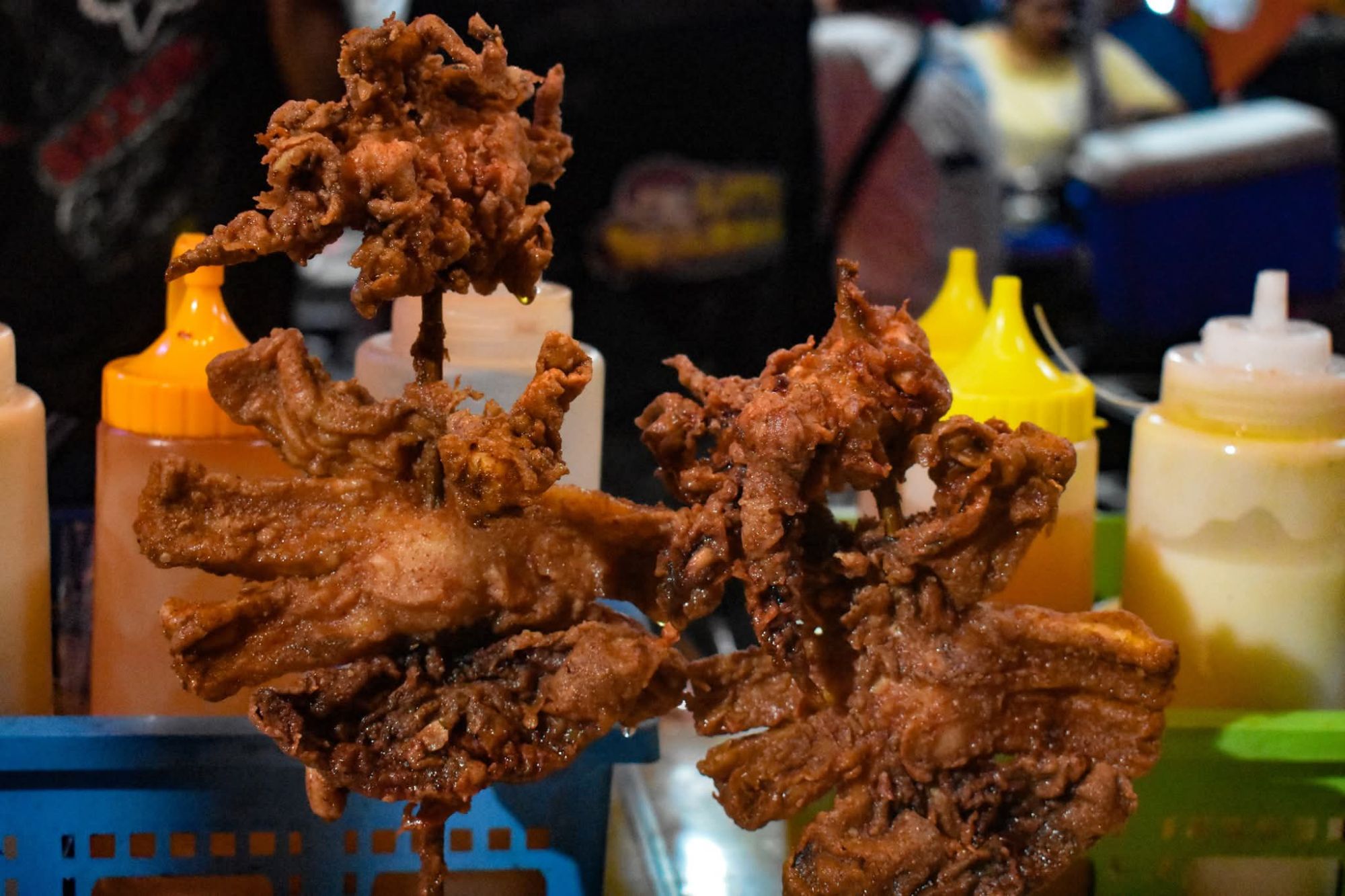
The real magic happens when street food becomes the main attraction. Penang, Malaysia transformed itself into a culinary destination specifically through promoting its hawker culture. The result? Tourism dollars flowing to small-scale vendors instead of just international hotel chains.
C. The socioeconomic accessibility of street food
Street food is democracy in action – $2 tacos eaten by both construction workers and tech executives.
In many cities, street food provides affordable, nutritious options in neighborhoods that corporate chains won’t touch. When a vendor sells papusas for $3 in a food desert, they’re not just making lunch – they’re providing a vital community service.
For consumers across income levels, street food offers quality that often exceeds its price point. The direct vendor-to-customer relationship cuts out middlemen, keeping costs down while maintaining freshness and quality.
D. How street food vendors adapt to changing economic conditions
Street food vendors are economic survivalists, masters of adaptation.
During economic downturns, we see more carts appear as laid-off workers create their own opportunities. During COVID, vendors pivoted faster than most restaurants – setting up makeshift delivery services, creating take-home meal kits, and moving to pre-orders via social media.
When ingredient prices spike, street vendors get creative – adjusting portion sizes, finding substitute ingredients, or creating new dishes that work with available supplies. Their small scale allows for experimentation without massive inventory risks.
The vendors who thrive understand that flexibility isn’t optional – it’s the entire business model. They follow construction sites, office developments, and event schedules. They know where the hungry crowds will be before the crowds do.
Street food serves as a vibrant expression of local identity, creating shared experiences that bind communities together. From the bustling night markets of Southeast Asia to the food trucks of urban America, these culinary traditions reflect unique regional histories and cultural values. As street food evolves, it maintains core elements that preserve heritage while adapting to changing tastes and influences, demonstrating remarkable resilience in the face of globalization.
Beyond cultural significance, street food creates economic opportunities for countless entrepreneurs with minimal startup costs. These small businesses not only preserve culinary traditions but also drive tourism and strengthen local economies. Next time you sample street food, remember you’re participating in a living cultural tradition that connects you to both place and people—supporting not just a vendor, but an entire ecosystem of community identity and economic vitality.
