
Introduction :
India’s declining child sex ratio reached a critical point by 2011, with only 919 girls born per 1,000 boys. The Beti Bachao Beti Padhao initiative launched in 2015 represents the government’s bold response to this crisis, targeting female infanticide prevention and promoting girl child education across the nation.
We’ll explore the critical social issues that sparked this nationwide movement, from sex-selective abortion to deep-rooted gender bias in Indian society. You’ll discover how the campaign’s multi-pronged strategy combines strict enforcement of laws with grassroots awareness programs to change mindsets about the girl child.
We’ll also examine the initiative’s mixed track record – from viral social media successes like #SelfieWithDaughter to concerning revelations about fund allocation, where over 78% of resources went toward advertising rather than ground-level programs. Through local success stories and performance data, you’ll get a complete picture of how this ambitious scheme is reshaping attitudes toward girls education government programs nationwide.
Understanding the Beti Bachao Beti Padhao Initiative
Government’s flagship social campaign launched in 2015
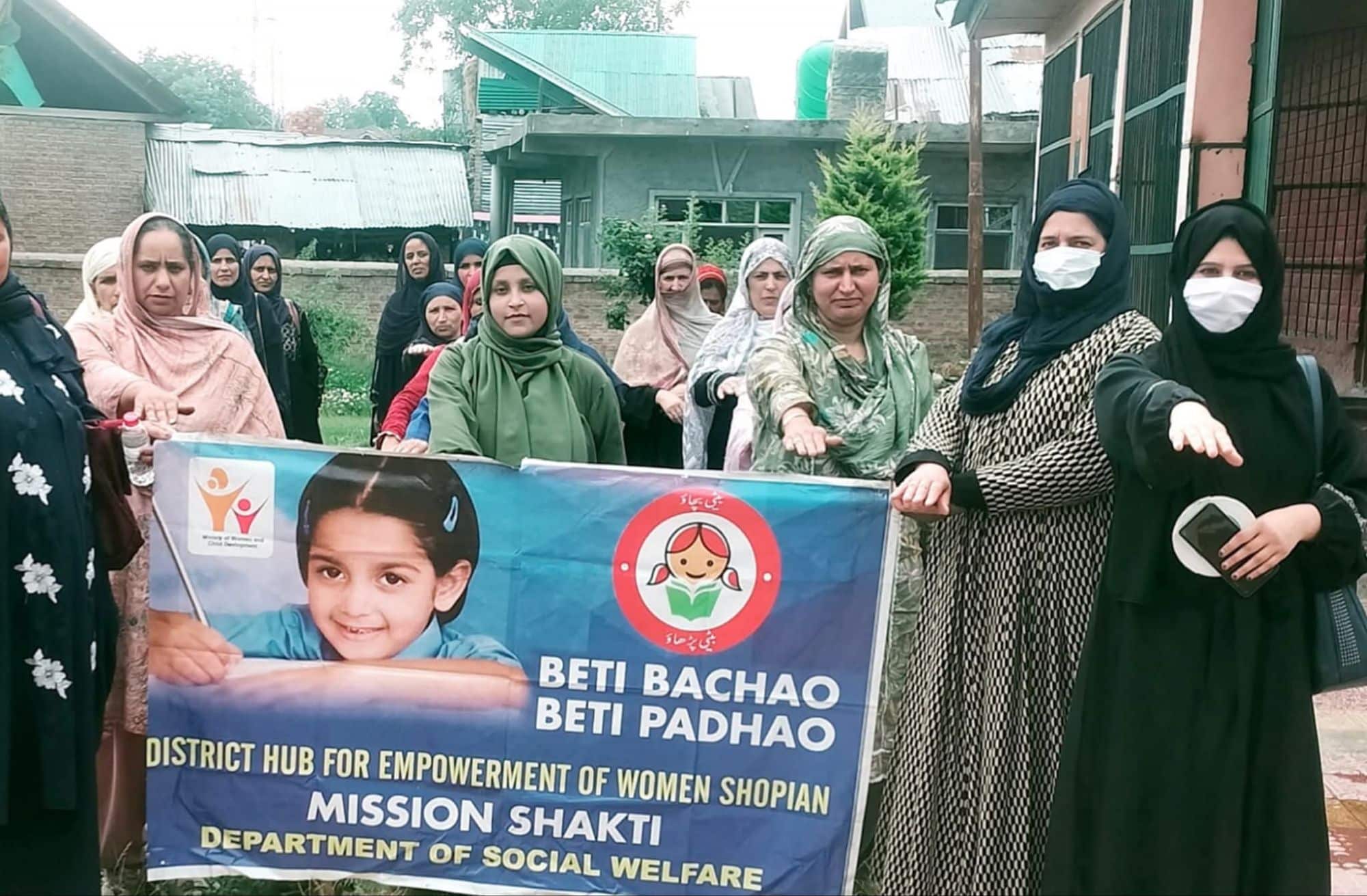
The Beti Bachao Beti Padhao (BBBP) initiative stands as one of India’s most significant social campaigns, launched by Prime Minister Narendra Modi on January 22, 2015, in Panipat, Haryana. This flagship scheme, translating to “Save the Daughter, Educate the Daughter,” represents a transformational shift in how Indian society perceives and values the girl child. The launch marked a pivotal moment in the country’s approach to addressing deeply entrenched gender discrimination and bias against girls.
The campaign emerged as a direct response to alarming statistics revealed in the 2011 population census, which showed a declining child sex ratio of just 919 females per 1,000 males in the age group of 1-6 years. This concerning trend prompted immediate action from the government to combat the crisis of female infanticide and sex-selective abortions that had been plaguing the nation.
Tri-ministerial collaboration for comprehensive approach
The BBBP scheme operates through an innovative tri-ministerial framework, bringing together three key government departments to ensure comprehensive implementation. This collaborative approach involves:
- Ministry of Women and Child Development (MoWCD): Leading the overall coordination and women empowerment initiatives
- Ministry of Health and Family Welfare (MoHFW): Focusing on health-related interventions and enforcement of medical regulations
- Ministry of Education (MoE): Formerly the Ministry of Human Resource Development, responsible for educational components and girl child schooling
This multi-sectoral approach ensures that the campaign addresses various dimensions of gender inequality, from healthcare and survival to education and empowerment. The tri-ministerial structure enables coordinated action across different government departments, avoiding fragmented efforts and ensuring holistic development of policies and programs.
Addressing declining child sex ratio across India
The primary driver behind the BBBP initiative was India’s alarming decline in child sex ratio, particularly evident in relatively prosperous regions. The campaign specifically targets the root causes of this demographic imbalance, including:
- Sex-selective abortion and female foeticide: The widespread use of ultrasound technology combined with deep-rooted gender bias has led to increased termination of female foetuses
- Cultural preferences: Traditional mindsets favoring male children over daughters continue to influence family decisions
- Economic factors: The dowry system and expectations of large financial contributions for daughters’ marriages contribute to the preference for sons
States like Madhya Pradesh exemplify this crisis, where the sex ratio dropped from 932 girls per 1,000 boys in 2001 to 918 by 2011. Experts predicted that without intervention, this number could fall below 900 by 2021, making the BBBP initiative critically important for demographic stability.
Expanding from 100 critical districts to nationwide coverage
The BBBP scheme adopted a strategic phased approach to implementation, beginning with targeted intervention in the most critical areas before expanding nationwide. Initially, the program focused on 100 gender-critical districts with the lowest child sex ratios, implementing multi-sectoral District Action Plans with specific interventions tailored to local challenges.
The selection criteria for these districts included:
- Lowest child sex ratio indicators
- High prevalence of gender discrimination
- Limited access to education for girls
- Weak enforcement of existing gender protection laws
Following successful pilot implementation and capacity-building programs across states and union territories, the scheme expanded to cover all districts in India. This nationwide rollout ensured that even areas with moderate gender challenges received attention and support, creating a comprehensive national response to gender inequality.
The expansion strategy included extensive training programs for district-level officials and frontline workers, with nine comprehensive training sessions organized between April and October 2015, covering all states and union territories to strengthen implementation capacity at the grassroots level.
Critical Issues Driving the Initiative
Alarming decline in child sex ratio statistics
The child sex ratio in India has witnessed a devastating decline over the past several decades, serving as one of the primary catalysts for the Beti Bachao Beti Padhao initiative. This demographic crisis reflects a deeply entrenched preference for male children across various socio-economic segments of Indian society. The declining numbers have created an urgent need for comprehensive intervention strategies to address this critical gender imbalance that threatens the social fabric of the nation.
Statistical evidence from multiple census reports reveals the severity of this issue, prompting policymakers to recognize the immediate necessity for targeted programs like the save girl child campaign. The demographic shift has far-reaching implications for future marriage patterns, social stability, and economic development across different states and regions.
Sex-selective abortion and female foeticide practices
The practice of sex-selective abortion has emerged as a significant contributor to India’s skewed gender demographics, directly undermining efforts toward gender equality initiatives India has been pursuing. These practices, deeply rooted in cultural preferences and economic considerations, have become increasingly prevalent despite existing legal frameworks designed to prevent such acts.
Female foeticide represents one of the most extreme manifestations of gender discrimination, where families resort to terminating pregnancies upon learning the sex of the unborn child. This practice has become so widespread that it necessitated the creation of comprehensive female infanticide prevention programs as part of broader women empowerment schemes.
The persistence of these practices across both rural and urban areas indicates that the issue transcends geographical and educational boundaries, requiring sustained awareness campaigns and strict enforcement mechanisms to create meaningful change.
Technology misuse for gender determination
The advancement of medical technology, while beneficial for prenatal care, has unfortunately been misused for illegal gender determination purposes. Ultrasound technology and other diagnostic tools have become instruments for perpetuating gender discrimination rather than serving their intended medical purposes.
This technological misuse has created a parallel industry that facilitates sex-selective abortions, making it easier for families to act on their gender preferences. The accessibility and affordability of these technologies have inadvertently contributed to the worsening child sex ratio improvement challenges across the country.
Medical professionals and diagnostic centers have sometimes become complicit in these practices, despite strict regulations and legal penalties. This situation has necessitated enhanced monitoring systems and stricter accountability measures within the healthcare sector.
Cultural barriers including dowry system impacts
The dowry system remains one of the most significant cultural barriers driving the preference for male children in Indian society. This practice creates substantial financial burden for families with daughters, contributing directly to the negative perception of girl child birth and the subsequent demand for women safety programs India has been implementing.
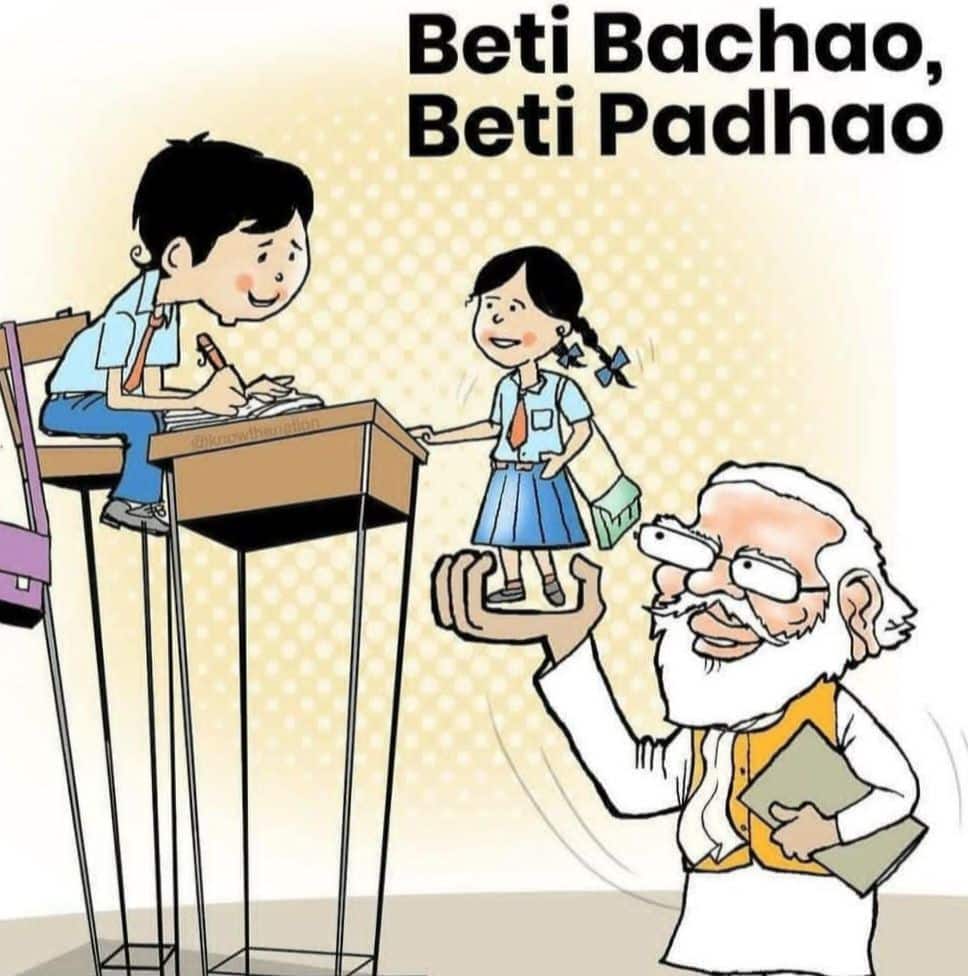
Cultural traditions that view daughters as financial liabilities rather than assets have created systemic discrimination that begins even before birth. These deep-rooted beliefs influence family planning decisions and contribute to the ongoing gender imbalance that girls education government programs are working to address.
The economic implications of raising daughters, combined with traditional expectations around marriage and dowry payments, have created a vicious cycle where families actively avoid having female children. This cultural framework has made it essential for initiatives like Beti Bachao Beti Padhao to address not just the symptoms but also the underlying social attitudes that perpetuate gender discrimination.
Religious and social customs that prioritize male lineage and inheritance rights further compound these challenges, creating multiple layers of discrimination that require comprehensive intervention strategies targeting both policy reform and social transformation.
Key Campaign Objectives and Strategies
Combating Deep-Rooted Gender Bias and Discrimination
The Beti Bachao Beti Padhao initiative recognizes that strong socio-cultural and religious preferences for boys serve as the root cause of declining child sex ratios. The scheme aims to address both quantitative and qualitative objectives – while the quantitative goal focuses on improving the Child Sex Ratio (CSR) across the country, the qualitative objective centers on inculcating awareness and transforming negative mindsets regarding female children.
Research conducted prior to the scheme’s launch revealed that gender discrimination manifests in two critical ways: pre-birth discrimination through gender-biased, sex-selective abortion, and post-birth discrimination by neglecting health, nutrition, and educational needs of the girl child. To counter these deeply entrenched biases, BBBP employs a comprehensive multi-sectoral approach that requires horizontal and vertical convergent action with concerned ministries, departments, and stakeholders at all levels.
The campaign specifically targets primary groups including young and newly married couples, expecting parents, and adolescents, while also engaging secondary stakeholders such as medical professionals, Panchayat Raj Institutions, and religious leaders. This broad-based approach ensures that gender equality initiatives penetrate every level of society.
Promoting Girl Child Survival, Safety, and Education
Central to the BBBP strategy is ensuring the survival, protection, and educational advancement of the girl child. The scheme establishes specific performance targets designed to create measurable improvements in key indicators affecting girls’ lives.
The initiative focuses on improving Sex Ratio at Birth (SRB) by two points annually while maintaining institutional deliveries at 95% or above. This dual approach addresses both the prevention of female infanticide and ensures safer childbirths for mothers and infants. The scheme has demonstrated remarkable success, with institutional deliveries rising from 61% in FY15 to over 97.3% by FY24.
Educational empowerment forms another cornerstone, with targets including 1% annual increases in enrollment at secondary education levels and continuous efforts to reduce dropout rates among girls. The Gross Enrollment Ratio (GER) for girls in secondary education improved from 75.51% in FY15 to 78% in FY24, reflecting the positive impact of these targeted interventions.
Healthcare improvements include raising 1st Trimester Ante-Natal Care (ANC) registration by 1% annually and promoting safe Menstrual Hygiene Management (MHM). These initiatives collectively create a protective framework ensuring girls receive comprehensive support from birth through adolescence.
Strengthening Enforcement of PC & PNDT Act
The Ministry of Health & Family Welfare plays a crucial role in enforcing the Pre-conception & Prenatal Diagnostic Technique (PC & PNDT) Act through systematic monitoring and capacity building initiatives.
Key enforcement strategies include organizing regular meetings of the Central Supervisory Board (CSB) and conducting two national-level meetings annually to review PC & PNDT Act implementation. The ministry schedules five regional review meetings yearly to gauge progress and ensures bi-monthly visits by the National Inspection and Monitoring Committee, totaling 24 visits annually.
Capacity building forms an integral component, with orientation programs designed for relevant state authorities and state nodal officers focusing on new amendments to PC & PNDT rules. The ministry conducts specialized workshops for state authorities, nodal officers, and National Identity Management Commission (NIMC) members to strengthen enforcement capabilities.
This systematic approach to PC & PNDT Act enforcement directly contributes to preventing gender-biased sex-selective elimination, supporting the broader goal of improving child sex ratios nationwide.
Community Mobilization and Mindset Transformation Efforts
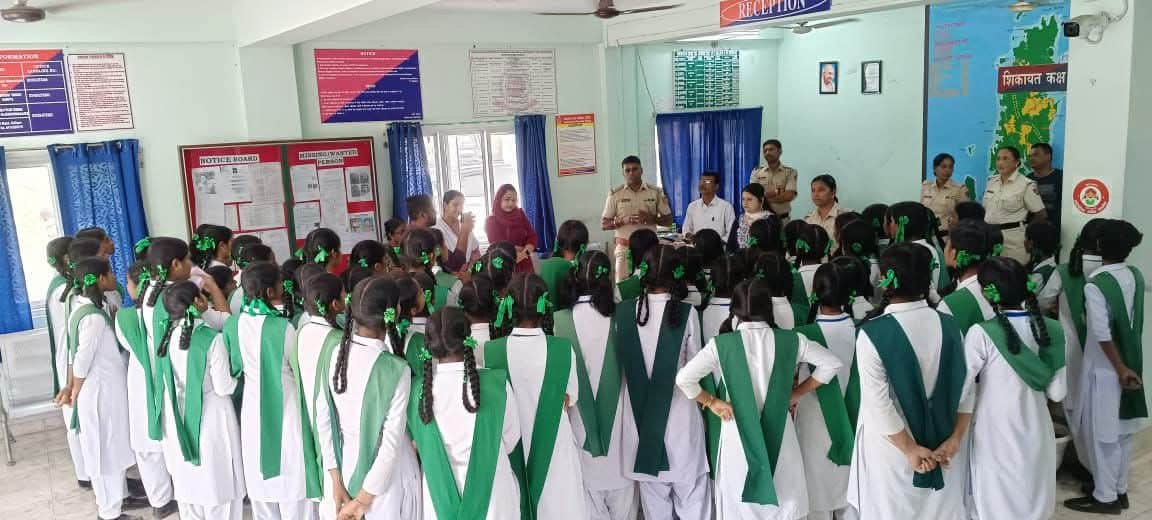
BBBP employs innovative community engagement strategies to transform societal attitudes toward the girl child. The scheme implements various ground-level initiatives that celebrate and support girls while challenging traditional gender biases.
Notable awareness campaigns include the widely successful ‘Selfie with Daughters’ initiative targeting fathers with girl children, which gained nationwide traction. The ‘Beti Janmotsav’ celebrations specifically honor the birth of girl children, directly countering cultural preferences for male children.
Specialized programs like the Digital Guddi-Gudda Board provide platforms for exhibiting gender disparity information while showcasing schemes designed to safeguard girls. The ‘Noor Jeevan Ka Betiyan’ campaign organizes week-long gender empowerment activities in Panchayats, schools, and colleges, while ‘Bitiya and Birba’ celebrates mothers of newborn girls with environmental awareness components.
Educational mobilization efforts include ‘Aao School Chalein’ enrollment campaigns involving door-to-door visits to ensure 100% girl enrollment, and ‘Collector Ki Class’ providing free coaching and career counseling for underprivileged girls. Youth leadership programs like ‘Bal Cabinet’ enable girl students to simulate government roles, fostering confidence and leadership skills.
These comprehensive community mobilization efforts create sustained behavioral change by engaging diverse stakeholders including schools, Anganwadi Centers, women’s collectives, Self-Help Groups, and civil society organizations in transforming mindsets about girls’ value and potential.
Successful Awareness Campaigns and Social Media Impact
SelfieWithDaughter viral movement worldwide recognition
The #SelfieWithDaughter campaign emerged as one of the most successful global social movements to address female infanticide and gender discrimination. Launched in 2015 by Sunil Jaglan, an activist from Haryana’s Bibipur village, this simple yet powerful initiative transformed a personal celebration into a worldwide phenomenon that captured international attention.
The movement gained immediate recognition when Prime Minister Narendra Modi acknowledged Jaglan’s efforts, perfectly aligning with the government’s Beti Bachao Beti Padhao campaign. The PM’s endorsement provided massive momentum, with Modi mentioning the initiative at least six times in India and abroad since 2015. This governmental support elevated the campaign from a local effort to a nationally recognized movement.
What made the campaign truly remarkable was its unprecedented global reach. A-list celebrities including Madonna, Vin Diesel, Sachin Tendulkar, Serena Williams, Aamir Khan, Ajay Devgn, and Shikhar Dhawan participated by posting selfies with their daughters. This celebrity endorsement transformed Jaglan’s humble initiative from a Haryana village into one of the most successful global campaigns ever witnessed.
The campaign received overwhelming international response from the United States, Canada, Australia, and numerous other countries. The viral nature of the movement demonstrated the universal appeal of celebrating daughters and challenging gender-based discrimination across cultural boundaries.
Strategic use of social media for behavior change
Now that we understand the global impact, let’s examine how social media became the driving force for behavioral transformation. Sunil Jaglan recognized the immense potential of selfies as a communication tool after observing how Prime Minister Modi used selfies to connect with both common citizens and world leaders. The activist understood that social media could integrate seamlessly with women empowerment initiatives.
The strategic approach involved leveraging the popularity of selfie culture, which was already prevalent in society. Jaglan noted how people everywhere were stopping for selfies and how Bollywood had embraced the trend with songs like “selfie le le re” in Bajrangi Bhaijaan. This cultural moment provided the perfect backdrop for introducing a purposeful twist to the selfie phenomenon.
The campaign’s success lay in its simplicity and accessibility. Unlike complex awareness programs, taking a selfie with one’s daughter required no special skills or resources, making it universally adoptable. This democratic approach allowed the message to spread organically across social media platforms, reaching audiences that traditional campaigns might have missed.
The social media strategy effectively challenged deep-rooted cultural norms by normalizing the celebration of daughters. By encouraging fathers to publicly display pride in their daughters through selfies, the campaign subtly shifted social attitudes toward female children.
Celebrity and sports personalities as brand ambassadors
With the social media foundation established, celebrity participation became crucial for amplifying the campaign’s reach. The involvement of high-profile personalities provided the movement with credibility and mass appeal that transcended geographical and cultural barriers.
International celebrities like Madonna and Vin Diesel brought global attention to the issue of gender discrimination in India, demonstrating how local initiatives could resonate with universal values. Their participation helped frame the campaign as a global movement for gender equality rather than just an Indian social issue.
Sports personalities, particularly cricket legends like Sachin Tendulkar and tennis champion Serena Williams, added significant weight to the campaign. Their massive fan followings across different demographics helped the message reach diverse audiences who might not typically engage with social awareness campaigns.
The organic nature of celebrity participation was particularly noteworthy. These personalities weren’t paid endorsers but genuine supporters who chose to amplify the message voluntarily. This authentic engagement lent credibility to the campaign and inspired their millions of followers to participate.
Bollywood stars like Aamir Khan and Ajay Devgn brought the campaign full circle by connecting it with Indian audiences who had been following these celebrities for decades. Their participation helped normalize the concept of celebrating daughters within traditional Indian society.
Community-driven initiatives and local participation
Previously, we’ve seen how celebrity endorsement provided global reach, but the campaign’s true strength emerged from grassroots community participation. The Selfie with Daughter movement evolved into a comprehensive foundation that adopted over 140 villages across various states, including Uttar Pradesh, Madhya Pradesh, and Maharashtra.
The foundation now operates with more than 8,000 volunteers across the country and has expanded internationally with volunteers in multiple countries. This extensive network demonstrates how a simple social media campaign transformed into a sustained community-driven movement for gender equality.
Local participation was institutionalized through the annual observance of ‘Selfie with Daughter Day’ on June 9, where the foundation felicitates women who work toward encouraging gender equality. This formalization helped maintain momentum and provided regular opportunities for community engagement.
The campaign’s impact extended beyond symbolic gestures to measurable social change. In Haryana, the sex ratio at birth improved dramatically from 876 girls per 1,000 boys in 2015 to 917 in 2022. Jaglan’s home district of Jind saw even more remarkable progress, with the ratio rising from 871 to 996 girls per 1,000 boys.
The movement’s success inspired additional complementary campaigns including Pad Mitra (menstrual hygiene), Laado Swabhimaan (putting daughters’ names on house nameplates), and Beti Ki Badhai, creating a comprehensive ecosystem of gender equality initiatives. These programs demonstrated how initial social media success could translate into sustained community action and measurable social transformation.
Ground-Level Implementation and Local Success Stories
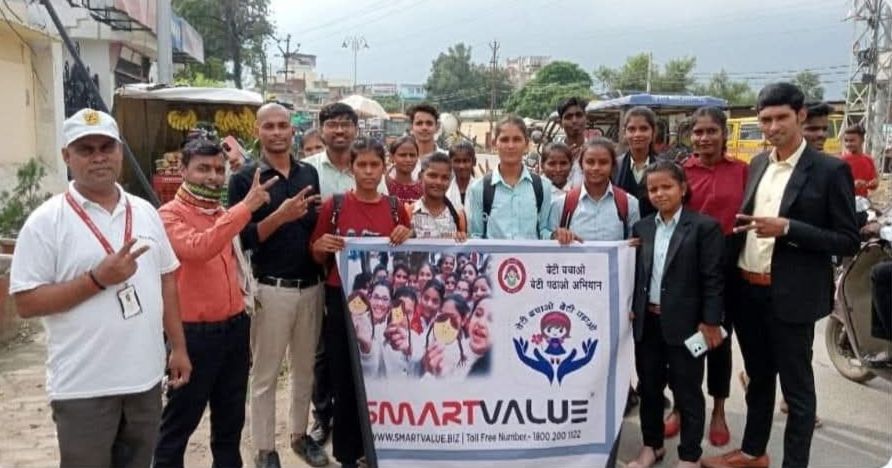
District Action Plans and capacity building programs
The Beti Bachao Beti Padhao scheme operates through a comprehensive district-level implementation framework, focusing on gender-critical districts across India. The scheme targets 640 districts nationwide, with financial assistance varying based on the Sex Ratio at Birth (SRB) in each district. Districts with an SRB of ≤918 receive Rs. 40 lakh per year, those with SRB between 919-952 get Rs. 30 lakh, and districts with SRB >952 receive Rs. 20 lakh annually.
District Action Plans form the backbone of ground-level implementation, with measurable performance targets established for each region. These plans focus on improving SRB by 2 points per year, increasing first trimester antenatal care registration by 1% annually, and ensuring functional toilets for girls in every school within select districts. The multi-sectoral approach requires horizontal and vertical convergent action with concerned ministries and stakeholders at all levels.
Capacity building programs are systematically implemented across three government bodies. The Ministry of Health & Family Welfare organizes orientation programmes for state authorities and nodal officers on PC & PNDT Act amendments, while conducting capacity building workshops for relevant state authorities and National Identity Management Commission members. The Ministry of Human Resource Development focuses on sensitizing teachers on child sex ratio through Samagra Shiksha and activating school management committees to ensure universal enrollment and retention of girls.
Innovative district-specific initiatives like Udaan scheme
Districts across India have developed innovative, locally-relevant initiatives to build consciousness among target groups and stakeholders. The Udaan – Sapne Di Duniya De Rubaru initiative stands out as a pioneering program offering girls opportunities to shadow professionals in fields of their choice, providing real-world exposure to career possibilities and breaking traditional gender stereotypes.
Several districts have introduced creative recognition programs such as the “My Aim My Target Campaign,” which felicitates top academic performances by girls in higher secondary schools. The “Lakshya Se Rubaru” internship programme specifically targets female college students, encouraging them to make informed decisions about their careers through practical exposure.
Unique environmental integration approaches have emerged, like the “Bitiya and Birba” awareness campaign that combines BBBP messaging with environmental protection. Under this initiative, each mother of a newly born girl child is celebrated and gifted a plant, symbolically connecting the nurturing of nature with the nurturing of girls. The “Noor Jeevan Ka Betiyan” campaign organizes week-long celebrations with gender empowerment theme-based interactive activities in Panchayats, schools, and colleges.
Districts have also introduced digital innovations such as the “Digital Guddi-Gudda Board,” a digital platform exhibiting gender disparity in birth rates while providing information on schemes and programmes created for safeguarding the girl child.
Street plays and community engagement activities
Community engagement through cultural activities has proven highly effective in reaching diverse audiences and changing mindsets about the girl child. Street plays serve as powerful communication tools, making complex social messages accessible to rural and urban communities alike. These performances address gender bias, celebrate the value of girls, and promote educational opportunities for female children.
The scheme has successfully implemented community-level activities such as ‘Beti Janmotsav’ to celebrate the birth of girl children, transforming what was once considered a burden into a joyous occasion. These celebrations help normalize and encourage the birth of girls within communities, directly addressing deep-rooted cultural preferences for male children.
Door-to-door engagement campaigns like “Aao School Chalein” involve comprehensive enrollment drives with home visits and registrations to ensure 100% enrollment of girls in schools. These grassroots initiatives directly engage families and communities, addressing barriers that prevent girls from accessing education.
Youth leadership programs such as “Bal Cabinet” create platforms where girl students simulate government cabinets and ministerial roles to discuss and resolve issues. These initiatives empower girls to see themselves as future leaders while engaging communities in gender equality discussions through interactive formats that resonate with local contexts.
Educational institution partnerships and awareness drives
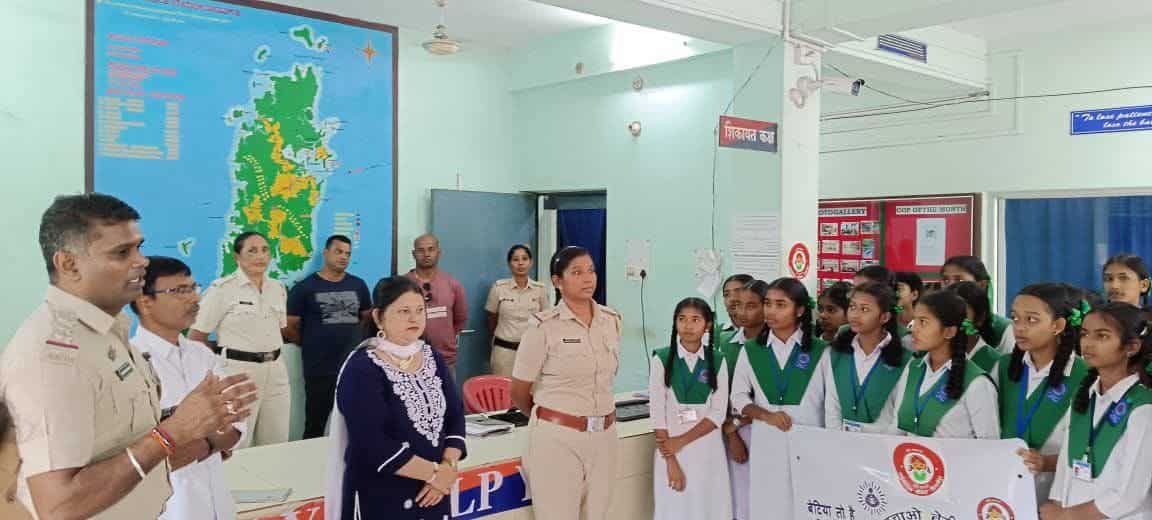
Educational institutions serve as critical partners in implementing BBBP objectives, with specific focus on improving girls’ enrollment and retention rates. The scheme has successfully increased girls’ enrollment in secondary education, with the Gross Enrollment Ratio (GER) for girls rising from 75.51% in 2014-15 to 78% in 2023-24, demonstrating the positive influence of educational interventions.
School management committees have been activated to ensure universal enrollment, retention, and completion of secondary education for girls. The proportion of schools with separate, functional toilets for girls has improved significantly from 92.1% in FY15 to 97.4% in FY23, addressing basic infrastructure needs that often prevent girls from continuing their education.
Specialized programs like “Collector Ki Class” offer free coaching classes and career counselling for underprivileged girls in public schools and colleges, providing additional academic support and guidance. The “Kanya Shiksha Pravesh Utsav” campaign, launched on March 7, 2022, successfully re-enrolled 100,786 out-of-school girls, highlighting the movement’s focus on education and equal opportunities.
Educational institutions also participate in recognition programs, with district-level awards established to felicitate girl achievers and special financial incentives provided for meritorious girls. These partnerships extend beyond formal education to include skill development initiatives, with collaboration between BBBP and the Ministry of Skill Development and Entrepreneurship promoting economic empowerment among young girls and women.
Scheme Performance and Financial Accountability Challenges
CAG Audit Findings on Objective Achievement Gaps
The Comptroller and Auditor General (CAG) has conducted comprehensive audits revealing significant shortcomings in the Beti Bachao Beti Padhao scheme implementation. In Haryana, the CAG audit exposed critical gaps between intended objectives and actual achievements. The report specifically highlighted that three selected districts – Mahendragarh, Panipat, and Sonepat – failed to meet fundamental scheme targets. Most notably, the ambitious goal of ensuring zero drop-out rates and achieving 100 percent retention of girls could not be realized in any of these districts, despite substantial resource allocation.
The audit methodology involved selecting districts based on varying parameters: Mahendragarh and Panipat were chosen for having the lowest and highest sex ratios respectively, while Sonepat was selected due to maximum expenditure incurred under the scheme. This strategic selection approach allowed auditors to assess performance across different demographic and spending contexts, revealing systemic implementation challenges regardless of local conditions.
Disproportionate Spending on Publicity Versus Implementation
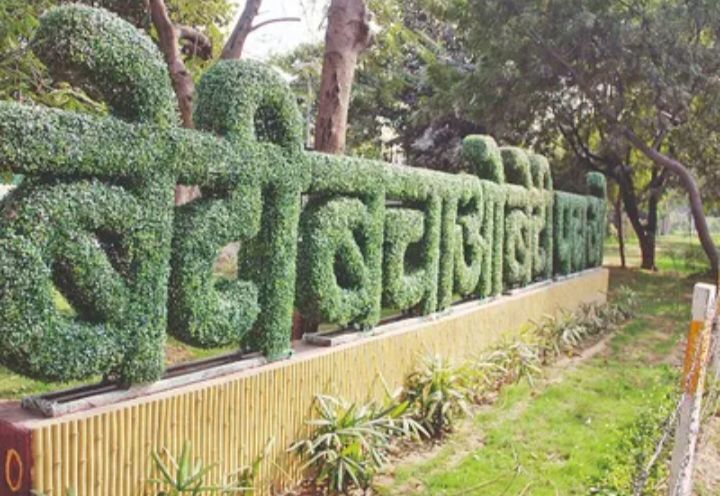
Now that we have covered the performance gaps, the CAG audit uncovered alarming instances of fund misallocation toward publicity activities rather than core implementation objectives. In Panipat district, over Rs. 3 lakh was irregularly spent on constructing a ‘Theme Gate’ at the entrance for the scheme’s launch ceremony on January 22, 2015. This expenditure was deemed inappropriate as it constituted a diversion of funds meant for strengthening district Pre-conception and Pre-Natal Diagnosis Technique (PC & PNDT) Cell operations.
The Women and Child Development Department in Panipat further exemplified this misallocation pattern by spending Rs. 21.24 lakh on purchasing 1,800 laptop bags and 2,900 mugs. These items had no provision within the scheme guidelines, yet the department justified these purchases as “wide publicity for the scheme.” The CAG firmly rejected this rationale, emphasizing that funds were specifically designated for innovation and awareness activities, not promotional merchandise.
Fund Allocation and Utilization Inefficiencies
With this context of misallocated resources, the audit revealed systematic inefficiencies in fund utilization across the girl child education initiative. According to scheme guidelines, each district was to receive Rs. 5 lakh through the Health Department specifically for strengthening PC & PNDT Cell operations, monitoring activities, research studies, and information, education and communication activities.
However, the ground reality showed significant deviations from these prescribed allocations. The irregular expenditure patterns demonstrated a fundamental disconnect between financial planning and actual implementation needs. Districts were utilizing funds for activities outside the scheme’s purview while core objectives remained unmet, indicating weak financial oversight mechanisms and inadequate monitoring systems.
Mixed Results in Child Sex Ratio Improvements Across States
Previously, I’ve examined the financial irregularities, and now we turn to the varied outcomes in child sex ratio improvements. The CAG audit findings suggest inconsistent performance across different states and districts under the female infanticide prevention initiative. While the scheme aimed to address gender-biased sex-selective elimination, the results have been uneven across geographical regions.
The selection of districts based on sex ratio parameters – with some having the lowest ratios and others the highest – provided insights into how the scheme performed under different demographic conditions. However, the audit revealed that despite targeted interventions, achieving consistent improvements in child sex ratios remained challenging, with performance varying significantly based on local implementation capacity and community engagement levels.
Leadership Structure and Organizational Framework
National Executive Committee Oversight and Coordination
The Beti Bachao Beti Padhao initiative operates through a structured organizational framework designed to ensure effective coordination across multiple levels of governance. While the specific organizational structure framework is not explicitly detailed in available documentation, the initiative’s implementation relies on systematic oversight mechanisms that facilitate seamless coordination between various stakeholders involved in advancing girl child education and women empowerment schemes across India.
The National Executive Committee serves as the apex body responsible for overseeing the strategic direction and implementation of this critical gender equality initiative. This committee plays a pivotal role in ensuring that the save girl child campaign maintains its focus on addressing female infanticide prevention while simultaneously promoting educational opportunities for girls nationwide.
Role of National Convener in Strategic Implementation
The National Convener position represents a crucial leadership role within the BBBP organizational structure, though detailed information about specific responsibilities and strategic implementation mechanisms is not comprehensively outlined in the available framework documentation. The convener’s role is instrumental in translating policy objectives into actionable strategies that can effectively address the complex challenges surrounding child sex ratio improvement and women safety programs across India.
State and District-Level Task Force Formations
Now that we have covered the national-level coordination mechanisms, the implementation of Beti Bachao Beti Padhao extends to state and district levels through specialized task force formations. These localized structures are essential for ensuring that girls education government programs reach the grassroots level where they can have the most significant impact on communities struggling with gender-based discrimination.
The state and district-level task forces serve as the operational backbone of the initiative, working to implement BBBP scheme benefits in their respective jurisdictions. These formations are crucial for adapting national policies to local contexts and addressing region-specific challenges related to female infanticide prevention and educational access.
Inter-Ministerial Collaboration Mechanisms
The success of women empowerment schemes like Beti Bachao Beti Padhao depends heavily on effective inter-ministerial collaboration mechanisms. While specific details about these collaborative frameworks are not explicitly outlined in the organizational structure documentation, such mechanisms are fundamental to ensuring coordinated efforts across different government departments and agencies working toward common objectives of gender equality and child welfare.
The Beti Bachao Beti Padhao initiative represents both the potential and challenges of implementing large-scale social change in India. While the scheme has successfully raised awareness through innovative campaigns like #SelfieWithDaughter and created a nationwide dialogue about gender equality, significant implementation gaps remain evident. The scheme’s expansion from 100 gender-critical districts to nationwide coverage demonstrates political commitment, yet concerns about fund utilization—with over 78% allocated to advertising rather than ground-level programs—highlight the need for more strategic resource deployment.
Moving forward, the initiative’s success will depend on strengthening its operational framework beyond awareness campaigns. Local success stories from districts like Pithoragarh and Mansa show that targeted, community-driven approaches can create meaningful impact when properly implemented. To truly achieve the vision of “Beta Beti, Ek Samaan,” stakeholders must prioritize transparent fund allocation, robust monitoring systems, and sustained community engagement. The initiative’s tenth year milestone presents an opportunity to recalibrate strategies, ensuring that the noble objective of saving and educating daughters translates into measurable improvements in child sex ratios and women’s empowerment across India.
