
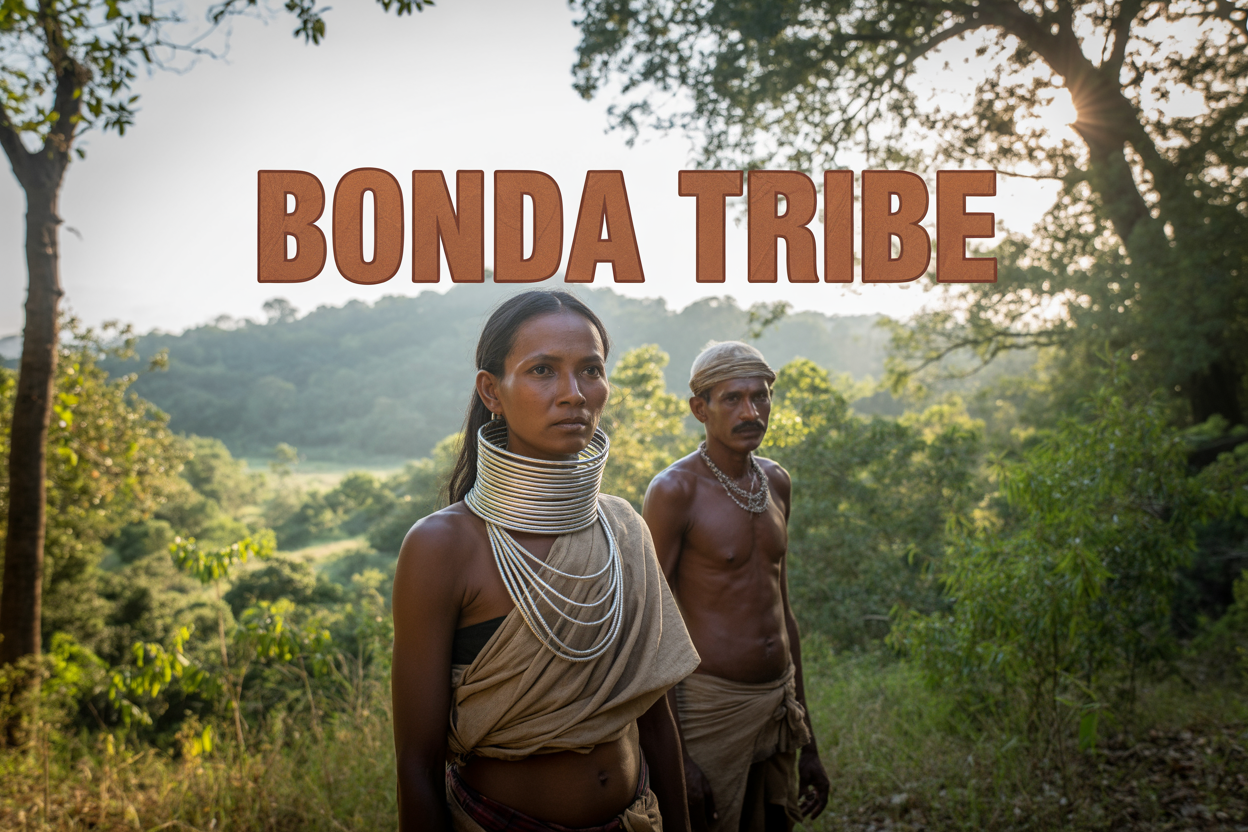
The Bonda tribe stands as one of India’s most fascinating indigenous communities, capturing the attention of anthropologists, researchers, and cultural enthusiasts who want to understand their unique way of life. This ancient tribal group has maintained their distinct traditions for centuries in the remote hills of Odisha.
This guide is perfect for students studying indigenous cultures, travelers planning visits to tribal regions, and anyone curious about India’s rich cultural diversity. You’ll discover the Bonda people’s remarkable origins and how geography shapes their daily existence, explore their distinctive social customs that set them apart from other communities, and learn about the modern pressures threatening their traditional lifestyle.
Origins and Historical Background of the Bonda People
Ancient roots and migration patterns to Odisha hills
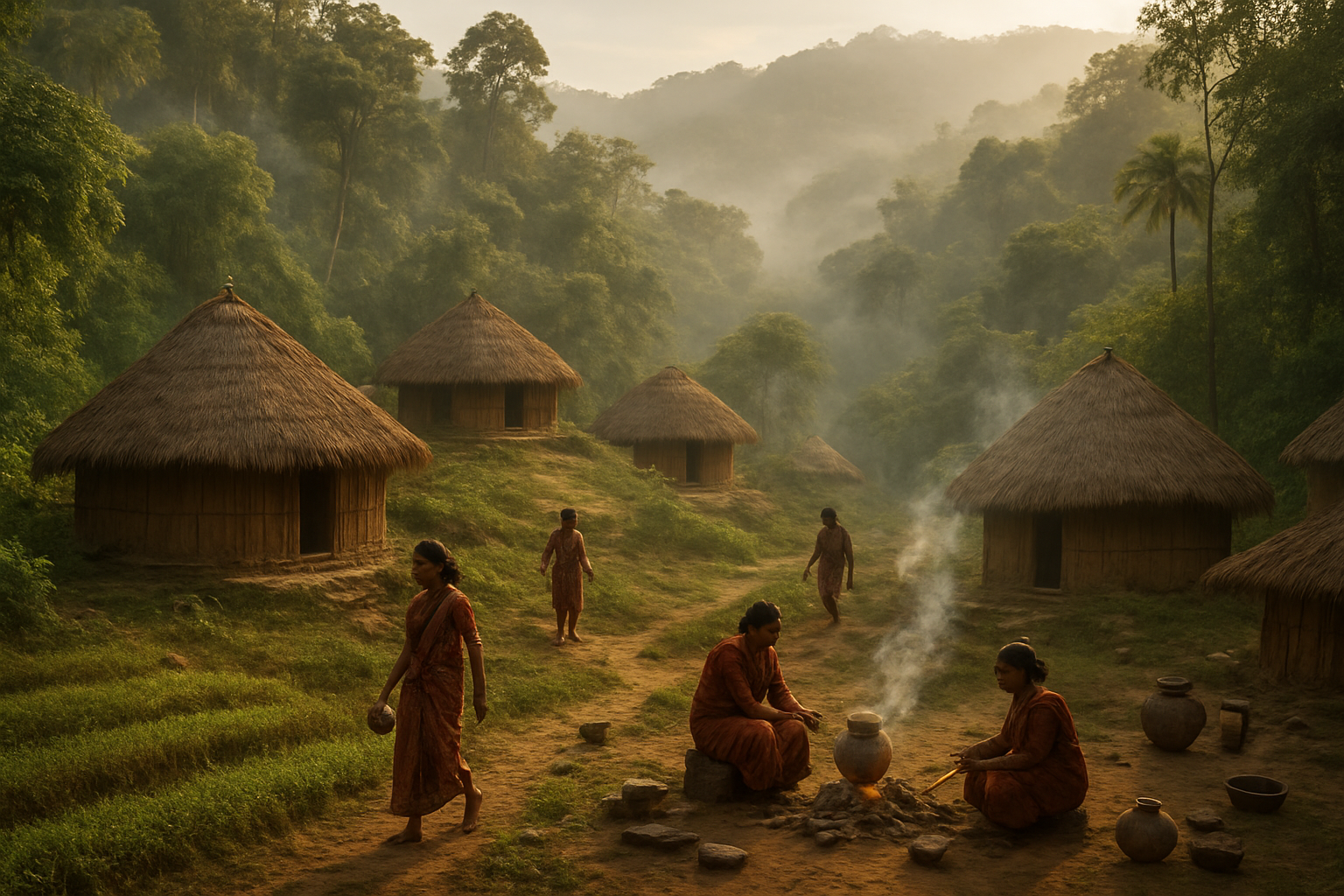
The Bonda people trace their ancestry back thousands of years, representing one of India’s most ancient tribal communities. Their migration to the remote hills of Odisha’s Malkangiri district likely occurred during the great population movements of prehistoric times, when various tribal groups moved across the Indian subcontinent seeking suitable habitats.
These early migrations brought the Bonda ancestors from the broader Austro-Asiatic homeland, which scholars believe originated in Southeast Asia. The tribal groups moved through river valleys and mountain passes, eventually settling in the Eastern Ghats where the terrain provided natural protection and abundant resources. The Bonda chose the isolated hills of the Jeypore region, establishing themselves in an area that would become their permanent homeland.
The geographic isolation that characterizes Bonda territory today likely played a crucial role in their settlement choice. The steep hills, dense forests, and seasonal streams created natural boundaries that protected them from outside interference while providing everything needed for survival. This strategic positioning allowed the Bonda to maintain their distinct cultural identity across millennia.
Archaeological evidence supporting their early settlement
Archaeological findings in the Eastern Ghats region provide compelling evidence of the Bonda people’s ancient presence. Stone tools, pottery fragments, and rock art discovered in caves and hillside locations suggest continuous habitation spanning several thousand years. These artifacts show technological continuity that aligns with Bonda traditional practices still observed today.
Rock paintings found in caves within Bonda territory depict hunting scenes, animal figures, and geometric patterns that mirror motifs still used in contemporary Bonda art and body painting. These visual records serve as cultural documentation, showing remarkable consistency in artistic expression across generations.
Connection to Austro-Asiatic linguistic family
The Bonda language belongs to the Austro-Asiatic family, specifically the Munda branch, linking them to a vast network of tribal communities across eastern India and Southeast Asia. This linguistic connection provides crucial evidence of their ancient origins and migration patterns. The Bonda dialect shares fundamental grammatical structures and vocabulary roots with other Munda languages, though it has developed unique characteristics due to geographic isolation.
Comparative linguistic studies reveal that Bonda retains many archaic features that have disappeared from related languages, making it valuable for understanding the evolution of the entire language family. The preservation of ancient linguistic elements reflects the community’s resistance to outside cultural influences and their commitment to maintaining traditional knowledge systems.
The language serves as more than communication—it carries cultural DNA that encodes traditional ecological knowledge, social customs, and spiritual beliefs. Every aspect of Bonda vocabulary reflects their intimate relationship with the natural environment, containing detailed terminology for forest plants, seasonal changes, and agricultural practices that outsiders might not recognize.
Evolution from hunter-gatherers to semi-settled community
The Bonda people’s transformation from nomadic hunter-gatherers to semi-settled communities represents thousands of years of gradual adaptation. Early Bonda groups relied entirely on forest resources, moving seasonally to follow game animals and collect wild foods. This lifestyle required intimate knowledge of forest ecology and sophisticated survival skills that remain part of Bonda culture today.
The shift toward agriculture began slowly, with communities learning to cultivate indigenous crops like finger millet, niger seeds, and various legumes. They developed slash-and-burn farming techniques suited to their hilly terrain, creating small clearings while maintaining forest cover. This agricultural system, known as shifting cultivation, allowed them to remain connected to their hunter-gatherer roots while achieving greater food security.
Modern Bonda communities represent the culmination of this evolutionary process, combining traditional hunting and gathering with small-scale agriculture and limited animal husbandry. They maintain semi-permanent villages during the agricultural season but continue to move temporarily for hunting, gathering, and religious ceremonies. This adaptive strategy has enabled them to survive in their challenging environment while preserving core cultural values and practices that define their identity as one of India’s most distinctive tribal peoples.
Geographic Location and Living Environment
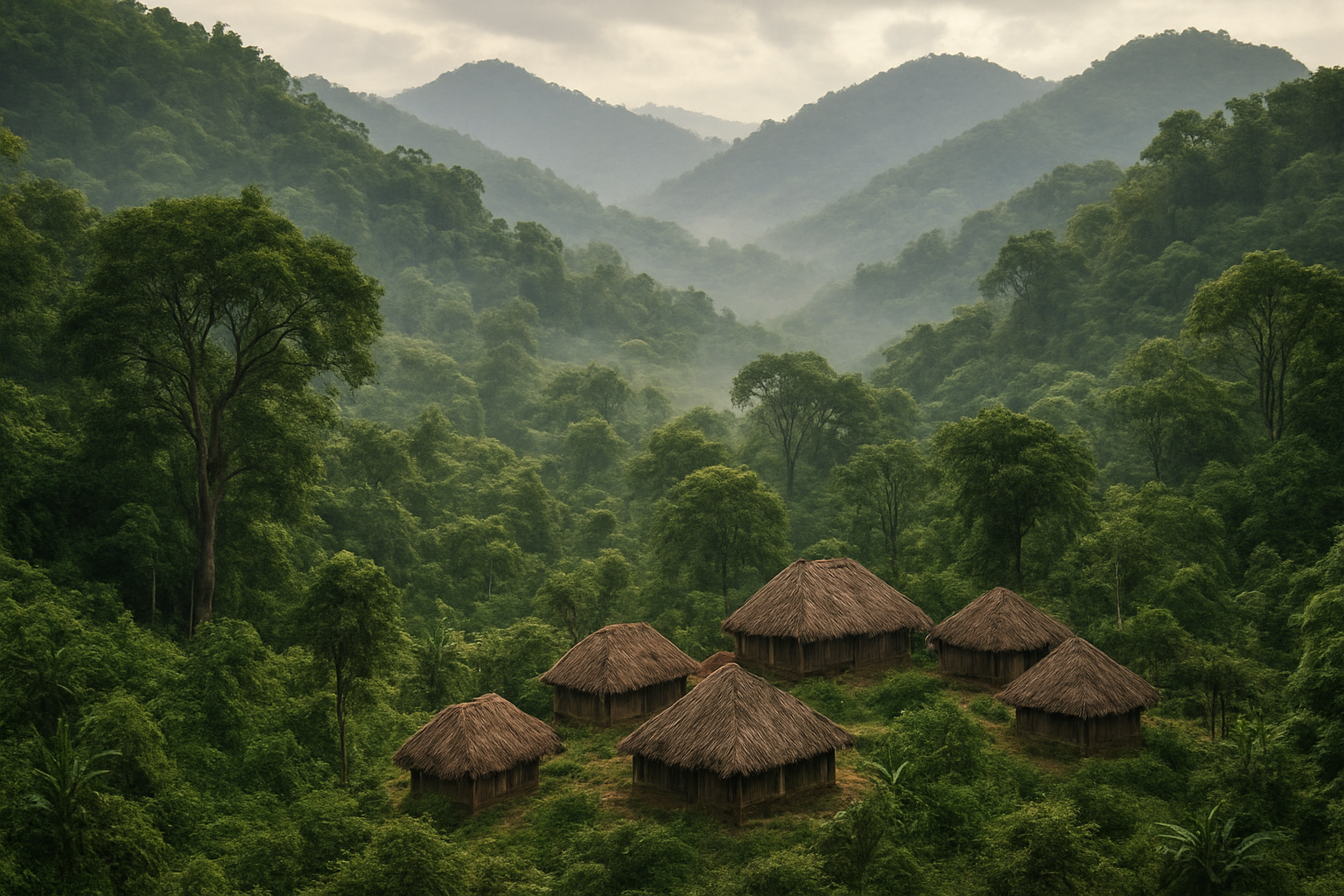
Malkangiri district habitat in Eastern Ghats
The Bonda people call the rugged hills of Malkangiri district in southern Odisha their home, nestled within the sprawling Eastern Ghats mountain range. These ancient hills, covered in dense deciduous forests and cut by numerous streams, create a natural fortress that has sheltered the Bonda community for centuries. The terrain here is steep and challenging, with elevations ranging from 300 to 1,000 meters above sea level, creating microclimates that vary dramatically within short distances.
Their villages dot the hillsides at elevations between 600 to 900 meters, strategically positioned to take advantage of natural springs and terraced slopes suitable for cultivation. The landscape features a mix of laterite soil and red earth, rich in minerals but requiring careful management for sustainable agriculture. Dense sal forests, bamboo groves, and tropical vegetation create a natural canopy that provides both resources and protection from the elements.
The region experiences distinct seasonal patterns that shape daily life – scorching summers, intense monsoons, and mild winters. Rivers like the Machkund and numerous tributaries flow through valleys, providing water sources and creating fertile patches where the Bonda cultivate their crops. This geographical isolation in the heart of the Eastern Ghats has been both a blessing and a challenge, offering protection while limiting access to modern amenities and opportunities.
Remote hill terrain advantages for cultural preservation
The mountainous isolation of Bonda settlements has acted like a protective shield, preserving their unique cultural identity while the outside world rapidly modernized. The difficult terrain makes their villages accessible only by foot through narrow, winding paths that discourage casual visitors and unwanted interference. This natural barrier has allowed traditional practices, language, and social structures to survive relatively intact compared to other tribal communities in more accessible areas.
The scattered settlement pattern across multiple hilltops has maintained the traditional clan-based social organization. Each village typically houses 15 to 30 families, maintaining optimal population sizes that prevent resource depletion while ensuring strong community bonds. The physical separation between settlements has preserved distinct cultural variations within the broader Bonda identity, with subtle differences in dialects, customs, and craft techniques.
Dense forest cover provides natural camouflage and countless hiding places that historically protected the community from external threats and forced assimilation attempts. The terrain’s complexity makes government monitoring and intervention challenging, allowing traditional governance systems to function alongside official administrative structures. This geographical advantage has been crucial in maintaining their distinctive dress codes, marriage customs, and religious practices that might have disappeared under constant external pressure.
Climate adaptation strategies over generations
The Bonda people have developed sophisticated strategies to thrive in the challenging climate of the Eastern Ghats, where temperatures can soar above 40°C in summer and drop significantly during winter nights. Their traditional houses, built with locally available materials like bamboo, wood, and palm leaves, are designed to maximize natural ventilation while providing protection from heavy monsoon rains that can exceed 1,500mm annually.
Water management represents one of their most impressive adaptations. The community has mastered techniques for harvesting rainwater during the four-month monsoon season and storing it in natural depressions and man-made tanks carved into rock formations. They’ve identified and protected natural springs, creating community access points while ensuring sustainable usage that doesn’t deplete these vital water sources during the eight-month dry period.
Agricultural practices reflect centuries of climate adaptation, with crop selection and planting schedules finely tuned to local weather patterns. They grow drought-resistant varieties of millet, rice, and vegetables, often practicing mixed cropping that maximizes yields while minimizing risks from unpredictable rainfall. Traditional food preservation techniques, including smoking, drying, and fermentation, help families maintain nutrition during lean seasons.
The Bonda have also developed seasonal migration patterns within their territory, moving to different elevations based on weather conditions and resource availability. During extreme summer heat, families often relocate temporarily to higher, cooler areas with better water access, returning to their permanent settlements when conditions improve.
Distinctive Cultural Practices and Social Structure
Matriarchal Society Benefits and Leadership Roles
Women hold the reins of power in Bonda society, creating a unique social structure where mothers, grandmothers, and elder women make critical family decisions. Property passes through the female line, with women owning homes, land, and livestock. This system ensures economic security for families since women typically stay within their birth communities while men may move between villages.
Female elders serve as spiritual guides and healers, possessing deep knowledge of herbal medicine and traditional remedies. They conduct religious ceremonies and maintain sacred spaces within villages. These matriarchal leaders also resolve conflicts between families and oversee important community rituals like naming ceremonies and harvest celebrations.
Traditional Marriage Customs and Age-Gap Practices
Bonda marriages often feature significant age differences, with older women marrying younger men – sometimes with gaps of 10-15 years. This practice stems from their belief that experienced women can better guide households and ensure family stability. The bride’s family typically initiates marriage proposals, reflecting women’s central role in family planning.
Wedding ceremonies involve elaborate rituals spanning several days. The groom moves to his wife’s village, adopting her family name and contributing to her household’s labor force. Multiple marriages are common, with both partners free to seek new relationships if current unions prove unsatisfactory.
Community Decision-Making Through Village Councils
Village councils consist primarily of respected women elders who gather under large trees to discuss community matters. These informal assemblies address disputes over land boundaries, water rights, and resource allocation. Decisions emerge through consensus rather than voting, with extensive discussion ensuring all voices are heard.
Men participate in council meetings but typically defer to female leadership on major issues. Younger community members observe these gatherings, learning proper debate etiquette and conflict resolution techniques that they’ll later apply as adult leaders.
Seasonal Festivals and Ritual Celebrations
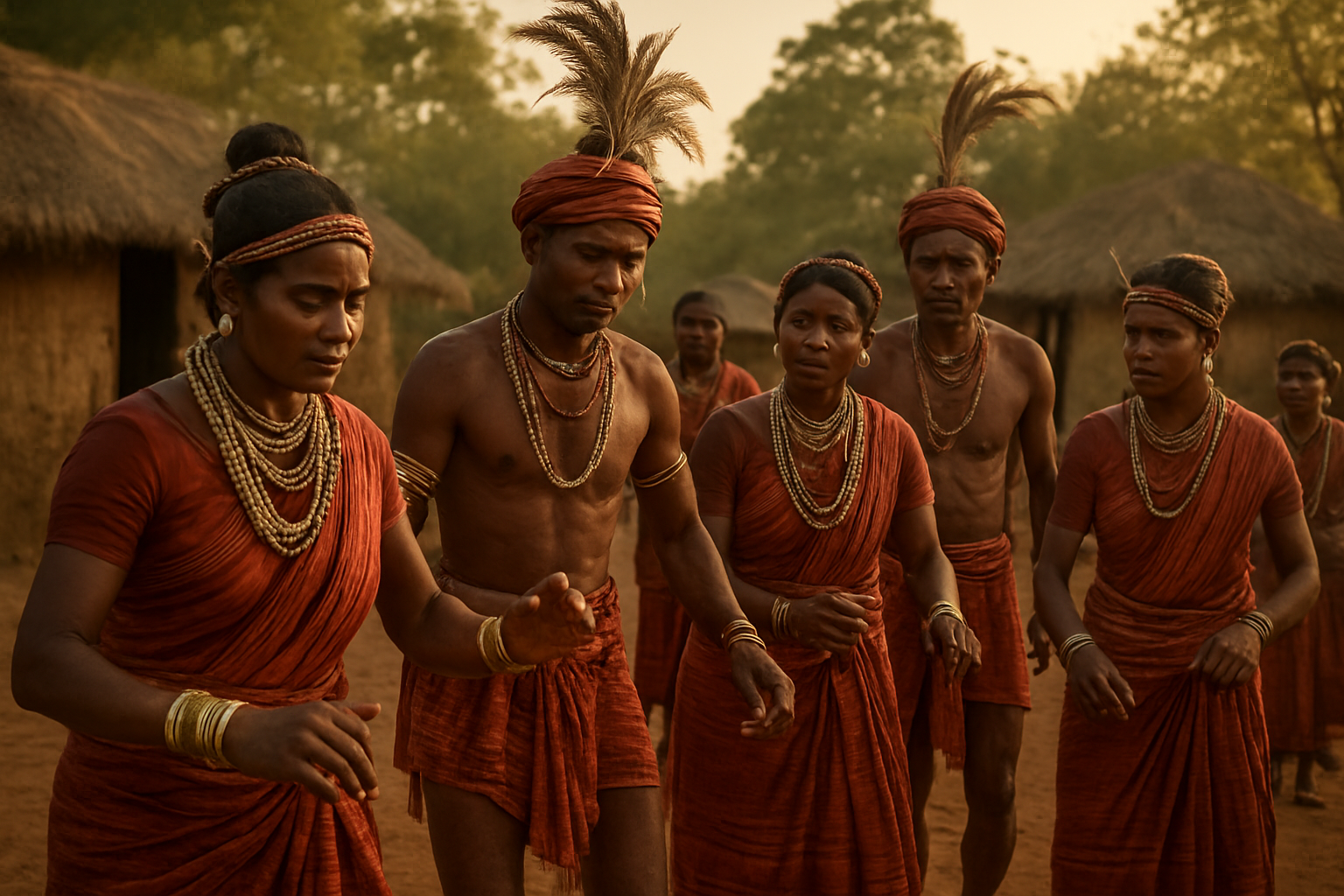
The Bonda calendar revolves around agricultural cycles, with festivals marking planting seasons, harvest times, and monsoon periods. Their most significant celebration honors the Earth Mother, featuring dance performances where participants wear traditional brass jewelry and colorful handwoven textiles.
During these festivals, the community prepares special foods using wild forest products and home-grown crops. Sacred groves become gathering places where people offer prayers for good harvests and protection from natural disasters. Music and storytelling continue through the night, strengthening community bonds.
Oral Tradition Storytelling for Knowledge Transfer
Bonda elders preserve their cultural heritage through elaborate storytelling sessions held during evening gatherings. These narratives contain practical wisdom about farming techniques, medicinal plants, weather prediction, and proper social behavior. Stories often feature animal characters that teach moral lessons to children.
Specialized storytellers memorize hundreds of tales, myths, and historical accounts that date back generations. They use dramatic gestures, voice modulation, and audience participation to make these sessions engaging for listeners of all ages. This oral tradition ensures essential knowledge survives even without written records.
Traditional Lifestyle and Daily Survival Methods
Shifting Cultivation Techniques for Sustainable Farming
The Bonda people practice a time-tested agricultural method called jhum cultivation, rotating their farming plots every two to three years. This technique involves clearing small patches of forest land, burning the vegetation to create nutrient-rich ash, and planting mixed crops during the monsoon season. Their primary crops include finger millet, rice, turmeric, and various vegetables that grow well in the hilly terrain.
What makes their approach remarkable is the careful selection of slopes and soil types. They choose different elevations for different crops, with rice paddies in lower areas and millet on higher slopes. After harvesting, they allow the land to regenerate naturally for 7-10 years before returning to the same plot. This cycle prevents soil depletion and maintains forest cover.
The Bonda also practice intercropping, where multiple species grow together in the same field. This method reduces pest problems naturally and maximizes land use. Women typically handle seed selection and storage, maintaining genetic diversity by saving seeds from the healthiest plants each season.
Forest Resource Utilization for Food and Medicine
The dense forests surrounding Bonda villages serve as their primary pharmacy and supplementary food source. They have identified over 200 plant species for various medicinal purposes, from treating common colds to serious ailments. The community healers, usually elderly women, pass down this botanical knowledge through oral tradition.
Wild tubers, roots, and leafy greens make up a significant portion of their diet, especially during lean agricultural periods. Popular forest foods include:
- Mushrooms – collected during monsoon season
- Wild honey – harvested from cliff-side hives
- Bamboo shoots – prepared as curry or pickled
- Various berries and fruits – seasonal supplements
For medicine, they use plants like neem for infections, turmeric as an antiseptic, and specific tree barks for digestive issues. The collection follows sustainable practices, taking only what’s needed and ensuring plant regeneration.
Traditional Hunting and Fishing Practices
Bonda men engage in small-scale hunting using traditional methods that don’t disturb the ecosystem balance. They craft bows from bamboo and arrows from specific wood types, targeting small game like birds, rabbits, and occasionally wild boar. Hunting happens seasonally and follows community rules about which areas remain off-limits during breeding seasons.
Fishing takes place in mountain streams using ingenious techniques. They create temporary dams with stones and bamboo to direct fish into woven baskets. Another method involves using natural plant poisons that temporarily stun fish without harming the water ecosystem long-term.
Community hunting expeditions strengthen social bonds, with experienced hunters teaching younger men tracking skills, animal behavior, and forest navigation. The catch gets shared among families according to traditional protocols that ensure equitable distribution.
Handcrafted Tools and Household Item Creation
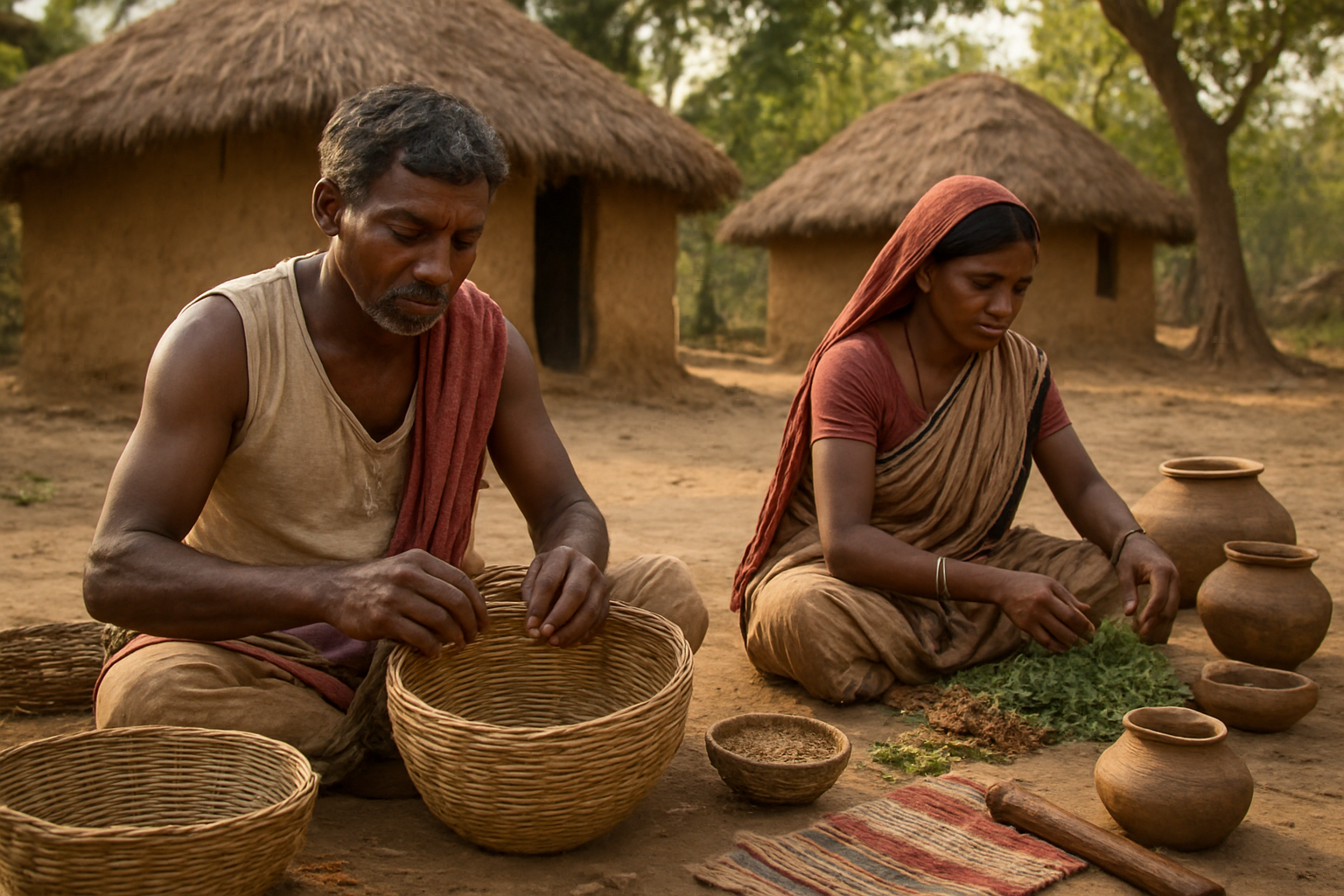
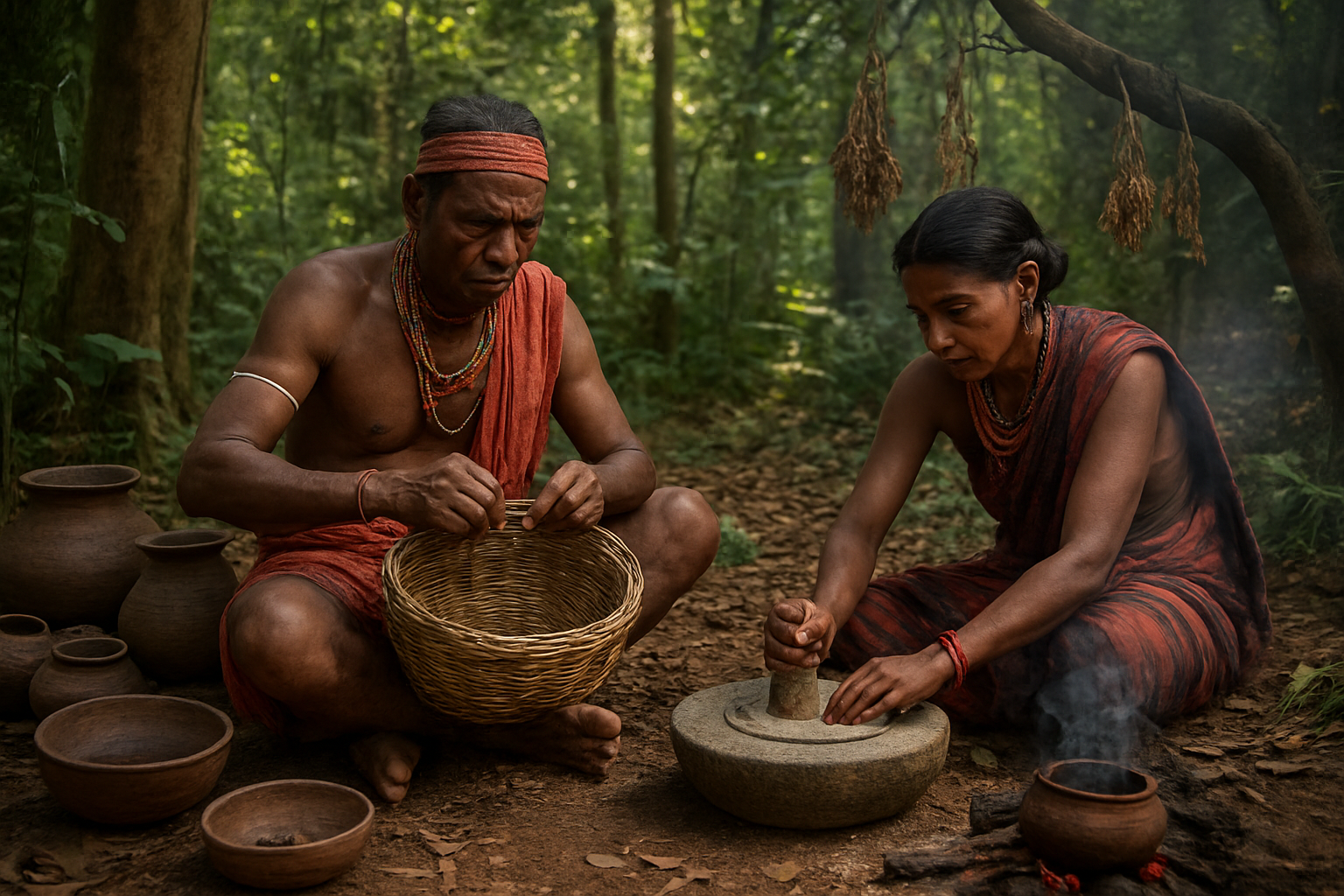
Every Bonda household showcases remarkable craftsmanship in creating daily-use items from natural materials. Bamboo serves as their primary raw material, transformed into baskets, mats, water containers, and even musical instruments. The weaving techniques vary by item function, with tighter weaves for grain storage and looser ones for vegetables.
Women specialize in pottery, shaping clay from nearby streams into cooking vessels, storage jars, and decorative items. They fire these in simple kilns built into hillsides, creating durable pieces that last for years. The clay pots have specific shapes for different purposes – narrow-necked ones for storing liquids and wide-mouthed vessels for cooking.
Men craft wooden tools like plows, handles for agricultural implements, and furniture. They select specific tree species based on hardness and durability requirements. Iron tools come from local blacksmiths who have learned metalworking techniques passed down through generations.
| Material | Common Items | Primary Creator |
|---|---|---|
| Bamboo | Baskets, mats, containers | Both men and women |
| Clay | Pots, jars, decorative items | Women |
| Wood | Tools, furniture, handles | Men |
| Iron | Blades, agricultural tools | Specialized blacksmiths |
Challenges Facing Modern Bonda Communities
Government Resettlement Program Impacts
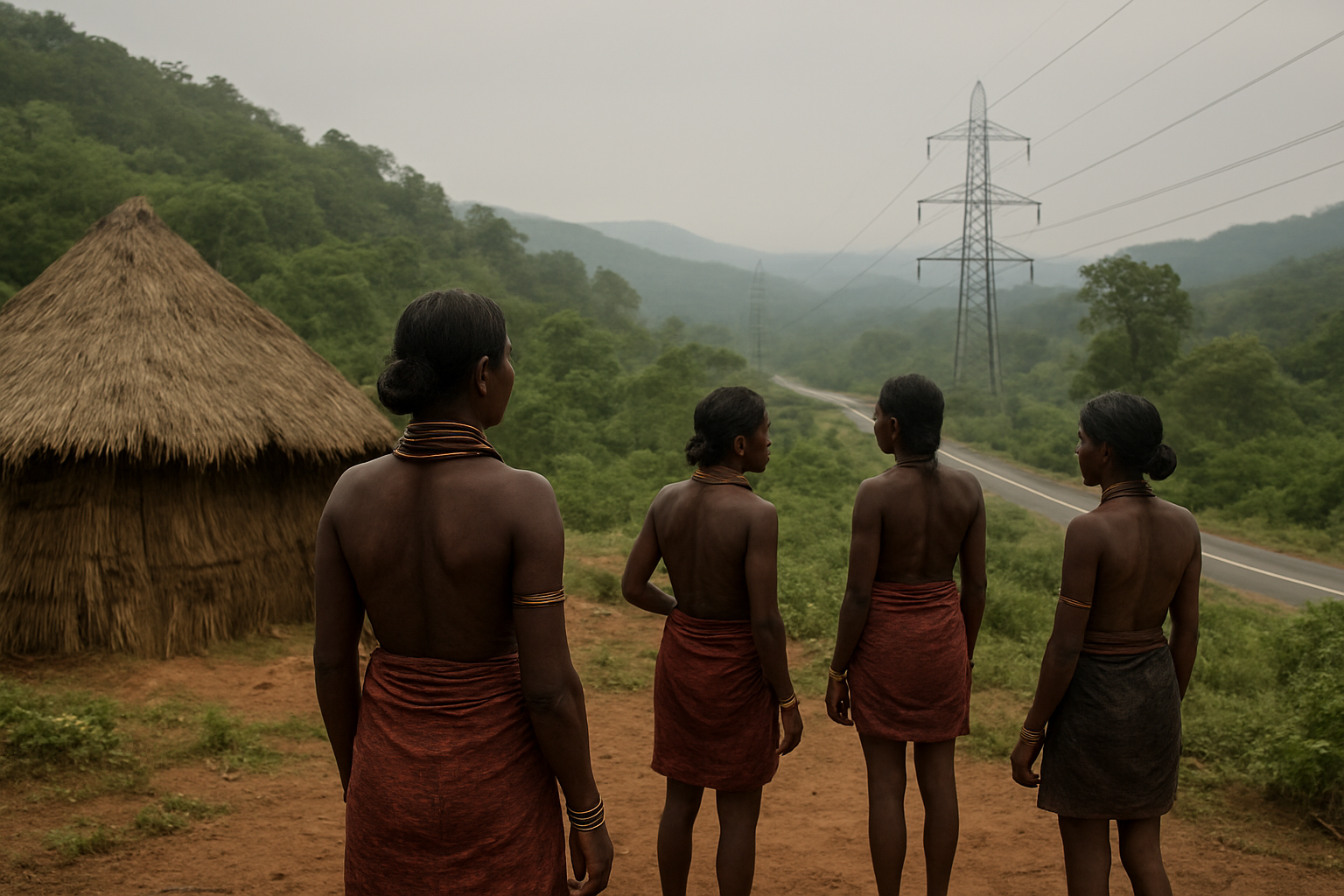
The Indian government’s resettlement initiatives have created deep fractures within Bonda society. These programs, designed to bring isolated tribes into mainstream development, often relocate families from their ancestral hills to plains settlements. While officials tout improved access to services, the reality paints a different picture.
Many Bonda families struggle with the transition from traditional hill farming to unfamiliar agricultural practices in resettlement areas. Their intimate knowledge of forest resources becomes irrelevant in new environments, leaving them dependent on government assistance. The social fabric unravels as extended families get separated, disrupting age-old support systems and cultural transmission methods.
Children in resettlement colonies often lose connection with their native language and customs, creating generational gaps that threaten cultural continuity. Elders find themselves isolated, unable to pass down traditional knowledge that has sustained their people for centuries. The psychological impact runs deep, with many community members experiencing depression and identity crisis after leaving their sacred landscapes.
Educational Access Barriers in Remote Locations
Bonda children face multiple obstacles in accessing formal education. Remote village locations mean walking several kilometers to reach the nearest school, often through dense forests and challenging terrain. During monsoon seasons, swollen streams and muddy paths make these journeys impossible.
Language barriers compound the problem significantly. Most Bonda children speak only their native tongue when they first encounter formal education conducted in Odia or Hindi. Teachers, typically from outside communities, rarely understand Bonda language or cultural context, creating communication breakdowns that affect learning outcomes.
The curriculum itself feels alien to Bonda children, with little connection to their daily experiences or traditional knowledge systems. Abstract concepts taught through textbooks contrast sharply with their practical, hands-on learning environment at home. Many families prioritize immediate survival needs over long-term educational goals, requiring children’s help with farming, forest collection, and household duties.
School infrastructure remains inadequate, with many institutions lacking basic facilities like proper buildings, electricity, or clean water. Teacher absenteeism runs high in remote postings, leaving students without consistent instruction for weeks at a time.
Healthcare Delivery Challenges and Traditional Medicine Gaps
Modern healthcare reaches Bonda communities sporadically, with mobile health units visiting villages infrequently. Emergency medical situations become life-threatening when the nearest hospital sits hours away through difficult terrain. Pregnant women often give birth without trained medical assistance, relying on traditional midwives whose knowledge, while valuable, may not handle complications.
Traditional Bonda medicine, developed over generations, faces erosion as younger community members migrate and forest resources become scarce. Medicinal plants that form the backbone of their healing practices grow less accessible due to deforestation and restricted forest access policies. Elder healers pass away without fully transmitting their knowledge to successors.
Cultural misunderstandings plague interactions with outside medical professionals. Bonda beliefs about illness causation, healing rituals, and treatment preferences often clash with modern medical approaches. This creates mistrust and reluctance to seek professional healthcare, even when available.
Mental health support remains virtually non-existent, despite growing psychological stress from rapid social changes. Substance abuse problems, particularly alcoholism, affect many community members struggling with cultural displacement and economic hardship.
Economic Opportunities Beyond Subsistence Living
The traditional Bonda economy, based on shifting cultivation, forest gathering, and small-scale animal husbandry, provides barely enough for survival in today’s cash-dependent world. Limited land ownership and restricted forest access have reduced their traditional resource base significantly.
Market integration proves challenging without proper transportation infrastructure or storage facilities. Bonda farmers cannot compete with mechanized agriculture from plains regions, and their organic produce fails to reach premium markets that might value traditional farming methods. Middlemen often exploit their lack of market knowledge, paying below-fair prices for agricultural products.
Skills training programs rarely account for Bonda cultural preferences or existing capabilities. Generic vocational courses may teach carpentry or tailoring, but ignore their sophisticated knowledge of forest products, traditional crafts, or sustainable agriculture practices that could generate income if properly marketed.
Tourism potential exists but requires careful management to avoid cultural exploitation. Some Bonda communities have begun showcasing their traditions to visitors, but lack the business skills and infrastructure to maximize benefits while protecting their cultural integrity. Without proper guidance, tourism risks commodifying their culture rather than providing sustainable economic development.
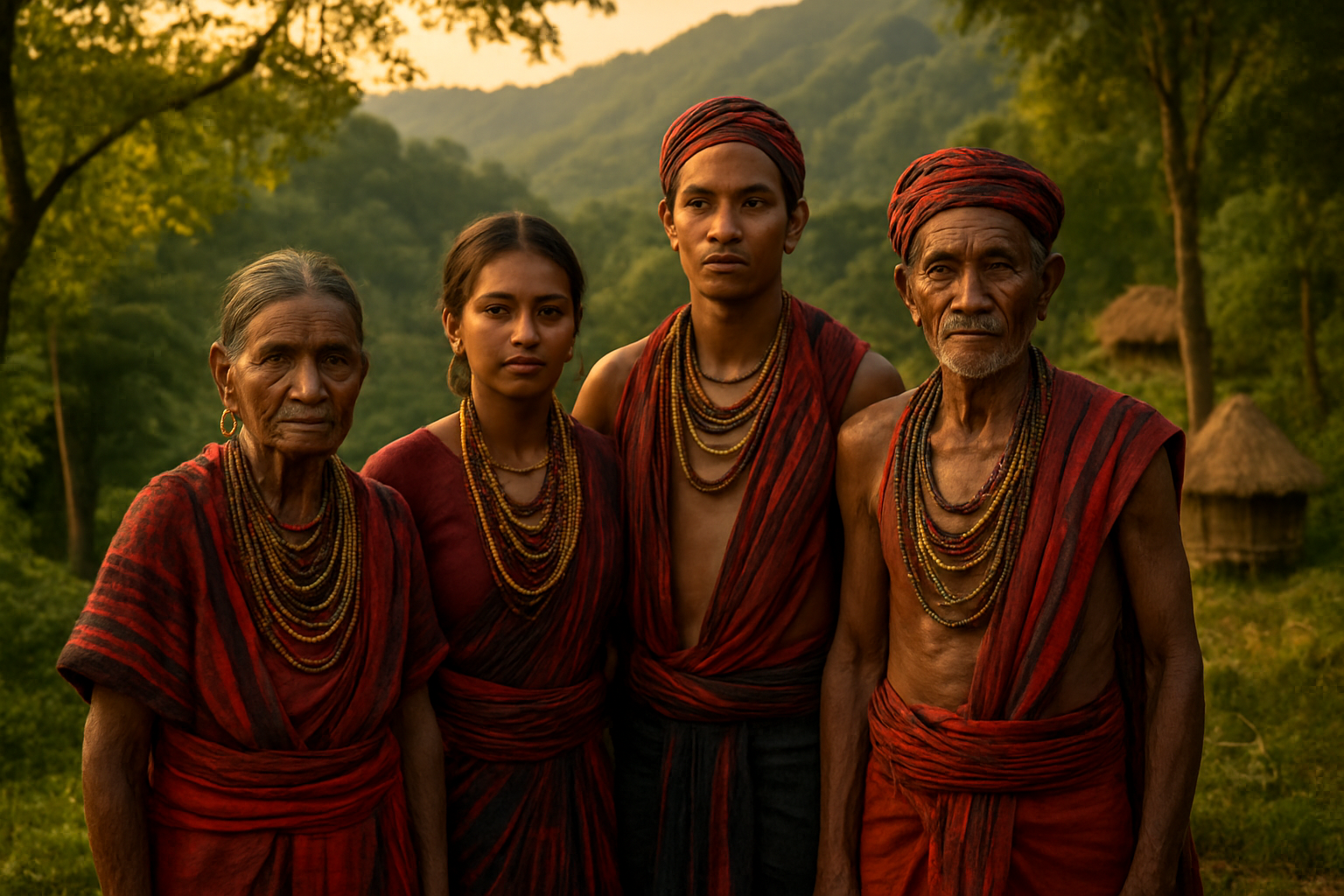
The Bonda tribe represents one of India’s most ancient and resilient indigenous communities. Their unique origins, isolated mountain homeland, and distinctive cultural practices paint a picture of a people who have maintained their traditional identity for thousands of years. From their matriarchal society and age-old customs to their ingenious survival methods in the harsh terrain of Odisha’s hills, the Bonda people have created a way of life that stands apart from mainstream Indian culture.
Today, this remarkable community faces mounting pressures from modernization, government policies, and environmental changes that threaten their ancestral way of life. Supporting organizations that work with indigenous communities and advocating for policies that respect tribal rights can help ensure the Bonda people’s rich cultural heritage survives for future generations. Their story reminds us that preserving diverse cultures isn’t just about protecting the past – it’s about maintaining the incredible variety of human experience that makes our world so fascinating.
