

The Chakesang Tribe stands as one of Nagaland’s most fascinating indigenous communities, rich with centuries of tradition and cultural heritage. This guide serves researchers, students, cultural enthusiasts, and anyone curious about Northeast India’s tribal diversity.
The Chakesang people have carved out a unique identity through their distinct customs, social systems, and deep connection to their ancestral lands. You’ll discover their historical origins and how they settled across their traditional territories in Nagaland. We’ll explore their vibrant cultural practices, from festivals and rituals to the intricate social structures that have governed their communities for generations. Finally, we’ll examine how this resilient tribe navigates modern challenges while working to preserve their invaluable cultural legacy for future generations.
Origins and Historical Background of the Chakesang People
Ancient Migration Patterns and Settlement in Nagaland
The Chakesang people trace their ancestral roots through complex migration patterns that brought them to the hills of present-day Nagaland centuries ago. Archaeological evidence and oral traditions suggest these communities moved from the southeast, possibly from Myanmar, following river valleys and mountain ridges that provided natural corridors for movement. The migration wasn’t a single event but occurred in waves over generations, with different groups settling in various locations throughout the region.
These early settlers chose strategic locations in the hills, establishing villages on elevated terrain that offered natural defense and good visibility of surrounding areas. The topography of Nagaland, with its steep hills and deep valleys, influenced their settlement patterns significantly. Villages were typically built on hilltops or slopes, with terraced fields carved into the mountainsides for cultivation.
The migration patterns show how the Chakesang ancestors adapted to the challenging terrain while maintaining connections with neighboring communities. Trade routes developed along traditional paths, linking settlements and facilitating cultural exchange. These ancient pathways still exist today, connecting Chakesang villages across the region.
Etymology and Meaning Behind the Chakesang Tribal Name
The name “Chakesang” carries deep historical significance, representing the unity of three distinct but related communities. The term itself is a compound word that reflects the merger of the Chokri, Kheza, and Sangtam groups, each contributing to the collective identity.
Breaking down the etymology reveals interesting linguistic connections. The name represents more than just a combination of tribal names—it symbolizes a conscious decision by these communities to unite under a common identity while preserving their individual cultural characteristics. This linguistic fusion demonstrates how language evolves to reflect social and political changes within communities.
The adoption of the Chakesang name marked a significant shift in how these communities identified themselves to the outside world, particularly in their interactions with colonial administrators and later with the Indian government. This unified identity helped strengthen their position in regional politics and cultural preservation efforts.
Formation Through Merger of Chokri, Kheza, and Sangtam Communities
The formation of the Chakesang Tribe represents a unique example of voluntary tribal unification in Northeast India. The three constituent communities—Chokri, Kheza, and Sangtam—came together not through conquest or forced assimilation, but through mutual agreement based on shared cultural practices and geographic proximity.
Each community brought distinct traditions and customs to the union:
- Chokri: Known for their agricultural expertise and traditional crafts
- Kheza: Recognized for their warrior traditions and village governance systems
- Sangtam: Celebrated for their cultural ceremonies and oral traditions
The merger process took place over several decades, with gradual integration of customs, intermarriage between communities, and shared participation in festivals and ceremonies. Village councils played crucial roles in facilitating this unification, creating frameworks for cooperation while respecting each group’s autonomy.
This voluntary confederation allowed the three communities to maintain their individual identities while presenting a stronger, unified front in dealing with external challenges. The success of this merger influenced similar unification movements among other Naga tribes.
Key Historical Events That Shaped Tribal Identity
Several pivotal events have defined Chakesang tribal identity throughout history. The arrival of British colonial forces in the late 19th century marked a turning point, as the tribe had to navigate new administrative systems while protecting their traditional way of life. The British policy of indirect rule allowed some preservation of customary practices, but also introduced new concepts of governance and territorial boundaries.
The introduction of Christianity in the early 20th century profoundly impacted Chakesang society. Missionaries established schools and churches, bringing literacy and new religious practices that gradually replaced traditional animistic beliefs. This transformation reshaped social structures and cultural practices while creating new forms of community organization.
The Indian independence movement and subsequent formation of Nagaland state in 1963 presented both opportunities and challenges. The Chakesang people had to define their place within the broader Naga identity while maintaining their distinct tribal characteristics. Political movements for Naga independence and later for statehood saw active Chakesang participation, with tribal leaders playing significant roles in negotiations with the Indian government.
Modern developments, including education, infrastructure projects, and integration with mainstream Indian society, continue to influence Chakesang identity. The tribe has successfully adapted to changing circumstances while working to preserve core cultural elements that define their unique heritage.
Geographic Distribution and Traditional Territory
Primary settlements across Nagaland districts
The Chakesang Tribe calls the rugged hill districts of Nagaland home, with their villages scattered across Kohima, Phek, and parts of Dimapur districts. Most Chakesang villages sit perched on hilltops and ridges, a strategic choice that once provided both defensive advantages and fertile slopes for cultivation. The heart of Chakesang territory lies in the Kohima district, where major villages like Khuzama, Pfutsero, and Chathe serve as cultural and administrative centers.
Phek district houses another significant concentration of Chakesang settlements, particularly around the district headquarters and surrounding villages. These communities maintain strong connections with their Kohima counterparts through traditional trade routes that wind through the mountainous terrain. The tribe’s villages often cluster around river valleys and natural springs, essential water sources that have shaped settlement patterns for generations.
Population density varies considerably across different areas, with some villages housing just a few hundred residents while others accommodate several thousand. The elevation of these settlements ranges from 1,200 to 2,500 meters above sea level, creating diverse microclimates that influence local agriculture and daily life. Each settlement maintains its unique character while sharing common cultural threads that bind the Chakesang community together.
Village organization and administrative structure
Traditional Chakesang villages operate under a well-established hierarchical system that blends customary governance with modern administrative requirements. The village chief, known locally as the “Gaon Burah,” serves as the primary authority figure, responsible for maintaining law and order, resolving disputes, and representing the community in external affairs. This position typically passes down through hereditary lines, though community consensus plays a role in legitimizing leadership.
Below the chief, a council of elders assists in village governance, bringing decades of wisdom and experience to decision-making processes. These elders, usually male heads of prominent families, gather regularly to discuss village matters, plan festivals, and address conflicts. Women’s groups and youth organizations also contribute to village administration, handling specific responsibilities like community welfare programs and cultural preservation activities.

The village council system addresses everything from land disputes to marriage negotiations, following customary laws passed down through generations. Modern villages now incorporate government-appointed Village Development Boards that work alongside traditional structures, creating a dual system that respects both ancestral practices and contemporary administrative needs. This integration helps maintain cultural authenticity while accessing government development programs and resources.
Strategic location along Indo-Myanmar border region
The Chakesang Tribe occupies a geographically significant position along India’s eastern frontier, with several villages located within 50 kilometers of the Myanmar border. This proximity has profoundly influenced their history, culture, and economic activities over centuries. The mountainous terrain creates natural barriers and corridors that have served both as protection and pathways for trade and cultural exchange.
Cross-border connections remain strong, with many Chakesang families maintaining relatives and ancestral ties across the international boundary. Traditional trade routes that once carried goods like salt, dried fish, and handcrafted items between the two countries continue to operate, though now under stricter border regulations. The tribe shares linguistic and cultural similarities with communities across the border, reflecting their common origins and historical interactions.
Border security concerns have brought increased government attention to Chakesang villages, leading to improved infrastructure development but also restrictions on traditional movement patterns. Many villages now host border security forces, creating new economic opportunities through employment and local procurement. The strategic location has transformed these communities from isolated hill settlements into important outposts in India’s northeastern frontier management, balancing security needs with cultural preservation and development aspirations.
Cultural Practices and Traditional Customs
Unique Festivals and Ceremonial Celebrations
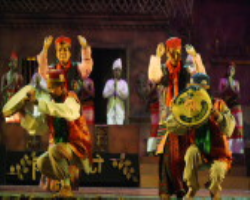
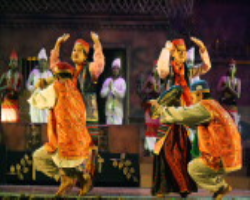
The Chakesang people celebrate several vibrant festivals that mark their deep connection with nature and ancestral spirits. The Sekrenyi Festival stands as their most significant celebration, typically observed in February to welcome the new year and ensure prosperity for the coming season. During this three-day festival, communities perform traditional dances, share communal feasts, and conduct purification rituals that cleanse both body and spirit.

Another important celebration is Tuluni, the harvest festival celebrated in July, where families gather to thank the spirits for abundant crops. The festival features elaborate folk performances, traditional music with indigenous instruments, and the preparation of special rice wine called zutho. Young people showcase their cultural heritage through colorful costumes and synchronized group dances that tell stories of their ancestors’ bravery and wisdom.
Chagadi represents their spring festival, marked by community hunting expeditions and sharing of the catch among all village members. These ceremonial hunts strengthen social bonds while maintaining their connection to traditional ways of life.
Traditional Dress, Ornaments, and Symbolic Meanings
Chakesang traditional attire reflects their rich cultural identity and social status within the community. Men typically wear warrior shawls with distinctive red and black stripes, symbolizing courage and strength in battle. The number of stripes often indicates the wearer’s achievements in warfare or community service. Their headgear includes colorful turbans adorned with hornbill feathers, representing wisdom and leadership qualities.
Women’s traditional dress features beautiful hand-woven skirts called pfemhou, decorated with intricate geometric patterns that tell family histories. The colors carry deep meaning – red symbolizes valor, black represents the earth’s fertility, and white signifies purity. Their jewelry includes silver necklaces, brass earrings, and arm bands that showcase the family’s prosperity and social standing.
Traditional ornaments serve both decorative and spiritual purposes. Agate beads protect against evil spirits, while tiger claws and animal teeth demonstrate hunting prowess. The famous warrior’s belt worn by men contains various symbolic items including dao (traditional sword), spear tips, and ceremonial pouches that reflect their tribal identity.
Oral Traditions, Folklore, and Storytelling Heritage
The Chakesang tribe preserves their history and values through rich oral traditions passed down through generations. Village elders serve as living libraries, sharing ancient folktales that explain natural phenomena, teach moral lessons, and preserve historical events. These stories often feature mythical creatures, brave warriors, and wise ancestors who guide their descendants through various life challenges.
Creation myths form the foundation of their oral literature, explaining how their tribe came to inhabit the Naga hills and their relationship with neighboring communities. Popular folktales include stories of shape-shifting animals, magical forests, and heroic deeds that inspire young people to uphold tribal values of courage, honesty, and community service.
The tradition of evening storytelling sessions brings families together, where grandparents share legends while teaching children about their cultural heritage. These sessions often include riddles, proverbs, and traditional songs that reinforce important life lessons and cultural practices.
Customary Laws and Governance Systems
Chakesang society operates under a well-structured customary law system that maintains order and justice within their communities. The village council, composed of clan heads and respected elders, serves as the primary governing body that makes decisions affecting the entire village. These councils resolve disputes, allocate resources, and ensure adherence to traditional customs.
Their justice system emphasizes restoration over punishment, focusing on healing relationships and maintaining community harmony. Compensation practices replace harsh penalties, where offenders must make amends through payment of livestock, rice, or community service. This approach strengthens social bonds rather than creating permanent divisions.

Clan-based governance plays a crucial role in their political structure, with each clan having specific responsibilities and rights within the larger tribal framework. The system ensures balanced representation and prevents any single group from dominating village affairs.
Rites of Passage and Life Cycle Ceremonies
The Chakesang tribe marks major life transitions through elaborate ceremonies that connect individuals to their community and ancestral heritage. Birth rituals welcome newborns into the tribal family through naming ceremonies where elders bless the child and predict their future role in society. These celebrations involve traditional songs, communal feasts, and the presentation of protective amulets.
Coming-of-age ceremonies transform young people into adult community members through tests of courage, skill, and knowledge. Boys undergo warrior training and must demonstrate hunting abilities, while girls learn traditional crafts and household management. These rituals often include temporary isolation periods where young adults receive intensive cultural education from tribal elders.
Marriage ceremonies strengthen inter-clan relationships through elaborate exchanges of gifts, traditional dances, and community blessings. The celebrations can last several days, featuring competitions, storytelling, and the formal presentation of the couple to both families’ ancestral spirits.
Death rituals honor the deceased while ensuring their peaceful transition to the afterlife. These ceremonies involve specific burial practices, memorial feasts, and the preservation of the person’s contributions to tribal history through oral traditions.
Social Structure and Community Organization
Clan System and Kinship Relationships
The Chakesang Tribe operates through a sophisticated clan-based social structure that forms the backbone of their community identity. Each clan traces its lineage through patrilineal descent, with members sharing common ancestors and specific totemic symbols that represent their heritage. The primary clans include the Chakhesang, Pochury, and Sangtam sub-groups, each maintaining distinct traditions while sharing broader cultural values.
Marriage within the same clan is strictly prohibited, encouraging inter-clan relationships that strengthen community bonds. Extended families live together in traditional compounds, with multiple generations sharing resources and responsibilities. Kinship ties extend beyond immediate family members, creating networks of mutual support that help individuals navigate social, economic, and ceremonial obligations.
The clan system also determines inheritance patterns, with property and titles typically passing from father to eldest son. However, daughters retain important roles in maintaining family honor and participating in ritual activities that connect different clan groups.
Gender Roles and Responsibilities Within Society
Traditional Chakesang society maintains clearly defined gender roles, though these boundaries show flexibility during community emergencies or special circumstances. Men typically handle activities like hunting, warfare, trade negotiations, and construction of houses and community infrastructure. They also serve as primary decision-makers in village councils and represent their families during inter-tribal meetings.
Women manage household affairs, child-rearing, food preparation, and agricultural work, particularly rice cultivation and vegetable farming. They excel in traditional crafts like weaving, pottery, and basket-making, creating items that hold both practical and ceremonial value. Women also play crucial roles during festivals and religious ceremonies, often serving as keepers of traditional songs, dances, and oral histories.
The division of labor reflects complementary rather than hierarchical relationships, with both genders contributing essential skills to community survival and prosperity. During harvest seasons, both men and women work together in the fields, demonstrating the cooperative nature of Chakesang society.
Leadership Hierarchy and Decision-Making Processes
Village governance follows a structured hierarchy with the chief (known as “Angh” in some areas) holding the highest authority. Chiefs inherit their positions through hereditary lines, though they must demonstrate wisdom, fairness, and strong leadership qualities to maintain community respect. Below the chief, a council of elders assists in making important decisions affecting the entire village.
The council system operates on consensus-building rather than majority rule, with extensive discussions continuing until community members reach agreement. Age and experience carry significant weight in these deliberations, with older members providing historical context and younger voices contributing fresh perspectives.
Specialized roles exist within the leadership structure, including war leaders, religious officials, and trade representatives. Each position carries specific responsibilities and requires different skills, creating multiple pathways for community members to contribute their expertise to village governance.
Inter-tribal Relationships and Alliances
The Chakesang Tribe maintains complex relationships with neighboring Naga tribes, including the Angami, Sema, and Lotha communities. These relationships range from peaceful trade partnerships to strategic military alliances, depending on historical circumstances and current political needs. Traditional agreements often involve marriage exchanges, shared hunting territories, and mutual defense pacts.
Trade relationships form particularly strong bonds between tribes, with the Chakesang people exchanging surplus agricultural products, crafted goods, and natural resources. These economic connections create interdependencies that help maintain peaceful relations even during periods of tension.
Festival exchanges and ceremonial visits strengthen inter-tribal bonds, allowing different communities to share cultural practices and maintain diplomatic relationships. Young people from different tribes often participate in joint celebrations, fostering understanding and friendship that transcends traditional boundaries.
Conflict resolution mechanisms exist to address disputes between tribes, typically involving neutral mediators and compensation agreements that restore harmony while preserving the honor of all parties involved.
Economic Activities and Livelihood Patterns
Traditional Agriculture and Jhum Cultivation Methods
The Chakesang Tribe has depended on agriculture as their primary economic foundation for generations. Their traditional farming system revolves around jhum cultivation, also known as shifting cultivation or slash-and-burn agriculture. This practice involves clearing forest land, burning the vegetation to create ash-rich soil, and rotating crops across different plots over several years.
Rice serves as the staple crop, alongside millet, maize, and various vegetables like beans, squash, and chilies. The Chakesang people have developed sophisticated knowledge about soil fertility cycles, typically allowing cleared land to rest for 7-10 years before returning to cultivate it again. This rotation system helps maintain ecological balance while ensuring sustainable food production.
Women play crucial roles in agricultural activities, particularly in seed selection, planting, and harvesting. Community cooperation remains essential during peak farming seasons, with families helping each other clear land and harvest crops. Traditional tools like dao (machetes), wooden plows, and bamboo baskets continue to be used alongside modern farming equipment where available.
Handicrafts, Weaving, and Artisanal Skills
Chakesang artisans possess remarkable skills in traditional handicrafts that reflect their cultural identity and provide economic opportunities. Weaving stands out as the most prominent craft, with women creating intricate textiles using traditional backstrap looms. These textiles feature distinctive geometric patterns and vibrant colors that carry deep cultural meanings and often indicate social status or clan affiliation.
Basketry represents another significant craft tradition, with artisans creating various types of baskets for different purposes – from storing grains to carrying goods. The baskets are woven from locally sourced materials like bamboo, cane, and indigenous fibers, showcasing remarkable durability and functionality.
Wood carving and bamboo craft production also contribute to the local economy. Skilled craftsmen create decorative items, household utensils, and traditional weapons that are both functional and aesthetically appealing. These crafts are increasingly finding markets beyond tribal territories, particularly among tourists and collectors interested in authentic indigenous art.

Modern Occupations and Economic Transitions
The Chakesang Tribe has experienced significant economic transitions over recent decades. Education has opened doors to government jobs, with many tribal members working in administrative positions, teaching, and other public sector roles. This shift represents a major departure from purely subsistence-based livelihoods.
Small-scale entrepreneurship has emerged as young Chakesang people establish shops, transportation services, and small businesses in urban centers. Some community members have ventured into cash crop cultivation, growing crops specifically for market sale rather than subsistence consumption.
Tourism has created new economic opportunities, particularly eco-tourism and cultural tourism initiatives that showcase Chakesang traditions. Local guides, homestay operators, and cultural performers now earn income by sharing their heritage with visitors.
However, these transitions present both opportunities and challenges. While modern occupations provide steady income and improved living standards, they also create tensions between traditional lifestyles and contemporary demands. Many families now combine traditional agriculture with modern employment, creating hybrid economic strategies that balance cultural preservation with economic advancement.
Language and Communication Systems
Linguistic Characteristics of Chakesang Dialects
The Chakesang Tribe speaks a fascinating collection of dialects that belong to the Tibeto-Burman language family. These dialects show remarkable diversity even within the same tribal group, with variations found between different villages and sub-groups. The primary dialects include Chokri, Khezha, and Pochury, each carrying unique phonetic features and vocabulary that reflect the rich linguistic heritage of the region.
What makes Chakesang dialects particularly interesting is their tonal nature. Like many languages in the region, these dialects use pitch variations to distinguish meaning between words. The sound systems feature distinctive consonant clusters and vowel patterns that can be quite challenging for outsiders to master. Many words carry deep cultural meanings that don’t translate easily into other languages, especially terms related to traditional practices, spiritual beliefs, and agricultural techniques.
The dialects also preserve ancient grammatical structures that linguists find valuable for understanding the historical development of Tibeto-Burman languages. Word order typically follows subject-object-verb patterns, and the languages use complex systems of particles to indicate relationships between words and concepts.
Oral Literature and Preservation Efforts
Chakesang oral literature represents centuries of accumulated wisdom, stories, and cultural knowledge passed down through generations without written records. These oral traditions include creation myths, folk tales, historical accounts, and ceremonial chants that form the backbone of cultural transmission within the community.
The storytelling tradition encompasses various genres:
- Creation myths that explain the origins of the Chakesang people and their relationship with the land
- Folk tales featuring animals, spirits, and moral lessons for community members
- Historical narratives documenting migrations, battles, and significant events
- Ritual songs used in ceremonies, festivals, and important life events
- Proverbs and sayings that encapsulate traditional wisdom and social values
Recent years have brought increased awareness about the urgent need to preserve these oral traditions. Community elders, scholars, and cultural activists have launched several initiatives to document and record these stories before they disappear. Some villages have established cultural committees that organize regular storytelling sessions where elders share traditional tales with younger generations.
Digital recording projects have captured hundreds of hours of oral literature, creating archives that serve both preservation and educational purposes. These efforts often involve collaboration between community members and academic institutions, ensuring that the documentation process respects cultural sensitivities while making the material accessible for future generations.
Role of Language in Maintaining Cultural Identity
Language serves as the primary vessel for Chakesang cultural identity, carrying within it the worldview, values, and collective memory of the people. Every dialect contains unique expressions that capture specific cultural concepts impossible to convey accurately in other languages. These linguistic elements create a strong sense of belonging and continuity with ancestral traditions.
Traditional ceremonies and rituals rely heavily on specific linguistic formulations that have remained unchanged for generations. The precise words used in prayers, blessings, and ceremonial speeches hold sacred significance and must be preserved exactly as received from ancestors. This creates a direct link between language use and spiritual practice, making linguistic preservation essential for maintaining religious and cultural authenticity.
The Chakesang Tribe faces significant challenges in language maintenance due to modern educational systems that prioritize English and Hindi. Many young people grow up with limited fluency in their ancestral dialects, creating gaps in cultural transmission. However, community leaders recognize this threat and have initiated various programs to encourage language use among youth.
Some villages have established mother-tongue education programs in early childhood, allowing children to develop strong foundations in their native dialects before learning other languages. Cultural festivals and competitions that celebrate traditional storytelling, poetry, and oratory skills help maintain interest in linguistic heritage among younger generations.
The connection between language and identity becomes particularly evident during festivals and community gatherings, where traditional dialects create an atmosphere of cultural authenticity and shared heritage. These occasions demonstrate how language serves not just as a communication tool but as a marker of cultural membership and community solidarity.
Contemporary Challenges and Preservation Efforts
Impact of modernization on traditional lifestyle
The rapid pace of modernization has dramatically transformed the daily lives of the Chakesang Tribe. Traditional bamboo and thatch houses are being replaced with concrete structures, while modern appliances and technology find their way into homes that once relied entirely on age-old practices. This shift has brought both conveniences and complications to Chakesang communities.
Traditional farming methods, which involved sophisticated terraced agriculture and organic practices passed down through generations, now compete with modern agricultural techniques. While new methods can increase crop yields, they often require expensive inputs and may not be sustainable for small-scale farmers. Many Chakesang families find themselves caught between embracing efficiency and preserving time-tested agricultural wisdom.
The introduction of modern education systems has created a generation gap within families. Young Chakesang people attend schools where English and Hindi dominate, while their grandparents speak primarily in traditional dialects. This language barrier affects the transmission of cultural knowledge, stories, and customs that have defined the Chakesang identity for centuries.
Modern transportation networks have connected remote Chakesang villages to urban centers, bringing both opportunities and challenges. While better roads mean improved access to healthcare, education, and markets, they also accelerate the pace of cultural change and make traditional lifestyles seem outdated to younger generations.
Youth migration and cultural continuity concerns
Young Chakesang people increasingly leave their ancestral villages in search of educational opportunities and employment in cities across India. This migration trend poses serious questions about who will carry forward traditional practices, languages, and cultural knowledge.
The allure of urban jobs, particularly in sectors like information technology, healthcare, and government services, draws educated Chakesang youth away from traditional occupations like farming, weaving, and handicrafts. While this migration brings economic benefits to families through remittances, it creates a void in communities where traditional skills and knowledge are typically passed down through daily practice and observation.
Many migrant youth maintain strong emotional connections to their homeland but struggle to practice traditional customs in urban environments. Festivals, community gatherings, and ritual practices that form the backbone of Chakesang culture become difficult to observe when living far from home. This geographical separation often leads to a gradual weakening of cultural ties over time.
The concern extends beyond individual families to the entire community structure. Traditional governance systems, which rely on the active participation of all age groups, face challenges when younger voices are absent from decision-making processes. Village councils and community organizations must adapt their practices to accommodate the reality of a distributed population.
Government initiatives for tribal development
The Indian government has launched several targeted programs to support the development of the Chakesang Tribe while respecting their cultural heritage. The Ministry of Tribal Affairs implements schemes specifically designed to improve infrastructure, education, and healthcare in Chakesang areas.
Educational initiatives include establishing schools in remote villages and providing scholarships for higher education. These programs aim to create opportunities for Chakesang students without requiring them to completely abandon their cultural roots. Special residential schools offer instruction in both traditional knowledge and modern subjects, creating a bridge between old and new ways of learning.
Healthcare programs focus on improving access to medical facilities while incorporating traditional healing practices where appropriate. Mobile health units visit remote Chakesang villages, providing basic medical services and health education. These programs recognize that effective healthcare delivery must be culturally sensitive and build on existing community health practices.
Infrastructure development projects include road construction, electrification, and water supply systems. While these improvements enhance quality of life, they are implemented with consultation from Chakesang community leaders to minimize disruption to traditional lifestyles and sacred sites.
Community-led conservation programs
Chakesang communities have taken the initiative to preserve their cultural heritage through grassroots conservation efforts. Village elders work with younger generations to document traditional stories, songs, and customs before this knowledge is lost forever.
Cultural festivals and events have been revitalized as platforms for showcasing Chakesang traditions. These celebrations serve multiple purposes: they provide opportunities for cultural transmission, create pride in traditional practices among young people, and attract visitors who contribute to the local economy. The Sekrenyi festival, in particular, has become a focal point for cultural preservation efforts.
Language preservation programs involve community volunteers who teach traditional Chakesang dialects to children and create written materials in local languages. These efforts recognize that language is the primary vehicle for cultural transmission and that its loss would represent an irreparable break with the past.
Traditional craft cooperatives help preserve skills like weaving, pottery, and wood carving while providing economic opportunities for artisans. These cooperatives market traditional products to urban consumers and tourists, creating sustainable income streams that make traditional occupations economically viable.
Community-managed conservation areas protect forests and wildlife that hold spiritual significance for the Chakesang people. These initiatives demonstrate how traditional ecological knowledge can contribute to modern conservation efforts while maintaining the cultural connections between the Chakesang Tribe and their natural environment.
The Chakesang tribe stands as a testament to the rich cultural diversity of Northeast India, with their deep-rooted traditions spanning generations across the hills of Nagaland. From their ancient origins to their carefully preserved social structures, the Chakesang people have maintained a delicate balance between honoring their ancestral ways and adapting to modern realities. Their traditional practices, from community organization to economic activities, reflect a sophisticated understanding of sustainable living that modern society can learn from.
Today, the Chakesang community faces the same pressures many indigenous groups encounter worldwide – the challenge of keeping their language alive, maintaining cultural practices, and passing down traditional knowledge to younger generations. Their ongoing efforts to document and preserve their heritage while embracing necessary changes show remarkable resilience. Supporting these preservation initiatives and learning about tribes like the Chakesang helps ensure that these valuable cultural treasures continue to enrich our world for future generations.
