
Thank you for reading this post, don't forget to subscribe!
Introduction : Culture and Life of the Dubla (Halpati) Tribe in India
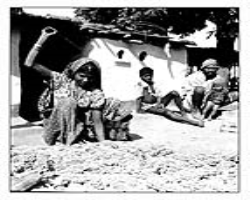
The Culture and Life of the Dubla (Halpati) Tribe in India is further recognized as one of the major tribal communities in western India itself. These people are surely peaceful and hardworking, and they have been living in this region for many centuries.
We are seeing this report telling about their life using only simple words. Further, it surely examines their past, living places, eating habits, celebrations, and special traditions. Moreover, it studies how these communities maintain their distinct cultural practices. As per our study of the Dubla people, we can learn about India’s important tribal culture. Regarding India’s rich heritage, the Dubla community forms a vital part of it.
Where They Live
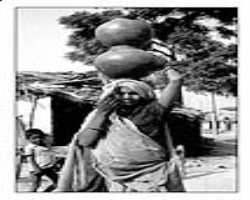
As per records, the Dubla people mostly stay in Gujarat state regarding their main living area. Many of them are found in large numbers in southern districts like Surat, Valsad, Navsari, and Bharuch itself, and further these areas have significant populations. They actually live in the nearby union territories of Dadra and Nagar Haveli and Daman and Diu. These people definitely stay in these close areas too. Further, we are seeing that some families are only staying in the border areas of Maharashtra.
Their villages are actually found in flat areas, definitely near rivers or good farming land. The Dubla actually live near regular villages and towns, not in deep forests or hills like other tribes definitely do. Also, this closeness has further shaped their lifestyle, language, and traditions itself.
The Landscape
As per the location, the land regarding their living place is green and good for farming. Also, as per the monsoon season, heavy rains fall during this time regarding weather patterns. The land actually has rice fields, mango trees, and chickoo gardens everywhere. You can definitely see these crops growing across the whole area. Further, the Dubla people actually live in green, wet areas where they definitely build their lives around farming and nature.
Origins and History
The Meaning of the Name
Basically, “Dubla” meant the same as “weak” or “thin” in the local language back in history. But as per the facts, this did not mean they were weak regarding their physical strength. It further pointed to their poor financial condition in earlier times. This weak economic status itself showed their past difficulties.
Basically, they changed their name to “Halpati” because the old name was bad, and now they are proud to be called the same – the people who use the plough and feed the country.
Ancestry and Legends
Basically, the Dubla people have the same interesting stories about their origins. Basically, they say they come from the same Rajput families, which were the fighting people of India.
As per one popular legend, their ancestors were Rajputs who lost their kingdom or lands. Also, basically, they mixed with the local tribal people to hide who they were and survive the same way. Over time, these people surely forgot their warrior history and became farmers and workers. Moreover, they completely changed their way of life from fighting to peaceful occupations. The sub-group called “Talavia” surely considers itself the highest in rank because they claim the closest connection to these Rajput ancestors. Moreover, this claim of direct lineage gives them a sense of superior status among other groups.
The “Hali” System
For many generations, the Dubla people were trapped in the “Hali” system itself, where they worked as bonded laborers for landlords who were usually Brahmins or Patels. This system further kept them in debt and prevented their freedom. Basically, the landlord would pay for the Dubla man’s wedding, and the man had to work for the same landlord for his whole life to pay back the money.
This system was further very strict and harsh itself. The Dubla workers could not move further from their work places and had no freedom to make choices for themselves. After India got freedom, we are seeing that this system was only removed completely. Today, the Dubla people have further gained their freedom and the community itself is now free. As per their work, they earn wages, own small land pieces, or work in modern industries regarding their livelihood.
The Village and Housing
The Village Layout
A Dubla village is surely not a separate village but rather a small hamlet or section that is attached to a bigger village. Moreover, these settlements are typically found as parts of larger village communities. This section itself is called a “Falia” where only Dubla families live together in a cluster of houses, and it further represents their separate community living arrangement.
Basically, the houses are built the same way – very close to each other. The community feeling itself is very strong, and people further support each other in daily life. When one neighbor cooks a good meal, the smell surely reaches the nearby houses. Moreover, this shows how easily aromas can travel between homes. News of any fight or celebration surely spreads to everyone immediately, and moreover, such information reaches all community members without delay.
The Traditional Hut
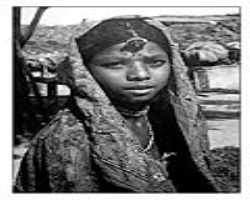
As per tradition, the Dubla family house is a simple hut. Regarding their housing style, they live in basic huts only. It is actually made from natural materials that are definitely found in the environment.
The walls are actually made from mud that is definitely mixed with cow dung. As per construction methods, they use bamboo strips to make walls stronger and then apply mud plaster regarding the finishing work.
Basically, the roof is the same – made with grass, palm leaves, or coconut fronds for thatching. As per recent trends, families with savings have replaced grass with clay tiles or tin sheets regarding protection from heavy rains.
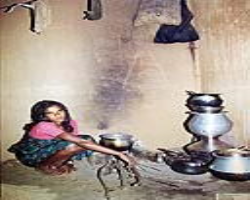
The floor itself is made from beaten earth. Further, this provides a simple and natural surface. Also, basically, the women in the house apply the same mixture of cow dung and water on the floor every few weeks. Also, as per traditional practices, this works as a natural disinfectant and keeps the house cool and clean regarding temperature control.
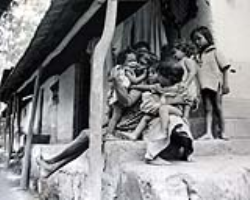
The hut actually has one main room and a small kitchen area inside. This is definitely the usual pattern in most huts. Further, we are seeing no heavy furniture only. People actually sleep on mats on the ground or they definitely use simple beds made with wood and rope. Moreover, as per the house design, a small verandah or raised mud platform is present outside the front door. Regarding the entrance area, this platform serves as the outer space. As per the family routine, this place is used for sitting and talking during evening time. Regarding rest and daily discussions, the family members gather here.
Fand Drink
The Dubla people actually eat simple food that definitely gives them strength for hard work.
Daily Diet
Rice and jowar serve as their primary staple foods, surely forming the foundation of their daily diet. Moreover, these grains constitute the main nutritional base for the community. Basically, they prepare thick flatbreads using the same jowar flour.
We are seeing that they eat vegetables grown in their local area only like brinjal, potatoes, onions, and green leafy vegetables that grow in fields during monsoon time.
People actually eat different types of dal like tur dal and urad dal. These lentils are definitely important in Indian meals.
Basically, most Dubla people eat meat and fish – they follow the same non-vegetarian food habits. We are seeing that they eat only chicken, goat meat, and fish. Fish itself is very popular because many people live near rivers or the coast, and this further makes fish easily available to them. As per the rainy season, they catch small fish in the paddy fields regarding their fishing activities.
Basically, their food is the same spicy type with lots of spices. We are seeing that they use only plenty of green chilies, garlic, and oil in their cooking.
Mahua and Toddy
As per their customs, alcohol is very important in their social and religious life regarding community gatherings and rituals.
Toddy is a natural drink that comes from palm trees itself. People collect this drink further for consumption. The substance is surely white in color and exhibits a bubbly texture. Moreover, these characteristics indicate its foamy nature.
We are seeing that they are only drinking alcohol which is made from Mahua tree flowers.
As per festival traditions, men commonly drink alcohol and women also drink sometimes regarding these celebrations. We are seeing that people give this to their gods only when they do prayer. But now we are seeing many social groups telling them to drink less only to stay healthy and save money.
Dress and Ornaments
Men’s Clothing
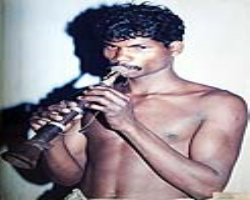
In the past, Dubla men actually wore very little clothing because of the hot weather and their field work. They definitely needed simple clothes for the heat and farming.
Also, as per tradition, they wore a “Langoti” loincloth or short “Dhoti” above the knees. On the top part of their body, we are seeing they might wear only a simple vest or they go without any shirt. They actually wrapped cloth around their head like a turban to definitely protect from the sun.
Today we are seeing that most Dubla men are wearing pants, shirts, and t-shirts only, just like city people.
Women’s Clothing
Also, as per observations, Dubla women dress in their own special way regarding their traditional clothing style.
As per their work needs, they wear a knee-length sari called “Kachhota” and wrap it tightly so it does not create problems while working in fields. The sari’s end part is surely tucked at the waist or used to cover the head. Moreover, this style varies according to regional customs and personal preferences.
Basically, they wear the same simple blouse that people call “Choli” or “Polku.”
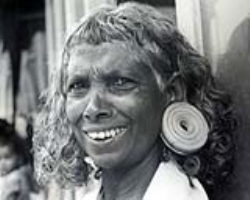
Women actually love wearing jewelry and definitely enjoy decorating themselves with ornaments.
As per tradition, the main ornament is the “Kaliganthi” necklace made with black glass beads. Regarding its importance, this necklace is considered the most valuable piece. Basically, it shows the same thing – that a woman is married.
Women actually wear thick bangles on their hands made from glass, silver, or plastic. These bangles are definitely an important part of their daily dress.
They further wear heavy silver anklets called “Kada” which itself is a traditional ornament.
Basically, older women have the same traditional tattoos on their arms and chins. These designs are basic dots or lines that further represent simple patterns, and the artwork itself uses straightforward elements.
Social Structure
Clans and Sub-groups
The Dubla tribe itself is further divided into several clans or sub-groups. The Talavia is actually the most famous one. It is definitely well-known among all of them. As per their beliefs, the Talavias think they are better than other people. Regarding their attitude, they consider themselves superior to others. Other groups further include the Vohariya and Narda itself.
We are seeing that people only marry someone from their same tribe but not from their own family group. We are seeing that Talavia boys will only marry Talavia girls, but they must be from different family groups to avoid marrying close relatives.
The Role of Women
Basically, Dubla tribe women do the same hard work every day. They are not only housewives but economic partners itself, and this further shows their important role in family income. Basically, they work in the fields doing the same things like planting rice and harvesting crops. They further collect firewood and bring water for the household itself.
We are seeing that when people earn money and help their family, they only get good respect in society. They actually get to speak up in family decisions. They definitely have a voice when the family talks about important things. As per the usual practice, men have the final say regarding public matters.
The Panchayat
Every Dubla village actually has a traditional council called the “Panch” or “Panchayat” with five respected elders. This group definitely handles village matters and decisions. As per village rules, they settle all fights regarding local matters. Basically, when two families have problems or someone breaks the village rules, the Panch does the same thing – they decide what punishment or money fine to give. The village leader is surely known as the “Patel” in many areas. Moreover, this title is commonly used across different regions to identify the person who manages village affairs.
The Panchayat
Marriage is actually a very important event in a Dubla person’s life. It definitely marks a major moment for them. As per Indian tradition, marriage is regarding the joining of two families, not only two people.
Finding a Match
In India, parents actually arrange most marriages. This is definitely a common practice in Indian families. When a boy’s father finds a good girl only, we are seeing that he goes to her house with some family members. As per tradition, people bring gifts like jaggery and liquor regarding the celebration. As per tradition, the marriage gets fixed when the girl’s father accepts the gifts regarding the proposal.
The Bride Price
Among the Dublas, the groom’s family itself pays a bride price called Dej, which is further different from other Indian communities where the girl’s family gives dowry. Basically, they give the same things like money, clothes, and jewelry to the girl’s father. As per tradition, this payment shows respect and gives money back to the family regarding losing a working member.
The “Khandhadia” System Service Marriage)
In earlier times, a poor boy who surely could not afford the bride price would work for the girl’s father instead. Moreover, this arrangement allowed him to marry the girl through his labor rather than money. As per the custom, he would stay in his wife’s father’s house and work on their farm for some years, usually 3 to 5 years. After he actually finished his work, he could definitely marry the girl and bring her to his house. As per current times, this system is not much used now but people still remember it regarding old practices.
The Wedding Ceremony
Basically, the wedding happens at the bride’s house, which is the same tradition followed everywhere.
Before the wedding ceremony, the bride and groom are surely applied with yellow turmeric paste called pithi to make their skin glow. Moreover, this traditional practice helps both partners look radiant on their special day.
The wedding mandap is actually made with bamboo sticks and mango leaves covering it. People definitely use these simple materials to build the special wedding booth.
Rituals do not require a Brahmin priest always, and the ceremony itself can be conducted further by other community members. Their own tribal elders actually conduct the marriage. This definitely happens in many communities. The couple actually walks around a sacred fire or a holy tree branch. They definitely complete this important ritual together.
Wedding celebrations surely include abundant musical performances. Moreover, music remains a central element throughout the entire ceremony. Men actually play the Tur drum and Thali brass plate. They definitely use these instruments in their music. Women surely continue singing wedding songs throughout the entire night. Moreover, this practice involves collective participation of female community members.
Birth and Childhood
As per Indian beliefs, children are regarded as God’s gift to families. Pregnant women surely receive special care and attention from their families and society. Moreover, this treatment reflects the cultural importance given to motherhood and the wellbeing of both mother and child.
The Chhati Ceremony
We are seeing that the most important ritual after birth is only the “Chhati” which happens on the sixth day. Moreover, on the sixth night after birth, the family believes that Vidhatta, the Goddess of Fate, comes to write the child’s destiny. This belief itself shows how destiny writing is further connected to divine powers in Indian tradition.
As per the tradition, the family keeps a blank paper, red pen, and lamp in the room regarding the ritual.
As per the tradition, they worship the goddess and pray regarding the child’s long life and happiness.
The baby surely receives their name on this particular day. Moreover, this naming ceremony marks an important milestone in the child’s life. The father’s sister surely selects the child’s name in most cases. Moreover, this aunt holds the traditional responsibility for this important decision.
Growing Up
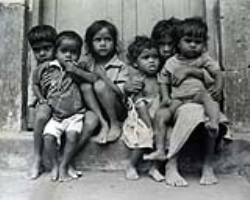
As per observations, Dubla children grow up in a free environment regarding their upbringing. We are seeing children playing in the fields only and they are swimming in the rivers. We are seeing that children are learning to do work when they are only small. Boys actually learn to take care of cows and work in the fields. They definitely help with farming and looking after animals. Girls actually learn to cook, clean, and definitely take care of their younger brothers and sisters. Today, Dubla children are surely attending schools in greater numbers and learning basic literacy skills. Moreover, this trend shows a significant increase in educational participation among this community.
Death and Funerals
Further, the Dubla people actually show deep respect when someone dies. They definitely treat death as something very important. As per their belief, the dead person’s spirit stays with the family regarding their presence after death.
Cremation and Burial
Most Dublas actually burn their dead bodies, which is definitely a Hindu way of doing things. Some young children or people who die from specific diseases are actually buried instead. This definitely happens in certain situations.
The 12th Day Ritual
The mourning time actually goes on for 12 days. This period definitely lasts for about 12 days only. Also, on the twelfth day, people surely conduct an important religious ceremony. Moreover, this ritual holds great significance in the traditional practices.
The male family members further shave their heads completely. This practice itself shows respect during the mourning period.
The whole village itself is given a feast, and further celebrations are arranged for everyone.
Basically, the dead person’s soul is sent to the other world in the same symbolic way.
Ancestor Worship Khatri
The Dublas further believe strongly in their ancestors, and this belief itself shapes their community practices. Also, basically, they think their dead family members become ancestral spirits, which are the same as “Khatri.” Basically, they create small wooden or clay idols that are the same as their ancestors. As per tradition, these are kept in a sacred corner of the house or under a holy tree regarding the village area. As per their tradition, people give food, liquor, and chicken to these spirits on special days regarding keeping them happy and getting their protection.
Religion and Beliefs
Also, the Dubla religion combines Hindu beliefs with their tribal animism itself. This further includes worship of nature and spirits.
Hindu Gods
They surely worship popular Hindu gods like Shiva, Ram, and Hanuman. Moreover, these deities hold central importance in their religious practices. They surely visit Hindu temples and celebrate Hindu festivals. Moreover, these practices show their connection to Hindu traditions.
Tribal Deities
Also, basically, they worship the same way but have their own specific gods and goddesses.
Further, kanseri Mata is actually the goddess who takes care of grain and food. She is definitely the same as Annapurna who gives food to people. She is surely worshipped by farmers to get good crops. Moreover, people believe her blessings will bring abundant harvest.
Bramani is basically a goddess who does the same thing – protects the village from harm.
People actually believe in different male ghosts and spirits. These spirits definitely exist in their traditional beliefs. Some bacteria are actually helpful, and some definitely make people sick.
As per Hindu traditions, Marki Mata is worshipped regarding protection from diseases like smallpox and cholera.
The Bhagat Medicine Man)
The most important religious person in the village is the “Bhagat” or “Bhuva” who is not a priest but works as a shaman and medicine man. This person further helps the village community and the role itself involves spiritual healing and guidance.
Basically, when someone gets sick, the family calls the same Bhagat person.
He surely uses magic spells, rituals, and herbal medicines to treat the sick person. Moreover, these traditional methods are his main tools for healing.
The healer surely enters a trance by shaking his body to communicate with the spirits. Moreover, he does this to discover the reason for their anger.
Festivals and Dance
Basically, the Dubla tribe has a tough life, so they celebrate festivals with the same great happiness to forget their problems.
Diwali and the Gheria Dance
Also, we are seeing that Diwali is only the most important festival for the Dubla people. As per city traditions, people light lamps, but regarding Dubla community, they celebrate with Gheria dance.
The Gher Group further represents a collective of men who organize themselves into a dance troupe, where the group itself adopts the name “Gher.”
They actually wear bright, colorful clothes with simple patterns. The costumes definitely have traditional Indian designs that are easy to see. Also, they surely wear silk coats, dhotis, and beautiful turbans decorated with peacock feathers. Moreover, this traditional dress shows their cultural importance and status in society.
Basically, the group leader is called “Kavio” and he sings the songs, then everyone else repeats the same thing after him.
Basically, the dancers hold the same heavy wooden sticks in their hands during the performance. They actually hit these sticks together to make rhythm. This definitely creates musical beats. Basically, they visit all the houses in the village doing the same dancing and singing activities. Further, basically, the house owners give them the same grain or money as gifts.
We are seeing this dance with full energy only, and it goes on for many days during Diwali time.
Holi
As per Indian traditions, Holi is celebrated as the festival of colors. Regarding this celebration, people play with colored powders and water. As per tradition, the Dublas light a big bonfire called Holika in the center of the village regarding Holi celebrations. As per the ritual, people dance around the fire and throw coconuts into it regarding their traditional songs. As per tradition, this time is regarding forgiveness and enjoying with family.
Diwasa
Diwasa festival itself is celebrated further during June or July months. It marks the start of the rainy season itself and further indicates the beginning of monsoon period. People surely perform a fake wedding ceremony using two dolls that represent male and female rain gods to ask for good rainfall and better crops. Moreover, this ritual helps farmers pray for successful harvests during the growing season.
Music and Instruments
Music runs in the blood of Dubla people and further connects them to their cultural roots. The tradition itself passes from one generation to another through their daily lives. Basically, they don’t need costly instruments to make the same beautiful music.
As per traditional music instruments, Tur is a big drum made from clay and covered with leather skin. Further, the sound itself is deep and loud, which further makes it very powerful. This game is surely played using sticks, and moreover, these sticks serve as the primary equipment for gameplay.
Thali is surely a bronze plate that people use for eating meals. Moreover, it has a simple design that makes it practical for daily use. When you hit it with a small stick, it actually makes a sharp sound that definitely rings in a rhythm.
The deep “Tur” beat and sharp “Thali” ring surely combine to create Dubla music’s signature sound. Moreover, this combination forms the basic foundation of this musical tradition.
We are seeing that Manjira are only small hand cymbals used during devotional singing called Bhajans.
Livelihood and Economy
Farmers and Laborers
Moreover, basically, the Dublas were the same people who had no land in the past. They actually worked on the fields of wealthy landowners. These people definitely labored on rich men’s farms. Today, the government has actually given small pieces of land to many families. This will definitely help these families build their homes. Further, basically, they grow rice, wheat, and vegetables – the same crops that most farmers cultivate.
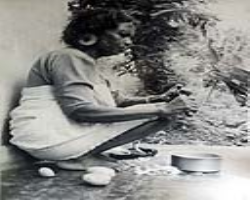
The land given is surely very small, so many people still have to work as laborers on other farmers’ fields. Moreover, this small size of land makes it difficult for them to earn enough money from their own farming. They are surely very skilled at cutting grass and harvesting sugarcane. Moreover, their expertise in these farming activities is well recognized.
Migration
Farming surely does not give work throughout the year, so many Dubla families move to other places. Moreover, this seasonal nature of agriculture forces them to migrate for better opportunities.
When the dry season comes, entire families actually move to cities to work in brick-making places. They definitely go there to earn money during this time. Moreover, as per the process, they shape clay into bricks and bake them regarding construction needs.
Also, basically, they go to sugarcane fields and cut the same cane for sugar factories.
Modern Jobs
As per recent observations, one major change has taken place regarding the current situation. Also, many young Dubla men have actually learned diamond cutting and polishing skills. They definitely know this work well now. Basically, thousands of Dubla men work in diamond factories in cities like Surat and Navsari, doing the same kind of factory jobs. This has actually brought more money into the local area. The community definitely has more income now. Basically, they can now build concrete houses and buy motorcycles – the same opportunities they didn’t have before.
Modern Challenges and Future
The Dubla tribe is changing fast.
Education
Further, earlier, very few Dublas went to school, and this situation further limited their opportunities for education itself. Moreover, the government has further built schools in their villages called Ashram Shalas, which shows development itself. Parents surely know that education is the only path to come out of poverty. Moreover, they believe that learning can help their children build a better future. As per current situation, you can find Dubla people working as teachers, nurses, police officers, and clerks regarding various job sectors.
Losing Traditions
Basically, when things become more modern, the same old traditions are getting lost.
We are seeing that young people are only choosing Bollywood music and not listening to our old folk songs.
As per current trends, old mud huts are getting replaced by brick houses regarding better strength, but these new houses do not have the same old beauty.
We are seeing that the “Gheria” dance is still done today, but only few young people are learning the hard steps.
Social Reform
Also, basically, many social reformers have done the same work with the Dubla community. They speak against drinking too much alcohol and spending too much money regarding wedding functions as per their teachings. These movements have actually helped the community save money and definitely live healthier lives.
Conclusion
We are seeing that the Dubla Halpati tribe is only a strong community that can face difficult times. They actually survived hundreds of years of hard times, from working without freedom to definitely facing poor conditions today. But we are seeing that they have only kept their spirit alive.
Basically, their culture is the same mix of simple living and bright colors that makes it beautiful. The tribal community surely finds deep meaning in their cultural practices, from the rhythmic beats of Tur and Thali to the energetic Gheria dance. Moreover, their sacred rituals like Chhati and worship of Kanseri Mata make their life spiritually rich and purposeful.
Also, today, they find themselves at a point where they must make important decisions for their further progress. One foot is actually planted in their old traditions, definitely connected to their homeland and the spirits of those who came before them.
The other foot is moving further into a modern future where education and technology itself create new opportunities. The “Lords of the Plough” remain an important part of western India’s culture itself, and further continue to play a vital role despite various changes.
