
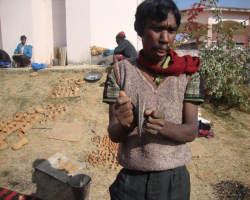
 The Dhurwa tribe represents one of India’s fascinating indigenous communities, with a rich cultural heritage spanning centuries in the tribal heartlands of central India.
This comprehensive guide serves students, researchers, cultural enthusiasts, and anyone curious about India’s diverse tribal populations.The Dhurwa people have maintained their distinct identity while adapting to modern challenges, making their story both historically significant and relevant today.
We’ll explore their ancient origins and how they’ve settled across specific regions of India, examine their unique cultural traditions and the social systems that have kept their community strong, and look at how they’re navigating the balance between preserving their ancestral ways and embracing contemporary opportunities.
From their traditional occupations to their spiritual beliefs, the Dhurwa tribe offers valuable insights into sustainable living practices and community-centered lifestyles that have endured for generations.
Origins and Historical Background of the Dhurwa People
Ancient roots and migration patterns across central India
The Dhurwa people trace their origins to the ancient tribal communities that first settled in the dense forests of central India thousands of years ago. Archaeological evidence suggests these early inhabitants developed sophisticated hunting and gathering practices while establishing permanent settlements along riverbanks and fertile valleys. The tribe’s migration patterns reveal a gradual movement from the eastern regions of present-day Odisha toward the mineral-rich landscapes of Chhattisgarh and parts of Madhya Pradesh.
Oral traditions passed down through generations speak of ancestral journeys guided by seasonal changes and the availability of natural resources. The Dhurwa established their primary settlements in areas where sal forests provided timber, medicinal plants, and wild game.
Their movement patterns followed ancient trade routes that connected various tribal territories, creating networks of cultural and economic exchange that strengthened their community bonds.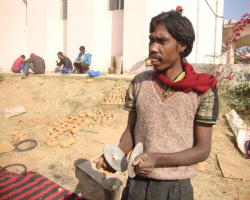
Historical connections with other tribal communities
The Dhurwa tribe maintained close relationships with neighboring indigenous groups including the Gond, Halba, and Kamar communities. These connections formed through intermarriage, shared festivals, and collaborative hunting expeditions that created lasting alliances across tribal boundaries.
Trade relationships flourished as different communities specialized in various crafts – the Dhurwa became known for their iron working skills while exchanging tools with groups who excelled in pottery or textile production.
Strategic alliances during conflicts with external forces helped preserve tribal autonomy for centuries. The Dhurwa participated in confederations that resisted invasions from various kingdoms, sharing military tactics and coordinating defensive strategies.
Cultural exchanges enriched their traditions as they adopted beneficial practices from allied tribes while maintaining their distinct identity through unique ceremonies and social customs.
Evolution of tribal identity through centuries
The Dhurwa identity solidified through centuries of shared experiences, environmental adaptation, and cultural innovation. Their social structure evolved to include specialized roles for different community members – skilled artisans, spiritual leaders, and warrior groups who protected village boundaries.
The development of clan systems based on totemic animals and natural elements strengthened group cohesion while establishing clear lineage patterns.Traditional governance systems emerged with village councils led by elected elders who made decisions through consensus. These democratic practices predated modern political systems by hundreds of years and demonstrated sophisticated understanding of community management.
The Dhurwa developed elaborate rituals marking life transitions that reinforced cultural values and maintained social harmony across generations.
Impact of colonial period on traditional way of life
British colonial policies drastically altered Dhurwa society through forest laws that restricted access to traditional lands and resources. The introduction of revenue systems forced many families to abandon subsistence practices and engage with cash economies for the first time.
Colonial administrators often misunderstood tribal governance structures, imposing external authority figures who lacked community legitimacy.Missionary activities introduced new religious concepts that challenged traditional spiritual practices, creating divisions within communities between converts and those maintaining ancestral beliefs.
Educational policies aimed at “civilizing” tribal populations disrupted knowledge transmission systems that had preserved cultural wisdom for centuries. Many Dhurwa families faced displacement as colonial authorities allocated tribal lands to non-tribal settlers and commercial enterprises.
The establishment of administrative boundaries divided traditional territories, separating extended families and disrupting seasonal migration patterns essential for their livelihood.
Despite these challenges, the Dhurwa demonstrated remarkable resilience by adapting their practices while secretly maintaining core cultural elements that continue to define their identity today.
Geographic Distribution and Settlement Patterns
Primary regions of habitation in Chhattisgarh and surrounding states
The Dhurwa tribe primarily calls the dense forests of Chhattisgarh home, with their largest concentrations found in the Bastar district. This region’s rugged terrain and thick forest cover have provided the Dhurwa people with protection and sustenance for centuries.
The tribal communities are scattered across several blocks within Bastar, including Jagdalpur, Tokapal, and Bakawand areas. Beyond Chhattisgarh’s borders, smaller Dhurwa populations have established themselves in neighboring regions of Odisha and Andhra Pradesh. These settlements often occur along forest corridors that connect the main tribal territories, reflecting the community’s historical migration patterns and their deep connection to forested landscapes.
The geographic spread of the Dhurwa tribe follows the natural contours of central India’s tribal belt, where dense sal and teak forests create an environment perfectly suited to their traditional way of life.
Most settlements are located at elevations between 1,000 to 2,000 feet above sea level, where the climate remains moderate and water sources are readily available through natural springs and streams.
Village structure and community organization
Dhurwa villages typically house between 50 to 200 families, creating tight-knit communities where everyone knows their neighbors. The village layout follows a traditional pattern with houses arranged in clusters, often grouped by family lineages or clans.
The headman’s house usually occupies a central position, serving as both a residence and a meeting place for important community decisions.
Each village maintains a common area called the “ghotul,” which serves multiple purposes – from community gatherings to cultural celebrations. The houses themselves are built using locally available materials like bamboo, wood, and mud, with thatched roofs that blend seamlessly into the forest environment.
The social structure within these villages operates on democratic principles, where decisions are made collectively through village councils. Elders hold significant respect and their wisdom guides major choices affecting the community.
Women play active roles in household management and participate in agricultural activities, while men often focus on hunting, gathering, and forest-related work.
Relationship with forest ecosystems and natural resources
The Dhurwa people share an intimate bond with their forest surroundings that goes far beyond simple coexistence.
Their entire lifestyle revolves around sustainable forest practices that have been passed down through generations. They practice shifting cultivation, known locally as “podu,” which allows forest areas to regenerate naturally while providing agricultural land for the community.Forest resources provide the Dhurwa tribe with everything from food and medicine to building materials and tools.
They have developed extensive knowledge about which plants are edible, medicinal, or useful for crafting. The community collects non-timber forest products like honey, gum, resin, and various fruits, which not only sustain their diet but also provide income through local markets.
Their hunting and gathering practices follow strict seasonal patterns that ensure animal populations remain stable. The Dhurwa people understand forest cycles intimately, knowing when certain fruits ripen, when animals migrate, and when specific medicinal plants are most potent.
This knowledge system represents thousands of years of careful observation and sustainable resource management.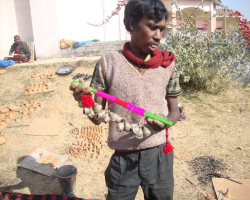 Water sources within their territories are treated with special reverence, and the community maintains these springs and streams through traditional conservation methods.
Sacred groves within their settlements remain untouched, serving as biodiversity reserves that protect rare plant and animal species while reinforcing their spiritual connection to the natural world.
Cultural Traditions and Social Structure
Unique Customs and Ceremonial Practices
The Dhurwa tribe maintains a rich tapestry of customs that have been passed down through generations. Their most significant ceremony is the annual harvest festival, where community members gather to celebrate the bounty of their agricultural efforts.
During this celebration, traditional dances are performed in elaborate costumes made from locally sourced materials, with intricate patterns that tell stories of their ancestors.
Rituals marking life transitions hold special importance in Dhurwa culture. Birth ceremonies involve the entire extended family, with specific rituals performed to ensure the child’s protection and prosperity. Coming-of-age ceremonies for both boys and girls include tests of endurance, skill demonstrations, and the sharing of cultural knowledge that marks their transition to adulthood.
Seasonal ceremonies align with agricultural cycles and natural phenomena. The monsoon welcoming ritual involves elaborate prayers and offerings to ensure adequate rainfall for crops. These ceremonies often feature traditional musical instruments, including drums made from animal hides and flutes carved from bamboo.
Traditional Governance Systems and Community Leadership
The Dhurwa tribe operates under a traditional council system led by a headman known as the “Patel” or village chief. This position is typically hereditary but can be challenged if the leader fails to serve the community effectively.
The council includes respected elders who advise on important decisions affecting the tribe.Decision-making follows a consensus-based approach where major issues are discussed openly until agreement is reached. The council handles disputes, resource allocation, and maintains relationships with neighboring communities.
Women participate in governance through a separate women’s council that addresses issues specifically affecting female community members.Traditional justice systems focus on restoration rather than punishment. When conflicts arise, the council mediates to find solutions that heal relationships and strengthen community bonds. This approach reflects the tribe’s emphasis on collective harmony over individual rights.
Marriage Customs and Family Organization
Marriage within the Dhurwa community follows specific traditional protocols. Arranged marriages are common, with families playing crucial roles in partner selection based on compatibility, family reputation, and social standing.
The courtship process involves elaborate negotiations between families, including discussions about bride price and ceremonial arrangements.Wedding ceremonies span several days and include multiple rituals. The bride and groom participate in purification ceremonies, exchange of gifts, and traditional vows spoken in the presence of the entire community.
These celebrations strengthen not just the union between two individuals but also the bonds between their extended families. Family structure is predominantly patriarchal, with joint family systems being the norm.
Multiple generations often live together in compound-style homes, sharing resources and responsibilities. Children are raised collectively by extended family members, ensuring strong cultural transmission and community bonds.
Role of Elders in Preserving Cultural Heritage
Elders serve as the living repositories of Dhurwa cultural knowledge. They hold the responsibility of teaching traditional skills, sharing oral histories, and guiding younger generations in cultural practices.
Storytelling sessions around evening fires remain a primary method of passing down legends, moral teachings, and historical accounts.These respected community members lead cultural education initiatives, teaching traditional crafts, agricultural techniques, and medicinal plant knowledge.
Their wisdom guides important community decisions, and their blessing is sought for major life events and community undertakings.The elder council maintains strict protocols for cultural preservation, determining which traditions can adapt to modern circumstances and which must remain unchanged. They serve as the final authority on matters of cultural authenticity and proper ritual observance.
Inter-tribal Relationships and Social Dynamics
The Dhurwa tribe maintains complex relationships with neighboring tribal communities through established networks of trade, marriage alliances, and cultural exchange.
These relationships are governed by traditional protocols that respect territorial boundaries while promoting peaceful coexistence.Inter-tribal marriages occasionally occur, though they require special negotiations and ceremonies that honor both communities’ traditions.
These unions often strengthen political and economic ties between groups, creating extended networks of mutual support and cooperation.
Trade relationships with other tribes involve the exchange of specialized goods, agricultural products, and crafted items. Regular markets bring different communities together, fostering cultural exchange while maintaining distinct tribal identities.
These interactions contribute to the broader cultural landscape of the region while preserving unique Dhurwa customs and practices.
Language and Communication Systems
Linguistic characteristics of Dhurwa dialect
The Dhurwa dialect belongs to the Dravidian language family, specifically classified under the South-Central Dravidian branch alongside other tribal languages like Gondi. This linguistic classification places the Dhurwa language within a rich tapestry of ancient Indian languages that predate Indo-European influences in the region.
Phonetically, the Dhurwa dialect features a distinctive sound system with retroflex consonants and nasal sounds that give it a unique tonal quality. The language employs an agglutinative structure, where grammatical relationships are expressed through suffixes attached to root words.
This creates complex word formations that can convey multiple meanings within single terms.The dialect includes several regional variations depending on geographical settlements, with subtle differences in pronunciation and vocabulary between communities in Chhattisgarh, Odisha, and Jharkhand.
These variations reflect the historical migration patterns and interactions with neighboring tribal and non-tribal communities.Word order in Dhurwa typically follows a Subject-Object-Verb pattern, which differs from the more common Subject-Verb-Object structure found in Hindi and English.
The language also incorporates a complex system of honorifics and respectful address forms that reflect the social hierarchy within Dhurwa tribe communities.
Oral traditions and storytelling methods
Storytelling forms the backbone of Dhurwa cultural transmission, with elderly community members serving as custodians of ancestral wisdom.
These oral narratives encompass creation myths, historical accounts, moral teachings, and practical knowledge about forest survival and agricultural practices.
The Dhurwa people employ various storytelling techniques that engage multiple senses. Narrative sessions often include rhythmic chanting, hand gestures, and voice modulations that bring characters to life.
These performances typically occur during evening gatherings around community fires, creating an intimate atmosphere for knowledge sharing.Traditional stories are categorized into different types:
- Origin myths that explain the creation of the world and the Dhurwa people’s place within it
- Heroic tales featuring brave ancestors who overcame challenges and established tribal territories
- Moral fables that teach proper behavior and social values to younger generations
- Practical narratives containing agricultural wisdom, hunting techniques, and herbal medicine knowledge
Seasonal storytelling follows specific patterns, with certain narratives reserved for particular times of year. Harvest season stories focus on agricultural abundance and gratitude, while monsoon tales often feature water spirits and forest deities.
Impact of modernization on native language preservation
Modern educational systems and urbanization pose significant challenges to Dhurwa language preservation. Many young tribal members now attend schools where instruction occurs primarily in Hindi or regional languages, reducing their fluency in their native dialect.
Television, radio, and mobile phones introduce dominant languages into Dhurwa households, creating a shift in daily communication patterns.
Children increasingly communicate with peers in Hindi or English, viewing their native language as less relevant for future opportunities.Government documentation and administrative processes require fluency in official languages, pushing Dhurwa speakers to prioritize Hindi literacy over their traditional dialect.
This creates a generational divide where older community members struggle to communicate complex cultural concepts to younger family members.
However, some positive developments support language preservation efforts. Community elders have begun collaborating with linguists to document Dhurwa vocabulary and grammar structures. Digital recording projects capture traditional songs, prayers, and stories for future generations.Several Dhurwa communities have established mother-tongue education programs where children learn basic literacy in their native language before transitioning to mainstream education.
These initiatives help maintain cultural identity while preparing youth for modern opportunities.
Local cultural organizations now organize annual festivals where traditional storytelling competitions encourage young people to learn and perform ancestral narratives. These events create pride in Dhurwa heritage and motivate language learning among community youth.
Traditional Occupations and Economic Practices
Forest-based livelihoods and resource utilization
The Dhurwa tribe has maintained an intricate relationship with their forest environment for generations.
They practice sustainable forest management that includes collecting non-timber forest products like honey, wax, medicinal plants, and various seeds.
These communities possess deep knowledge of forest ecosystems, knowing exactly when and where to harvest resources without damaging the natural balance.Hunting and fishing remain important activities, though these practices are now regulated by modern conservation laws.
The Dhurwa people traditionally hunted small game and birds using traditional weapons and traps, while their fishing techniques in local streams and ponds provide crucial protein sources.
They also collect edible roots, tubers, and fruits that supplement their diet throughout different seasons.Forest-based income comes from selling mahua flowers, sal seeds, tendu leaves, and bamboo products in local markets. Women often lead these collection activities, creating an important source of household income.
The community’s extensive knowledge of medicinal plants has also become valuable, though commercial exploitation of this knowledge remains limited.
Agricultural practices and crop cultivation methods
Agriculture forms the backbone of Dhurwa economic life, with most families practicing subsistence farming combined with small-scale commercial cultivation.
They primarily grow rice, maize, millets, and various pulses using traditional farming methods passed down through generations.The community practices shifting cultivation, also known as slash-and-burn agriculture, on hillsides and forest clearings.
This method involves clearing small patches of forest, burning the vegetation to create fertile ash, and then cultivating crops for a few years before allowing the land to regenerate.
While environmentally sustainable when practiced with traditional knowledge, population pressure has shortened fallow periods in some areas.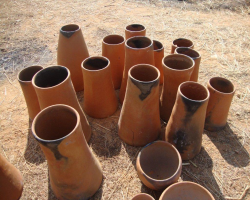 Terrace farming on slopes helps prevent soil erosion and maximizes land use. The Dhurwa tribe grows different crops at various elevations, creating a diverse agricultural system that reduces risk and provides food security.
They maintain traditional seed varieties that are well-adapted to local conditions and climate variations.Livestock rearing, including goats, chickens, and sometimes cattle, complements agricultural activities. These animals provide milk, eggs, meat, and serve as insurance against crop failures.
Traditional crafts and artisanal skills
The Dhurwa community has developed remarkable craftsmanship skills that reflect their deep connection with natural materials. Bamboo weaving stands out as one of their most refined arts, with skilled artisans creating baskets, mats, containers, and decorative items.
These products serve both household needs and generate income through local market sales.
Women excel in creating intricate designs using natural fibers and plant materials. They weave bags, ropes, and household items using techniques that have been refined over centuries.
The community also practices woodcarving, creating agricultural tools, household items, and decorative objects from local timber.Metalworking skills include basic blacksmithing for creating farming tools and household implements.
Some community members specialize in making traditional weapons, though this practice has declined significantly due to legal restrictions and changing lifestyle needs.Pottery making using local clay provides essential household items like water pots, storage containers, and cooking vessels.
These crafts represent not just economic activities but also cultural expressions that maintain community identity and traditional knowledge systems.
Modern economic challenges and adaptation strategies
The Dhurwa tribe faces significant economic pressures as traditional livelihoods become increasingly difficult to maintain. Forest laws restrict access to many traditional resources, forcing communities to find alternative income sources.
Climate change has disrupted traditional agricultural patterns, making farming less predictable and profitable.Market access remains a major challenge, with remote locations limiting the community’s ability to sell products at fair prices.
Middlemen often exploit this situation, purchasing traditional crafts and forest products at low prices and selling them at significant markups in urban markets.Education and skill development programs are slowly reaching Dhurwa communities, though implementation often lacks cultural sensitivity.
Some young people are migrating to urban areas for employment opportunities, creating both economic benefits through remittances and social challenges as traditional knowledge systems weaken.
Government welfare programs and development initiatives are gradually improving access to healthcare, education, and modern amenities.
However, these programs sometimes conflict with traditional practices and create dependency rather than sustainable development.Some communities are exploring eco-tourism as an alternative income source, sharing their traditional knowledge and cultural practices with visitors.
This approach shows promise for preserving culture while generating modern economic benefits, though it requires careful management to avoid cultural commodification.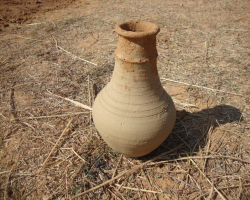
Religious Beliefs and Spiritual Practices
Nature worship and animistic traditions
The Dhurwa tribe maintains a profound spiritual connection with the natural world, viewing every element of their environment as inhabited by divine forces.
Trees, rivers, mountains, and even rocks are believed to possess spirits that influence daily life and community well-being. Sacred groves called dev-rai serve as sanctuaries where tribal members conduct rituals and offer prayers to forest deities.The tribe recognizes multiple nature spirits, with Thakur Dev being the supreme forest deity who protects the community from harm.
Water spirits residing in rivers and springs receive special reverence, as the Dhurwa people believe these entities control rainfall and agricultural prosperity. Animal spirits, particularly those of tigers and elephants, are considered powerful guardians that must be appeased through specific offerings and ceremonial practices.
Tribal elders pass down detailed knowledge about which plants and trees hold sacred significance. The mahua tree is especially revered, as its flowers are used in both religious ceremonies and traditional brewing practices.
Community members gather under ancient banyan trees to perform collective rituals, believing these locations serve as bridges between the physical and spiritual realms.
Seasonal festivals and ritualistic ceremonies
The Dhurwa tribe celebrates numerous festivals that align with agricultural cycles and natural phenomena.
Hareli marks the beginning of the monsoon season, where community members plant seedlings and pray for abundant rainfall. During this celebration, sacred songs called geet are performed while women create intricate patterns using rice flour and vermillion.
Bhojali festival occurs during the rainy season when young girls plant barley seeds in small baskets, symbolizing fertility and prosperity. The ceremony involves elaborate dance performances and communal feasting, strengthening social bonds within the community. Pola festival honors cattle and agricultural tools, recognizing their essential role in tribal livelihood.
Harvest celebrations like Akti bring together entire villages to thank nature spirits for successful crops. These events feature traditional musical instruments including drums, flutes, and string instruments made from locally sourced materials.
Ritual dances performed during festivals often tell stories of tribal ancestors and their relationship with forest deities.
Role of shamans and spiritual healers
Spiritual intermediaries known as baiga or gunia hold significant positions within Dhurwa society, serving as healers, advisors, and ritual specialists.
These individuals undergo extensive training from childhood, learning to communicate with spirits and interpret natural omens. Their knowledge encompasses herbal medicine, ritualistic practices, and community conflict resolution.
Shamans perform healing ceremonies using traditional herbs and spiritual chanting to treat both physical ailments and supernatural afflictions.
They conduct exorcism rituals when community members experience unexplained illnesses or misfortunes, believed to result from angry spirits or violated taboos.
Birth ceremonies, naming rituals, and marriage blessings require shamanic intervention to ensure proper spiritual protection.The selection of shamans often occurs through divine calling or hereditary succession. Training involves learning complex ritual procedures, memorizing sacred songs, and developing the ability to enter trance states for spirit communication.
These spiritual leaders also maintain tribal calendars, determining auspicious dates for festivals, agricultural activities, and important community decisions.
Integration with mainstream religious practices
Modern influences have led many Dhurwa tribe members to adopt elements of Hinduism while maintaining their traditional beliefs. This syncretistic approach allows them to participate in broader religious festivals like Diwali and Holi while preserving their ancestral spiritual practices.
Local Hindu deities are often incorporated into tribal pantheons, creating hybrid worship systems that reflect cultural adaptation.Christian missionary activities in some regions have introduced new religious concepts, though many tribal members practice a blend of Christianity and traditional animism.
Churches built in Dhurwa areas often incorporate tribal architectural elements and allow certain traditional practices during religious services.Government recognition of tribal religious rights has helped preserve many spiritual traditions, though urbanization and education continue to influence younger generations’ religious perspectives.
Some educated tribal youth serve as cultural bridges, documenting traditional practices while participating in contemporary religious movements that respect their heritage.
Contemporary Challenges and Modernization Impact
Loss of Traditional Lands and Displacement Issues
The Dhurwa tribe faces mounting pressure from land acquisition for industrial projects, mining operations, and infrastructure development. Many Dhurwa families have been forced to leave their ancestral territories, breaking deep connections to sacred groves and traditional farming grounds that shaped their identity for generations.
These displacements often happen with minimal compensation, leaving communities struggling to rebuild their lives in unfamiliar environments.Forest clearances have particularly impacted the Dhurwa people, who relied heavily on forest resources for food, medicine, and building materials.
When companies clear vast areas for coal mining or steel plants, entire villages must relocate to resettlement colonies that lack the natural resources their traditional lifestyle depends on. The psychological trauma of leaving behind burial grounds and sacred sites adds another layer of difficulty to an already challenging situation.
Legal battles over land rights continue across Dhurwa settlements, with many communities lacking proper documentation to prove their historical claims.
The Forest Rights Act offers some protection, but implementation remains inconsistent. Young Dhurwa adults increasingly migrate to cities for work, weakening community bonds and traditional knowledge transfer systems.
Educational Opportunities and Literacy Development
Educational infrastructure in Dhurwa villages has improved significantly over the past two decades, though challenges persist. Government schools now operate in most settlements, providing basic education in regional languages alongside Hindi.
However, high dropout rates remain common as families need children to contribute to household income through farming or forest collection activities.The language barrier creates additional hurdles for Dhurwa students learning in Hindi or other regional languages rather than their native tongue.
Many teachers assigned to tribal areas lack cultural sensitivity training and struggle to connect with Dhurwa children, leading to communication gaps that affect learning outcomes.
Adult literacy programs have shown promising results in several Dhurwa communities, particularly among women who previously had limited access to formal education.
These programs often combine basic reading and writing skills with practical knowledge about government schemes and legal rights, empowering community members to advocate for their needs more effectively.Higher education opportunities remain limited due to economic constraints and the need for students to travel far from home.
Scholarship programs specifically for tribal students help some Dhurwa youth pursue college degrees, though many return to find limited job opportunities in their home regions.
Healthcare Access and Community Wellness
Healthcare delivery to Dhurwa settlements faces significant obstacles due to remote locations and inadequate transportation networks.
Primary health centers serve multiple villages but often lack essential medicines, qualified staff, and proper equipment.
During monsoon seasons, many communities become completely cut off from medical services when roads become impassable.Traditional healing practices remain strong among the Dhurwa tribe, with community healers using forest-based medicines to treat common ailments.
Integration of traditional and modern healthcare systems shows potential, though coordination between tribal healers and government medical staff requires careful cultural navigation.Maternal and child health outcomes have improved with mobile health clinics visiting remote Dhurwa villages on scheduled routes.
Vaccination programs have reduced childhood diseases significantly, though gaps in coverage still exist in the most isolated settlements. Malnutrition remains a concern, particularly during lean seasons when forest foods become scarce.
Mental health support receives minimal attention despite the stress caused by land displacement and cultural disruption. Community-based counseling programs that respect Dhurwa cultural values could address depression and anxiety affecting many tribal members dealing with rapid social changes.
Government Policies and Tribal Welfare Programs
The Indian government has implemented various welfare schemes targeting Dhurwa communities, including food security programs, housing assistance, and livelihood support initiatives.
The Public Distribution System provides subsidized grains, helping reduce hunger during difficult periods. However, corruption and inefficient delivery mechanisms often prevent benefits from reaching intended beneficiaries.
Employment guarantee programs like MGNREGA offer wage labor opportunities, allowing Dhurwa families to earn income without migrating to distant cities. These programs work best when they incorporate traditional skills and respect local work patterns, though bureaucratic requirements sometimes exclude eligible community members who lack proper documentation.Self-help group formation among Dhurwa women has created new economic opportunities through microcredit and skill development programs.
These groups often focus on activities that complement traditional occupations, such as organic farming or handicraft production, helping preserve cultural practices while generating income.Political representation through reserved seats in local governance structures has given the Dhurwa tribe a voice in decision-making processes affecting their communities.
However, limited literacy and unfamiliarity with formal political procedures sometimes reduce the effectiveness of this representation. Training programs for elected Dhurwa representatives help bridge this gap and strengthen advocacy efforts.The Dhurwa tribe carries with them centuries of rich cultural heritage, from their ancient origins to their unique settlement patterns across central India.
Their traditional way of life – built around community bonds, spiritual connections to nature, and time-tested economic practices – shows us how indigenous communities have thrived through deep understanding of their environment.
Their language, customs, and religious beliefs form an intricate web that has kept their identity strong through generations.Today, the Dhurwa people face the challenge of balancing their ancestral traditions with the demands of modern life.
Supporting tribal communities means recognizing their right to preserve their culture while also ensuring they have access to education, healthcare, and economic opportunities. If you’re interested in learning more about indigenous cultures or want to support tribal welfare initiatives, take time to understand their stories and contribute to organizations working for tribal rights and development.
