
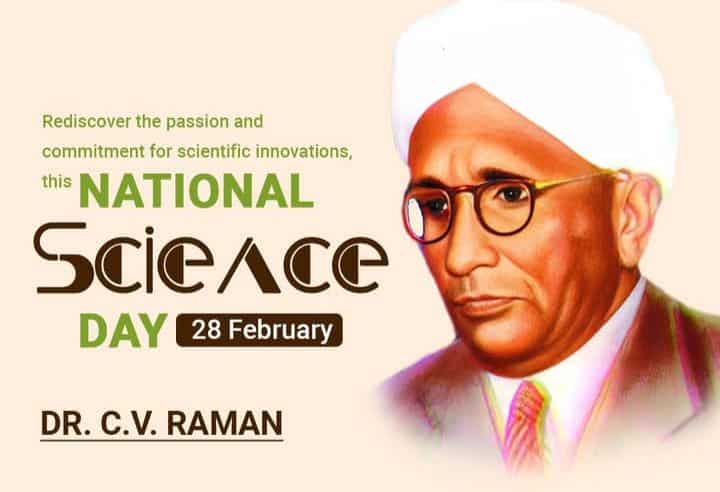
Ever wondered why some brilliant minds never reach their full potential while others, Dr. C. V. Raman, inspiration for students change, the world with a simple light experiment? It wasn’t fancy equipment or privileged connections that earned him the Nobel Prize—it was pure curiosity and stubborn persistence.You’re about to discover how Raman’s journey from a modest background to scientific greatness can transform your own approach to education and problem-solving.The “Raman Effect” wasn’t just a physics breakthrough; it became the ultimate study inspiration for generations of students struggling with limited resources but unlimited determination. His work proves that groundbreaking innovation doesn’t require expensive labs—just an unquenchable thirst for answers.But what separates Raman’s mindset from the thousands of smart students who never make their mark? The answer might completely change how you approach your studies tomorrow.
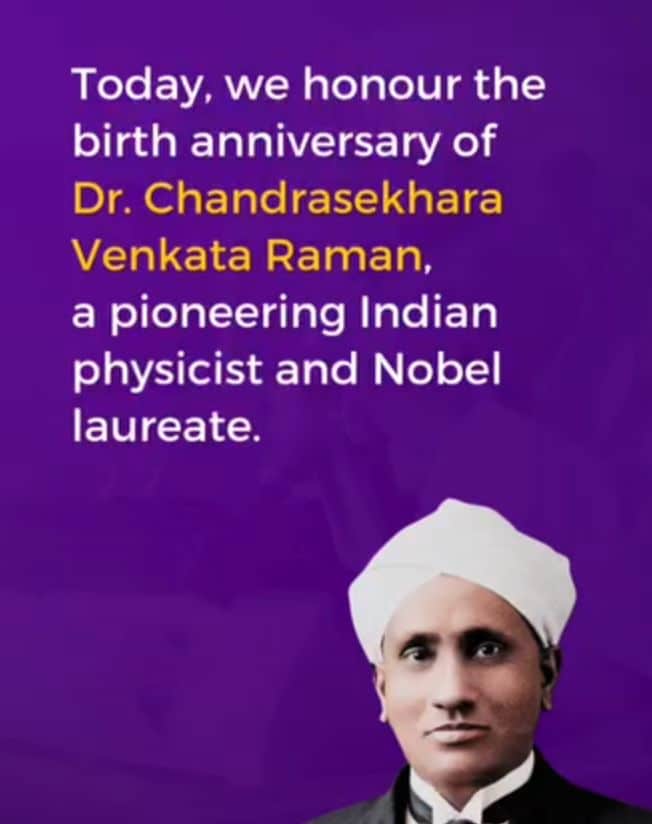
The Life History of CV Raman: His Contributions to Physics
Early Life and Education
Born on November 7, 1888, in Tiruchirappalli, Tamil Nadu, Chandrasekhara Venkata Raman (CV Raman) showed exceptional brilliance from childhood. His father was a physics teacher, which might explain why Raman was solving mathematics problems from college textbooks by age 11.At just 15, Raman earned his undergraduate degree from Presidency College, Madras, securing gold medals in physics and English. Two years later, he completed his Master’s in Physics with the highest distinctions, breaking all university records.Though financially strained, his passion for science never dimmed. Unable to pursue higher studies abroad due to medical reasons, Raman joined the Indian Finance Department in 1907. But his heart remained in research, and he often conducted experiments at the Indian Association for the Cultivation of Science (IACS) after office hours.
The Breakthrough Discovery: Raman Effect
During a sea voyage to Europe in 1921, Raman was captivated by the Mediterranean Sea’s deep blue color. This curiosity sparked experiments on light scattering in liquids that would change physics forever.On February 28, 1928, Raman discovered that when light passes through a transparent material, some scattered light changes wavelength. This phenomenon, now known as the “Raman Effect,” proved Einstein’s quantum theory of light and opened a new field of spectroscopy.
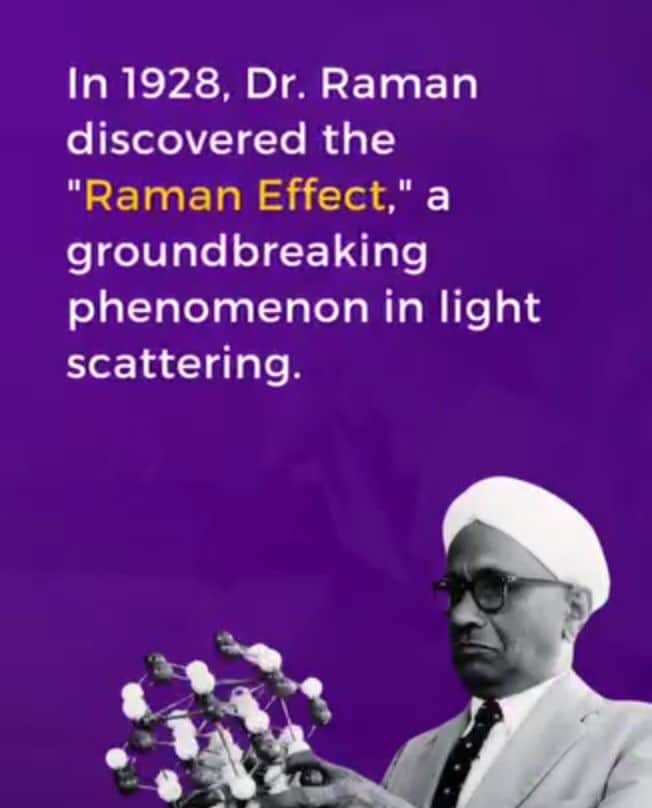
The discovery was revolutionary for its simplicity and profound implications. Using basic equipment—a spectrograph, mercury arc lamp, and some filtered light—Raman demonstrated what advanced theories had only predicted.
Nobel Prize and Scientific Legacy
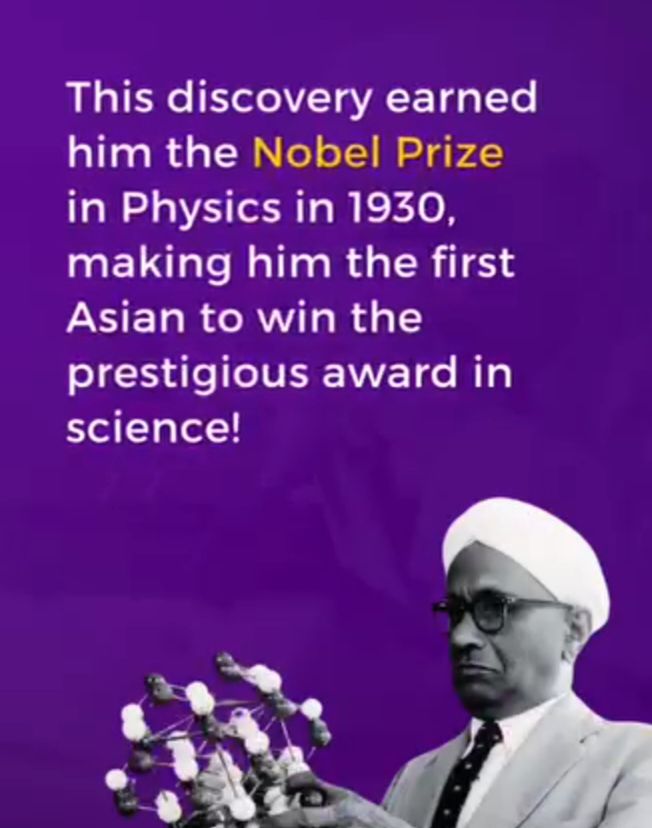
Raman’s discovery earned him the 1930 Nobel Prize in Physics—making him the first Asian and non-white person to win in the sciences. He received the news via telegram while teaching a class and announced it to his students immediately.His contributions extended beyond the Raman Effect:
- Pioneered the study of crystal dynamics
- Investigated the acoustics of musical instruments
- Explained the blue color of the sky and sea using molecular diffraction
- Developed the Raman spectroscopy technique used worldwide in chemistry, medicine, and materials science
When asked how he made his discoveries with limited resources, Raman famously replied, “The essence of science is independent thinking, hard work, and not equipment.”He established the Raman Research Institute in Bangalore using his Nobel Prize money and personal savings, creating a world-class research center that continues his legacy today.
Do you Know?
Fascinating Facts About Dr. C. V. Raman
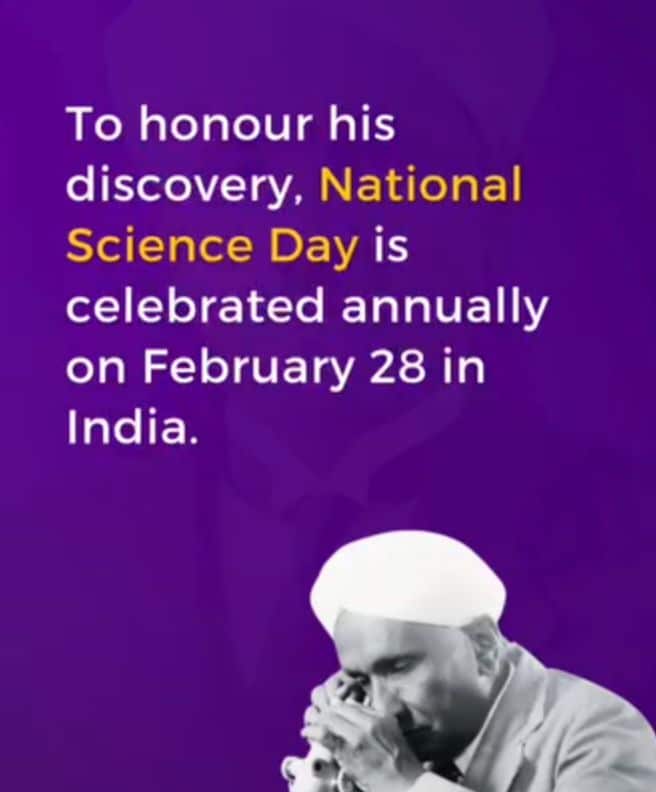
Did you know that C.V. Raman was actually planning to become a civil servant before his passion for science took over? Yep, he passed the Financial Civil Service exam with flying colors but chose physics instead. Talk about following your heart!Here’s something wild – Raman conducted his Nobel Prize-winning experiment using equipment that cost less than $10 in today’s money. Just simple filters, a spectrometer, and sunlight. He proved you don’t need fancy gear to change the world.Raman never filed for patents on any of his discoveries. He believed scientific knowledge should belong to everyone. In today’s patent-crazy world, that’s pretty remarkable.The “Raman Effect” was discovered on February 28, 1928 – a date now celebrated as National Science Day in India.
Raman was obsessed with the color of the sea. During a voyage to Europe, he couldn’t stop wondering why the Mediterranean was so intensely blue. This curiosity eventually led him to his Nobel Prize-winning work.He founded the Indian Journal of Physics in 1926 with his own money when he couldn’t find good places to publish Indian scientific research.Raman could identify over 50 musical instruments just by their sound patterns. His love for acoustics and music merged beautifully with his scientific work.Despite international offers, Raman never left India permanently. He believed Indian science needed him more than prestigious foreign institutions did.
What were C.V. Raman’s experiments?
The Raman Effect: A Game-Changing Discovery
When C.V. Raman walked into his laboratory on February 28, 1928, he wasn’t expecting to change physics forever. But that’s exactly what happened.Raman’s most famous experiment was beautifully simple. He passed sunlight through a filter to create monochromatic light, then observed what happened when that light passed through various transparent materials. Using just a spectrometer, a polarizer, and his brilliant mind, he noticed something odd: some of the scattered light had changed wavelength.This was revolutionary. The existing theories couldn’t explain it. When light hit molecules, a tiny fraction of the photons were actually exchanging energy with the molecules, causing their wavelength to shift. This phenomenon, now called the “Raman Effect,” proved that light could change its color during scattering.
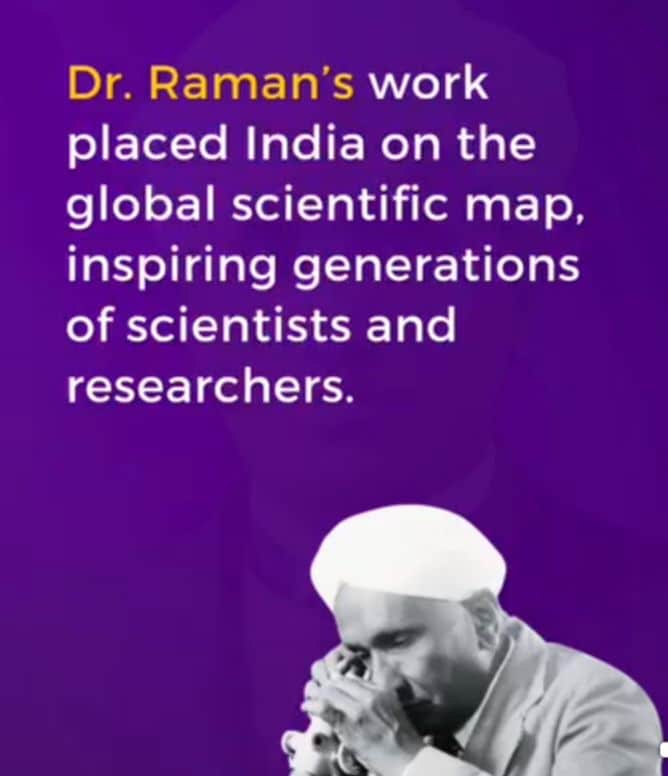
His early experiments were conducted with surprisingly basic equipment:
- A narrow beam of sunlight
- A series of optical filters
- Various transparent substances like ice, water, and purified liquids
- A spectrometer to analyze the scattered light
What’s truly impressive? Raman first observed this effect visually. When he directed filtered violet light through certain liquids, he detected a faint green glow in the scattered light—something nobody had noticed before.Beyond the Raman Effect, his experimental prowess extended to acoustics. He extensively studied how stringed instruments like the violin and tambura vibrate to produce their distinctive sounds. His work on the acoustics of Indian drums revealed how their asymmetrical design creates complex harmonics.Throughout his career, Raman maintained an almost childlike curiosity, often saying, “Ask the right questions, and nature will open the door to her secrets.”
What else was Sir C V Raman Interested in?
Beyond Physics: The Multifaceted Interests of Sir C.V. Raman
While most people know C.V. Raman for his groundbreaking work in physics, the Nobel laureate had a fascinating array of interests that showcased his incredible curiosity about the world around him.Ever wonder what occupied Raman’s mind when he wasn’t revolutionizing our understanding of light? The man was practically a Renaissance scientist with an insatiable appetite for knowledge across multiple disciplines.Music captivated Raman throughout his life. He didn’t just enjoy listening—he studied the science behind musical instruments, particularly Indian instruments like the tabla and mridangam. He published papers on the acoustics of these instruments, bridging his love for physics with his appreciation for art.Raman was also deeply drawn to the study of optics beyond his famous effect. The colors of flowers, butterflies, and gemstones particularly fascinated him. He established an impressive collection of diamonds and wrote extensively on their optical properties.Astronomy held a special place in Raman’s heart too. He founded the Bangalore Astronomical Society and regularly observed celestial phenomena with genuine childlike wonder.
Perhaps most surprising was his passion for geology and mineralogy. His personal collection of minerals and crystals was extraordinary, and he often used them in his optical experiments.Raman also had a keen interest in the science of vision and color perception, publishing several papers on how humans perceive color—work that influenced both physics and psychology.What made Raman truly exceptional wasn’t just his brilliant mind, but his ability to see connections between seemingly unrelated fields, finding the physics in music, the optics in butterflies, and the beauty in scientific discovery.
Some Inspiring C V Raman Quotes
Words That Shaped a Scientific Legacy
Want to know what goes on in the mind of a genius? Dr. C.V. Raman’s quotes give us a rare glimpse into his brilliant thinking. These aren’t just fancy words—they’re the philosophy that drove one of India’s greatest scientific minds.”Success can come to you by courageous devotion to the task lying in front of you.”This quote hits different when you understand Raman’s journey. He didn’t wait for perfect lab conditions or unlimited funding. He worked with what he had and made history anyway.”Ask the right questions, and nature will open the doors to her secrets.”This wasn’t just talk.
Raman lived this principle when he discovered the effect that bears his name—by simply asking why the Mediterranean Sea was so deeply blue.”We need a spirit of victory, a spirit that will carry us to our rightful place under the sun, a spirit which will recognize that we, as inheritors of a proud civilization, are entitled to our rightful place on this planet.”Long before “Make in India” was a slogan, Raman was championing Indian scientific achievement and potential.”I strongly believe that fundamental science cannot be driven by instructional, industrial, governmental or military pressures.”In today’s world of profit-driven research, this hits home. Raman believed true discovery comes from curiosity, not commerce.”The essence of science is independent thinking, hard work, and not equipment.”This might be my favorite. How many students think they need fancy gadgets to do great science? Raman reminds us that the most powerful scientific instrument is the human mind.
Conclusion
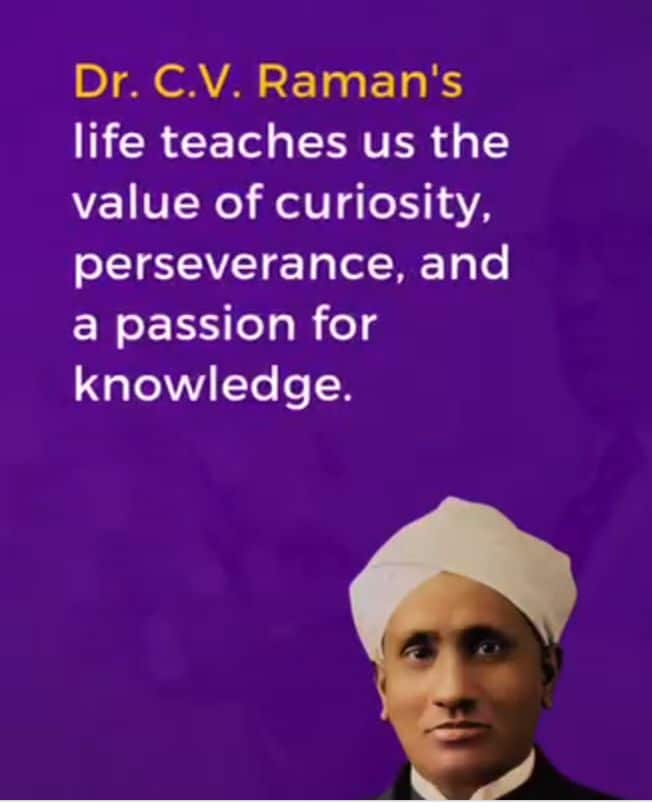
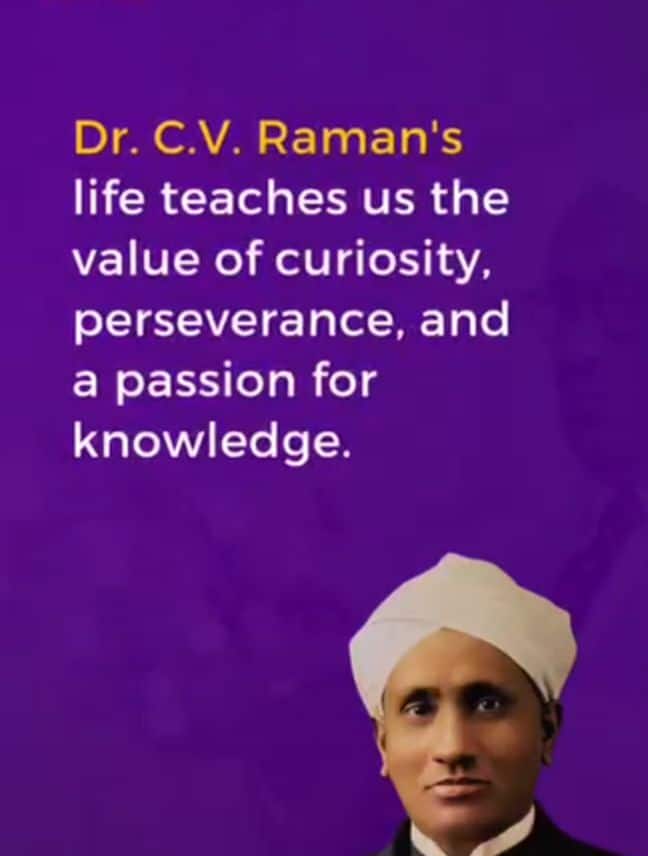
Dr. C.V. Raman stands tall as one of the most brilliant minds India has ever produced. His journey from curiosity-driven child to Nobel laureate shows us that greatness comes from passion, perseverance, and an unwavering commitment to discovery.What makes Raman truly special wasn’t just his scientific brilliance, but how he achieved it. With limited resources and equipment that would be considered primitive by today’s standards, he made discoveries that revolutionized physics. His work on light scattering (now famously known as the Raman Effect) didn’t just earn him international acclaim—it proved that groundbreaking science could happen anywhere, even in developing nations.For students today, Raman’s life offers powerful lessons. He showed that questions matter more than answers. His habit of asking “why” and challenging established theories reminds us that scientific progress comes from curiosity and skepticism.Raman’s patriotism was expressed through excellence. Rather than seeking opportunities abroad, he chose to build scientific institutions in India, believing that his country could become a global leader in research and innovation.Perhaps most importantly, Raman demonstrated that science isn’t just about formulas and theories—it’s about wonder.
His famous quote, “The essence of science is independent thinking, hard work, and not equipment,” should hang in every classroom.As we reflect on his remarkable life, we’re reminded that greatness isn’t determined by where you come from, but by your dedication to understanding the world around you. Raman’s legacy continues to inspire generations of students to look at ordinary phenomena with extraordinary curiosity.
FAQs on CV Raman: A Pioneer of Modern Science and Nobel Laureate
Who was Dr. C.V. Raman and what made him famous?
Dr. Chandrasekhara Venkata Raman was an Indian physicist who changed the game in science. Born in 1888 in Tamil Nadu, he is best known for discovering the “Raman Effect” in 1928 – the phenomenon where light changes wavelength when it passes through a transparent material. This discovery earned him the 1930 Nobel Prize in Physics, making him the first Asian and non-white person to win in this category.What’s crazy impressive is that he made this groundbreaking discovery using simple equipment that cost less than $10 by today’s standards! Talk about doing more with less.
What exactly is the Raman Effect and why does it matter?
The Raman Effect might sound complicated, but it’s basically about how light behaves when it bounces off molecules. When light hits a substance, most of it scatters at the same wavelength (color). But a tiny fraction scatters at different wavelengths.Why should you care? This effect revolutionized how scientists study materials. Today, Raman spectroscopy helps:
- Identify unknown substances in forensic science
- Detect explosives and drugs at airports
- Analyze medications without destroying them
- Monitor glucose levels non-invasively
- Authenticate artwork and detect forgeries
Every time you go through airport security or get certain medical tests, you’re benefiting from Raman’s discovery.
What obstacles did CV Raman overcome in his career?
CV Raman wasn’t born with a silver spoon in his mouth. He faced huge challenges:
- Colonial barriers: Working as an Indian scientist during British rule meant limited resources and recognition
- Financial constraints: He often used homemade equipment because he couldn’t afford fancy lab gear
- Academic skepticism: Many Western scientists initially doubted his findings
- Health issues: He suffered from poor health but kept working relentlessly
Despite these hurdles, he established the Indian Academy of Sciences and built world-class research institutions from scratch.
What can students learn from CV Raman’s approach to science?
Raman’s scientific journey offers gold nuggets of wisdom for today’s students:
- Curiosity trumps resources – Raman’s most famous discovery came from wondering why the sea appeared blue
- Persistence pays off – He conducted thousands of experiments before his breakthrough
- Question established theories – He wasn’t afraid to challenge Einstein’s ideas on light scattering
- Communicate clearly – Despite complex topics, he could explain his work to non-scientists
- Stay rooted in your culture – He wore traditional Indian clothes even when accepting his Nobel Prize
His famous quote sums it up: “Success can come to you by courageous devotion to the task lying in front of you.”
How is CV Raman’s legacy continued today?
CV Raman’s scientific footprint remains massive today:The Raman Research Institute in Bangalore continues his work, attracting brilliant minds from around the world. National Science Day in India (February 28) commemorates his Nobel Prize-winning discovery.Modern applications of his work are everywhere – from medical diagnostics to space exploration. NASA’s rovers use Raman spectroscopy to analyze Martian rocks!His story inspires thousands of Indian students to pursue STEM careers, proving that groundbreaking science can come from anywhere.
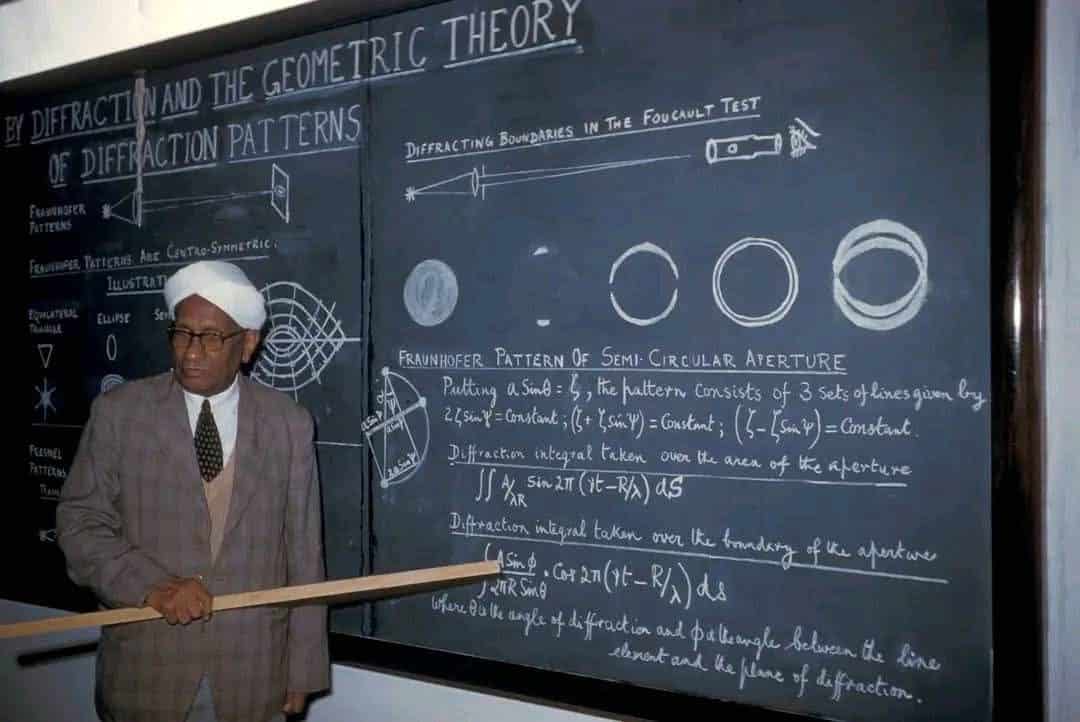
The CV Raman Young Scientist Awards recognize promising researchers carrying his torch.Perhaps most importantly, he showed that world-class science doesn’t require expensive equipment – just an observant mind and determined spirit.Dr. C.V. Raman’s extraordinary journey from a curious mind to a Nobel Prize-winning physicist exemplifies the power of passion, perseverance, and unwavering dedication to scientific inquiry. His groundbreaking experiments, particularly the Raman Effect, revolutionized our understanding of light and matter, while his diverse interests beyond physics demonstrate the importance of cultivating a well-rounded intellect.
Through his remarkable achievements and inspiring quotes, Raman continues to serve as a beacon for students, showing that with determination and intellectual curiosity, one can overcome limitations and make significant contributions to humanity.As students navigate their educational journeys, Raman’s life offers valuable lessons about pursuing knowledge with enthusiasm, questioning established theories, and remaining committed to excellence despite challenges.
His legacy reminds us that true education extends beyond textbooks and classrooms—it’s about developing a deep love for learning and the courage to explore uncharted territories. May Raman’s story inspire the next generation of scientists, thinkers, and innovators to follow their intellectual passions and strive to make their own meaningful impact on the world.
