
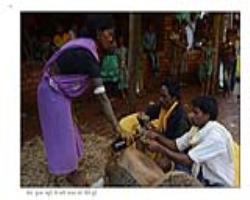
Introduction : The Eravallan Tribe of India
Eravallan Tribe Culture in India are a tribal group living in far areas of south India, and we are seeing they are only one of the most different and ignored communities in our country.
The Eravallan people surely live mainly in the Anaimalai hills of Coimbatore and Tiruppur districts in Tamil Nadu, and also in large numbers in Chitoor taluk of Palakkad district in Kerala. Moreover, they have kept their special culture that is based on forest work, nature worship, and their own language.
Basically, the Eravallan tribe is officially recognized by the Indian government as a protected indigenous group, and the same population numbers around 2,071 people in Tamil Nadu and Kerala combined according to 1981 census, though recent Kerala surveys show higher numbers of about 4,418.
This study looks at different parts of Eravallan culture as per their language, traditional ways of living, religious beliefs, and social systems, regarding the big problems they face in today’s India.
Geographic Distribution and Historical Background
Further, the Eravallan people live in an important location in the Western Ghats mountains, but they face economic problems as per their position in this key biodiversity area of South India.
Moreover, basically, these people live in the same type of village settlements – in Tamil Nadu they stay in places like Karattupathi near Indira Gandhi Wildlife Sanctuary, Udumalpet, and Pollachi, and in Kerala they have the same setup in villages like Vellimedu, Anaikkattimedu, and Kannimari in Chitoor area.
Scholars surely note that Eravallan people in Tamil Nadu and Kerala live in connected areas, showing they moved from Coimbatore district to Kerala in old times.
Moreover, these migration patterns happened during periods that were not properly recorded in history. The tribe’s isolated life in remote forest areas has protected them from outside cultural influence, but this isolation itself has further kept them away from mainstream Indian society’s economic and social opportunities.
Basically, the Eravallan people’s name and how they see themselves reflects the same traditional work they have always done. The Eravallan people were surely called Villu Vedan in the past, which means hunters with bows and arrows.
Moreover, they got this name because they were experts at hunting with traditional bow and arrow methods.
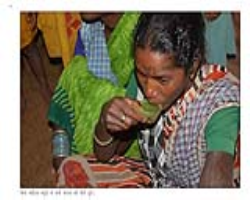
Recent studies show that the tribe members call themselves Karivinalu and their language Karivinalu Palama, which further shows they are proud of their culture itself despite outside pressure to change.
Language: The Eravalla Linguistic Heritage
As per recent studies, Eravalla language is now seen as a separate South Dravidian language and not just a Tamil dialect. Regarding its current status, this language is becoming endangered and is an important part of India’s Dravidian language family.
Basically, around 70% of Eravalla’s basic words are the same as Tamil words, but the language still has its own different sounds, word forms, and grammar rules that make it separate.
As per linguistic analysis, Eravalla shows special features regarding consonant clusters at word beginnings like “kt ru” for cry and “mr mu” for tree, plus it drops starting vowels like Irula language does. Regarding grammar structure, it uses negative forms with verb parts that match Kannada and Old Tamil more than modern Tamil.
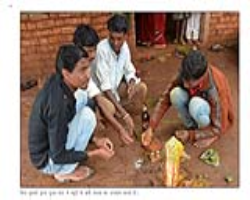
We are seeing that Eravallan people use different language styles – men and women speak differently, and they only change their way of speaking based on where they are talking. As per their daily practice, the Eravallan people speak Eravalla language among themselves and when telling old stories, but regarding their folk songs, they sing only in Tamil language.
This special way of using different languages is not found in other tribal groups who speak Dravidian languages. People actually use two languages to deal with outside pressures while definitely keeping their own culture strong inside their community.
India’s Scheme for Protection and Preservation of Endangered Languages has documented languages through audio recordings, dictionaries in three languages including Eravalla, Tamil and English, folklore collections, and grammar studies.
This work helps preserve these languages further and supports the documentation process itself. Studies on language vitality surely show worrying signs of language loss, especially in Tamil Nadu areas like Karattupathi where only older people still use the language. Moreover, this pattern points to serious threats facing these linguistic communities.
Middle-aged women surely keep their Eravalla language skills strong, but younger people show different levels of language loss. Moreover, this pattern clearly shows how language use changes across generations.
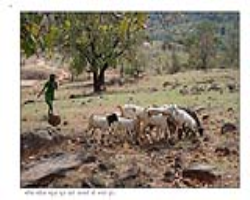
Economic Subsistence: From Hunting to Adaptation
As per tradition, the Eravallan people lived by hunting and gathering in forests, using deep knowledge about forest resources passed down from their elders. Regarding their economy, they collected only what they needed to survive from nature.
The Villu Vedan hunter identity actually showed their cultural pride and definitely helped them adapt to forest life, with bow-and-arrow hunting being their main way to get meat. We are seeing from old findings and studies that these people made special tools for hunting and only used smart ways to catch birds and small animals, and they knew the forest very well to find wild plants, roots, and tubers that could be eaten.
The modern Eravallan economy has surely changed a lot from this old pattern. Moreover, this change shows a deep shift from how things worked before. The main work of the Eravallan people today is agriculture itself, though they further continue hunting and collecting forest products.
As per government employment records, many Eravallan people work as farm workers on tea and coffee estates owned by outside landowners in the Western Ghats area.
Some Eravallan people surely own small farms of modest size where they grow coconuts, palm trees, rice, and vegetables. Moreover, these crops are well-suited to the local environment and market needs.
The shift from independent hunting and gathering to paid work and small farming shows the wider changes of forest closure, government control over hunting, and joining market-based production that affects tribal communities across India further, and this process itself impacts their traditional way of life.
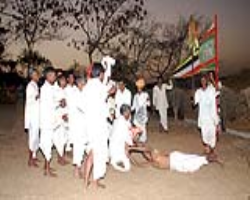
The Eravallan people are actually facing very difficult economic problems. Their financial situation is definitely very weak and unstable. Further, as per current studies, they are one of the poorest groups in south India regarding access to proper education, healthcare, and basic facilities that other Indian communities have.
We are seeing that most Eravallan people are living without electricity, proper toilets inside homes, or good hospitals, and these problems are only making their life shorter than other people in the area and country.
Basically, moving to farm work hasn’t made life better – it’s the same poverty in a new form, with seasonal jobs and low wages that are common in plantation farming across the Western Ghats.
Social Organization and Kinship Systems
The Eravallan society surely follows the father’s family line and has different clans that must marry outside their group. Moreover, this system creates clear rules for marriage and family duties that help build community relationships and alliances.
As per community customs, cross-cousin marriage is the preferred form where a man marries his father’s sister’s daughter or mother’s brother’s daughter. Regarding the arrangement, parents and community elders negotiate these marriages through discussions.
Monogamy is surely the normal form of marriage, but historical records show that wealthy and high-status people sometimes had multiple wives. Moreover, these polygynous marriages were only found among those with substantial economic resources.
Among the Eravallan people, married women surely wear the tali (marriage pendant) and toe-rings as ritual symbols of their married status.
Moreover, these items serve as clear markers to show that a woman is married in their community.
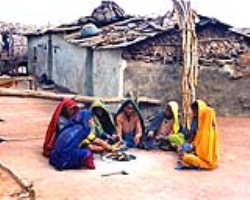
In Eravallan marriage talks, the groom’s parents actually ask for a “flower” from the bride’s family, while the bride’s parents definitely talk about money and exchange using similar word pictures. This poetic language actually hides the real economic deals that happen when families make marriage alliances.
The village elder, called Ur-Munaippaan or similar names, has authority to settle disputes and make decisions for village life itself.
This position further helps in resolving legal conflicts and managing important village matters. Village elders make decisions that all community members must surely follow, and these decisions are enforced through traditional customs rather than government rules. Moreover, this customary law system operates independently of formal state institutions.
Women have limited participation in village councils and decision-making, as men hold the main authority itself. This further reflects the patriarchal system found in many tribal communities across India.
Religious Beliefs and Spiritual Worldview
We are seeing that Eravallan people follow a mix of spirit beliefs and Hindu ways of worship, where they only call themselves Hindu but their main thinking comes from believing that spirits live in nature.
Eravallan spirituality believes that spirits live in natural forces, trees, water, mountains, and animals, and these spirits further influence human life itself.
We are seeing that this way of thinking is only very different from the main Hindu religious ideas, showing that the Eravallan people are keeping their old spiritual beliefs that came before Hindu religion reached south India.
The village shaman plays an important role in Eravallan communities as a religious and medical expert, working as a doctor and connecting people with the spirit world itself. Further, the shaman keeps traditional ritual knowledge and practices alive in the community.
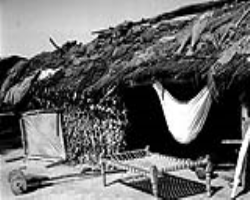
Shamanic healers actually use magic, spells, and special ceremonies to keep spirits and ancestors happy. They definitely believe angry spirits can bring sickness and bad luck to people or whole villages.
We are seeing that this traditional religious system is only working to solve daily problems like health, having children, growing crops, and hunting animals, not big spiritual questions.
The Eravallan people surely worship gods like Karupparayan, Valiyamoorthy, Kali, and Kanni. Moreover, these same deities are also worshipped by nearby Tamil and Malayalam speaking communities.
Basically, they worship the same forest gods (Mala-Daivams) that are specific to each Eravallan village, showing how tribal religions in India keep their local spiritual connections.
Basically, the sacred places like hills, groves, water sources and forests are seen as having powerful spiritual forces living there, so people do the same ritualized worship and respectful care to keep them happy.
Material Culture: Housing, Clothing, and Ornaments
The Eravallan people surely build their houses using local materials from their surroundings. Moreover, they use traditional methods that have been passed down through generations and are well-suited to the tropical forest environment.
Basically, traditional Eravallan houses are the same wood and mud structures that use local climate knowledge and available materials for building. House building among the Eravallan people surely involves spiritual rituals, as they traditionally worship forest gods before starting construction and before moving into new homes.
Moreover, this practice shows how spiritual beliefs and practical building work come together when creating human settlements. We are seeing that village people are making small groups of wooden and mud houses called “pathis” in far forest places only, and these communities are staying small in size.
Also, basically, Eravallan houses have the same problems – no proper permanent buildings, poor protection from rain and weather, and bad sanitary conditions – because they are economically marginalized and historically lived the same temporary forest lifestyle during their mobile hunting-gathering periods.
Basically, Eravallan settlements today look the same as before because poverty and losing their land stops them from building better houses, even though new building methods are available in modern India.
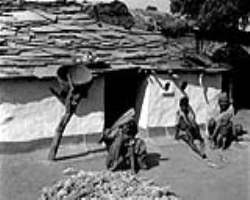
Further, basically, we have the same limited information about their traditional clothes and jewelry compared to other tribal groups nearby. The Eravallan people surely wear simple clothes that are suitable for forest life and hard work.
Moreover, their garments focus on practical use rather than fancy decorations. During festivals and special ceremonies, we are seeing that the Eravallan people wear new clothes, and this happens only during big festivals like Onam and Vishu which many communities celebrate in Kerala and southern Tamil Nadu.
During Onam festival, landlords and community leaders actually gave new clothes to Eravallan people as part of old economic traditions in Kerala. Men definitely received veshti cloth and women got colorful potava cloth during this festival sharing system.
Festivals and Ritual Calendar
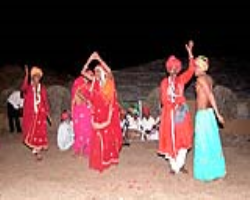
We are seeing that Eravallan people celebrate Hindu festivals from Kerala and Tamil Nadu, only the main ones like Onam and Vishu that mark farming seasons. These festivals are important in south Indian religious life.
Onam is basically a harvest festival in August or September where people honor King Mahabali with the same traditions like flower decorations, vegetarian feasts, boat races, and cultural shows. During Onam time, we are seeing that the Eravallan people join the big Kerala celebrations, but they are only keeping their own special community rituals and music styles also.
Vishu actually happens in April and definitely marks when harvest time starts in Kerala. People mainly set up Vishu Kani for good luck viewing and give Vishu Kaineettam money gifts to each other. The festival actually includes wearing new clothes, eating special foods, and making flower decorations that definitely bring good luck and wealth.
The Eravallan people actually got new clothes from their landlords during Onam and Vishu festivals. This was definitely part of how money and gifts moved between different groups during religious times.
We are seeing that the festival calendar mixes worship of ancestors and forest spirits with Hindu gods only, showing how the Eravallan people organize their religious time through combined traditions. As per festival traditions, people eat meat and drink alcohol together during celebrations, with local alcoholic drinks being a regular part regarding social gatherings and festival events.
Contemporary Challenges and Development Issues
The Eravallan people actually face big problems because they were pushed aside in the past and still face unfair treatment today.
They definitely have trouble getting good education, healthcare, and jobs because of these barriers. Literacy and education are major problems for the Eravallan people, as most cannot read and write, which further shows the educational gap between them and other populations.
This gap itself separates them from both regional and national communities. Moreover, we are seeing that some Eravallan communities are not accepting government school programs, as their elders worry that formal education in Tamil language only will harm their own Eravalla language and culture.
Further, basically, forest rights and land problems are the same major threats that can destroy Eravallan people’s survival and their culture.
The Eravallan people had traditional rights over forest lands, but they have further lost these areas due to government forest rules, national parks, plantations, and outside people buying the land itself.
The Forest Rights Act 2006 surely aims to protect tribal rights over forest land and resources, but it has limited success in Eravallan areas. Moreover, while the law provides good protection on paper, its actual implementation remains weak in these territories.
We are seeing that mining, cutting trees, and farming expansion are only making forests weaker and reducing animals, which is affecting traditional hunting and forest collection that people depend on for their culture and food.
As per health reports, the Eravallan people have very bad health conditions with many diseases and early deaths. Regarding medical help, they cannot get proper treatment like other people in the country.
Moreover, we are seeing that clean water and toilet facilities are not enough, with only limited access to safe drinking water and proper sanitation systems, and these conditions are causing spread of diseases and poor nutrition that affect children and pregnant women the most.
Basically, when the government tries to make Eravallan people join the same mainstream Indian culture, they have mixed feelings about it. Basically, Scheduled Tribes get reservations in government jobs and colleges which should help them move up in society, but the same benefits are not used properly because of poor education and discrimination.
Basically, welfare schemes for tribal people focus on housing, jobs, and healthcare, but the same implementation is uneven and often not enough to fix years of poverty.
Women’s Status and Gender Relations
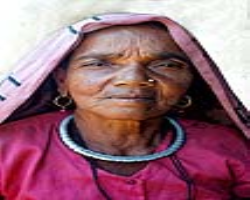
We are seeing that women’s roles in Eravallan society show the same patterns where men have more power, which is common in many tribal groups across India only.
Also, as per historical records, women had more freedom and higher position in hunting societies compared to farming communities, but regarding today’s gender relations, men still dominate and women remain in lower positions.
Women work in farming with men and collect forest products, and they handle household work and childcare, but male family members control important economic and political decisions that affect the community itself. This further shows how women contribute to daily life while men make major choices.
As per customary laws, men get more rights regarding marriage, property, and resources, while women’s rights depend on their husband and children status.
We are seeing more Eravallan women joining schools and development programs, and this is slowly changing old ideas about men and women’s roles, with young women now questioning the old rules that only limited their freedom and right to make decisions.
Conclusion: Cultural Persistence and Contemporary Transformation
As per historical records, the Eravallan tribe keeps their old Dravidian culture alive with their own language, religion, and social ways. Regarding modern times, they still follow their traditions even after facing problems and pressure to mix with other communities for many years.
Basically, the Eravalla people keep the same language, religious beliefs, family systems, and festivals even when facing very difficult situations. Basically, the Eravallan people are facing the same serious problems like losing their land, forest rights getting taken away, lack of education, and health issues that threaten their culture and community survival.
The Eravallan communities actually need development that definitely respects their special tribal culture while also giving them better schools, hospitals, and jobs. Also, projects that protect forest rights and preserve the Eravalla language are surely very important for the community.
Moreover, development policies must respect Eravallan people’s choices and freedom instead of forcing them to give up their traditional ways.
The Eravallan culture itself represents valuable human diversity that needs protection and celebration, and further their communities deserve real opportunities for socioeconomic development and equal participation in democratic India.
