
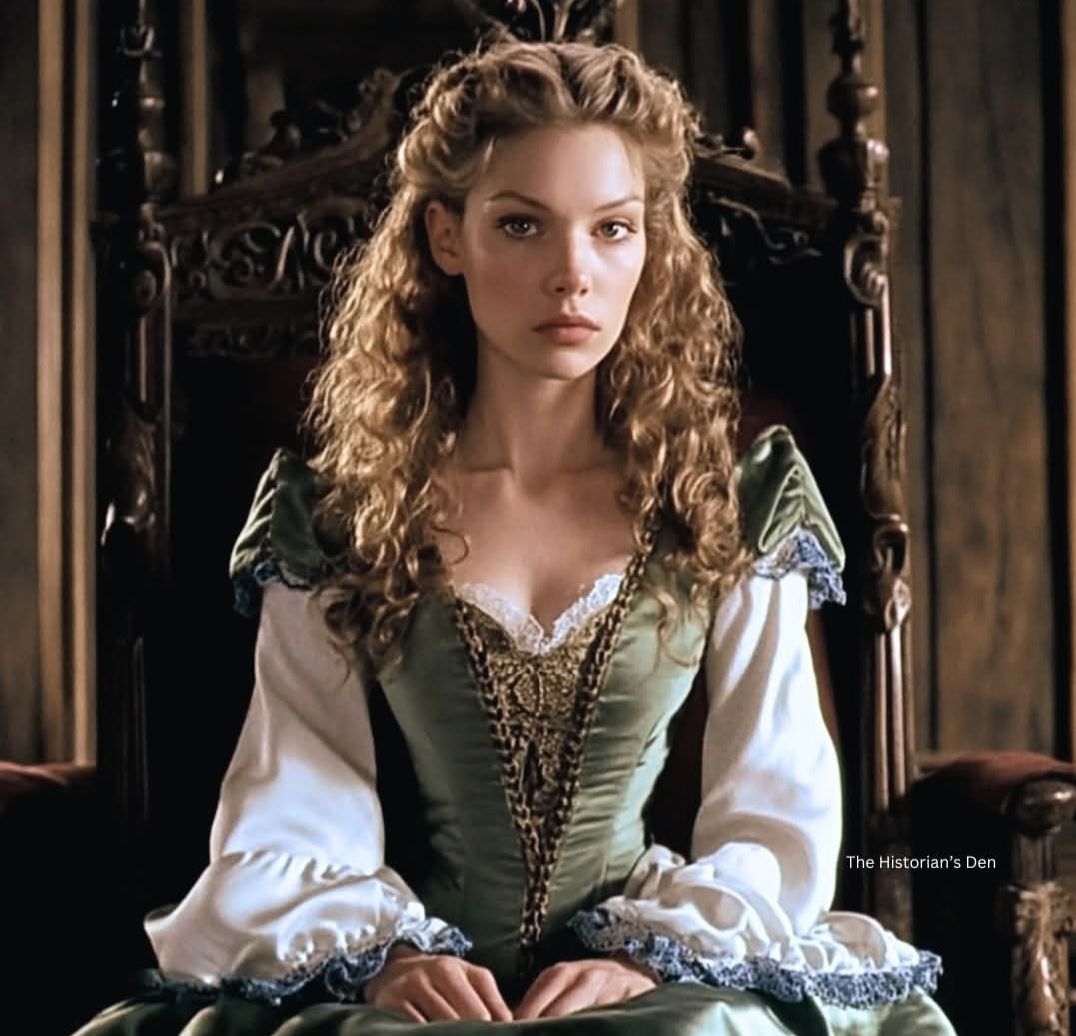
The First Female Actress in the World: Breaking Theater’s Gender Barrier
Curious about who first broke the men-only rule in professional theater? This guide for history buffs and theater enthusiasts tracks the groundbreaking women who first stepped onto stage professionally. We’ll explore the historical restrictions that kept women offstage for centuries and highlight the pioneers who finally shattered these barriers in the 17th century.
Thank you for reading this post, don't forget to subscribe!Historical Context of Women in Theater
Ancient theatrical traditions and gender restrictions
Imagine living in ancient Greece, where theater was born but women couldn’t set foot on stage. Crazy, right? Men played all the female roles while wearing masks and feminine clothing. In Athens, around 534 BCE, theater was considered too public and important for women to participate. The thought of a woman performing was scandalous!
Male-dominated performance spaces throughout history
Theater spaces themselves were designed with men in mind. In medieval Europe, mystery plays were performed in town squares where guilds (all-male organizations) controlled who could perform. Women were spectators at best, never creators or performers.
Even the physical layout of theaters reinforced gender divisions. Women who attended performances were often seated separately or expected to wear veils or masks to maintain “modesty.”
The professional theater that emerged in the Renaissance was an exclusively male club. Companies like The King’s Men (Shakespeare’s troupe) were brotherhoods where acting techniques, business connections, and theatrical knowledge passed from man to man.
Early female performers in non-Western cultures
The story changes when we look east. In Japan’s 14th century, women performed in Kabuki theater before being banned in 1629 for “moral reasons.” But before that, performers like Izumo no Okuni gained celebrity status.
Ancient Indian theatrical traditions actually included women. Sanskrit drama texts from around 1000 BCE mention female performers, and the devadasi tradition featured women dedicated to temple dancing and performance.
In China, women performed in court entertainments as early as the Han Dynasty (206 BCE-220 CE), though they faced strict limitations. These performers walked a tightrope between artistic respect and social suspicion.
Javanese and Balinese traditions included female dancers and performers in sacred rituals long before Western theater admitted women to the stage.
The First Professional Actresses
Emergence of female performers in 17th century Europe
Theater wasn’t always a welcoming place for women. For centuries, men played all roles – even female ones. Can you imagine a guy in a dress trying to be Juliet? Yeah, pretty weird.
But the 17th century changed everything. Women finally broke through these ridiculous barriers. It started in France and Italy, where court performances began featuring actual women. Revolutionary, right?
The change wasn’t just about equality. Audiences were hungry for something new. Male actors portraying women had become stale and unconvincing. Theater owners realized that putting real women on stage could pack houses and boost profits.
Still, these pioneering actresses faced brutal criticism. They were often viewed as little better than prostitutes. Many came from entertainment families or tough backgrounds that gave them the backbone to withstand public scorn.
Margaret Hughes: Pioneering the English stage
Margaret Hughes shattered the glass ceiling of English theater on December 8, 1660. She played Desdemona in Shakespeare’s Othello at London’s Vere Street Theatre. Talk about making history!
King Charles II deserves some credit here. After returning from exile in France, he brought back continental ideas about women in theater. His decree specifically allowed women to perform, ending the boys-in-dresses era of Shakespeare’s time.
Hughes wasn’t just talented – she was stunning. Samuel Pepys, the famous diarist, called her “a mighty pretty woman.” She became a celebrity, eventually catching the eye of Prince Rupert of the Rhine, with whom she had a daughter.
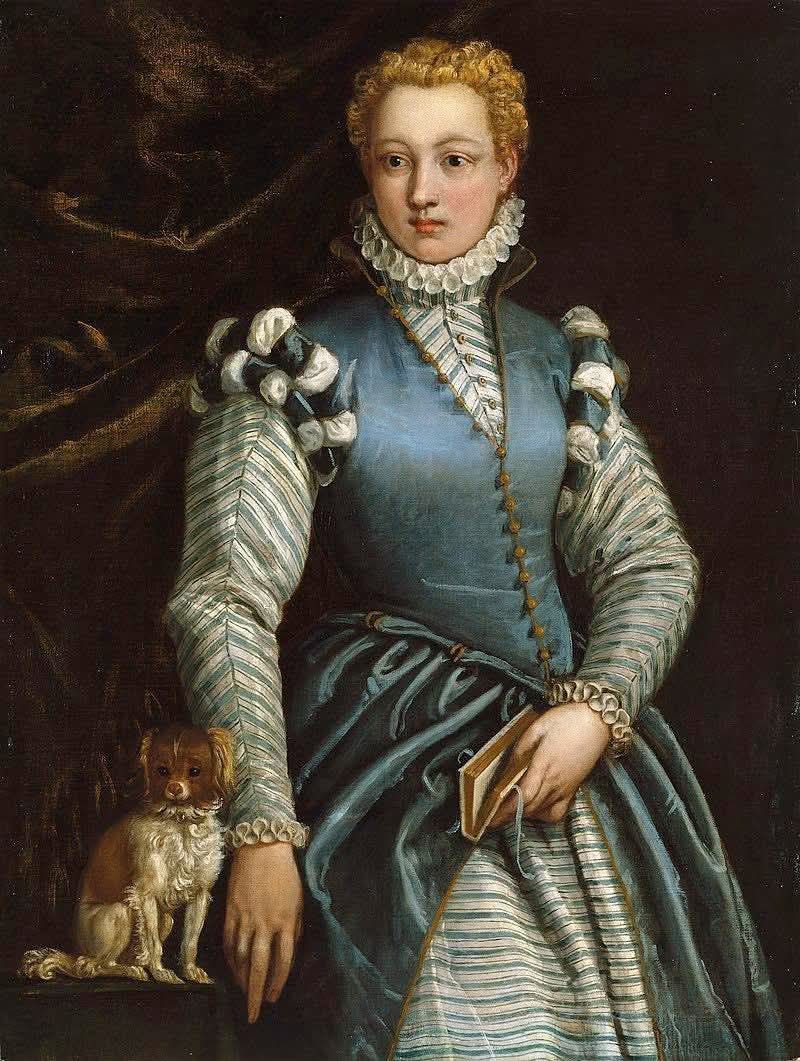
Isabella Andreini’s Revolutionary Italian Performances
Before Hughes took England by storm, Isabella Andreini was dazzling Italian audiences. Born in 1562, she became the leading lady of the Gelosi Company, one of Italy’s first professional theater troupes.
Andreini wasn’t just an actress – she was a Renaissance powerhouse. She wrote plays, poetry, and letters that were published and widely read. Her performances of commedia dell’arte made her an international sensation.
What made Andreini truly revolutionary was how she transformed the public’s perception of actresses. Through her intelligence, writing, and impeccable reputation, she elevated acting from a suspicious profession to an art form.
Her fame spread across Europe. She performed for nobility in France and Italy, receiving honors typically reserved for political figures or royalty.
Other contenders for the “first” title
The question of who was truly “first” gets complicated when you dig deeper.
In Spain, the actress María de Córdoba was captivating audiences in the early 1600s. In France, Mademoiselle La Grange and Madeleine Béjart were breaking barriers before Hughes stepped on stage.
Even earlier, women performed in medieval religious dramas and court entertainments, though these weren’t commercial theater as we understand it today.
Japanese theater had female performers in kabuki when it began in the early 1600s, though they were later banned and replaced by male actors.
The “first” title really depends on what you’re counting – first professional? First legally permitted? First in a specific country? The truth is less about a single “first” and more about a wave of pioneering women who collectively transformed theater forever.
Breaking Barriers on Stage
A. Social challenges faced by early actresses
Imagine trying to pursue a career where society thinks you’re basically a prostitute. That’s what early actresses dealt with.
Back in the 16th and 17th centuries, women who dared step on stage were immediately labeled as morally corrupt. Why? Because “decent women” stayed home, period.
The theater world was considered a den of sin and debauchery. Women who entered it weren’t just challenging professional norms—they were demolishing social boundaries that had existed for centuries.
Many early actresses came from lower social classes because they had less to lose. Upper-class families would sooner disown a daughter than see her name on a playbill.
And don’t think these women just faced nasty gossip. Many were physically threatened, verbally abused, and treated as public property both on and off stage.
B. Public reception and controversy
The audience reaction? Complete chaos.
When women first appeared on professional stages in the 1660s, theaters turned into absolute madhouses. Some men came just to ogle at women they could actually see in public. Others were genuinely scandalized.
Critics wrote scathing reviews that barely mentioned acting skills but extensively detailed physical appearances and “moral character.”
Religious leaders condemned theaters featuring women as gateways to hell. Pamphlets circulated warning about the “dangerous influence” of actresses on public morality.
Yet the controversy generated exactly what theaters needed—packed houses. Theater owners quickly realized that controversy sold tickets, and actresses became both victims and beneficiaries of their controversial status.
C. Legal obstacles overcome by female performers
The legal hurdles? Absolutely ridiculous.
In many places, women couldn’t legally sign contracts without a male guardian’s approval. This meant actresses often couldn’t negotiate their own employment terms or collect their own wages.
Theater licenses specifically prohibited “lewd women” from performing—a deliberately vague term that could be applied to any actress who upset the wrong person.
Some cities passed ordinances restricting women’s performances to certain days or times, claiming it was for “public order.”
Actresses couldn’t own property in many jurisdictions, making it nearly impossible to establish independent careers. They existed in a weird legal limbo—visible enough to be famous but not legitimate enough to have rights.
The pioneers who navigated this legal minefield didn’t just create careers for themselves. They rewrote the rules of what was legally possible for working women everywhere.
Impact on Theatrical Evolution
Changes in play writing and character development
The introduction of women to the stage completely upended theatrical writing. Before this revolutionary change, male playwrights had to craft female characters knowing they’d be portrayed by young boys or men. Talk about limitations!
Once real women took the stage, writers suddenly had new creative freedom. They started developing complex female characters with genuine emotional depth—something that simply wasn’t possible before. Shakespeare’s works, when performed with actual women, took on entirely new dimensions.
Playwrights began creating roles specifically showcasing feminine qualities rather than exaggerated caricatures. Dialogue became more natural, moving away from the stylized speech patterns required when men portrayed women.
Evolution of costuming and stage presentation
When women stepped onto the stage, costumes got a major upgrade. Instead of men awkwardly stuffed into dresses, authentic feminine silhouettes transformed visual storytelling.
Stage lighting changed too. Softer illumination techniques developed to flatter female performers, creating more nuanced theatrical atmospheres. Set designs evolved to accommodate mixed-gender casts, with more intimate performance spaces gaining popularity.
The physical theater space itself transformed. Dressing rooms needed modification, stage entrances required rethinking, and even rehearsal protocols shifted to accommodate women performers.
Shift in audience demographics
The female presence on stage sparked a seismic shift in who came to watch. Theater suddenly became fashionable for upper-class women who previously avoided playhouses due to their bawdy reputation.
Middle-class families started attending performances together rather than theaters being primarily male domains. This broader audience directly impacted ticket sales, creating financial incentives for theater owners to produce more diverse shows.
Audience behavior changed dramatically too. The rowdy, often drunk crowds of all-male theaters gradually gave way to more attentive viewing experiences. Theater became less of a carnival and more of an artistic event.
New theatrical genres emerging for female performers
Women on stage birthed entirely new theatrical forms. The comic actress became a legitimate archetype, with witty comedies written specifically for female performers who could deliver sharp dialogue with perfect timing.
Romantic dramas evolved beyond simple tales of conquest into more complex explorations of relationships. Tragedies featuring powerful female protagonists emerged, giving audiences heroines they could genuinely connect with.
The musical theater we know today owes much to those first women performers. Their vocal abilities opened possibilities for songs and musical elements that simply weren’t feasible with all-male casts.
Financial opportunities for women in theater
When the stage door opened to women, so did the purse strings. Female performers could earn independent incomes—revolutionary in societies where women’s financial independence was virtually nonexistent.
Top actresses commanded salaries comparable to their male counterparts, though this equality rarely extended to supporting roles. Some even became theater owners and producers, controlling both artistic and business decisions.
Women found work in adjacent theatrical roles too: costume designers, makeup artists, and eventually directors. These opportunities created entire career pathways previously unavailable to women, establishing theater as one of the first industries where women could achieve both artistic and financial independence.
Legacy and Historical Significance
A. Influence on future generations of performers
The ripple effect of those first women who dared step on stage? Absolutely massive.
Think about it – these pioneers shattered the glass ceiling when most people couldn’t even imagine a woman performing publicly. They weren’t just acting; they were rewriting what society thought possible.
These trailblazers gave future actresses something priceless: precedent. Every woman who’s ever taken a stage owes a debt to these gutsy ladies who first said, “Yes, I belong here too.”
Their courage opened doors that stayed open. From Sarah Bernhardt to Meryl Streep, the evolutionary line traces back to those first brave souls who risked reputation and safety to perform.
B. Documentation and historical records
Historical records about early actresses? Frustratingly spotty.
Most documentation comes through male-filtered perspectives – critics, playwrights, and theater owners who controlled the narrative. Many early actresses’ stories got buried or twisted beyond recognition.
What survived tells us these women faced brutal criticism about everything from their acting to their morals. Playbills, diaries, and paintings offer tantalizing glimpses, but huge gaps remain.
The scarcity of these records makes what we do have incredibly precious. Each rediscovered letter or contract helps piece together a more complete picture of these groundbreaking performers.
C. Cultural significance across different societies
The acceptance of female performers varied wildly across cultures.
In some Asian traditions, women performed centuries before Western theaters allowed it. Japanese Kabuki initially included women until banned in 1629. Chinese Kunqu opera featured female performers earlier than European traditions.
Meanwhile, in Western Europe, Italy and France embraced actresses before England finally caught up. These varying timelines weren’t random – they reflected deep cultural attitudes about women’s public roles.
What’s fascinating is how these performers became cultural flashpoints. Their very presence on stage forced societies to confront rigid gender expectations.
D. Modern interpretations of early female performances
Today’s theater world constantly revisits and reinterprets these pioneers’ stories.
Modern productions explore what these women endured – the double standards, harassment, and constant scrutiny. What once was scandal now reads as remarkable courage.
Contemporary playwrights have crafted works imagining these actresses’ inner lives, filling historical gaps with educated speculation. Films like “Stage Beauty” examine the transition from male-only performances to mixed-gender casts.
Academic research keeps uncovering new perspectives too. Feminist scholars analyze how these women navigated impossibly narrow paths, finding agency despite overwhelming constraints.
These reinterpretations matter because they connect us to a vital legacy. When we understand these women’s struggles, we better appreciate both how far we’ve come and what battles still need fighting.
The journey of female actresses from their first appearance on professional stages to their lasting impact on theater represents a profound shift in cultural norms. Through pioneers like Isabella Andreini in Italy and Margaret Hughes in England, women challenged deeply entrenched societal restrictions, transforming not just theatrical practices but also reshaping perceptions about women’s capabilities and rights. Their courage in stepping onto stages previously dominated by men opened doors for countless female performers who followed.
Today, as we celebrate the rich diversity of theatrical talent across genders, we honor these trailblazing women whose determination forever changed the landscape of performing arts. Their legacy reminds us that the stage has always been a powerful platform for challenging conventions and inspiring social change. The story of the first female actresses isn’t merely theatrical history—it’s a vital chapter in the ongoing struggle for gender equality that continues to resonate in contemporary discussions about representation and opportunity.
