
Ever stood in line at a bustling night market, inhaling the tantalizing aromas of sizzling meat and exotic spices? That moment connects you to a tradition older than restaurants themselves—the vibrant world of street food.
From ancient Roman thermopolia serving hot food to busy workers, to modern food trucks revolutionizing urban dining, street food history tells us more about humanity than fancy restaurants ever could.
But here’s what most people miss: the street food vendors who shaped global cuisine were often society’s overlooked innovators. And what they created? That’s where things get really interesting…
Origins and Ancient Roots of Street Food
Early marketplaces and food vendors in ancient civilizations
Picture this: dusty marketplaces filled with shouting vendors, the aroma of spices and cooking food wafting through crowded alleys. That’s been the reality for thousands of years.
Archaeological evidence shows that in Pompeii, thermopolia (cook-shops) lined the streets—ancient equivalents of today’s food trucks. These spots featured large counters with built-in pots where food was kept warm and ready to serve to passersby.
Street food in Ancient Rome: portable meals for the masses
Romans took street food to another level. For many city dwellers without cooking facilities, street vendors were essential for daily sustenance.
The working class grabbed quick bites of “puls” (a wheat porridge) or bread dipped in wine. Wealthy Romans might sample more exotic offerings, but everyone ate on the go.
What made Roman street food remarkable? Their version of fast food chains! The same types of vendors set up shop across the empire, from Britain to Syria. They sold everything from sausages to sweet pastries and even garum—that funky fermented fish sauce Romans couldn’t get enough of.
Asian traditions: the early development of street food culture
Asia’s street food history goes back just as far, if not farther. In China, during the Song Dynasty (960-1279), urban centers boasted vibrant street food scenes. Noodles, dumplings, and rice cakes fed the masses.
Japan’s yatai (food carts) trace back centuries, originating from merchants who would set up at temples during festivals. These mobile stalls eventually became permanent fixtures in growing cities.
In India, street food culture evolved alongside ancient trade routes. Vendors specialized in regional specialties, with recipes passed down through generations. By medieval times, Indian cities had dedicated areas for food vendors, creating some of the earliest “food streets.”
Middle Eastern bazaars and their culinary influence
Middle Eastern bazaars weren’t just places to buy spices and textiles—they were the original food courts. The concept of the market as a social hub with food at its center developed most distinctly here.
In Baghdad’s medieval markets, vendors specialized in specific dishes: one stall for falafel, another for shawarma, a third for sweets like baklava. This specialization led to mastery and refinement of recipes.
Travelers along the Silk Road spread these culinary innovations far and wide. The kebab—meat grilled on a stick—became the ultimate portable food, adopted and adapted across cultures from Turkey to India.
What’s fascinating is how these ancient street foods survive today, often remarkably unchanged. That falafel sandwich you love? Its ancestors were being munched on thousands of years ago by someone hurrying through a crowded Middle Eastern marketplace.
Street Food Through the Ages
Medieval European food markets and their offerings
Ever walked through a farmers market and felt that ancient buzz? Medieval markets were way crazier. These weren’t just shopping spots – they were the social media platforms of their day.
By the 12th century, European towns had dedicated market squares where vendors hollered about their hot pies, roasted meats, and boiled eggs. The original fast food, if you will.
Meat pastries were the medieval equivalent of today’s food truck tacos – portable, filling, and wildly popular. In London, vendors called “cooks of Eastcheap” became famous for their meat pies. These weren’t fancy eats – they were handheld meals for people on the move.
Drink sellers had their hustle too. Ale-wives sold cups of brew from barrels, while waffle vendors created sweet treats on portable iron griddles right before your eyes.
Colonial exchanges: how exploration changed street food globally
When Europeans started sailing everywhere, they didn’t just bring back gold and spices – they completely rewired the world’s food scene.
Think about it: No tomatoes in Italian food before the 1500s. No potatoes in Ireland. No chili peppers in Thai food. Mind-blowing, right?
Street food got the biggest makeover. In colonial ports, vendors quickly adapted foreign ingredients into portable snacks. Sailors tried local street eats and brought those flavors back home.
The humble empanada traveled from Spain to Latin America and transformed with local ingredients. Meanwhile, Caribbean jerk techniques evolved when African cooking methods collided with native American ingredients.
Industrial Revolution: feeding urban workers quickly and cheaply
The factory whistle blows, and suddenly thousands of workers need to eat – fast. The Industrial Revolution created a whole new street food economy.
Factory workers couldn’t go home for lunch, so vendors set up shop right outside mill gates. In London, pie men sold hot meat pies while muffin men rang bells through morning streets.
In American cities, pushcarts and lunch wagons became the original food trucks. The legendary “night lunch wagon” of 1872 Providence, Rhode Island, basically invented the American diner concept.
The need was simple: cheap, fast, filling food. Working-class favorites emerged – fish and chips wrapped in newspaper in England, hot dogs from German immigrants in America, and falafel sandwiches in Middle Eastern industrial centers.
These weren’t luxury meals. They were fuel for the industrial machine, served quick and affordable, forever changing how urban dwellers ate.
Regional Street Food Traditions
Asian street food marvels: from dim sum to pad thai
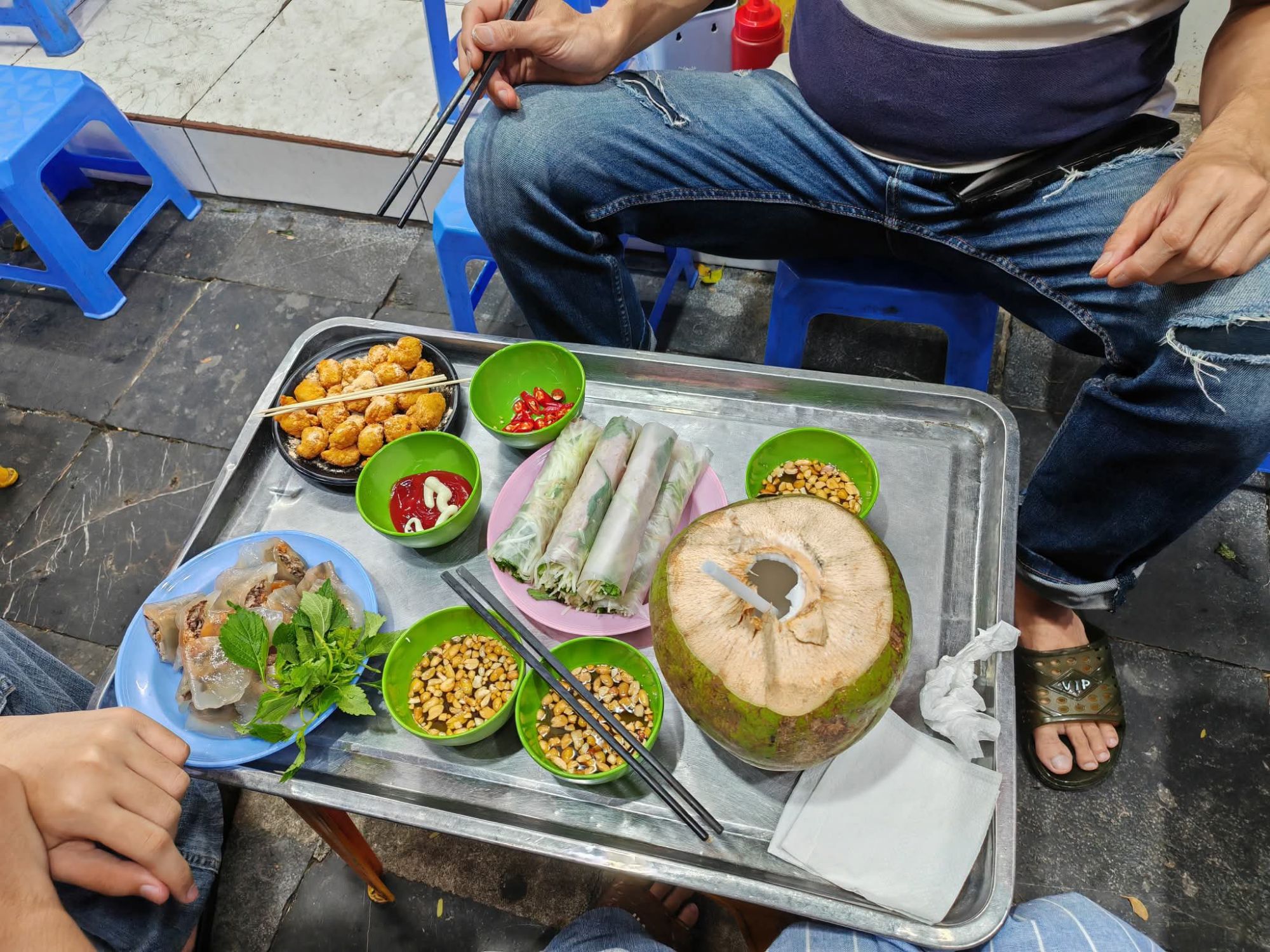
The streets of Asia are a sensory explosion. Walk through any city from Hong Kong to Bangkok and you’ll be hit with the intoxicating aromas of sizzling woks and steaming baskets.
In China, dim sum culture dates back to ancient tea houses along the Silk Road. These small, delicate bites became the perfect companion for travelers needing quick nourishment. Today, Hong Kong’s dai pai dongs (open-air food stalls) keep this tradition alive with har gow (shrimp dumplings) and siu mai steaming in bamboo baskets.
Jump over to Thailand and you’ll find pad thai being tossed in massive woks on virtually every corner. This national dish only became popular in the 1930s when the government promoted it as part of a national identity campaign. Smart move – it worked!
Japanese yatai (mobile food stalls) have been feeding night workers since the 17th century. Their ramen and takoyaki (octopus balls) have fueled generations of late-night revelers.
Latin American street cuisine: tacos, arepas, and beyond
Latin American streets pulse with culinary energy that tells the story of conquest, resistance, and cultural blending.
Mexican tacos trace back to indigenous peoples who used corn tortillas as edible plates. When Spanish conquistadors arrived, they introduced new proteins, creating the perfect handheld meal for workers and travelers.
In Venezuela and Colombia, the humble arepa – a cornmeal patty split and stuffed with fillings – has been a daily staple for centuries. Indigenous tribes were making these long before European contact.
Peruvian anticuchos (beef heart skewers) show how street vendors transformed unwanted cuts into delicacies during colonial times. They’re now beloved national treasures marinated in aji pepper and vinegar.
Brazilian acarajé – deep-fried black-eyed pea fritters – came directly from West African slaves who preserved their culinary heritage despite horrific circumstances.
European street food classics: from crepes to bratwurst
Europe’s street food tells a story of necessity, migration, and urban development.
French crepes originated in Brittany where buckwheat (a hardy crop) allowed peasants to create filling meals during harsh winters. Now they’re flipped on street corners across Paris, stuffed with everything from Nutella to ham and cheese.
German bratwurst has been sizzling on street corners since the 14th century. Nuremberg’s famous finger-sized sausages were actually designed to be sold through small windows after curfew. Talk about entrepreneurial spirit!
British fish and chips gained popularity during the Industrial Revolution when working-class families needed quick, affordable calories. The first shops opened in the 1860s, and they’ve been a Friday night tradition ever since.
Italian pizza started as flatbread sold on Naples streets to poor workers needing cheap, quick meals. Those humble beginnings evolved into one of the world’s most beloved foods.
Middle Eastern and North African street delicacies
The ancient bazaars and souks of the Middle East have been street food hubs for millennia.
Falafel – those crispy chickpea fritters – likely originated in Egypt with Coptic Christians who needed protein during meat-free religious fasts. They’ve since become the unofficial street food ambassador of the entire region.
Shawarma’s vertical rotisserie method traces back to Ottoman Turkey. The genius design allowed meat to self-baste while cooking, creating the perfect street food that’s now devoured from Marrakech to Dubai.
Lebanese manakish – flatbreads topped with za’atar herb mix or cheese – began as breakfast for farmers but now feed busy urbanites rushing to work.
Moroccan street markets showcase b’stilla, a sweet-savory pastry once reserved for royalty that trickled down to street level. Their food carts also serve snail soup, believed to have medicinal properties.
African street food diversity and innovation
Africa’s street food scene is perhaps the most innovative and resourceful on earth.
West African jollof rice – a one-pot wonder – fuels bustling markets from Senegal to Nigeria, with each country claiming to make the best version (don’t get caught in that debate!).
South African bunny chow – curry served in a hollowed bread loaf – emerged when Indian laborers needed portable lunches during apartheid when they were banned from certain restaurants.
Ethiopian injera served with spicy stews has been street food for centuries, with the spongy sourdough flatbread serving as both plate and utensil.
Kenyan nyama choma (grilled meat) brings communities together around sidewalk grills where the meat is always fresher than fresh – often selected while still on the hoof!
Across the continent, street vendors constantly innovate, using local ingredients and time-tested techniques to create affordable, delicious food that reflects Africa’s incredible cultural diversity.
Modern Evolution of Street Food
Immigration and cultural fusion in urban centers
Ever seen a Korean taco truck and wondered how that mashup happened? That’s urban fusion at work.
The story of modern street food is inseparable from immigration patterns. As people moved across borders in the late 20th century, they brought their culinary traditions with them. But they didn’t just replicate home cooking—they adapted.
Take New York’s Halal Guys. Started by Egyptian immigrants in the 90s, they created a street cart empire by tweaking Middle Eastern food for American palates. Their chicken and rice with that famous white sauce? Pure immigrant innovation.
Or look at London, where Brick Lane transformed from a Bangladeshi enclave to a multicultural food paradise. You’ll find Jamaican-Indian fusion joints right next to traditional curry houses.
These aren’t just cute food trends. They’re cultural conversations happening on a plate.
Food trucks: the mobile revolution
Remember when food trucks were just called “roach coaches”? Those days are gone.
The 2008 recession changed everything. Suddenly, talented chefs couldn’t afford restaurants, but they could afford trucks. Kogi BBQ in LA led the charge, slinging Korean-Mexican tacos and using Twitter to tell fans where they’d park next.
Food trucks democratized fine dining. They stripped away white tablecloths and stuffy service but kept the culinary innovation. And customers loved it.
Cities tried fighting the trend with regulations and parking restrictions. They lost. By 2015, food trucks had become a $1.2 billion industry.
Today’s trucks aren’t just serving food—they’re incubating restaurant concepts. Places like Portland’s food cart pods have become culinary laboratories where chefs test ideas before going brick-and-mortar.
Social media’s role in popularizing street food
Instagram changed street food forever.
Think about it. What makes better content: a fancy restaurant plate or a bubbling cauldron of street noodles with steam rising dramatically? Street food was made for the camera.
Food bloggers and influencers turned previously unknown vendors into overnight sensations. Remember when everyone suddenly needed to try those rainbow grilled cheese sandwiches from Hong Kong? Pure social media magic.
YouTube channels like Mark Wiens’ turned street food exploration into a global spectator sport. His videos of night markets in Thailand or hawker stalls in Singapore rack up millions of views.
This visibility didn’t just benefit existing vendors. It created entire street food festivals and markets designed specifically for social sharing. Places like Smorgasburg in Brooklyn practically invented the “food Instagram aesthetic.”
From streets to restaurants: when street food goes upscale
Street food is climbing the social ladder.
Michelin-starred chefs now study night markets for inspiration. David Chang built his Momofuku empire by elevating humble Asian street foods. Pok Pok’s Andy Ricker brought Thai street classics to Portland and earned James Beard awards.
Even luxury hotels have gotten in on the action. The Four Seasons now offers “street food” on white tablecloths at triple the price.
But this upscaling isn’t without controversy. When a $2 taco becomes a $15 “artisanal interpretation,” something gets lost. Critics call it cultural appropriation when wealthy chefs profit from traditions developed by working-class immigrants.
The real winners might be the original vendors who maintain their authenticity while expanding their reach. Singapore’s famous chicken rice hawker, Hawker Chan, earned a Michelin star while keeping prices affordable. That’s the sweet spot—recognition without losing touch with street food’s democratic roots.
The Cultural Significance of Street Food
Economic opportunities for entrepreneurs with limited resources
Ever noticed how street food stalls pop up everywhere? That’s because they’re the perfect business model for folks with big dreams but small wallets.
Setting up a street food business costs a fraction of what you’d need for a traditional restaurant. No fancy location, no expensive décor, no army of staff. Just you, your cart, and your grandmother’s secret recipe.
Many of today’s successful restaurant chains started as humble street carts. The founder of Taco Bell, Glen Bell, began selling tacos from a stand in San Bernardino. That little cart grew into a billion-dollar empire.
In developing countries, street food vending is often the difference between poverty and stability. It’s particularly important for women entrepreneurs who might face barriers to traditional employment.
Preservation of traditional cooking methods and recipes
Street food is like a living, breathing cookbook of techniques that might otherwise vanish.
Those vendors twirling dough into perfect noodles on street corners in Xi’an? They’re preserving skills that date back to the Tang Dynasty. The same goes for the taco makers pressing tortillas by hand or Thai vendors pounding spices in mortars.
When grandma’s recipes get too complicated for busy modern kitchens, street vendors keep them alive. They’re the guardians of food heritage, making dishes exactly as they’ve been made for generations.
Street food as cultural identity and heritage
Nothing says “This is who we are” quite like street food.
New York has its hot dogs. Mexico has its tacos. Thailand has its pad thai. These aren’t just meals – they’re edible national flags.
What’s fascinating is how street food tells the story of a place better than any history book. The influences of colonization, migration, and cultural exchange are all there in the mix of ingredients and techniques.
Community building through shared food experiences
Street food brings people together in ways fancy restaurants never could.
Standing elbow-to-elbow at a food stall, you’ll find CEOs next to construction workers, tourists chatting with locals. There’s something wonderfully democratic about it.
Food markets and street food festivals have become community hubs where people gather not just to eat, but to connect. In many places, these shared eating spaces are the heart and soul of neighborhood life.
And there’s nothing like bonding over discovering an amazing new food stall. “You have to try this place” might be the start of countless friendships.
Street food’s journey from ancient marketplaces to modern food trucks highlights its remarkable adaptability and cultural significance across civilizations. From Roman thermopolia to medieval market stalls, regional specialties have evolved while maintaining authentic culinary traditions that tell the story of local communities. The global street food scene today represents both preservation of heritage and culinary innovation.
More than just convenient meals, street food serves as a living museum of culinary history and a bridge between cultures. Whether you’re sampling tacos in Mexico City, pad thai in Bangkok, or pretzels in New York, each bite connects you to centuries of tradition. Next time you enjoy street food, remember you’re participating in one of humanity’s oldest and most universal culinary experiences.
