

Ever wonder why society values a paycheck over the person who raises the next generation? Let that sink in for a second.
The unpaid labor of housewives contributes an estimated $10.9 trillion to the global economy annually—yet we rarely acknowledge it as “real work.”
When we talk about housewife contribution to society, we’re discussing the invisible infrastructure that keeps families, communities, and ultimately, economies functioning. It’s the work that happens whether anyone notices or not.
But here’s what most conversations miss: this isn’t just about cooking dinner and folding laundry. It’s about something much more fundamental to human existence.
Economic Value of Household Management
Financial savings through efficient budget planning
Ever wonder what it costs to run a household? Someone’s gotta keep track of where the money goes.
A skilled household manager can save families thousands annually through:
- Comparison shopping for groceries and household items
- Cutting unnecessary subscriptions
- Finding tax deductions
- Preventing impulse purchases
- Planning major expenses
When a housewife takes on this role, she’s essentially working as a financial manager without the salary. Studies show households with dedicated budget planners typically save 15-20% more than those without.
Economic impact of meal preparation and reducing food waste
The average American family tosses about $1,500 worth of food yearly. Wild, right?
Beyond the family budget, this has broader economic impacts:
- Reduced waste management costs for communities
- Lower overall food demand, affecting prices
- Decreased packaging waste
- Support for local food economies through conscious purchasing
Value of home maintenance and repair cost savings
Have you priced a plumber lately? Or a painter? Yikes.
Housewives often tackle maintenance issues before they become expensive disasters. From basic repairs to seasonal upkeep, this preventative approach saves substantial money.
Consider these average service costs:

The economic value compounds when considering how regular maintenance extends the lifespan of appliances, furniture, and the home itself.
Economic benefits of childcare provided by housewives
Childcare centers charge between $9,000-$22,000 annually per child. That’s just the beginning.
When a housewife provides childcare, she delivers personalized attention impossible to match in commercial settings. This isn’t just emotionally valuable—it translates to economic benefits:
- Eliminated childcare costs
- Reduced transportation expenses
- Lower healthcare costs (kids in home care typically get sick less often)
- Flexibility for the working spouse to pursue career opportunities
- Early childhood education without preschool tuition
This care has long-term economic ripples too. Children with attentive early care typically perform better academically and professionally throughout life.
Educational Role in Child Development
Creating foundational learning environments at home
Ever watched a toddler’s eyes light up when they discover something new? That’s the magic of a home learning environment crafted by a housewife. The kitchen becomes a science lab where measuring ingredients teaches fractions. The backyard transforms into a biology classroom during gardening time.
Most kids who excel in school have someone at home who turned ordinary moments into learning opportunities. It’s not about fancy educational toys—it’s about pointing out shapes at the grocery store, counting stairs as you climb them, or telling stories that spark imagination.
Supporting academic success through daily involvement
Homework help isn’t just about getting assignments done. It’s about being the person who says, “Let’s figure this out together” when math problems seem impossible.
The most successful students often have someone at home who:
- Checks backpacks for permission slips
- Creates quiet study spaces
- Asks about school days (and actually listens)
- Communicates with teachers regularly
- Celebrates small victories
Fostering social and emotional intelligence
When kids come home crying about playground drama, who helps them navigate those feelings? The housewife who stops folding laundry to talk about friendship troubles is teaching conflict resolution better than any textbook.
Children learn empathy when they see it modeled. They learn patience when someone patiently explains why hitting isn’t okay. These emotional skills matter more for future success than most academic subjects.

Transmitting cultural values and traditions
Family recipes, holiday traditions, religious practices—these don’t magically appear in children’s lives. Someone teaches the significance behind lighting candles, tells the stories of ancestors, explains why we celebrate certain days.
Cultural identity gives children roots and belonging. The housewife who maintains these traditions creates a foundation for children to understand their place in the world.
Developing life skills and practical knowledge
Financial literacy starts with watching someone budget for groceries. Time management comes from seeing how meals get prepared while juggling other responsibilities.
These practical skills prepare children for adulthood in ways classroom education often misses:
- Managing a home
- Basic repairs and maintenance
- Cooking nutritious meals
- Organization and planning
- Caring for others when sick
Children with these foundations enter adulthood with confidence that no academic degree alone can provide.
Community Building and Social Contributions
Volunteering and Supporting Local Organizations
The invisible backbone of community service? Often, it’s housewives. While everyone else rushes to and from work, these community champions have their fingers on the pulse of local needs.
Take Maria from my neighborhood. She coordinates the food bank schedule, makes those crucial phone calls during business hours that nobody else can make, and shows up consistently when organizations need reliable help. She’s not just “helping out” – she’s the reason three local nonprofits haven’t collapsed.
Housewives bring unique skills to volunteering too. They’re masters at stretching resources, organizing chaos, and making people feel welcome. The same woman who can manage a household budget can often rescue a nonprofit’s finances.
Strengthening Neighborhood Connections and Safety
Remember when everyone knew their neighbors? In communities with active housewives, that still happens.
The safety of a neighborhood skyrockets when someone’s actually present. They notice the unusual car parked too long, take in packages to prevent theft, and keep an eye on elderly neighbors. They’re the first to spot when Mrs. Johnson hasn’t picked up her newspaper – potentially saving lives.
These neighborhood connections aren’t just nice – they’re necessary. Studies show communities with stronger social ties have lower crime rates and recover faster from disasters.

Organizing Community Events and Activities
The school fundraiser that saved the music program? The block party that finally got neighbors talking? The holiday food drive that fed 200 families?
Behind each successful community event, you’ll typically find a housewife (or several) pulling the strings. They have the flexibility to make daytime calls, meet with venues, and coordinate volunteers – critical tasks that can’t be squeezed into evening hours.
They’re also the institutional memory of communities. They remember which activities worked before, which vendors were reliable, and how to navigate local regulations. This knowledge is pure gold for community building.
Health and Wellness Guardianship
A. Nutritional planning and promoting healthy eating habits
The kitchen is more than just a food prep zone—it’s where health begins for many families. Housewives often become nutritional scientists by default, mastering the balance of proteins, carbs, and vitamins needed for growing kids and hardworking partners.
Ever noticed how mom somehow knows exactly which foods will boost your immune system during flu season? That’s no accident. Many housewives spend hours researching nutrition, planning balanced meals, and finding creative ways to sneak vegetables into reluctant eaters’ diets.
The impact goes deeper than just the food itself. Children who grow up with home-cooked meals are 35% less likely to develop obesity and 24% more likely to choose healthier food options as adults.
B. Creating emotionally supportive home environments
Home isn’t just where the heart is—it’s where the heart heals. Housewives often create sanctuaries where family members can decompress, process emotions, and feel unconditionally accepted.
Think about it. Who notices first when your teenager seems quieter than usual? Who creates rituals and traditions that give everyone a sense of belonging? The emotional labor happening in homes across the country represents an invisible mental health service that would cost thousands in therapy bills.
Many housewives instinctively create what psychologists call “holding environments”—spaces where family members feel safe enough to express vulnerability and process difficult emotions.

C. Managing family healthcare needs and preventative care
The family health coordinator role is massive. Housewives typically:
- Track immunization schedules for multiple family members
- Schedule and transport to medical appointments
- Research symptoms and treatment options
- Administer medications and follow treatment plans
- Monitor chronic conditions daily
This isn’t just appointment-making—it’s comprehensive case management. A housewife might simultaneously track her husband’s blood pressure medication, her child’s asthma treatment, and her aging mother’s specialist appointments.
The preventative aspect is even more impressive. From enforcing hand-washing routines to ensuring everyone gets enough sleep, housewives implement public health recommendations at the family level.
D. Reducing healthcare costs through home-based care
The economic impact here is staggering but rarely calculated. When a child gets sick, the housewife becomes a 24/7 nurse. That fever that needs monitoring every few hours? That’s her losing sleep, not the healthcare system losing money.
Home recovery care after surgeries or hospitalizations would cost approximately $450-700 per day if provided by healthcare professionals. Multiply that by millions of families, and housewives save the healthcare system billions annually.
Beyond acute care, housewives provide ongoing support for family members with disabilities or chronic conditions that would otherwise require professional assistance. This invisible subsidy to our healthcare system remains largely unacknowledged in economic discussions.
Sustainability and Environmental Impact
Implementing eco-friendly household practices
The quiet revolution is happening in homes across the country. Housewives are leading sustainability efforts that corporations spend millions trying to achieve.
Think about it. Who’s sorting recyclables, composting kitchen scraps, and making sure lights get turned off? In many households, it’s the person managing the home.
A typical housewife makes dozens of daily decisions that impact environmental footprints. From choosing cleaning products without harmful chemicals to installing water-saving fixtures, these small choices add up fast.
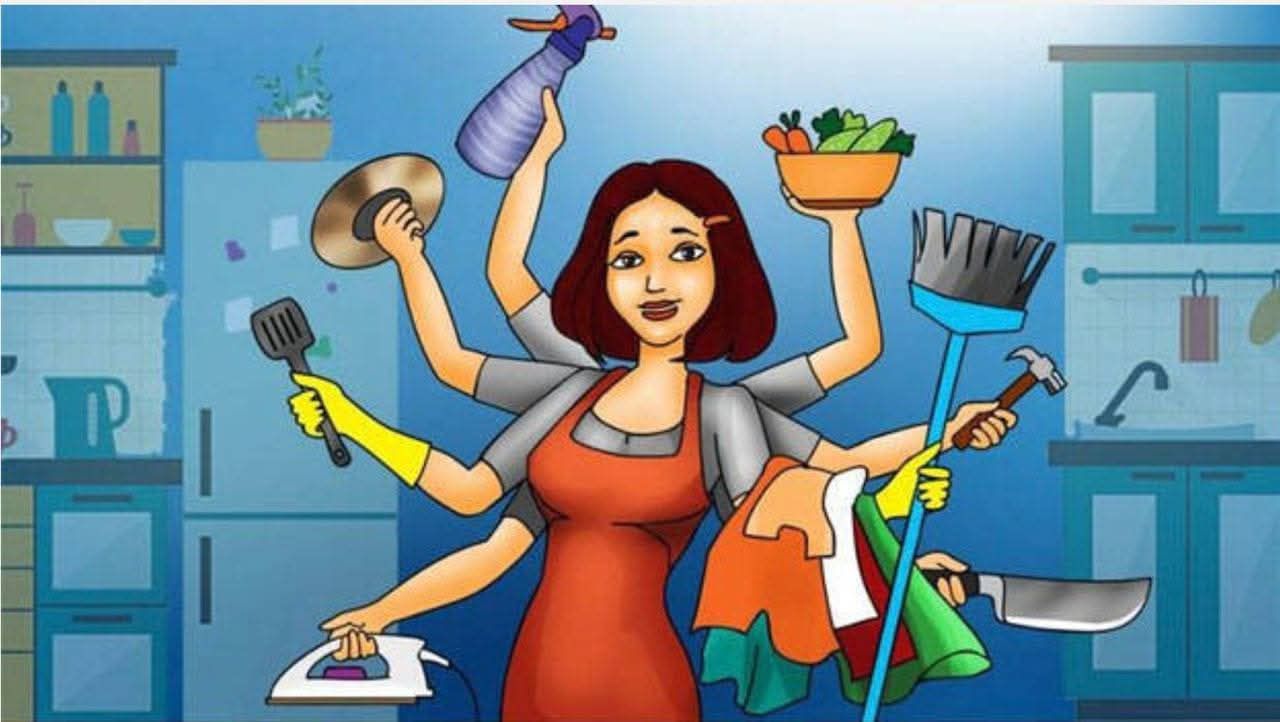
Many housewives have become experts at:
- Creating natural cleaning solutions using vinegar, baking soda, and essential oils
- Reducing plastic waste through smart shopping choices
- Managing energy consumption by optimizing appliance use
- Maintaining homes without excessive resource consumption
Reducing consumption through resourceful home management
Ever wonder how some households stretch their resources so effectively? Housewives have mastered this art for generations.
The skills are impressive when you look closely. Meal planning that minimizes food waste. Repurposing items instead of buying new. Maintaining and repairing rather than replacing.
These practices aren’t just budget-friendly—they’re planet-friendly too.
Home managers often:
- Transform leftovers into new meals rather than trashing them
- Extend clothing life through proper care and creative alterations
- Create systems that reduce unnecessary purchases
- Find second lives for items that might otherwise hit landfills
Teaching next generations environmental responsibility
Kids don’t learn environmental values from textbooks. They learn by watching what happens at home.
When a housewife explains why the family composts, grows vegetables, or avoids certain products, they’re planting seeds of environmental consciousness that bloom for generations.
This education happens naturally through:
- Gardening projects that connect children to food sources
- DIY activities using recycled materials
- Conversations about consumption choices
- Modeling care for the natural world
Supporting local and ethical consumption
The person controlling household purchases wields enormous economic power. Many housewives direct this power toward supporting local economies and ethical businesses.
From farmers’ markets to locally-owned shops, housewives build relationships with providers who share their values. They research brands, understand supply chains, and make informed choices about where family dollars go.
This commitment shows in:
- Community-supported agriculture memberships
- Relationships with local producers and artisans
- Knowledge about ethical business practices
- Willingness to pay more for products that align with family values
The unquantifiable value that housewives bring to society extends far beyond the four walls of a home. Through meticulous household management, they create economic value that often goes unrecognized in GDP calculations. Their pivotal role in child development shapes future generations, while their community involvement strengthens social bonds that hold neighborhoods together. As guardians of family health and wellness, housewives make critical decisions that impact public health outcomes, and their daily choices regarding consumption and waste management contribute significantly to environmental sustainability.
The next time you encounter a housewife, remember that you’re meeting someone who serves as an economist, educator, community builder, healthcare manager, and environmental steward all rolled into one. Society functions smoothly largely because of their silent, persistent efforts. Supporting and acknowledging the multifaceted contributions of housewives isn’t just about recognition—it’s about understanding that their work forms the foundation upon which communities and nations thrive.
