
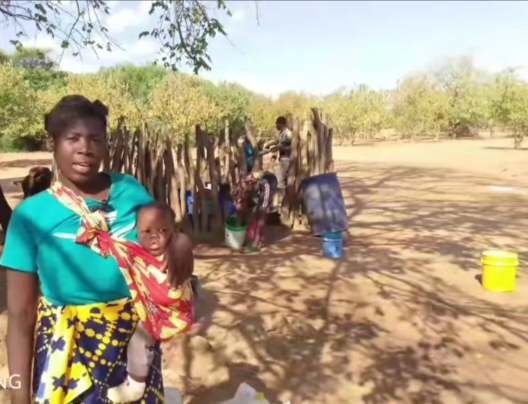

Imagine being forced to choose between your education and a marriage you didn’t ask for. At this very moment, 41% of girls in sub-Saharan Africa are married before their 18th birthday, most abandoning their education forever.
Not just a statistic—this is the reality reshaping millions of young lives.
You’re probably thinking this happens in distant places that don’t affect you. But here’s where it gets uncomfortable…
The Scope of Early Marriage Globally
A. Current statistics on child marriage prevalence
And if you think this is getting better quickly, think again. Progress exists but remains frustratingly slow. UNICEF data shows the global prevalence has dropped from 25% to 21% in the last decade, but that’s nowhere near fast enough to meet international targets.
The COVID-19 pandemic made things worse. With schools closed and economic pressures mounting, an additional 10 million girls are now at risk of becoming child brides by 2030.
B. Regional variations and cultural contexts
Child marriage isn’t distributed evenly across the globe. The hotspots tell a clear story:
Niger tops the list with a staggering 76% of girls married before 18, followed by Central African Republic and Chad at around 65%.
The reasons vary dramatically. In some communities, it’s about economic survival – one less mouth to feed. In others, it’s about preserving family honor or protecting girls from sexual harassment. Many communities view marriage as the best path for girls with limited alternatives.
C. Trends over the past decade
The picture has improved, but unevenly. South Asia made the most impressive gains, with India leading the charge through focused campaigns and stronger enforcement. The rate of child marriage there dropped from 47% to 27% in a decade.
Meanwhile, progress stalled in places like Mali and Niger, where rates barely budged despite international pressure.
Urbanization has helped reduce child marriage rates, with city-dwelling girls generally marrying later than their rural counterparts. Education access remains the strongest predictor – girls with secondary education are up to six times less likely to marry as children.
D. Legal frameworks across different countries
On paper, things look promising. Nearly all countries have laws setting 18 as the minimum marriage age. But loopholes are everywhere.
Many countries allow marriages below 18 with parental consent or judicial approval. Some have contradictory legal systems where national laws prohibit child marriage but customary or religious laws permit it.
Indonesia recently raised its legal marriage age for girls from 16 to 19, joining countries making meaningful reforms. Bangladesh maintains a legal marriage age of 18 but with a troubling exception clause allowing marriages at 16 under “special circumstances” – a loophole that’s frequently exploited.
Enforcement remains the biggest challenge. Even in countries with strong laws, implementation is often weak, especially in remote areas where officials may turn a blind eye to local customs.
Understanding the Connection Between Early Marriage and Education
A. Direct correlations between marriage age and school completion rates
When a girl gets married young, her education often takes a backseat. The numbers don’t lie. Girls who marry before 18 are about 6 times more likely to drop out of school compared to their unmarried peers.
Look at countries with high child marriage rates like Niger, Mali, and Bangladesh. School completion rates for married adolescents plummet below 20% in these regions. Compare that to unmarried girls in the same communities who complete school at rates above 60%.
The timing of marriage matters too. A girl who marries during primary school almost never continues to secondary education. Those who marry during secondary school typically drop out within a year of marriage.
Why does this happen? New family responsibilities, pregnancy, household duties, and sometimes flat-out prohibition from in-laws all play a role. Many married girls report that even when they want to continue school, the practical barriers become overwhelming.

B. Gender disparities in educational impact
The educational hit from early marriage isn’t equal across genders. Not even close.
Boys who marry young experience some educational disruption, but the impact on girls is drastically more severe. In fact, young married boys often continue their education while their wives stay home.
This disparity shows up in the numbers:
The reasons are deeply rooted in traditional gender roles. After marriage, girls face immediate pressure to prove fertility, manage households, and care for in-laws. Boys, meanwhile, face pressure to become providers – which actually increases family support for their continued education.
In some communities, the very concept of a married girl attending school seems absurd to families. “Why educate her now? She already has her role,” is a common sentiment researchers encounter.
C. The cycle of intergenerational educational disadvantage
Early marriage doesn’t just cut short one girl’s education – it creates ripples across generations.
A mother’s education level strongly predicts her children’s educational outcomes. When mothers lack education due to early marriage, their children typically achieve less schooling too. The numbers are stark: children of child brides are 12% less likely to complete secondary education compared to peers whose mothers married as adults.
This cycle is hard to break. Uneducated mothers often have:
- Fewer resources to support children’s schooling
- Less ability to help with homework
- Reduced decision-making power regarding education
- Limited vision of educational possibilities
Economic factors amplify this cycle. Young brides typically marry into poverty or experience financial insecurity, further limiting educational opportunities for their children.
The most troubling pattern? Daughters of child brides face significantly higher risks of early marriage themselves, perpetuating the same educational disadvantages their mothers experienced.
Key Factors Driving Early Marriage
A. Economic pressures and poverty
Money talks, especially when it comes to early marriage. In poor communities, families often view daughters as economic burdens. The math seems simple to them: one less mouth to feed means survival for everyone else.
Parents struggling to put food on the table sometimes see marriage as the only escape route from crushing poverty. A daughter’s marriage can bring immediate financial relief through bride prices or dowry payments. For many families living on less than $2 a day, this short-term gain overshadows the long-term consequences.
When economic hardship hits, education becomes a luxury many can’t afford. School fees, uniforms, and supplies cost money families simply don’t have. Marriage transfers these financial responsibilities to another household.
B. Cultural and traditional practices
Culture shapes decisions in powerful ways. In many communities, tradition dictates that a girl’s primary value comes through marriage and motherhood, not education.
Some societies celebrate child marriages through elaborate ceremonies that reinforce these practices. Community elders and religious leaders often sanction these unions, making them difficult to question or challenge.
The age-old belief that younger brides are more obedient and easier to “mold” continues to drive early marriages. Parents fear that delaying marriage might reduce their daughter’s marriageability or bring shame to the family.
C. Gender inequality and societal expectations
Girls and boys simply aren’t playing on the same field in many societies. From birth, girls are groomed for marriage while boys are encouraged to pursue education and careers.
The cold, hard truth? In many places, investing in a girl’s education is seen as wasteful since her ultimate destiny is marriage and childrearing. Parents question: “Why educate someone who will ultimately belong to another family?”
These deeply entrenched gender norms create a vicious cycle. Limited education leads to fewer opportunities, which then reinforces the belief that marriage is a girl’s only viable option.
D. Safety concerns and conflict zones
Parents in dangerous environments often view marriage as protection for their daughters. During conflicts, humanitarian crises, and natural disasters, child marriage rates skyrocket.
In refugee camps and war-torn regions, the threat of sexual violence makes marriage seem like a shield. Parents believe a husband can provide security that they cannot guarantee themselves.
This false sense of protection often backfires. Married girls frequently face domestic violence and abuse, trading one form of danger for another.
E. Lack of educational opportunities
When schools are far away, understaffed, or unsafe, education becomes an uphill battle. Rural areas often lack adequate educational infrastructure, making it difficult for girls to attend school consistently.
Poor quality education doesn’t help either. If parents see little value in what’s being taught, marriage starts looking like a better alternative.
The absence of role models who’ve benefited from education reinforces the notion that school is unnecessary for girls. Without seeing examples of educated women succeeding, families struggle to imagine alternative futures for their daughters beyond early marriage.
Educational Consequences of Early Marriage
A. Immediate impacts on school attendance
When a girl gets married early, school often becomes the first casualty. It’s not rocket science – suddenly she’s juggling household responsibilities, pregnancy, and the expectations of her new family. Studies show over 60% of child brides drop out immediately after marriage.
The pattern is painfully predictable. Monday she’s sitting in class learning algebra, Tuesday she’s married, and Wednesday her desk sits empty. Schools in rural areas report this happening with alarming frequency, especially during “marriage seasons” in certain communities.
Her in-laws rarely prioritize her education over domestic duties. And let’s be honest – pregnancy and childcare make consistent attendance nearly impossible without support systems that most child brides don’t have.
B. Long-term educational attainment statistics
The numbers tell a devastating story. Girls who marry before 18 complete an average of 3.9 fewer years of education than those who marry later. Think about that – that’s the difference between dropping out in middle school versus graduating high school.
In countries with high child marriage rates, this translates to massive education gaps. Niger, with the highest global child marriage rate, also has one of the lowest female literacy rates at just 14%.
C. Loss of future economic opportunities
Early marriage doesn’t just rob girls of education – it steals their economic future too.
Without a high school diploma, their job prospects shrink dramatically. We’re talking about lifetime earnings that can be 30-50% lower than their unmarried peers. The math is brutal: less education = fewer skills = lower-paying jobs.
These girls often remain financially dependent on husbands or in-laws, trapped in cycles of poverty that their own daughters will likely inherit. Studies show that each additional year of secondary education increases a woman’s earning potential by up to 20%.
The opportunity cost? Enormous. One World Bank study estimated that child marriage costs global economies trillions in lost human capital.
D. Effects on literacy and skills development
When girls leave school early for marriage, basic literacy often remains undeveloped or deteriorates from lack of use. Reading, writing, and critical thinking skills – all essential for navigating modern life – stagnate.
Beyond academics, these girls miss crucial developmental milestones. The social skills built through peer interaction, the confidence gained from academic achievement, the problem-solving abilities honed through education – all cut short.
Digital literacy? Forget about it. As technology transforms global economies, child brides remain disproportionately disconnected from digital skills that could provide economic opportunities.
The cognitive development that occurs during adolescence is interrupted, with research showing that girls who leave school early for marriage score significantly lower on cognitive assessments than peers who complete their education.
Psychological and Social Dimensions
Identity development interruptions
When a teen gets married early, they basically hit pause on figuring out who they are. Think about it – adolescence is when you’re supposed to experiment, make mistakes, and discover your authentic self.
Early marriage forces kids to skip these crucial steps. Instead of asking “Who am I?” they’re suddenly dealing with “Who am I as a spouse?” Talk about an identity crisis.
Research shows that when teens marry, they often adopt rigid gender roles before they’ve had a chance to explore alternatives. A 15-year-old bride doesn’t get to try different identities or interests – she’s locked into being a wife, often with all the traditional expectations that come with it.
Reduced social networks and peer relationships
Remember hanging out with friends after school? Early marriage steals that away.
Married teens typically disconnect from their friend groups. The gap in life experience becomes too wide – while their peers worry about homework and crushes, they’re managing households.
This isolation isn’t just sad – it’s dangerous. Peer relationships are crucial for developing social skills and emotional support systems. Without them, young married people often report feeling:
- Isolated from age-appropriate activities
- Disconnected from former friends
- Unable to relate to unmarried peers
- Dependent solely on spouse and in-laws for social interaction
Mental health implications
The psychological toll of early marriage hits hard. Depression rates among young brides are staggeringly high – up to three times higher than their unmarried peers in some studies.
Anxiety becomes a constant companion as teens face adult responsibilities they’re not emotionally equipped to handle. And the numbers don’t lie – research consistently shows higher rates of:
- Clinical depression
- Anxiety disorders
- Post-traumatic stress
- Suicidal ideation
What makes this worse? Many young spouses don’t have access to mental health support. They’re trapped in a situation that damages their psychological wellbeing with nowhere to turn.
Changes in life aspirations and goal-setting
Dreams die quickly in early marriages. A girl who once imagined becoming a doctor finds herself calculating how to stretch the household budget instead.
The narrowing of life goals represents one of the most tragic aspects of early marriage. Future ambitions get replaced by immediate survival needs. Career aspirations? Educational goals? They fade away as the day-to-day demands of marriage take over.
This isn’t just about individual dreams dying. It’s about society losing potential contributors. When young people’s horizons shrink, we all miss out on what they might have become and created.
Effective Intervention Strategies
Community-based awareness programs
Breaking the cycle of early marriage requires getting entire communities on board. When we talk to parents, religious leaders, and village elders about how marriages hurt girls’ education, things start changing.
The most successful programs don’t lecture people – they engage them in honest conversations. In Ethiopia, community dialogues reduced child marriage rates by 40% in just two years. These programs work because they address the root causes – poverty, tradition, security concerns – head-on.
What makes these programs click? They’re led by respected community members who understand local realities. They use creative approaches like theater performances and youth-led campaigns that make the message stick.
Policy reforms and legal protections
Laws matter. Countries that have raised the minimum marriage age to 18 and actually enforced these laws have seen dramatic improvements in girls’ school attendance.
But here’s the thing – legal changes alone won’t cut it. The best policies:
- Connect marriage laws with education requirements
- Include penalties for families and officials who enable early marriages
- Provide protection for girls who refuse arranged marriages
Burkina Faso combined stronger marriage laws with compulsory education policies and saw a 15% increase in girls completing secondary education within five years.

Economic incentives for continued education
Money talks. When families struggling to make ends meet see education as an investment rather than a cost, everything changes.
Cash transfers that pay families when girls stay in school have proven incredibly effective. In Bangladesh, a stipend program decreased early marriage by 23% while boosting female enrollment.
Other successful approaches include:
- Covering school fees and supplies
- Offering small business grants to parents
- Creating scholarship programs specifically for at-risk girls
- Removing hidden education costs like uniforms and transportation
Flexible schooling options for young married individuals
The hard truth? Millions of girls are already married. They need education options that work with their new responsibilities.
Flexible programs that accommodate young mothers are game-changers. These include:
- Evening classes
- Distance learning options
- Mobile schools that travel to remote communities
- Childcare services at educational centers
In India, “second chance” programs that allow married girls to complete their education at their own pace have helped thousands return to learning.
Empowerment and life skills training
Education isn’t just about academics. Girls need practical skills and confidence to stand up for themselves.
Comprehensive programs that teach financial literacy, health education, and negotiation skills give girls the tools to advocate for their own futures. When girls understand their rights and have practical skills, they’re better equipped to delay marriage and stay in school.
Programs in Malawi that combined academic education with life skills training increased school retention by 35% among vulnerable girls.
Success Stories and Case Studies
Programs that have effectively reduced dropout rates
The numbers don’t lie. When communities get serious about keeping married girls in school, incredible things happen.
Take Berhane Hewan in Ethiopia – they slashed child marriage rates by 90% in some areas. How? By combining economic incentives (like giving families sheep if their daughters stayed in school) with community conversations about why education matters.
In Bangladesh, the BALIKA program created safe spaces where girls learned about their rights, got vocational training, and studied critical thinking. Villages with BALIKA saw child marriage drop by a third. That’s thousands of girls staying in classrooms instead of becoming wives.
And don’t sleep on what’s happening in India. The Apni Beti, Apni Dhan (“Our Daughter, Our Wealth”) program gives families financial incentives that double if girls delay marriage until 18. School enrollment jumped by 25% in participating communities.
Individual narratives of educational persistence
Fatima from rural Morocco was nearly pulled out of school at 14 for marriage. Her teacher intervened, connecting her family with a scholarship program. Today? She’s a math teacher herself, mentoring other at-risk girls.
“Everyone said my education ended when my wedding began,” shares Priya from Nepal. “But I joined a married girls’ study group. We watched each other’s babies while taking turns attending classes. I graduated with honors.”
Then there’s Amina from Niger, who convinced her husband and in-laws to support her education by showing how her literacy skills could help manage household finances. She completed secondary school while raising two children.
Community transformation examples
Rural communities that once saw near-zero graduation rates for married girls are rewriting their stories.
In Rajasthan, India, entire villages have pledged to keep all girls in school regardless of marital status. They’ve built flexible school schedules, created childcare cooperatives, and trained teachers on supporting young mothers. Graduation rates for married girls jumped from 5% to 68% in just five years.
A cluster of villages in Malawi transformed when they trained grandmothers as education advocates. These respected elders now negotiate with families and new husbands to ensure girls complete their education. The result? School completion rates for married girls have tripled.
In Guatemala, indigenous communities created “second chance” schools with curriculum designed specifically for young mothers. Classes are scheduled around household duties, and traditional midwives provide childcare during class hours. The program has a stunning 82% retention rate.
These aren’t just statistics – they’re proof that with the right support, marriage doesn’t have to mean the end of education.
The global challenge of early marriage continues to significantly impact educational outcomes, with millions of young people—particularly girls—forced to abandon their studies prematurely. As we’ve explored, poverty, cultural traditions, gender inequality, and limited educational access all contribute to this complex issue. The consequences extend beyond just academic disruption, creating lasting psychological effects and limiting socioeconomic opportunities for those affected.
Addressing early marriage requires comprehensive approaches that combine legal protections, community engagement, educational opportunities, and economic empowerment. The success stories highlighted demonstrate that positive change is possible when multiple stakeholders work together. By investing in prevention strategies and supporting those already affected by early marriage, we can help ensure every young person has the opportunity to complete their education and reach their full potential.
