
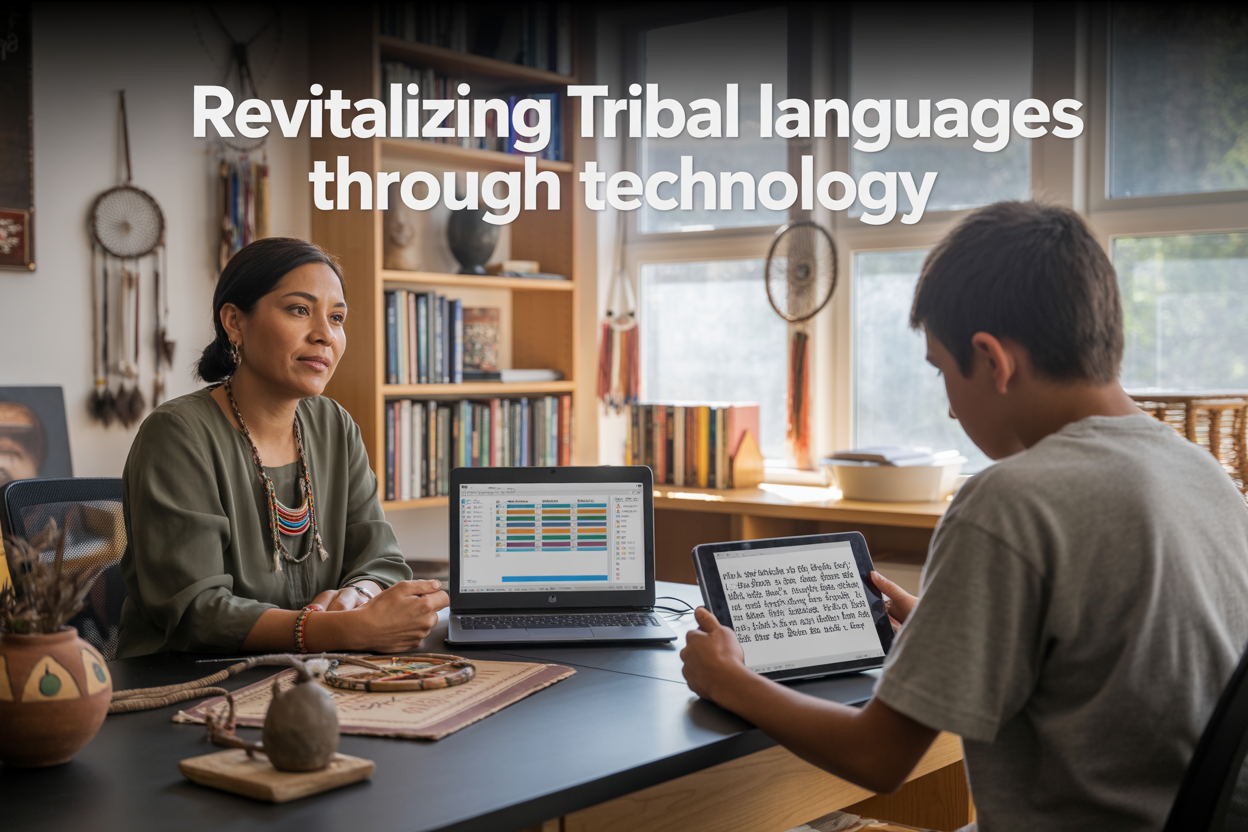
Saving Indian Tribal Languages with Technology: A Digital Path to Cultural Preservation
India’s tribal communities face a critical challenge—their ancestral languages are disappearing at an alarming rate. Every year, another indigenous language falls silent, taking with it centuries of cultural wisdom, stories, and traditional knowledge. This crisis has sparked an urgent need for Indian tribal language revitalization tech solutions that can bridge the gap between ancient wisdom and modern preservation methods.
Thank you for reading this post, don't forget to subscribe!We’ll explore how mobile apps and digital platforms are transforming language learning in tribal communities, making it easier for younger generations to connect with their linguistic roots. You’ll also discover real-world success stories where technology has breathed new life into dying languages, showing what works and why. Finally, we’ll address the unique challenges that arise when implementing tech solutions in tribal areas and share practical strategies for measuring long-term impact.
The time to act is now—with the right technological approach, we can ensure these irreplaceable languages survive and thrive for future generations.
Current State of Indian Tribal Languages and Urgent Need for Preservation
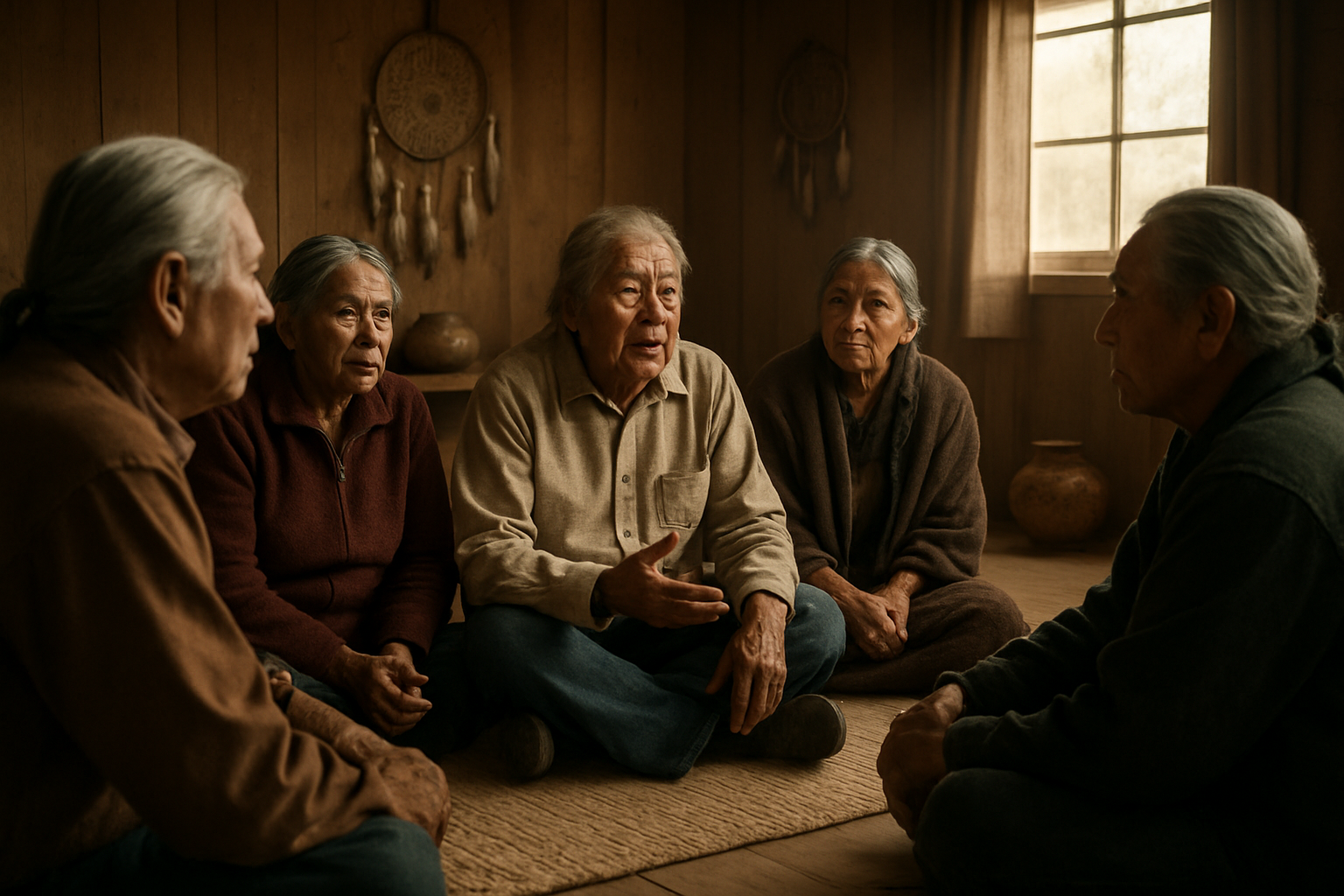
Rapid decline in native speaker populations across tribal communities
The numbers tell a sobering story. Over 500 tribal languages once thrived across India, but today fewer than 150 remain actively spoken. Many languages now have fewer than 1,000 speakers, with some down to just a handful of elderly community members. The Andaman and Nicobar Islands have seen particularly devastating losses—languages like Bo and Jeru disappeared entirely when their last speakers passed away.
The decline follows predictable patterns across different regions. Young people increasingly speak Hindi, English, or regional languages for education and employment, leaving tribal languages for conversations with grandparents. In many communities, children understand their ancestral language but cannot speak it fluently. When those children become parents, the transmission chain breaks completely.
Demographic shifts compound the problem. Migration to urban areas for work separates families and reduces opportunities for language practice. Census data shows that even in traditional tribal areas, the percentage of fluent speakers drops significantly with each generation.
Impact of modernization on traditional language transmission
Formal education systems rarely accommodate tribal languages, creating an immediate disconnect between home and school environments. Children spend most of their day learning in languages that offer better economic prospects, naturally shifting their primary linguistic identity.
Digital technology, while offering potential solutions, currently accelerates language loss. Social media, entertainment, and information sources predominantly operate in major languages. Young tribal members consume content in Hindi or English, gradually losing familiarity with their mother tongue’s vocabulary and expressions.
Traditional learning methods—storytelling, oral histories, ceremonial chants—compete with smartphones and television for attention. The intimate, communal settings where languages naturally flourish give way to individualized digital experiences that don’t support tribal language development.
Economic pressures force families to prioritize languages that improve job prospects. Parents often encourage children to focus on languages that will help them succeed outside the community, viewing tribal language proficiency as less practical.
Loss of cultural heritage and ancestral knowledge systems
Tribal languages carry irreplaceable cultural DNA that disappears when the language dies. Traditional ecological knowledge, encoded in specific terms for plants, animals, seasons, and weather patterns, cannot be fully translated into other languages without losing precision and context.
Medicinal knowledge suffers particularly severe losses. Many tribal communities possess sophisticated understanding of local flora for healing purposes, with exact terminology for preparation methods, dosages, and applications. When the language disappears, this medical wisdom often goes with it, even if some practices continue.
Spiritual and ceremonial traditions lose their authentic expression. Sacred songs, prayers, and rituals performed in other languages lack the cultural resonance and deeper meaning embedded in the original tribal language. The emotional and spiritual connection between community members and their heritage weakens significantly.
Social structures and relationship patterns encoded in language also fade. Many tribal languages contain complex systems for describing kinship, social roles, and community responsibilities that don’t translate directly into modern languages.
Critical timeframe for effective intervention strategies
Language revitalization experts consider the next 10-20 years absolutely crucial for saving most endangered tribal languages in India. Once a language loses its last fluent speakers, revival becomes exponentially more difficult and expensive, requiring reconstruction efforts rather than revitalization.
The window for natural transmission—where children learn languages from fluent adult speakers—is rapidly closing. Most critically endangered languages now have speakers primarily over age 50, meaning intervention must happen immediately to capture their knowledge and create new learning opportunities.
Research shows that languages need at least 100 active speakers across multiple age groups to maintain viability without constant external support. Most tribal languages in India have already fallen below this threshold, making technological intervention essential for their survival.
Successful intervention requires coordinating multiple factors: community engagement, technological tools, educational integration, and policy support. The complexity of this coordination means that delays of even a few years can mean the difference between successful revitalization and permanent language loss.
Technology-Driven Solutions Transforming Language Preservation Efforts

Digital Documentation and Archiving of Oral Traditions
Creating comprehensive digital archives has become the backbone of modern language preservation efforts. Native communities are using high-quality recording equipment to capture elder speakers sharing stories, songs, prayers, and everyday conversations. These recordings go beyond simple audio files – they include video documentation that preserves the visual elements of storytelling, such as hand gestures and facial expressions that carry cultural meaning.
Cloud-based platforms now store thousands of hours of tribal language content, making it accessible to community members worldwide. The Endangered Languages Project, supported by Google, hosts digital archives for hundreds of indigenous languages, including detailed linguistic analyses and cultural context. Many tribes are building their own databases, complete with searchable transcriptions and metadata that helps organize content by topic, speaker, and linguistic complexity.
Digital preservation also means creating backup systems that protect against data loss. Multiple storage locations, format migration strategies, and community-controlled access ensure these precious recordings remain available for future generations. Some tribes have established partnerships with universities to create redundant archives while maintaining sovereignty over their linguistic heritage.
Mobile Applications for Interactive Language Learning
Smartphone apps designed specifically for tribal languages are revolutionizing how people learn and practice their ancestral tongues. These apps go far beyond basic vocabulary flashcards, offering immersive experiences that connect language learning with cultural practices. The Cherokee Nation’s Cherokee Language app includes voice recognition technology that helps users perfect their pronunciation, while the Ojibwe People’s Dictionary app provides audio pronunciations from native speakers.
Many successful language apps incorporate gamification elements that make learning engaging for younger users. Points, badges, and progress tracking keep learners motivated, while social features allow family members to practice together even when separated by distance. The apps often include traditional stories, songs, and cultural lessons that teach language within its proper cultural context.
| App Feature | Cultural Benefit | Learning Outcome |
|---|---|---|
| Voice Recognition | Preserves authentic pronunciation | Improves speaking accuracy |
| Story Integration | Maintains cultural context | Enhances comprehension |
| Family Sharing | Strengthens community bonds | Increases practice opportunities |
| Offline Access | Removes connectivity barriers | Enables consistent learning |
Community-developed apps often perform better than generic language learning platforms because they reflect the specific cultural values and learning styles of each tribe. These apps frequently include features like ceremony preparation modules, traditional recipe instructions, and seasonal cultural activities that reinforce language use in meaningful contexts.
AI-Powered Translation Tools for Tribal Languages
Artificial intelligence is opening new possibilities for preserving and revitalizing tribal languages, though the technology requires careful adaptation to work with indigenous tongues. Machine learning algorithms need substantial amounts of text and audio data to function effectively, which presents both challenges and opportunities for tribal communities.
Some tribes are partnering with tech companies to develop custom AI models trained on their specific languages. These projects involve feeding thousands of hours of recorded speech and written texts into neural networks that learn to recognize patterns, pronunciation, and grammar structures unique to each language. The Inuktitut Virtual Keyboard project demonstrates how AI can help preserve complex writing systems by predicting syllabic characters as users type.
Real-time translation capabilities are becoming more sophisticated, helping bridge communication gaps between elder speakers and younger community members who may have limited fluency. Voice-to-text transcription powered by AI helps create written records of oral teachings, making them searchable and more accessible for educational purposes.
The key to successful AI implementation lies in community control and oversight. Tribes are insisting on data sovereignty, ensuring that their linguistic information remains under their ownership and control. This approach prevents cultural appropriation while maximizing the benefits of advanced technology for language preservation.
Virtual Reality Experiences for Immersive Cultural Education
Virtual reality technology creates unprecedented opportunities for cultural and linguistic immersion without requiring physical presence in traditional territories. VR experiences transport learners into recreated historical settings, traditional dwellings, and ceremonial spaces where they can practice language skills in contextually appropriate environments.
The Smithsonian’s National Museum of the American Indian has developed VR experiences that allow users to participate in traditional activities while hearing and responding to native language instructions. These simulations include fishing expeditions, traditional cooking lessons, and craft-making sessions where language learning happens naturally through hands-on activities.
VR storytelling platforms preserve not just the words of traditional stories but the entire sensory experience of hearing them in appropriate settings. Users can sit around a virtual fire, watch traditional dances, or explore ancestral landscapes while listening to stories told in native languages. This multi-sensory approach helps create stronger memory connections and deeper cultural understanding.
Educational institutions are beginning to integrate VR language experiences into their curricula, allowing students who live far from tribal communities to access authentic cultural and linguistic education. The technology also helps address the shortage of fluent speakers available for in-person instruction, as VR can capture and preserve the teaching methods of master speakers for repeated use.
The immersive nature of VR addresses one of the biggest challenges in language revitalization: creating natural contexts for language use. When learners feel transported to a traditional setting, they’re more likely to engage emotionally with the language and remember what they’ve learned.
Successful Implementation Models and Case Studies
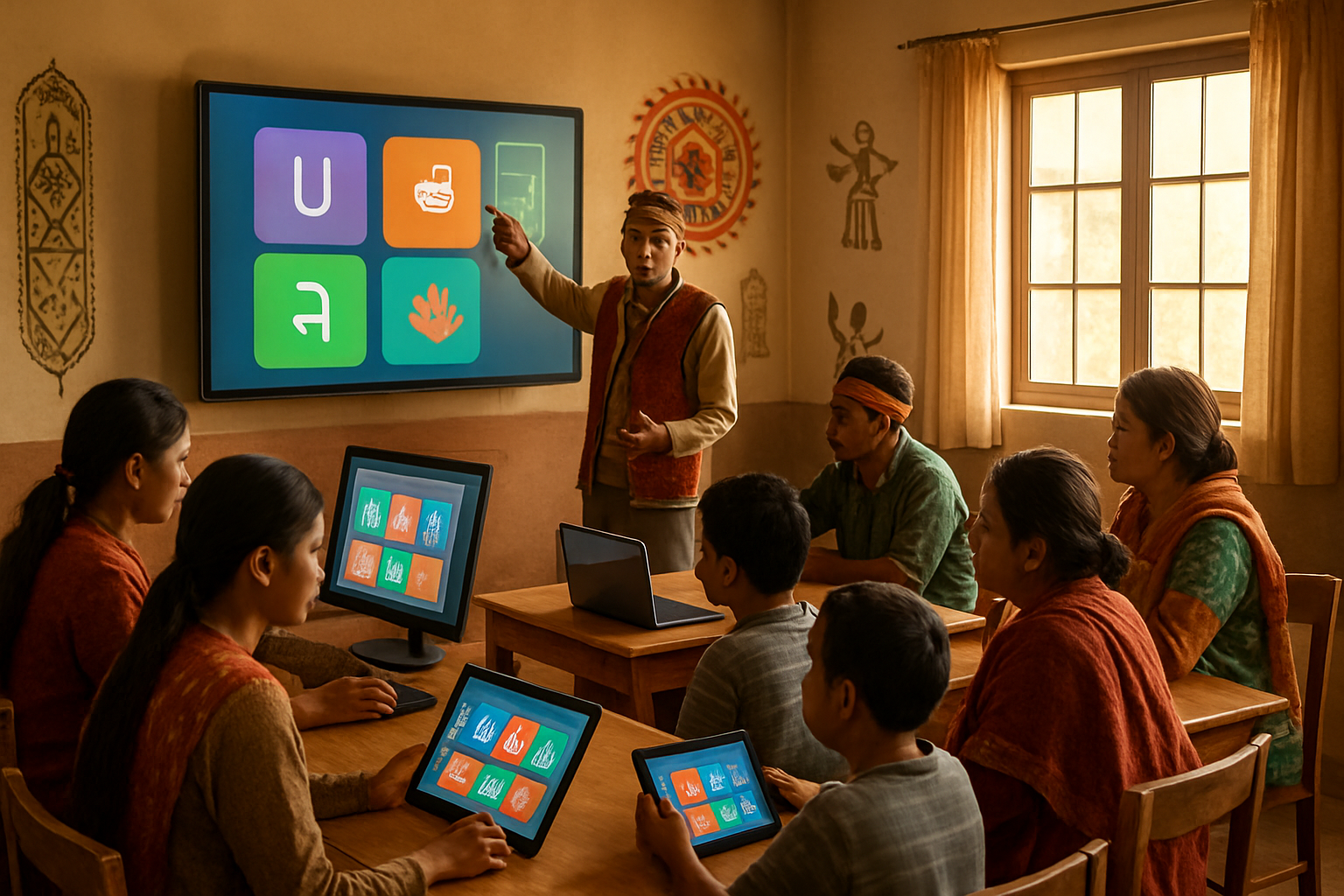
Community-based Digital Storytelling Platforms
The Ojibwe Nation’s “Gakina-awiiya” digital platform stands as a powerful example of how communities can preserve their linguistic heritage through storytelling. Elders record traditional tales in their native language, while younger community members create interactive digital versions with embedded translations and cultural context. The platform allows users to contribute their own stories, creating a living archive that grows organically.
Similar success has been seen with the Cherokee Nation’s “Didanawisgi” storytelling app, which combines oral traditions with modern technology. Users can listen to stories told by fluent speakers, follow along with Cherokee syllabary text, and access English translations when needed. The app includes features for community members to submit their own recordings, creating a collaborative space where language learning happens naturally through narrative.
The platform uses video storytelling to maintain emotional connections to the language, allowing family members across the globe to share stories and maintain linguistic bonds. The success of these platforms lies in their community-driven approach, where technology serves as a bridge rather than a replacement for traditional oral traditions.
Gamified Learning Apps Engaging Younger Generations
The Mohawk language app “Kanienʼkehá꞉ka” transforms language learning into an engaging adventure game where players progress through levels by mastering vocabulary and phrases. Players create avatars that journey through traditional Mohawk territories, unlocking new areas as they demonstrate language proficiency. The app incorporates traditional songs, ceremonies, and cultural practices into gameplay, making language learning inseparable from cultural education.
Duolingo’s Cherokee course, developed in partnership with the Cherokee Nation, has attracted over 23,000 active learners. The course uses the platform’s signature bite-sized lessons and streak rewards to maintain user engagement. What makes this implementation unique is the integration of audio from native speakers and cultural context for each lesson, ensuring learners understand not just vocabulary but appropriate usage.
The “First Voices Games” suite, developed by First Peoples’ Cultural Council, offers multiple game formats targeting different learning styles. Match games help with vocabulary retention, while pronunciation games use speech recognition technology to help learners perfect their accent. The games are customizable for different tribal languages, allowing communities to input their own audio recordings and cultural content. These apps show remarkable success rates, with users spending an average of 15-20 minutes daily practicing their ancestral language.
Online Dictionaries and Language Resource Databases
The Anishinaabemowin online dictionary represents a breakthrough in comprehensive language documentation. This collaborative platform contains over 8,000 entries with audio pronunciations from multiple dialects, showing how the same word varies across different Anishinaabe communities. Users can search by English or Anishinaabemowin terms, access grammatical information, and contribute their own knowledge to expand the database.
FirstVoices.com has become the gold standard for online Indigenous language resources, hosting dictionaries and learning materials for over 60 languages across North America. The platform allows communities to control their own content, deciding what information to make public and what to keep restricted for community members only. Each language archive includes a comprehensive dictionary, phrase books, songs, and stories, all contributed and verified by community language experts.
The Endangered Languages Project, supported by Google, provides a global platform where communities can upload and organize their linguistic resources. The project has documented over 3,000 endangered languages worldwide, with robust search and filtering capabilities that help researchers and community members find relevant materials. The success of these databases lies in their ability to make language resources accessible while respecting community ownership and cultural protocols around sacred or restricted knowledge.
Overcoming Challenges in Tech-Based Language Revitalization
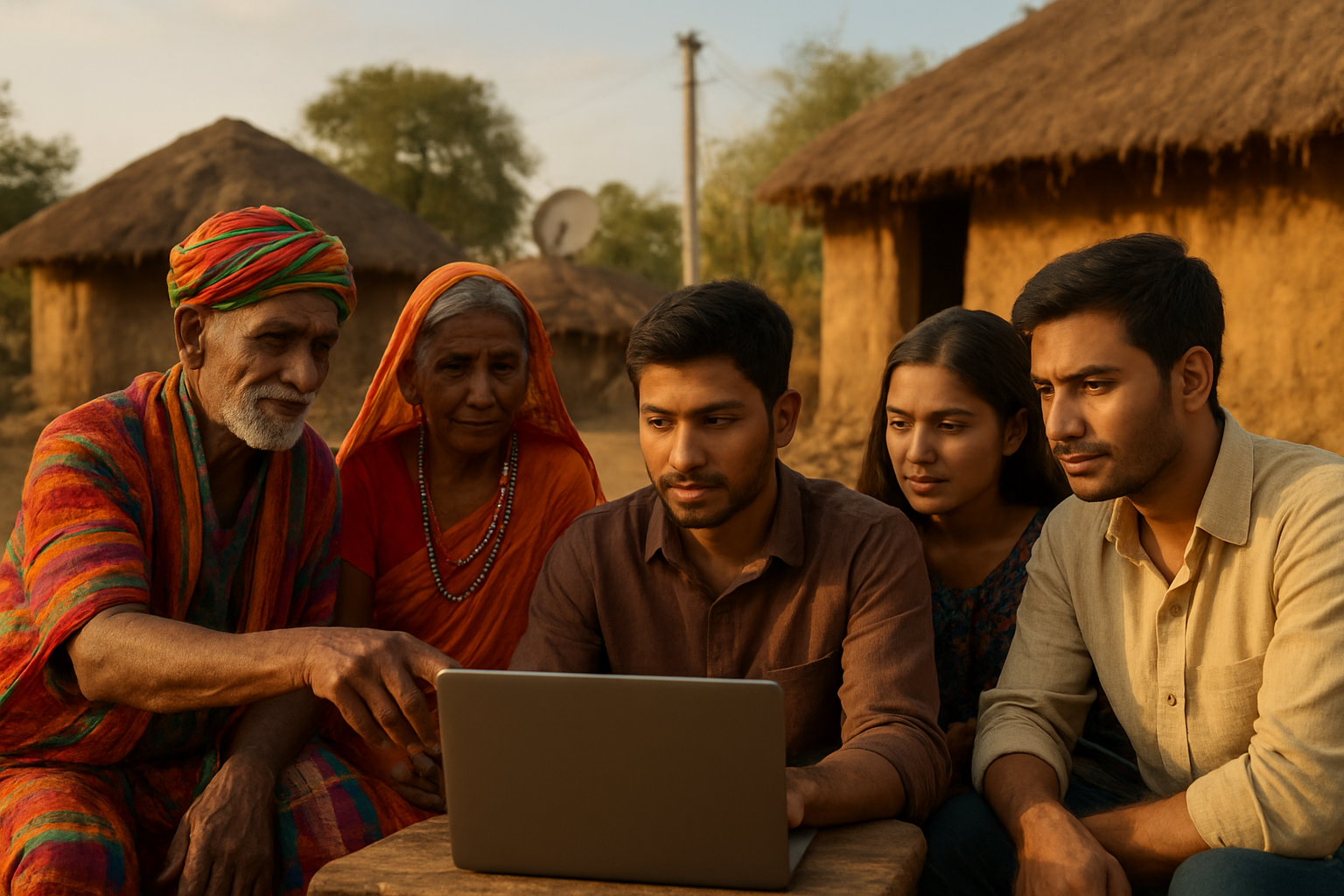
Bridging the digital divide in remote tribal areas
Many tribal communities face significant barriers when it comes to accessing modern technology. Remote locations often lack basic infrastructure like reliable electricity and cell towers, making it nearly impossible to implement digital language preservation programs. Power outages can last for days, and internet speeds that urban areas take for granted simply don’t exist in these regions.
Community-based solutions have proven most effective in addressing these challenges. Solar-powered charging stations equipped with offline-capable devices allow language learning to continue even without constant internet access. Mobile technology units that travel between villages have successfully brought digital resources directly to elders and community members who cannot travel to urban centers.
Local partnerships with telecommunications companies have resulted in innovative approaches like satellite internet hubs in community centers. These hubs serve as gathering points where families can access language apps, record stories, and participate in virtual sessions with fluent speakers from other regions. Some programs have distributed tablets pre-loaded with language content, eliminating the need for continuous internet connectivity while still providing interactive learning experiences.
Training local community members as tech coordinators has created sustainable support systems. These coordinators help troubleshoot devices, organize group learning sessions, and maintain equipment. This approach builds internal capacity while reducing dependence on outside technical support that may be hours away from remote locations.
Ensuring cultural authenticity in technological solutions
Technology must serve the culture, not reshape it. Many well-intentioned language apps and digital tools have failed because they imposed Western learning models onto indigenous knowledge systems that operate differently. Traditional tribal languages often contain concepts, storytelling methods, and learning approaches that don’t translate well into standard educational software.
Successful programs involve tribal cultural experts from the beginning of the design process. These experts help developers understand how the language traditionally gets passed down, what teaching methods resonate with community members, and which aspects of the language carry special cultural significance that requires careful handling. For example, some tribes have sacred words or stories that shouldn’t be recorded or shared outside specific contexts.
User interface design must reflect tribal aesthetics and cultural values. Colors, symbols, and navigation patterns should feel familiar to community members rather than forcing them to adapt to generic app designs. Some tribes have incorporated traditional art, local landscapes, or culturally significant imagery into their language learning platforms, creating a sense of ownership and cultural pride.
Content creation requires ongoing collaboration between technologists and cultural keepers. Recording sessions often happen in sacred spaces or during traditional ceremonies, requiring developers to understand and respect cultural protocols. The timing of recordings, who can participate, and how the content gets stored and shared all require careful cultural guidance.
Quality control mechanisms ensure that technological solutions accurately represent the language and culture. Regular review sessions with elders and fluent speakers help catch errors or cultural misrepresentations before they become embedded in the technology. This ongoing oversight protects the integrity of the language while building trust in the technological tools.
Building trust and collaboration with tribal elders
Elders often view technology with skepticism, particularly when it involves preserving something as precious as their ancestral language. Past experiences with researchers who extracted cultural knowledge without giving back to the community have created lasting wariness about sharing sacred linguistic knowledge with outsiders.
Relationship building takes time and requires genuine commitment to the community’s wellbeing. Successful programs begin with months of listening sessions where technologists learn about community concerns, cultural protocols, and past experiences with similar initiatives. These conversations happen on the community’s terms, in their preferred locations, and following their traditional meeting customs.
Demonstrating respect for traditional knowledge systems helps build credibility with elders. This means acknowledging that technology serves as a tool to support existing cultural practices rather than replace them. When elders see that digital solutions enhance their ability to teach grandchildren rather than compete with traditional methods, they become more willing to participate.
Transparent communication about how technology works helps address fears and misconceptions. Many elders worry about losing control over their cultural knowledge once it gets digitized. Clear explanations about data ownership, access controls, and community governance of digital resources help build confidence in technological solutions.
Creating meaningful roles for elders in the technological process shows respect for their expertise. Rather than treating them as passive sources of information, successful programs position elders as project leaders, quality reviewers, and decision-makers about how technology gets used. This collaborative approach ensures that elders maintain authority over their cultural knowledge while embracing helpful technological tools.
Addressing limited internet connectivity and device access
Internet infrastructure in many tribal areas remains inadequate for supporting robust digital language programs. Slow speeds, frequent outages, and expensive data plans create significant barriers to accessing online language resources. Device costs also present challenges for families already facing economic hardships.
Offline-first design approaches have revolutionized language preservation technology for remote communities. Applications that download content for offline use allow learners to access materials even without internet connectivity. These apps sync updates whenever connection becomes available, ensuring users don’t miss new content while maintaining functionality during outages.
Creative financing models help communities acquire necessary devices and connectivity. Grant funding specifically targeted at technology access has helped many tribes purchase tablets, laptops, and internet packages for language programs. Some communities have established device lending libraries where families can borrow equipment for extended periods.
Partnership strategies with technology companies have yielded innovative solutions. Several major tech firms have donated refurbished devices specifically for tribal language programs. Others have provided reduced-cost internet access or developed special pricing tiers for tribal communities participating in language preservation efforts.
Community-owned infrastructure projects are gaining momentum as tribes invest in their own connectivity solutions. Some communities have built their own fiber networks or established community Wi-Fi networks that prioritize language preservation activities. These locally controlled systems ensure that connectivity serves community priorities rather than external commercial interests.
Mobile hotspot programs allow families to access internet resources from their homes rather than traveling to community centers. Libraries and cultural centers often maintain collections of portable hotspots that community members can check out like books, bringing internet access directly to where families naturally gather for language learning activities.
Measuring Impact and Ensuring Sustainable Language Revival
Tracking language proficiency improvements in communities
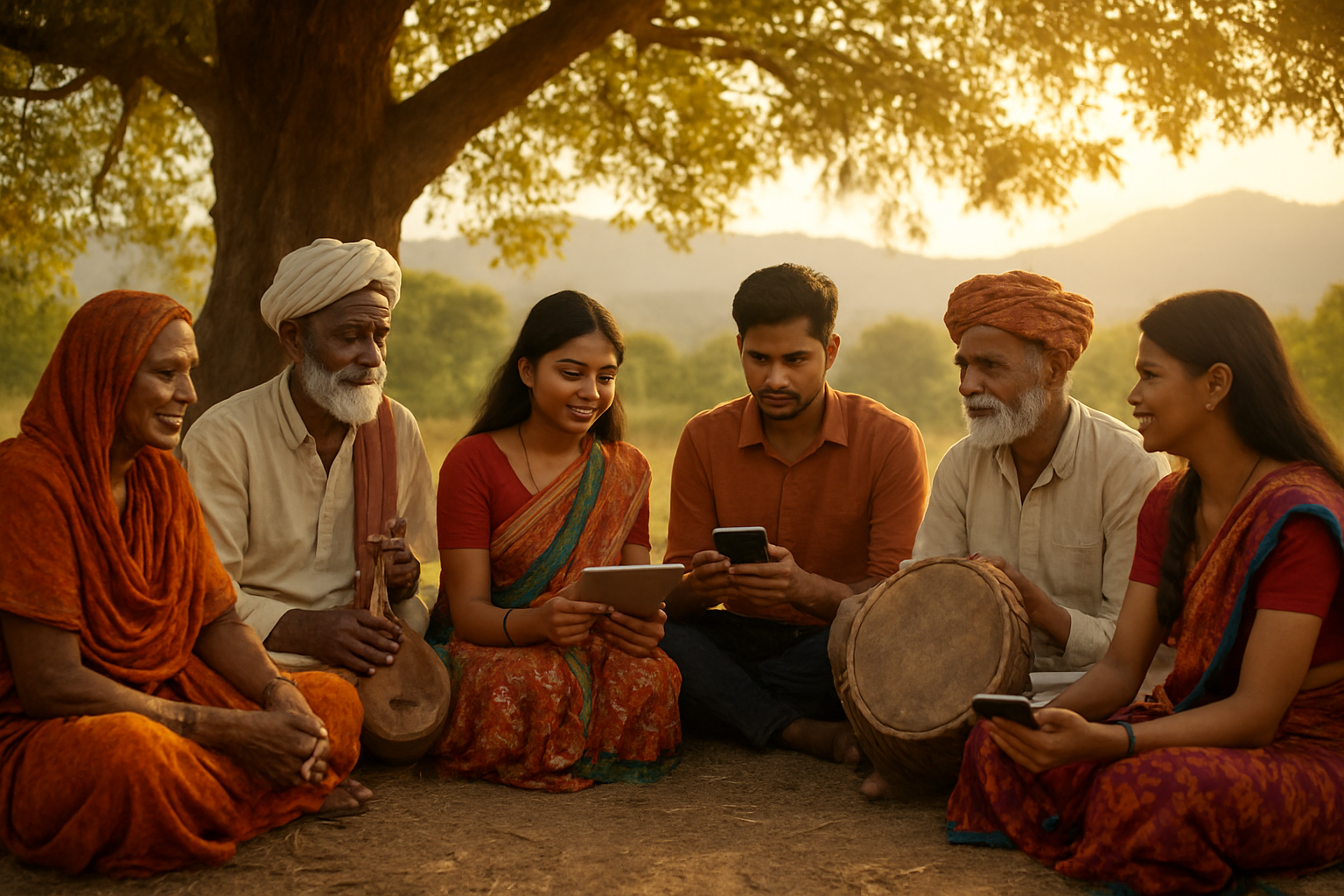
Measuring real progress in language revitalization means going beyond simple attendance numbers or app downloads. Community-based assessments provide the most authentic picture of how well tech solutions actually work. Native speakers working alongside linguists develop culturally appropriate evaluation methods that honor traditional learning patterns while capturing meaningful progress.
Digital portfolios track individual learners across multiple platforms, showing how someone progresses from basic vocabulary apps to participating in virtual storytelling circles. Speech recognition software adapted for tribal languages offers objective pronunciation assessments, while community elders provide qualitative feedback on cultural appropriateness and authentic usage.
Regular language surveys within communities reveal shifts in daily usage patterns. Families report conversations happening in their heritage language, children asking grandparents for traditional stories, and young adults confidently participating in ceremonial activities. These indicators matter more than standardized test scores because they demonstrate living language use.
Mobile assessment tools allow communities to conduct evaluations on their own schedules and territories. GPS-enabled language mapping shows where different dialects are being actively learned and spoken, helping programs target resources effectively. Video documentation captures fluency improvements over time, creating powerful testimonials that encourage continued participation.
Creating self-sustaining educational ecosystems
Building programs that thrive independently requires designing systems where learners become teachers and technology amplifies rather than replaces human connection. Successful tribal language programs create pathways for community members to advance from students to mentors to program leaders.
Peer-to-peer learning networks leverage social media platforms and video conferencing to connect fluent speakers with learners across vast distances. Young people comfortable with technology pair with elders who hold linguistic knowledge, creating mutually beneficial relationships where both generations contribute essential skills.
| Program Element | Traditional Approach | Self-Sustaining Model |
|---|---|---|
| Instructor Training | External experts only | Community member development |
| Curriculum Development | Top-down creation | Collaborative community input |
| Resource Creation | Professional production | User-generated content |
| Quality Control | External validation | Peer review systems |
Gamification elements encourage organic content creation as learners develop lessons, record vocabulary, and share cultural stories. These contributions become part of expanding digital libraries that serve future students. Recognition systems celebrate community members who contribute teaching materials, creating positive feedback loops that sustain engagement.
Local ownership develops through training programs that teach community members to maintain and update technology platforms. Technical skills transfer ensures programs continue functioning even when outside support decreases or funding changes.
Developing long-term funding and support strategies
Sustainable language revitalization requires diverse funding sources and community ownership models that reduce dependence on grants or government programs. Successful initiatives blend traditional funding with innovative revenue streams and community investment strategies.
Corporate partnerships with technology companies often provide ongoing technical support and platform development. Companies gain authentic diversity initiatives while communities access cutting-edge tools. Revenue-sharing agreements from educational apps or digital content sales create ongoing income streams for program maintenance and expansion.
Community-supported funding models mirror successful public radio or community agriculture programs. Monthly membership fees from participants and supporters create predictable revenue while building investment in program success. Crowdfunding campaigns for specific projects like new app features or hardware purchases engage broader networks of supporters.
Educational institutions provide research partnerships that bring academic resources while respecting community control over cultural materials. University students completing service learning or thesis projects contribute development work under community guidance, extending program capacity without increasing costs.
Tribal government integration creates policy frameworks supporting language programs through dedicated funding allocations. Gaming revenue, federal grants, and economic development funds increasingly recognize language preservation as cultural infrastructure requiring ongoing investment.
Documentation of successful outcomes strengthens future funding applications by demonstrating concrete impacts on community wellbeing, educational achievement, and cultural continuity. Cost-per-learner analyses show funders the efficiency of technology-enhanced approaches compared to traditional classroom-only methods.
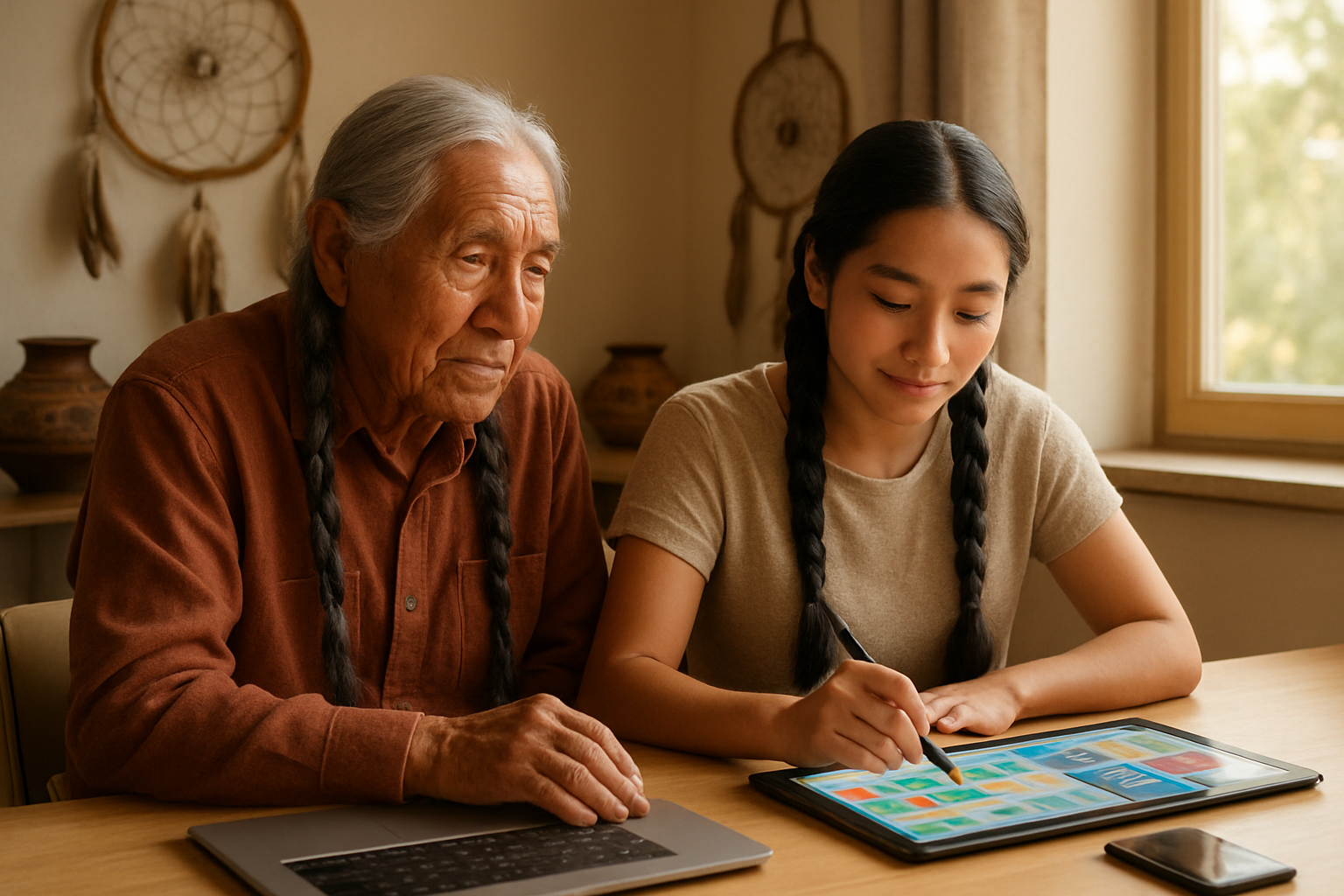
Technology has opened up incredible new possibilities for preserving and revitalizing Indian tribal languages that were once on the brink of disappearing forever. From mobile apps that make learning interactive to AI-powered tools that can record and analyze speech patterns, these digital solutions are breathing new life into ancient languages. The success stories we’ve seen across different tribal communities show that when technology meets traditional knowledge, the results can be truly transformative.
The real power of these tech solutions lies in their ability to reach younger generations where they are – on their phones, tablets, and computers. By making language learning engaging and accessible, these tools are helping bridge the gap between elders who hold this precious knowledge and youth who can carry it forward. If you’re part of a tribal community or organization working on language preservation, now is the time to explore these technological options. Start small, involve your community members in the process, and remember that the goal isn’t just to digitize languages – it’s to keep them alive and thriving for generations to come.
