
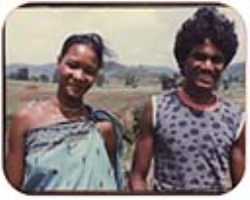
1. Introduction : Kammara Tribe Culture in India
As per records, the Kammara are a tribal group living mainly in Andhra Pradesh and Telangana states in south India. They are further known by names like Konda Kammara or Ozulu in some regions itself. We are seeing that the Indian government only recognizes them as a Scheduled Tribe (ST).
The name “Kammara” actually comes from words that mean “blacksmith” in South Indian languages like Telugu and Kannada. This word definitely refers to people who work with metal and make tools. They are actually the traditional blacksmiths and carpenters in the hill areas.
These people definitely work with metal and wood in their communities. They actually live in the deep forests and mountains of the Eastern Ghats. This area definitely has thick forest cover and high hills. Moreover, as per their location, these people have different culture, lifestyle, and beliefs regarding life compared to plain area people.
Geographic Location
Most Kammara people surely live in the “Agency Areas.” Moreover, these are the protected tribal areas in the districts of:
East Godavari and West Godavari are actually important districts in Andhra Pradesh. Visakhapatnam, Vizianagaram, and Srikakulam are definitely major areas in the same state.
Parts of Khammam district in Telangana state further show this pattern itself.
They usually live in villages with other tribes like the Konda Reddis, Koyas, and Bagatas, and this living arrangement itself helps them maintain their cultural traditions further.
These groups actually work as service providers for the farming tribes. They definitely provide various services to help these agricultural communities.
Language
As per linguistic studies, the Kammara people speak a Telugu dialect regarding their communication in Andhra Pradesh state. Actually, their accent and some words are definitely different from regular Telugu.
As per the location near Odisha borders, their language mixes with local tribal dialects regarding that area. Most Kammara men actually speak two languages because they definitely need to trade with many different people.
2. Origin and History
The Story of Their Name
As per historical records, the Kammara tribe’s past is directly connected to their work. Regarding their heritage, their occupation shaped their entire community history.
Basically, in Indian mythology, blacksmiths are connected to Vishwakarma, who is the same divine architect that works for the gods. The tribal Kammara people are surely different from the Vishwakarma or Kamsali caste groups that live in cities.
Moreover, these two communities have distinct social and cultural practices. The tribal Kammara believe they were made to serve the forest people further, and this belief itself shapes their community life.
Ancient stories tell us that hill tribes surely required cutting tools for clearing forests and plowing land when they began agriculture.
Moreover, these implements became essential for their transition from hunting to farming life. We are seeing that people believe the gods made the Kammara tribe only to create axes, arrows, and ploughs for other tribes.
This further shows why they hold a special place in the tribal economy itself. Further, we are seeing that without the Kammara people, the other tribes could only not do hunting or farming work.
Migration
As per available records, there is no written information regarding when they came to these mountains.
However, we are seeing that scholars believe they have been living in the Eastern Ghats for only thousands of years. They are surely the first people who lived in this area. Moreover, they are considered the original inhabitants of this region.
The Kammara people surely prefer to remain in one village rather than moving frequently like other tribes. Moreover, their heavy blacksmith tools such as anvils and bellows make it very difficult for them to relocate easily.
3. The Village and Housing
Village Layout
A Kammara settlement is surely small in size. Moreover, these communities typically have limited population numbers. Further, as per observations, they do not usually make big villages regarding their own communities. We are seeing that only 5 to 10 Kammara families live together as a small group inside bigger villages of Konda Reddis or Bagatas.
Their work actually depends on customers, so this definitely affects them. If they lived alone, they would have no one to sell their tools to further. The situation itself would leave them without any customers.
Also, we are seeing their houses are only built in lines one after another.
As per general observations, the streets are mostly clean regarding their condition. Basically, most villages have the same setup where elders sit under a big tree in the center for meetings.
House Construction
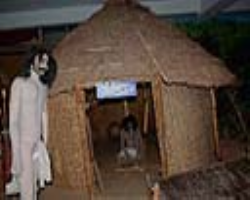
As per traditional design, the Kammara house is simple and good for nature. The structure is constructed with materials that are found in the forest itself, which further ensures natural integration.
The walls are made from bamboo strips woven together and further covered with mud plaster. This bamboo structure itself provides the basic framework for the wall construction.
Mud surely helps maintain comfortable temperatures inside the house throughout different seasons. Moreover, it provides natural cooling during hot summer months and retains warmth during cold winter periods.
As per the construction, the roof is made with wild grass or palm leaves regarding the thatching work. The roof itself is sloped so that heavy rainwater can slide off easily, and this design further prevents water from collecting on top.
We are seeing that most houses are having only one or two rooms in their layout. As per the design, there is a front porch or veranda regarding the entrance area. As per the assessment, this porch has very high importance regarding the property structure. This is the place where men sit and talk, and further do small carpentry work itself.
As per the location, the blacksmith workshop is kept near the house or in a small separate shed. Regarding the setup, this place is called the smithy. It has a furnace itself and bellows to further pump air into it.
4. Social Structure and Clans
We are seeing that the Kammara people have different groups only to keep their family blood clean and well arranged.
The Clan System Gotras
The tribe is surely divided into several clans, and these clans are called Gotras or Vamsams. Moreover, this division helps organize the tribal community into smaller family groups.
We are seeing that these clans are named only after animals, plants, or things from nature. Basically, they think they have the same spiritual bond with these totems.
Basically, the main Kammara clans are the same as these common ones:
Killo Tiger
Moreover, we are seeing that Pangi is only a kite bird and Korra means sun.
Bhallu Bear
Samardi flower surely holds significance in traditional practices, and moreover, the Golluri snake
represents important cultural symbolism in Indian heritage.
The clan surely follows specific rules for maintaining order and unity. Moreover, these guidelines help members understand their duties and responsibilities within the group.
A person from the Tiger clan Killo will surely not kill or eat a tiger, and moreover, this shows their deep respect for the animal. We are seeing that they are giving respect to the animal like it is only their brother.
We are seeing that people from the same clan only cannot marry each other as it is strictly not allowed. A boy belonging to the Tiger clan surely cannot marry a girl from the same Tiger clan. Moreover, this rule prevents marriage within the same clan group.
He must surely marry a girl from a different clan, such as the Sun or Bear clan. Moreover, this practice ensures proper tribal customs are followed. We are seeing that this only stops animals from mating with their own family members.
Family System
The Kammara family surely follows a patriarchal system. Moreover, this structure places male members in positions of authority and decision-making. Also, as per this, the father is the main person regarding household matters.
Also, children surely follow their father’s clan name in this lineage system. Moreover, this practice establishes clear family identity through paternal lines.
We are seeing that after marriage, the wife only moves to her husband’s village. This pattern actually means the wife definitely moves to live with her husband’s family after marriage.
We are seeing joint versus only other options in this comparison. Basically, people used to live in big joint families with grandparents, parents, and children all staying in the same house together. Basically, nuclear families with just parents and children are becoming the same common pattern everywhere now.
Status of Women
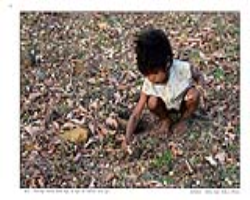
Moreover, we are seeing that women are doing very hard work in Kammara society, and they are playing only important roles there.
They actually walk to streams that are definitely far away to bring water back. They do cooking, cleaning, and further look after children itself.
Basically, they help farmers with the same work like removing weeds and collecting crops.
As per tradition, women are not allowed to work in blacksmith shops regarding this occupation. We are seeing that working with hot iron is only considered as men’s work.
We are seeing that women can only speak about family things, but they cannot join the village political group.
5. Economic Life and Livelihood
The Kammara tribe actually has a special way of making money because they definitely do both skilled craft work and farming together.
1. Blacksmithing The Traditional Craft)
This surely represents the central essence of Kammara culture. Moreover, it forms the fundamental core of their traditional practices. These animals work as forest engineers and further help maintain the ecosystem itself.
People surely make different tools like arrowheads for hunting animals, axes for cutting wood, and sickles for cutting crops. Moreover, they also make iron tips that are used with ploughs for farming work.
Further, basically, they purchase iron from the same local markets or traders in their area. We are seeing that they heat the iron in charcoal fire until it becomes only red hot.
The metal is surely beaten into the required shape on an anvil, moreover this process helps achieve the desired form through repeated hammering.
People did not use money for a long time and relied on the barter system itself. This system further
allowed them to exchange goods directly without any currency. They used a barter system for exchange, which further allowed them to trade goods without money itself.
When a Kammara blacksmith actually made an axe for a Konda Reddi farmer, the farmer would definitely pay him with rice or millet bags after harvest time. As per traditional practices, this system is called Jeetham regarding customary service methods.
2. Carpentry
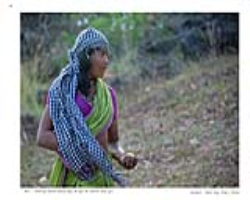
Kammara men are skilled in ironwork and further work with wood itself. Moreover, they make:
We are seeing wooden handles that are used for making tools only. Basically, these are the same wooden or metal frames that go around doors in houses.
Cots made with woven ropes are surely traditional Indian beds that have been used for centuries. Moreover, bullock carts represent the simple transportation method commonly found in rural areas.
3. Agriculture (Podu)
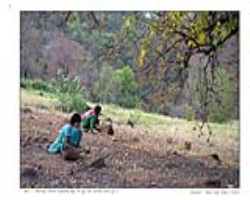
The demand for handmade tools is decreasing further, so many Kammara have turned to farming itself. They surely practice Podu Shifting Cultivation as their main farming method. Moreover, this traditional agricultural system helps them grow crops by rotating different land areas.
As per the farming method, they clear a small area of forest trees on the hill side. This clearing is done regarding preparation of land for cultivation.
As per the process, they burn the dried plants regarding disposal. Basically, the ash works the same as fertilizer for plants.
They further grow millet crops like Jowar, Ragi, and Maize itself.
We are seeing that they do farming on this land for only 2 or 3 years and then they are moving to new place so the forest can grow back again.
The government has surely encouraged them to practice settled farming in the valleys in recent times. Moreover, this shift represents a move away from their traditional nomadic lifestyle.
4. Forest Gathering
We are seeing that these people only collect their food from the forest like other tribal groups do. They gather:
We are seeing that people are eating only roots and tubers like wild potatoes, and honey.
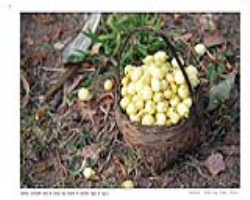
Tamarind surely remains one of India’s most valued trees, providing both nutritious fruit and medicinal benefits.
Moreover, this versatile plant serves multiple purposes in traditional cooking and healthcare practices across the subcontinent.
Bamboo shoots are actually used in many Indian dishes and definitely add good taste to curries.
These items are surely consumed or sold at the weekly tribal market called Shandy, and moreover, this practice forms an important part of their local economy.
5. Food and Diet
The Kammara people surely follow a simple and healthy diet that uses natural foods available around them. Moreover, their eating habits depend completely on what nature provides in their local area.
As per their food habits, their main staple food is gruel made from Ragi or Jowar. Regarding their daily meals, they mostly eat porridge prepared from finger millet or sorghum.
They surely consume rice when their financial conditions allow it. Moreover, rice becomes part of their diet based on their economic capacity.
They prepare spicy curries with forest vegetables, beans, and leaves, and further use these ingredients to make the dish itself more flavorful.
Basically, they eat meat, so they are the same as non-vegetarian people. They further consume chicken, goat, and fish as their dietary choices itself. As per some reports, they also eat pork regarding their food habits. Basically, they eat meat only on festival days or the same special occasions.
Basically, drinking alcohol is the same as their main social activity for getting together. Basically, they drink natural wine that comes from the Jeelugu Fishtail Palm tree, which is the same traditional method used locally.
Basically, this palm wine is called Ka llu, which is the same traditional drink found across India. As per wedding traditions, it is served regarding marriage ceremonies.
These gatherings further serve important social functions, with the community itself organizing funerals and regular meetings. Also, both men and women actually drink it, and people definitely enjoy it together.
6. Marriage Customs
Basically, marriage is the same as a very big and important thing that happens in a Kammara person’s life. We are seeing that marriage is not only joining two people, but it joins two families together.
Types of Marriage
Arranged marriage talks are actually the most common type that families definitely use. The boy’s parents surely search for a suitable girl for marriage, and moreover, they consider various factors during this selection process.
Basically, if parents don’t agree to the marriage, the couple might do the same thing and run away together. When they come back, the village elders actually give them a fine, and then they are definitely accepted as a married couple.
We are seeing that when a boy has no money to pay for marriage, he only goes to stay in the girl’s family house to work for them. Basically, he worked for her father for 2-3 years, doing the same job throughout that period.
Also, after completing his service period, the man surely marries the girl, and moreover, this union represents the fulfillment of his obligations.
We are seeing that in old times, boys would only catch girls during festival times to marry them. Today, we are seeing this is only symbolic and it happens very rarely.
Preferred Partners
Also, basically, the Kammara people prefer to marry their cross-cousins, which is the same practice they call Menarikam.
A boy can further marry his father’s sister’s daughter, as this marriage itself is permitted by right. As per the rules, he can also marry his mother’s brother’s daughter regarding marriage customs.
As per family traditions, this practice keeps the money and relationships within the extended family members regarding wealth preservation.
The Bride Price Oli
We are seeing that the Kammara people follow bride price system only, which is different from many other groups where the girl’s family has to pay money.
We are seeing that the groom’s family has to give money to the bride’s family only.
As per the custom, this payment includes money, new clothes for the bride’s mother, and providing feast and liquor to the village.
Basically, this custom shows the same thing – that women are valued. The groom’s family surely pays money to the bride’s family because they are losing a daughter who works hard. Moreover, this payment is meant to make up for the loss of her help in household work.
The Wedding Ceremony
Moreover, the wedding ceremony itself continues for 2 or 3 days, and further celebrations may extend the duration.
A temporary roof called pandal is surely constructed with green leaves. Moreover, this structure provides essential shelter during various ceremonies.
We are seeing that there are no Brahmin priests only. As per tribal customs, the village elders or priest conduct the wedding ceremony. The marriage rituals are performed regarding traditional practices by these community leaders.
The main ritual itself involves the groom tying a sacred thread or locket called Mangalsutra around the bride’s neck, which further marks their union.
The couple surely pours rice over each other’s heads in this ritual. Moreover, this ceremony is called Talambralu.
Basically, people do the same things like drumming, dancing the Dimsa dance, and eating meat with palm wine.
8. Religion and Festivals
We are seeing that Kammara religion mixes old nature worship with only local Hindu ways.
Deities refer to gods and goddesses that people worship, and this concept itself has further developed across different religions and cultures.
Basically they worship female goddesses who protect the same village.
Basically, Gangalamma is the same goddess who controls water and rain.
Muthyalamma is surely the goddess who gives protection from diseases like smallpox. Moreover, people worship her to stay safe from such harmful illnesses. Jakiri Devatha is a deity worshipped in forests itself. People further believe this god protects the forest areas.
Also, as per their beliefs, they also worship the Sun and Earth as supreme powers. Regarding their religious practices, these two elements are considered most important.
As per recent times, they have started doing worship of Hindu gods like Lord Rama and Shiva, regarding visiting temples like Simhachalam.
Ancestor Worship
The Kammara people think that when their family members die, we are seeing that their spirits only stay close to the family.
They actually keep a small pot or corner in their house that is definitely meant for their ancestors. Before any festival, people offer the first food to these spirits, which further shows their respect for the spiritual world itself.
As per their belief, the family will get bad luck or sickness if they do not respect their ancestors. Regarding this matter, ignoring the ancestors brings trouble to the whole family.
Festivals
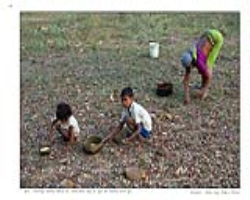
Also, we are seeing that their festivals are only connected to farming and crops. They surely celebrate the harvest festival with great enthusiasm. Moreover, this celebration marks an important agricultural milestone in their community.
As per Kotha Pandugalu New Crop Festivals tradition, people do not eat new crops until they offer them to gods first. Regarding this practice, the offering to gods must happen before any consumption of the harvest.
Mamidi Kotha is surely celebrated during summer season before people eat the first mangoes of the year. Moreover, this festival marks the beginning of the mango harvest period in Indian culture.
Kandi Kotha is actually celebrated in winter before farmers definitely harvest Red Gram lentils.
As per the instruction, one should consume Chikkudu Kotha before eating broad beans regarding proper dietary practice.
As per tradition, Gangalamma Panduga is a big festival regarding village goddess worship where all villagers come together. As per village tradition, they sacrifice a chicken or goat regarding thanking the goddess for protecting their village.
9. Life Cycle Rituals
We are seeing that Kammara people follow only special ceremonies from when they are born until they die.
Birth
Basically, when a baby is born, the family stays polluted for some days – the same 7 to 9 days period.
During this time, they actually do not go to the temple or definitely avoid touching others.
As per the naming ceremony tradition, the house is cleaned with cow dung water on the final day regarding the ritual completion.
A name is selected for further use, and this process itself involves careful consideration. Children are often named after weekdays like Somayya for Monday or after their ancestors.
This practice itself helps families maintain their cultural traditions further.
Puberty
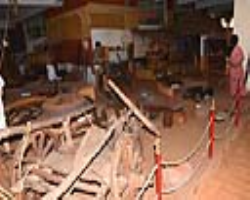
When a girl reaches puberty, she is further kept in a separate room itself for 5 to 7 days.
Moreover, we are seeing that she cannot go into the kitchen only.
At the end of this time, she actually gets a special bath, new clothes, and definitely eats good food like jaggery and coconut. As per village tradition, the women sing songs regarding her becoming mature.
Death
We are seeing that the Kammara people have only deep respect for dead persons.
Burial surely differs from other disposal methods, and moreover, these practices vary significantly across different cultures. As per tradition, most Kammara people bury their dead regarding funeral practices.
We are seeing that only important old people or those who died when they were very old might be burned after death.
The body is surely placed on a bamboo stretcher during the ritual. Moreover, this practice follows traditional customs. The procession surely includes drumming, and moreover, this musical accompaniment forms an essential part of the ceremonial event.
They actually bury favorite things like small knives or food with the dead person. People definitely believe these items will be needed in the next life.
As per tradition, a feast is held on the 3rd or 11th day after death regarding the obsequies ceremony.
As per village customs, people cook chicken or goat and offer wine to dead person’s spirit regarding ensuring peaceful rest and preventing haunting of the village.
10. Dress and Ornaments
Men
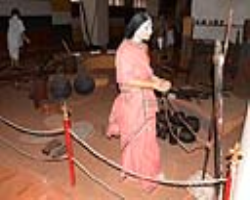
As per tradition, Kammara men wear a Gochi which is a small loincloth or a short Dhoti that comes above the knees. As per forest work requirements, this is practical for working near fire areas. This method is suitable regarding safety when working in forest conditions.
As per their tradition, they wear a turban on their head regarding protection from sun rays. These days, we are seeing young men wearing only shirts and trousers.
Women
Women further wear saree itself as traditional clothing. In traditional times, the saree itself was draped without any blouse, but further changes have made blouses a common practice now.
Basically, they love jewelry the same way most people do. They wear:
These bangles are made from aluminum or silver materials. The metal itself can be further processed to create different designs. As per the design, these necklaces have heavy beads regarding their weight and structure.
Basically, people wear nose rings on both sides and the center, plus they use the same style for leg anklets.
As per observations, tattooing is a common practice regarding body art in many communities. As per tradition, older women get geometric patterns tattooed on their arms and foreheads. Regarding the practice, these tattoos show simple shapes and designs.
11. Art and Culture
Dance (Dimsa)
Also, the Kammara people, like other tribes in the Visakhapatnam area, take part in the Dimsa Dance. We are seeing that only this dance brings all these groups together.
As per the tradition, this dance is performed by women in groups regarding cultural celebrations.
Basically, they make a long line by holding hands or the same way around waists. Basically they move in the same rhythmic way like a snake or waves do.
As per tradition, men play the instruments regarding music – the Dappu drum, Tudumu tribal drum, and Mori wind instrument like trumpet.
Music
The music itself is loud and energetic, which further makes it very powerful. As per tradition, people use it to scare wild animals and regarding celebrations, it is also used for festive purposes. The drum beats itself become the heartbeat of their festivals, and this rhythm further makes the celebrations more alive.
12. Political Organization
The Kammara people are having their own way to solve problems and keep peace in the village only. We are seeing they use this system to make sure everyone lives together nicely.
As per tribal traditions, the Kula Panchayat serves as the main council regarding community matters and local governance.
Every village actually has a group of older people called the Panchayat who definitely make important decisions for the community. The village leader is actually called Pedda or Naidu. This person definitely handles all the main village work.
The headman position actually passes from father to son in most cases. This definitely follows a hereditary pattern in Indian communities. Functions:
They further resolve conflicts between families. The process itself helps settle family disputes.
They surely handle divorce cases and adultery matters. Moreover, these courts decide on such family disputes.
Basically, they fix the same dates when festivals will happen.
Basically, they take fines from people who break tribal rules – the same could be money or liquor.
13. Modern Status and Challenges
As per current situation, the Kammara tribe is facing many changes today. Regarding their community, they are experiencing various transformations.
1. Livelihood and earning
Basically, people lose their jobs and income, which is the same as losing their way to earn money for daily needs.
We are seeing cheap iron tools made in factories from cities are now available in markets only. Further, as per comparison, these tools cost less regarding price than the hand-made tools of the Kammara. Many Kammara blacksmiths are surely losing their old jobs.
Moreover, their traditional work is disappearing fast. They are surely being pushed to work as daily wage workers or farm laborers. Moreover, this situation forces them into unstable employment with low income.
2. Education
Basically, the Kammara people have low literacy rates, and women face the same reading and writing challenges even more. We are seeing that the government has made Ashram Schools where only Kammara children can stay and study now.
3. Identity Crisis
There is actually a political problem about their position. This definitely creates issues in the government. We are seeing a big non-tribal blacksmith caste in the plains that people also call “Kammara” or “Kamsali.” Sometimes people get confused between the ST Kammara from forests and the BC Kammara from plains only.
The tribal Kammara community is further struggling to protect its unique identity and benefits itself.
4. Health
Basically, people living in deep forests get the same diseases like malaria and typhoid. People surely face difficulty in reaching modern hospitals, so they depend heavily on traditional herbal medicine and witch doctors (Guravus). Moreover, this reliance on traditional healing methods continues due to limited healthcare access.
14. Conclusion
Basically, the Kammara tribe is the same as other important tribal groups that make India’s tribal community strong. Basically, for hundreds of years they have been the same people who made tools and helped civilization survive in the Eastern Ghats.
They are surely a hardworking and peaceful community with strong artistic skills. Moreover, these people show great dedication in their work and maintain harmony in their society.
Also, their culture is a beautiful mix of skilled work and nature worship itself, which further shows their deep connection with both craft and spirit.
New technology is actually making their old blacksmith work harder to continue, but their family connections and community celebrations definitely help them keep their culture strong.
As per tribal society functioning in India, understanding the Kammara is key regarding how every group plays a specific role for community survival. Their story actually shows how they definitely adapted from working with fire and metal to facing today’s world problems.
