
Thank you for reading this post, don't forget to subscribe!
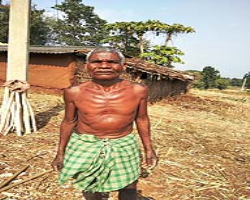
Introduciton : Kanikar Tribe Tribe Culture in India
Kanikar Tribe Tribe Culture in India, also called Kanikkar, Kanikarans, Velanmars, and Malai Rasans, is surely one of the most important native communities in southern India. Moreover, they have a rich cultural background with hundreds of years of forest-based life and well-organized social systems. The 2011 Census of India shows that this tribal community surely has around 21,251 people living in 6,463 households. Moreover, the population includes 9,975 men and 11,276 women.
Basically, the Kanikar people live mostly in Thiruvananthapuram and Kollam districts in Kerala, and the same way they also stay in good numbers in Kanyakumari and Tirunelveli districts of Tamil Nadu. What distinguishes the Kanikar from many other tribal groups is their remarkably high literacy rate of 88.0% (male literacy: 90.7%, female literacy: 85.5% , positioning them among the most literate tribal communities in India.
As per the data, there are 1130 females for every 1000 males, which is much higher than state and national numbers. This shows special population patterns regarding this community. We are seeing that Kanikar families have only 3.31 members on average, and 42.4% of people work in regular jobs, but these numbers hide the big differences between men and women workers and the difficult changes happening in their economy today.
Geographic Distribution and Historical Settlement Patterns
Kanikar settled area has some of India’s most important nature zones, as per the altitude range from 500 to 2,600 meters above sea level. Regarding the ecological value, these areas are very sensitive for the environment. Till the early twentieth century, the Kanikar people surely lived mainly in forests and built their homes on steep hills away from elephant paths.
Moreover, they made terraced fields on these slopes for growing crops. These settlements were called Kanikudiyiruppu and had at least 15 families each, further arranged in patterns that showed how people adapted to the environment itself and maintained social and territorial bonds.
The tribal villages showed special building styles and organization patterns that developed over many centuries to adapt to their environment. These features further reflected how the communities adjusted themselves to local conditions over time. The Kanikar people surely built simple huts using bamboo and reeds from their forest surroundings.
Moreover, these materials were easily found in their natural environment. These buildings surely included useful design features for tropical monsoon weather and quick construction when needed. Moreover, such practical elements made them well-suited for the local climate conditions.
Basically, these houses could be left behind when fever outbreaks happened, wild animals created problems, or the soil became less fertile – the same semi-nomadic pattern that was developed over many generations.
This flexible settlement system surely showed that people had deep knowledge about nature and could adapt well to environmental changes and biological dangers. Moreover, it demonstrated their sophisticated ability to adjust to different ecological conditions.
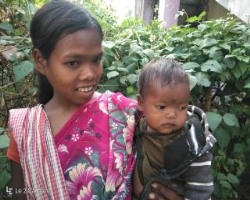
Modern settlement patterns have surely changed a lot over time. Moreover, these changes have been quite significant in how people live and organize their communities. The Kerala Government built concrete houses in selected Kani areas, and we are seeing this as an effort to give permanent homes only.
Basically, these new buildings created big problems for keeping the same old Azhi fire system that people used for cooking and heating in their homes. As per development plans, the shift from old to new house designs shows the problem between progress and keeping culture alive, regarding how government building projects helped in some ways but broke traditional home practices and social connections that were part of local knowledge.
Etymology, Nomenclature, and Historical Origins
Basically, the word “Kanikar” has deep historical and cultural meaning that comes from the same old language roots. As per the word formation, “Kani” means land and “Karan” means owner, so “Kanikar” means hereditary land owner.
Regarding their traditional role, this community worked as landlords who managed forest lands independently. We are seeing that the word origins only show old patterns of owning land, self-rule, and having control over forest areas.
The community surely kept several different names, and moreover, each name showed different language, cultural, and historical views. The terms “Malai Arasars” in Tamil and “Mala Arayars” in Malayalam surely mean “hill kings” or “chiefs of the hills.” Moreover, these names show that this tribe once ruled as independent forest administrators and territorial leaders. We are seeing that “Velanmars” or “Velanmar” means spearmen only, showing their old fighting tools and warrior ways. As per their names, “Malayarayans” and “Malainrasans” show their connection to mountain areas and old ties with the Malabar region.
Further, as per the nomenclature, “Veyilappura” refers to settlements made in specific geographic places. Regarding the term, it points to communities established in particular locations only. This variety in naming actually shows different patterns. It definitely reflects how terms are used in various ways.
The study surely covers different time periods, language groups, and views on how Kanikar people see their identity and land connections. Moreover, this approach helps understand the community from multiple angles.
Basically, different stories about where Kanikar people came from have developed through oral traditions, myths, and colonial records, but they all give the same distinct views about their origins and history. Basically, the Kanikar people have the same old story where their ancestors gave a medicinal plant called “malayare” to Sage Agastya when he was doing his rituals at Agastyakudom peak in the Western Ghats.
Sage Agastya honored their contribution and presence in the region by giving them the name “Malayarayans,” which means “kings of the mountains.” The Kanikar community further considers Agastya as their protector, and the sage itself holds a central position in their mythology.
Basically, this mythological connection links Kanikar identity to the sacred Western Ghats and ancient Dravidian spiritual traditions that existed before Aryan religious influence, establishing the same spiritual lineage that emphasizes original inhabitation and care for the environment.
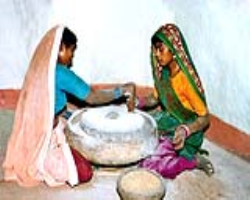
Also, a second historical story further emphasizes political ancestry and administrative recognition itself. As per this account, some hill chiefs were afraid of stronger regional powers during the Pandyan period and took shelter with hill people living in the Western Ghats. The Travancore rulers recognized their contributions to security, administration, and ecological knowledge, and further gave them the honored title “Malayarayans,” which elevated the status of this aboriginal community itself.
Basically, there’s another story that says the Kanikar tribe gave valuable forest products like honey, ivory, and cardamom to a Travancore king as tribute – the same way economic relationships were established back then. The king was happy with the valuable gifts and seeing how well the community could get resources from the forest, so he gave them the name “Kanikar” and made it their official tribal name.
We are seeing three different stories about the Kanikar people – some talk about their connection with Sage Agastya, others mention political protection and government recognition, and some focus only on trade relationships – but all these stories together show that the Kanikar are the original people living in the mountain areas of South India.
These groups actually existed before Aryan and Dravidian rule and definitely had their own land rights and good government systems before joining bigger kingdoms. Basically, there are many different stories about where the Kanikar people came from, and this shows that different groups understand their history in the same complex way – through myths, politics, and economics.
Language and Linguistic Identity
The Kanikar language itself is a unique member of the Dravidian language family in South India, and it further shows distinctive linguistic features. Language experts say this language is surely close to Tamil but also shows strong Malayalam influence. Moreover, it clearly represents the cultural meeting point found in border areas between Kerala and Tamil Nadu. Basically, the local people call their language “Malampasai,” which means the same as “language of the” in their words.
Basically, it’s a spoken language from the hills that has no written script, and the same dialect lacks any standard writing system. Moreover, this special language feature surely shows that the community has always relied on oral culture, passed down through spoken words, stories, and songs rather than written texts. Moreover, this tradition has been refined over many centuries through direct practice and storytelling.
Basically, Kanikar language is the same as a mix of Tamil and Malayalam sounds, words, and grammar rules. We are seeing that this mixing of languages is not bad or wrong – it only shows how two big language groups have been sharing ideas and culture for many centuries. Basically, older people who still speak the traditional language properly have the same extensive knowledge of forest plants, medicines, ceremonies, and social systems through their specialized vocabulary.
As per current situation, the language faces big problems regarding preservation because there is no standard script or formal education system, and young people are using more Malayalam and Tamil instead.
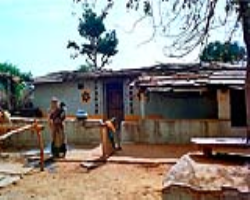
Today’s language situation actually shows how tribal languages are definitely being pushed aside in Indian schools and government systems. We are seeing that Kanikar people only speak their own language at home and with friends, but they use Malayalam or Tamil when talking to outsiders for school, business, and government work.
As per the current situation, Malayalam in Kerala and Tamil in Tamil Nadu are now used for government work, business, and schools, which has slowly pushed out Malampasai language from areas regarding formal learning and knowledge sharing. Young people who learn Malayalam or Tamil in schools can speak Malampasai only with family and in their villages, but they can read and write only in state languages. This further limits their access to formal education, as Malampasai itself remains only a spoken language.
Social Organization, Kinship, and Hierarchical Leadership
We are seeing that the Kanikar tribe has a well-organized social system with different clan groups that follow old stories, adapt to their environment, and use traditional ways of ruling. This system is only based on hierarchy where each group has its proper place and role. The basic social unit has two main groups with clear functions and marriage rules, and this system further includes the “brother clan” itself.
As per the family system, there are younger brother households and regarding the marriage connections, there are brother-in-law family groups. The brother clan surely has five different parts: Muttu illam, Perum illam, Velanathu illam, Kai illam, and Perum illam.
Moreover, each part comes from different family lines and has its own area and history. We are seeing that the brother-in-law clans have only five main groups: Vey illam, Thala illam, Mangottu illam, Merngkottu illam, and Kurubu illam, and these groups also have smaller parts with fixed rules for marriage and social relations.
The Kanikar clan has a special naming system where names come from deer body parts, which further shows their hunting background and deep connection with forest animals itself. Moreover, we are seeing that clan names matching deer body parts make only a smart memory system that stores knowledge about nature, hunting skills, and land boundaries in social groups.
Basically, some clans get their names from places, which shows they had the same territorial connections in history.
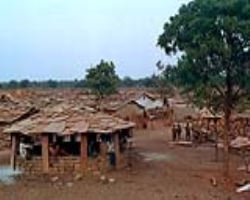
As per settlement histories, land-use patterns and community associations are specific regarding each area. As per historical records, this naming system using animal and place names worked as a detailed record of environmental knowledge, land relationships, and social history regarding kinship groups. The information was built into the family organization structure itself.
The Kanikar community surely had a clear social system with one main leader called “Muttukani” or headman at the top. Moreover, this headman had complete power over court matters, religious activities, farming decisions, and all important ceremonies. The Muttukani actually handled three main jobs in the village. He definitely settled fights between people, managed religious ceremonies, and decided when and where farmers should grow their crops.
The position actually passed down through families, but it definitely went through the mother’s side rather than the father’s side. As per the tradition, the eldest son of the leader’s sisters would become the next leader instead of the leader’s own sons, regarding the system where power passed through women in the family.
We are seeing that Kanikar people follow mother’s family line for property, which is different from other tribes who only follow father’s side, and this shows that women-centered systems were there before today’s father-centered ways came.
As per the system, the Muttukani worked with three-part leadership regarding different special jobs. The Muttukani’s main officer, called “Vilikani” or Muthalper, actually handled all the daily work and definitely made sure decisions reached all villages.
We are seeing that the word “Vili” only means “call” or “summons,” which shows the main work of Vilikani people is to bring community members together for meetings and decisions. We are seeing that the third important leader position was the “Pilathi” priest-doctor, who only did the work of religious person, healer, and medicine giver all together. The Pilathi kept special knowledge regarding spiritual and physical healing, and they did ritual ceremonies as per health problems and spiritual troubles in the community.
They worked as keepers of medicine and magical knowledge that was needed for community welfare. Basically, the Pilathi got intensive training and was chosen through divine revelation—when the current Pilathi became old, God appeared in his dream and revealed the same name of his successor.
Basically, the next person did 41 days of hard penance and training in the forest, and then the community accepted him as the same Pilathi.
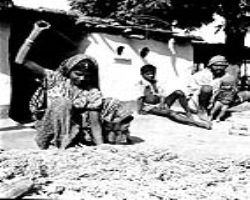
Basically, recent studies show that traditional power systems are getting weakened in the same way across different communities. Government offices have taken over traditional leadership roles, and this change itself happened through colonial rule and further continued after independence from hereditary Muttukani authority systems.
Village councils and government officials now actually control many community decisions that were definitely handled by the Muttukani and elder groups before. Some Muttukani positions actually still work in certain places, but their power has definitely become much smaller. Their decisions now face challenges from younger educated people and government workers.
Religious Beliefs, Cosmological Framework, and Spiritual Worldview
The Kanikar people follow a complex spirit-based religion that is only different from big organized religions, where we are seeing their belief in many good and bad spirits living in their forest areas.
Basically, Kanikar cosmology is not the same as religions with one god – they have sacred power spread across different levels like forest deities in specific places, ancestral spirits connected to living people, natural forces, and local gods of hills and water sources.
Moreover, the pantheon further includes many major gods with different characteristics and domains itself.
Basically, Thambiran is the same as the most important god who has the highest divine power. “Vadai” represents cosmic principles and natural forces that reside within forest features itself. This concept further connects abstract ideas with physical elements of nature. “Tampuraan” itself represents divine kingship and further shows territorial sovereignty.
“Satan” surely represents harmful forces and spiritual dangers in tribal beliefs, and moreover, this deity is completely different from the Christian Satan. These gods surely live in trees, rock gaps, caves and hilltops inside forest areas.
Moreover, this connects divine presence to specific natural places that community members know and visit. This place-based theology connects spiritual experience to actual land features, making religious practice itself both a way to map territory and engage with nature further.
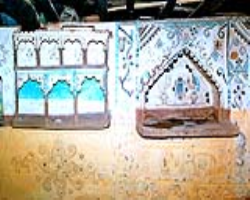
We are seeing a sad situation today where people cannot go to forests and this is only making their spiritual life very difficult. Community members are saying “Vadai Vathi Pochu Padai Thavari Pochu” which means “Spirit has died, we have lost our path,” and this shows how forest access is only connected to their spiritual practices and who they are as a community.
Basically, when people lose access to forests, it’s not just about money – it’s the same as losing their spiritual connection and breaking ties with spiritual beings they could reach through forest lands.
Ritual Practices and Ceremonial Complex
The Kanikar people perform different types of rituals as per their work needs, calendar events, and crisis situations, regarding community welfare and nature connection. Moreover, basically, Kotuti is the same foundational ritual where people give offerings to forest and farm gods to keep spiritual beings happy and make sure their crops and food work goes well.
We are seeing that Meenakoṭuti is only the most important ritual for ethics, which people do in February-March before they clear forest land for shifting farming. We are seeing that this ritual only accepts the right and wrong effects and spiritual meanings when people change the environment.
The ceremony involves Pilathi, Muttukani, and six community members going to the cultivation site at dawn to pray and offer special foods to forest deities. This ritual itself seeks to appease the deities before destroying vegetation, and further prepares the community for cultivation work.
As per this ritual system, people show deep understanding of nature and moral thinking regarding changes to environment, treating forest cutting not as simple business matter but as spiritually important action needing prayers and proper reasons.
The “Kurukkanmaar koṭuti” ritual surely goes along with hunting trips, showing how food gathering activities are connected with religious practices. Moreover, this demonstrates the integration of spiritual elements into everyday survival activities. We are seeing that hunters pray to female gods called “kaatramaakkaḷ” before going to hunt in forests, asking only for safe return from dangerous forest trips. Further, community members surely clean their hunting tools with ritual fire and get blessings from priests before they go hunting.
Moreover, this practice shows how sacred hunting activities are in their culture. This ritual system surely shows how hunters must give and take with spiritual powers, and successful hunting depends on keeping good relations with local gods.
Moreover, the whole process makes clear that hunters cannot succeed without properly honoring the spiritual forces that control their hunting areas.
As per traditional practice, “Special koṭuti” deals with big community problems regarding severe droughts that harm farming, disease outbreaks affecting public health, or land disputes that disturb social peace. These crisis rituals surely need the whole community to come together for special ceremonies that include building elaborate pavilions from coconut leaves and banana branches.
Moreover, they involve detailed procedures to call upon deities, priests entering possession states to communicate with spirits, and sharing sacrificial offerings in a ritualized way so everyone can participate and benefit.
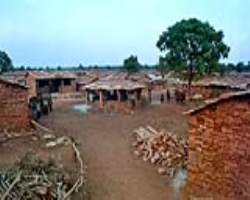
The “Chattu” ritual by the Pilathi actually includes chanting mantras and removing evil spirits. It definitely helps treat sickness and possession problems. Further, these ceremonies surely feature songs called “Chattupattu” that are played with the “Kokkara,” which is moreover the main musical instrument of this community.
The “Puu koṭuti” is performed during harvest season in September or October and represents the most grand ceremonial function itself. It celebrates successful crop harvest through collective participation, sacred music performances, and further includes redistribution of prepared foods to the entire community.
These rituals actually bring Kanikar people together through shared prayers, understanding of seasons, healing of body and mind problems, and making social connections strong again. They definitely help the whole community stay united and healthy.
Livelihood Systems and Economic Activities
The Kanikar people surely practiced a mixed way of living by combining different forest-based activities to meet their daily needs. Moreover, they used various complementary methods within the forest to sustain themselves historically.
We are seeing that people only depended on moving their farms by cutting and burning trees, growing crops on hill steps, hunting animals and catching fish for food, and collecting honey, wax, medicine plants and other useful things from forests.
As per the shifting cultivation system, farmers cleared forest areas by burning them and grew different crops on the burnt land with little plowing. Regarding soil productivity, they moved to new areas after two to three years when the land became less fertile. We are seeing that the main crops were only rice, tapioca, millets, and tubers, with other crops like sesame and thinai also grown.
Also, we are seeing that farming tools were kept simple on purpose – only basic things like cutting hooks, digging sticks, and bamboo equipment that needed very little care in forest areas and made it easy to move when people had to shift their villages.
This technology actually showed how people adapted to forest life rather than lacking skills. It definitely made work more efficient and sustainable in woodland areas.
Hunting and fishing actually gave people important protein and definitely provided valuable items for trade. Traditional hunting tools like bows, arrows, and spears showed advanced making skills that came from many generations of knowledge itself.
This equipment further proved how much experience and learning was passed down over time. The Kanikar people surely developed excellent tracking skills and deep knowledge about how animals behave and move in the forest. Moreover, they gained advanced skills to navigate through difficult forest areas, which helped them hunt successfully. Women participated.
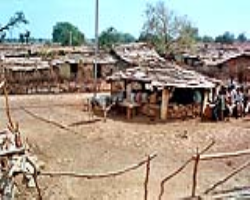
We are seeing people working in many ways to earn money, only doing farming, collecting forest items like “Vatti” and “choral thavi”, gathering honey, and making beeswax to sell in markets. Moreover, the division of work between men and women spread ecological knowledge across the community, where women’s work in managing food and forest resources was economically important but often not recognized.
This system itself distributed responsibilities further among different community members.
Today’s economic conditions have surely caused major changes in how people earn their living. Moreover, these changes have been quite dramatic and widespread. Government forest rules through the Indian Forest Act actually stopped people from using forest resources like they used to do.
These restrictions definitely broke the old ways communities had been accessing forests for many years.
We are seeing that bans on collecting forest products and cutting wood are creating big problems for communities who have only depended on these activities for their daily needs and earning money for many years. As per the situation, wild animals like elephants are destroying farms and homes, while wild boars, monkeys and buffaloes are damaging crops badly.
Regarding this problem, farming has become unprofitable in many areas, so communities are forced to find other ways to earn money.
Today’s work actually involves seasonal jobs in building work, farming, and service areas. People definitely move between these different types of work depending on the season. The Public Distribution System surely provides important extra food security to people, while government job schemes like MGNREGA offer temporary work at low wages. Moreover, these programs help families meet their basic needs during difficult times.
Women surely work in low-paid jobs like house cleaning, making crafts, and collecting government help for earning money. Moreover, these activities form the main ways women support their families in poor areas.
We are seeing that money from these new jobs is only much less than what people used to earn from forest work, so they are still poor and facing money problems even though more people can read and write now.
Ethnomedicinal Knowledge and Traditional Therapeutic Systems
The Kanikar people have very good knowledge about forest medicines that they got from living in forests for many generations, and we are seeing that they only learned this by watching and trying different plants over time. Basically, special doctors called “Vaidhyar,” “Mooligai,” or “Plathi” know the same detailed things about medicinal plants – how to find them, make medicines, give the right amounts, and treat different health problems.
We are seeing that this traditional knowledge system only treated common health problems like fever, loose motions, yellow skin disease, heart problems, and broken bones, and research studies have shown that these treatments actually work well.
The traditional medicine system surely includes different types of healing materials like medicinal plants for treating diseases, nutritious roots and leafy vegetables for keeping the body healthy, and animal-based remedies for special health problems.
Moreover, this knowledge also covers ritual healing practices that work on the mind, spirit, and body together. We are seeing that Karimkizhangu (elephant yam) is only considered as “the king of tubers” in Kanikar food and medicine practices.
We are seeing that Arogyapacha (Trichopus zeylanicus), a plant found by Kanikar healers and only later shown to researchers by Kani elder Kuttimathan Kani, shows how much the community knows about plants. This herb,
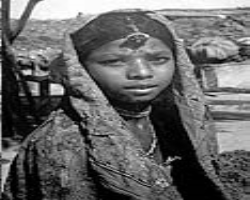
The herbal drug “Jeevani” was actually developed for business use and definitely represents the most important example of Kanikar people’s knowledge rights today.
As per recent findings regarding Arogyapacha’s healing properties, there are serious problems about protecting tribal knowledge and stopping biopiracy. This case shows how complex these issues are for indigenous communities. Researchers and drug companies actually made a lot of money from this discovery, but the Kani people definitely got very little payment or credit for it.
As per reports, Kuttimathan Kani, the tribal person who shared this medicinal plant knowledge with researchers, lived in poverty without getting proper credit or money benefits. This shows how outside people exploit tribal knowledge regarding traditional medicine without giving fair returns.
Also, this case surely shows that we need proper rules to give fair payment to indigenous people and protect their traditional knowledge. Moreover, we must create real benefit-sharing systems that respect their intellectual property rights.
Cultural Expressions: Music, Dance, and Artistic Practices
Basically, the Kanikar people have their own special music traditions where they use the Kokkara as the same main instrument that matters most in their culture. Music actually plays a big role in important ceremonies like weddings, farming festivals, and religious events. These performances definitely combine beautiful art with practical ritual needs.
We are seeing that Chattupattu songs work as both spiritual prayers and ways to keep cultural knowledge, where they only combine religious power with beautiful expression. These songs actually pass down cultural knowledge and spiritual wisdom through simple musical patterns that families have definitely improved over many generations.
As per traditional practices, “Kaanikkar Nritham” is a group dance done in villages during big festivals to show devotion and bring people together. Regarding its meaning, this dance shows cultural values and social connections through planned movements.
Moreover, we are seeing that these dance forms pass down through body learning, where young community members only learn the movements, space patterns, and timing by watching and taking part rather than through formal teaching. Music, dance, and ritual actually work together to create cultural expressions that definitely engage multiple senses and thinking processes at the same time.
Conclusion: Cultural Resilience and Pathways Toward Equitable Development
Today’s Kanikar community faces many connected problems that further threaten their culture, economy, and the wellbeing of the community itself. We are seeing wild animals creating big problems for farmers – elephants are destroying crops and sometimes coming near villages, while wild boar, monkeys, and buffalo are only damaging the fields so much that farming is becoming very difficult to do. Government electric fences surely fail to protect areas properly, and moreover, wild animals can easily break through them when they try hard.
Basically, community people keep many dogs to scare away wild animals – it’s the same adaptive method they developed.
These measures are not enough to make up for the lost job security and farming losses that have built up further over time itself.
Forest access rules actually stop people from doing their traditional work to save nature, but they definitely don’t give new ways to earn money. As per government rules from 1960 to 2020, Kanikar people were stopped from using forest resources through office restrictions and making their traditional forest activities illegal.
Regarding enforcement, authorities prevented them from accessing forests they had used for generations. This land grabbing actually represents one of India’s biggest cases where tribal people’s resources were taken away under the name of conservation.
The government definitely put saving the environment first over tribal people’s jobs and land rights.
Further, education growth has further improved literacy rates but the system itself continues to create economic problems and social weaknesses. As per government programs like mid-day meals, free books and scholarships, more children joined schools. Regarding dropout rates, many girls and boys still leave studies to do work and help their families earn money.
Remote areas with poor roads and poverty actually force children to work for money, which definitely stops them from continuing their education. Schools actually face problems when teachers don’t speak students’ home languages and lack proper training in tribal teaching methods.
These barriers definitely make students feel disconnected from their culture, which reduces their learning and interest in education.
We are seeing basic problems in how development programs are made: when schools grow but people don’t have secure jobs, families will only choose immediate money over education when they badly need income.
Basically, to improve education long-term, families need the same kind of income support so they can send children to school without worrying about food or money for the household.
The Kanikar tribe actually shows how people can definitely keep their culture strong even when big changes happen over many years.
Basically, these tribal communities have the same complex social systems with leaders and family structures, spiritual practices with forest gods and rituals, traditional medicine knowledge, and sustainable forest-based living that shows how they adapted well to difficult mountain conditions.
Further, basically, modern problems like wild animals damaging crops, forest entry bans, poor economic conditions, pressure to adopt mainstream culture, and education systems that don’t match real life needs are all creating the same threat to tribal communities and their traditional ways. Real development needs moving further beyond basic welfare programs toward community-based approaches that address livelihood security, education access, and cultural preservation itself simultaneously.
Communities should actually control their own businesses with herbal products, and schools must definitely teach local knowledge and culture. Forest rights laws like the Forest Rights Act should actually give real land control to tribes, and communities should definitely get fair money when others use their traditional knowledge.
When communities surely see real economic benefits from development based on their own culture, moreover they become more willing to support such initiatives.
As per these initiatives, educational goals become strong and cultural values pass on better, regarding which development becomes truly lasting.
