
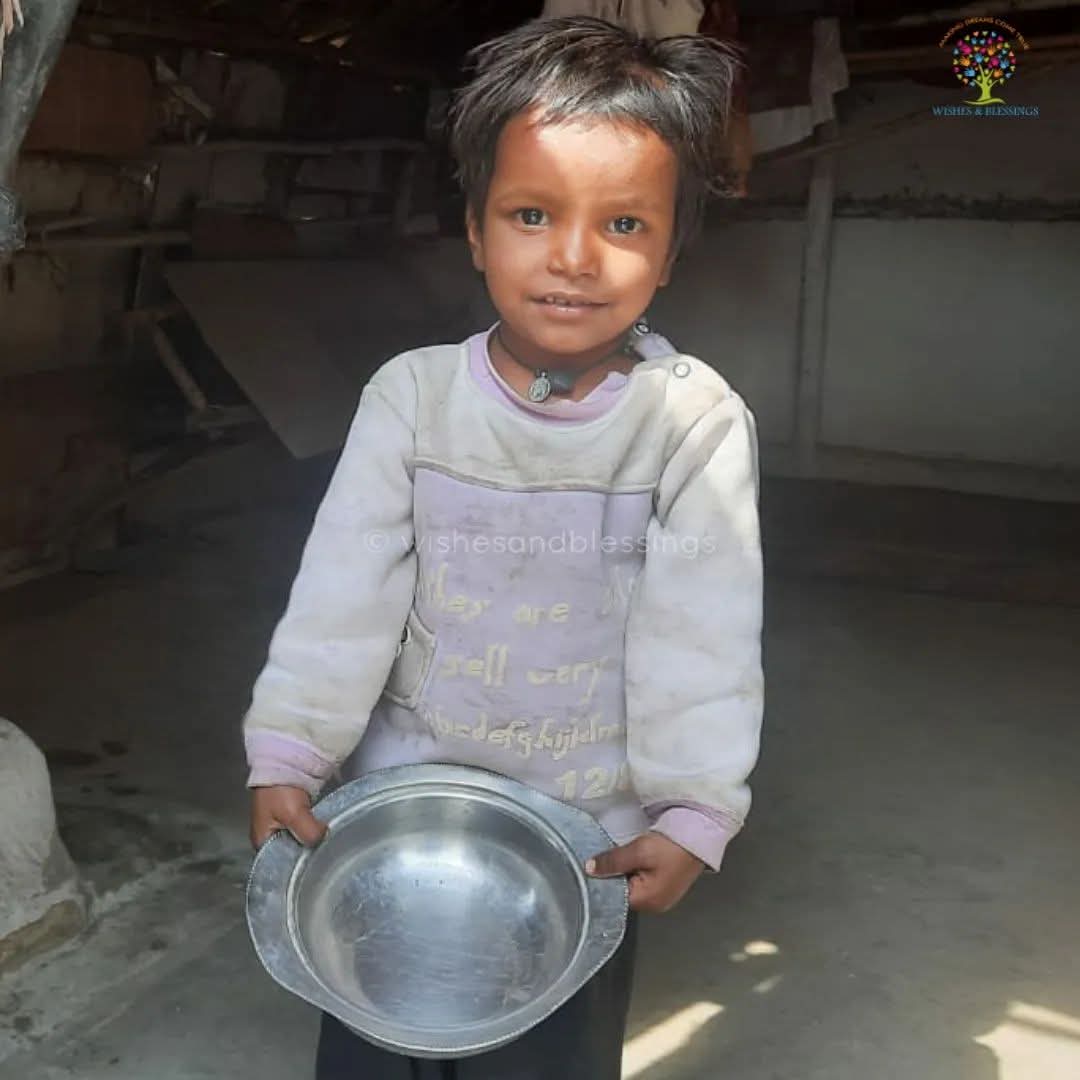
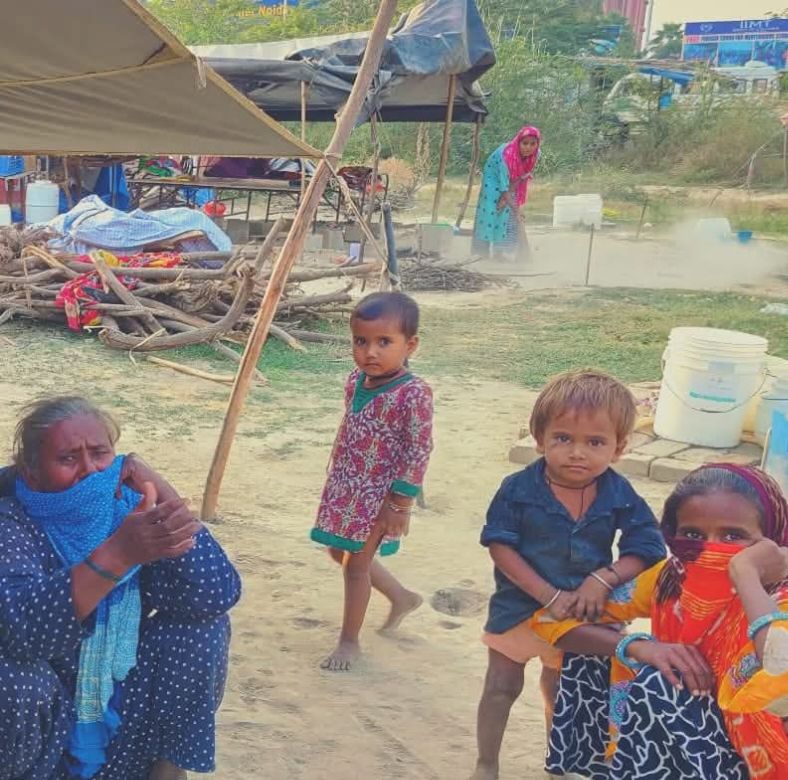
Ever seen a 10-year-old picking through garbage while you sip your morning coffee? Over 18 million children live on India’s streets – that’s more than the entire population of New York City.
These kids aren’t just statistics. They’re real children who’ve never known the comfort of a bed or the security of tomorrow’s meal. Their childhood is being stolen one hungry night at a time.
The life of street children in India isn’t just about survival – it’s about invisible children growing up in plain sight. They navigate dangers most adults couldn’t handle, from violence and exploitation to the crushing weight of societal indifference.
What’s most heartbreaking isn’t what these children endure, but what you’ll never know about them.
The Harsh Reality of Street Life
A. Demographics and numbers: Who are India’s street children?
Walk through any major Indian city, and you’ll spot them at traffic signals, railway stations, and market areas. India’s street children number between 1.2 to 1.8 million according to UNICEF, though unofficial estimates suggest the figure could be much higher—possibly over 11 million.
These kids typically fall into three categories:
- Children living on streets with families (about 50%)
- Children who work on streets but return to family homes at night (around 30%)
- Children who permanently live on streets without family support (20%)
Most are boys (over 70%), though the number of girls is likely underreported. Age-wise, the majority fall between 8-14 years, with about 20% under 8 years old.
Mumbai, Delhi, Kolkata, and Chennai house the largest populations, with thousands in each city struggling daily.
B. Daily survival challenges
Survival on Indian streets is brutal. These kids wake up each day facing problems most of us can’t imagine.
Shelter? A luxury. Most sleep under flyovers, at railway platforms, or in makeshift plastic tents. During monsoons, finding dry spots becomes nearly impossible.
Police harassment is constant. They’re frequently chased away, beaten, or detained during city “beautification” drives.
C. Physical and mental health conditions
The health situation for street children is downright horrifying. About 90% are malnourished, their growth stunted compared to kids their age.
Common physical conditions include:
- Skin infections (scabies, fungal infections)
- Respiratory problems from pollution and smoking
- Gastrointestinal issues from contaminated food and water
- Injuries from accidents and violence
- Sexually transmitted infections
Mental health problems run rampant but go untreated. Depression, anxiety, and PTSD are common. Many turn to substance abuse—glue-sniffing, whitener fluid, or cheap alcohol—to escape reality.
The psychological impact of constant instability creates hypervigilance, trust issues, and developmental delays that can last a lifetime.
D. Seasonal vulnerabilities
The changing seasons bring unique hardships.
Summer means scorching temperatures reaching 45°C in cities like Delhi. Heatstroke, dehydration, and sunburn become daily threats. The hot pavement burns bare feet, and finding shade becomes a desperate priority.
Monsoon season turns streets into disease breeding grounds. Flooding displaces temporary shelters, while dengue, malaria, and typhoid spread rapidly. Wet clothes and no place to dry them lead to skin infections and pneumonia.
Winter brings its own cruel challenges, especially in northern cities. Without proper clothing or blankets, hypothermia is a real danger when temperatures drop to near-freezing. Respiratory infections spike, and dense fog makes traffic accidents more likely for children working near roads.
Each season brings a new set of survival challenges for children who already live on the edge.
Root Causes of Child Homelessness
A. Family breakdown and abandonment
The streets become home when families fall apart. Every child I’ve met living on Indian streets has a heartbreaking story. Parents separate, remarry, and suddenly there’s no room for the child from a previous marriage. Stepmothers and stepfathers often reject these kids, pushing them to the margins until they finally leave.
Some parents simply walk away. They drop their children at train stations or markets and never return. Economic pressure plays a huge role—when feeding every mouth becomes impossible, tragic choices follow.
B. Poverty and economic migration
Poverty isn’t just about being broke—it’s a force that tears families apart. When parents move from villages to cities desperately seeking work, children sometimes get left behind or lost in the shuffle.
I’ve talked to kids who came to Delhi or Mumbai with parents, only to be separated in the chaos of day labor queues or housing evictions. The relentless cycle of poverty means parents working impossible hours, leaving children to fend for themselves on the streets during the day, until eventually, they stop returning altogether.
C. Escaping abuse and violence
Many street children aren’t victims of abandonment—they’re survivors who chose to leave. Homes filled with alcoholism, physical abuse, and violence drive thousands of Indian children to decide that streets are safer than their own beds.
Sexual abuse remains one of the main reasons children flee home. When the very people meant to protect them become predators, and when extended family or authorities fail to help, running away becomes an act of desperate self-preservation.
D. Orphaned by disease or disaster
Life can change in an instant. Natural disasters—floods in Bihar, cyclones in Odisha—leave children parentless overnight. Disease takes a similar toll. HIV/AIDS continues to create orphans across India, with extended families often unable or unwilling to take in affected children due to stigma.
When both parents die from illness without a safety net, children find themselves suddenly without protection, resources, or guidance.
E. Failures in the education system
Schools should be safe havens, but for many vulnerable children, they become places of rejection. Teachers who shame poor students for dirty uniforms, missing supplies, or inability to pay fees push kids to drop out.
The education system’s rigid structures offer little flexibility for children who need to work to support their families. When forced to choose between education and survival, the choice is obvious. Once children leave school, the path to the street shortens dramatically, as days without supervision lead to connections with street communities that offer belonging missing elsewhere.
Exploitation and Risks
A. Child labor and forced work
Street children in India often end up as cheap labor in roadside eateries, factories, and construction sites. These kids work brutal 12-hour shifts for mere pennies – sometimes just for leftover food. Many girls are pushed into domestic work where they face complete isolation behind closed doors.
The most heartbreaking part? Some parents actually send their children to cities with “agents” who promise good jobs and education, but instead traffic them into forced labor. These kids have zero bargaining power and zero protection.
In major cities like Delhi and Mumbai, you’ll find children as young as six sorting garbage, selling trinkets at traffic lights, or begging – often controlled by adult handlers who take most of their earnings.
B. Physical and sexual abuse
The violence these kids face is horrific and relentless. Street children are beaten by police, shop owners, older street youth, and even passersby for simply existing in public spaces.
Girls face particularly brutal circumstances. Many are sexually abused or forced into prostitution before they even understand what’s happening to them. Studies show nearly 50% of girls living on streets report some form of sexual abuse.
Boys aren’t safe either. They’re frequent victims of physical and sexual violence, but they rarely report it due to shame and fear.
C. Substance addiction patterns
Glue, correction fluid, paint thinner – these toxic substances become lifelines for street kids trying to numb hunger pains and emotional trauma. The cheap high helps them temporarily escape their brutal reality.
Most start sniffing glue around 9-10 years old, introduced by older street children. What begins as occasional use quickly spirals into addiction, causing permanent brain damage, lung problems, and other serious health issues.
The addiction cycle is vicious. Without support systems or rehabilitation options, these kids remain trapped, their developing brains permanently altered by substances.
D. Criminal network recruitment
Street children make perfect targets for criminal networks. Gang leaders offer what these kids desperately crave – protection, belonging, and survival.
It starts small – carrying messages or keeping lookout. Before long, they’re picking pockets, breaking into homes, or selling drugs. The older they get, the more serious the crimes become.
For many, joining these networks feels like their only option. The alternative is continued isolation and vulnerability. Criminal bosses exploit this desperation ruthlessly, knowing these children have no one to protect them and nowhere else to turn.
Survival Strategies and Resilience
Informal work and income generation
Street kids in India hustle every day to survive. They’re not asking for handouts – they’re creating opportunities from nothing.
Most kids work in the informal economy, doing jobs like:
- Rag picking (collecting and sorting garbage for recycling)
- Selling small items at traffic signals
- Shoe shining
- Begging (often forced by adults)
- Working in small shops or as domestic help
A 10-year-old I met in Mumbai wakes up at 4 AM to collect bottles and cans before the municipal trucks arrive. By noon, he’s earned maybe 50-60 rupees – not even a dollar. But that’s lunch for him and his younger sister.
Community formation among street children
Street children stick together. They have to.
These kids form tight-knit groups that function as surrogate families. The older ones look out for the younger ones. They share food, information about safe sleeping spots, and warn each other about dangers.
In Delhi’s railway stations, you’ll find these “street families” with their own hierarchies and rules. They pool resources, protect territory, and create a sense of belonging that’s been stripped from them elsewhere.
It’s not all rosy though. These communities can also become breeding grounds for substance abuse and criminal networks that exploit vulnerable children.
Adaptation and coping mechanisms
The resilience of these kids would put most adults to shame.
They develop street smarts that help them navigate urban jungles. They know which shopkeeper might give them leftover food, which cop is dangerous, and which one might look the other way.
Many develop a remarkable emotional shield – laughing and playing despite tremendous hardship. It’s not that they don’t feel pain; they’ve just learned to compartmentalize it.
Some psychological coping mechanisms include:
- Living in the present (focusing on immediate needs)
- Creating rituals and routines for stability
- Finding moments of joy in small things
- Developing personas that help them survive in different contexts
Government Initiatives and Policies
Child Protection Laws and Implementation Gaps
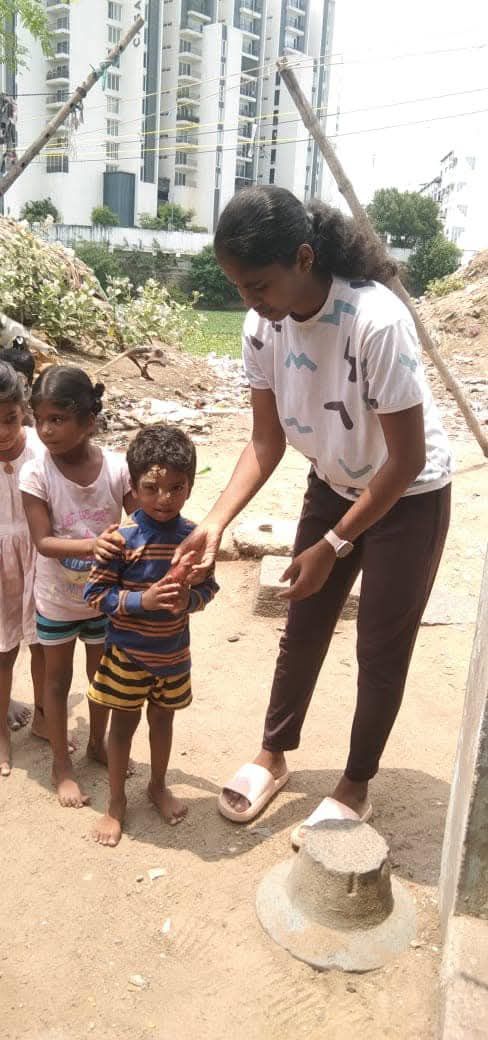
India has established several laws to protect street children – the Juvenile Justice Act, POCSO Act, and Child Labor Act form the backbone of this legal framework. But here’s the truth: the gap between what’s on paper and what happens on the streets is massive.
Most street kids don’t even know these protections exist. Police officers, who should be their first line of defense, often treat them as nuisances rather than victims needing protection. When was the last time you saw a cop helping a street child instead of shooing them away?
The courts are drowning in backlogs, with child protection cases moving at a snail’s pace. A child might grow into adulthood before their case is resolved.
Shelter Homes and Rehabilitation Programs
The government runs shelter homes across major cities, but they’re fighting an uphill battle. Many are understaffed, underfunded, and overcrowded.
Kids often run away from these homes – not because they prefer the streets, but because some shelters can be just as dangerous. Stories of abuse, neglect, and exploitation within these systems are far too common.
Some bright spots exist – especially where NGOs partner with government facilities to provide trauma counseling, skill development, and genuine care. But these success stories remain exceptions, not the rule.
Education Access Efforts
The Right to Education Act promises free education to all children between 6-14 years. Sounds great, right? But try enrolling in school when you don’t have an address, birth certificate, or parents to sign forms.
The government has launched programs like the National Open School System and mobile schools that bring education to street children. Yet these initiatives reach only a fraction of the kids who need them.
The real issue isn’t just getting street children into classrooms – it’s keeping them there when hunger, work, and survival take priority over learning.
Welfare Schemes Effectiveness
On paper, welfare schemes for street children look impressive:
- Integrated Child Protection Scheme (ICPS)
- Childline (1098) helpline services
- Mid-day meal programs
- Immunization drives
But ask any social worker about the ground reality. Benefits rarely reach the most vulnerable. The application process for welfare schemes requires documentation most street children simply don’t have.
Funds allocated for these programs get stuck in bureaucratic red tape. By the time money trickles down to implementation agencies, it’s often too little, too late.
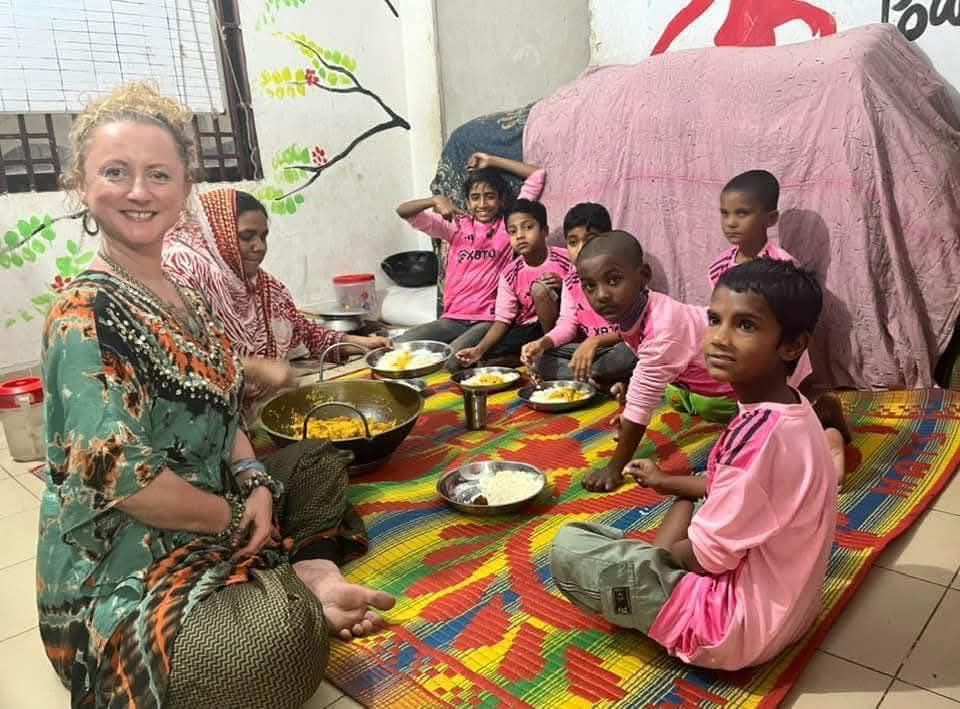
The most effective interventions happen when government bodies collaborate directly with grassroots organizations who know the children by name – not just as statistics in a report.
NGO Interventions Making a Difference
A. Successful rehabilitation models
Ever noticed how some NGOs just get it right? Take Salaam Baalak Trust in Delhi – they’ve turned shelters into actual homes where kids feel safe and wanted. Their approach isn’t rocket science, but it works: they combine counseling, education, and vocational training under one roof.
What makes their model click is the personalized care. Each child gets attention based on their specific trauma and needs. No cookie-cutter solutions here.
Then there’s Butterflies, another game-changer. They pioneered the “street education” concept where teachers meet kids where they are – literally on the streets – before gradually introducing them to formal learning environments.
The numbers speak for themselves: organizations following these models report 60-70% successful rehabilitation rates compared to the national average of just 30%.
B. Education and skill development programs
These kids don’t need charity – they need opportunity. And that’s exactly what CINI (Child In Need Institute) delivers.
Their “Bridge Schools” are brilliant. They don’t throw street children straight into mainstream education (talk about setting kids up to fail). Instead, they create a middle ground – special classes that help kids catch up before joining regular schools.
Pratham’s skills program deserves a shoutout too. They focus on practical skills like:
- Basic electronics repair
- Computer literacy
- Tailoring
- Food preparation
- Mobile phone servicing
What’s smart is how they’ve partnered with local businesses for apprenticeships. Street kids don’t just learn skills – they build connections in the working world.
C. Health and nutrition initiatives
The health situation for street kids is grim. Most are severely malnourished and haven’t seen a doctor… ever.
Mobile health clinics run by Smile Foundation have become lifelines. These vans pull up right where kids congregate, offering:
- Basic health checkups
- Vaccinations
- Dental care
- Nutritional supplements
- Health education
Some NGOs have gotten creative with nutrition. Akshaya Patra doesn’t just hand out food – they’ve created specialized high-protein, micronutrient-rich meals that address specific deficiencies common among street children.
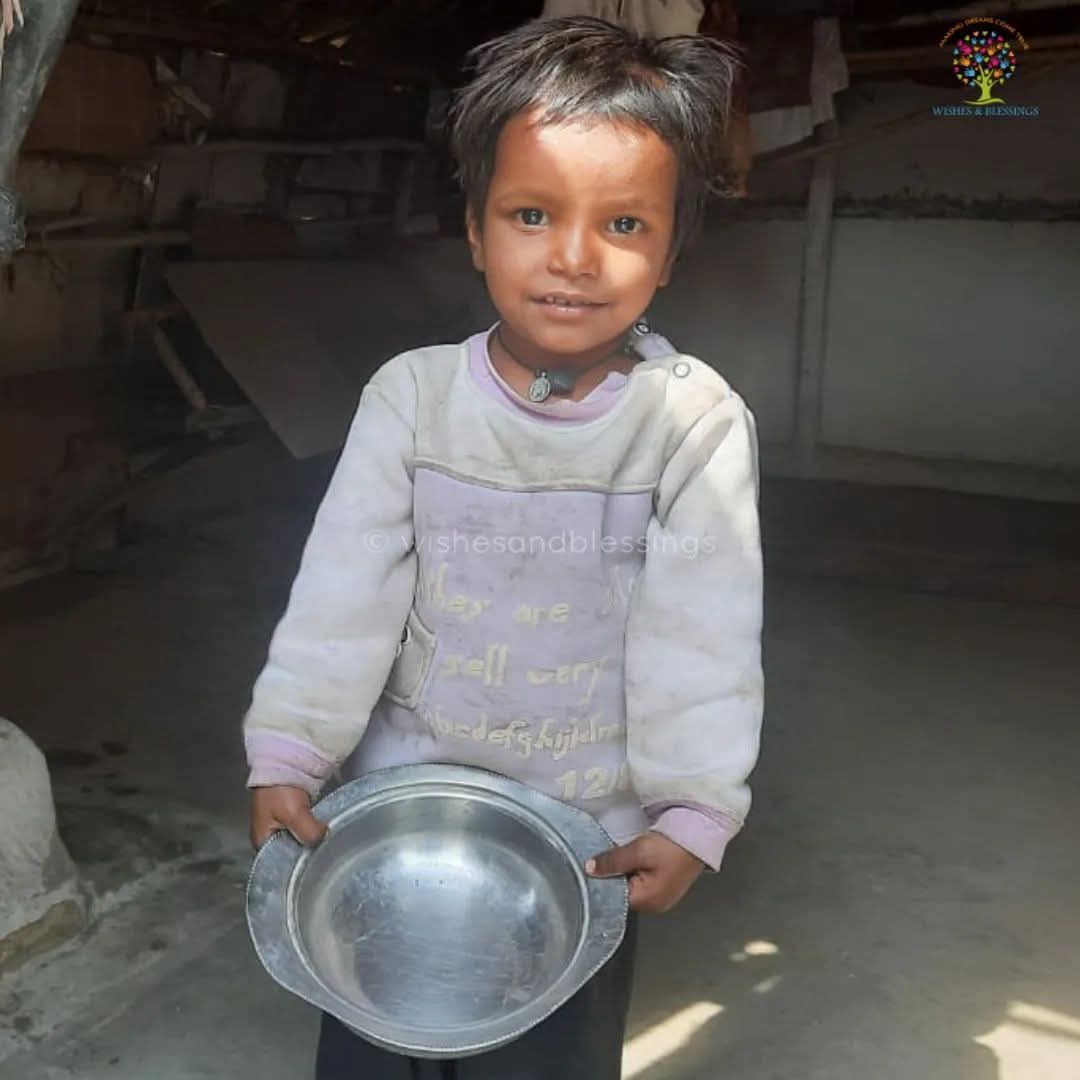
The smart ones combine food with education – “you attend class, you get fed.” Simple but effective.
D. Reintegration with families
Contrary to popular belief, many street kids actually have families. They’ve just run away or been abandoned.
Don Bosco’s family tracing program has reunited over 2,000 children with their families in the last five years alone. Their secret? A massive database and coordination network spanning multiple states.
But reunion is just the first step. The real work comes after.
Childline’s family strengthening program provides:
- Counseling for both child and parents
- Financial support to reduce economic pressures
- Regular follow-ups for at least 18 months
- Parenting skills workshops
- Income generation assistance
Without this comprehensive approach, the sad truth is many kids end up back on the streets within months.
E. Advocacy campaigns
Sometimes changing lives means changing minds first.
Railway Children India’s “Platform Children” campaign shook things up by plastering railway stations (where many street kids live) with powerful imagery and stories. It forced travelers to see these invisible children.
CRY’s multimedia “Street to School” initiative didn’t just raise awareness – it raised ₹3.2 crore for educational programs through clever social media challenges that went viral.
The most effective campaigns get street kids themselves involved as advocates. When a 12-year-old former street child addresses a conference, people listen in a way they never would to adult speakers.
These advocacy efforts have pushed through crucial policy changes, including amendments to the Juvenile Justice Act that now specifically addresses street children’s unique vulnerabilities.
Success Stories and Transformation
From Street to School Transformations
Ever heard of Ashok? At 9, he was picking rags at New Delhi Railway Station. Today, he’s a computer science graduate working for a tech firm.
These miracles happen more often than you’d think. Organizations like Butterflies and Salaam Baalak Trust are behind hundreds of such transformations.
Take Maya’s story – found begging at traffic signals at age 7, she’s now pursuing her dreams in medicine. Or Raju, who went from selling newspapers at signals to becoming a school teacher.
The secret? It’s not just about providing shelter. It’s the holistic approach that works:
- Regular meals and healthcare
- Bridge courses to prepare for formal education
- Counseling to address trauma
- Vocational training alongside academics
The results speak for themselves. Nearly 60% of children in long-term rehabilitation programs complete high school, compared to the near-zero chances they faced on streets.
Entrepreneurship and Leadership Examples
Remember that shoe-shine boy at the local train station? He might just be tomorrow’s CEO.
Kiran was once selling trinkets at Mumbai’s beach fronts. Today, he runs a catering business employing 15 people – many former street kids themselves.
Street children develop incredible resilience and business acumen just to survive. When channeled right, these skills transform into entrepreneurial success.
Some standout examples:
- Ramesh’s mobile repair shop that grew into a chain of four stores
- Priya’s handmade jewelry business that now exports internationally
- The “Street Eats” food truck collective, run entirely by former street children
What’s remarkable is how they approach business – with community at the core. They’re not just building profits, they’re building opportunities.
Former Street Children Giving Back
The most powerful transformation? When yesterday’s helped become today’s helpers.
Across India, former street children are returning to the same corners they once called home – but with a different mission. They’re becoming outreach workers, counselors, and mentors.
Sunita spent 6 years on Delhi’s streets before being rescued. Now she leads night outreach teams, connecting with children who trust her because “she’s been there.”
This cycle of giving back takes many forms:
- Rahul teaching dance classes at the same shelter that once housed him
- Vikas providing legal aid to street children caught in the juvenile justice system
- Meena organizing weekly health camps in areas with high street children populations
The impact is exponential. These returnees have credibility no outside social worker could match. When they say “a different life is possible,” kids believe them because they’re living proof.
How Readers Can Help
A. Responsible ways to support street children
The reality of street children in India is harsh, but your help can make a real difference. Start by educating yourself about their actual needs rather than assuming what might help. Giving money directly to children often reinforces begging cycles and can fund exploitation networks.
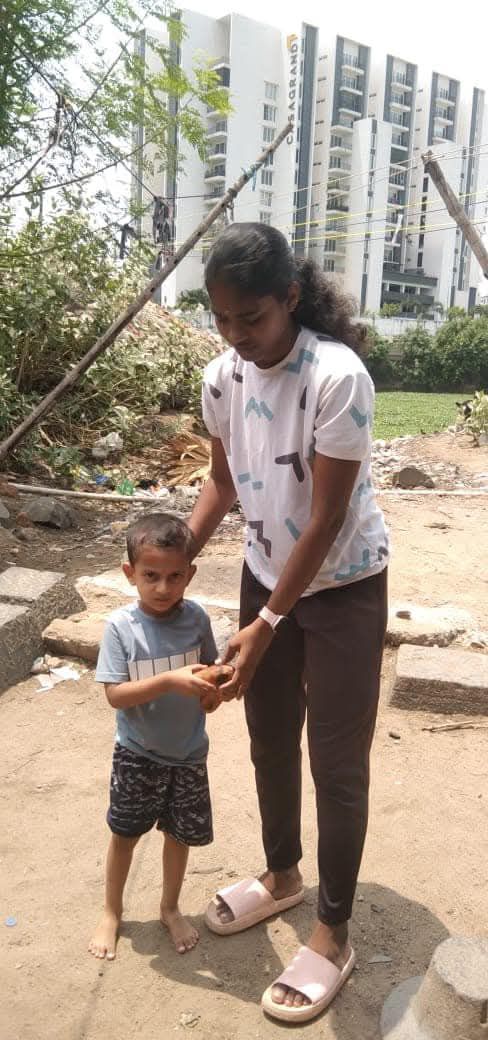
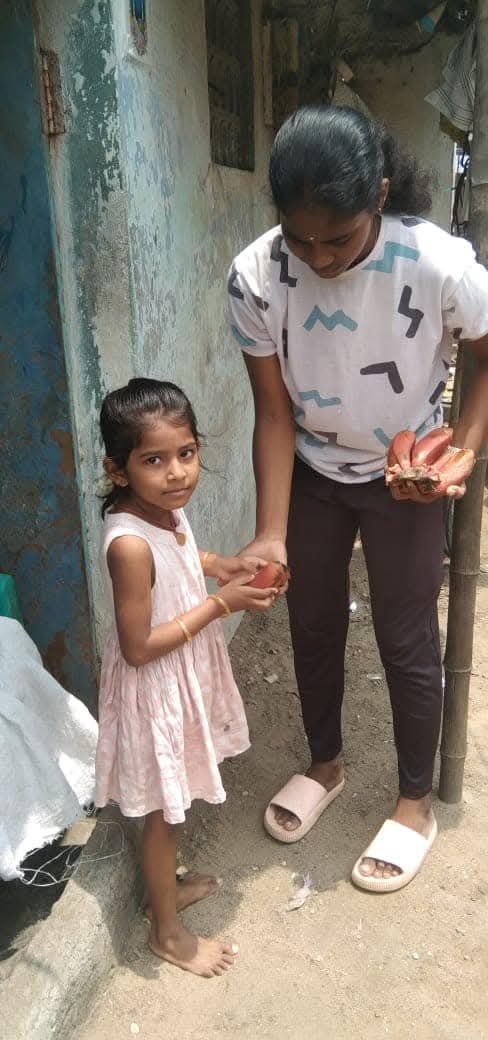
Instead, carry nutritious food packets, clean water, or basic first-aid supplies to distribute when needed. School supplies like notebooks and pencils are also valuable gifts that support education rather than dependency.
Remember – meaningful support creates pathways out of street life, not ways to survive within it.
B. Volunteer opportunities with vetted organizations
Thinking about getting involved hands-on? These organizations do incredible work with street children:
- Salaam Baalak Trust: Offers educational programs and shelter in Delhi and Mumbai
- Butterflies: Focuses on child rights and education through non-formal teaching
- Railway Children India: Works specifically with children at railway stations
- Prayas: Provides comprehensive care including health services
Before volunteering, check the organization’s child protection policies. The best ones require background checks and proper training. Commit to regular schedules when volunteering – these kids need consistency, not tourists dropping by for selfies.
C. Advocacy and awareness actions
Your voice matters more than you think. Share factual information about street children on social media, but skip the poverty porn – those exploitative photos that strip children of dignity.
Talk to your local representatives about policies affecting homeless children. Push for better implementation of the Right to Education Act that guarantees all children access to schooling.
Call out businesses exploiting child labor. Many street kids end up working in restaurants, factories or homes – places you might encounter daily.
D. Ethical donation guidelines
When opening your wallet:
- Donate to registered organizations with transparent financials
- Ask specifically how your money helps children transition OFF the streets
- Consider monthly donations over one-time gifts (programs need sustainable funding)
- Request impact reports showing actual outcomes, not just numbers served
The best donations support family strengthening programs, education initiatives, and vocational training – solutions addressing root causes of child homelessness, not just symptoms.
The plight of street children in India represents one of our society’s most pressing humanitarian challenges. From the harsh realities of daily survival to systematic exploitation and limited access to education, these children face obstacles that no child should endure. Yet, amidst these struggles, we’ve seen remarkable resilience and transformation through dedicated government initiatives and NGO interventions that provide shelter, education, and rehabilitation.
Each of us has the power to contribute to positive change. Whether through supporting reputable organizations, volunteering time and skills, advocating for stronger protective policies, or simply raising awareness, your involvement matters. These children deserve more than survival—they deserve the opportunity to thrive, learn, and build futures filled with possibility. Their stories remind us that with proper support and intervention, transformation is possible, and every child can find their path toward dignity and fulfillment.
