
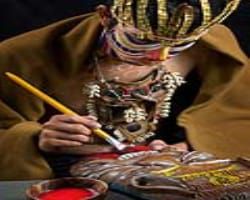
The Maram Tribe represents one of Northeast India’s most fascinating indigenous communities, carrying centuries of unique traditions and cultural practices. This comprehensive guide serves anthropology students, cultural researchers, travelers planning visits to Manipur, and anyone curious about tribal heritage in the region.
The Maram people have maintained their distinct identity through generations of change, offering valuable insights into traditional ways of life that continue today. You’ll discover their ancient origins and how historical migrations shaped their current settlements across the hills of Manipur.
We’ll explore their vibrant cultural traditions, from colorful festivals and ceremonial practices to the intricate social structures that govern daily life. You’ll also learn about their remarkable artistic expressions, including traditional crafts, textiles, and oral storytelling that preserve their ancestral wisdom.
Finally, we’ll examine how the Maram community navigates modern challenges while working to preserve their cultural heritage for future generations. Their story demonstrates both the resilience of indigenous traditions and the ongoing efforts needed to maintain cultural identity in today’s rapidly changing world.
Discover the Rich Heritage and Origins of the Maram People
Trace Ancient Migration Patterns and Settlement History
The Maram people trace their roots back through generations of oral traditions that speak of ancient journeys across the hills and valleys of Northeast India. Archaeological evidence and linguistic studies suggest that the Maram Tribe likely migrated from Southeast Asia during prehistoric times, following river valleys and mountain passes that connected different regions.
Historical accounts indicate that the Maram settled primarily in the present-day Manipur region, establishing their communities in strategic locations that offered both protection and access to natural resources. These early settlements were carefully chosen near water sources and fertile lands, demonstrating the practical wisdom of their ancestors.
The migration patterns show multiple waves of settlement, with different clan groups arriving at various periods. Each wave brought unique cultural elements that eventually blended into the rich tapestry of Maram heritage we see today. Oral histories passed down through generations describe epic journeys, challenges faced during migration, and the eventual establishment of permanent villages.
Understand Traditional Clan Structure and Social Organization
Maram society operates through a sophisticated clan-based system that has governed their communities for centuries. The tribal structure revolves around distinct clans, each with its own identity, responsibilities, and territorial boundaries. These clans serve as the backbone of Maram social organization, providing both identity and governance.
Each clan maintains its own genealogical records through oral traditions, ensuring that family lineages and relationships are preserved across generations. The clan system determines marriage patterns, inheritance rights, and social obligations within the community. Clan elders hold significant authority and are responsible for making important decisions that affect their members.
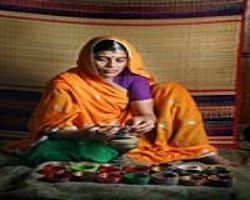
The hierarchical structure includes village chiefs, clan leaders, and council members who work together to maintain order and resolve disputes. This system creates a network of mutual support and accountability that strengthens community bonds. Traditional roles are clearly defined, with specific responsibilities assigned based on age, gender, and clan membership.
Learn About Historical Connections with Neighboring Tribes
The Maram people have maintained complex relationships with surrounding tribal communities throughout their history. These connections include trade partnerships, intermarriage practices, and cultural exchanges that have shaped their development over time. The Maram Tribe particularly shares linguistic and cultural similarities with other Naga tribes, reflecting centuries of interaction and mutual influence.
Historical records show that the Maram engaged in regular trade with neighboring communities, exchanging goods like salt, iron tools, and agricultural products. These economic relationships often led to cultural exchanges, with different tribes sharing festivals, customs, and traditional knowledge.
Territorial boundaries between tribes were traditionally fluid, with seasonal movements for hunting, gathering, and trade creating opportunities for interaction. The Maram developed diplomatic protocols for managing relationships with neighbors, including formal agreements about resource sharing and conflict resolution.
Marriage alliances between tribes created kinship networks that extended beyond immediate community boundaries. These connections served as important diplomatic tools, helping to maintain peace and facilitate cooperation during times of external threats or natural disasters.
Explore Unique Cultural Traditions and Daily Life Practices
Experience Vibrant Festivals and Ceremonial Celebrations
The Maram tribe celebrates several major festivals throughout the year, each marking important seasonal transitions and spiritual beliefs. The harvest festival stands as their most significant celebration, bringing together entire communities in three days of singing, dancing, and feasting. During this time, families prepare traditional rice beer and share it with neighbors, strengthening bonds that have existed for generations.
Religious ceremonies play a central role in Maram culture, with elaborate rituals performed to honor ancestors and seek blessings for the community. The head-taking ceremony, though no longer practiced in its traditional form, remains symbolically important and is commemorated through special dances and storytelling sessions that preserve this aspect of their warrior heritage.
Understand Traditional Marriage Customs and Family Values
Marriage customs among the Maram people follow time-honored traditions that emphasize family approval and community involvement. Young couples typically undergo a courtship period where the boy’s family formally approaches the girl’s family with gifts of meat, rice, and traditional ornaments. The bride price, negotiated between families, reflects respect for the bride’s family and ensures the union receives proper blessing.
Extended families form the backbone of Maram society, with multiple generations living together in traditional houses. Children learn essential life skills from grandparents, while parents work in the fields or pursue other livelihoods. This system creates strong support networks where elderly members receive care and respect, while young people benefit from accumulated wisdom and cultural knowledge.
Discover Age-Old Agricultural Practices and Seasonal Rituals
The Maram tribe practices jhum cultivation, a traditional shifting agricultural method perfectly adapted to their mountainous terrain. Farmers clear small plots of forest land, burn the vegetation to create natural fertilizer, and plant crops in the nutrient-rich soil. After two to three years, they move to new areas, allowing the previous plots to regenerate naturally.
Rice serves as the primary crop, supplemented by maize, vegetables, and various indigenous plants used for food and medicine. The agricultural calendar determines much of daily life, with specific rituals performed before planting, during growth periods, and at harvest time. These ceremonies ask for protection from pests and favorable weather while thanking the earth spirits for their bounty.
Learn About Traditional Clothing and Textile Arts
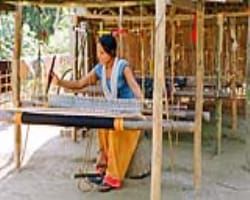
Maram women excel in weaving intricate patterns on traditional looms, creating colorful shawls, skirts, and wraps that identify their tribal affiliation. The weaving process begins with cotton or local fiber, which women spin into thread and dye using natural materials like turmeric, indigo, and local plants that produce vibrant reds and yellows.
Traditional male attire includes simple cotton cloth worn around the waist, often accompanied by colorful headbands and ornamental accessories during festivals. Women wear wrap-around skirts called ‘phanek’ along with beautifully designed blouses and shawls. The geometric patterns woven into these garments carry deep cultural meaning, often representing elements of nature, tribal history, or spiritual beliefs passed down through generations of skilled weavers.
Master the Maram Language and Communication Systems
Understand Basic Language Structure and Unique Features
The Maram language belongs to the Tibeto-Burman family and showcases fascinating linguistic characteristics that set it apart from neighboring tribal languages. Unlike many Indo-European languages, Maram follows a subject-object-verb word order, creating unique sentence structures that reflect the tribe’s distinct worldview.
Tone plays a crucial role in Maram communication, with subtle pitch variations completely changing word meanings. The language contains approximately five tonal levels, making proper pronunciation essential for effective communication. Native speakers develop an acute ear for these tonal nuances from childhood, allowing them to convey complex emotions and concepts through vocal inflection alone.
Maram employs a rich system of honorifics and respectful forms that reflect the tribe’s hierarchical social structure. Different verb forms and vocabulary choices indicate the speaker’s relationship to the listener, showing respect for elders, clan leaders, and spiritual figures. This linguistic courtesy system reinforces social bonds and cultural values through everyday conversation.

The language also features unique classifiers for different types of objects, animals, and concepts. These grammatical markers provide precise categorization that reflects how the Maram people organize and understand their natural environment. For instance, separate classifiers exist for domestic animals, wild creatures, tools, and sacred objects.
Learn Traditional Storytelling and Oral History Methods
These oral traditions follow specific structural patterns that aid memorization and ensure accurate transmission. Stories typically begin with traditional opening formulas that signal the type of narrative being shared – whether historical accounts, creation myths, or moral tales. Rhythmic patterns, repetitive phrases, and mnemonic devices help storytellers maintain consistency across retellings.
The Maram storytelling tradition includes several distinct categories:
- Origin myths explaining tribal beginnings and migrations
- Hero legends celebrating ancestral warriors and leaders
- Moral fables teaching proper behavior and values
- Historical chronicles recording significant events and genealogies
- Seasonal stories tied to agricultural cycles and festivals
Master storytellers adapt their delivery style based on audience and occasion. Children’s stories feature animated voices and interactive elements, while ceremonial narratives employ formal, chanted delivery. Evening gatherings around the fire provide the most common setting for story sharing, creating intimate spaces where cultural knowledge passes naturally from elder to youth.
These oral historians also serve as living libraries, maintaining detailed genealogies that trace family lineages back several centuries. Their remarkable memory skills preserve not just stories, but precise details about historical events, territorial boundaries, and clan relationships.
Discover Sacred Songs and Cultural Expressions
Sacred songs form the spiritual heartbeat of Maram culture, connecting the community to ancestors, deities, and the natural world through melodic expression. These musical traditions encompass various ceremonial contexts, each with distinct vocal styles, rhythmic patterns, and instrumental accompaniments.
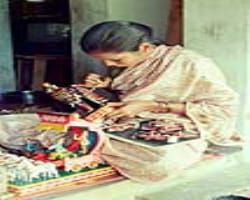
Harvest songs celebrate agricultural abundance and express gratitude to earth spirits for successful crops. These compositions feature call-and-response patterns that unite entire villages in collective celebration. The melodies incorporate specific tonal sequences believed to please agricultural deities and ensure continued fertility of the land.
Funeral dirges represent some of the most emotionally powerful musical expressions in Maram culture. These haunting compositions guide deceased souls to the afterlife while providing comfort to grieving families. Only specially trained singers perform these sacred melodies, as improper execution could disturb spiritual balance.
Wedding songs create joyful atmospheres during marriage celebrations, with different melodies for various ceremonial stages. These musical expressions strengthen community bonds while blessing new unions with prosperity and happiness.
Instrumental music accompanies many vocal traditions, with bamboo instruments holding special significance. The Maram people craft flutes, mouth harps, and percussion instruments from locally sourced bamboo, creating sounds that echo through mountain valleys during festivals and ceremonies.
Navigate Traditional Governance and Social Systems
Understand Village Council Leadership Structure
The Maram tribe operates through a sophisticated council system that has evolved over centuries. Each village maintains its own council of elders, typically composed of respected community members who have demonstrated wisdom and leadership throughout their lives. These councils function as the primary decision-making bodies, with membership usually reserved for men who have reached specific age milestones and shown exceptional judgment in community matters.
Village chiefs, known locally by specific traditional titles, serve as the primary representatives of their communities. These leaders inherit their positions through hereditary lines but must also earn the respect and approval of village residents. The chief works alongside a council of advisors, including representatives from different clans within the village, ensuring that all family groups have a voice in important decisions.
Learn About Conflict Resolution and Justice Methods
When disputes arise within Maram communities, traditional methods prioritize restoration over punishment. Village elders convene special hearings where both parties present their cases before the assembled community. These proceedings focus on understanding the root causes of conflicts and finding solutions that benefit everyone involved.
The Maram approach to justice emphasizes compensation rather than retribution. For property disputes, theft, or personal grievances, offenders typically provide restitution to victims through livestock, goods, or community service. Serious offenses may result in temporary exile or the requirement to perform specific rituals to restore harmony within the village.
Community mediation sessions often involve extended family members and respected neutral parties who help guide discussions toward mutually acceptable resolutions. These gatherings strengthen social bonds while addressing underlying tensions that could escalate into larger problems.
Discover Traditional Laws and Community Guidelines
Maram society operates under an intricate system of customary laws passed down through oral traditions. These guidelines govern everything from marriage customs and inheritance rights to agricultural practices and resource sharing. Sacred groves, water sources, and hunting grounds fall under strict traditional protections that community members respect without question.
Marriage laws within Maram culture include specific rules about clan intermarriage, bride price negotiations, and ceremonial requirements. Young people learn these customs from childhood, understanding their roles in maintaining cultural continuity and social stability.
Property rights follow ancestral patterns, with land ownership typically remaining within family lines across generations. Community gardens and shared spaces operate under collective management systems where village councils allocate usage rights based on need and traditional agreements.
Explore Modern Adaptations of Ancient Governance
Today’s Maram communities blend traditional governance with modern administrative requirements. Village councils now interface with government officials while maintaining their authority over internal community affairs. Many villages have adapted their meeting structures to include written records alongside oral traditions, helping preserve decisions for future reference.
Younger Maram leaders increasingly participate in council proceedings, bringing fresh perspectives while respecting established protocols. These emerging leaders often serve as bridges between traditional practices and contemporary challenges, helping their communities navigate issues like education access, healthcare needs, and economic development opportunities.
Modern communication tools now supplement traditional decision-making processes, allowing scattered family members to participate in important discussions through phone calls or digital platforms when physical attendance isn’t possible.
Appreciate Art, Craftsmanship, and Creative Expressions
Explore Traditional Woodcarving and Bamboo Crafts
The Maram Tribe has mastered the art of transforming natural materials into functional and decorative pieces that reflect their deep connection to the forest environment. Their woodcarving traditions showcase intricate patterns and motifs that tell stories of ancestral wisdom and daily life experiences.
Skilled artisans within the community carve elaborate designs on house posts, doors, and ritual objects using traditional tools passed down through generations. These carvings often feature geometric patterns, animal representations, and spiritual symbols that hold significant cultural meaning. The most common wood types used include teak, oak, and local hardwoods known for their durability and grain patterns.
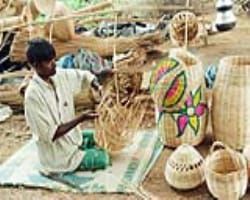
Bamboo craftsmanship represents another cornerstone of Maram artistic expression. Community members create an impressive array of items including baskets, fishing traps, musical instruments, and household containers. The versatility of bamboo allows artisans to weave complex patterns and construct items that serve both practical and ceremonial purposes. Women typically excel in bamboo weaving, creating tightly woven baskets with distinctive patterns that identify their maker and village origin.

The construction techniques involve splitting bamboo into thin strips, treating them for flexibility, and weaving them into various shapes and sizes. Each piece requires careful attention to detail and represents hours of dedicated work that combines functionality with aesthetic beauty.
Discover Pottery Making and Household Item Creation
Pottery making within the Maram community follows time-honored techniques that have remained largely unchanged for centuries. Women traditionally dominate this craft, using clay sourced from specific riverbanks and hillsides known for their quality and workability.
The pottery creation process begins with clay preparation, where raw materials are cleaned, kneaded, and mixed with organic materials to improve strength and workability. Artisans shape vessels by hand without using pottery wheels, relying instead on coiling and pinching techniques that create distinctive forms and textures.
Common pottery items include water storage jars, cooking pots, serving bowls, and ceremonial vessels. Each piece features unique decorative elements applied before firing, including impressed patterns, painted designs, and textured surfaces created with natural tools like shells, seeds, and wooden implements.
The firing process takes place in open fires or simple kilns, where temperature control requires considerable skill and experience. Finished pottery often displays beautiful color variations and smoke patterns that occur naturally during the firing process.
Beyond pottery, the Maram people create numerous household items using locally available materials. Gourds become water containers and storage vessels, while woven palm leaves form mats, hats, and temporary shelters. These creations demonstrate the community’s resourcefulness and ability to transform natural materials into essential daily-use items.
Learn About Traditional Music and Musical Instruments
Music plays a central role in Maram cultural expression, accompanying everything from daily work songs to elaborate ceremonial celebrations. The community has developed a rich musical tradition that incorporates various instruments, vocal techniques, and rhythmic patterns unique to their heritage.
Traditional instruments include bamboo flutes of varying sizes, each producing different tonal qualities and ranges. Craftsmen carefully select bamboo sections and create finger holes with precise measurements to achieve desired pitch and sound quality. Drums made from hollowed logs and animal hide provide rhythmic foundations for group performances and ritual ceremonies.
String instruments crafted from bamboo and natural fibers create melodic accompaniments for storytelling and folk songs. These instruments often feature intricate decorative carvings and are considered both musical tools and artistic objects worthy of display and preservation.
Vocal traditions within the Maram Tribe include call-and-response patterns, harmonic singing styles, and narrative songs that preserve historical events and cultural teachings. Community gatherings often feature group singing where different age groups contribute their voices in layered harmonies that create rich, complex soundscapes.
The music serves multiple purposes beyond entertainment, including communication across distances, coordination of group work activities, and spiritual connection during religious ceremonies. Young community members learn these musical traditions through observation and participation, ensuring cultural continuity across generations.
Understand Symbolic Art and Cultural Meanings
Symbolic art permeates every aspect of Maram creative expression, with specific motifs and designs carrying deep cultural significance that connects the community to their ancestral beliefs and natural environment. These symbols appear on clothing, household items, architectural elements, and ceremonial objects, creating a visual language that communicates cultural values and spiritual concepts.
Animal motifs frequently appear in Maram art, with each creature representing specific qualities and powers. Tiger patterns symbolize strength and courage, while bird designs represent freedom and spiritual connection to the sky realm. Fish symbols indicate abundance and fertility, reflecting the community’s relationship with water sources and aquatic resources.
Geometric patterns hold equally important meanings, with specific combinations representing family lineages, clan affiliations, and social status within the community. Circular designs often symbolize unity and completeness, while angular patterns may represent mountains, paths, or spiritual journeys.
Color choices in Maram art also carry symbolic weight, with red representing life force and vitality, black symbolizing wisdom and depth, and white indicating purity and spiritual connection. These colors appear in textile dyeing, body painting, and decorative applications across various art forms.
The placement and combination of symbols follow traditional rules and customs that ensure proper cultural representation and respect for ancestral teachings. Elders within the community serve as guardians of this symbolic knowledge, teaching younger generations the appropriate use and meaning of each design element to maintain cultural authenticity and spiritual significance.
Address Modern Challenges and Preservation Efforts
Understand Impact of Modernization on Traditional Life
The Maram tribe faces significant pressures as modern development encroaches upon their ancestral territories. Traditional farming practices that sustained generations now compete with industrial agriculture and commercial logging operations. Young Maram people increasingly migrate to urban centers seeking education and employment opportunities, creating a demographic shift that threatens the transmission of cultural knowledge.
Digital technology brings both opportunities and challenges. While smartphones and internet access connect isolated villages to the broader world, they also expose younger generations to external influences that can overshadow local customs. Traditional storytelling sessions around evening fires compete with television and social media for attention. The oral traditions that once served as the primary vehicle for passing down history, myths, and moral teachings face an uncertain future.
Land ownership disputes have intensified as government development projects and private enterprises seek to establish operations in Maram territories. Sacred groves and burial grounds, considered inviolable by tribal law, sometimes clash with infrastructure development plans. The delicate balance between preserving cultural sites and embracing beneficial modernization requires careful navigation.
Climate change adds another layer of complexity. Shifting weather patterns affect traditional agricultural cycles that the Maram have followed for centuries. Unpredictable rainfall and temperature changes force adaptations in crop selection and farming techniques, sometimes disrupting time-honored practices that connect the community to their ancestral wisdom.
Learn About Educational Initiatives and Cultural Programs
Community leaders within the Maram tribe have launched innovative educational programs that bridge traditional knowledge with contemporary learning needs. Village schools now incorporate local history and cultural practices into their curricula, ensuring children learn about their heritage alongside standard academic subjects. Elders serve as guest instructors, sharing traditional crafts, medicinal plant knowledge, and storytelling techniques with younger students.
Language preservation efforts have become particularly crucial as fewer children speak the native Maram dialect fluently. Community-led language schools meet weekly, teaching traditional songs, prayers, and everyday conversation skills. Audio recording projects document elder speakers sharing folktales and historical accounts, creating digital archives for future generations.
Cultural festivals and competitions encourage youth participation in traditional activities. Annual events showcase traditional dance, music, and handicrafts, offering prizes and recognition to young people who demonstrate mastery of ancestral skills. These gatherings strengthen intergenerational bonds while making cultural participation exciting and relevant for contemporary youth.
Scholarship programs support Maram students pursuing higher education with the expectation that graduates will return to contribute to their communities. Professional training in fields like healthcare, education, and sustainable agriculture helps build local capacity while maintaining cultural connections. Mentorship networks connect urban-educated Maram individuals with their home communities, facilitating knowledge exchange and cultural continuity.
Discover Economic Development and Sustainable Practices
The Maram tribe has embraced sustainable economic development strategies that honor their environmental stewardship traditions while creating income opportunities. Community-based ecotourism initiatives allow visitors to experience authentic Maram culture through guided village walks, traditional craft workshops, and participation in daily activities like farming and cooking.
Organic farming cooperatives have emerged as successful economic models. Maram farmers leverage their traditional knowledge of pesticide-free cultivation to produce premium crops for urban markets. These cooperatives provide training in modern packaging and marketing techniques while preserving ancestral agricultural wisdom. Fair trade partnerships ensure farmers receive competitive prices for their products.
Traditional craft production has found new markets through online platforms and cultural centers. Skilled artisans create baskets, textiles, and wood carvings using time-honored techniques, with profits supporting entire extended families. Workshops train younger community members in these crafts, ensuring skills transfer while creating employment opportunities.
Forest conservation programs combine environmental protection with economic benefits. The Maram tribe participates in carbon credit initiatives, receiving payment for maintaining their forest territories. Sustainable harvesting of non-timber forest products like medicinal plants, honey, and bamboo provides supplementary income while encouraging forest preservation.
Microfinance programs tailored to tribal communities offer small loans for agricultural improvements, craft equipment, and small business development. These initiatives respect traditional decision-making processes and repayment structures that align with seasonal income patterns and communal support systems.
The Maram tribe stands as a testament to cultural resilience, with their vibrant traditions and sophisticated social systems creating a blueprint for community living that has endured for generations. From their intricate governance structures to their masterful craftsmanship, the Maram people have built a way of life that balances respect for ancestors with practical wisdom for daily survival. Their language serves not just as communication but as a living repository of knowledge, stories, and values that bind the community together.
Today, the Maram people face the delicate challenge of preserving their identity while adapting to a rapidly changing world. Supporting their efforts means recognizing that indigenous knowledge systems like theirs offer valuable insights for sustainable living and community building. Take time to learn about the Maram tribe and other indigenous communities – their stories remind us that diversity in human culture is not just beautiful, but essential for our collective future.
