
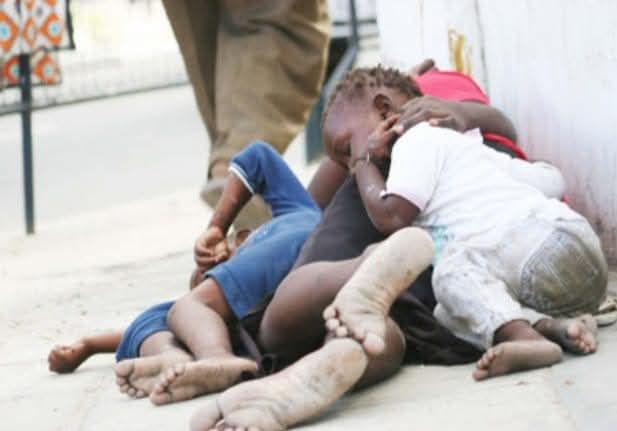
Picture this: a 13-year-old boy huddled under a bridge, battling not just hunger and cold, but crushing depression. No one sees him. No one hears his silent screams.
Every day, millions of street children worldwide face trauma that would break most adults. Yet we rarely talk about their mental health struggles – the invisible wounds that often hurt more than physical ones.
The mental health of street children isn’t just a humanitarian concern; it’s a public health emergency hiding in plain sight. These kids experience PTSD rates higher than war veterans, with almost no access to support.
But what happens when these children finally find help? And why do traditional mental health approaches so often fail them? The answer might challenge everything you think you know about childhood trauma.
The Hidden Crisis: Understanding Street Children’s Mental Health
A. Defining the vulnerable population: Who are street children?
Street children are kids who live or work on the streets with little to no adult supervision or care. They’re not just homeless – they’re disconnected from family support, education, healthcare, and protection.
Most fall into three categories:
- Children of the street: Live permanently on streets, with no family contact
- Children on the street: Work on streets during day, return to some form of family at night
- Children at risk: Live in extreme poverty with families who can’t meet basic needs
These kids end up on streets due to poverty, family breakdown, abuse, conflict, or being orphaned. Some are trafficked or forced into street life. They survive through begging, informal jobs, petty theft, or worse – all while navigating daily dangers.
B. Prevalence of mental health issues among street children
The numbers are staggering. Studies show 80-90% of street children experience significant mental health problems – that’s 3-4 times higher than housed children from similar socioeconomic backgrounds.
Common conditions include:
- Depression (40-60%)
- Anxiety disorders (30-50%)
- PTSD (25-35%)
- Substance use disorders (up to 70%)
- Self-harm and suicidal ideation (25-30%)
And most kids deal with multiple conditions at once. The worst part? Almost none receive proper treatment.
C. Key psychological challenges faced daily
Street kids don’t just lack food and shelter – they face crushing psychological burdens:
- Constant survival mode: Never knowing where your next meal comes from rewires your brain
- Trust issues: Adults have failed them repeatedly
- Identity struggles: No sense of belonging or self-worth
- Chronic fear: Violence and exploitation are everyday threats
- Substance dependence: Many use drugs to cope with trauma or hunger
- Learned helplessness: Believing you have no control over your life
Their brains are literally developing differently because of these pressures. Every day requires psychological defenses most adults couldn’t handle.
D. The cycle of trauma and its impact on development
Trauma isn’t a one-time event for street children – it’s their constant reality.
This ongoing stress floods developing brains with cortisol and adrenaline, literally changing brain architecture. The prefrontal cortex (decision-making), hippocampus (memory), and amygdala (emotion regulation) are particularly damaged.
What this means:
- Stunted cognitive development
- Difficulty forming healthy attachments
- Poor impulse control
- Hypervigilance that persists even in safe environments
- Distorted sense of time and future planning abilities
The tragic cycle continues because trauma responses that help survive on streets (aggression, dissociation, hyperarousal) become barriers to rehabilitation and reintegration.
Without intervention, these developmental impacts can permanently alter life trajectories – making mental health support not just important, but absolutely critical to breaking the cycle.
Root Causes of Mental Health Struggles
Family breakdown and abandonment
The heartbreaking reality for many street children starts at home. When families fall apart, kids often find themselves with nowhere to go. Picture a 10-year-old whose parents divorced, and neither wanted custody. Or the teenager whose mom died and dad remarried someone who didn’t want “extra baggage.”
These kids didn’t choose the streets. The streets chose them.
Family rejection cuts deep. It creates wounds that fester into serious mental health issues – depression, anxiety, and profound trust issues. How can you trust anyone when the people who were supposed to love you unconditionally threw you away?
Poverty as a driving factor
Poverty isn’t just about empty stomachs. It’s about empty futures.
For many families living on the edge, one medical emergency or job loss can push their children onto the streets. Parents sometimes make the gut-wrenching choice to send kids to fend for themselves because they simply can’t feed everyone.

This economic abandonment creates massive psychological burdens. Street children internalize messages that they’re disposable, worthless, or a burden. They carry guilt for existing and shame for needing help. Their developing brains marinate in chronic stress hormones that literally change how their minds work.
Physical and sexual abuse histories
The brutal truth? Many kids flee to the streets to escape something worse at home.
A staggering number of street children have histories of physical violence, sexual abuse, or both. Their young minds process trauma in ways that manifest as:
- Hypervigilance (always on edge)
- Dissociation (mentally checking out)
- Self-destructive behaviors
- Difficulty regulating emotions
When your earliest experiences teach you that pain comes from those closest to you, your brain rewires itself for survival, not happiness.
Substance abuse as both cause and consequence
Drugs and alcohol play a cruel dual role in street children’s lives.
Sometimes, parental addiction drives kids to the streets when home becomes chaotic or dangerous. Other times, substance abuse becomes the coping mechanism after hitting the streets.
Street kids often use substances to:
- Numb physical pain from hunger or exposure
- Self-medicate emotional wounds
- Feel temporary belonging in street communities
- Escape the horrific reality of their circumstances
This creates a vicious cycle where substances temporarily soothe mental health issues while simultaneously making recovery more difficult.
Lack of educational opportunities
Education isn’t just about books and diplomas. It’s about having the tools to understand yourself and your world.
When street children miss out on education, they lose:
- Structure and routine that builds mental resilience
- Safe adults who might notice mental health struggles
- Opportunities to develop problem-solving skills
- Peer relationships that nurture social development
- Pathways to imagine and create different futures
Without educational foundations, street children struggle to conceptualize their own mental health needs or envision possibilities beyond immediate survival.
Common Mental Health Conditions Among Street Children
A. Post-traumatic stress disorder (PTSD)
The harsh reality of street life hits these kids with constant threats and violence. Many have escaped abuse at home only to face new dangers on the streets. When a child witnesses violence or experiences assault, their developing brain can’t process it properly.
PTSD symptoms show up differently in street children than adults. They might seem jumpy all the time, have terrible nightmares, or completely shut down emotionally. Some kids relive their traumas during the day through flashbacks that feel terrifyingly real.
What makes it worse? These kids rarely have safe spaces to recover or trustworthy adults to help them process what happened.
B. Depression and anxiety
Depression creeps in quietly among street children. When you’re fighting for basic survival every day, hopelessness becomes your shadow. These kids often show depression through irritability rather than sadness – quick to anger, unable to find joy in anything.
Anxiety follows them everywhere. Will I eat today? Is it safe to sleep here? What if police come? This constant state of alertness wears them down mentally.
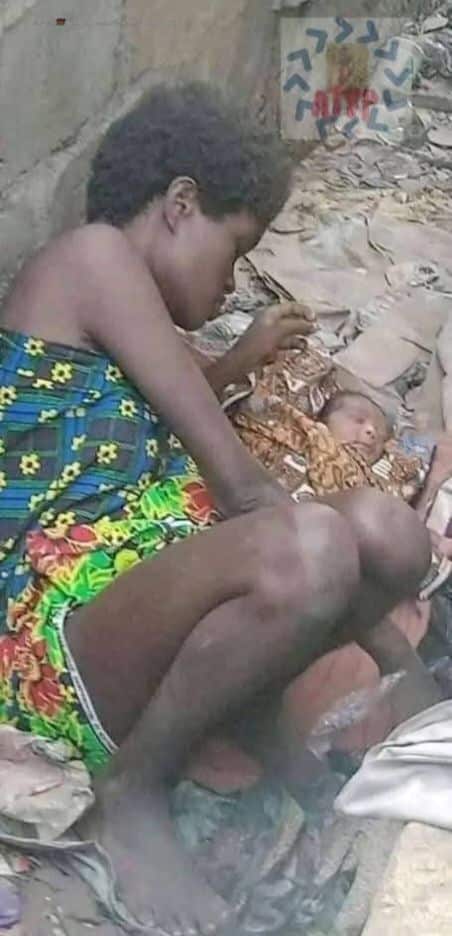
The combo of depression and anxiety creates a vicious cycle. The more anxious they feel, the more depressed they become about their situation, which triggers more anxiety.
C. Substance use disorders
Street kids don’t turn to substances for fun – they’re self-medicating. Glue, paint thinner, alcohol – these become escape routes from unbearable reality.
Initially, substances help numb physical pain (hunger, cold) and emotional suffering. But dependency develops frighteningly fast in developing brains. What starts as occasional relief becomes physical addiction.
The worst part? These toxic substances cause permanent cognitive damage during crucial brain development years.
D. Developmental and behavioral disorders
Street life disrupts normal child development at every stage. Many show signs of attachment disorders from early abandonment. Without consistent caregivers, they struggle to form healthy relationships.
Learning disabilities go undiagnosed and untreated. A child who might have mild ADHD in a supportive home environment develops severe behavioral problems on the streets.
Conduct disorders emerge as survival mechanisms. Aggressive behavior, stealing, and lying become necessary skills, not moral failings. These children aren’t “bad kids” – they’re adapting to survive in environments no child should ever experience.
Survival Strategies and Their Psychological Impact
Adaptive behaviors that protect and harm
Street kids don’t just survive—they become masters of adaptation. They learn to read people in seconds, figuring out who might help them and who might hurt them. This hypervigilance keeps them safe but comes at a cost: constant stress that rewires their developing brains.
Many develop a tough exterior that shields their vulnerability. “You can’t cry on the streets,” a 14-year-old in Mumbai told me. “People see weakness and they pounce.”
These kids often create elaborate systems for finding food, shelter, and money. Some become expert scavengers, others develop charm and storytelling abilities to evoke sympathy. While these skills help them survive day-to-day, they can become deeply ingrained patterns that make reintegration into mainstream society incredibly difficult.
Formation of street families and peer support
When biological families fail them, street children create their own. These “street families” operate with surprisingly complex social structures—with leaders, protectors, and specific roles for different members.
“My street brothers watch my back better than my real brothers ever did,” explained a 12-year-old in Nairobi.
These bonds can provide crucial emotional support, a sense of belonging, and protection from outside threats. Kids share food, knowledge, and safety strategies. The psychological benefit is enormous—having someone who cares whether you live or die can be the difference between hope and despair.
Risky behaviors as coping mechanisms
The harsh reality of street life pushes children toward dangerous coping mechanisms. Substance abuse runs rampant—glue, paint thinner, and other inhalants offer temporary escape from hunger, cold, and emotional pain.
Sexual risk-taking often begins as survival sex but becomes normalized. Criminal activities start as necessity but can evolve into identity.
What outsiders see as “bad choices” are often rational responses to impossible situations. A 16-year-old in Rio put it plainly: “When you’re hungry enough, consequences don’t matter anymore.”
These behaviors serve immediate psychological needs—numbing pain, creating excitement in otherwise hopeless lives, and providing a sense of control in an uncontrollable existence. The tragic irony? The very strategies that help these children survive today are often what prevent them from building sustainable futures.
Barriers to Mental Health Support
A. Limited access to healthcare systems
The harsh reality for street children is that healthcare systems might as well be on another planet. Most don’t have ID cards, birth certificates, or permanent addresses—things the rest of us take for granted when walking into a clinic. Without these basics, they’re essentially invisible to formal healthcare.
Money’s another massive hurdle. When you’re scraping by for your next meal, paying for a therapy session isn’t even on your radar. Even in countries with “free” healthcare, transportation costs alone can be impossible barriers.
And let’s talk about those healthcare hours. Most clinics operate 9-5, exactly when street kids are hustling to survive. Missing work means no food that day. Pretty simple math.
B. Stigma and discrimination from society
Street children carry a double burden of stigma—both from living on the streets and from mental health issues. They’re often treated like criminals rather than vulnerable kids who need help.
Healthcare providers themselves sometimes perpetuate this discrimination. A street child showing up disheveled at a clinic might get judging looks or dismissive treatment. Some providers assume they’re just seeking drugs or attention.
This rejection doesn’t just hurt feelings—it creates lasting damage. After being turned away or mistreated a few times, would you keep trying?
C. Trust issues and reluctance to seek help
When your life experience has taught you adults can’t be trusted, why would you open up to a stranger in an office? Many street children have histories of abuse from the very people who should have protected them.
The mental health system itself can feel threatening. Formal settings, complicated intake forms, and clinical language create barriers as solid as concrete walls. And many fear that seeking help means being institutionalized or returned to abusive homes.
D. Lack of specialized mental health services
Standard mental health approaches often fall flat for street children. Their trauma isn’t typical—it’s complex, ongoing, and intertwined with daily survival.
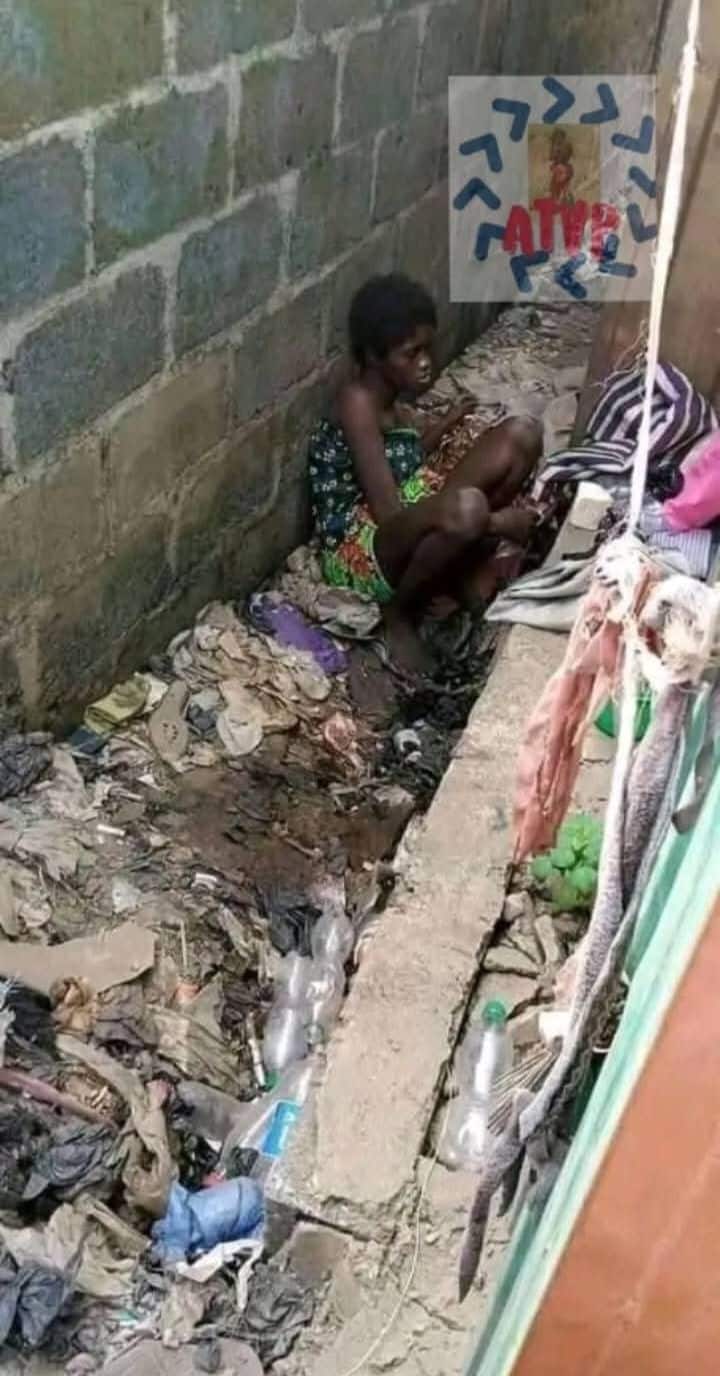
Few mental health professionals receive specialized training for working with this population. The unique combination of trauma, substance use, and survival behaviors requires specific expertise that’s rarely available.
Mobile clinics and outreach services—the kinds that might actually reach these kids—are chronically underfunded. And long-term care? Almost non-existent, even though the issues these children face don’t resolve with a few sessions.
Effective Intervention Approaches
Trauma-informed care models
These kids have seen things no child should see. That’s why trauma-informed care isn’t just nice to have—it’s essential. The best models recognize that “bad behavior” isn’t rebellion, it’s survival.
Street children develop adaptive responses to chaotic environments. When a counselor understands this, magic happens. Instead of asking “what’s wrong with you?” they ask “what happened to you?”
Programs like SafeSpace in Mumbai show impressive results. They train all staff—from security guards to therapists—to recognize trauma signs. Their approach cuts through the tough exterior these kids develop, helping them feel safe enough to open up.
Street outreach programs that work
You can’t help kids who don’t trust you. Mobile health units meet children where they are—literally.
The Baaba Project in Nairobi brings mental health services directly to street corners and abandoned buildings. Their team includes former street children who speak the language—both literally and figuratively—of the kids they’re trying to reach.
What makes these programs stick? Consistency. When the same faces show up every Tuesday at 4pm with no agenda beyond building trust, kids start to believe adults might actually care.
Art and play therapy successes
Words fail when trauma runs deep. That’s where art steps in.
In Rio’s favelas, a program called Cores da Rua (Colors of the Street) gives kids paint, clay, and a safe space. The results are stunning—not just the artwork but the healing.
One boy who hadn’t spoken in months after witnessing violence created a series of clay figures that told his story when his voice couldn’t. By the sixth session, he was talking again.
Play therapy works similar wonders. Through structured play, children process experiences too overwhelming for their developing minds to handle directly.
Building resilience through skill development
Street smarts only get you so far. Teaching practical skills builds both capability and confidence.
The most effective programs balance immediate needs with future planning. Kids learn conflict resolution, emotional regulation, and decision-making alongside practical skills like financial literacy.
In Bangladesh, the “Street Champions” program teaches self-advocacy alongside vocational training. Participants show dramatically lower rates of depression and substance abuse compared to their peers.
The secret ingredient? Letting kids lead. When they help design the programs, engagement soars.
Cultural considerations in mental health support
Western mental health models often flop when transplanted without adaptation. Local cultural contexts matter enormously.
In indigenous communities, healing circles incorporate traditional practices alongside modern therapy. Faith-based approaches work wonders in religious communities where spiritual leaders hold trust.
The Puentes program in Central America trains local community leaders as first-line mental health supporters, honoring cultural norms around privacy, family, and healing.
The bottom line? Mental health support must speak the cultural language of the children it aims to help. Cookie-cutter approaches fail. Customized, culturally-sensitive care transforms lives.
Success Stories and Case Studies
Transformative intervention programs worldwide
Ever seen a program so good it changes lives overnight? Me neither. Real change takes time, but some global initiatives are crushing it when it comes to helping street children heal mentally.
In Brazil, the Projeto Quixote turns abandoned spaces into vibrant community centers where street kids create art, receive therapy, and rebuild their self-worth. Their rates of successful reintegration? Nearly 70% of participants reconnect with families or find stable living situations.
Cambodia’s Friends-International deserves a shoutout too. They’ve pioneered a “survival to success” approach, combining immediate mental health support with vocational training. Their secret sauce? Training former street youth to become peer counselors who truly understand the trauma.
Individual journeys of recovery and reintegration
Maria from Mexico City was 12 when she entered a support program. Struggling with depression after three years on the streets, she couldn’t make eye contact during therapy sessions. Two years later? She’s back in school and mentoring younger kids.
Raj’s story from Delhi hits different. After battling substance abuse and severe PTSD, a combination of trauma-informed care and family therapy helped him not just recover but thrive. He now runs a small shop and advocates for mental health resources.
These aren’t just feel-good stories. They’re proof that with the right support, kids can overcome seemingly impossible trauma.
Long-term outcomes of successful support
The numbers don’t lie. Studies tracking street children who received comprehensive mental health support show:
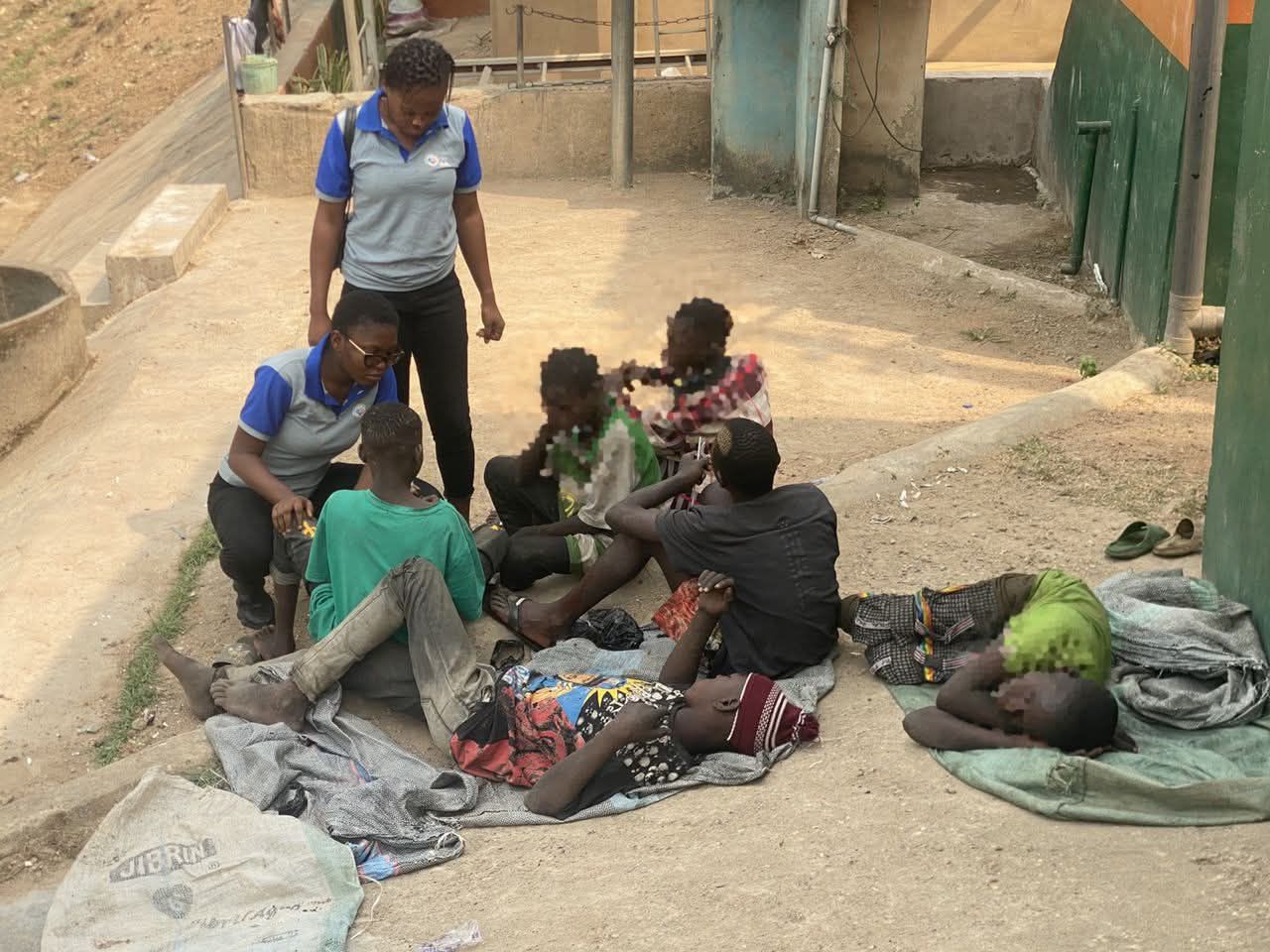 What works isn’t complicated – it’s just hard to implement consistently. Programs that stick with kids for the long haul, addressing both trauma and practical needs, see the best results.
The ripple effects extend beyond individuals. Former street children who heal mentally often become community leaders, breaking cycles of homelessness across generations.
Policy Recommendations for Sustainable Change
A. Integrating mental health into street children programs
Street kids need mental health care just as much as they need food and shelter. Yet most programs only focus on basic needs. What gives?
When programs add mental health services, they see dramatically better outcomes. Kids start healing from trauma, building trust, and developing coping skills that stick.
Here’s what works:
- Screening tools that identify mental health needs early
- Regular check-ins that don’t feel clinical or scary
- Partnerships with mental health professionals who understand street life
- Peer support groups where kids can relate to each other
The key is making mental health part of everything – not a separate service that feels optional or stigmatized.
B. Training frontline workers in psychological first aid
The people who work directly with street children need more than good intentions. They need skills.
Psychological first aid isn’t complicated, but it’s powerful. It teaches workers how to:
- Respond to crisis without making things worse
- Listen without judgment
- Connect kids to support services when they’re ready
- Take care of their own mental health
Most street children have survived multiple traumas. When a worker responds poorly – even with good intentions – it can retraumatize a child. But basic training can prevent this.
The best training programs include role-playing, supervision, and refresher courses. They also acknowledge the emotional toll this work takes.
C. Creating safe spaces for healing and growth
Street children have learned not to trust. Their survival has depended on constant vigilance. So creating genuine safe spaces takes more than four walls and a roof.
Effective safe spaces include:
- Physical safety from violence and exploitation
- Emotional safety where feelings are validated
- Predictable routines that build security
- Opportunities for play and creativity
- Child-led activities that restore a sense of control
- Zero tolerance for any form of abuse
D. Advocacy for child rights and protection legislation
Policies matter. Individual programs can only do so much without legal frameworks that protect street children.
Effective advocacy pushes for:
- Legal recognition of street children as rights-holders
- Mechanisms to report and address violence against children
- Alternatives to detention and criminalization
- Budget allocations for mental health services
- Child-friendly justice systems
The most successful advocacy efforts include street children’s voices. Their experiences should shape the policies meant to protect them.
Lawmakers often see street children as problems rather than citizens with rights. Changing this perspective is essential for creating sustainable change.
The Hidden Reality of Street Children’s Mental Health
Addressing this crisis requires a multi-faceted approach combining immediate psychological support with systemic change. The success stories highlighted demonstrate that with appropriate interventions—trauma-informed care, stable housing, education access, and community support—transformation is possible. Moving forward, we must advocate for policies that prioritize street children’s wellbeing, increase funding for mental health services, and tackle the root causes of homelessness. Only through sustained commitment to both immediate support and long-term solutions can we truly help these vulnerable children heal and thrive.
