
Introduction to Monotheism
Monotheism, the belief in a single, all-powerful deity, has shaped human history and culture for thousands of years. This concept of one God stands in contrast to polytheism, which involves the worship of multiple gods. Monotheism has influenced not only religious practices but also philosophy, ethics, and social structures across the globe.
Thank you for reading this post, don't forget to subscribe!The Origins of Monotheism
The roots of monotheism can be traced back to ancient civilizations. While it’s difficult to pinpoint an exact origin, several key moments in history contributed to its development:
- Ancient Egypt: Some scholars argue that Pharaoh Akhenaten’s worship of Aten, the sun disk, as the sole god in the 14th century BCE was an early form of monotheism.
- Zoroastrianism: This ancient Persian religion, founded by the prophet Zoroaster around 1500 BCE, is considered one of the earliest monotheistic faiths.
- Judaism: The Hebrew Bible recounts the story of Abraham, who is believed to have established a covenant with one God, marking a significant shift towards monotheism in the Middle East.

Major Monotheistic Religions
Three major world religions are based on monotheistic principles:
Judaism
- The Torah as the primary religious text
- The concept of the Chosen People
- The importance of ethical behavior and following God’s laws
Christianity
Christianity, which emerged from Judaism, believes in one God manifested in three persons: the Father, the Son (Jesus Christ), and the Holy Spirit. Central beliefs include:
- The divinity and messiahship of Jesus
- Salvation through faith in Christ
- The Bible as the inspired word of God

Islam
Islam, the youngest of the three major monotheistic religions, teaches the worship of Allah as the one and only God. Key features of Islam include:
- The Five Pillars of Islam
- The Quran as the holy book
- The prophethood of Muhammad
Characteristics of Monotheism
Monotheistic religions share several common characteristics:
- One Supreme Being: The belief in a single, omnipotent, omniscient, and omnipresent God.
- Sacred Texts: Holy books that contain revelations, teachings, and laws attributed to God.
- Prophets or Messengers: Individuals chosen by God to convey His message to humanity.
- Moral Code: A set of ethical guidelines and rules for living derived from divine commandments.
- Afterlife: Beliefs about what happens after death, often involving concepts of heaven and hell.
- Worship Practices: Rituals, prayers, and ceremonies dedicated to the one God.
Monotheism vs. Polytheism
To better understand monotheism, it’s helpful to compare it with polytheism:
| Monotheism | Polytheism |
| One God | Multiple gods |
| Universal deity | Often local or regional deities |
| Typically abstract concept of God | Gods often anthropomorphic |
| Emphasis on ethical behavior | Focus on appeasing various gods |
| Usually has a systematic theology | Mythology plays a significant role |
The Impact of Monotheism on Society
Monotheism has had a profound impact on human societies:
- Ethical Systems: Monotheistic religions often provide comprehensive moral frameworks that influence laws and social norms.
- Social Unity: The belief in one God can create a sense of unity among followers, transcending ethnic and cultural boundaries.
- Scientific Inquiry: The concept of a rational, orderly universe governed by one God has contributed to the development of scientific thinking.
- Art and Literature: Monotheistic themes have inspired countless works of art, music, and literature throughout history.
- Political Structures: Religious authority in monotheistic societies has often intertwined with political power, shaping governance systems.
Challenges to Monotheism
Despite its widespread influence, monotheism faces several challenges in the modern world:
- Secularization: The rise of secular societies has led to a decline in religious adherence in many parts of the world.
- Scientific Advancements: Some scientific theories, such as evolution, have been perceived as challenging certain monotheistic beliefs.
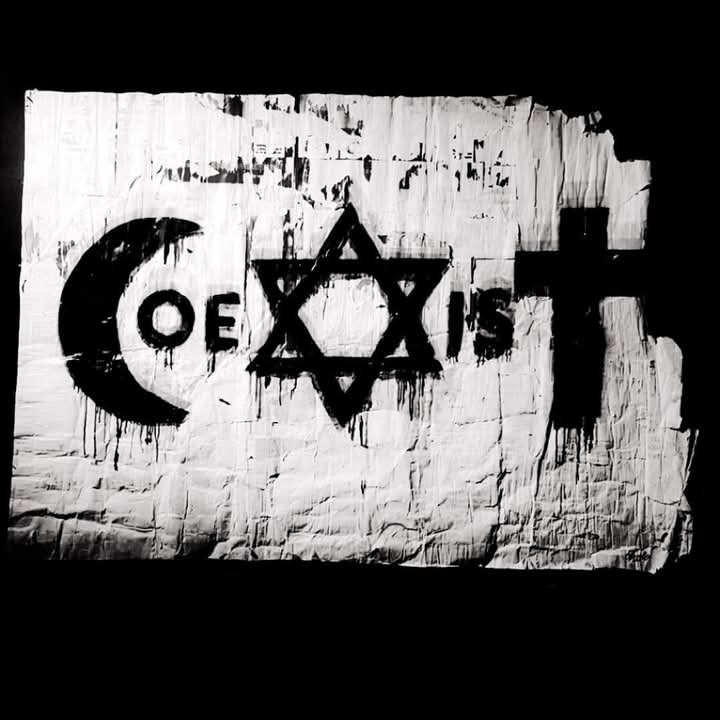
- Religious Pluralism: The coexistence of multiple faiths in diverse societies can challenge exclusive monotheistic claims.
- Interpretative Differences: Conflicts often arise from varying interpretations of religious texts and doctrines within monotheistic traditions.
- Atheism and Agnosticism: The growth of non-belief and skepticism poses a challenge to monotheistic worldviews.
Monotheism in the Modern World
As we navigate the complexities of the 21st century, monotheism continues to play a significant role:
- Interfaith Dialogue: Efforts to promote understanding between different monotheistic traditions are increasing.
- Adaptation: Many monotheistic faiths are finding ways to reconcile traditional beliefs with modern scientific and social developments.
- Global Ethics: Monotheistic principles often contribute to discussions on universal human rights and global ethical standards.
- Personal Spirituality: Even in secular societies, many individuals find meaning and guidance in monotheistic beliefs.
- Cultural Identity: Monotheistic religions remain important markers of cultural and personal identity for millions of people worldwide.
Conclusion
Monotheism, with its belief in one supreme God, has been a powerful force in shaping human history, culture, and individual lives. From its ancient origins to its modern manifestations, monotheism continues to influence how millions of people understand the world and their place in it. As we face global challenges and rapid social changes, the principles and practices of monotheism will likely continue to evolve, adapt, and play a significant role in our shared human experience.
