


The Naga Tribe represents one of India’s most fascinating indigenous communities, spanning across Nagaland and neighboring northeastern states. This guide serves anthropology students, cultural enthusiasts, and travelers interested in understanding indigenous Asian cultures.
The Naga people have maintained their distinct identity through centuries of change. Their story involves ancient migration patterns, complex social structures, and a warrior heritage that shaped their reputation across South Asia.
We’ll explore the rich cultural practices that define Naga identity, from their elaborate festivals to traditional hunting customs. You’ll also discover their remarkable craftsmanship traditions, including intricate weaving techniques, wood carving, and metalwork that reflects their deep connection to nature. Finally, we’ll examine how modern Naga communities balance preserving their ancestral ways with adapting to contemporary challenges in education, economics, and cultural continuity.
Discover the Rich Heritage and Origins of Naga People
Explore Ancient Migration Patterns and Historical Roots
The Naga Tribe has deep ancestral connections that trace back thousands of years through the rugged hills of Northeast India and Myanmar. Archaeological evidence suggests these indigenous communities migrated from Southeast Asia in waves, settling in the Naga Hills region around 1000 BCE. The migration patterns reveal fascinating stories of adaptation and survival as different groups navigated through dense forests and mountainous terrain.
Ancient oral traditions passed down through generations paint vivid pictures of their ancestors’ journeys. These stories describe how early Naga communities crossed great rivers and scaled towering peaks, establishing settlements based on strategic defensive positions. The original homeland theories point to areas in present-day Myanmar, with the gradual eastward movement into what is now Nagaland, Manipur, and parts of Assam.
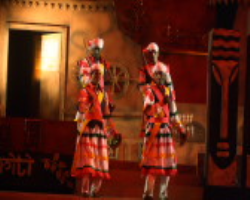
The historical roots run deep in headhunting traditions and warrior cultures that developed as communities competed for fertile land and resources. These practices shaped their social structures and territorial boundaries for centuries. Trade networks with neighboring regions like Tibet and the Brahmaputra valley influenced their material culture, introducing new techniques and materials that enriched their traditional practices.
Colonial records from the 19th century provide valuable insights into their pre-contact societies, documenting complex political systems and intertribal relationships that had evolved over millennia.
Understand Unique Linguistic Diversity Across Tribes
The linguistic landscape of Naga communities represents one of the world’s most diverse language families within a relatively small geographic area. Over 30 distinct languages belonging to the Sino-Tibetan family are spoken across different Naga Tribe groups, each with unique grammatical structures and vocabulary systems.
Communication barriers between villages sometimes existed just 20 kilometers apart, creating distinct cultural pockets that preserved unique customs and beliefs. This linguistic diversity reflects the historical isolation of mountain communities and their independent development over centuries.
Many languages lack written scripts, relying entirely on oral transmission for preserving knowledge, stories, and cultural practices. Christian missionaries in the 20th century developed writing systems for several languages, dramatically changing how these communities documented their heritage.
Younger generations increasingly speak Hindi and English, creating urgent needs for language preservation programs. Community elders work tirelessly to teach traditional languages through storytelling sessions and cultural workshops.
Learn About Traditional Tribal Subdivisions and Clans
Naga Tribe social organization centers around intricate clan systems that define identity, marriage practices, and social responsibilities. Each major tribe subdivides into numerous clans, with membership determined through patrilineal descent. These clans function as extended family networks providing mutual support and maintaining cultural continuity.
The Angami tribe includes prominent clans like Pfütsero, Jotsoma, and Viswema, each with distinct customs and territorial claims. Ao communities organize around clans such as Longkum, Ungma, and Chungliyimti, maintaining separate village councils and ceremonial practices. Konyak clans like Angh and Ang represent different social hierarchies, with some clans traditionally holding royal status.
Clan identity influences every aspect of life:
- Marriage regulations – Members cannot marry within their clan
- Land ownership – Clan territories define farming and hunting rights
- Religious ceremonies – Each clan maintains specific ritual obligations
- Political representation – Clan leaders participate in village decision-making
- Conflict resolution – Inter-clan disputes follow traditional mediation processes
Traditional subdivisions also include age groups called “morungs” where young men receive education in warfare, crafts, and cultural values. These institutions served as dormitories, training centers, and social clubs that strengthened tribal bonds.
Village formations reflect clan hierarchies, with higher-status clans often occupying elevated positions and prime agricultural land. These spatial arrangements reinforce social structures that have persisted for generations despite modern influences.

Experience Authentic Naga Cultural Practices and Traditions
Witness Vibrant Festival Celebrations Throughout the Year
The Naga people celebrate life through spectacular festivals that showcase their deep connection to nature and ancestral wisdom. Hornbill Festival stands as the crown jewel of Naga celebrations, bringing together all 16 tribes in December for a week-long cultural extravaganza. This “Festival of Festivals” features traditional competitions, folk performances, and displays of tribal heritage that draw visitors from around the globe.
Each Naga tribe maintains its own unique festival calendar tied to agricultural cycles. The Ao tribe celebrates Moatsu in May, marking the completion of sowing activities with community feasts and traditional games. Sekrenyi, observed by the Angami tribe in February, serves as a purification festival where entire villages participate in ritual cleansing ceremonies. The Konyak tribe’s Aoleang festival in April celebrates the arrival of spring with elaborate headhunting dances and displays of traditional weaponry.
These celebrations feature intricate rituals including the sharing of rice beer, community cooking in massive clay pots, and the wearing of elaborate traditional costumes adorned with hornbill feathers, tiger claws, and handwoven textiles. Village elders lead ceremonial prayers while youth demonstrate their prowess in traditional sports like wrestling and archery.
Appreciate Sacred Rituals and Spiritual Beliefs
Naga spiritual practices blend animistic beliefs with Christian influences, creating a unique religious tapestry that governs daily life. Traditional Naga cosmology recognizes spirits dwelling in mountains, rivers, trees, and stones, requiring careful rituals to maintain harmony with the natural world. Village priests, known as “Kemovo” among different tribes, serve as intermediaries between the physical and spiritual realms.
Head-taking rituals, though no longer practiced, remain central to understanding Naga spiritual heritage. These ceremonies were believed to transfer the enemy’s strength to the victor and protect the village from evil spirits. Sacred stones called “menhirs” mark these historical practices and serve as gathering places for community rituals.
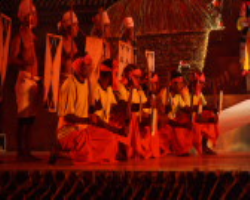
Modern Naga communities perform cleansing ceremonies during planting and harvest seasons, offering rice beer and animal sacrifices to ensure abundant crops. The “Genna” system establishes sacred periods when work stops, and the entire community observes ritual restrictions. During these times, villagers avoid contact with outsiders and refrain from certain activities to maintain spiritual purity.
Observe Traditional Music and Dance Forms
Naga musical traditions encompass both vocal and instrumental expressions that preserve tribal history and mythology. Folk songs narrate epic tales of heroes, migrations, and supernatural encounters, passed down through generations without written records. Women’s work songs accompany daily activities like weaving and farming, creating rhythmic patterns that coordinate group labor.
Traditional instruments include log drums carved from single tree trunks, bamboo flutes of various sizes, and horn instruments made from buffalo horns. The “tati” drum, played exclusively during headhunting dances, produces deep resonant tones that echo across valleys. Gongs imported from Myanmar serve ceremonial purposes and mark important ritual transitions.
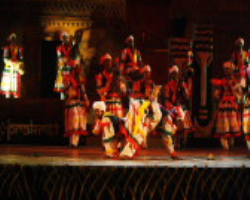
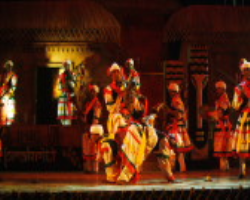
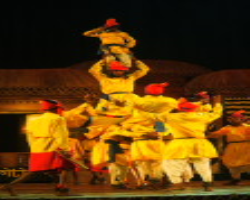
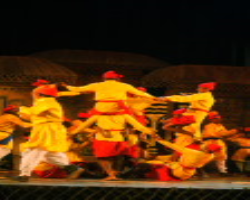
War dances remain the most spectacular aspect of Naga performing arts. Male dancers wearing elaborate headdresses perform synchronized movements that mimic hunting and battle scenarios. The Konyak war dance features participants carrying traditional dao (machetes) and spears, executing precise choreography that demonstrates warrior skills. Women’s dances, characterized by graceful movements and colorful shawls, celebrate fertility, harvest, and community unity.
Understand Community Governance Systems
Traditional Naga society operates through sophisticated village councils that manage community affairs without centralized authority. The village chief, elected or hereditary depending on tribal custom, works with a council of elders to resolve disputes, allocate resources, and coordinate festivals. These indigenous governance systems emphasize consensus-building and collective responsibility.
Age-grade societies organize community members into groups with specific social functions. Young men’s dormitories called “Morung” serve as centers for military training, cultural education, and community service. These institutions teach traditional skills like hunting, craftsmanship, and tribal history while fostering strong bonds between age-mates.
Village justice systems rely on customary law rather than formal courts. Disputes over land, marriage, or theft are resolved through community mediation, with punishments ranging from public apology to compensation payments. The concept of collective guilt means entire families or clans share responsibility for individual actions, encouraging social harmony and mutual accountability.
Women’s organizations parallel male institutions, managing household affairs, market activities, and certain religious ceremonies. Female elders advise on matters affecting women and children, ensuring their voices influence community decisions despite patriarchal social structures.
Master Traditional Naga Arts and Craftsmanship
Create Intricate Handwoven Textiles and Patterns
The Naga tribe’s textile artistry stands as one of their most celebrated cultural treasures. Each piece tells a story through vibrant colors and geometric patterns that have been passed down through generations. Women master the traditional backstrap loom, creating textiles that serve both practical and ceremonial purposes.
Traditional Naga textiles feature bold red, black, white, and yellow designs, with each tribe having distinct patterns that identify their origin. The Ao Naga creates stunning white shawls with red and black borders, while the Angami Naga is renowned for their intricate blue and white designs. These patterns aren’t just decorative – they communicate social status, clan identity, and personal achievements.
The weaving process begins with cotton cultivation and preparation. Spindles create thread from cotton fibers, which are then dyed using natural materials like turmeric, indigo, and bark extracts. The backstrap loom requires incredible skill, as weavers create complex patterns purely from memory, without written guides.
Learn Ancient Wood Carving Techniques
Wood carving represents the masculine counterpart to textile weaving in Naga culture. Men spend years perfecting techniques that transform simple timber into elaborate sculptures, architectural elements, and ceremonial objects. The craft requires deep understanding of wood properties, tool handling, and traditional symbolism.
Naga artisans primarily work with locally available hardwoods like teak, oak, and bamboo. Traditional tools include sharp knives, chisels, and adzes, many of which craftsmen forge themselves. The carving process begins with selecting the right wood grain and orientation to match the intended design.
Common carved items include memorial posts (kichuki), house pillars, and ceremonial drums. Memorial posts feature human and animal figures representing the deceased’s achievements and social standing. House pillars showcase protective spirits and clan totems, while drums bear intricate patterns that enhance their acoustic properties.
The most impressive wood carvings appear on traditional Naga gates (khels), where master carvers create towering structures featuring mythical creatures, warriors, and protective symbols. These gates serve as both architectural marvels and spiritual guardians for entire villages.

Discover Traditional Bamboo and Cane Crafts
Bamboo and cane crafts form the backbone of daily Naga life, providing everything from storage containers to hunting implements. The abundance of these materials in Naga territories has led to sophisticated techniques that maximize their natural properties.
Naga artisans recognize over 20 different bamboo varieties, each suited for specific purposes. Large bamboo creates water containers and house walls, while thin varieties become intricate baskets and fish traps. The crafting process involves careful timing – bamboo must be cut during specific moon phases to ensure durability.
Popular bamboo items include:
- Khokho – Conical baskets for carrying harvested crops
- Changkhi – Cylindrical containers for storing rice wine
- Taku – Fish traps designed for river fishing
- Mekhala – Decorative mats for ceremonial use
Cane work requires even greater skill, as artisans split thick cane into thin strips before weaving. The process demands precise knife control and intimate knowledge of cane fiber behavior. Finished cane products include furniture, decorative panels, and specialized hunting equipment.
Both bamboo and cane crafts incorporate natural dyes and decorative elements. Artisans often add colored threads, beads, or carved details that transform functional items into artistic expressions. These crafts remain essential to Naga households, bridging traditional techniques with modern needs.
Explore Distinctive Naga Architecture and Settlements
Study Traditional House Construction Methods
The Naga tribe showcases remarkable ingenuity in their traditional building techniques, creating homes perfectly adapted to the mountainous terrain of Northeast India. Their houses feature elevated structures built on sturdy wooden stilts, protecting families from floods during monsoon seasons while allowing air circulation underneath. Bamboo serves as the primary construction material, with skilled craftsmen weaving split bamboo strips into strong, flexible walls that can withstand earthquakes and heavy winds.
The construction process follows time-honored methods passed down through generations. Builders begin with a solid foundation of stone pillars, then erect the main frame using locally sourced hardwood. The walls consist of woven bamboo matting plastered with a mixture of mud, cow dung, and rice husk – creating excellent insulation. Roofs typically use thatch made from imperata grass or palm leaves, expertly layered to ensure complete waterproofing.
Each home features distinct architectural elements like wide verandas for community gatherings, granaries for storing rice harvests, and separate areas for livestock. The Naga people construct their houses without using nails, relying instead on intricate joinery techniques and natural binding materials like bamboo strips and plant fibers.
Understand Village Layout and Community Spaces
Naga settlements demonstrate sophisticated urban planning principles that prioritize both defense and social cohesion. Villages typically occupy hilltops or ridge lines, offering natural protection and commanding views of surrounding valleys. The layout follows a hierarchical pattern, with the chief’s house positioned at the highest point, symbolizing leadership and authority within the community.
Community spaces play crucial roles in village design. The morung, or bachelor’s dormitory, stands as the most important social institution, serving as a school, meeting hall, and defense center. These structures occupy central locations within villages, allowing easy access for all residents. Villages also feature dedicated spaces for community festivals, markets, and religious ceremonies.
Pathways connect different sections of the village, often following contour lines to minimize steep climbs. Gardens and agricultural terraces surround residential areas, creating a seamless blend between living spaces and productive landscapes.
Discover Sacred Sites and Ceremonial Grounds
Sacred spaces hold profound significance in Naga culture, serving as bridges between the physical and spiritual worlds. These sites include sacred groves where ancient trees remain untouched, believed to house protective spirits. Community members maintain these areas with great reverence, and cutting trees or disturbing the ecosystem brings severe consequences according to traditional beliefs.
Ceremonial grounds occupy level areas within or near villages, carefully chosen for their spiritual significance and practical accessibility. These spaces host major festivals like the Hornbill Festival and agricultural ceremonies marking planting and harvest seasons. Stone monoliths called “menhirs” often mark these sacred areas, erected to commemorate important events or honor deceased warriors and leaders.
Village gates represent another category of sacred architecture, featuring carved wooden posts decorated with symbolic motifs. These structures serve both protective and ceremonial functions, blessed by shamans to ward off evil spirits and mark territorial boundaries. The Naga tribe believes these gates channel positive energy into their communities while keeping harmful influences at bay.
Learn About Defensive Fortification Systems
Historical Naga settlements incorporated sophisticated defense mechanisms reflecting centuries of inter-tribal conflicts and external threats. Villages featured multiple defensive layers, beginning with naturally protective terrain selection on steep hillsides or cliff edges that limited approach routes for potential attackers.
Wooden palisades surrounded many villages, constructed using sharpened bamboo stakes or hardwood posts driven deep into the ground. These barriers included strategically placed gates that could be quickly barricaded during emergencies. Watchtowers positioned at village perimeters allowed sentries to monitor approaching threats and communicate warnings through horn signals or drums.
Underground tunnels connected important buildings within some villages, providing escape routes during sieges. These passages led to hidden exits in dense forests or cliff faces, allowing defenders to evacuate non-combatants or launch surprise counter-attacks. The Naga people also developed early warning systems using relay points on nearby peaks, where smoke signals during daylight or fire beacons at night could rapidly spread alerts across entire regions.
Defensive granaries received special protection through reinforced construction and concealed locations, ensuring food security during prolonged conflicts. These structures used thick stone foundations and multiple locking systems to prevent enemy forces from destroying vital food supplies.
Understand Modern Challenges and Cultural Preservation Efforts
Navigate Contemporary Socio-Political Issues
The Naga people face complex challenges in maintaining their distinct identity while navigating modern political landscapes. Land rights remain a contentious issue, as traditional territories often clash with state boundaries and development projects. Many Naga communities struggle with the tension between customary laws and formal legal systems, creating uncertainty about governance and justice.
Political autonomy movements continue to shape Naga society, with different factions advocating varying degrees of self-determination. Young Naga people often find themselves caught between traditional leadership structures and modern democratic processes. The desire for economic progress sometimes conflicts with environmental protection of ancestral lands, creating difficult decisions for communities.
Migration to urban centers has altered village demographics, leaving elder populations to maintain cultural practices while younger generations adapt to city life. Social media and digital connectivity have connected Naga communities across borders but also exposed them to external influences that can dilute traditional practices.
Support Cultural Documentation and Revival Programs
Digital archives now preserve traditional Naga songs, stories, and rituals that were previously passed down orally. Community elders work with researchers to document languages, some of which have fewer than 1,000 speakers remaining. Video recordings capture intricate weaving patterns, traditional cooking methods, and ceremonial dances before they disappear.
Schools integrate local history and cultural practices into curricula, teaching children about their heritage alongside modern subjects. Language immersion programs help young people maintain fluency in their native tongues. Cultural festivals have expanded beyond traditional celebrations to include educational workshops and skill-sharing sessions.
Women’s groups play crucial roles in preserving textile traditions, organizing weaving circles where knowledge passes between generations. Men’s societies document hunting practices and agricultural techniques that have sustained communities for centuries. These grassroots efforts often receive support from government cultural departments and international development organizations.
Promote Sustainable Tourism and Economic Development
Cultural tourism offers economic opportunities while showcasing Naga traditions to visitors. Villages create homestay programs that provide income for families while giving tourists authentic cultural experiences. Traditional crafts find new markets through online platforms, connecting Naga artisans with global consumers.
Eco-tourism initiatives protect forest areas while generating revenue for communities. Visitors participate in traditional activities like bamboo craft workshops, organic farming demonstrations, and guided nature walks led by local experts. These programs balance economic benefits with cultural sensitivity, ensuring tourism doesn’t overwhelm traditional lifestyles.
Small-scale enterprises process traditional foods for wider distribution, creating jobs while promoting Naga cuisine. Cooperative societies help artisans access better materials and marketing channels. Training programs teach business skills to young entrepreneurs who want to build careers within their communities rather than migrating to cities.
Bridge Traditional Values with Modern Education
Educational institutions increasingly recognize the value of indigenous knowledge systems alongside conventional academics. Students learn traditional ecological wisdom that complements scientific environmental studies. Mathematics lessons incorporate traditional counting systems and geometric patterns found in Naga textiles and architecture.
Mentorship programs pair young people with community elders, creating formal structures for knowledge transfer that once happened naturally within extended families. These relationships help students understand how traditional values can guide modern decision-making processes.
Universities collaborate with Naga communities to conduct research that benefits local populations while advancing academic knowledge. Student exchange programs allow young Naga people to study elsewhere while bringing outside students to experience traditional lifestyles. This cultural exchange creates mutual understanding while strengthening Naga identity through contrast and comparison.
The Naga people offer us a window into one of the world’s most vibrant and enduring cultures. From their ancient origins and rich heritage to their intricate arts, unique architecture, and deep-rooted traditions, the Naga tribes have maintained their identity across generations. Their craftsmanship tells stories of skill passed down through families, while their traditional practices continue to bind communities together in meaningful ways.
Today’s Naga communities face the complex task of preserving their cultural treasures while adapting to modern life. Supporting their preservation efforts means recognizing the value of indigenous knowledge and celebrating diversity in our global community. Take time to learn about the Naga people’s contributions to art, architecture, and cultural wisdom – their story reminds us that traditional ways of life hold lessons worth protecting for future generations.
