
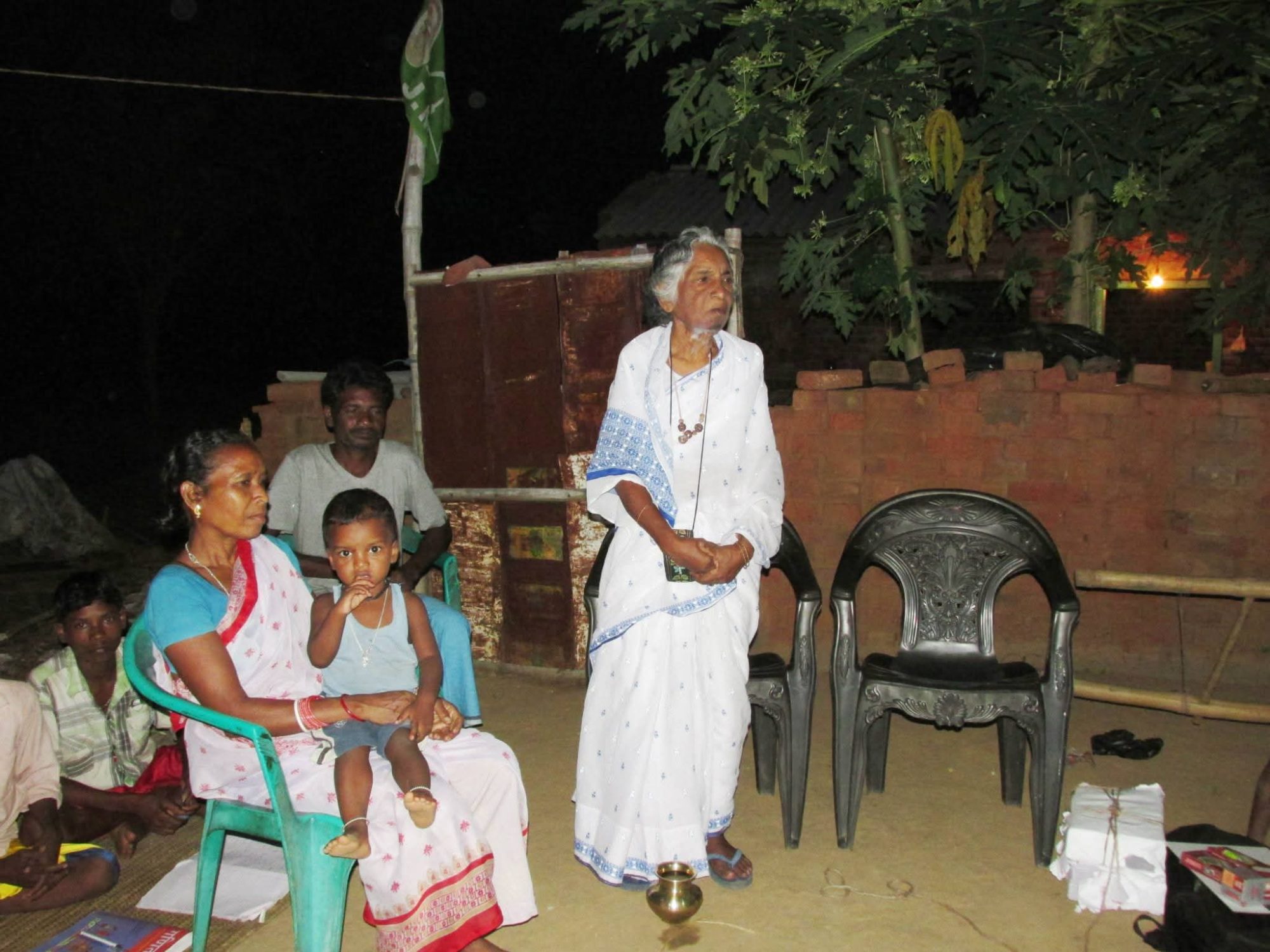
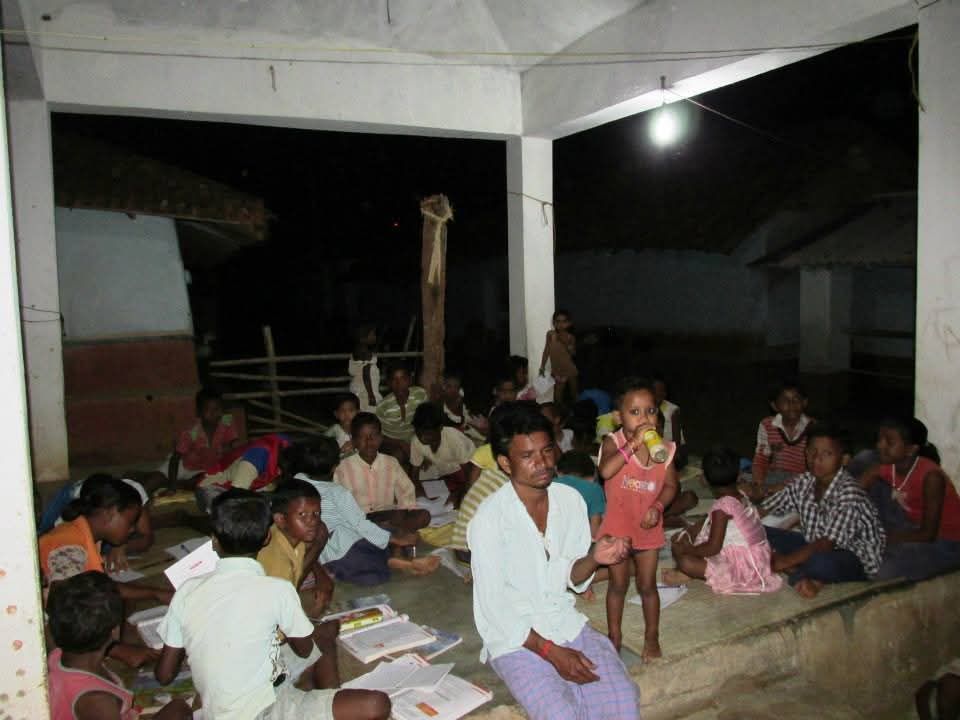
Imagine your child walking miles each day just to attend a school without proper desks, books, or even teachers who speak their language. This is reality for millions of tribal children across India.
The education crisis in tribal communities isn’t just about missing infrastructure. It’s about invisibility. About children whose potential remains buried under layers of systemic neglect and cultural disconnection.
By the end of this article, you’ll understand exactly why this happens – and more importantly, the surprisingly simple solutions that could transform an entire generation. But first, let me tell you about Meena, a 12-year-old whose story changed everything I thought I knew about education…
Current State of Tribal Education
Statistical overview of education gaps
The numbers are brutal. Only 41% of tribal children complete primary education compared to the national average of 86%. High school? Just 18% make it through versus 52% nationally.
Literacy rates tell an even grimmer story. While India’s overall literacy sits at 74%, tribal communities struggle at a dismal 59%. For tribal women, it drops to a shocking 49%.
Dropout rates are through the roof. By grade 8, almost 70% of tribal students have left school. For girls, it’s even worse – 76%.
Teacher absenteeism in tribal schools hovers around 30-40%. And about 40% of tribal schools lack proper buildings, with 35% having no drinking water facilities.
Geographic and demographic factors
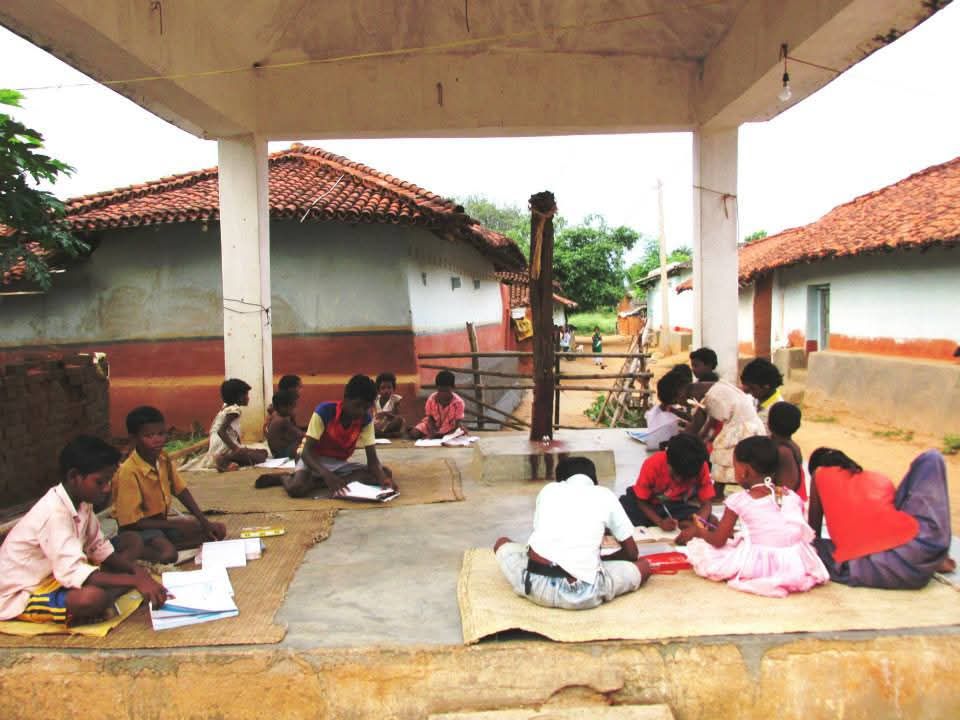
Geography isn’t doing these kids any favors. Many tribal settlements are scattered across forests, hills, and remote valleys where schools are either non-existent or require dangerous treks.
A typical tribal child walks 3-5 kilometers daily to reach school. During monsoons, many villages become completely cut off.
Language barriers? Massive. India has over 700 tribal dialects, but education is primarily delivered in state languages or English that many tribal children don’t understand.
Historical context of neglect
The roots of this mess run deep. Colonial policies systematically dismantled traditional tribal knowledge systems while failing to integrate tribes into modern education.
Post-independence, the “development” approach often viewed tribal cultures as backward. Education policies aimed at assimilation rather than inclusion of tribal perspectives.
The Forest Rights Act of 2006 finally acknowledged historical injustices, but decades of displacement from ancestral lands had already disrupted community structures essential for cultural education transmission.
The missionary approach to tribal education, while providing some access, often came with cultural erasure. Government initiatives frequently treated symptoms rather than addressing systemic marginalization.
Comparison with mainstream education systems
Mainstream schools emphasize competitive exams and standardized testing – formats alien to tribal learning traditions that value collective knowledge and practical skills.
Curriculum rarely reflects tribal realities. History textbooks might mention tribal communities in passing, if at all. Science lessons rarely incorporate indigenous knowledge of biodiversity or medicine.
| Parameter | Mainstream Schools | Tribal Schools |
|---|---|---|
| Student-teacher ratio | 1:24 | 1:56 |
| Teachers with proper training | 89% | 41% |
| Schools with computers | 67% | 12% |
| Average days operational per year | 220 | 178 |
The calendar system ignores tribal harvest seasons when children traditionally help families. Tribal students miss classes during these critical periods, falling permanently behind.
Mainstream education prepares students for urban economies, while failing to value or develop skills relevant to tribal livelihoods and cultural preservation.
Cultural and Social Barriers
A. Traditional practices conflicting with formal education
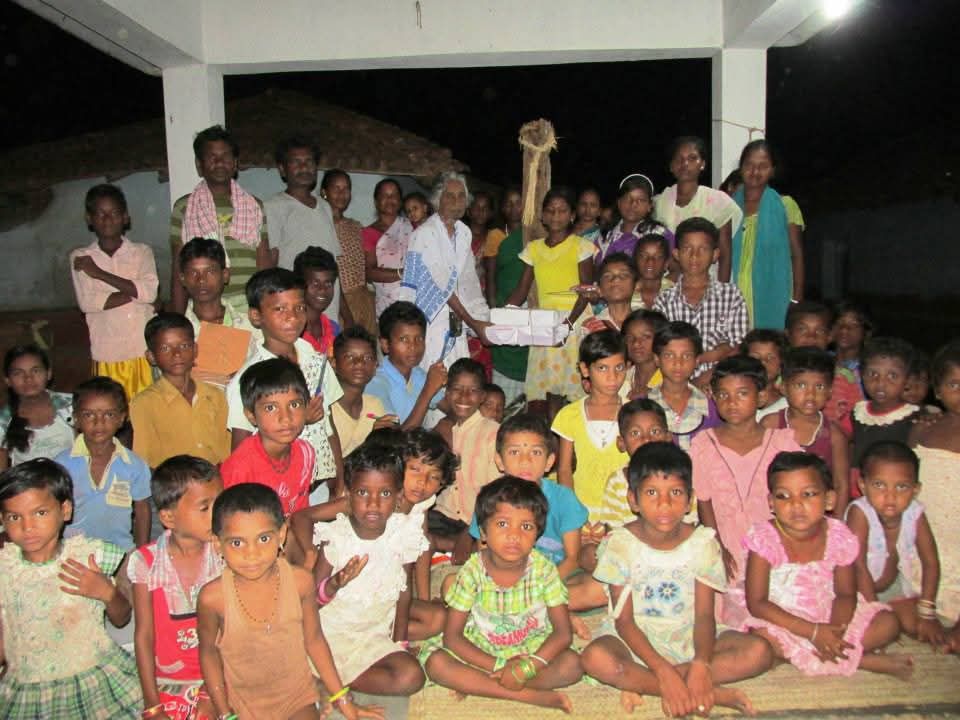
The clash between age-old tribal traditions and modern education systems isn’t just a minor bump in the road—it’s a massive roadblock.
In many tribal communities, children traditionally learn through oral storytelling, hands-on apprenticeships, and community rituals. These methods have worked for centuries, passing down crucial survival skills and cultural knowledge.
But then formal education shows up with its rigid schedules, classroom confinement, and standardized testing. No wonder there’s friction!
When harvest season arrives, tribal families need all hands helping—not sitting in classrooms. The academic calendar rarely aligns with tribal ceremonial cycles or seasonal migration patterns that have guided these communities for generations.
Initiation ceremonies and coming-of-age rituals often require extended periods away from school. When forced to choose between cultural identity and formal education, many families prioritize traditions that have sustained their communities for centuries.
B. Gender disparities in access to learning
Tribal girls face a double whammy when it comes to education barriers. They’re not just fighting against the general neglect of tribal education—they’re battling deeply entrenched gender norms too.
From an early age, girls are often groomed for marriage and motherhood, not for school attendance. Early marriages remain common, abruptly ending a girl’s education journey before it properly begins.
“My brothers go to school. I stay home to help mother,” is a story repeated across countless tribal households.
Safety concerns compound the problem. Long, dangerous journeys to distant schools make parents hesitant to send daughters. And the absence of female teachers or proper sanitation facilities in schools? That’s another giant hurdle.
The numbers tell the harsh truth: tribal girls have the lowest literacy rates in most countries with indigenous populations. When resources are scarce, families typically invest in boys’ education first, viewing it as the more practical long-term investment.
C. Language barriers and lack of culturally relevant curriculum
Walking into a classroom where nobody speaks your language is like trying to swim with your hands tied. That’s reality for countless tribal children.
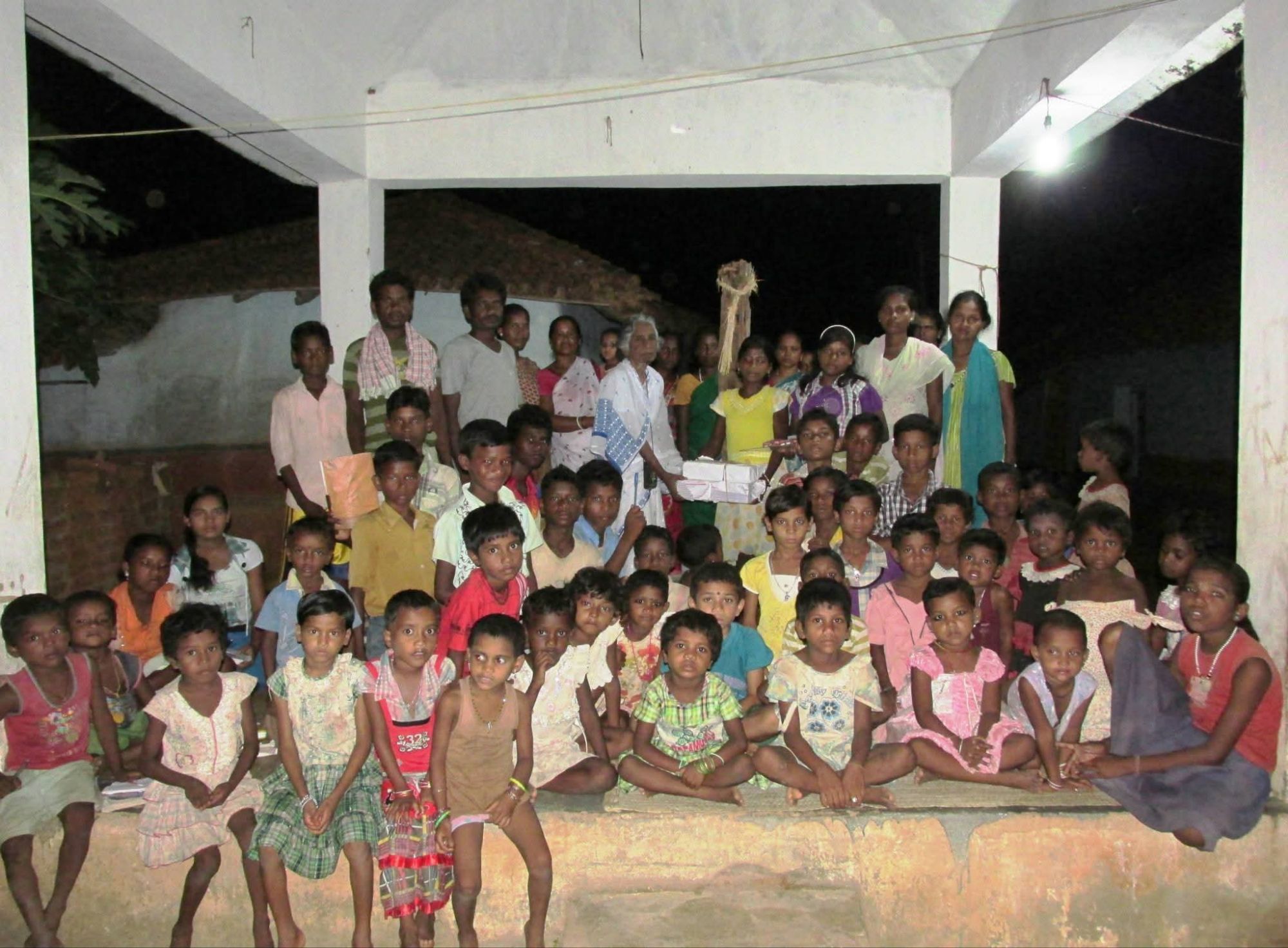
Most educational systems force indigenous children to learn in the dominant national language—a language they might never hear at home. Picture a 6-year-old trying to grasp complex concepts in a completely foreign tongue. Frustrating? Absolutely.
The curriculum problems don’t stop there. Textbooks rarely mention tribal histories, heroes, or contributions. Instead, children learn about urban lifestyles and values that seem alien to their lived experiences.
Science lessons ignore traditional knowledge about local plants and ecosystems. Literature classes skip indigenous stories and poetry. History lessons gloss over tribal perspectives.
The message this sends? “Your culture doesn’t matter. Your knowledge isn’t real knowledge.”
Some tribal students internalize this disconnect as personal inadequacy rather than recognizing it as a systemic failure. The result? Disengagement, poor performance, and eventually, dropping out.
D. Nomadic lifestyle challenges
Try running a consistent education program for kids who move with the seasons. Not so easy, right?
Nomadic tribal communities face unique educational hurdles that sedentary populations never encounter. Their constant movement following grazing patterns, seasonal employment, or traditional migration routes makes regular school attendance nearly impossible.
Conventional brick-and-mortar schools simply don’t work for families that might be hundreds of miles away by mid-semester. When the choice comes down to following the herd or attending school, survival needs win every time.
Even when mobile schools exist, they struggle with inconsistent teacher availability, inadequate facilities, and disrupted learning sequences. A child might learn division in one location, then move before mastering it, only to arrive at a new school teaching completely different material.
Record-keeping becomes another nightmare. Without consistent documentation, students can’t prove their educational achievements when they relocate. Credits get lost. Progress vanishes.
The educational system’s rigid structure wasn’t built with nomadic lifestyles in mind—and that structural mismatch continues pushing nomadic tribal children to the margins.
E. Community perceptions about formal education
Many tribal elders have a simple question about formal education: “What’s the point?”
It’s not that they don’t value knowledge—they absolutely do. But they’ve seen graduates return to communities with diplomas yet no jobs. They’ve watched young people learn theories but lose practical skills their ancestors relied on for generations.
“School teaches my son to read books but not to read the weather,” one tribal elder explained. “It teaches him about distant cities but nothing about the plants that heal us.”
Many communities have witnessed education stripping away cultural identity rather than enhancing it. Students return speaking differently, dressing differently, sometimes even looking down on traditional ways.
The suspicion deepens when schools are run by the same governments that have historically marginalized tribal populations. Education becomes viewed as another colonizing force—an attempt to assimilate rather than empower.
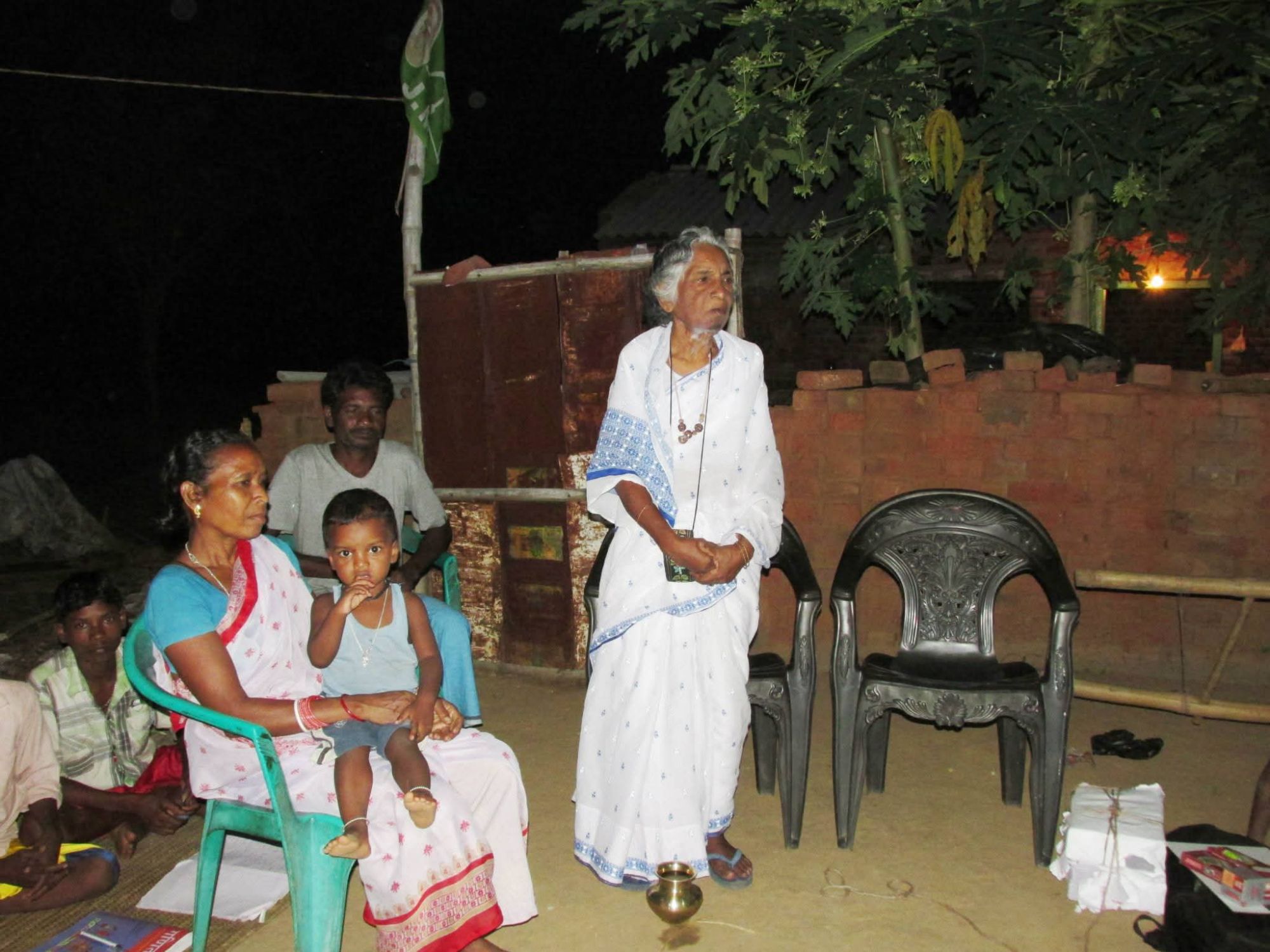
When formal education seems disconnected from community needs and realities, parents understandably question its value. Without visible benefits or cultural sensitivity, schooling appears as a costly investment with dubious returns.
Economic Factors Contributing to Educational Neglect
Poverty and Child Labor Issues
Money talks in tribal communities. When families struggle to put food on the table, education becomes a luxury they simply can’t afford. Kids as young as 8 or 9 end up working instead of learning, trapped in a cycle that’s incredibly tough to break.
The math is brutally simple: a child in school means one less pair of hands earning income. For families living on less than $2 a day, pulling kids from classrooms to work in fields, mines, or as domestic helpers isn’t a choice—it’s survival.
These aren’t just occasional instances. In many tribal areas, over 60% of children engage in some form of labor, with girls often bearing the heaviest burden.
Cost Barriers to Education
“Free education” is rarely actually free. The hidden costs hit tribal families particularly hard:
- School uniforms cost money they don’t have
- Textbooks and supplies drain limited resources
- Transportation to distant schools is expensive
- ID documents required for enrollment often missing
A tribal family might need to spend up to 30% of their annual income just to keep one child in school. When you’re choosing between education and eating, it’s no contest.
Lack of Economic Incentives for Education
The brutal truth? Many tribal parents don’t see education paying off. And they’re not entirely wrong.
Discrimination in hiring practices means even educated tribal youth often can’t find decent jobs. The education tribal children receive is frequently sub-standard, teaching skills that don’t translate to their economic reality.
Meanwhile, immediate income from child labor provides instant relief for struggling families. The promise of education seems distant and uncertain compared to putting food on the table today.
The education system rarely connects learning to practical skills that could improve tribal livelihoods. Without visible success stories and clear pathways to better opportunities, education remains an unconvincing investment for many tribal families.
Government Policies and Implementation Failures
A. Review of existing tribal education initiatives
The stark reality? Most tribal education programs look impressive on paper but fall apart in practice. The government launched schemes like Eklavya Model Residential Schools and Ashram Schools decades ago, but where has that gotten us? Tribal literacy rates still lag 14-17% behind national averages.
Take the much-hyped Tribal Sub-Plan. It’s been around since the 1970s but hasn’t delivered the transformation promised. These initiatives often focus on infrastructure without addressing the real problems – teacher absenteeism runs rampant at 40% in tribal schools, and culturally relevant learning materials? Almost non-existent.
B. Budget allocation discrepancies
Money talks, and it’s saying tribal education isn’t a priority. While education gets 4.6% of the GDP nationally, tribal education receives pennies on the dollar. The funds that do get allocated? They’re not reaching schools.
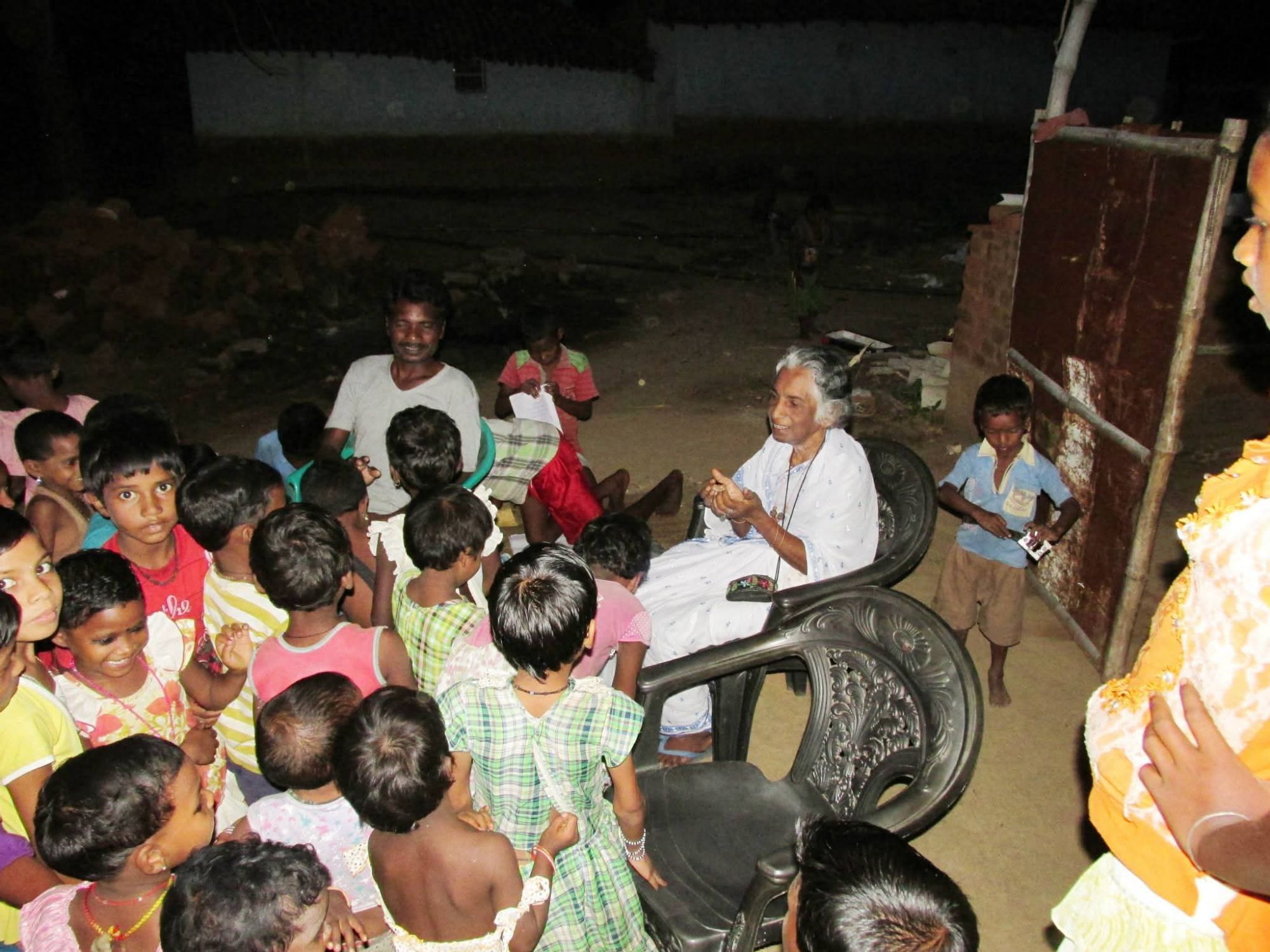
The numbers don’t lie. Nearly half the money never makes it to tribal classrooms. Districts with higher tribal populations consistently receive less per-student funding than urban areas.
C. Administrative challenges in remote areas
Geography creates nightmares for education delivery in tribal regions. Many villages sit 20+ kilometers from the nearest proper road. During monsoons, entire communities get cut off for months.
Officials rarely visit these schools. Why would they? It might mean a grueling 8-hour journey each way. So who’s monitoring teacher attendance or supply delivery?
Communication breakdowns are the norm, not the exception. Many tribal schools lack basic phone connectivity, much less internet access for administrative coordination.
D. Policy-practice gaps
The disconnect between Delhi’s policy makers and tribal realities couldn’t be wider. Policies drafted in air-conditioned offices fail to consider:
- Language barriers (most learning materials aren’t in tribal languages)
- Seasonal migration patterns disrupting attendance
- Local knowledge systems ignored in curriculum design
Implementation timelines rarely account for on-ground realities. Directives to digitize education reached schools without electricity. Standardized assessments evaluate tribal children using culturally biased metrics.
The people creating these policies have never spent a day teaching in a remote tribal school. And it shows.
Impact of Educational Neglect on Tribal Communities
Perpetuation of poverty cycles
The harsh reality in tribal communities? When kids can’t access quality education, they’re stuck in the same poverty trap as their parents. Without basic literacy and numeracy skills, they face a future of low-wage jobs or unemployment.
Think about it. A child who drops out of school at 12 can’t compete for even entry-level positions that require basic education. They’re forced into manual labor or traditional occupations that barely provide subsistence living.
This isn’t just about individual families struggling. Entire communities fall behind economically when generation after generation lacks educational foundation.
Loss of competitive advantage in job markets
Tribal youth without adequate education face a brutal disadvantage in today’s job market. While their urban counterparts graduate with diplomas and degrees, many tribal children don’t even complete elementary education.
The modern economy rewards specialized skills and formal qualifications. Without these, tribal youth find themselves shut out of growing sectors like IT, healthcare, and service industries.
Even traditional skills that were once valued now require modern adaptations to be marketable. A tribal artisan who can’t calculate costs, communicate with buyers, or market products online struggles to earn a living wage.
Health and well-being consequences
The education gap directly impacts health outcomes in tribal communities. Uneducated parents often don’t understand vaccination schedules, nutritional needs, or when to seek medical help.
Children who drop out early miss crucial health education. They’re less likely to understand personal hygiene, disease prevention, or reproductive health. This leads to higher rates of preventable illnesses and complications.
Mental health suffers too. The frustration of limited opportunities creates hopelessness. Young people see no path forward, contributing to higher rates of substance abuse and depression.
Cultural identity erosion vs. preservation concerns
Here’s the tricky balance tribal communities face: they need education for economic survival, but fear losing their cultural identity in mainstream educational systems.
Many conventional schools don’t value traditional knowledge or indigenous languages. Children taught exclusively in dominant languages often lose fluency in their mother tongue. Cultural practices passed down orally for generations fade away when younger members spend formative years disconnected from community elders.
But the alternative – no formal education – isn’t the answer either. The most successful approaches integrate cultural preservation with modern education, teaching both traditional wisdom and contemporary skills.
The real solution? Educational models that respect and incorporate tribal heritage while providing tools for success in the broader world.
Successful Models and Interventions
A. Case studies of effective tribal education programs
The Kalinga Institute of Social Sciences (KISS) in Odisha, India isn’t just another school – it’s a revolution. Starting with just 125 tribal students in 1993, it now educates over 27,000 tribal children completely free of charge. Their holistic approach combines modern education with tribal heritage preservation. The results? Nearly 100% graduation rates and students who excel in academics AND sports.
Over in Arizona, the STAR School serves Navajo communities with a curriculum that weaves together Western science and traditional ecological knowledge. They’ve managed to boost attendance rates by 30% in just three years.
These aren’t flukes or one-offs. They work because they don’t treat tribal children as problems to be fixed. They treat them as treasures to be nurtured.
B. Community-based learning approaches
When tribal communities lead education initiatives, magic happens.
Take the Adivasi Munnetra Sangam in Tamil Nadu. They’ve established learning centers where tribal elders team up with trained teachers. Children learn math by measuring local plants, history through tribal stories, and science by studying the forest ecosystem.
What makes these approaches stick? Community ownership. When parents and elders aren’t just invited to participate but actually help design the curriculum, attendance skyrockets.
The best part? Kids don’t feel torn between their cultural identity and education. They’re one and the same.
C. Culturally responsive pedagogy
Traditional classrooms often make tribal children feel like outsiders. But flip the script, and you get incredible results.
Culturally responsive teaching isn’t about watering down standards. It’s about using cultural knowledge as a bridge to academic content.
The Vidyodaya School in Tamil Nadu teaches tribal Irula children using their own dialect first, then gradually introduces Tamil and English. Their textbooks feature tribal heroes, not just mainstream historical figures. Science lessons start with traditional herbal knowledge before introducing formal concepts.
The impact? Children who once sat silent in classrooms become active learners. They see themselves in the curriculum. They belong there.
D. Mobile education solutions for nomadic tribes
Nomadic tribes face a brutal choice: education or traditional lifestyle. But mobile schools are changing that equation.
In Gujarat, the Kachchh Camel Breeders Association operates “camel cart schools” that literally follow nomadic communities along migration routes. Teachers travel with the tribes, conducting classes under trees or in tents.
Kenya’s mobile schools for Maasai and Samburu children pack entire curricula into compact, solar-powered tablets that can withstand harsh conditions.
These solutions recognize a fundamental truth: education systems should adapt to communities, not the other way around.
E. Technology-enabled learning initiatives
Technology is bridging gaps for tribal communities in ways previously unimaginable.
The CGNet Swara initiative in central India allows tribal communities to report local news via mobile phones. It’s education disguised as communication – teaching literacy, technology skills, and civic engagement simultaneously.
Solar-powered digital classrooms in remote Arunachal Pradesh connect children to teachers hundreds of miles away. When internet connectivity fails, offline tablets loaded with interactive content keep learning going.
But tech isn’t a silver bullet. The most successful programs combine technology with community involvement. Tribal youth are trained as tech facilitators, creating jobs while ensuring culturally appropriate implementation.
The lesson? Technology works when it amplifies tribal voices rather than replacing them.
Path Forward: Creating Sustainable Solutions
A. Policy recommendations for inclusive education
Look, tribal education needs a serious policy overhaul. What’s happening now isn’t working.
First, we need language policies that actually make sense. Kids should start learning in their mother tongue before transitioning to mainstream languages. Several states have tried this and seen dropout rates plummet.
Mobile schools that follow seasonal migration patterns? They work. Residential schools with cultural sensitivity? They work too.
The RTE Act needs special provisions for tribal regions with timeline extensions and modified teacher-student ratios that match the reality on the ground.
B. Funding and resource allocation strategies
Money talks. And right now, it’s not saying much for tribal education.
The current one-size-fits-all funding model is a joke for remote tribal areas. We need weighted formulas that account for:
- Geographic isolation (higher transportation costs)
- Infrastructure gaps (building costs are higher)
- Cultural resources development (currently underfunded)
Direct fund transfers to School Management Committees would cut bureaucratic red tape. And let’s be honest – public-private partnerships could bring innovation where government systems have failed.
C. Teacher training and recruitment innovations
The teacher crisis in tribal areas is real. Would you stay in a remote village with poor housing and no career growth? Exactly.
We need:
- Financial incentives that actually reflect the hardship
- Local recruitment drives that build a pipeline of tribal teachers
- Specialized training on multilingual education and culturally responsive teaching
Mentorship programs connecting veteran teachers with newcomers could help combat the isolation that drives many away.
D. Community involvement and ownership frameworks
Tribal communities aren’t just stakeholders – they should be decision-makers.
Parent-Teacher Associations need real authority, not just symbolic meetings. Elder involvement programs can integrate traditional knowledge into curricula, making education relevant.
School Management Committees with tribal representation must have actual budgetary power. And community monitoring systems can create accountability where government oversight fails.
The most successful models worldwide share one feature: they transfer genuine ownership to the community rather than imposing outside solutions.
Tribal children’s education remains in crisis, caught between cultural preservation and the need for modern skills. Cultural barriers, economic hardships, and governmental failures have created a perfect storm that leaves generations without adequate educational opportunities. These challenges manifest in higher dropout rates, limited economic mobility, and perpetuation of marginalization for tribal communities.
The path forward requires a collaborative approach that honors indigenous knowledge while providing quality education. Successful interventions demonstrate that community-led initiatives, culturally responsive curricula, and strong local partnerships yield the best outcomes. By investing in teacher training, infrastructure development, and consistent policy implementation, we can transform tribal education from a neglected afterthought into a powerful tool for empowerment. The time to act is now—every child deserves the chance to learn, grow, and contribute to both their community and the wider world.
