
I. Introduction : NEO-VEDANTA OF SWAMI VIVEKANANDA
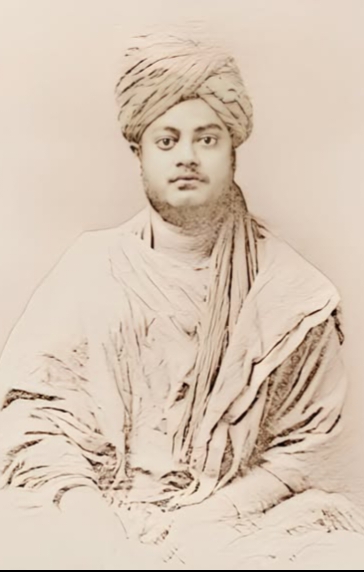
Neo-Vedanta of Swami Vivekananda is a modern interpretation of traditional Vedantic philosophy that emerged in 19th-century India. It’s like a fresh coat of paint on an ancient building, making it more accessible and relevant to contemporary minds. At the heart of this movement was Swami Vivekananda, a charismatic monk who brought Indian philosophy to the world stage.
Thank you for reading this post, don't forget to subscribe!Imagine India in the 1800s – a time of great change and challenge. The country was under British rule, and many Indians were questioning their traditional beliefs. It was in this climate that Neo-Vedanta took root, offering a bridge between ancient wisdom and modern thinking.
Swami Vivekananda wasn’t just any teacher. He was like that cool professor who makes complex subjects easy to understand. He took the deep, sometimes confusing ideas of Vedanta and explained them in a way that resonated with people from all walks of life.
II. Philosophical Foundations
Vedantic Roots
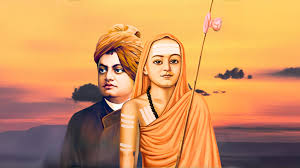
Neo-Vedanta is like a tree with its roots firmly planted in the soil of Advaita Vedanta, a philosophy that goes way back to Adi Shankaracharya. But Vivekananda didn’t just repeat old ideas. He was more like a chef who takes a classic recipe and adds his own special ingredients.
He looked at these ancient teachings through a new lens, focusing on how we can use them in our everyday lives. It’s a bit like taking grandma’s old sewing machine and using it to make modern clothes – the core is traditional, but the application is fresh and practical.
Monism with a Practical Spirit
One of the key ideas in Neo-Vedanta is that everything is connected. It’s like saying we’re all different waves in the same ocean. Vivekananda emphasized that the divine isn’t just some far-off concept – it’s right here, in everything and everyone.
He had this catchy phrase: “Jiva is Shiva.” In simple terms, it means that each of us has a divine spark. It’s like saying every person you meet is carrying a piece of the divine within them. Pretty cool way to look at the world, right?
III. Core Teachings of Neo-Vedanta
Unity of All Religions
He was a big fan of religious harmony. Imagine a world where people of different faiths could chat and share ideas without fighting – that was Vivekananda’s dream.
Divinity of the Soul
In Neo-Vedanta, your soul isn’t just some vague spiritual concept – it’s divine! It’s like saying each of us has a bit of stardust inside. Vivekananda taught that realizing this divine nature is the main goal of life. It’s not about becoming something new, but discovering who you really are.
Service to Humanity
Here’s where things get really interesting. Vivekananda said that serving others is a form of worship. It’s called Karma Yoga – doing good deeds without expecting anything in return. He had this beautiful idea of seeing God in the poor and suffering, calling it “Daridra Narayana.”
I remember once volunteering at a local shelter. As I was serving food, I thought about Vivekananda’s teachings. It made me see the people there in a whole new light – not as charity cases, but as manifestations of the divine. It was a powerful experience.
Emphasis on Strength and Fearlessness
Vivekananda wasn’t into the idea of religion making people weak or fatalistic. He saw it as a source of inner strength. It’s like going to the gym for your soul – building spiritual muscles to face life’s challenges.
He encouraged people to be brave and stand up for themselves. It’s a bit like that friend who always believes in you and pushes you to do your best.
IV. Social and Ethical Dimensions
Upliftment of the Masses
For Vivekananda, spirituality wasn’t just about sitting in meditation. He believed in rolling up your sleeves and making the world better. Education and social reform were part of his spiritual toolkit.
He saw helping others as a religious duty. It’s like saying, “Hey, if you want to be spiritual, start by making sure everyone has food, education, and dignity.”
Role of Women
Vivekananda was ahead of his time when it came to women’s rights. He was all for women’s education and empowerment. In a time when many religious leaders were stuck in old ways, he recognized women as spiritual equals.
I once met an elderly woman who had been inspired by Vivekananda’s teachings as a young girl. She told me how his words gave her the courage to pursue education at a time when it wasn’t common for girls to do so. It really showed me the lasting impact of his ideas.
V. Global Influence
Introduction of Vedanta to the West
In 1893, Vivekananda rocked the world at the Parliament of Religions in Chicago. It was like he brought a taste of India to the West, and people loved it. His speeches were so powerful that he became an overnight sensation.
This led to the establishment of Vedanta Societies in various countries. It’s amazing to think how ideas from ancient India found new homes across the globe.
Universal Humanism
Vivekananda had this knack for blending Eastern spirituality with Western rationalism. It’s like he was creating a spiritual smoothie – taking the best from different traditions and making something new and refreshing.
His vision of a universal religion wasn’t about everyone following the same rules. It was more about finding common ground and respecting differences. It’s the kind of idea that feels even more relevant today in our globally connected world.

VI. Criticism and Legacy
Critiques
Not everyone was a fan, though. Some critics felt that Neo-Vedanta watered down the classical Advaita teachings. It’s like when purists complain about a modern adaptation of a classic novel.
Others thought Vivekananda focused too much on social reform, straying from “pure” spirituality. But isn’t helping others a spiritual act in itself?
Legacy
Despite the criticism, Vivekananda’s impact has been huge. The Ramakrishna Mission, founded on his principles, continues to do amazing work in education and social service.
His ideas have inspired countless people, from freedom fighters to modern spiritual seekers. It’s like he planted seeds of thought that have grown into a forest of new ideas and actions.
“Arise, awake, and stop not until the goal is reached.” – Swami Vivekananda
This quote sums up the spirit of Neo-Vedanta – a call to action, to personal growth, and to making a difference in the world. Vivekananda’s teachings continue to inspire people to find their inner strength and use it to help others. It’s a philosophy that’s as relevant today as it was over a century ago.
