
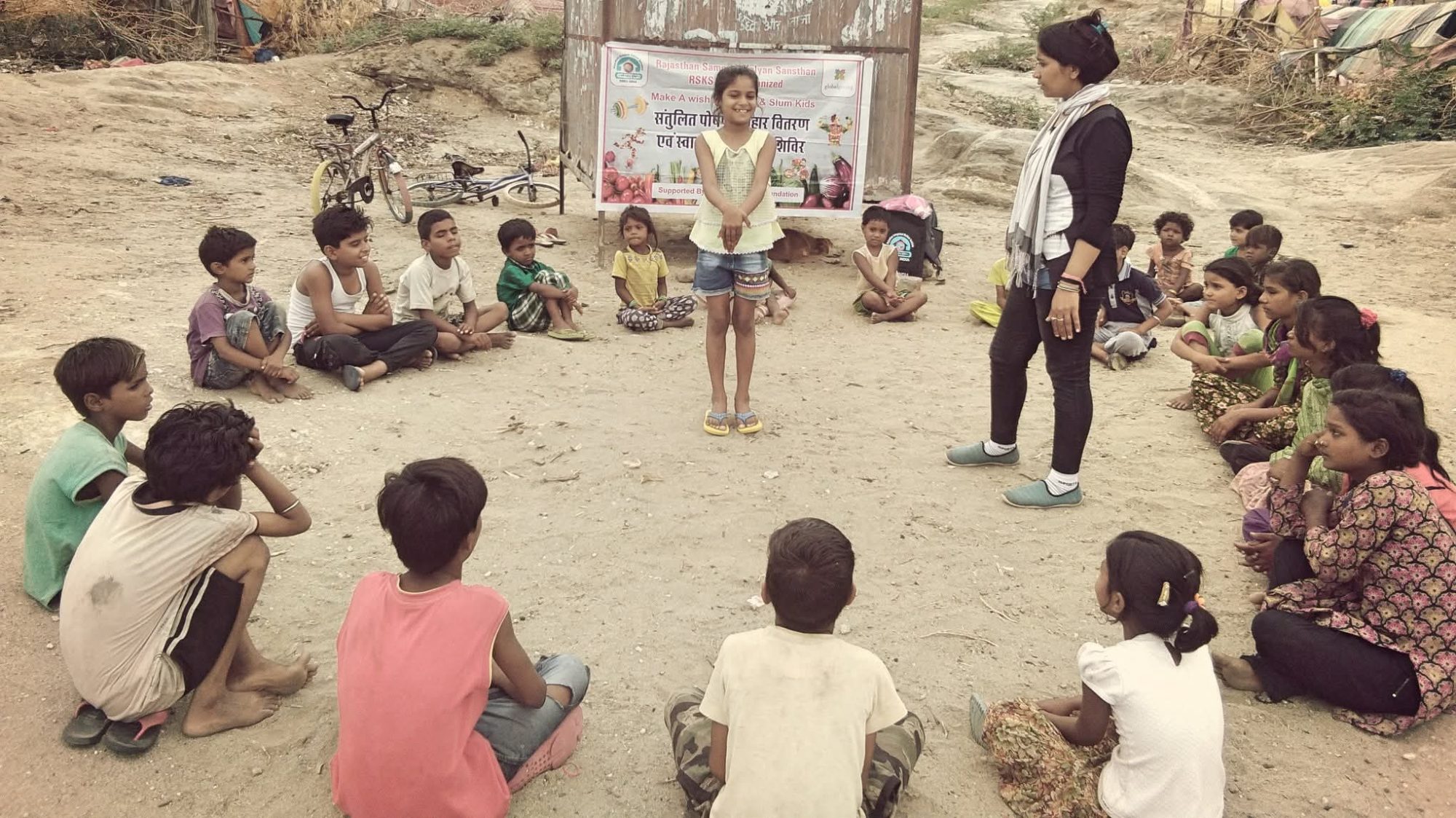
Did you know that over 20 million children live on India’s streets right now? Let that sink in. That’s more than the entire population of New York.
Behind these staggering numbers are real kids with names, dreams, and potential—all buried under the daily struggle for survival.
Thankfully, NGOs helping street children in India are fighting back, creating safe spaces where these kids can sleep without fear, learn without hunger, and grow without shame.
But here’s the thing about these organizations that most people don’t realize—they’re not just providing handouts. They’re rebuilding lives from the ground up.
What exactly makes some NGOs succeed where government programs have consistently failed? The answer might surprise you.
Understanding the Street Children Crisis in India
A. Current statistics and demographics
The numbers are shocking – India has the largest population of street children in the world, with estimates ranging from 1.2 to 18 million kids without proper homes. Yeah, that massive range tells you something right there: we don’t even know exactly how many children are suffering.
Most street kids fall between 5-14 years old, with boys outnumbering girls 2:1 on the streets. But here’s the scary part about that statistic – girls aren’t necessarily better off. They’re often hidden away in domestic work situations or trafficking rings.
B. Root causes of child homelessness
Poverty hits hard. When families can’t afford another mouth to feed, children get pushed out to fend for themselves.
Family breakdown wreaks havoc too. Alcoholic parents, domestic violence, death of caregivers – these traumas force kids onto streets seeking escape.
Rural-to-urban migration creates another pipeline. Families move to cities chasing dreams but find hardship instead. Children often get separated or abandoned in the chaos.
The caste system plays its ugly role too. Lower-caste children face systemic discrimination that keeps educational and economic opportunities permanently out of reach.
C. Daily challenges faced by street children
Survival is a daily battle. Finding food means begging, scavenging through garbage, or stealing – just to get a single meal.
Violence is everywhere. Other street kids, police, predatory adults – these children face constant physical and sexual abuse with zero protection.
Health problems run rampant. From malnutrition to respiratory diseases from pollution to untreated injuries and infections. Most never see a doctor.
Education? Forget it. Less than 5% of street children receive any formal schooling. Without education, the cycle of poverty becomes nearly impossible to break.
Substance abuse starts young – glue, correction fluid, cheap alcohol. It’s not recreation; it’s escape from unbearable reality.
D. Regional distribution and hotspots
Mumbai holds the dubious honor of having the highest concentration – around 100,000 street children crowd its sprawling slums like Dharavi.
Delhi follows closely with approximately 75,000 street children, with major clusters around railway stations and markets.
Kolkata’s street children population hovers around 50,000, with many working as ragpickers or in small roadside businesses.
Other major hotspots include Chennai, Hyderabad, and Bangalore – basically anywhere rapid urbanization has created wealth disparities and migrant populations.
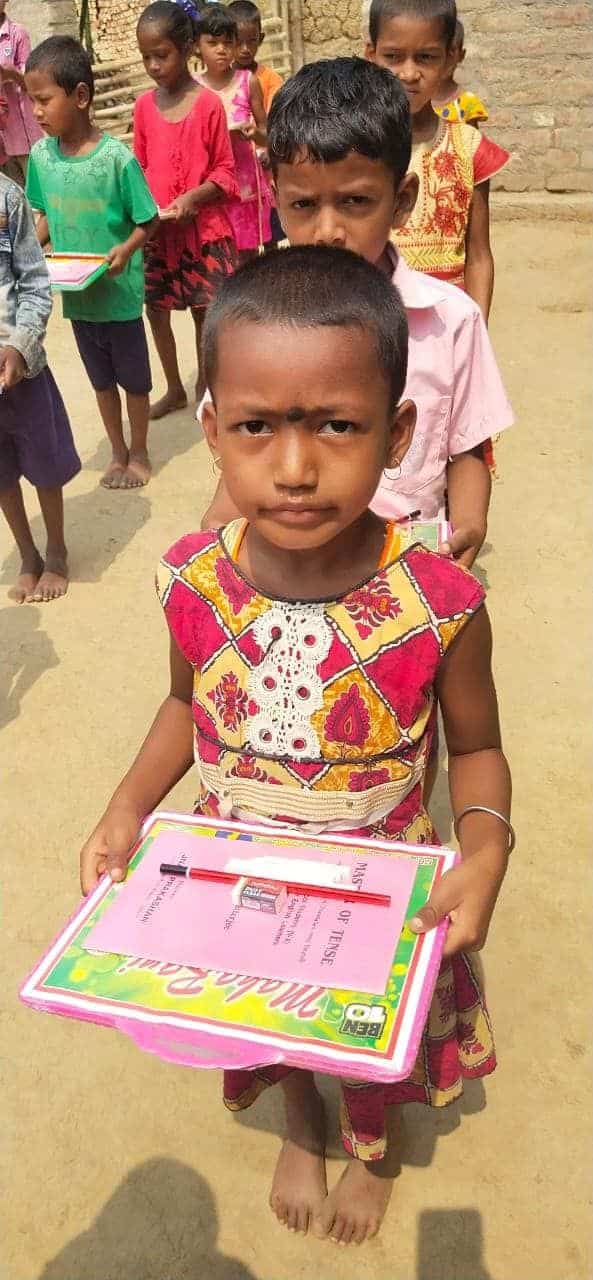
Urban centers attract the highest numbers, but the problem exists everywhere. Even smaller cities like Jaipur, Lucknow, and Bhopal have significant street children populations, often concentrated around transit hubs, tourist areas, and commercial centers.
Major NGOs Making an Impact
A. Salaam Baalak Trust: Rehabilitation Programs
The streets of Delhi can be brutal. Salaam Baalak Trust knows this all too well. Since 1988, they’ve been pulling kids off railway platforms and giving them actual futures.
Their rehabilitation programs? Game-changers. They don’t just offer shelter – they provide full-service recovery. Mental health counseling helps kids process trauma. Educational support gets them back into classrooms. Vocational training prepares teenagers for real jobs.
What makes SBT stand out is their “City Walk” program – former street kids become tour guides, showing visitors their world while building confidence and earning income. Pretty clever, right?
B. Butterflies: Child Rights and Development
Butterflies takes a different approach – they believe street kids aren’t just victims but active participants in their own lives.
Their “Children’s Development Khazana” is revolutionary: it’s essentially a bank run by street kids for street kids. Children save money, make financial decisions, and learn economic independence. The kids actually run it themselves!
Their mobile education program meets children wherever they are – bus stands, traffic signals, construction sites. And their “Children’s Health Cooperative” trains kids as health ambassadors for their peers.
C. Save the Children India: Education Initiatives
Education transforms lives, and Save the Children knows it. Their “On the Edge” program specifically targets the most vulnerable street children across major Indian cities.
They’ve pioneered mobile learning centers that bring education directly to kids who can’t access traditional schools. Their specialized curriculum focuses on practical literacy, numeracy, and life skills.
What’s impressive is their mainstreaming approach – they don’t just teach kids; they prepare and place them into formal schools with ongoing support to prevent dropouts.
D. Railway Children India: Outreach at Transit Points
India’s massive railway network is both danger zone and magnet for runaway kids. Railway Children India stations outreach workers at platforms, identifying vulnerable children within hours of arrival.
Their “Child Friendly Stations” initiative transforms dangerous transit points into safer spaces with help desks, emergency response teams, and child protection committees.
Their intervention timeline is impressive – they aim to reach children within the first 24 hours of arrival at stations, dramatically reducing exploitation risks.
E. CRY (Child Rights and You): Advocacy Efforts
While direct intervention matters, CRY understands systemic change requires policy shifts. Their advocacy campaigns tackle root causes – poverty, discrimination, exploitation – that push kids onto streets.
CRY mobilizes public support brilliantly. Their #YesToChildhood campaign generated massive social media engagement, forcing politicians to address child welfare issues.
Their grassroots approach empowers communities to monitor and enforce child protection laws locally. They’ve helped establish Child Protection Committees in thousands of villages, creating community-level safety nets.
Key Intervention Strategies
A. Rescue and immediate relief services
The streets of India are no place for a child. NGOs know this, which is why their first priority is getting kids off those streets ASAP.
Most organizations run 24/7 helplines and deploy outreach teams that comb through railway stations, bus terminals, and known child labor hotspots. They don’t just wait for children to come to them.
When they find a child in need, these NGOs provide:
- Emergency shelter
- Clean clothes
- Immediate medical attention
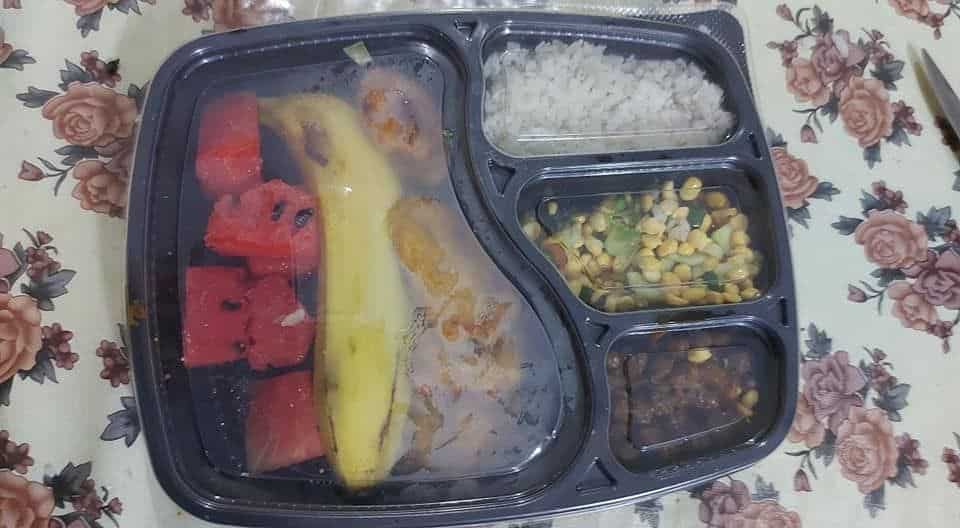
- Nutritious meals
- Safe drinking water
Many operate drop-in centers where street children can access basic amenities without committing to institutional care. It’s about building trust first.
B. Education and skill development programs
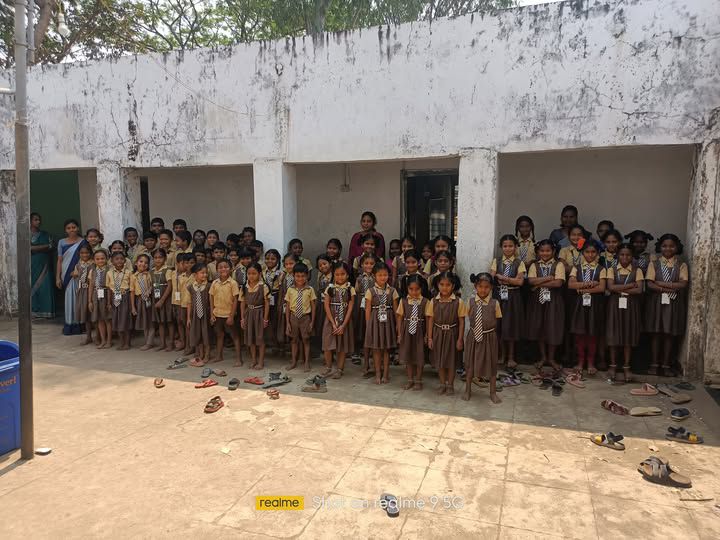
Education is the ultimate game-changer for street children. NGOs tackle this challenge through:
- Bridge courses that help kids transition into formal education
- Non-formal education centers with flexible schedules
- Digital literacy programs
- Vocational training in marketable skills like:
- Computer operations
- Mobile repair
- Beauty and wellness
- Cooking and hospitality
- Tailoring and embroidery
These aren’t just feel-good programs. They’re designed to create real economic opportunities and break the cycle of poverty.
C. Healthcare and nutrition support
Street children face serious health risks daily. NGOs provide comprehensive healthcare through:
- Regular health check-ups and vaccinations
- Treatment for communicable diseases
- Nutrition assessment and intervention
- Substance abuse rehabilitation programs
- Menstrual hygiene management for girls
Many organizations operate mobile health vans that reach children who can’t or won’t come to centers. They know that malnourished kids can’t learn effectively, so nutrition programs often work alongside educational initiatives.
D. Psychological counseling and trauma care
The mental scars of street life run deep. Many children have experienced:
- Physical abuse
- Sexual exploitation
- Family abandonment
- Substance addiction
- Constant fear and insecurity
Effective NGOs employ trained counselors who specialize in childhood trauma. They use:
- Individual therapy sessions
- Group counseling
- Art therapy
- Play therapy
- Peer support groups
The goal isn’t just crisis intervention but long-term healing and emotional resilience. Without addressing psychological needs, other interventions often fail.
Success Stories and Transformation
A. Former street children now thriving
Meet Ravi, once a scared 8-year-old sleeping under Delhi’s flyovers. Today, he’s a software developer at a tech startup. How’d that happen? Salaam Baalak Trust found him, gave him shelter, education, and something even more valuable – belief.
“I never thought I could be anything but a beggar,” Ravi says. “Now I teach coding to kids who remind me of myself.”
He’s not alone. Priya spent years collecting rags before Butterflies NGO stepped in. She just finished nursing school and works at a community health center.
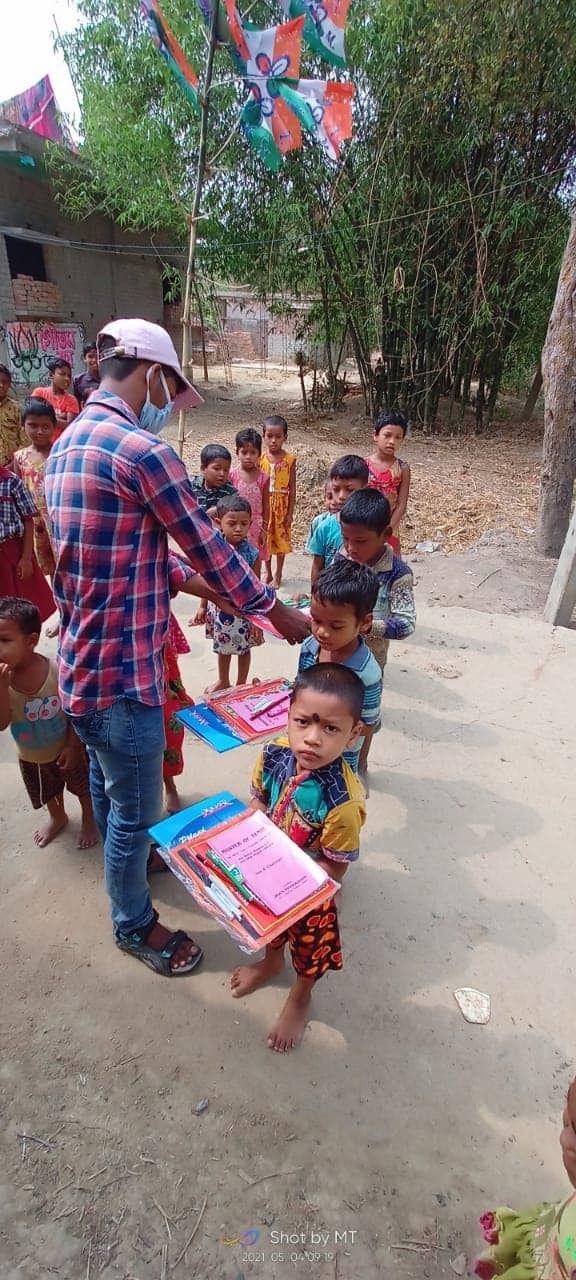
These aren’t isolated success stories. Organizations like Childline India and Don Bosco have helped thousands of former street children transform their lives. The numbers tell an incredible story:
B. Innovative program outcomes
The magic happens when NGOs think outside the box. Take CHETNA’s street schools – mobile classrooms that meet kids where they are. Their “education on wheels” program has boosted literacy rates by 72% among Delhi’s street children.
Railway Children India’s “Station Outreach” uses trained former street children as mentors. This peer-to-peer approach has reduced the number of runaway kids at major stations by almost 40%.
The results speak for themselves:
- 85% decrease in substance abuse among program participants
- 60% reduction in minor crimes in areas with active NGO intervention
- 3,200+ children reunited with families through innovative tracking systems
C. Community reintegration achievements
Getting kids off the streets is just the beginning. The real challenge? Helping them find their place back in society.
Kalighat Society’s family strengthening programs don’t just focus on the child—they work with entire communities. They’ve helped create support networks in 28 slum areas across Kolkata, reducing the re-entry of rehabilitated children to street life to under 5%.
Rainbow Homes has pioneered a “community guardian” system where local shopkeepers, police, and residents become protectors and mentors. This network has created safer neighborhoods and given former street children legitimate places in their communities.
The most powerful achievement? Changed public perception. Communities that once viewed street children as nuisances now see their potential. Schools that were reluctant to admit them now have inclusion policies. Employers who wouldn’t consider hiring them now actively seek them out.
Challenges Faced by NGOs
A. Funding constraints and sustainability
Money problems are the biggest headache for NGOs working with street children. Most survive on donations that can dry up without warning. One month you’re helping 100 kids, the next you’re scrambling to keep the lights on.
Many NGOs find themselves stuck in the “donor dance” – constantly chasing new funding sources while trying to maintain existing programs. International funding has gotten tighter since COVID hit, forcing organizations to compete for smaller pools of money.
The real struggle? Building sustainable models that don’t rely solely on charity. Some innovative NGOs have started social enterprises where street children learn marketable skills while generating income for the organization.
B. Government regulations and bureaucracy
The paperwork alone can bring an NGO to its knees. Just getting registered under the Foreign Contribution Regulation Act (FCRA) can take years, with countless requirements that change without notice.
Child protection laws, while necessary, create complex compliance issues that small NGOs struggle to navigate without legal teams. Every state has different rules, and crossing jurisdictional boundaries to help children who migrate between cities creates administrative nightmares.
C. Reaching hidden populations
Street children aren’t just hanging out in the open. Many hide from authorities, work night shifts, or live in dangerous areas NGO workers can’t easily access.
Girls are particularly difficult to reach – they’re often less visible, working as domestic help or trafficked into hidden situations. Building trust takes time and consistent presence, something that’s hard to maintain with limited resources.
D. Staff retention and training
Burnout is real. Working with traumatized children day after day takes an emotional toll that leads to high turnover. Finding qualified staff willing to work for non-profit salaries is tough enough – keeping them is even harder.
Training isn’t a one-time thing either. Staff need ongoing support in trauma-informed care, child protection protocols, and counseling techniques. Many smaller NGOs can’t afford comprehensive training programs, leaving frontline workers underprepared for complex cases.
E. Scaling successful models
What works for 50 kids in Delhi might fail completely in rural Bihar. Cultural contexts, local economies, and community attitudes vary wildly across India.
Documentation is another roadblock. Many successful interventions aren’t properly recorded or evaluated, making them difficult to replicate. When NGOs do try to scale, they often lose the personal touch that made their programs effective in the first place.
The most frustrating part? Watching a proven solution help just a fraction of the children who need it because the resources for expansion simply aren’t there.
How You Can Support These Efforts
A. Donation options and impact metrics
Want to make a real difference? Even small donations can transform a child’s life. Most NGOs offer multiple ways to give:
- One-time donations: Perfect for those who want to contribute occasionally
- Monthly giving programs: Starting at just ₹500/month (about $6)
- Sponsor a child: Typically ₹1,500-2,500 monthly to cover education, meals, and healthcare
Your money actually goes somewhere concrete. Check out these real impact metrics from leading organizations:
Most reputable NGOs publish annual reports showing exactly how funds are used. Look for organizations with at least 80% of donations going directly to programs.
B. Volunteering opportunities
Got time? These NGOs need your skills:
- Teaching assistance: Help with basic education, English, or computer skills
- Healthcare support: Medical camps need volunteers, especially in rural areas
- Administrative help: Use your professional skills in marketing, IT, or management
- Event organizing: Help with fundraisers and awareness programs
Many organizations offer weekend volunteering options if you can’t commit full-time. Some even have virtual volunteering roles where you can mentor children online.
Before signing up, check if the organization requires background checks (good ones should) and whether they provide training.
C. Advocacy and awareness campaigns
Raise your voice. It’s free and powerful:
- Social media advocacy: Share stories and campaigns from NGOs working with street children
- Community awareness: Organize small gatherings to discuss issues facing street children
- School outreach: Work with local schools to create awareness among students
- Letter writing: Contact your local representatives about policy changes needed
Many people simply don’t know the reality street children face. By sharing facts and stories, you help break stereotypes and build empathy.
D. Corporate partnerships
Businesses have serious muscle in this fight:
- CSR initiatives: Companies can adopt street children programs as part of their CSR mandate
- Skill training partnerships: Businesses can offer apprenticeships or entry-level positions
- Matching gift programs: Many corporations match employee donations
- In-kind donations: Office supplies, computers, or food items often help more than cash
Making a Difference: The Vital Work of NGOs for Street Children in India
The plight of street children in India represents one of the country’s most pressing humanitarian challenges. Through comprehensive intervention strategies including education, healthcare, shelter, and rehabilitation programs, NGOs across India are working tirelessly to transform young lives. Organizations like these not only address immediate needs but also work toward sustainable solutions that break the cycle of poverty and homelessness. Their success stories demonstrate the profound impact that dedicated support can have on vulnerable children’s futures.
Despite their remarkable achievements, these NGOs face significant obstacles including funding limitations, vast numbers of children needing help, and complex social barriers. Your involvement can make a critical difference in this ongoing effort. Whether through donations, fundraising initiatives, corporate partnerships, or simply raising awareness, every contribution helps extend the reach of these vital programs. By supporting these organizations today, you become part of a movement that not only rescues children from life on the streets but empowers them to build dignified, independent futures.
