
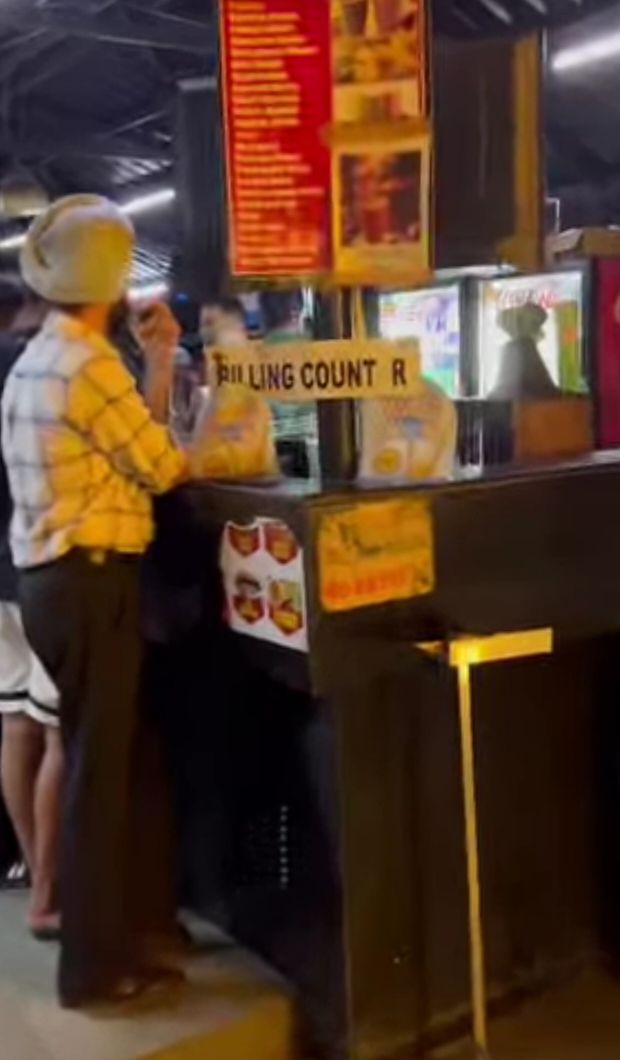
Ever stood in the glow of string lights, breathing in the aroma of night market street food as it mingles with the buzz of a hundred voices? That moment when your senses go into overdrive and your stomach demands immediate attention?
Most travelers remember the night markets long after they’ve forgotten the tourist attractions. There’s something magical about eating elbow-to-elbow with locals, discovering flavors that never make it onto restaurant menus.
But the real reason these markets captivate us isn’t just about the food. It’s about what happens when you take that first unfamiliar bite…
The Global Appeal of Night Markets
Cultural Significance Across Asia
Night markets aren’t just places to grab a bite – they’re living museums of cultural heritage. In Taiwan, the Shilin Night Market isn’t a tourist trap; it’s where generations of families have shared meals for over a century. The stalls, the recipes, the techniques – they’re all passed down like precious heirlooms.
Japanese yatai stalls? They’re not just food carts. They’re where businessmen loosen their ties, where strangers become drinking buddies, where the hierarchy of daytime Japan melts away under paper lanterns.
Why Food Tastes Better After Dark
Ever notice how a simple noodle dish hits different at 10 PM under string lights? There’s actual science behind this.
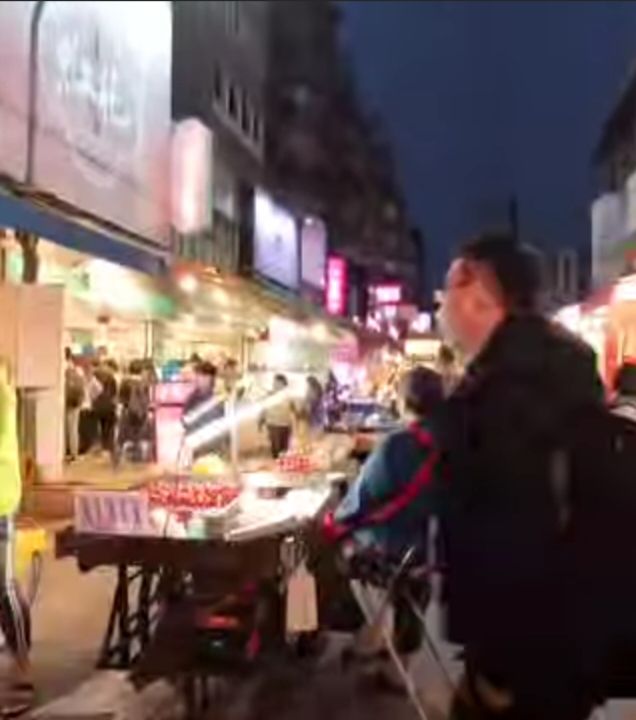
Our senses amp up at night. The darkness heightens other senses – the aroma of grilling satay cuts through the night air more sharply. The sizzle of night market foods sounds more dramatic. The visual pop of food lit by hanging bulbs creates contrast you just don’t get in daylight.
Plus, night markets engage all five senses simultaneously – that sensory overload makes each bite more memorable. The background noise of hawkers, the humid air, the jostling crowds – it all seasons the food in ways no chef could replicate.
The Social Experience of Night Market Dining
Night markets tear down the walls restaurants build. There’s no reservation needed, no dress code enforced.
You’ll see families sharing platters on tiny plastic stools, tourists chatting with locals about what to order, couples on dates sampling from each other’s skewers. The communal tables force conversations with strangers that would never happen in formal restaurants.
The beauty is in the democracy of it all. CEOs stand in the same lines as college students. Everyone eats with their hands, everyone sweats in the heat, everyone hunts for the best deals. Night markets strip away pretension and leave only the essentials: good food and human connection.
Must-Try Street Food Classics
Savory Skewers and Grilled Delights
Night markets come alive with the sizzle and smoke of grilled meats on sticks. These aren’t just any skewers – they’re flavor bombs that’ll make your taste buds dance.
In Taiwan, the king of all skewered treats has to be chuàn (串). Lamb skewers dusted with cumin and chili that’ll have you ordering seconds before you’ve finished your first. The meat gets that perfect char while staying juicy inside.
Thailand brings the heat with moo ping – marinated pork skewers with a sweet-savory glaze that caramelizes over hot coals. Paired with sticky rice, it’s a handheld masterpiece.
Don’t walk past the yakitori stalls in Japanese night markets. From chicken thighs to gizzards, every part gets its moment on the grill, basted with tare sauce that’s been building flavor for generations.
Noodle Dishes That Steal the Show
The slurp factor is real at night markets. From bowls of steaming goodness to stir-fried perfection, noodles rule the night.
Singapore’s char kway teow hits different after dark. Flat rice noodles wok-fried with lap cheong sausage, bean sprouts, and that essential smoky “breath of the wok” that only comes from cooking over intense heat.

In Malaysia, a bowl of curry laksa is like a hug in food form. The spicy coconut broth clings to yellow noodles and vermicelli, topped with shrimp, tofu puffs, and bean sprouts.
Chinese night markets serve up hand-pulled biang biang noodles that are wide as belts and chewy in the best way. Topped with chili oil, vinegar, and garlic, each bite packs a punch.
Dumplings and Hand-Held Treats
Portable pockets of joy – that’s what dumplings are all about. The perfect night market food doesn’t require a table or chair.
Korean markets offer hotteok – sweet pancakes filled with brown sugar, cinnamon and nuts that ooze when you bite into them. The contrast between the crispy exterior and gooey interior is pure magic.
Taiwanese gua bao (pork belly buns) are the OG handheld delight. Pillowy steamed buns stuffed with braised pork belly, pickled mustard greens, crushed peanuts, and cilantro. One bite and you’ll get why they’re called “tiger bites pig.”
Chinese jian bing is basically breakfast for dinner – a crepe spread with savory sauces, egg, crispy wonton crackers, and fresh herbs, all folded into a portable package that’s crunchy, soft, and utterly addictive.
Sweet Endings: Desserts Under the Stars
Night market desserts aren’t dainty affairs – they’re bold, often weird, and always wonderful.
Hong Kong egg waffles (gai daan jai) are bubble-wrapped shaped waffles that are crispy outside, custardy inside. Modern stalls wrap them into cones filled with ice cream and all kinds of toppings.
Taiwan’s shaved ice mountains are an engineering marvel. Ribbons of flavored ice topped with red beans, condensed milk, grass jelly, and fresh fruit. The texture is like eating frozen clouds.
In Thailand, roti with banana and condensed milk is street theater as much as dessert. Watching vendors stretch the dough paper-thin, fold in bananas, and fry it to golden perfection is half the fun.
Finding the Best Food Stalls
A. Follow the Local Crowds
Nothing beats the wisdom of locals. They know where the good stuff is hiding.
I’ve watched too many tourists wander into empty food stalls while the real gems had lines around the corner. Don’t be that person.
Those crowds of locals? They’re not standing in line for average food. They’re waiting because that vendor has earned their trust and their taste buds.
Next time you’re at a night market, scan the scene. Spot where the local workers, students, and families are gathering. That’s your north star.
B. Look for Specialization
Jack of all trades, master of none? That applies to food stalls too.
The best vendors specialize in just one or two dishes. They’ve perfected their recipes over years, sometimes generations.
A menu with 50 items? Run away. A stall selling just one type of noodle soup they’ve been making for 30 years? That’s where the magic happens.
When vendors focus on a single dish, they master every detail—from sourcing ingredients to perfecting cooking times.
C. Fresh Ingredients on Display
Good vendors have nothing to hide. The best ones proudly display their fresh ingredients right up front.
Raw materials piled high, vibrant vegetables, meat that looks like it was butchered that morning—these are all green flags.
I always look for stalls where I can actually see them preparing food from scratch. Transparent food prep isn’t just about hygiene—it’s about confidence in their product.
D. Quick Turnover Equals Freshness
A busy stall means ingredients don’t sit around growing bacteria or losing flavor.
Watch how quickly they go through their supplies. Are they constantly cooking new batches? Are ingredients being replenished throughout the night?
The best stalls might even run out of food before the market closes. It’s disappointing if you arrive too late, but it’s actually a fantastic sign.
Fast turnover means everything you’re eating was probably prepared within the last hour—not sitting in a warming tray since morning.
E. The Importance of Cooking Technique
All the fresh ingredients in the world won’t save poor cooking technique.
I always watch how vendors handle their tools. The confidence in their movements. The rhythmic way they flip, stir, or chop.
Are they tasting as they go? Adjusting heat precisely? Do they seem to know exactly when something is done without checking a timer?
Great street food vendors develop an almost sixth sense about their cooking. They can tell from the sound of sizzling oil or the smell when something is perfectly cooked.
You’ll see it in how they move—efficient, practiced, and completely in their element. That’s when you know you’ve found the real deal.
Navigating Night Markets Like a Pro
Peak Hours vs. Quiet Times
Night markets are buzzing hives of energy, but timing your visit can make or break your experience. Most markets hit peak chaos between 7-9 PM when everyone and their mother shows up hungry. During these rush hours, you’ll battle crowds and wait in longer lines.
Want breathing room? Show up early (right when vendors open) or swing by after 9:30 PM. Early birds catch fresher ingredients while night owls might score discounts as vendors look to sell remaining items.
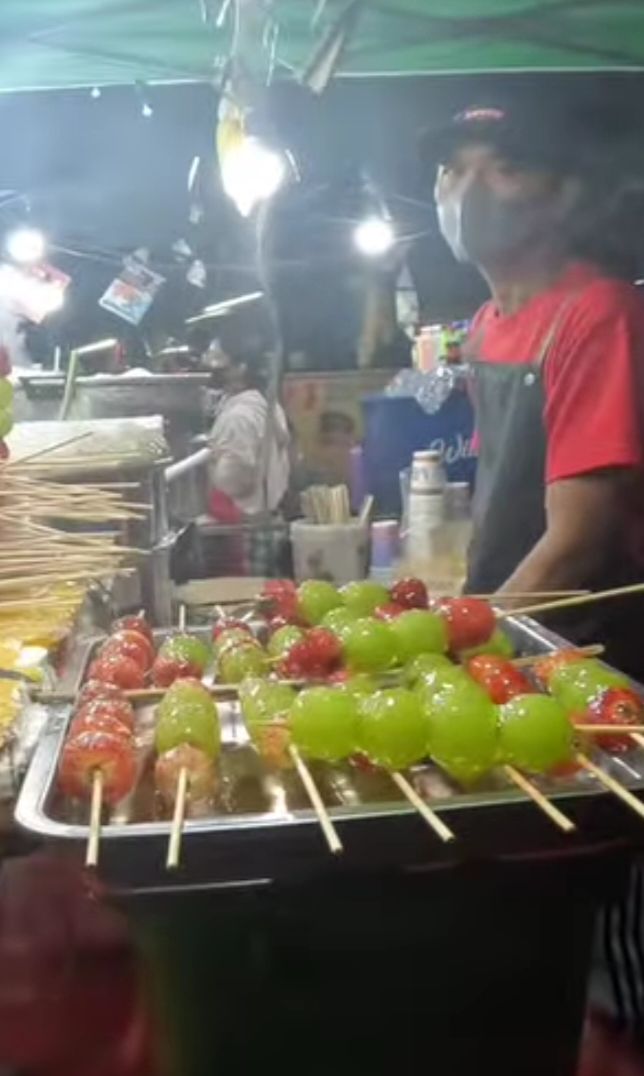
Different weekdays have different vibes too. Weekends are packed with tourists and locals alike, while weeknights (especially Tuesdays and Wednesdays) tend to be more chill.
Bargaining Etiquette for Food
Haggling for your dinner? It’s not like shopping for souvenirs. At most food stalls, prices are fixed—trying to bargain for that bowl of noodles might earn you some side-eye.
But there are exceptions:
- Buying in bulk? Ask for a small discount
- Becoming a regular? Vendors might throw in extras
- End of night? Prices often naturally drop
Always smile, be respectful, and know when to walk away. The golden rule: don’t haggle over pennies when someone’s livelihood is cooking your dinner.
Seating Strategies
Finding somewhere to park yourself with your food treasure is an art form. Your options typically include:
- Communal tables: Fast turnover but noisy
- Standing counters: Great for quick bites
- Perimeter seating: Hidden gems often found at market edges
- BYO solution: Some locals bring collapsible stools!
The pro move? Scout seating first, then order from nearby stalls. Or make friends! Sharing tables is common practice and might lead to recommendations from locals.
Payment Methods to Have Ready
Cash is still king at most night markets, but the world’s changing. Carry small bills—vendors hate breaking large notes for small purchases.
In Asia, mobile payments through WeChat Pay, AliPay, or Line Pay are increasingly common. European and American markets often accept card payments, but the card reader might mysteriously “break” during busy times.
The smart approach? Bring a mix of payment options and always keep some cash as backup. Nothing worse than finding the perfect bite and not being able to pay for it!
Health and Safety Tips
A. Watching Food Preparation
Ever eaten something that made you regret every life choice? Yeah, that’s what we’re avoiding here.
Watch the vendor’s cooking process before ordering. Are they handling raw and cooked foods separately? Do they wash their hands between tasks? If the answer’s no, move along.
The busiest stalls are usually safe bets. Locals know what’s good, and high turnover means fresher ingredients. If you see a line of people waiting, that’s your green light.
Trust your gut (literally). If something looks off—like meat sitting out in the heat or food being reheated multiple times—walk away. No dish is worth spending your vacation hugging the toilet.
B. Water and Hand Sanitizer Essentials
Carry bottled water everywhere. Seriously, everywhere. Street food makes you thirsty, and you’ll want a trusted source to wash down all those spices.
Hand sanitizer is your new best friend. Think about it—you’re eating with your hands half the time, touching money, pointing at food… that’s a bacteria party waiting to happen.
Wipes aren’t just for babies. They’re perfect for cleaning sticky fingers or wiping down utensils if they look sketchy.
C. Starting Small to Test Your Stomach
Your stomach isn’t ready for the big leagues right away. Start with cooked foods that are still hot—street food that’s been freshly grilled, fried, or boiled.
Day one isn’t the time to try that fermented whatever or raw seafood dish. Save the adventurous eating for day three or four, when your system has adjusted.
Space out your food adventures. Try something new, then wait a few hours. If all systems are go, proceed to the next delicacy. Your digestive system will thank you for the gradual introduction.
Capturing the Experience
Photography Tips for Low Light Settings
Night markets are notoriously tricky to photograph. They’re dark, yet filled with pockets of bright, colorful lights that mess with your camera’s exposure settings.
Want killer shots? Ditch the flash. Seriously. It kills the mood and makes your food look flat and weird. Instead, bump up your ISO—somewhere between 800-3200 depending on how dark it is. Sure, you’ll get some grain, but that actually adds character to night market shots.
Bring a small tripod or something to stabilize your camera. Those little flexible ones that wrap around poles? Perfect for night markets. And shoot in RAW if your camera allows it—you’ll thank yourself later when editing.
The magic hour at night markets isn’t sunset—it’s about an hour after when the lights are glowing against the deep blue sky. That’s when colors pop and the vibe is at its peak.
Engaging with Vendors for Better Stories
The difference between a tourist and a traveler? Conversation.
Most vendors have been cooking the same dish for decades. They’ve got stories that’ll make your Instagram caption sing. But you can’t just stick a camera in their face and expect gold.
Buy something first. Seriously. Even if you’re full, get a small portion. It’s your ticket to conversation.
Learn three phrases in the local language: “Delicious,” “How long have you been cooking this?” and “Can I take your photo?” You’d be amazed how these simple questions open doors.
Ask about their specialty—not what’s popular with tourists, but what they’re proud of. That’s how you discover the dish they’ve perfected over 30 years that isn’t even on any “top 10” lists.
Documenting Your Culinary Journey
Your night market adventure deserves better than random food pics and forgotten flavors.
Create a simple system: photograph the stall sign or storefront before the food shots. This gives you context when looking back months later wondering “where was that amazing dumpling place again?”
Take notes in your phone immediately after eating—not just about taste, but textures, smells, and the setting. That spicy noodle hits different when you remember the elderly couple who made it arguing lovingly in the background.
Collect small mementos—chopstick wrappers, handwritten bills, even napkins. These physical reminders bring back sensory memories photos alone can’t capture.
Map your route. Drop pins on Google Maps for your favorite spots so you can return—or share with friends who visit later.
Exploring night markets offers a sensory journey through global culinary traditions, where the sizzle of street food classics mingles with the vibrant atmosphere of local culture. From identifying the most authentic food stalls to navigating crowded marketplaces with confidence, the experience combines delicious discoveries with practical know-how. Remember to stay vigilant about food safety while still embracing the spontaneity that makes these nocturnal food adventures so special.
Next time you travel, make a night market expedition part of your itinerary. The memories you’ll create—sampling regional delicacies under strings of colorful lights, chatting with vendors, and capturing the bustling energy through photographs—will become some of your most treasured travel experiences. The true magic of night markets lies not just in the flavors you’ll taste, but in the cultural connections you’ll make along the way.
