
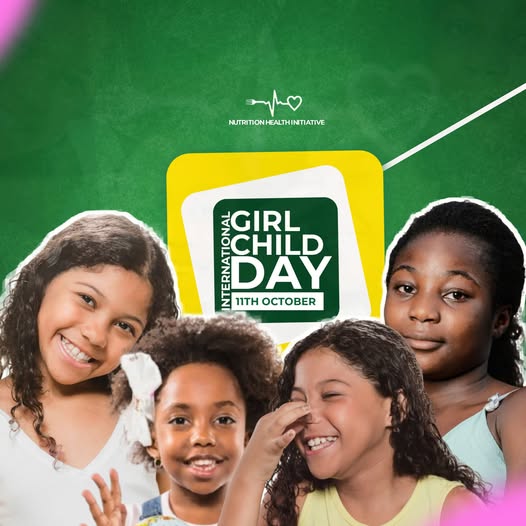

Introduction : Nutrition for Girl Child Health
Nutrition is the cornerstone of growth, development and long-term health. For girls, proper nutrition is particularly important, not just for their own health, but for healthy generations to come. In many societies, girls, however, experience nutritional disadvantage resulting from gender discrimination, lower access to food and sociocultural practices. Childhood malnutrition can stunt growth, suppress the immune system, restrict mental development and can have long-term effects, especially in adolescence, pregnancy, and motherhood. As such, proper nutrition for the girl child is a question of health, justice, and the advancement of societies.

Significance of Nutrition for Girl Child Health
1. Physical Growth and Development
Adequate nutrition results in normal height, weight, and bone strength. Girls with adequate diets are less likely to be stunted, underweight or have delayed puberty.
2. Brain Development
The critical period for cognitive development in girls is the early years. Appropriate levels of protein, iron, iodine, and vitamins all contribute to memory, learning, and scholastic achievement.
3. Immunity and Disease Resistance
The better the nutrition in girls, the more immunized against infections — diarrheas, pneumonias and various communicable diseases. Good nutrition also helps guard against chronic diseases as children grow up.

4. Reproductive Health
As girls move through puberty, nutrition also has an enormous impact on menstural health, hormonal balance and readiness for future motherhood. Girls who are malnourished have greater risks while pregnant, including developing anemia and having low birth weight babies.

Nutritional Problems That Commonly Affect Girl Children
1. Undernutrition and Stunting
There is a high prevalence of chronic undernutrition in girl children in developing countries that can be attributed to poverty and absence of balanced diets. This in turn means growth is stunted and physical capability is limited.
2. Anemia and Micronutrient Deficiencies
It is estimated that the prevalence of deficiency of iron is one of the most common problems in girls. It is a cause of fatigue, weakness, and poor concentration. Malnutrition with vitamin A, vitamin D, calcium and zinc deficiencies is also common.
3. Gender Disparities in Food Distribution
In some families, boys receive more food than girls and thereby get better nutrition.
4. Poor Dietary Diversity
Among these we must include the cereals that provide the supporting but not the essential factors of diet and diets which rely on cereals and exclude fruits, vegetables, milk and protein foods fail to supply the necessary units of growth and health.

5. Adolescent Nutritional Issues
Adolescent girls too often skip meals, diet unhealthily and/or eat junk food, leading either to obesity or malnutrition.
Nutrients Important for the Health of the Girl Child
1. Protein – For Growth and Muscle Repairs! Sources: milk, beans, eggs, fish, chook, soy, beans and nuts.
2. Carbs – Gives energy for the day. Healthy sources are such whole grains (brown)riceand oatsand fruits.
3. Fatty acids – good for brain growth and healthy for energy. Good sources: nuts, seeds, avocado, olive oil, and ghee in moderation.
4. Iron – Important for preventing anemia. Found in green leafy vegetables, legumes, jaggery, meat and fortified cereals.

5. Calcium – Aids in strong bones and teeth. Sources: milk, curd, cheese, ragi, almonds and leafy vegetables.
6. Vitamins –
Vitamin A for vision and immunity (carrots, spinach, papaya).
Vitamin C for immunity and iron absorption (oranges, amla, guava).
Vitamin D for Bone Health (Sunlight; Fortified Foods).
Vitamin B12 for good nervous system health (eggs, dairy, fish).
7. Zinc & Iodine – For growth and development of brain. Good sources: seafood, dairy and iodized salt.
8. Water – Needed to help you digest, metabolise and function as a body overall.
Age-Specific Nutritional Needs
1. Early Childhood (0–5 years)
Six months of exclusive breastfeeding.
Introduction of a high protein and high vitamin complementary food after six months.
Sufficient amount of fruit, vegetables and fortified food to prevent deficiencies.
2. School Age : Balanced meals are essential for school performance as well as physical activity. Iron, calcium, protein, etc., need to be included to evade fatigue and ensure bone development. Also, children should be given healthy snacks instead of processed junk food. 3. Adolescence : Rapid growth and hormonal changes increase the requirement of calories, proteins, and micronutrients. Iron must be provided to avoid anemia for girls because of menstruation. Calcium and vitamin D are also required to reach peak bone mass. Crash diets and excessive junk food consumption must be avoided for girl children. Role of Parents and Society: 1. Parental Responsibility : Parents should distribute food without discriminating against gender. Mothers should also be taught the necessity of girl child nutrition. 2. Schools and Mid-Day Meals : A “midday meal with adequate protein, vegetables, and fortified food” should be provided by schools. 3. Community Awareness: The society mainly the inequality should be properly addressed through campaigns and programmes. 4. Government Schemes : Some initiatives such as ICDS, Poshan Abhiyaan, and Mid-Day Meal Schemes are taken in Indian that focus on “unlocking every school’s potential” with successful strategies. The long-term benefits for girl child nutrition are Improved Academic Performance, Reduced Health Risks, Healthy Motherhood, Economic Empowerment. Some of the practical tips for parents are Encouraging home-cooked meals, providing seasonal fruits and dark green leafy vegetables limiting packaged foods, promoting handwashing and hygiene.
5. Periodic medical check-ups including deworming to control covert malnutrition.
6. Ensure awareness for menstrual hygiene and balanced diet among adolescent girls.
Conclusion
Investment in girl children’s nutrition is not only good for health—it is a strategy for investment in future society. And a nourished girl will develop into a confident woman, a healthier mother, and a more effective, contributing member to her community.” Sadly, girls’ nutrition is often compromised due to gender inequity, economic poverty, and lack of knowledge. To end this vicious cycle, families, communities, schools and governments need to come together to make sure that every girl child is given the food, treatment and education needed to thrive. The Realisation of the dreams of a girl child is a national dream that has the potential to secure healthier generations to come.
