

When discussing the facilities of the two sea ports of West Bengal, it can be seen that the state has had the facilities of sea ports since its historical days. Ever strolled through a Bengali market and felt the rough texture of a jute shopping bag? That humble fiber once employed over 300,000 workers in West Bengal and shaped the region’s economic identity for generations.
The golden fiber’s story isn’t just about bags and ropes. It’s about colonial legacies, freedom struggles, and families whose entire histories are woven into this resilient plant.
The jute industry in West Bengal has weathered dramatic transformations – from being the backbone of British imperial trade to facing near-collapse in the late 20th century. Today’s revival efforts blend tradition with sustainability, creating new possibilities for this ancient crop.
But what exactly caused jute’s dramatic fall from grace? And could this plant, which once clothed the world, help solve our modern plastic crisis?
Historical Origins of Jute Cultivation in West Bengal
Pre-colonial jute farming practices
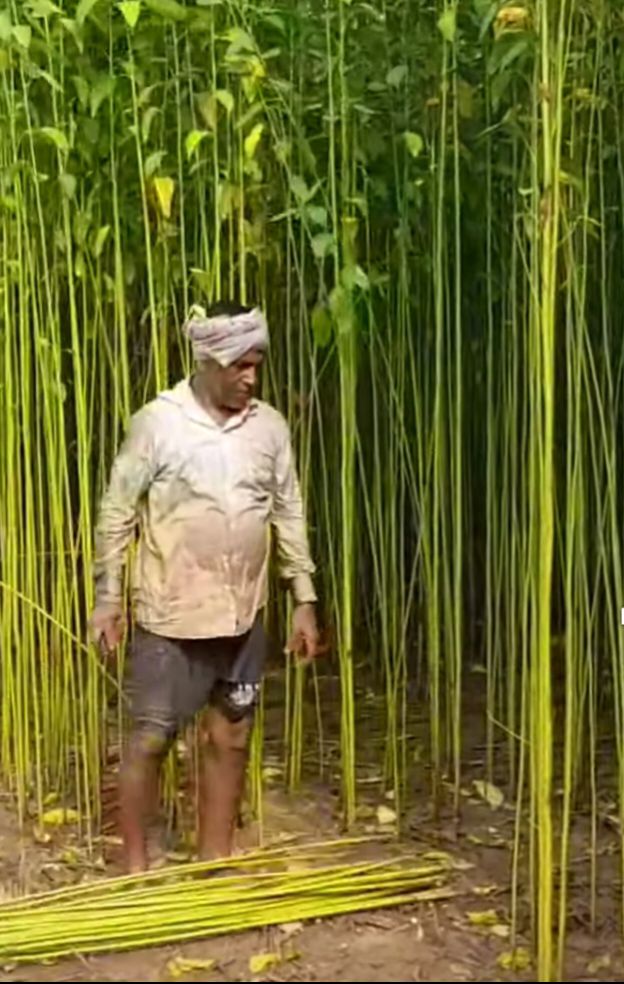
Jute has been growing wild in Bengal’s wetlands since ancient times. Farmers discovered its potential early on, incorporating it into their agricultural practices alongside rice cultivation. The crop thrived in Bengal’s humid climate and fertile soil, particularly in the Ganges delta region.
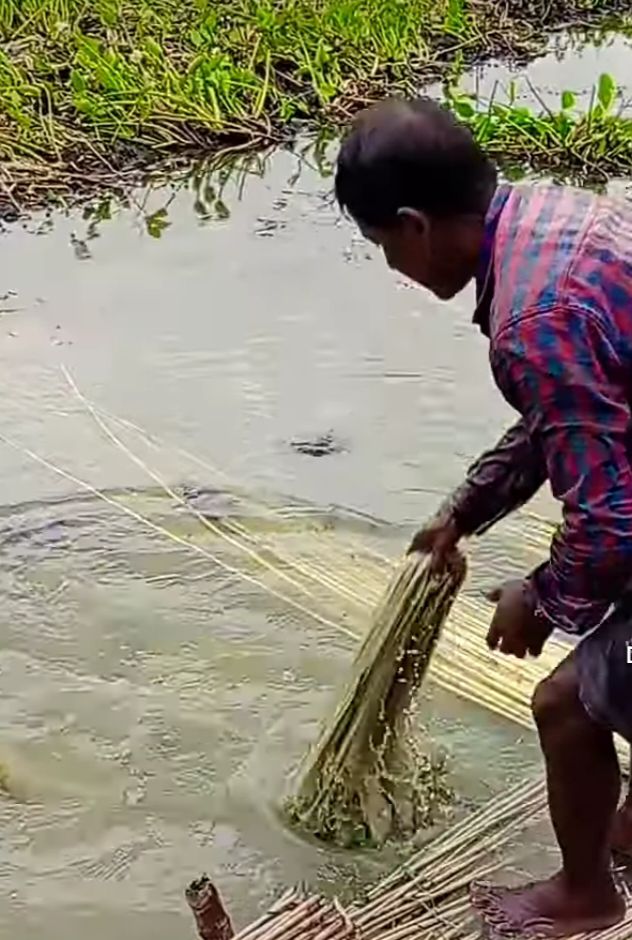
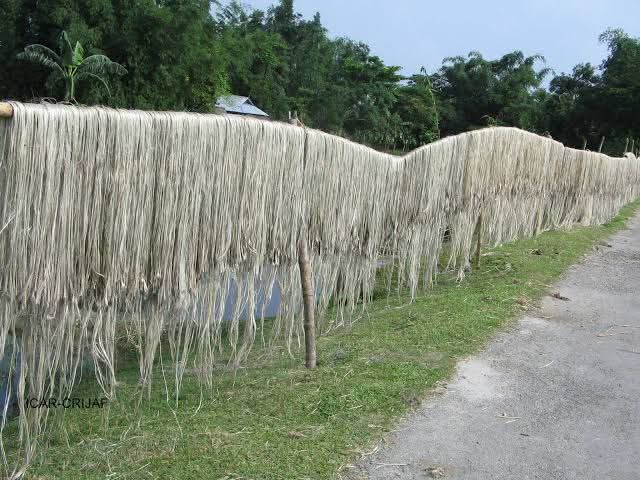
Before the British arrived, jute farming was primarily subsistence-based. Local families grew small patches, harvested the plants by hand, and processed the fibers using traditional methods passed down through generations. They’d soak harvested stalks in slow-moving water (a process called retting), then strip the fibers by hand – backbreaking work that entire families participated in.
British colonial influence on jute production
The British changed everything. When they discovered jute could substitute for flax in making packaging materials, demand exploded. By the 1830s, European merchants were actively encouraging Bengali farmers to expand jute cultivation.

The real game-changer? The Crimean War in the 1850s cut off Russian flax supplies to Britain, forcing them to find alternatives. Suddenly, Bengali jute wasn’t just useful – it was essential.
Tax policies and agricultural incentives pushed farmers to convert rice fields to jute, dramatically altering Bengal’s agricultural landscape. Land previously used for food was now dedicated to this cash crop, making the region increasingly dependent on the whims of international markets.
Early trading patterns and market development
The jute trade quickly developed into a complex network. Rural markets called “hats” sprung up throughout Bengal where farmers sold their raw jute to intermediaries. These middlemen then transported the fibers to larger trading centers like Narayanganj and Chandpur.
European trading houses established buying offices in these centers, creating a hierarchy that basically looked like this:
| Level | Participants | Function |
|---|---|---|
| Village | Farmers | Production |
| Rural market | Local traders | Initial purchase |
| Regional center | Larger merchants | Consolidation |
| Export hubs | European firms | International shipping |
By the 1860s, Calcutta (now Kolkata) emerged as the primary export hub for jute. Ships loaded with raw fiber departed for factories in Dundee, Scotland – then the world’s jute manufacturing capital.
The trade was wildly profitable for the British, but Bengali farmers saw minimal benefits. Price fluctuations and exploitative practices meant the actual producers remained poor despite growing a valuable export crop.
Establishment of the first jute mills in the region
Why ship raw materials all the way to Scotland when you could process them locally? That question led to a major shift in the 1850s and 60s.
The first jute mill in Bengal was established in 1855 at Rishra, near Calcutta, by George Acland. Called the Acland Mill, it marked the beginning of industrial jute processing in the region. Soon after, in 1859, the Borneo Company set up another mill at Baranagar.
These early ventures proved incredibly successful, triggering a rush of investment. By 1900, over 30 jute mills lined the banks of the Hooghly River, forming what became known as the “Jute Belt.”
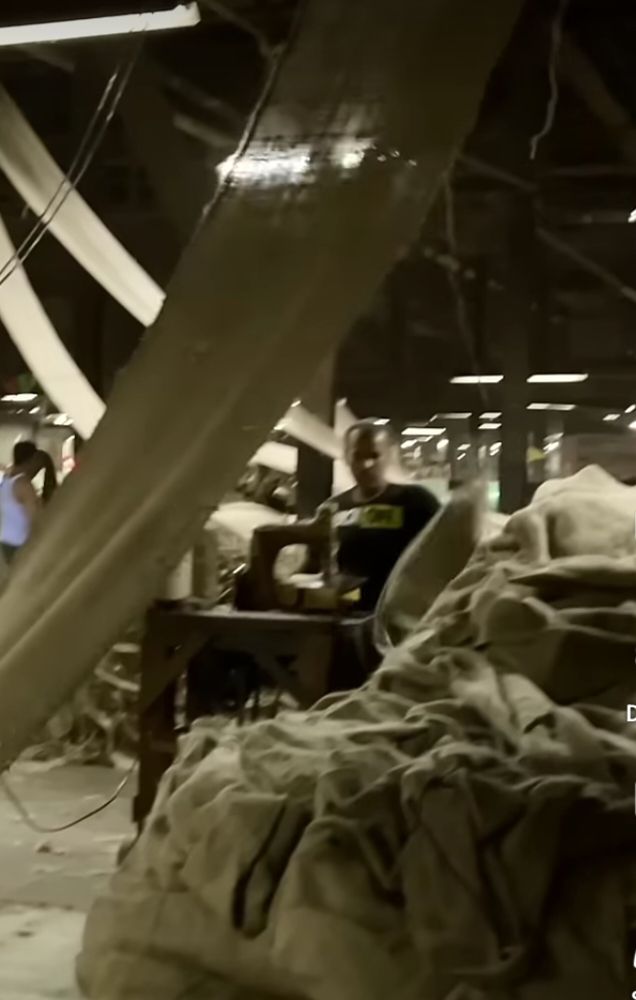
These factories transformed everything – from employment patterns to urban development. Thousands of rural Bengalis migrated to work in these mills, creating new industrial communities. The mills were massive operations, each employing thousands of workers operating hundreds of looms.
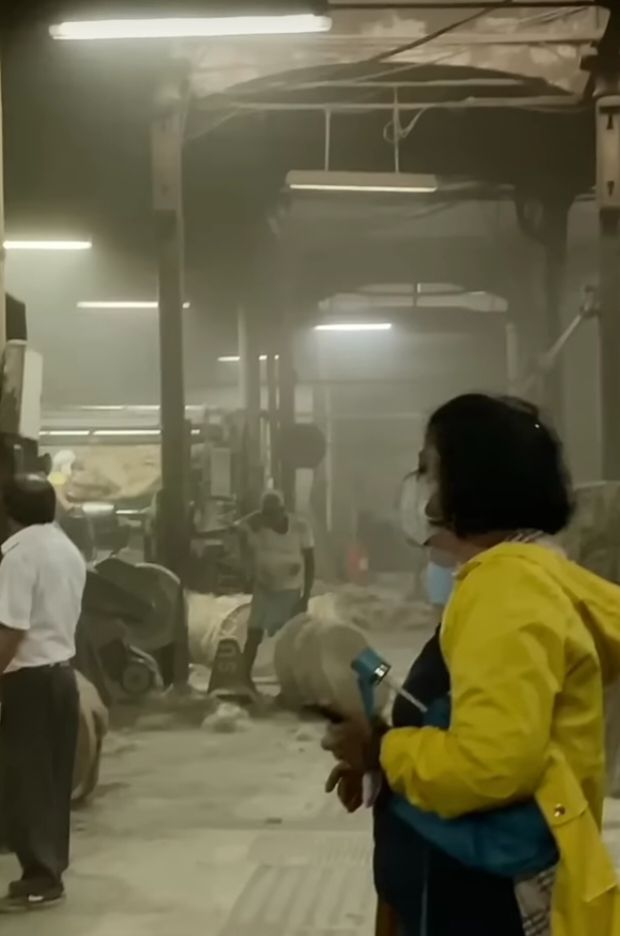
British capital dominated ownership, though some Indian entrepreneurs eventually entered the industry. The working conditions were harsh – long hours, dangerous machinery, and minimal safety precautions. Still, these mills formed the industrial backbone of Bengal’s economy for decades to come.
The Golden Era of West Bengal’s Jute Industry
A. Peak production periods and economic impact
The 1870s to 1940s marked the absolute heyday for West Bengal’s jute industry. Nothing could touch it. With over 100 mills lining the Hooghly River, these factories churned out a staggering 1.5 million tons of jute products annually by the 1920s.
Money? It was pouring in. Jute contributed nearly 40% of Bengal’s industrial output and became the second largest revenue generator after agriculture. The numbers were mind-blowing – by the 1930s, jute exports alone accounted for 30% of India’s total export earnings.
B. Role in regional employment and socioeconomic development
Talk about a job creator! At its peak, the jute industry employed over 350,000 workers directly in the mills. But that’s just scratching the surface. Millions more worked in cultivation, transportation, and trading.
Entire communities sprang up around these mills. Workers’ quarters, marketplaces, schools – complete mini-cities developed along the Hooghly. The industry created Bengal’s first real industrial working class, transforming rural peasants into wage earners almost overnight.
C. Global dominance of Bengal jute
Bengal didn’t just participate in the global jute market – it owned it. By 1910, Bengal controlled a whopping 90% of world jute production. No other region came close.

The industry earned Calcutta (now Kolkata) the nickname “Jute City.” Scottish and British entrepreneurs established massive operations like the Calcutta Jute Mills and Fort Gloster Jute Mill, but Bengali merchants quickly built their own empires too.
D. Technical innovations in jute processing
The industry wasn’t standing still technically either. The introduction of the power loom specifically designed for jute in the 1880s revolutionized production speeds.
Bengali engineers developed specialized machines for softening raw jute fibers that increased efficiency by 200%. The Dundee-Bengal connection brought constant innovation – new spinning techniques, improved boiling methods, and mechanical batching all originated during this golden period.
E. Export patterns and international trade relations
Jute from Bengal literally wrapped the world. From gunny bags carrying American cotton to packaging Australian wool, Bengal jute products reached every continent.
Trade routes stretched from Calcutta to Liverpool, New York, Hamburg, and Sydney. Even during World War I, demand for jute sandbags skyrocketed, with military orders exceeding 2 billion bags.
Britain was the primary trade partner initially, but by the 1920s, direct trade with the Americas and continental Europe expanded dramatically. The industry created Bengal’s first true global business networks, with trading houses in Calcutta connecting to markets worldwide.
Decline and Challenges in the Late 20th Century
A. Impact of partition on jute production areas
When India split in 1947, the jute industry took a brutal hit. Here’s the painful reality: while 80% of jute mills remained in India (mostly in West Bengal), about 75% of raw jute growing areas went to East Pakistan (now Bangladesh).
This geographical divorce created a supply nightmare. Mills in West Bengal suddenly found themselves desperate for raw materials. Prices shot up, production costs ballooned, and mill owners panicked.
The government scrambled to increase domestic jute cultivation, but you can’t just replace decades of agricultural expertise overnight. West Bengal, Bihar, Assam, and Orissa tried ramping up production, but quality and quantity never quite matched what came from East Bengal’s perfect jute-growing conditions.
B. Competition from synthetic alternatives
By the 1960s, synthetic fibers crashed the party. Polypropylene bags were cheaper, lighter, and didn’t rot when wet. Game over, right?
Farmers and traders who’d sworn by jute sacking for generations started switching to these plastic alternatives. Why wouldn’t they? They cost less and lasted longer.
Global markets that once couldn’t get enough Bengali jute now had options. With each passing year, another segment of the market slipped away. Carpet backing, once jute’s domain, went to synthetics. Food grain packaging moved to plastic. The writing was on the wall.
C. Policy failures and inadequate modernization
The industry was crying out for modernization, but what did it get? Half-baked policies and bureaucratic red tape.
While jute industries worldwide were upgrading equipment and production techniques, West Bengal’s mills kept using machinery from the colonial era. Some looms dating back to the 1900s were still clanking away in the 1980s!
Government protection measures turned into life support that prevented necessary adaptation. The Jute Packaging Materials Act of 1987 mandated jute packaging for certain commodities, but this artificial demand masked the real problem – the industry wasn’t evolving.
Investment dried up. Research stagnated. Innovation became a foreign concept.
D. Labor issues and mill closures
The workers paid the heaviest price. As profits dwindled, mill owners cut corners on wages and working conditions.
The once-proud jute mill worker, backbone of Bengal’s industrial might, now faced uncertain futures. Strikes became common in the 1970s and 80s, but with an industry already on its knees, these only accelerated the decline.
Mills started shutting down one after another. The names still haunt industrial Bengal – Kankinara, Wellington, Alexandra, National – once-bustling factories reduced to rusting hulks along the Hooghly River.
By the 1990s, thousands of skilled workers were jobless. Entire communities built around mills collapsed. The social fabric of industrial Bengal, woven over a century, unraveled as quickly as the industry that created it.
Current State of the Jute Industry
A. Surviving Mills and Production Statistics
The jute industry in West Bengal is a shadow of its former self, but it’s not dead yet. Today, about 70 operational mills remain in the state, down from over 150 during the industry’s peak. These surviving mills produce approximately 1.5 million tonnes of jute goods annually – roughly 80% of India’s total jute production.
Look at these numbers though: production capacity utilization hovers around 60-70%, a clear sign of an industry struggling to stay relevant. Most mills operate with outdated machinery, some dating back to the colonial era.
Despite these challenges, West Bengal still dominates India’s jute scene. The state accounts for nearly 3/4 of the country’s total jute cultivation area, with the districts of Murshidabad, North 24 Parganas, and Nadia leading production.
B. Employment Patterns and Demographic Shifts
Gone are the days when jute mills employed hundreds of thousands. Today’s workforce has shrunk dramatically to about 250,000 workers across West Bengal – a fraction of historical numbers.
The demographic makeup has shifted too. Where once migrant workers from Bihar, Uttar Pradesh, and Odisha dominated, now local Bengali workers make up the majority. This shift reflects both the industry’s decline and changing migration patterns.
Women now constitute nearly 30% of the workforce, up from less than 10% in the 1980s. They’re primarily engaged in the finishing departments and quality control.
What’s troubling? The aging workforce. The average age of a jute mill worker today is 45+ years. Young people simply aren’t interested in joining a declining industry with uncertain future prospects.
C. Market Positioning and Product Range
The jute industry in West Bengal has been forced to reinvent itself. Traditional sacking and hessian still form the backbone of production (about 70%), mostly purchased by government agencies for packaging foodgrains.
But innovation is happening. Forward-thinking mills have diversified into:
- Decorative fabrics for home furnishing
- Jute-blended textiles for fashion
- Geotextiles for erosion control and road construction
- Lifestyle products like bags, rugs, and wall hangings
These high-value products now contribute about 25% of revenue while representing only 15% of production volume. Smart move.
Export markets have evolved too. European countries and the US now primarily purchase lifestyle and decorative jute products, while traditional gunny sacks find markets in Africa and the Middle East.
The premium segment is growing at 12-15% annually – a bright spot in an otherwise challenging landscape. Mills focusing exclusively on traditional products continue to struggle with thin margins and fluctuating demand.
Revival Efforts and Sustainability Initiatives
Government policies and support programs
The jute industry in West Bengal was on life support until the government finally woke up. In 2005, the Jute Packaging Materials Act got a serious boost, mandating that certain commodities (like sugar and grains) must use jute packaging. Smart move – it created instant demand.
West Bengal’s state government didn’t stop there. They launched the “Jute Mark India” scheme to promote authentic jute products and protect them from synthetic knockoffs. Financial incentives for mill modernization followed, with subsidies covering up to 30% of upgrade costs.
The Jute Technology Mission pumped ₹260 crores into research and development. Not just empty promises either – actual cash for actual improvements.
Diversification into premium jute products
Gone are the days when jute just meant boring sacks. Today’s jute industry in Bengal has completely reinvented itself.
Luxury bags? Check. Home décor? Absolutely. High-end fashion accessories? You bet.
Companies like Shri Lakshmi Jute Industries have transformed from basic manufacturers to premium lifestyle brands. Their jute handbags now sell for upwards of ₹2,000 in urban markets.

The smart players realized something crucial: nobody gets excited about commodity products, but everybody loves unique, handcrafted goods with a story. That’s exactly where Bengal’s jute artisans shine.
Eco-friendly positioning and global market opportunities
The timing couldn’t be better for jute’s comeback. As plastic bans sweep across countries, jute stands tall as the biodegradable alternative everyone’s been looking for.
European markets are particularly hungry for sustainable products. German retailers now stock Bengali jute shopping bags as premium eco-friendly items, charging €15-20 each. What used to be a cheap material is now positioned as an environmental savior.
The numbers tell the story – jute exports from West Bengal jumped 27% between 2018-2022. The industry finally found its perfect pitch: “Tradition meets sustainability.”
Technological modernization efforts
Let’s talk about the machines for a minute. Many jute mills were running equipment from the 1950s. No joke.
The Jute Manufacturing Development Council tackled this head-on with a ₹100 crore modernization program. Mills like National Jute Manufacturers have installed automated looms that triple production speed while cutting waste by 40%.
Digital inventory systems have replaced paper ledgers. Modern dyeing technologies now use 60% less water. And CAD software helps designers create intricate patterns that were impossible before.
The industry isn’t just preserving old techniques – it’s blending tradition with technology. And that’s exactly how Bengal’s jute industry might just survive the 21st century.
Future Prospects for West Bengal’s Jute Industry
A. Potential for growth in eco-conscious markets
The global tide is turning, and West Bengal’s jute industry couldn’t be better positioned to ride the wave.
As plastic bans sweep across countries and consumers ditch synthetic bags for natural alternatives, jute products are experiencing a renaissance. West Bengal, with its rich jute heritage, sits at the perfect intersection of tradition and global demand.
European markets are particularly hungry for sustainable packaging, with jute bags commanding premium prices in specialty stores from London to Berlin. The numbers tell the story – global demand for biodegradable packaging is projected to hit $21 billion by 2025, and jute wants a bigger slice of that pie.
What’s truly exciting? The untapped potential in fashion and home décor. Designer jute handbags, stylish footwear, and contemporary home furnishings are finding their way into upscale boutiques worldwide.
B. Challenges in scaling production
But here’s the reality check – scaling up isn’t straightforward.
The jute industry in West Bengal battles with aging machinery that dates back decades. Most mills run on equipment from the 1950s, creating bottlenecks in production that can’t keep pace with modern demand.
Labor issues continue to plague the sector. Young workers aren’t exactly lining up for jobs in jute mills, creating a growing skills gap as experienced workers retire. The work remains labor-intensive, and working conditions in many mills need serious upgrades.
Then there’s the financing problem. Modernizing a jute mill requires capital, but banks remain hesitant after decades of industry struggles. The catch-22 is painful – mills need modernization to become profitable, but can’t secure loans without proving profitability first.
Competition from Bangladesh and synthetic alternatives keeps prices under pressure, making the math for reinvestment even harder.
C. Opportunities for value-added jute products
The real gold mine? Moving beyond basic sacks and bags.
Diversification is where Bengal’s jute future shines brightest. Jute-based geotextiles for erosion control and road construction represent a massive growth area, with infrastructure projects worldwide creating steady demand.
Jute composite materials blend tradition with technology – lightweight, durable, and remarkably versatile. From car door panels to furniture components, these composites command prices up to 5x higher than raw jute.
The handicraft sector shows particular promise for rural employment. Training artisans to create premium jute products can transform village economies while preserving cultural techniques.
Some entrepreneurs are already making waves with luxury jute paper, decorative wall coverings, and even jute-based activewear. These niche markets pay substantially more than commodity jute products.
D. Role of innovation and R&D in industry transformation
Innovation isn’t just helpful for jute’s future – it’s absolutely essential.
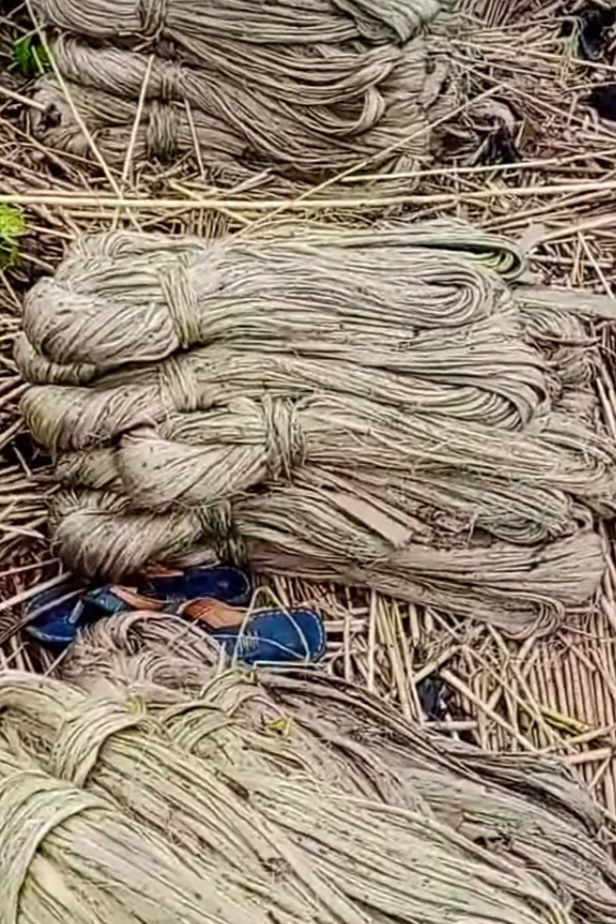
Research institutions like the National Institute of Research on Jute and Allied Fibre Technology are developing breakthrough technologies that could revolutionize production. Enzyme-based retting techniques cut processing time in half while improving fiber quality and reducing environmental impact.
Automated spinning and weaving systems are being adapted specifically for jute, potentially transforming productivity. The pilot projects show promising results – up to 40% increase in output with more consistent quality.
Digital marketplace platforms connecting artisans directly with global buyers are eliminating middlemen and increasing profits for producers. Some weavers have seen their incomes double through these direct market connections.
The most exciting developments? Blending jute with other natural fibers to create entirely new materials with enhanced properties – softer textures, greater durability, and expanded applications.
E. Potential for jute in addressing climate change
Jute isn’t just environmentally friendly – it’s actively climate positive.
Each hectare of jute absorbs about 15 tons of CO2 during its growing cycle, making it one of the most effective carbon-sequestering crops available. As carbon markets mature, jute cultivation could generate additional revenue through carbon credits.
The crop requires minimal pesticides and fertilizers compared to cotton, and its deep root system prevents soil erosion – critical for Bengal’s vulnerable river delta ecosystem.
Jute’s biodegradability solves a major environmental problem. While plastic bags persist for centuries, jute products return to the soil in months, creating a truly circular economy solution.
The water footprint tells an even more compelling story. Producing one ton of jute fiber requires just 6% of the water needed for equivalent cotton production, a critical advantage in a water-stressed world.
West Bengal’s jute industry represents a compelling story of rise, decline, and potential resurgence. From its historical roots and golden era as a global powerhouse to the challenging period of decline in the late 20th century, jute has remained woven into the economic and cultural fabric of the region. Today, while facing continued challenges, the industry shows promising signs through sustainability initiatives, eco-friendly product innovations, and government support programs.
The future of West Bengal’s jute industry hinges on its ability to adapt to modern market demands while honoring its traditional significance. By embracing sustainable practices, developing innovative products, and receiving continued policy support, this once-thriving sector has the potential to reclaim its importance—not just as an economic driver, but as an environmentally responsible industry aligned with today’s global priorities. The resilience shown by jute stakeholders suggests that this natural fiber may yet write another successful chapter in West Bengal’s industrial history.
