
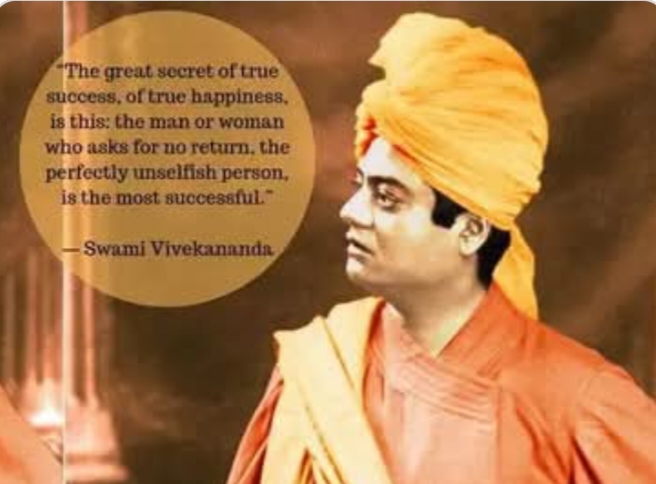
Introduction: The Meeting of Two Great Souls
In the annals of Indian spiritual history, few partnerships have been as influential and transformative as that of Ramakrishna and Vivekananda. Their meeting in 1881 marked the beginning of a spiritual journey that would not only reshape the landscape of Hinduism but also bring Eastern philosophy to the Western world.
Thank you for reading this post, don't forget to subscribe!Ramakrishna, the mystic saint of Dakshineswar, and Vivekananda, his most illustrious disciple, formed a spiritual duo that would leave an indelible mark on the religious and philosophical thought of India and beyond. Their relationship, teachings, and combined impact continue to inspire millions around the globe, making the story of Ramakrishna and Vivekananda a testament to the power of spiritual wisdom and its ability to transcend cultural and geographical boundaries.
Ramakrishna: The Mystic Master
Sri Ramakrishna Paramahamsa, born Gadadhar Chatterjee in 1836, was a Bengali mystic and saint who became one of the most revered spiritual figures of 19th-century India. His life was a vivid illustration of the richness and depth of Hindu spiritual traditions.
Early Life and Spiritual Experiences
Ramakrishna’s spiritual journey began at an early age. As a young priest at the Dakshineswar Kali Temple, he experienced intense spiritual visions and states of samadhi (deep meditative absorption). His devotion to the Divine Mother Kali was particularly notable, often losing himself in ecstatic states during worship.
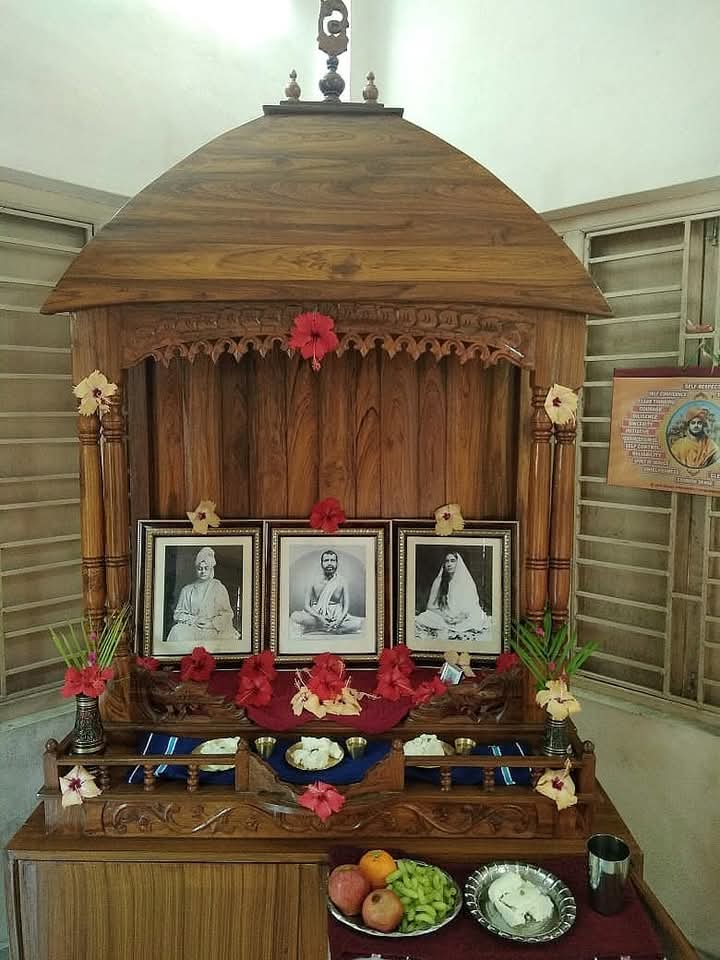
Exploration of Different Paths
What set Ramakrishna apart was his exploration of various spiritual paths, both within and outside Hinduism. He practiced:
- Tantra
- Vedanta
- Islam
- Christianity
Through these diverse spiritual practices, Ramakrishna came to the realization that all religions lead to the same ultimate truth. This understanding formed the basis of his teaching of religious universalism.
Ramakrishna’s Teachings
The core of Ramakrishna’s teachings can be summarized as:
- God-realization as the ultimate goal of human life
- The unity of all religions
- The divinity inherent in all beings
- The importance of renunciation and devotion
His simple yet profound teachings, often conveyed through parables and analogies, made complex spiritual concepts accessible to people from all walks of life.
Vivekananda: The Disciple Who Became a Leader
Swami Vivekananda, born Narendranath Datta in 1863, was Ramakrishna’s most prominent disciple and the one who would carry his master’s message to the world stage.
Meeting Ramakrishna
Vivekananda first met Ramakrishna in 1881 as a young college student grappling with philosophical questions. Initially skeptical of Ramakrishna’s spiritual claims, Vivekananda was gradually drawn to his master’s wisdom and compassion.
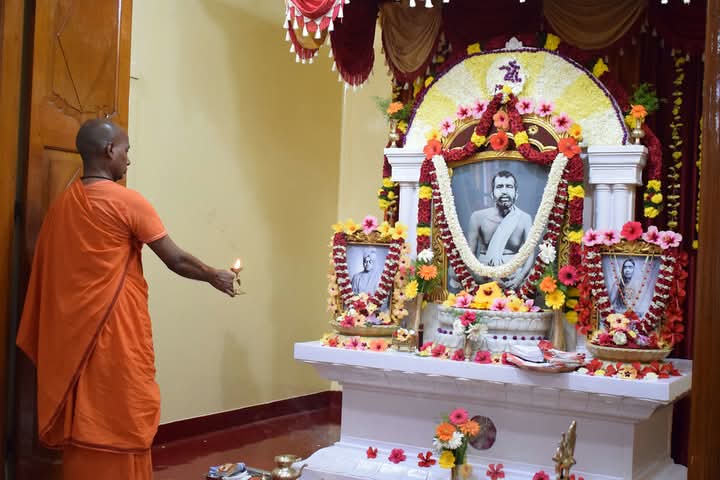
Transformation and Training
Vivekananda’s Mission
After Ramakrishna’s passing in 1886, Vivekananda took on the mantle of spreading his master’s teachings. His mission included:
- Rejuvenating Hinduism in India
- Introducing Vedanta philosophy to the West
- Promoting social reform and education
Vivekananda’s famous speech at the Parliament of the World’s Religions in Chicago in 1893 marked the beginning of his global impact, introducing Hindu philosophy to a Western audience and calling for religious tolerance and understanding.
The Spiritual Teachings of Ramakrishna and Vivekananda
The combined teachings of Ramakrishna and Vivekananda form a comprehensive spiritual philosophy that blends traditional Hindu concepts with modern interpretations.
Key Aspects of Their Teachings:
- Universal Religion: Both emphasized the harmony of all religions, teaching that different spiritual paths lead to the same ultimate truth.
- Practical Vedanta: Vivekananda popularized a practical approach to Vedanta philosophy, emphasizing its applicability in daily life.
- Service to Humanity: They taught that serving humanity is a form of worship, promoting social service as a spiritual practice.
- Self-Realization: Both stressed the importance of realizing one’s divine nature as the ultimate goal of spiritual life.
- Harmony of Jnana, Bhakti, Karma, and Raja Yoga: They advocated a balanced approach to spirituality, incorporating knowledge, devotion, action, and meditation.
Impact on Modern Hinduism and Indian Society
The influence of Ramakrishna and Vivekananda on modern Hinduism and Indian society has been profound and far-reaching.
Religious Reform
Their teachings helped revitalize Hinduism at a time when it was facing challenges from colonial influences and Christian missionaries. By emphasizing the universal aspects of Hindu philosophy, they made it more accessible and appealing to a modern audience.
Social Reform
Vivekananda, in particular, was a strong advocate for social reform in India. He spoke out against caste discrimination, promoted education for all, and emphasized the importance of uplifting the poor and marginalized.
Nationalism and Independence Movement
While not directly involved in politics, the spiritual nationalism promoted by Vivekananda had a significant impact on India’s independence movement. His emphasis on India’s spiritual heritage instilled a sense of pride and self-confidence among Indians.
Education and Youth Empowerment
Both Ramakrishna and Vivekananda placed great importance on education and the empowerment of youth. Their teachings continue to inspire young people in India and around the world to pursue both spiritual growth and social service.
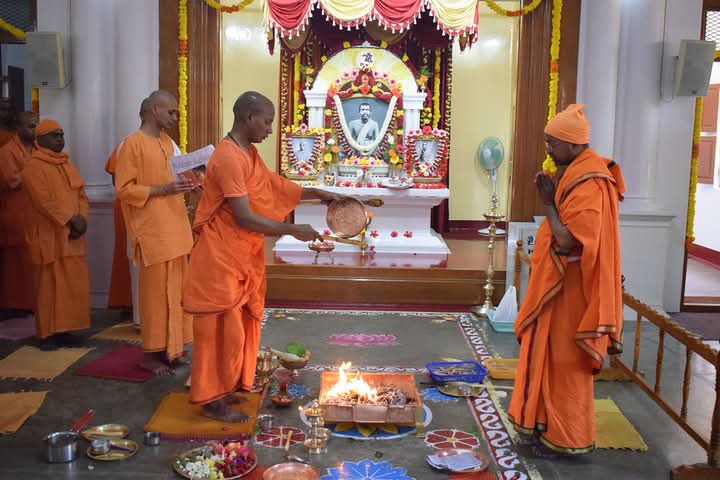
Global Influence: Spreading Eastern Wisdom to the West
The impact of Ramakrishna and Vivekananda extended far beyond the borders of India, introducing Eastern philosophy to the Western world in a significant way.
Vivekananda’s Travels and Lectures
Vivekananda’s travels in the United States and Europe between 1893 and 1897 were instrumental in spreading Hindu philosophy to the West. His lectures on Vedanta and Yoga were well-received by Western audiences, attracting many to Eastern spiritual practices.
Establishment of Vedanta Centers
Vivekananda established Vedanta centers in several Western countries, providing a platform for the study and practice of Hindu philosophy. These centers continue to operate today, serving as bridges between Eastern and Western spiritual traditions.
Influence on Western Thinkers
The teachings of Ramakrishna and Vivekananda influenced many Western intellectuals and spiritual seekers, including:
- Aldous Huxley
- Christopher Isherwood
- J.D. Salinger
- Joseph Campbell
Their ideas contributed to the growing interest in Eastern spirituality in the West throughout the 20th century.
Ramakrishna Mission: Continuing the Legacy
The Ramakrishna Mission, founded by Vivekananda in 1897, continues to carry forward the legacy of Ramakrishna and Vivekananda.
Activities of the Ramakrishna Mission
The mission engages in a wide range of activities, including:
- Spiritual Work: Conducting lectures, classes, and retreats on Vedanta philosophy and meditation.
- Educational Initiatives: Running schools, colleges, and vocational training centers.
- Healthcare Services: Operating hospitals and mobile medical units.
- Disaster Relief: Providing aid during natural calamities and emergencies.
- Cultural Preservation: Maintaining libraries, publishing houses, and museums dedicated to Indian culture and spirituality.
Global Presence
The Ramakrishna Mission has centers in many countries around the world, continuing to spread the teachings of Ramakrishna and Vivekananda globally.
Conclusion: The Enduring Message of Ramakrishna and Vivekananda
The spiritual partnership of Ramakrishna and Vivekananda represents a unique chapter in the history of world religions. Their combined message of universal spirituality, social service, and the harmony of all faiths continues to resonate with people across cultures and generations.
In a world often divided by religious and cultural differences, the teachings of Ramakrishna and Vivekananda offer a path towards unity and mutual understanding. Their emphasis on the practical application of spiritual principles in daily life provides a blueprint for personal growth and social harmony.
As we face the challenges of the 21st century, the wisdom of Ramakrishna and Vivekananda remains as relevant as ever. Their call for spiritual awakening, coupled with active service to humanity, offers a holistic approach to addressing both individual and societal issues.
The legacy of Ramakrishna and Vivekananda serves as a reminder of the transformative power of spiritual wisdom when combined with compassionate action. It invites us to explore our own inner divinity while working towards the betterment of the world around us.
