
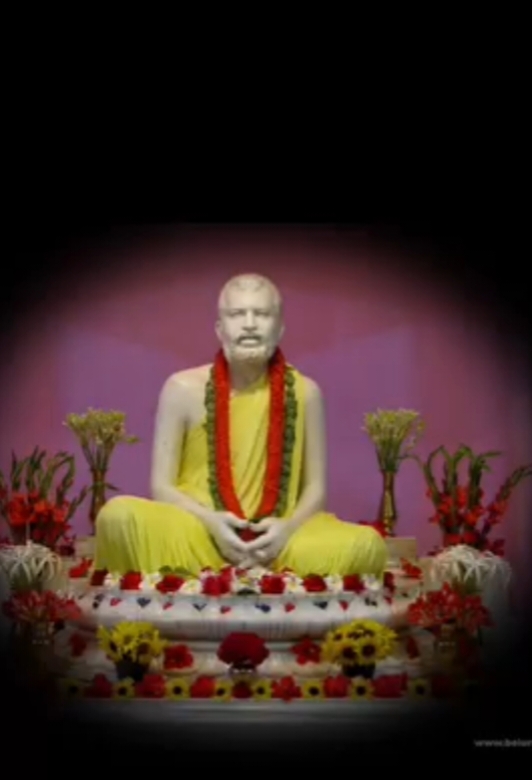
Introduction to Ramakrishna Philosophy
Ramakrishna philosophy, a profound spiritual doctrine that emerged in 19th century India, continues to inspire millions worldwide. This spiritual framework, rooted in the teachings and experiences of Sri Ramakrishna Paramahamsa, offers a unique perspective on the nature of reality, the divine, and human existence. In this blog post, we’ll delve deep into the essence of Ramakrishna philosophy, exploring its core principles and their relevance in today’s world.
Thank you for reading this post, don't forget to subscribe!The Life of Sri Ramakrishna
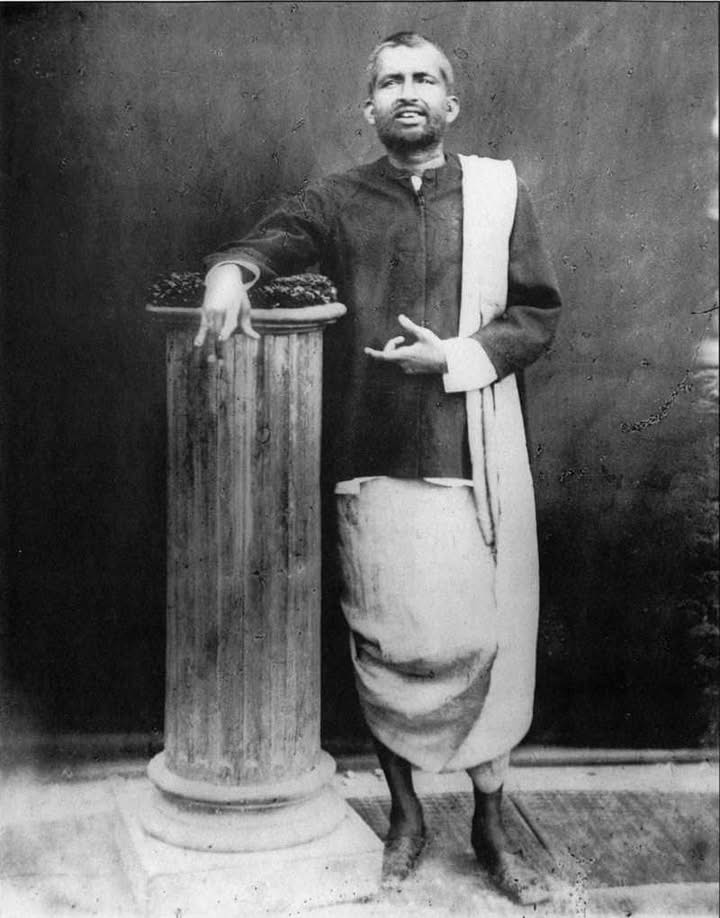
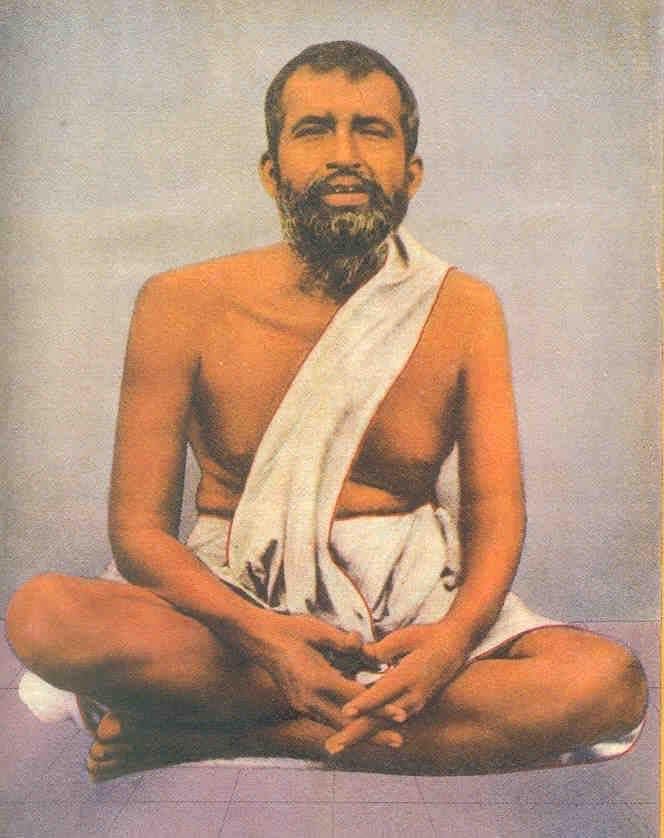
To understand Ramakrishna philosophy, it’s crucial to know about the life of its founder, Sri Ramakrishna Paramahamsa (1836-1886). Born in a small village in Bengal, India, Ramakrishna showed signs of spiritual inclination from an early age. His life was marked by intense spiritual practices and mystical experiences that formed the foundation of his teachings.
Key events in Sri Ramakrishna’s life:
- His appointment as a priest at the Dakshineswar Kali Temple
- His marriage to Sarada Devi, who later became his spiritual companion
- His exploration of various religious paths, including Hinduism, Islam, and Christianity
- His gathering of disciples, including Swami Vivekananda
These experiences shaped Ramakrishna’s unique perspective on spirituality and laid the groundwork for what would become known as Ramakrishna philosophy.
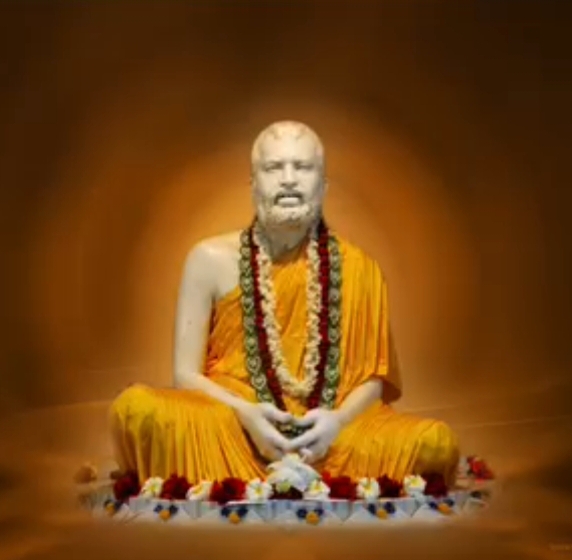
Core Principles of Ramakrishna Philosophy
Ramakrishna philosophy is characterized by several key principles that form its essence:
- Unity of all religions: Ramakrishna taught that all religions lead to the same ultimate truth.
- Direct experience of the Divine: He emphasized personal spiritual experience over theoretical knowledge.
- Harmony of spiritual paths: Ramakrishna advocated for the harmony between various spiritual practices.
- Renunciation and devotion: He stressed the importance of detachment from worldly desires and cultivation of devotion.
- Service to humanity: Ramakrishna taught that serving humanity is equivalent to serving God.
These principles form the bedrock of Ramakrishna philosophy and guide its followers in their spiritual journey.
Universal Truth and Religious Harmony
One of the most striking aspects of Ramakrishna philosophy is its emphasis on the universal truth underlying all religions. Ramakrishna famously said, “As many faiths, so many paths.” This principle of religious harmony is not just a theoretical concept but was demonstrated by Ramakrishna through his own spiritual practices.
Ramakrishna’s approach to religious harmony:
- Practiced spiritual disciplines of various religions
- Experienced divine realization through different paths
- Taught that all religions lead to the same ultimate goal
This inclusive approach to spirituality makes Ramakrishna philosophy particularly relevant in our increasingly diverse and globalized world.
The Concept of God in Ramakrishna Philosophy
Ramakrishna philosophy presents a unique understanding of the divine. According to Ramakrishna, God is both personal and impersonal, form and formless. This multifaceted concept of God allows for a wide range of spiritual practices and experiences.
Key aspects of the divine in Ramakrishna philosophy:
- God as the eternal, infinite Brahman
- God as personal deities (Ishta Devata)
- Divine Mother (Kali) as a representation of the ultimate reality
Practical Spirituality and Everyday Life
One of the most appealing aspects of Ramakrishna philosophy is its emphasis on practical spirituality. Ramakrishna taught that spiritual growth is not separate from everyday life but should be integrated into it.
Ways to practice Ramakrishna philosophy in daily life:
- Cultivate devotion through prayer and meditation
- Practice selfless service (seva)
- Develop detachment from worldly desires
- See the divine in all beings
- Maintain harmony between work and spiritual practice
By following these principles, practitioners can transform their everyday experiences into opportunities for spiritual growth.
Influence on Modern Spiritual Thought
Ramakrishna philosophy has had a profound impact on modern spiritual thought, both in India and around the world. Its influence can be seen in various spiritual and philosophical movements of the 20th and 21st centuries.
Areas influenced by Ramakrishna philosophy:
- Interfaith dialogue and understanding
- Modern interpretations of Vedanta philosophy
- New Age spirituality movements
- Concepts of universal religion and spiritual unity
Notable figures influenced by Ramakrishna philosophy include Mahatma Gandhi, Aldous Huxley, and Christopher Isherwood, among others.
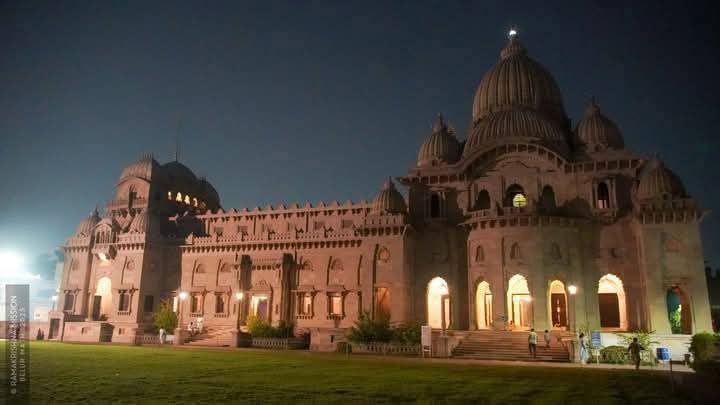
Ramakrishna Mission and Its Global Impact
The Ramakrishna Mission, founded by Swami Vivekananda in 1897, has played a crucial role in spreading Ramakrishna philosophy worldwide. The organization combines spiritual teachings with social service, embodying Ramakrishna’s principle of serving humanity as a form of worship.
Activities of the Ramakrishna Mission:
- Educational institutions
- Healthcare services
- Disaster relief efforts
- Spiritual retreats and classes
- Publication of spiritual literature
Through these activities, the Ramakrishna Mission has made Ramakrishna philosophy accessible to people from all walks of life, contributing to its global influence.
Practicing Ramakrishna Philosophy in the 21st Century
In our fast-paced, technology-driven world, the teachings of Ramakrishna remain relevant and offer valuable guidance. Here are some ways to incorporate Ramakrishna philosophy into modern life:
- Mindfulness practice: Use meditation techniques taught by Ramakrishna to cultivate present-moment awareness.
- Interfaith understanding: Embrace Ramakrishna’s principle of religious harmony in our diverse societies.
- Balanced living: Apply the concept of practical spirituality to maintain a balance between material and spiritual pursuits.
- Digital detox: Practice periodic disconnection from technology to focus on inner growth.
- Eco-consciousness: Extend Ramakrishna’s teaching of seeing the divine in all to include respect for nature and environmental stewardship.
By adapting these timeless teachings to contemporary contexts, practitioners can find guidance and inspiration in Ramakrishna philosophy for navigating the challenges of modern life.
Conclusion: The Timeless Wisdom of Ramakrishna
Ramakrishna philosophy offers a profound and practical approach to spirituality that transcends time and cultural boundaries. Its emphasis on universal truth, direct spiritual experience, and the harmony of different paths makes it particularly relevant in our diverse and interconnected world.
