
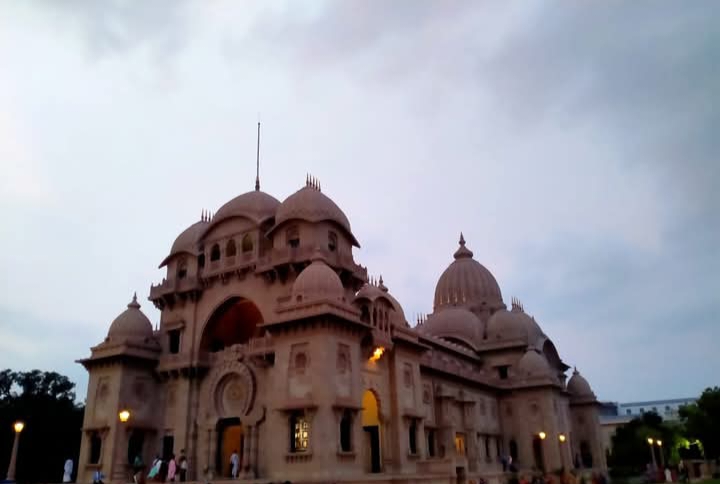
Introduction : Ramkrishna Paramhans
Ramkrishna Paramhans, born Gadadhar Chattopadhyay in 1836, was a 19th-century Indian mystic whose spiritual insights and teachings continue to inspire millions worldwide. His life journey from a simple village boy to a revered spiritual leader is a testament to the power of devotion and the pursuit of divine truth.
Thank you for reading this post, don't forget to subscribe!Early Life and Spiritual Awakening
Ramkrishna Paramhans was born in a poor Brahmin family in the village of Kamarpukur, West Bengal. From an early age, he displayed an unusual attraction towards spiritual matters. As a young boy, he would often fall into trances while performing religious rituals or watching traditional plays based on Hindu mythology.
His spiritual journey began in earnest when he became a priest at the Dakshineswar Kali Temple. It was here that Ramkrishna Paramhans experienced his first spiritual ecstasy while worshipping the goddess Kali. This experience marked the beginning of his lifelong quest for spiritual enlightenment.
“As many faiths, so many paths.” – Ramkrishna Paramhans
Teachings and Philosophy
Ramkrishna Paramhans’s teachings were deeply rooted in the ancient wisdom of Hinduism, yet they were presented in a simple, relatable manner that appealed to people from all walks of life. Some of his key teachings include:
- God Realization: Ramkrishna emphasized that the ultimate goal of human life is to realize God.
- Unity of Religions: He believed that all religions lead to the same ultimate truth.
- Renunciation: He taught that true spiritual progress requires detachment from worldly desires.
- Bhakti Yoga: Ramkrishna advocated the path of devotion as a means to spiritual enlightenment.
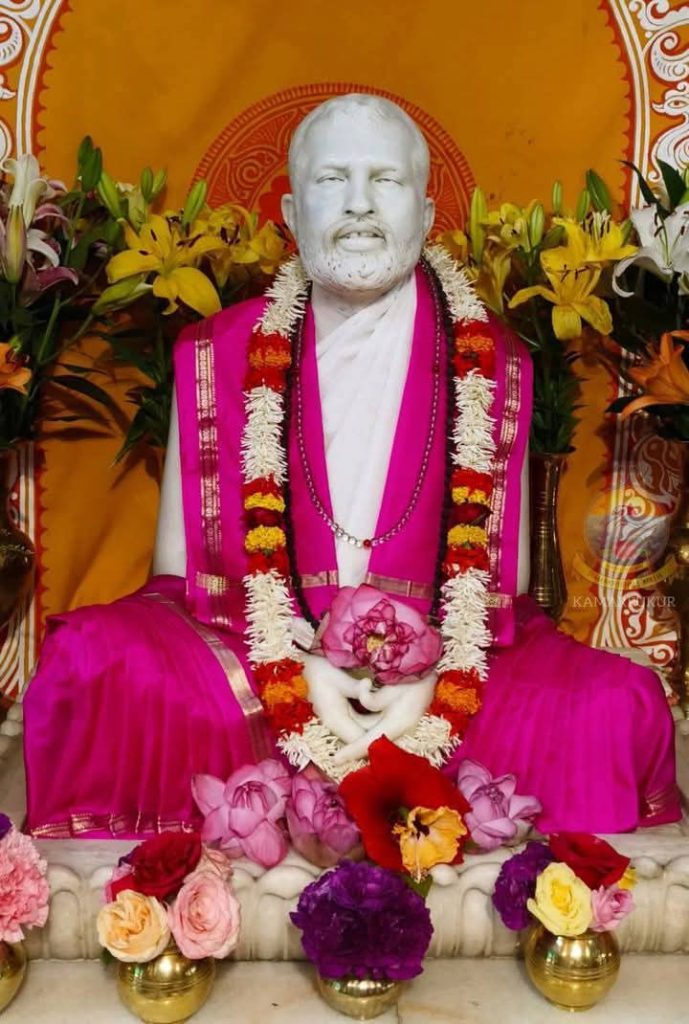
Influence on Swami Vivekananda
One of Ramkrishna Paramhans’s most significant contributions to modern Hinduism was his influence on Swami Vivekananda. Vivekananda, born Narendranath Datta, was a skeptical young man when he first met Ramkrishna. Under Ramkrishna’s guidance, Vivekananda transformed into a spiritual powerhouse who later introduced Vedanta philosophy to the Western world.
Impact on Modern Hinduism
Ramkrishna Paramhans played a crucial role in the Bengal Renaissance of the 19th century. His teachings helped revitalize Hinduism at a time when it was facing challenges from colonial influences and reform movements. By emphasizing the practical aspects of spirituality and the unity of all religions, Ramkrishna made Hinduism more accessible and relevant to the modern world.
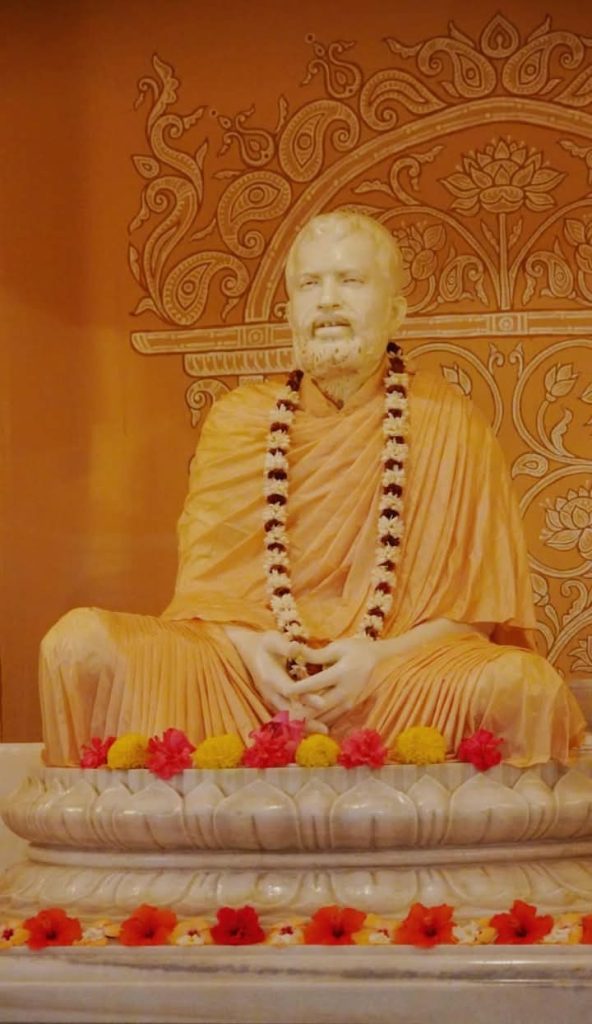
Ramkrishna’s Approach to Religious Harmony
One of the most remarkable aspects of Ramkrishna Paramhans’s life was his experiential approach to religious harmony. He practiced various religious traditions, including Islam and Christianity, and attained spiritual experiences through each of them. This led him to declare that all religions are paths to the same ultimate truth.
Ramkrishna’s approach to religious harmony includes:
- Respecting all religions
- Finding common ground between different faiths
- Emphasizing spiritual experience over dogma
- Promoting interfaith dialogue
The Ramkrishna Mission
The Ramkrishna Mission, founded by Swami Vivekananda in 1897, is a direct result of Ramkrishna Paramhans’s teachings. The mission combines spiritual practice with social service, embodying Ramkrishna’s ideal of serving God through serving humanity.
The mission’s activities include:
- Running hospitals and educational institutions
- Providing disaster relief
- Promoting cultural and spiritual values
- Engaging in interfaith dialogue
Ramkrishna’s Relevance in the 21st Century
In today’s world, marked by religious conflicts and materialism, Ramkrishna Paramhans’s teachings offer a beacon of hope. His emphasis on religious harmony, spiritual growth, and selfless service remains as relevant today as it was in the 19th century.

Ramkrishna’s ideas can help address modern challenges such as:
- Religious Intolerance: His teaching of the unity of all religions can promote interfaith understanding.
- Materialism: His emphasis on spiritual values provides a counterbalance to excessive materialism.
- Mental Health: His teachings on meditation and spiritual practices can contribute to mental well-being.
- Social Service: His ideal of serving God through humanity inspires social work and community service.
As we navigate the complexities of the 21st century, Ramkrishna Paramhans’s life and teachings continue to offer guidance and inspiration. His message of spiritual unity and selfless service remains a powerful force for positive change in the world.
To delve deeper into the life and teachings of Ramkrishna Paramhans, consider reading “The Gospel of Sri Ramakrishna,” a comprehensive account of his conversations and teachings compiled by his disciple Mahendranath Gupta.
Ramkrishna Paramhans’s spiritual legacy continues to touch lives across the globe, reminding us of the timeless wisdom that lies at the heart of all spiritual traditions. As we face the challenges of our time, his teachings offer a path to inner peace, harmony, and spiritual growth.
