

Every day, 2,100 Indian children leave school forever. Not because they want to, but because they have no choice. When families struggle to put food on the table, education becomes a luxury they simply can’t afford.
That’s where NGOs step in, becoming the bridge between vulnerable students and their education dreams.
The role of NGOs in reducing dropout rates isn’t just about keeping kids in classrooms—it’s about rewiring entire communities to value education despite crushing poverty. These organizations provide the practical support that government programs often miss: school supplies, nutritious meals, and emotional encouragement.
But here’s what most people don’t understand about successful NGO interventions: the solution isn’t what you think it is.
Understanding the Dropout Crisis
A. Current dropout statistics and trends
The numbers are shocking. Globally, about 258 million children and youth are out of school. That’s not a typo. We’re talking about a quarter billion young people missing out on education.
The trends aren’t encouraging either. While enrollment rates improved in the early 2000s, progress has stagnated since 2015. And the COVID-19 pandemic? It basically threw a grenade into the education system. UNESCO estimates that pandemic-related school closures pushed an additional 24 million learners out of the education system permanently.
B. Root causes of high dropout rates
Money problems top the list, no surprise there. When families struggle to put food on the table, school fees become an impossible luxury.
Then there’s the accessibility issue. Imagine walking miles to school every day, often in dangerous conditions. For many kids, especially girls, this journey isn’t just inconvenient – it’s life-threatening.
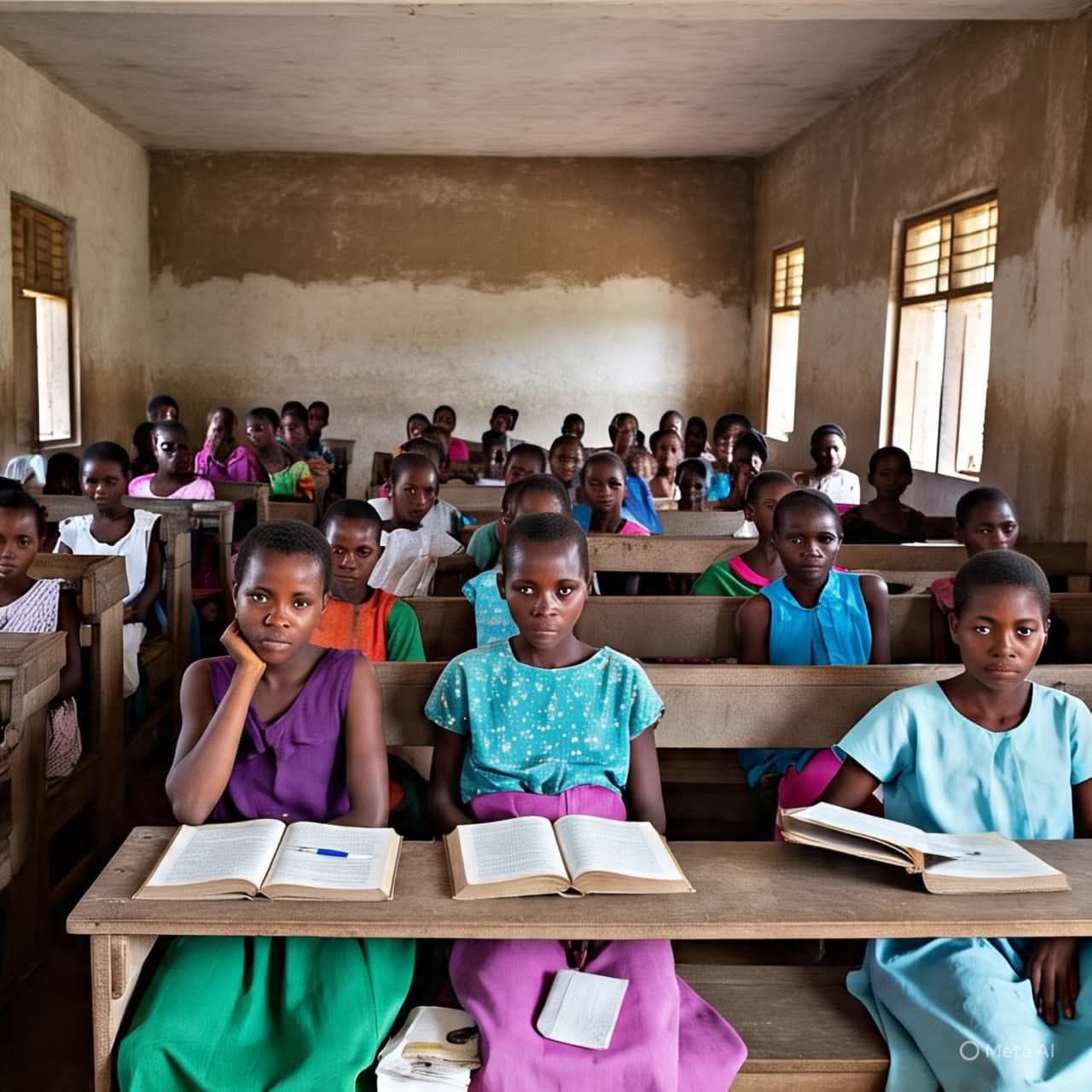
School quality matters too. Overcrowded classrooms with 70+ students, teachers who barely show up, and outdated learning materials make education feel pointless for many students.
Cultural barriers also play a huge role. In some communities, education for girls is still considered wasteful when marriage is seen as their primary future.
C. Socioeconomic factors influencing school abandonment
Child labor remains a massive barrier to education. When a 10-year-old can bring home income that feeds the family, books and homework seem like luxury items.
The family education history creates a cycle that’s tough to break. Parents who never finished school often don’t see the value in pushing their children to continue.
Geographic location dramatically affects dropout rates. Rural children are twice as likely to leave school early compared to their urban peers.
Gender inequality continues to hit education hard. Girls represent 54% of the total out-of-school population globally, facing unique challenges like early marriage, pregnancy, and gender-based violence.
D. Long-term consequences for communities and nations
The ripple effects of high dropout rates are devastating. Individuals who drop out earn substantially less throughout their lifetime – we’re talking about 30-40% less income potential.
Nations suffer economically too. Countries with high dropout rates lose billions in potential economic growth. One study estimated that if all students in low-income countries left school with basic reading skills, 171 million people could escape poverty.
Innovation and development stall when education falters. Countries struggling with high dropout rates find themselves unable to develop competitive workforces in our knowledge-based global economy.
Breaking this cycle requires targeted interventions – and that’s where NGOs enter the picture.
NGO Intervention Strategies
A. Targeted financial assistance programs
Money stops countless kids from finishing school. NGOs get this and tackle it head-on with smart financial aid programs.
Instead of one-size-fits-all approaches, they deliver what’s actually needed – school supplies for some families, transportation money for others, and full scholarships where necessary. The key? They’re listening to families first.
Take Pratham in India – they figured out many children were dropping out to work and support their families. Their response wasn’t just throwing money at the problem. They created stipends that match what kids might earn working, making education financially possible.
Another brilliant approach comes from Camfed in Africa. They cover not just obvious costs like tuition but the hidden expenses too – uniforms, sanitary products for girls, and even solar lamps for studying after dark. These comprehensive packages keep students in classrooms.
B. Creating safe learning environments
You can’t learn when you’re scared. Full stop.
NGOs worldwide are transforming schools into places where kids actually want to be. In conflict zones, organizations like Save the Children establish “child-friendly spaces” with trained counselors and security protocols that make learning possible even in tough situations.
In urban areas with violence issues, NGOs partner with local leaders to create safe passage routes to schools. They’re installing proper lighting, organizing community watch programs, and training teachers to spot and address bullying.
C. Implementing flexible education models
Traditional school setups fail many students. NGOs are pioneering alternatives that actually work.
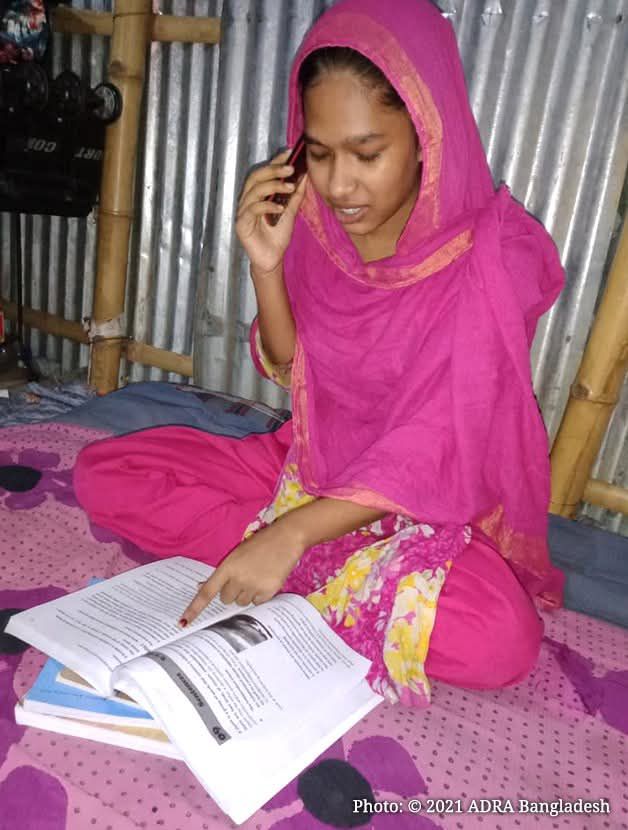
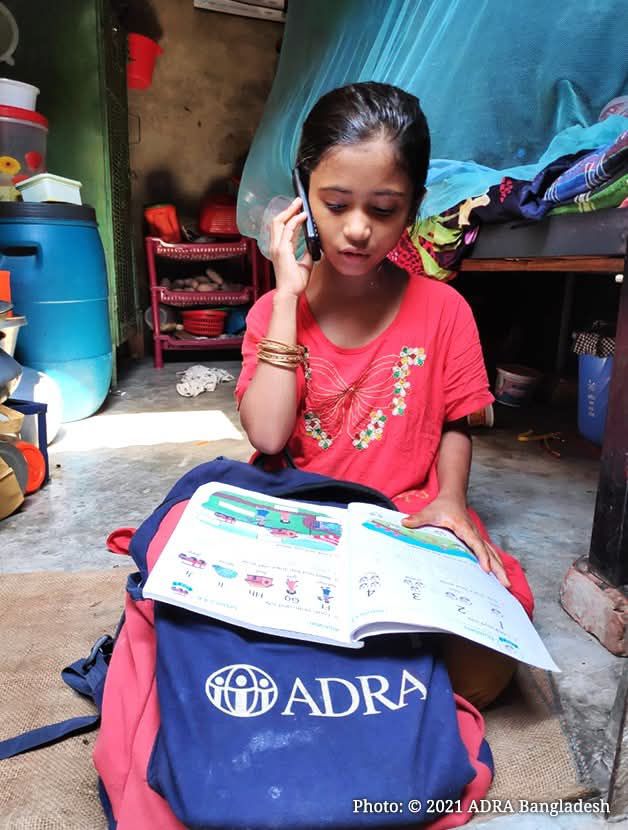
Mobile schools bring education to nomadic communities in Kenya. Night classes serve working children in Bangladesh. Radio-based learning reaches remote villages in Mali. These aren’t watered-down versions of “real school” – they’re smart adaptations that meet children where they are.
Flexible scheduling is game-changing for many. BRAC’s non-formal primary education program lets students set their own pace, accommodating seasonal agricultural work and family responsibilities while still completing their education.
D. Addressing gender-specific barriers to education
Girls face unique challenges staying in school, and effective NGOs design specific solutions.
Room to Read tackles period poverty by providing menstrual supplies and private washrooms – simple changes that dramatically improve attendance. They’re also challenging community attitudes through parent workshops that highlight the economic value of girls’ education.
Male engagement is crucial too. Organizations like Promundo work with boys and men to reshape masculinity concepts that might otherwise pull girls from school for early marriage or household duties.
E. Developing early warning systems
Catching dropout risks early makes all the difference. NGOs are pioneering systems that work.
They’re training teachers to spot warning signs like declining grades, increased absences, or behavioral changes. Digital tracking tools help monitor attendance patterns across schools, flagging concerning trends before they become permanent dropouts.
In Mexico, Juconi created a system tracking both academic and emotional indicators, recognizing that psychological factors often precede dropping out. When warning signs appear, they trigger immediate interventions – from teacher check-ins to family support services.
The most effective systems don’t just identify at-risk students – they connect them with exactly the right support at the right time.
Success Stories and Case Studies
A. Rural education transformation initiatives
Picture this: Tiny village in Rajasthan where girls rarely finished primary school. That’s where Educate Girls stepped in. They didn’t just build classrooms—they transformed communities.
Their team of local women went door-to-door, convincing reluctant parents that their daughters deserved education. The results? A staggering 92% reduction in dropouts across 1,500 villages they’ve worked in.
What made it work? Their “Team Balika” volunteers—young locals who became education champions. They tracked every out-of-school girl and created personalized learning tools that made school actually engaging.
One village saw enrollment jump from 59% to 87% in just two years. Girls like Safeena, who would’ve been married at 14, now dreams of becoming a teacher herself.
B. Urban school retention programs
Urban areas face different challenges. Take Dream a Dream in Bangalore. They tackled the hidden dropout factors—stress, unstable home environments, and lack of emotional support.
Their “Life Skills Program” works with over 10,000 urban disadvantaged youth yearly. The secret sauce? They focus on five core life skills: managing conflict, taking initiative, building relationships, solving problems, and understanding emotions.
Their data speaks volumes:
- 78% improved academic performance
- 65% reduction in absenteeism
- 89% of students developed positive career aspirations
The coolest part? They turned teachers into mentors through their “Teacher Development Program.” Now those teachers spot at-risk kids before they disappear from school rosters.
C. Crisis zone educational continuity projects
War, natural disasters, extreme poverty. These would normally shut education down completely. Yet NGOs like War Child Holland managed to keep learning alive in South Sudan, where conflict displaced millions.
Their “Can’t Wait to Learn” program delivered tablet-based education to kids in zones too dangerous for traditional schools. The tablets? Loaded with games designed by education experts that secretly taught math and reading.
In Lebanon, the Norwegian Refugee Council stepped up for Syrian refugee children with their “Better Learning Programme.” It combined psychosocial support with education—because traumatized kids can’t learn. Their genius move? Training refugee teachers from the community who understood what these kids were going through.
The numbers are impressive—84% of children who completed their programs stayed in some form of education, compared to just 31% in similar settings without intervention.
Collaborative Approaches
A. NGO-government partnerships
The magic happens when NGOs and governments join forces. These partnerships create powerful ecosystems where each player brings their strengths to the table.
NGOs often have the ground-level insights and community trust that government programs lack. Meanwhile, governments have resources, infrastructure and policy-making power that NGOs dream about.
In Bangladesh, BRAC partnered with the Ministry of Education to implement a “second chance” education program. The government provided the certification and curriculum guidelines, while BRAC handled implementation in hard-to-reach areas. Dropout rates plummeted by 22% in participating districts.
Not all partnerships are sunshine and rainbows though. Many NGOs struggle with bureaucratic red tape and shifting political priorities. The key? Clear agreements, regular communication, and focusing on shared goals rather than who gets the credit.
B. Corporate social responsibility engagement
Companies aren’t just opening checkbooks anymore—they’re rolling up their sleeves.
Corporate partners bring unique assets to education initiatives: funding (obviously), but also technical expertise, technology, employee volunteers, and marketing muscle.
Tata Consultancy Services in India developed a computational thinking curriculum that reached over 1.8 million students. Their volunteers trained teachers in digital skills, while the company’s analytics teams helped track student retention and performance.
Small businesses matter too. Local shops in Kenya’s Kibera slum provide apprenticeships and mentorships to at-risk teens, giving them practical skills and reasons to stay in school.
C. Community-based participation models
The old saying “it takes a village” couldn’t be more true for keeping kids in school.
Successful NGOs don’t swoop in with ready-made solutions—they empower communities to identify their own challenges and solutions. Parent-teacher associations, village education committees, and student parliaments are becoming central to dropout prevention.
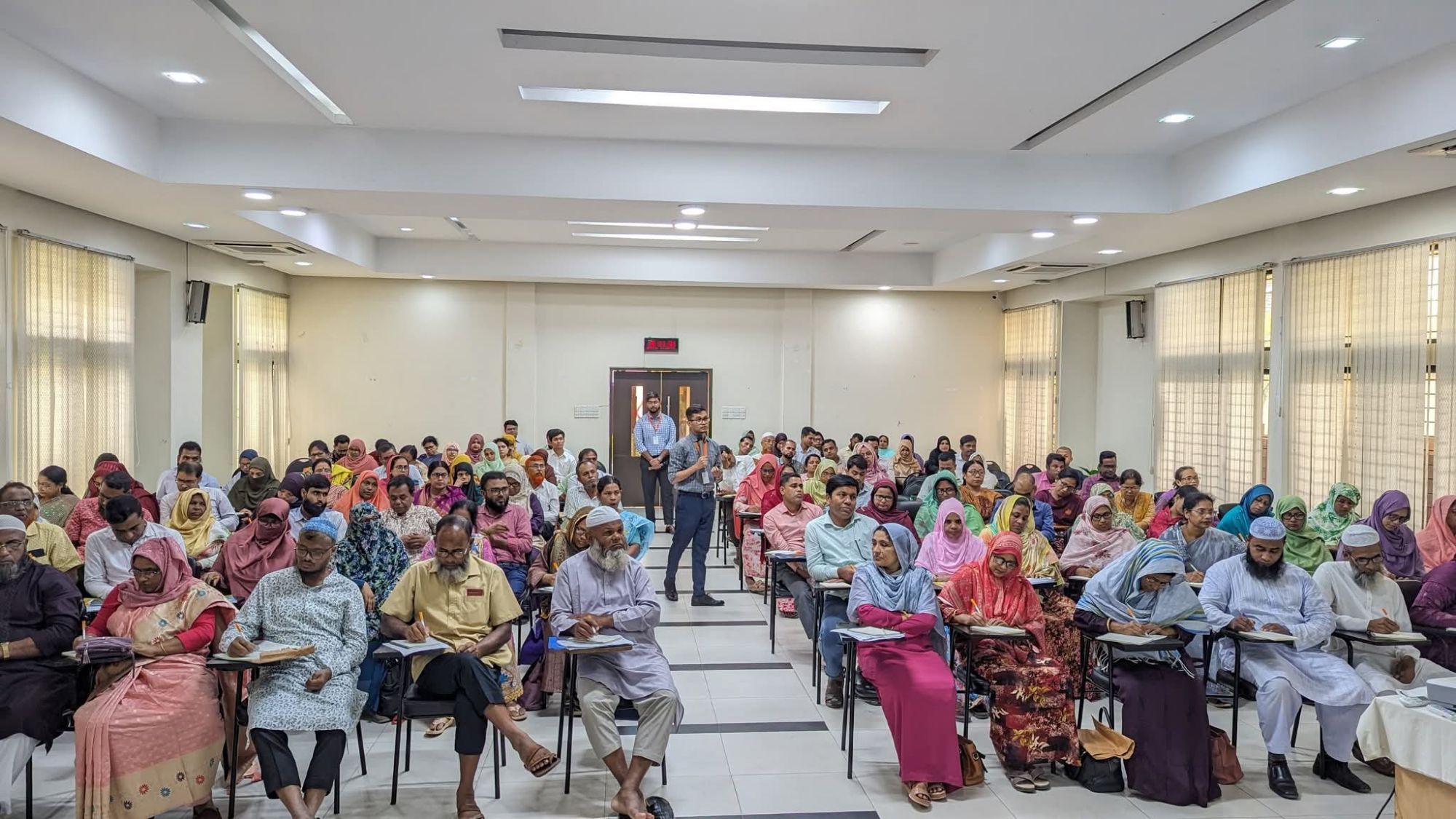
In rural Mexico, Educación en Movimiento created “education circles” where parents, teachers, local leaders and students meet monthly to track attendance patterns and intervene before students drop out. They’ve achieved a 35% reduction in dropouts by turning education into a community responsibility.
The secret ingredient? Ownership. When communities help design programs, they fight to make them succeed.
D. Inter-NGO coordination networks
NGOs are notorious for accidentally stepping on each other’s toes. Same area, similar programs, zero coordination.
Education coordination networks are changing this narrative. In countries like Nepal and Uganda, education-focused NGOs now share data, divide territories, and align methods through formal coordination bodies.
The Nepal Education Cluster connects 48 education NGOs, allowing them to:
- Share research and needs assessments
- Standardize monitoring frameworks
- Coordinate geographic coverage
- Jointly advocate for policy changes
Smart NGOs know they’re stronger together than apart.
Measuring Impact and Effectiveness
Key performance indicators for dropout prevention
NGOs need solid numbers to prove they’re making a difference. The best KPIs for measuring dropout prevention aren’t complicated:
- Attendance rates: Track daily, weekly and monthly attendance patterns
- Year-to-year retention: How many kids stay in school from one grade to the next
- Graduation rates: The ultimate measure of success
- Academic improvement: Better grades often mean higher engagement
- Student survey results: How kids feel about school matters too
Smart NGOs don’t just count heads. They track why students stay or leave through regular check-ins with teachers, parents, and the students themselves.
Long-term tracking methodologies
The real magic happens when you follow students over years, not just months. Effective tracking means:
- Creating unique student IDs to follow progress across different schools
- Building simple but robust databases that work even in low-connectivity areas
- Training local staff to maintain consistent records
- Establishing routine follow-ups with students who have left the system
- Partnering with government education databases when possible
Many NGOs fail here by stopping measurement too soon. The real impact shows up 3-5 years after interventions begin.
Cost-benefit analysis of intervention programs
Money talks. NGOs that demonstrate financial value get more funding. A solid cost-benefit analysis includes:
The math isn’t just academic. For every dollar spent keeping a child in school, communities see $4-12 in economic returns. That’s not charity – it’s investment.
Qualitative assessment techniques
Numbers never tell the whole story. Smart NGOs capture the human element through:
- Student journey mapping
- Teacher reflection journals
- Parent focus groups
- Community perception surveys
- Success story documentation with photos and videos
These qualitative measures add color to the data. They explain the “why” behind the numbers and often reveal unexpected benefits that quantitative metrics miss.
The NGOs making the biggest difference combine both approaches. They track hard data religiously while staying connected to the human stories that inspire donors and partners to keep supporting their work.
Scaling Successful Initiatives
A. Resource mobilization strategies
The truth? Most education NGOs start small but dream big. The problem isn’t ideas—it’s money and materials to make those ideas work everywhere.
Smart NGOs don’t just chase random funding. They build relationships with corporations that want their logos on something meaningful. They create donor programs where regular people can “adopt” a student’s education for a year. They host fundraising events that get people excited while opening wallets.
Look at Pratham in India—they’ve mastered the mixed-funding approach. Government partnerships, international grants, and corporate sponsorships all flow into their programs. This diversity means they don’t collapse when one donor changes priorities.
But money isn’t everything. The most effective organizations mobilize community resources too. They convince local businesses to donate space, get parents to volunteer time, and partner with universities for research support. Every resource they don’t have to pay for means more children they can help.
B. Technology-enabled solutions
Technology isn’t just fancy window dressing for education NGOs—it’s a game-changer for reaching more kids.
Mobile learning apps have transformed how organizations deliver content to remote areas. A single smartphone loaded with the right software can become a portable classroom. Khan Academy’s offline versions bring world-class learning to places without reliable internet.
Data systems help NGOs track which students need extra attention before they disappear from school altogether. Early warning systems flag attendance patterns that predict dropping out. One text message to a parent might be all it takes to get a child back in class.
C. Training local change agents
The most sustainable dropout prevention programs don’t parachute in outsiders—they build capacity within communities.
Local teachers, community leaders, and even former dropouts become powerful agents of change when properly trained. They already have the trust and cultural understanding that outside experts lack.
Educate Girls in India trains “Team Balika” volunteers from villages to identify out-of-school girls and convince families of education’s value. These volunteers speak the local language, understand family concerns, and can visit homes repeatedly without seeming intrusive.
Training programs work best when they’re ongoing rather than one-off workshops. Regular mentoring, WhatsApp support groups, and refresher sessions keep local champions motivated and effective.
D. Policy advocacy for systemic change
On-the-ground work with students matters, but sometimes the biggest barriers are built into education systems themselves.
Effective NGOs don’t just work around broken policies—they help fix them. They collect data that exposes problems like outdated curricula or discriminatory practices. They build coalitions with other organizations to amplify their voice. They translate complex research into simple stories that politicians and the public can understand.
Save the Children’s HEART program doesn’t just help trauma-affected students directly—it advocates for arts-based healing approaches in national education policies. Their evidence-based advocacy has changed how entire countries approach education in crisis settings.
Smart policy work creates ripple effects that no direct service alone could achieve.
NGOs have become vital partners in the fight against school dropouts, leveraging targeted intervention strategies that address both educational and socioeconomic barriers. By implementing mentorship programs, providing educational resources, and offering financial support, these organizations create sustainable pathways for at-risk students to remain in school. The collaborative approaches between NGOs, schools, governments, and communities have proven especially effective, as demonstrated by numerous success stories where dropout rates have significantly decreased.
The future of dropout prevention lies in scaling successful initiatives and continuously measuring their impact. As these programs expand, it’s crucial for stakeholders to support NGOs through funding, volunteering, or advocacy. Every child deserves access to quality education, and through the dedicated work of NGOs, we can build educational systems where dropping out becomes the exception rather than an expected outcome for vulnerable populations.
