
Every 5 seconds, another child escapes to the streets, running from something worse than concrete beds and empty stomachs. That’s 7,000 new street children tonight alone.
Most of us walk past them, expertly avoiding eye contact. We’ve mastered the art of not seeing what’s uncomfortable.
Society’s role in helping street children isn’t just about government programs or NGO initiatives. It’s about dismantling the collective blindness we’ve developed to children who have nowhere to call home.
This isn’t just another sad story with no solution. There are proven strategies communities worldwide are using that actually work – and some might surprise you.
But first, we need to understand why conventional approaches keep failing these kids, despite billions in funding.
Understanding the Scope of Street Children Crisis
A. Current statistics and global prevalence
The numbers are staggering. Right now, about 100 million children live on streets worldwide. That’s more than the entire population of Germany.
In megacities across developing nations, you’ll find them everywhere – sleeping under bridges, begging at intersections, or huddled in abandoned buildings. Asia has the highest concentration with over 40 million, while Africa follows with roughly 30 million. Even in wealthy countries like the US, an estimated 1.7 million youth experience homelessness each year.
What’s truly heartbreaking? These numbers keep growing, especially in regions facing economic crisis, political instability, or natural disasters.
B. Root causes driving children to the streets
Kids don’t choose the streets – they’re pushed there.
Poverty sits at the core. When families can’t put food on the table, children often leave to fend for themselves or contribute income.
Family breakdown hits hard too. Domestic violence, parental substance abuse, or death of caregivers leaves kids with nowhere to turn.
Urban migration plays its part. Families relocating to cities for work opportunities often find themselves in precarious housing situations.
And we can’t ignore armed conflicts and natural disasters. In Syria alone, thousands of children were separated from families during the civil war.
HIV/AIDS continues creating orphans across sub-Saharan Africa, while discriminatory practices against minorities or disabled children push them to society’s margins.
C. Daily challenges faced by street children
Survival is their full-time job.
Finding food means digging through trash, begging, or worse. Clean water? A luxury. Many drink from contaminated sources, leading to chronic illness.
Sleep brings danger, not rest. These kids face physical and sexual abuse from adults, older youth, sometimes even police. Girls particularly suffer gender-based violence.
Health problems run rampant – respiratory infections, skin diseases, malnutrition. Medical care? Practically nonexistent.
Education becomes impossible when your day revolves around finding your next meal. Without schooling, they’re trapped in a cycle they can’t escape.
Substance abuse provides temporary escape from harsh realities – glue, paint thinner, whatever’s cheap and numbing.
Social stigma follows them everywhere. They’re seen as criminals, nuisances, or invisible – rarely as children deserving protection.
D. Long-term consequences of street life
The damage doesn’t stop when childhood ends.
Without education or vocational training, street children grow into adults with severely limited economic opportunities. Many resort to crime simply to survive.
Mental health issues run deep – PTSD, depression, severe anxiety. Years of trauma create wounds that don’t heal easily.
The physical toll is brutal. Stunted growth, chronic illnesses, sexually transmitted infections, and lifelong disabilities result from years of neglect and abuse.
Social development suffers tremendously. Many struggle to form healthy relationships or trust authorities. This creates a perpetual outsider status.
The cycle often repeats. Those who survive to adulthood frequently lack parenting skills and resources to support their own children.
What’s truly tragic? These outcomes aren’t inevitable. With proper intervention, street children can and do recover. But that requires society to see them as worthy of investment.
Government’s Role in Supporting Street Children
A. Effective policy frameworks and legislation
When street kids fall through the cracks, it’s often because there’s nothing to catch them. That’s where solid government policies make all the difference.
Countries that actually tackle this issue head-on create specific laws that protect these vulnerable kids. They don’t just acknowledge the problem exists—they define what “street child” means legally and spell out exactly what rights these children have.
The best frameworks don’t treat these kids like criminals. Instead, they focus on protection and support. They make it crystal clear which government departments are responsible for what, so nobody can pass the buck when a child needs help.
Look at Brazil’s Child and Adolescent Statute or India’s Juvenile Justice Act. These aren’t perfect, but they at least recognize street children as rights-holders who deserve protection, not punishment.
B. Dedicated budget allocation for intervention programs
Money talks. And without dedicated funding, even the best policies are just empty promises.
Smart governments earmark specific funds for street children programs in their national budgets. This isn’t about charity—it’s about investment. Every dollar spent helping a street child today saves society multiple dollars down the road.
The harsh reality? Most countries spend pennies on these programs compared to other budget items. When budget cuts come, these vulnerable kids are usually the first to lose support.
Countries making real progress allocate stable, multi-year funding. They don’t just fund shelters but invest in prevention, family support, and reintegration programs. They track how the money’s spent and measure actual outcomes—not just how many kids they “processed.”
C. Safe shelter and housing initiatives
A safe place to sleep changes everything for a street child.
Government-run or supported shelters serve as the front line in the battle against child homelessness. The good ones offer more than just a roof—they provide a stepping stone to stability.
The most effective shelter programs:
- Operate 24/7 with no barriers to entry
- Employ trained staff who understand trauma
- Connect kids to other services like healthcare and education
- Work toward family reunification when possible
- Offer transitional housing for older teens
Some countries are moving beyond traditional shelters toward foster care systems and small group homes. These create more family-like environments where kids can heal and develop.
D. Educational access and scholarship opportunities
Education is the ultimate exit ramp from street life.
Street children face massive barriers to schooling—from missing documentation to inability to pay fees or buy uniforms. Forward-thinking governments eliminate these roadblocks.
Successful approaches include:
- Mobile schools that bring education directly to street communities
- Flexible enrollment policies that don’t require birth certificates
- Scholarship programs covering all costs, including transportation
- Alternative education formats for children who’ve missed years of schooling
- Vocational training for older youth
These aren’t just educational programs—they’re lifelines. When a government invests in a street child’s education, they’re saying: “Your future matters to all of us.”
E. Healthcare and psychological support systems
Street life batters both body and mind. Physical illness, malnutrition, addiction, and profound trauma are everyday realities.
Effective government healthcare initiatives for street children include:
- Mobile health clinics that go where the kids are
- Free healthcare services without ID requirements
- Specialized addiction treatment programs
- Trauma-informed mental health services
- Trained outreach workers who build trust before treatment
The psychological damage of street life runs deep. Children who’ve experienced abuse, exploitation, and constant danger need specialized support. The most successful programs train their staff in trauma-informed care and provide consistent, long-term therapy options.
When governments take health seriously, they don’t just patch up physical wounds—they heal invisible scars too.

NGOs and Community Organizations as Change Agents
A. Successful intervention models from around the world
Ever wonder what actually works when helping street children? Some organizations have cracked the code.
In Brazil, Projeto Axé transformed lives by combining art education with psychological support. Kids who once lived under bridges now perform in theaters and galleries. Their dropout rates? Nearly zero.
Over in India, the Salaam Baalak Trust runs a 24-hour helpline and mobile medical units that reach children where they are. They’ve helped over 50,000 kids find safety.
The Family for Every Child network spans 36 countries with a brilliant approach: they don’t impose Western solutions. They support local organizations who understand the cultural context. Game-changer.
B. Rehabilitation and reintegration programs
The journey from street to stability isn’t straightforward. The best programs recognize this.
Most street kids have experienced trauma. That’s why places like Covenant House offer trauma-informed care before anything else. Their “sanctuary model” creates safe spaces where healing can begin.
Family reunification works when done right. The Railway Children charity in East Africa doesn’t just return children home—they address why they left in the first place, providing family therapy and economic support to prevent return to the streets.
The “step-by-step” model used by many NGOs gradually transitions children:
- Emergency shelter (immediate needs)
- Transitional housing (stability, routine)
- Family reconnection or independent living (with ongoing support)
C. Skill development and vocational training
Street children don’t need charity—they need opportunity.
The Undugu Society in Kenya runs “Macheo” schools that blend basic education with practical skills. Their auto repair program boasts an 85% employment rate for graduates.
Digital skills are changing everything. In the Philippines, the Virlanie Foundation partnered with tech companies to teach coding to former street children. Some graduates now earn more than their social workers!
The secret sauce? Programs that match training to actual market demands. The Child In Need Institute (CINI) in India surveys local businesses before designing courses, ensuring kids learn skills employers actually want.
Mentorship makes the difference. When street-connected youth see someone who’s walked their path succeed, it transforms what they believe is possible for themselves.

Individual Citizen Contributions
Volunteer opportunities with local organizations
Want to make a real difference in street children’s lives? Local organizations are constantly looking for helping hands. You don’t need special qualifications—just compassion and time.
Organizations like street child shelters, community centers, and outreach programs need volunteers for:
- Tutoring and educational support
- Organizing recreational activities
- Serving meals
- Administrative tasks
- Fundraising events
Start by researching local charities working with street children. Most have structured volunteer programs with flexible time commitments. Even dedicating a few hours weekly creates meaningful impact.
Responsible giving practices
Handing money directly to street children often perpetuates cycles of dependency and exploitation. Smart giving makes your contribution count.
Instead:
- Donate to reputable organizations with transparent operations
- Provide food, clothing, or school supplies directly
- Support businesses that employ at-risk youth
- Fund skill-building programs that create long-term opportunities
Your donations work harder when they support systems that address root causes rather than temporary relief.
Awareness and advocacy in personal networks
You have more influence than you think. Every conversation about street children raises awareness and challenges misconceptions.
Share facts about street children on social media. Host informal gatherings to discuss local initiatives. Encourage your workplace to support relevant causes through corporate social responsibility programs.
The ripple effect of informed advocacy can transform public perception and policy priorities.
Mentorship and positive role modeling
Street children often lack stable adult relationships. By becoming a mentor, you provide guidance that can redirect a child’s life trajectory.
Formal mentorship programs match you with children based on compatibility and needs. These relationships provide:
- Emotional support and confidence building
- Academic guidance
- Career exploration
- Life skills development
Even informal mentoring through community programs creates powerful connections. The consistency of your presence matters more than grand gestures.
Business and Corporate Social Responsibility
Employment and Internship Opportunities for Older Street Youth
Businesses hold the key to transforming street youth’s futures. Instead of just donating money, companies can create genuine pathways to independence through job opportunities.
Many street youth have developed incredible resilience and practical skills – they just need someone to open the door. Companies like Starbucks and The Body Shop have already launched successful programs hiring youth from disadvantaged backgrounds, and the results speak for themselves.
When street youth get jobs, everyone wins. These young people gain:
- Steady income
- Work experience
- Self-confidence
- Professional connections
- Structure and purpose
Companies benefit from dedicated employees with unique perspectives and unmatched determination. The secret? Tailored support during the transition. Successful programs typically include mentorship, flexible scheduling, and basic life skills training alongside employment.
Corporate Funding for Rehabilitation Programs
Big business can fund the programs that actually work. While government funding often comes with strings attached, corporate sponsors can take risks on innovative approaches.
Smart companies are shifting from one-time donations to sustained partnerships with organizations serving street youth. This means consistent funding for things like:
- Mental health services
- Education programs
- Temporary housing
- Addiction recovery support
- Family reunification efforts
Some businesses create matching gift programs, doubling employee donations to street youth charities. Others establish foundations focused exclusively on youth homelessness.
Product and Service Donations
Sometimes the most helpful contribution isn’t cash but what a company already produces.
Tech companies? Donate computers to training centers.
Clothing retailers? Provide professional outfits for job interviews.
Restaurants? Offer meals or kitchen training.
Hotels? Contribute linens and toiletries.
The impact multiplies when businesses get creative. A construction company might donate materials and expertise to build a shelter. A law firm could offer pro bono services to help youth navigate legal issues.
The most successful corporate initiatives engage employees directly, creating volunteering opportunities alongside material donations.
Creating Sustainable Solutions
Family strengthening and prevention strategies
Ever notice how we’re quick to help street children after they’ve hit rock bottom? That’s like applying a band-aid to a broken arm. Real change starts with keeping families together.
Strong families mean fewer kids on the streets—it’s that simple. We need programs that:
- Teach positive parenting skills to struggling parents
- Provide emergency financial support before families crack under pressure
- Connect families with community mentors who’ve been there
Remember those cash transfer programs in Kenya? They reduced the number of kids ending up on streets by 30%. That’s not just a statistic—those are real children sleeping in beds instead of sidewalks.
Community-based protection systems
Street children don’t need saviors. They need communities that give a damn.
The most effective systems tap into existing community structures—religious leaders, teachers, local business owners—people kids already know and trust. When a child disappears from school in Bangladesh’s PCAR model, a network activates immediately. No bureaucracy, just neighbors looking out for neighbors.
These systems work because:
- They identify at-risk children before they hit the streets
- Local ownership means sustainability long after NGOs pack up
- Solutions come from within, not imposed from outside
Addressing root socioeconomic factors
The uncomfortable truth? Street children exist because poverty exists.
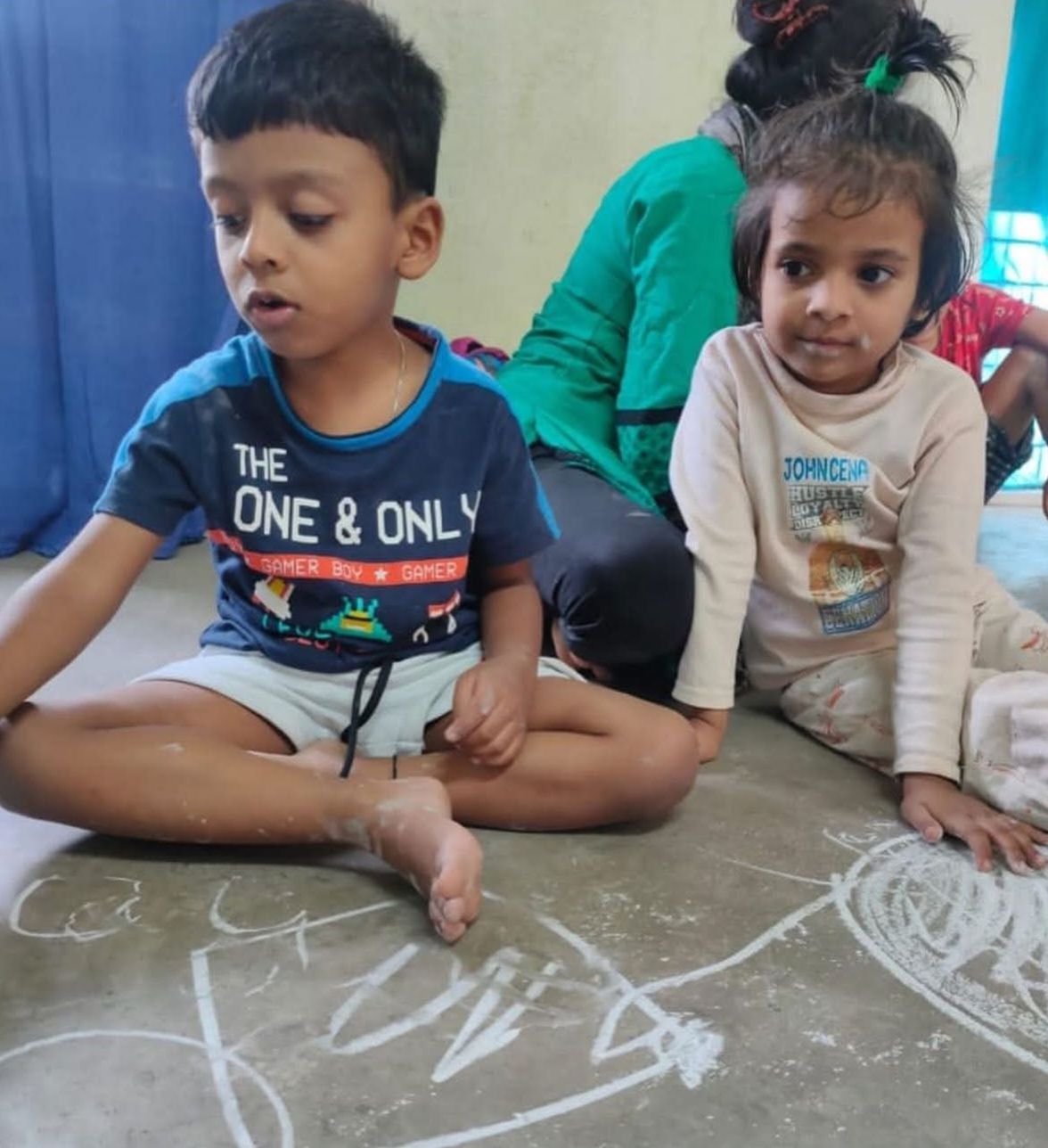
We can build all the shelters we want, but until we tackle what drives kids to the streets, we’re just managing the problem, not solving it.
This means:
- Creating legitimate employment opportunities for parents
- Fighting discrimination that keeps marginalized communities in poverty
- Removing barriers to education (those “free” schools with expensive uniform requirements aren’t actually free)
- Addressing housing insecurity—families with stable homes rarely send children to the streets
Urban poverty reduction initiatives in Brazil’s favelas demonstrated that improving infrastructure and security reduced street child populations by 25% in targeted areas.
Monitoring and evaluation of intervention effectiveness
Stop guessing what works. Start measuring.
Too many programs for street children operate on assumptions rather than evidence. The harsh reality is that some well-intentioned interventions actually harm the children they aim to help.
Effective monitoring means:
- Tracking long-term outcomes, not just short-term outputs
- Involving street children in designing evaluation metrics
- Using control groups to determine what really works
- Being brave enough to admit when our favorite programs fail
The best programs adapt constantly based on feedback loops that include the voices of street children themselves. Because honestly, they know better than anyone what they actually need.
The widespread crisis of street children demands a united front from all societal pillars. Government policies provide the framework, NGOs offer specialized interventions, community organizations deliver local support, individual citizens contribute through volunteering and advocacy, and businesses implement responsible practices and fund critical initiatives. Each sector plays an integral role in creating meaningful change.
To truly transform the lives of street children, we must move beyond temporary solutions toward sustainable approaches that address root causes. This means developing comprehensive education programs, creating vocational training opportunities, strengthening family support systems, and advocating for protective policies. By working collectively and committing to long-term strategies, we can help street children transition from vulnerability to empowerment, giving them the opportunity to build dignified, self-sufficient futures they deserve.
