

Ever felt that spike of fear walking alone at night, keys gripped between your fingers? You’re not alone. Nearly 81% of women have experienced some form of harassment or assault in their lifetime.
Self-defense for women isn’t just about knowing how to throw a punch. It’s about rewiring your instincts, owning your space, and projecting confidence that makes predators think twice.
I’ve trained hundreds of women who entered my studio with slumped shoulders and left standing tall. The transformation isn’t just physical—it’s a complete mental shift that ripples through every aspect of life.
But here’s what nobody tells you about effective self-defense techniques: the most powerful weapon isn’t in your hands at all…
Understanding the Fundamentals of Women’s Self-Defense
A. Recognizing Potential Threats in Everyday Environments
You know that feeling when something just seems “off”? That’s your intuition talking, and it’s your best early warning system.
Start noticing these things:
- Isolated areas where help is far away
- Strangers who violate your personal space
- Unusual behavior patterns around you
- Vehicles that appear repeatedly in different locations
- People who seem overly interested in your routine
Your phone is probably your biggest distraction. When you’re scrolling through Instagram while walking to your car, you’re basically announcing “I’m not paying attention to my surroundings!” Not ideal.
B. The Psychology of Predators and Their Targeting Methods
Predators aren’t looking for a challenge. They want easy targets.
They typically follow a selection process:
- They look for distracted people (on phones, carrying too many things)
- They test boundaries with small violations
- They assess your confidence level
- They evaluate isolation (is anyone watching?)
The best defense? Make yourself a harder target. Walk with purpose. Make eye contact. Respond firmly to boundary violations. These simple actions send a clear message: “I’m aware, I’m confident, and I’m not an easy target.”
C. Building Self-Confidence as Your First Line of Defense
Self-confidence isn’t just feeling good about yourself—it’s your invisible shield.
Strong body language is your secret weapon. Stand tall, shoulders back, head up. Research shows that confident posture not only changes how others perceive you but actually alters your own brain chemistry, reducing fear and increasing assertiveness.
Practice using your voice. Many women have been socialized to speak softly and apologize constantly. Break that habit. Your voice should be loud, clear, and commanding in threatening situations.
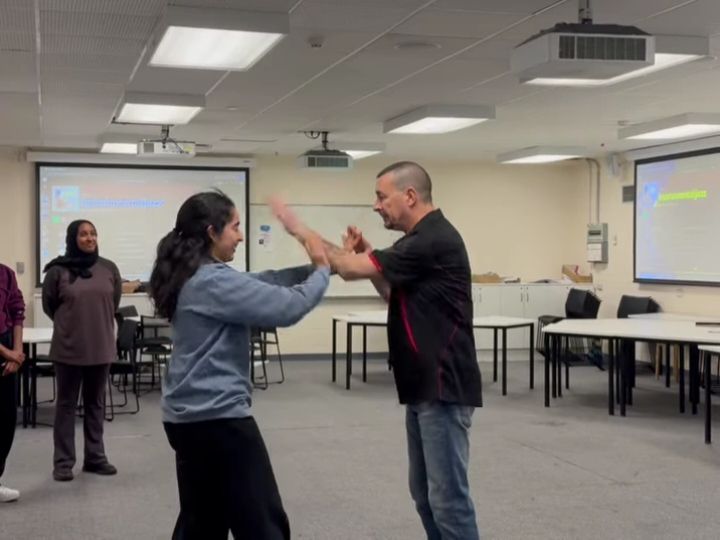
Try this daily confidence-building exercise:
- Stand in front of a mirror
- Make direct eye contact with yourself
- Say firmly: “BACK OFF” or “STOP RIGHT THERE”
- Notice your posture and adjust until you look and feel powerful
The more you practice projecting confidence, the more natural it becomes when you actually need it.
D. Legal Rights and Responsibilities in Self-Defense Situations
Understanding your legal rights can be just as important as knowing physical techniques.
The law generally recognizes your right to defend yourself with reasonable force when you reasonably believe you’re in danger. But what’s “reasonable” varies by location.
Most jurisdictions follow these basic principles:
- You can use proportional force to stop a threat
- You generally can’t escalate beyond what’s necessary
- You may have a duty to retreat in some states before using force
- Once the threat stops, your right to use force ends
Know the self-defense laws where you live. Some states have “Stand Your Ground” laws that remove the duty to retreat. Others require you to try escaping before using force if possible.
If you carry self-defense tools like pepper spray, know the legal restrictions. What’s perfectly legal in one state might get you arrested in another.
After any self-defense situation, immediately call 911. Be careful what you say—”I was afraid for my life” is better than “I wanted to teach him a lesson.”
Essential Physical Techniques Every Woman Should Know
Creating Distance and Establishing Boundaries
You need space to defend yourself. Period. When someone gets too close, your options shrink fast.
The first rule? Maintain your bubble. Two arm’s length is your minimum safe zone. When someone crosses that line, use your voice first: “STOP!” or “BACK UP!” – loud and commanding.
If they keep coming, extend your arms in front with palms facing outward. This universal “stop” signal creates immediate distance while positioning your hands to defend.
Still advancing? The stiff-arm technique works wonders. Extend one arm straight out, palm facing them, fingers pointing up. This creates a barrier they must overcome before reaching you.
Leveraging Your Body’s Natural Weapons
Your body is packed with built-in weapons that don’t require strength to be effective.
The heel of your palm? Brutal when driven upward into someone’s nose or chin. Your elbows? Absolute wrecking balls in tight spaces. And never underestimate your knees – they can deliver devastating strikes to vulnerable areas.
What about your voice? It’s one of your strongest weapons. A sharp, loud yell does two things: startles an attacker and attracts attention.
Your fingernails, keys, pens – all become instant weapons when needed. Remember, in self-defense, anything goes.
Effective Striking Points for Maximum Impact
Not all targets are created equal. Some spots require minimal force for maximum effect.

The eyes are incredibly sensitive. A quick jab with fingers or thumbs will cause immediate pain and temporary blindness.
The throat is vulnerable and unprotected. Even light strikes here cause difficulty breathing and instant disorientation.
The groin? An obvious target for good reason. A solid knee or hand strike here will drop most attackers instantly.
Other prime targets include:
- The nose (extremely sensitive)
- The ears (cupped hand strikes cause disorientation)
- The knees (they only bend one way)
- Solar plexus (disrupts breathing)
Breaking Holds and Escaping Restraints
When someone grabs you, don’t pull away directly – that’s playing to their strength.
For wrist grabs, rotate toward the attacker’s thumb (the weakest point of their grip) while pulling sharply. For clothing grabs, drop your weight while turning, creating slack to break free.
Hair grabs? Place your hand over theirs, pinning it to your head (stops the pulling pain), then strike with your free hand or pivot toward their thumb.
Bear hugs from behind? Drop your weight, stomp on their instep, then hammer-strike their groin or thighs. Create space, then spin out.
The golden rule: move toward the thumb and little finger side of any grip – that’s where the weakness is.
Ground Defense Strategies When Taken Down
Ending up on the ground isn’t game over – it’s just a different game.
First priority: protect your head. Bring arms up to guard your face and tuck your chin to protect your throat.
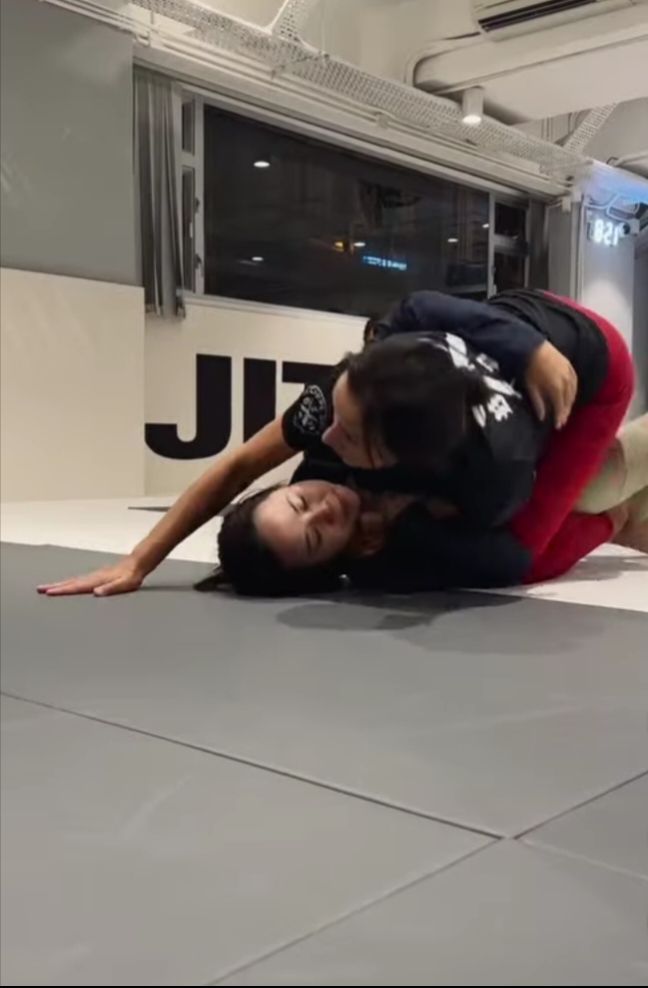
Create distance by using your legs as barriers. The “shrimping” movement (hip escape) is crucial – push with your feet while scooting your hips away.
If someone’s on top of you, bridge your hips up powerfully while pushing them diagonally off. Their weight will work against them.
Never stay flat on your back. Always work to your side or, better yet, to your knees. From there, you can push up to standing.
Remember: on the ground, your legs are stronger than their arms. Use them to create space, kick vulnerable areas, and scramble back to your feet.
Situational Awareness and Prevention Strategies
Developing Your Personal Safety Radar
Walking down a dark street, you’ve felt it – that little voice saying “something’s off.” That’s your personal safety radar, and it’s your first line of defense.
Most attacks don’t come out of nowhere. The warning signs are there if you’re paying attention. Stop scrolling through Instagram while walking alone. Look up. Notice who’s around you. Is someone following too closely? Trust your gut – it’s evolved over thousands of years to keep you alive.
Practice the “color code” awareness system:
- White: Relaxed, unaware (save for home)
- Yellow: Casual alertness (your public default)
- Orange: Potential threat identified
- Red: Immediate danger response
Start scanning rooms when you enter. Where are the exits? Who seems out of place? This isn’t paranoia – it’s preparation.
Smart Phone Safety and Technology Tools
Your phone can be your best friend or your worst enemy for safety.
Share your location with trusted friends when you’re out. Apps like “Life360” or “Find My Friends” create a safety net without much effort. Try these apps that could save your life:
But your phone creates vulnerabilities too. Posting real-time locations on social media? Terrible idea. Those vacation photos? Post them after you’re home.
And stop wearing headphones that block environmental sounds when you’re alone. You need all your senses working.
Home Security Essentials for Women Living Alone
Your home should be your sanctuary, not your vulnerability.
First, fix the basics:
- Solid deadbolts on all exterior doors
- Window locks that actually work
- Motion-sensor lighting outside
- Trim bushes near windows where someone could hide
The trick most women miss? Don’t advertise you live alone. Use “we” when talking to service people. Have a pair of men’s work boots or shoes visible by your door.
Smart home tech has changed the game. Video doorbells let you see who’s knocking without opening up. Smart locks track who comes and goes. Connected lighting systems can make it look like someone’s home even when you’re away.
Consider a dog – even small ones make great noise alarms. Can’t have pets? Loop dog barking sounds through your smart speaker when someone unexpected knocks.
Travel Safety Tactics for Domestic and International Settings
Traveling solo doesn’t have to be scary if you’re smart about it.
Research your destination thoroughly. Not just the tourist spots, but local scams, dangerous areas, and cultural expectations for women. Facebook groups for female travelers are goldmines for recent, real advice.
Hotel safety basics:
- Request rooms between the 3rd-6th floors (high enough from ground access, low enough for fire ladders)
- Use all locks and door wedges at night
- Never say your room number out loud at reception
Transportation matters. Pre-arrange airport pickups through your hotel. Use rideshare apps instead of hailing random taxis. Send the car details to a friend before getting in.
Pack defensively. Split your money between different bags. Carry a dummy wallet with expired cards and small cash for potential thieves. Wear a cross-body bag in front of you in crowded places.
The confidence trick works wonders internationally. Walk with purpose, even when lost. Duck into a store to check directions rather than standing on a street corner with your map app open.
Self-Defense Tools and How to Use Them
Non-Lethal Options: Pepper Spray, Personal Alarms, and Tactical Flashlights
When you’re walking alone at night, having the right tool can make all the difference. Pepper spray is a game-changer – it temporarily blinds attackers from up to 10 feet away, giving you precious time to escape. Just remember to check your local laws first, as some areas restrict its use.
Personal alarms are another smart option. These pocket-sized devices emit ear-piercing sounds (usually 130+ decibels) that can startle attackers and draw attention. They’re legal everywhere and require zero training.
Tactical flashlights serve double duty – they help you see in dark areas AND can temporarily blind attackers if shined directly in their eyes. Some models even have serrated edges for striking if needed.
Whichever tool you choose, practice using it regularly. A pepper spray canister isn’t helpful if you’re fumbling with the safety when you need it most.
Improvised Weapons from Everyday Items
Your everyday belongings can become powerful self-defense tools in a pinch.
Keys are the classic example – held between your fingers or gripped firmly in your fist, they become instant impact weapons. A heavy purse swung forcefully can create distance between you and a threat.
Even ordinary items have defensive potential:
- Pens or pencils can be jabbed toward vulnerable areas
- Umbrellas create distance and can be thrust forward
- Hair spray causes temporary eye irritation
- Hot coffee can be thrown as a distraction
The secret isn’t the item itself but how quickly you can access and use it. Practice retrieving these items quickly so muscle memory kicks in during high-stress situations.
Proper Training and Legal Considerations
Owning self-defense tools without proper training is like having a fancy kitchen without knowing how to cook. Ineffective and potentially dangerous.
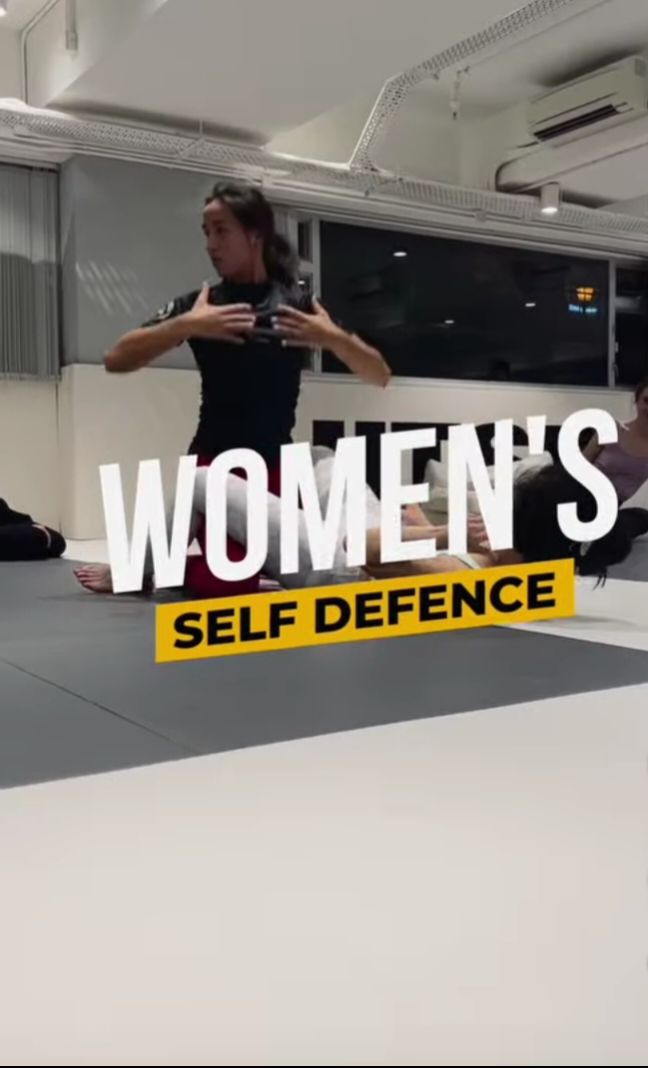
Most cities offer specialized women’s self-defense courses where you’ll learn proper techniques for using pepper spray, personal alarms, and improvised weapons. Many sporting goods stores also offer training when purchasing these items.
The legal stuff matters too. What’s considered reasonable force varies dramatically between states and countries. In some places, certain self-defense tools are completely banned or heavily restricted.
Before carrying any self-defense tool:
- Research local laws regarding carrying and using specific tools
- Understand what constitutes legal self-defense in your area
- Consider getting proper certification or training
- Keep receipts and documentation for any purchased items
Remember – the most effective self-defense tool is the one you know how to use properly and can access quickly when needed. Regular practice creates muscle memory that kicks in when adrenaline spikes.
Building Your Personal Safety Plan
Creating Daily Safety Routines
Safety isn’t something you wing—it’s something you build into your day. Think about it: you lock your doors at night without even thinking about it, right? That’s muscle memory working for you.
Start small. When you walk to your car, have your keys ready before you leave the building. Check the backseat before getting in. These aren’t paranoid moves—they’re smart habits that take seconds.
Your phone matters too. Keep it charged and accessible, not buried in your purse. Consider setting up emergency contacts that you can reach with just a few taps.
The best routines are the ones you’ll actually stick with. If carrying pepper spray feels overwhelming, start with walking with a friend after dark or sharing your location with trusted people.
Selecting and Vetting Self-Defense Classes
Not all self-defense classes are created equal. Some focus on fancy moves that look good but won’t help in real life. Others teach practical techniques designed specifically for women’s bodies and common threats.
Before signing up:
- Watch a class first
- Ask about the instructor’s experience teaching women
- Check if they cover verbal boundary-setting (not just physical skills)
- Talk to past students if possible
The right class should make you feel empowered, not terrified. The instructor should respect boundaries and create a safe learning environment.
Practice Drills to Build Muscle Memory
When adrenaline hits, you won’t have time to think. Your body will do what it’s practiced.
Simple drills you can do anywhere:
- Practice yelling “NO!” and “BACK OFF!” in your car (yes, really)
- Rehearse breaking free from common grabs while watching TV
- Set up scenarios with friends to practice awareness skills
The key is repetition. Even five minutes daily builds more skill than a two-hour session once a month.
Developing a Support Network of Safety Allies
Safety isn’t a solo sport. Your network becomes your strongest asset.
Find people who:
- Will check in when you’re meeting someone new
- Can be your walking buddy in unfamiliar areas
- Will pick up when you call, no questions asked
This network might include friends, family, coworkers, or neighbors. Set up clear communication systems—maybe a code word that means “I need help but can’t say it directly.”
The strongest safety plans combine personal skills with community support. Together, they create layers of protection that adapt to different situations.
Taking control of your safety is both empowering and necessary in today’s world. Through understanding self-defense fundamentals, learning physical techniques, developing situational awareness, familiarizing yourself with self-defense tools, and creating a personal safety plan, you’ve gained valuable knowledge that can help protect you in potentially dangerous situations.
Remember that self-defense is ultimately about confidence and preparedness. Practice these techniques regularly, trust your instincts, and always prioritize your safety above all else. You have the right to protect yourself, and with these tools at your disposal, you’re better equipped to do so. Stay aware, stay prepared, and stay safe.
