
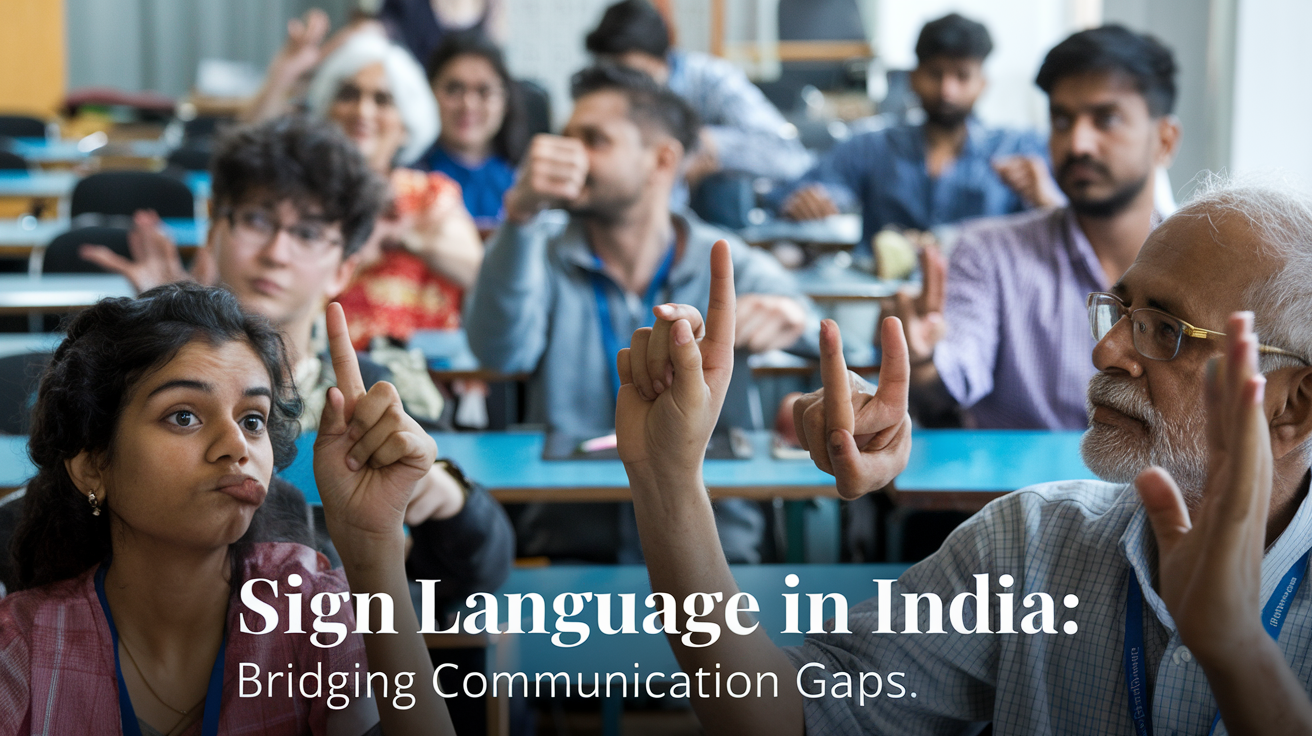
Did you know there are over 5 million deaf people in India, but the country still doesn’t have a standardized sign language? Let that we are discussing about Sign Language in India.
Thank you for reading this post, don't forget to subscribe!For millions of Indians, communication isn’t just difficult—it’s a daily battle against isolation and misunderstanding.
Sign Language in India as well as Indian Sign Language (ISL) exists in a strange limbo: widely used in deaf communities but barely recognized by the government. Schools teach different versions, families create home signs, and the disconnect grows wider.
This fractured landscape means a deaf person from Mumbai might struggle to communicate with someone from Kolkata using sign language.
Difference between Translator and an Interpreter

Understanding the Distinction
Ever noticed how people use “translator” and “interpreter” interchangeably? They’re actually completely different roles, especially in the context of sign language.
A translator works with written text, converting it from one language to another. They have the luxury of time, can use reference materials, and typically work alone. In the Sign Language in India world, a translator might convert written Hindi or English text into written documentation about how to perform specific signs.
Key Differences
| Aspect | Translator | Interpreter |
|---|---|---|
| Medium | Written text | Live speech or signing |
| Timing | Can take time | Works in real-time |
| Resources | Can use dictionaries, references | Must rely on memory and quick thinking |
| Setting | Often works alone | Works in public, interactive settings |
| Skills | Writing proficiency | Public speaking, quick processing |
For the deaf community in India, skilled interpreters are crucial bridges to the hearing world. They don’t just translate words—they convey emotion, context, and cultural nuances that make communication meaningful.
Next time you watch someone signing at an event, remember they’re not translating—they’re interpreting, and doing something far more immediate and challenging than most people realize.
HOW TO LEARN A LANGUAGE QUICKLY!

Immersion is King
Want to learn Sign Language in India quickly? Nothing beats diving headfirst into it. Surround yourself with the deaf community whenever possible. Attend deaf events, make friends with native signers, and practice constantly. Your brain adapts faster when you’re forced to communicate this way.
Daily Practice Sessions
Consistency trumps intensity every time. Spending 20 minutes daily practicing sign language is far more effective than cramming for 3 hours once a week. Set up a schedule and stick to it. Use apps like SignSchool or YouTube tutorials specifically for Indian Sign Language to guide your practice sessions.
Use Visual Memory Techniques
Sign Language in India is visual, so use that to your advantage. Create mental images or stories connected to each sign. For example, if the sign for “happy” involves a movement across your chest, imagine sunshine spreading warmth across your heart.
Record Yourself Signing
Most people hate seeing themselves on video, but it’s a game-changer for learning Sign Language in India. Record your signing practice, then watch it back. You’ll spot mistakes you didn’t realize you were making and can correct them immediately.
Find a Language Partner
Learning alongside someone else keeps you accountable and makes the process more fun. If you can’t find someone locally, connect with other learners through online communities dedicated to Sign Language in India. Practice conversations together regularly, even if they’re basic at first.
Indian Sign Language Research and Training Centre
Establishment and Purpose
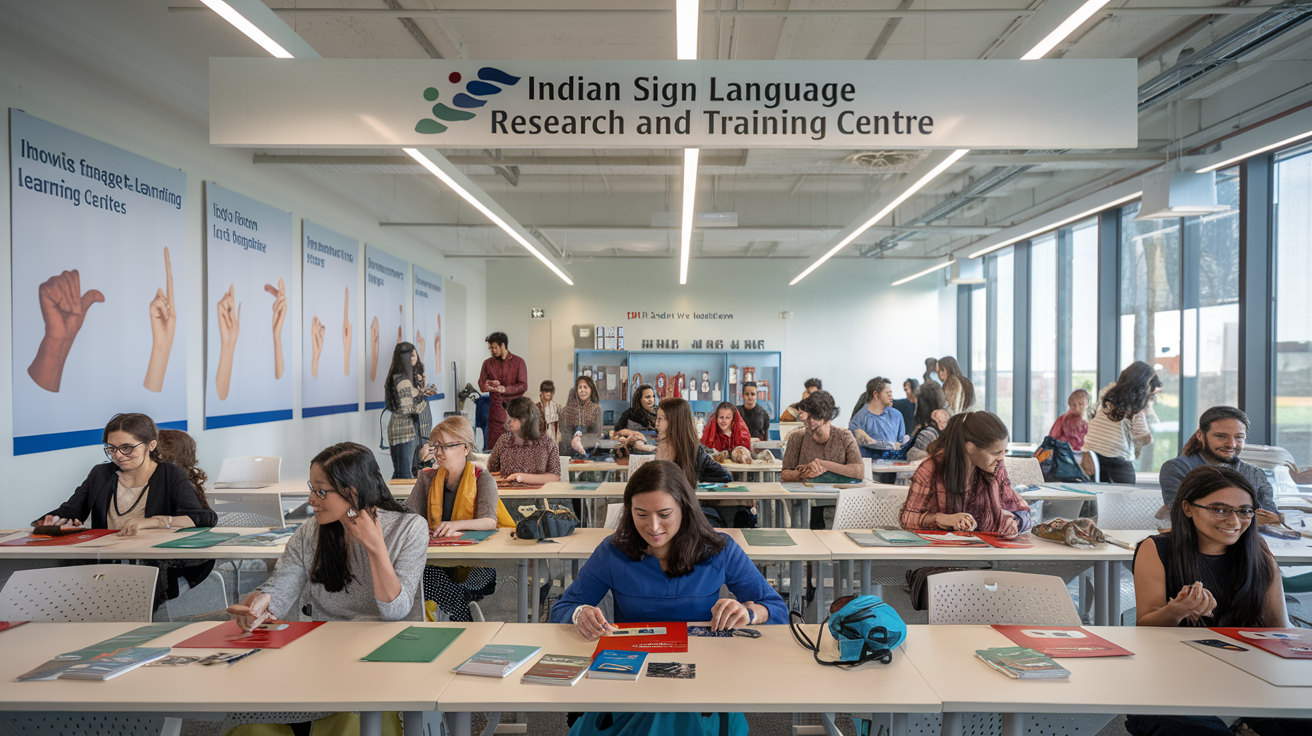
The Indian Sign Language Research and Training Centre (ISLRTC) was set up in 2015 as an autonomous organization under the Department of Empowerment of Persons with Disabilities. This pioneering institution fills a massive gap in accessibility for India’s deaf community.
What does ISLRTC actually do? For starters, it’s the country’s primary hub for developing, promoting, and standardizing Indian Sign Language (ISL). The centre tackles everything from research to training programs that help build bridges between the deaf and hearing worlds.
Key Initiatives
ISLRTC has been busy since day one. They’ve published the first comprehensive Indian Sign Language Dictionary with over 10,000 terms. Game-changer? Absolutely. This resource has transformed how deaf people access information across India.
The centre also offers professional training programs for sign language interpreters – addressing the severe shortage of qualified interpreters nationwide. They’ve trained hundreds of interpreters who now serve in schools, hospitals, courts, and public offices.
Educational Impact
Ever wondered how deaf students manage in a system not designed for them? ISLRTC is tackling this head-on by developing educational materials in ISL. They’ve created video content for NCERT textbooks, making standard curriculum accessible to deaf students.
During the pandemic, they launched virtual learning platforms when in-person instruction wasn’t possible. This quick pivot ensured deaf students could continue their education despite unprecedented challenges.
Future Direction
ISLRTC is now working on developing regional sign language dictionaries to account for the linguistic diversity across India. They’re also expanding their interpreter training programs to reach remote areas where such services are practically non-existent.
Sign Language Day 2024
A Day of Solidarity and Awareness
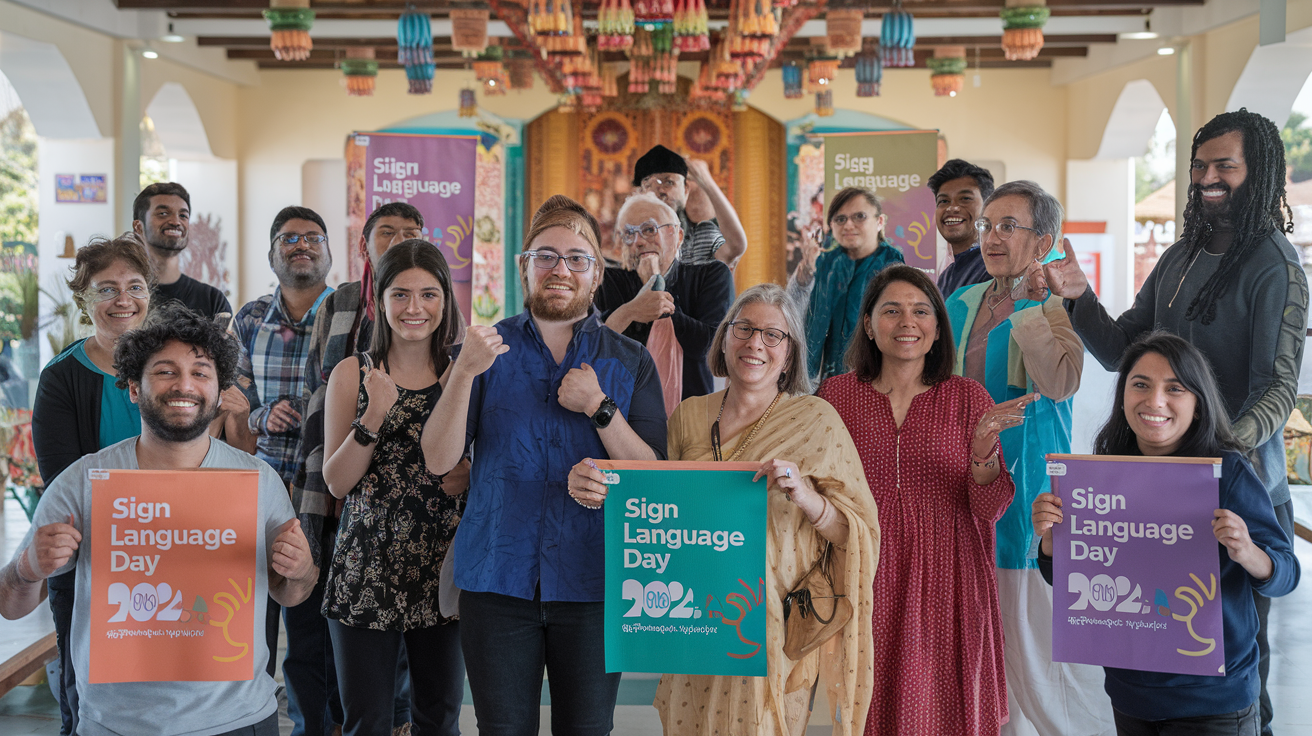
September 23, 2024, marks World Sign Language Day, a global celebration that shines a spotlight on the rich linguistic heritage of Deaf communities worldwide. In India, this day carries special significance as the country continues to make strides in recognizing Indian Sign Language (ISL) as a distinct and vital form of communication.
What makes this year’s celebration unique is the growing momentum behind sign language education in India. The day isn’t just a ceremonial observance—it’s become a platform for advocacy, education, and community building.
Events Across India
Major cities like Delhi, Mumbai, and Bangalore are hosting vibrant celebrations featuring:
- Sign language poetry performances
- Public awareness workshops in shopping malls
- Free introductory ISL classes
- Art exhibitions by Deaf artists
- Film screenings with ISL interpretation
The Indian Sign Language Research and Training Centre in Delhi is organizing a national virtual conference, bringing together educators, students, and advocates from across the country.
Why It Matters
For many in the Deaf community, World Sign Language Day goes beyond recognition—it’s about claiming space in public discourse.
Gone are the days when sign language was viewed as a mere accommodation. Today’s celebrations emphasize ISL as a full-fledged language with its own grammar, syntax, and cultural significance.
As one Deaf activist put it: “When people see us signing in public spaces, in government offices, on television—that’s when real change happens. This day reminds everyone that our language deserves the same respect as any spoken language.”
International Week of Deaf
A Global Celebration of Deaf Culture
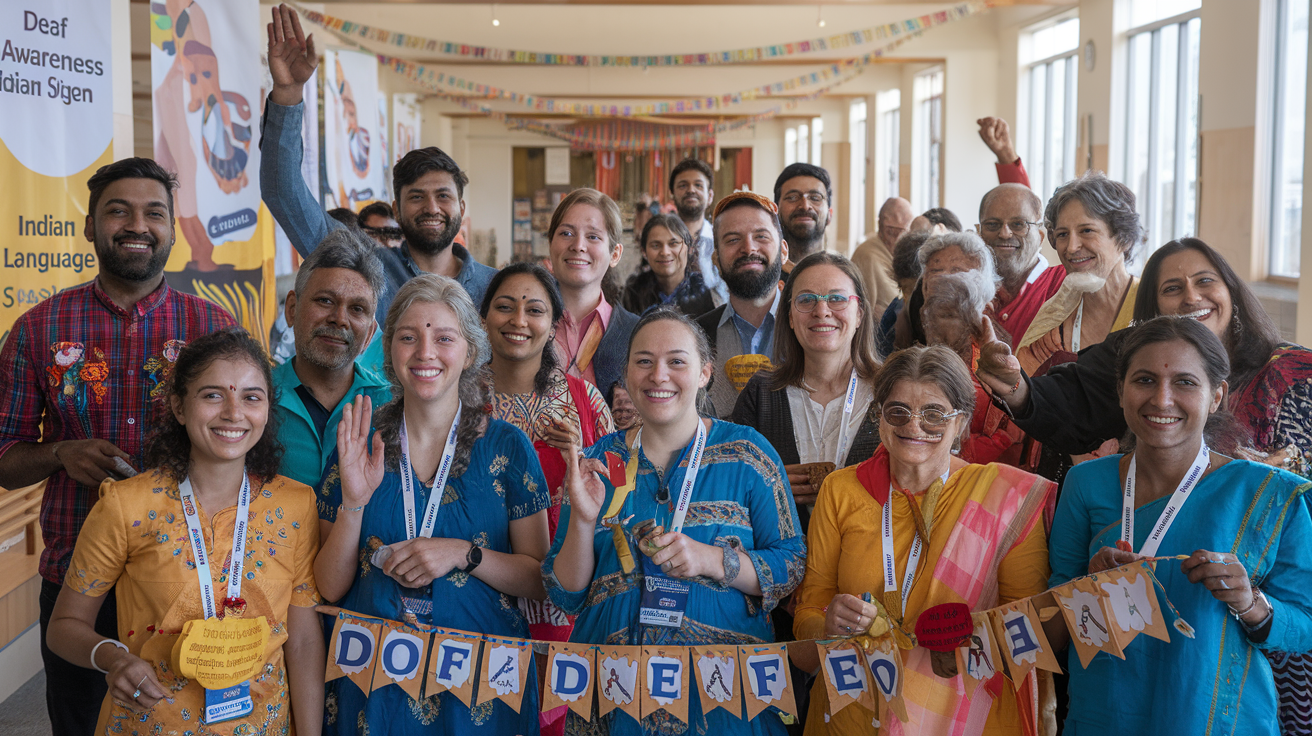
The International Week of the Deaf isn’t just another awareness event—it’s a worldwide celebration that lights up the last full week of September every year. Picture this: deaf communities across 130+ countries coming together to showcase their culture, achievements, and rights.
What makes this week special? It’s completely organized by deaf people themselves. No outside control, just authentic representation.
History and Significance
Born from the World Federation of the Deaf in 1958, this celebration has grown from humble beginnings into a global phenomenon. In India, it’s transformed into a powerful platform where the deaf community shouts (metaphorically, of course) about their experiences and challenges.
The week culminates in International Day of Sign Languages on September 23rd—officially recognized by the UN in 2018.
Themes That Matter
Each year brings a fresh theme that tackles pressing issues:
- 2022: “Building Inclusive Communities for All”
- 2023: “A World Where Deaf People Everywhere Can Sign”
- 2024: “Deaf Leadership for Tomorrow: Sign Language Rights for All”
Activities Across India
During this vibrant week, India comes alive with:
- Sign language workshops in major cities
- Cultural performances showcasing deaf artists
- Advocacy meetings with government officials
- Educational exhibitions at universities
- Sign language film festivals
These events aren’t just celebrations—they’re powerful tools changing how society views deaf people and Indian Sign Language.
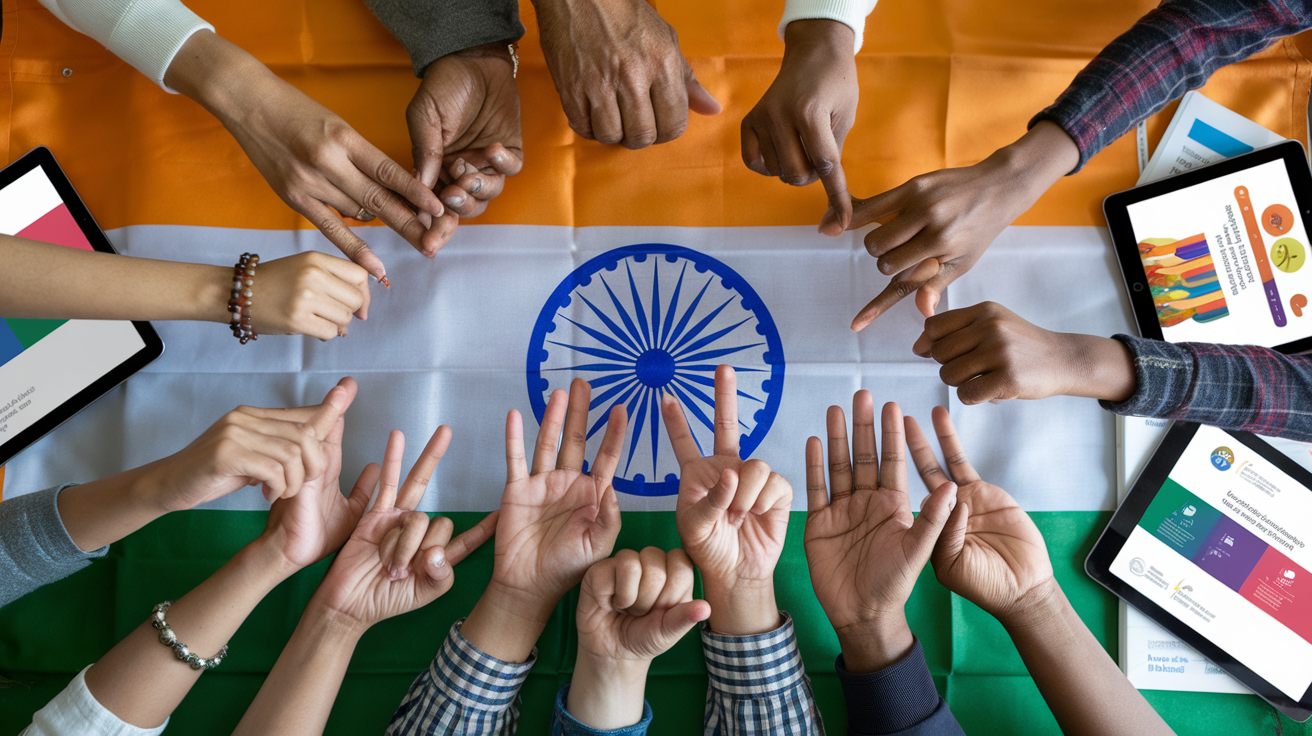
Navigating the world of sign language in India reveals a rich landscape from understanding the distinct roles of translators versus interpreters to discovering accelerated language learning techniques. The Indian Sign Language Research and Training Centre serves as a cornerstone for advancing sign language education and accessibility across the country, while celebrations like Sign Language Day 2024 and the International Week of Deaf highlight the ongoing progress and advocacy for the deaf community.
As sign language gains greater recognition in India, we all have the opportunity to contribute to a more inclusive society. Whether you’re considering learning Indian Sign Language, supporting deaf-led initiatives, or simply increasing awareness in your community, every effort helps bridge communication gaps. Let’s embrace sign language as an essential part of India’s diverse linguistic heritage and continue working toward a future where communication has no barriers.
