
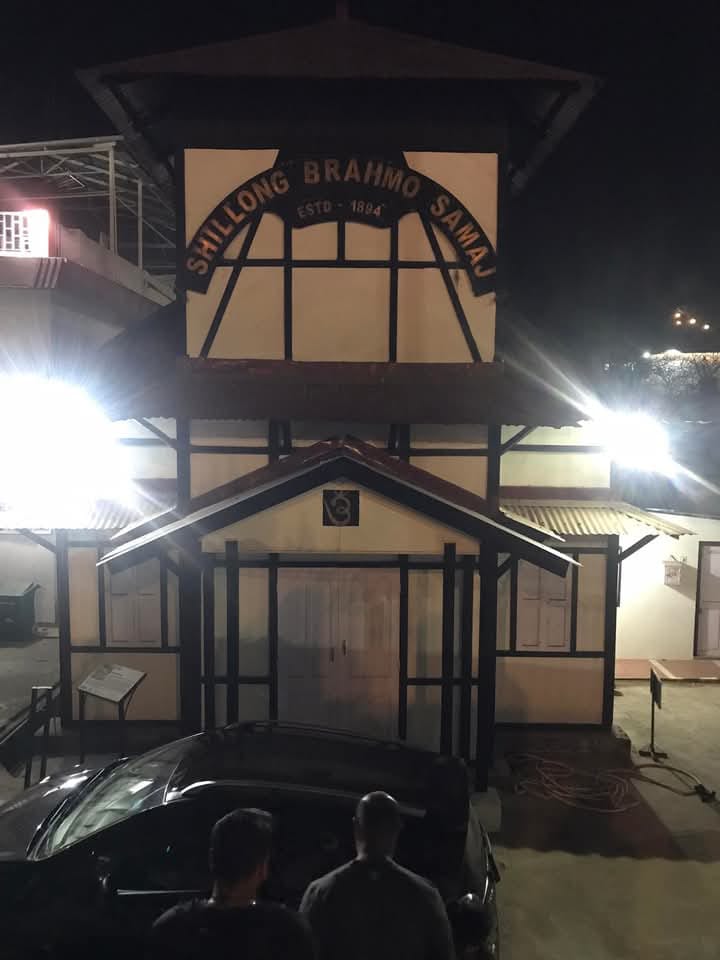
Introduction to the Brahmo Samaj
The social reform of the Brahmo Samaj stands as a pivotal movement in 19th century India, reshaping societal norms and challenging age-old traditions. Founded in 1828 by Raja Ram Mohan Roy, the Brahmo Samaj emerged as a progressive force that sought to modernize Hindu practices while preserving its core spiritual essence. This blog post delves into the transformative impact of the Brahmo Samaj’s social reform initiatives and their lasting influence on Indian society.
Thank you for reading this post, don't forget to subscribe!Origins and Founding Principles
The Brahmo Samaj, literally meaning “Society of Brahma,” was established in Calcutta (now Kolkata) as a response to the rigid caste system, superstitious practices, and social inequalities prevalent in Hindu society. Raja Ram Mohan Roy, often hailed as the “Father of Modern India,” founded this organization with the aim of purifying Hinduism and promoting rational thinking.
Key principles that guided Social Reform of the Brahmo Samaj efforts included:
Monotheism: Belief in one supreme God
Rejection of idol worship and ritualistic practices
Emphasis on reason and logic in religious matters
Promotion of social equality and human dignity
Advocacy for women’s rights and education
These founding principles laid the groundwork for the extensive social reforms that the Brahmo Samaj would champion in the coming decades.
Key Figures in the Brahmo Samaj Movement
Debendranath Tagore: Father of Nobel laureate Rabindranath Tagore, he revitalized the Brahmo Samaj in the 1840s and formalized its doctrines.
Keshub Chunder Sen: A charismatic leader who popularized the Brahmo Samaj’s ideas and established branches across India.
Sivanath Sastri: A historian and reformer who documented the movement’s history and promoted its ideals.
Anandamohan Bose: An educator and political leader who advocated for social reforms through the Brahmo Samaj platform.
These individuals, among others, played crucial roles in shaping the social reform agenda of the Brahmo Samaj and expanding its influence across India.
Major Social Reforms Championed by the Brahmo Samaj
The social reform of the Brahmo Samaj encompassed various aspects of Indian society. Some of the most significant reforms included:
Abolition of Sati: The Brahmo Samaj strongly opposed the practice of Sati (widow immolation) and worked towards its legal prohibition.
Promotion of Widow Remarriage: They advocated for the right of widows to remarry, challenging societal norms that condemned widows to a life of austerity.
Opposition to Child Marriage: The movement fought against the prevalent practice of child marriage, emphasizing the importance of consent and maturity in matrimony.
Advocacy for Women’s Education: Brahmo Samaj reformers established schools for girls and promoted female literacy as a means of empowerment.
Inter-caste Marriages: They encouraged marriages between different castes, aiming to break down caste barriers and promote social harmony.
These reforms were radical for their time and faced significant opposition from conservative sections of society. However, the Brahmo Samaj’s persistent efforts gradually brought about changes in both social attitudes and legal frameworks.
Impact on Education and Women’s Rights
The social reform of the Brahmo Samaj had a profound impact on education and women’s rights in India. Some key initiatives include:
Establishment of Schools: The movement founded numerous schools that provided modern education to both boys and girls.
Promotion of English Education: Brahmo Samaj reformers advocated for English education as a means of accessing modern knowledge and ideas.
Women’s Empowerment: They encouraged women to participate in public life, breaking the norms of purdah (seclusion) and promoting gender equality.
Reform of Marriage Laws: The Brahmo Samaj pushed for legal reforms that raised the age of consent for marriage and recognized inter-faith unions.
These efforts laid the foundation for the advancement of women’s rights and education in India, paving the way for future generations of empowered women.
Religious and Cultural and Social Reform of the Brahmo Samaj Reforms
The Brahmo Samaj’s social reform extended to religious and cultural practices as well:
Monotheism and Rationalism: They promoted the concept of one supreme God and encouraged rational interpretation of religious texts.
Rejection of Caste System: The movement strongly opposed caste-based discrimination and worked towards a more egalitarian society.
Simplification of Rituals: Brahmo Samaj advocated for simpler, more meaningful religious practices, moving away from elaborate rituals.
Promotion of Vernacular Languages: While supporting English education, they also encouraged the use and development of Indian languages.
These religious and cultural reforms aimed to create a more inclusive and progressive society, blending traditional Indian values with modern ideals.
Influence on Indian Nationalism
The social reform of the Brahmo Samaj played a significant role in shaping Indian nationalism:
Promotion of Indian Identity: By blending Hindu traditions with modern ideas, the movement fostered a sense of Indian identity distinct from British colonial rule.
Criticism of Colonial Policies: Brahmo Samaj leaders often critiqued unjust colonial policies, laying the groundwork for the independence movement.
Inspiration for Future Leaders: Many prominent Indian nationalists, including Mahatma Gandhi, were influenced by the ideals of the Brahmo Samaj.
Platform for Political Discourse: The movement provided a platform for discussing social and political issues, contributing to the growth of Indian nationalism.
The Brahmo Samaj’s emphasis on social reform and cultural revival played a crucial role in awakening national consciousness and preparing the ground for India’s struggle for independence.
Legacy and Continued Relevance
The social reform of the Brahmo Samaj continues to be relevant in modern India:
Secularism and Tolerance: The movement’s emphasis on religious tolerance and secularism remains a guiding principle in India’s diverse society.
Women’s Empowerment: The Brahmo Samaj’s advocacy for women’s rights continues to inspire ongoing efforts for gender equality.
Education Reforms: Their emphasis on modern education and critical thinking influences current educational policies and practices.
Social Justice: The movement’s fight against caste discrimination and social inequalities resonates with contemporary social justice movements.
While the Brahmo Samaj as an organization may have diminished in size and influence, its ideals continue to shape Indian society and politics.
Conclusion
The social reform of the Brahmo Samaj marked a turning point in Indian history, challenging oppressive traditions and paving the way for a more progressive society. From advocating for women’s rights to promoting education and religious tolerance, the movement’s impact continues to be felt in modern India. As we reflect on this influential movement, it’s clear that the Brahmo Samaj’s vision of a just and enlightened society remains as relevant today as it was nearly two centuries ago.
