
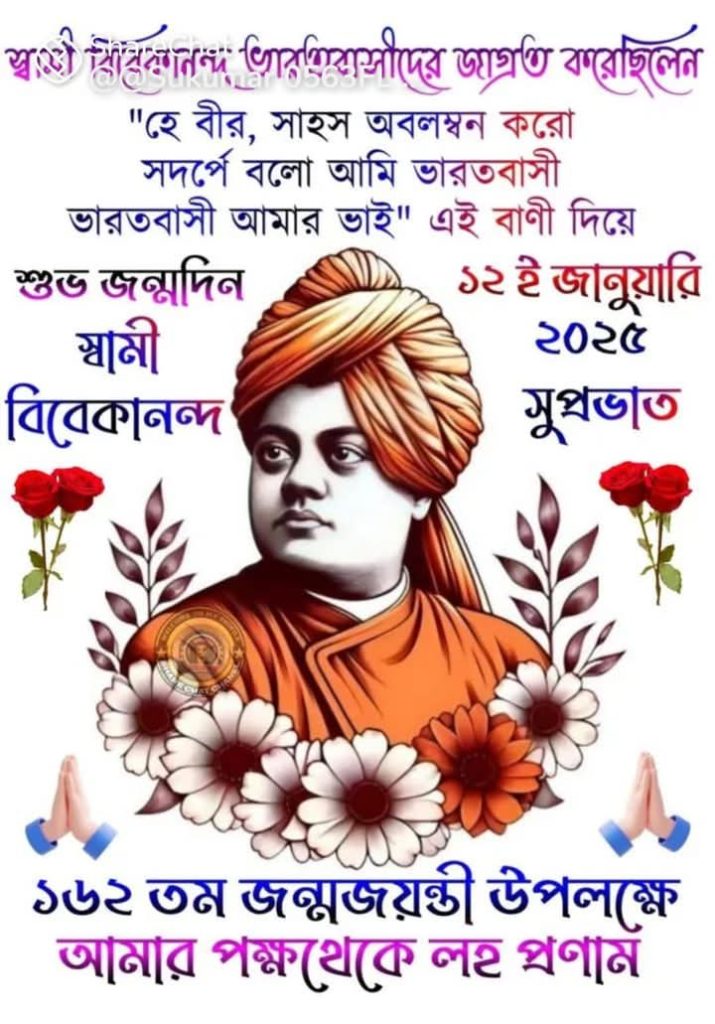
Introduction : SWAMI VIVEKANANDA ON NATIONALISM
SWAMI VIVEKANANDA ON NATIONALISM, a revered spiritual leader and philosopher, played a pivotal role in shaping the concept of nationalism in India. His views on nationalism were deeply rooted in spirituality and universal brotherhood, offering a unique perspective that continues to inspire millions worldwide. This blog post explores Swami Vivekananda’s thoughts on nationalism and their enduring relevance in today’s world.
Thank you for reading this post, don't forget to subscribe!Swami Vivekananda’s Early Life and Influences
Born as Narendranath Datta in 1863 in Calcutta, Swami Vivekananda was exposed to diverse philosophical and religious ideas from an early age. His meeting with Sri Ramakrishna Paramahamsa proved to be a turning point in his life, shaping his spiritual and nationalistic ideals.
- Educated in Western philosophy and science
- Influenced by the Brahmo Samaj movement
- Deeply impacted by Sri Ramakrishna’s teachings
These early influences laid the foundation for Vivekananda’s unique blend of spirituality and nationalism.
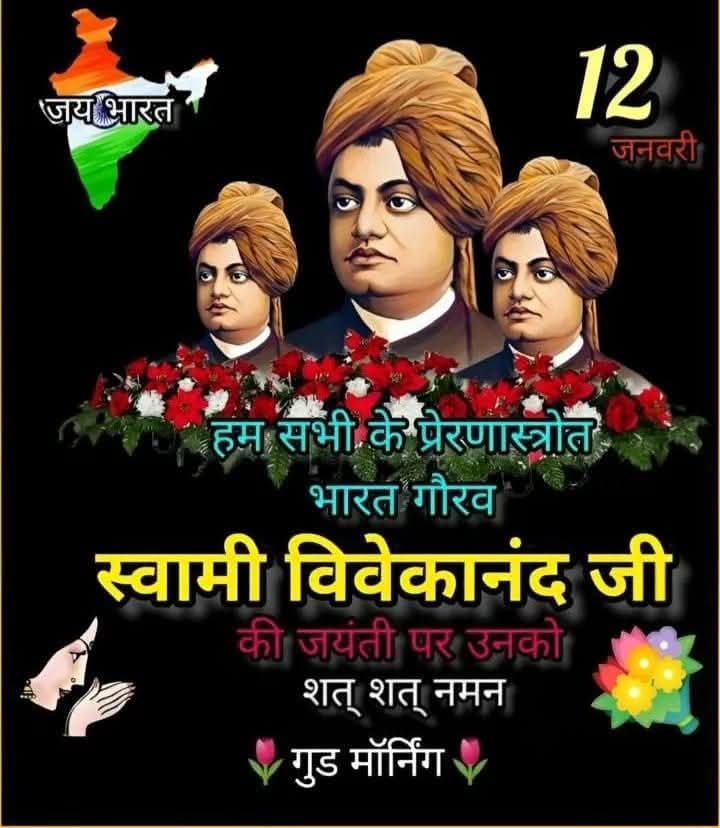
The Concept of Nationalism in Vivekananda’s Philosophy
Swami Vivekananda’s idea of nationalism was markedly different from the prevalent Western notions of the time. He envisioned a nationalism that was:
- Inclusive and universal
- Based on spiritual and cultural strength
- Focused on uplifting all sections of society
For Vivekananda, true nationalism meant the awakening of the nation’s soul and the realization of its spiritual potential.
Unity in Diversity: A Core Principle
One of the central themes in Swami Vivekananda’s vision of nationalism was the concept of unity in diversity. He believed that India’s strength lay in its ability to embrace and celebrate its diverse cultures, religions, and traditions.
“The unity in variety is the plan of nature, and the Hindu has recognized it.” – Swami Vivekananda
This idea of unity in diversity was not limited to India alone but extended to Vivekananda’s vision of a harmonious world order.
Spiritual Nationalism: A Unique Approach
SWAMI VIVEKANANDA ON NATIONALISM concept of spiritual nationalism set him apart from other nationalist thinkers of his time. He believed that:
- The nation’s soul resided in its spiritual heritage
- Material progress should be balanced with spiritual growth
- Nationalism should be a means to serve humanity
Education and Youth Empowerment
SWAMI VIVEKANANDA ON NATIONALISM placed great emphasis on education and youth empowerment as essential components of national development. He advocated for:
- A holistic education system combining Western science and Eastern spirituality
- Character-building as a crucial aspect of education
- Empowering the youth to take charge of national progress
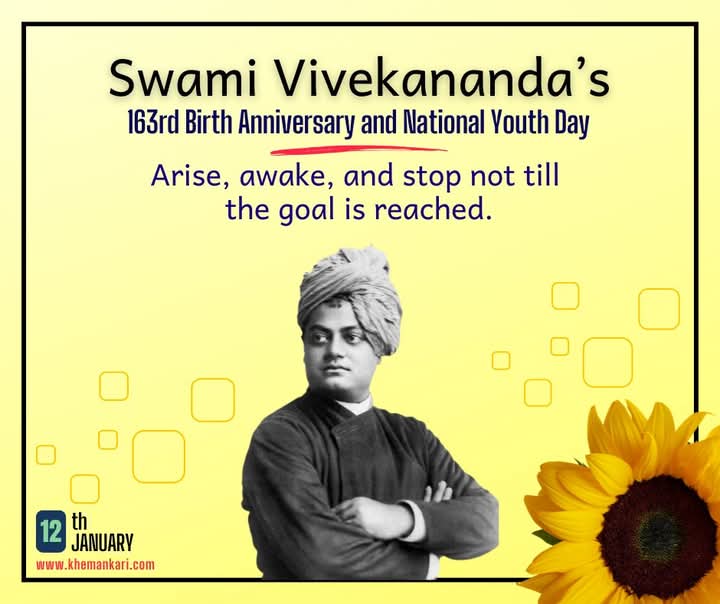
His famous call to the youth, “Arise, awake, and stop not till the goal is reached,” continues to inspire generations of Indians.
Social Reform and National Progress
Swami Vivekananda believed that true nationalism must address social issues and uplift all sections of society. He was a strong advocate for:
- Eradication of caste-based discrimination
- Women’s empowerment and education
- Alleviation of poverty and social inequality
He saw these reforms as essential for building a strong and united nation.
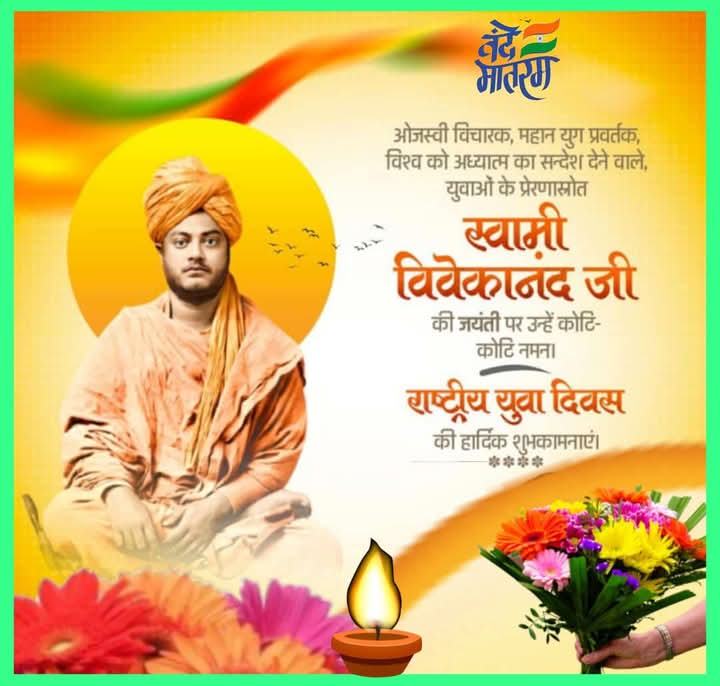
Global Impact of Vivekananda’s Nationalism
Swami Vivekananda’s ideas on nationalism had a profound impact beyond India’s borders. His speech at the Parliament of World’s Religions in Chicago in 1893 introduced the world to India’s spiritual heritage and universal outlook.
- Promoted interfaith dialogue and understanding
- Encouraged cultural exchange between East and West
- Inspired national movements in other countries
Vivekananda’s vision of nationalism transcended geographical boundaries, promoting a sense of global unity.
Relevance in Modern India
Swami Vivekananda’s thoughts on nationalism continue to be relevant in modern India:
- Providing a framework for inclusive growth
- Offering solutions to social and communal tensions
- Inspiring youth towards nation-building
- Balancing material progress with spiritual values
His ideas serve as a guiding light for addressing contemporary challenges faced by the nation.
Conclusion
Swami Vivekananda’s vision of nationalism, rooted in spirituality, unity, and universal brotherhood, offers a unique perspective that remains relevant in today’s world. His emphasis on character-building, social reform, and spiritual growth as essential components of nationalism provides a holistic approach to nation-building.
As we face the challenges of the 21st century, Vivekananda’s ideas can serve as a beacon, guiding us towards creating a more inclusive, harmonious, and spiritually evolved society. By embracing his vision of spiritual nationalism, we can work towards not just the progress of our own nation, but the welfare of the entire world.
