
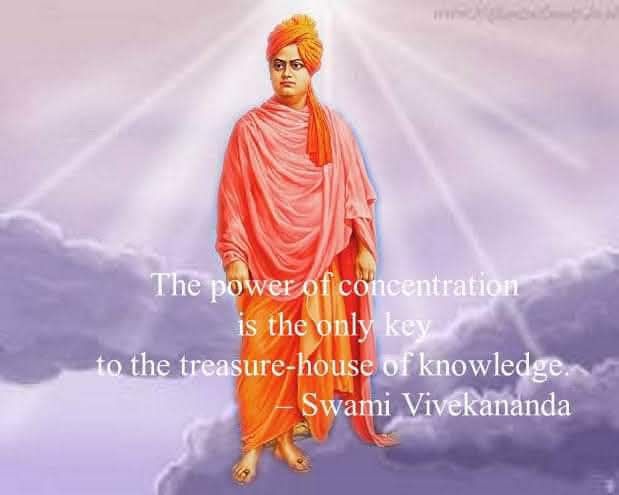

Ever wonder how a monk in a saffron robe sparked a revolution that still shapes India’s identity today? Swami Vivekananda wasn’t just another spiritual guru—he was the cultural earthquake that jolted a colonized nation into rediscovering its backbone.
In just 39 years of life, this fiery disciple of Ramakrishna did what no politician could: he made Indians proud to be Indian again. His thunderous spe
ech at Chicago’s Parliament of Religions didn’t just introduce Hinduism to the West; it helped Indians see their own heritage through fresh eyes.
But the most fascinating part of Vivekananda’s legacy? The secret conversation he had with a certain industrial titan that changed everything…
Key Figures of the Indian Renaissance
A. Raja Ram Mohan Roy: The Father of Indian Renaissance
The 19th century awakening in India had a face, and it belonged to Raja Ram Mohan Roy. Born in 1772, this brilliant mind shattered the chains of rigid social practices when others simply accepted them as fate.
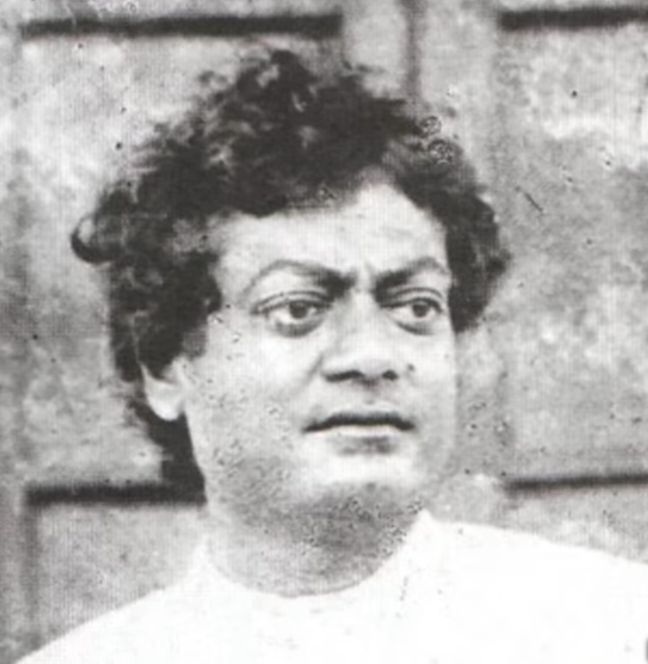
His Brahmo Samaj movement took Hinduism back to its philosophical roots, cutting away centuries of superstition. He believed education was the key to India’s future, especially in science and English—pretty revolutionary thinking for his time!
What made Roy truly special? He bridged worlds. He studied Sanskrit texts alongside Islamic writings and Christian theology. He wasn’t afraid to borrow good ideas from anywhere.
Before Gandhi, before Nehru, there was Roy—showing Indians how to embrace modernity without losing their cultural soul.
B. Swami Vivekananda: Spiritual Leader and Reformer
“Arise, awake, and stop not till the goal is reached.” These words didn’t just echo in halls—they thundered across a nation finding its voice.
Swami Vivekananda burst onto the world stage at the 1893 Parliament of Religions in Chicago, addressing the audience as “Sisters and Brothers of America.” Five simple words that earned him a standing ovation and put Indian philosophy on the global map.
Born Narendranath Datta in Calcutta, Vivekananda’s transformation began when he met his guru, Ramakrishna Paramahansa. Their relationship shaped not just a man but a movement.
Vivekananda’s genius lay in making ancient Vedanta philosophy practical for modern life. He wasn’t interested in philosophy as mental gymnastics—he wanted action. Service to humanity became his rallying cry.
While others debated religion, Vivekananda cut through the noise: “Each soul is potentially divine. The goal is to manifest this divinity.” Simple. Direct. Revolutionary.
His Ramakrishna Mission embodied this approach—combining spiritual practice with social service decades before it became fashionable.
What truly sets Vivekananda apart was his vision of India’s potential. At a time when colonialism had crushed national confidence, he reminded Indians of their spiritual heritage while pushing them toward education, science, and strength.
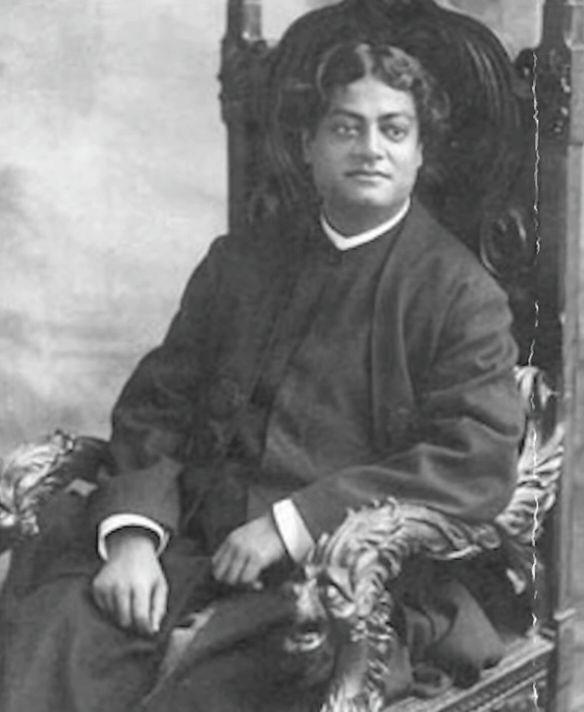
His legacy? A generation of freedom fighters who carried his words in their hearts as they fought for independence.
C. Rabindranath Tagore: Literary Genius and Cultural Icon
While politicians argued and reformers organized, Rabindranath Tagore sang India’s soul back to life.
The first non-European to win the Nobel Prize for Literature in 1913, Tagore wasn’t just a writer—he was a cultural revolution in human form. His collection “Gitanjali” captured the world’s imagination, but that barely scratches the surface of his genius.
Tagore wrote over 2,000 songs, including the national anthems of both India and Bangladesh. Think about that—two nations still identify themselves through his words.
Education obsessed him. Rejecting the colonial classroom model, he established Shantiniketan, a school where classes happened under trees and creativity breathed freely. This experiment evolved into Visva-Bharati University, drawing students and scholars from across the globe.
What made Tagore unique was his universal vision. While deeply rooted in Bengali culture, he warned against narrow nationalism. He returned his knighthood after the Jallianwala Bagh massacre, showing moral courage that matched his artistic talents.
His friendship with Einstein produced fascinating conversations about science, spirituality, and human potential—two geniuses from different worlds finding common ground.
In painting, music, theater, education, and literature, Tagore refused to be confined by boundaries. He wasn’t just part of the Indian Renaissance—in many ways, he was the Renaissance.
The Socio-Political Context of the Indian Renaissance
A. Impact of British Rule on Indian Society
The India that Swami Vivekananda was born into wasn’t the same India that existed centuries before. British colonization had completely transformed the social fabric of the subcontinent.
When the British arrived, they didn’t just take political control—they dismantled entire economic systems. Traditional handicrafts and industries collapsed under the weight of machine-made British imports. Village economies that had sustained themselves for generations crumbled.
Indian farmers? They were forced to grow cash crops like indigo and cotton instead of food, leading to devastating famines that killed millions. The Bengal Famine of 1770 wiped out nearly a third of Bengal’s population.
But the impact went deeper than economics. The British introduced a Western legal system that ignored traditional methods of conflict resolution. They implemented policies that deepened caste divisions and religious tensions as part of their “divide and rule” strategy.
By the mid-19th century, India was experiencing a profound identity crisis. The traditional ways were being labeled as “backward” while Western ideals were presented as “progressive.” This cultural upheaval created the perfect conditions for thinkers like Vivekananda to emerge—minds that could bridge these worlds and imagine a new path forward.
B. Emergence of Western Education and Ideas
The 1835 English Education Act changed everything. Introduced by Lord Macaulay, it shifted educational funding from traditional Sanskrit and Persian studies to English education. His infamous goal? Creating “a class of persons Indian in blood and color, but English in tastes, in opinions, in morals and in intellect.”
Western education spread rapidly through the three presidency towns—Calcutta, Bombay, and Madras. The first colleges appeared: Hindu College (1817), Elphinstone College (1835), and Madras Christian College (1837).
This new education brought revolutionary ideas to Indian shores. Young Indians devoured works by Mill, Bentham, Voltaire, and Rousseau. They encountered concepts like liberty, equality, and democracy for the first time—ideas that would eventually fuel independence movements.
The emerging educated class, known as the bhadralok in Bengal, found themselves caught between two worlds. They spoke English, wore Western clothes, and adopted Western manners, yet remained deeply connected to Indian traditions.
This cultural clash produced brilliant minds who questioned everything. They looked critically at both British imperialism and certain aspects of Indian tradition they felt needed reform. It was in this intellectual ferment that Vivekananda’s teacher, Ramakrishna Paramahansa, and eventually Vivekananda himself, would develop their philosophies.
C. Socio-Religious Reform Movements
The 19th century witnessed an explosion of reform movements across India. These weren’t just religious revivals—they were attempts to rebuild Indian identity in response to colonial criticism.
The Brahmo Samaj, founded by Raja Ram Mohan Roy in 1828, led the charge. Roy fought against practices like sati (widow burning) while championing education for women. He rejected idolatry but preserved what he saw as Hinduism’s rational core.
In Maharashtra, the Prarthana Samaj tackled caste discrimination and promoted widow remarriage. Meanwhile, the Arya Samaj under Dayanand Saraswati called for a return to Vedic teachings while rejecting later Hindu practices they deemed corruptions.
Muslim reformers weren’t far behind. Sir Syed Ahmad Khan founded the Aligarh Movement, promoting modern education alongside Islamic values. The Ahmadiyya movement similarly sought to harmonize Islam with modern scientific thought.
These movements shared common features: they questioned religious orthodoxy, promoted social equality, and sought to prove that Indian traditions could be compatible with modernity.
The stage was set for someone who could synthesize these reform impulses into a coherent vision for India’s future. Swami Vivekananda would eventually step into this role, drawing from these movements while crafting something uniquely his own—a spiritual nationalism that would help define modern India’s identity.
Cultural Revival During the Indian Renaissance
Revival of Classical Indian Knowledge
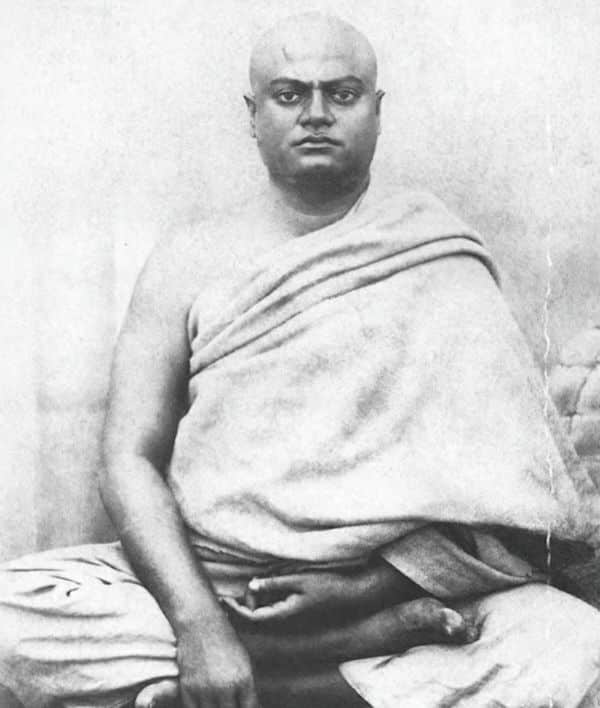
Swami Vivekananda wasn’t just another religious figure – he was a revolutionary who breathed new life into India’s forgotten intellectual treasures. During a time when colonial powers had convinced many Indians that their heritage was inferior, Vivekananda boldly reclaimed the profound wisdom of ancient texts.
“The Vedas are the accumulated treasury of spiritual laws discovered by different persons in different times,” he proclaimed, making these complex philosophical works accessible to ordinary people. He didn’t just dust off old books – he showed how the Upanishads and Vedanta contained philosophical insights that rivaled or even surpassed Western thought.
What made Vivekananda truly special was his approach. Instead of simply preserving these traditions like museum artifacts, he reinterpreted them for the modern world. He stripped away superstitious practices that had accumulated over centuries and revealed the rational, universal core of Indian philosophy.
The impact? Massive. Suddenly, educated Indians who had embraced Western education could reconnect with their roots without feeling backward. Vivekananda created a bridge between India’s spiritual past and scientific present, showing they weren’t contradictory but complementary.
Influence on Arts and Literature
The cultural revival sparked by Vivekananda sent shockwaves through India’s creative landscape. Writers, poets, painters, and musicians who had been mimicking Western styles suddenly found inspiration in their own heritage.
Rabindranath Tagore, who would later become India’s first Nobel laureate, was profoundly influenced by Vivekananda’s ideas. Their correspondence reveals how Vivekananda’s spiritual nationalism shaped Tagore’s literary vision. The Bengali literary renaissance that followed wasn’t just about creating new art – it was about finding an authentic Indian voice.
In visual arts, we saw a dramatic shift. The Bengal School of Art emerged, rejecting European realism in favor of traditional Indian techniques and motifs. Artists like Abanindranath Tagore and Nandalal Bose created works that celebrated Indian mythology and everyday life with a distinctly Indian aesthetic.
Music underwent a similar transformation. Classical forms that had been fading were revitalized, with musicians incorporating Vivekananda’s spiritual themes into their compositions. Even dance forms like Bharatanatyam, once stigmatized, began their journey back to mainstream acceptance.
Philosophical and Scientific Advancements
Vivekananda’s genius lay in showing that India’s philosophical traditions weren’t opposed to scientific thinking – they complemented it perfectly. While Western science excelled at understanding the external world, Vedanta provided a framework for exploring consciousness and inner reality.
“Science and religion are not contradictory terms,” he insisted. “They are like the two sides of the same coin.” This perspective encouraged a generation of Indian scientists to pursue modern research without abandoning their cultural roots.
Jagadish Chandra Bose, the pioneering physicist and biologist, found in Vivekananda a kindred spirit who understood how his scientific work aligned with Vedantic concepts of unity. Their friendship exemplifies how Vivekananda’s teachings bridged seemingly separate domains of knowledge.
The revival went beyond academia. Vivekananda championed practical applications of Indian philosophy – particularly yoga and meditation – as scientific methods for developing physical and mental potential. He stripped these practices of mystical trappings and presented them as systematic approaches to human development.
This scientific reframing of ancient wisdom made Indian knowledge respectable again in intellectual circles. It also laid groundwork for later innovations that would blend Eastern philosophical insights with Western scientific methodologies.
Social Reforms and Movements
Abolition of Social Evils
When Swami Vivekananda looked at India, he didn’t just see spiritual potential—he saw social wounds that needed healing. He attacked the caste system head-on, calling it a “disease” that had crippled Indian society. Unlike many religious figures of his time, Vivekananda refused to dance around these issues.
“A nation of slaves is always ready to crouch at the feet of anyone who would promise them cheap salvation,” he thundered in his speeches. He understood that spiritual growth was impossible while social evils kept millions in degradation.
Vivekananda’s approach to fighting untouchability was revolutionary. He didn’t just talk about it from a distance—he lived his principles. He shared meals with the so-called “untouchables” and openly declared, “No religion on earth preaches the dignity of humanity in such a lofty strain as Hinduism, and no religion on earth treads upon the poor and the low in such a fashion as Hinduism.”
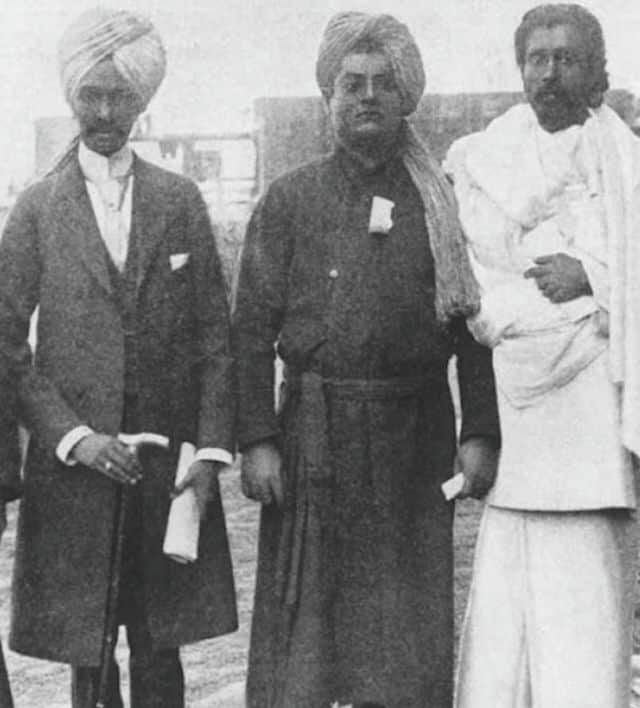
His stance against social stratification wasn’t just moral posturing. Vivekananda saw it as essential for India’s revival. “So long as the millions live in hunger and ignorance, I hold every man a traitor who, having been educated at their expense, pays not the least heed to them,” he proclaimed, connecting social reform directly to national progress.
Promotion of Women’s Education and Rights
Vivekananda’s views on women shattered traditional boundaries. At a time when women’s education was controversial, he boldly stated: “There is no chance for the welfare of the world unless the condition of women is improved.”
What made his approach different? He didn’t see women’s empowerment as a Western import but found its roots in Indian tradition itself. “That country and that nation which do not respect women have never become great, nor will ever be in future,” he declared.
Vivekananda pushed for women to study the Vedas—previously forbidden—and championed their right to spiritual leadership. He trained Sister Nivedita (Margaret Noble) who became a powerful force for women’s education in India.
His perspective was practical: “Women must be put in a position to solve their own problems in their own way. No one can or ought to do this for them.” This wasn’t just abstract philosophy—it translated into concrete initiatives through the Ramakrishna Mission’s schools and relief work.
Reformation of Religious Practices
Vivekananda didn’t pull punches when addressing religious corruption. “Religion is not in books, nor in theories, nor in dogmas, nor in talking, not even in reasoning. It is being and becoming,” he insisted.
He targeted blind superstition with surgical precision. When asked about various rituals, he often shocked listeners by declaring them meaningless without understanding. “You are not Hindus if you do not follow the Vedas,” he would say, redirecting focus to scripture over empty tradition.
But his approach wasn’t just critical—it was constructive. Vivekananda proposed a simplified Vedanta that ordinary people could grasp. He stripped away complex rituals in favor of direct spiritual experience and service.
His famous declaration that “service to man is service to God” revolutionized Hindu practice. Suddenly, social work became spiritual work. This single idea transformed how many Indians practiced their faith, turning temples and ashrams into centers for education and relief efforts.
Key Points of Social Reforms
Vivekananda’s social reform agenda centered on four pillars:
- Practical Vedanta – Spirituality had to be useful in daily life. “What good is your metaphysics and philosophy if it can’t help the common man?” he would challenge intellectuals.
- Service as Worship – He flipped traditional priorities: “He who sees Shiva in the poor, in the weak, and in the diseased, really worships Shiva.”
- Self-reliance – “Strength is life; weakness is death.” Vivekananda wanted Indians to stop waiting for saviors and become their own heroes.
- National Unity – He saw religious and social division as fatal to India’s progress: “For our own motherland a junction of the two great systems, Hinduism and Islam…is the only hope.”
His methodology was equally distinctive—using traditional concepts but filling them with new meaning. He reinterpreted karma as social responsibility and moksha as service to humanity.
Summary Table of Key Reformers and Their Contributions
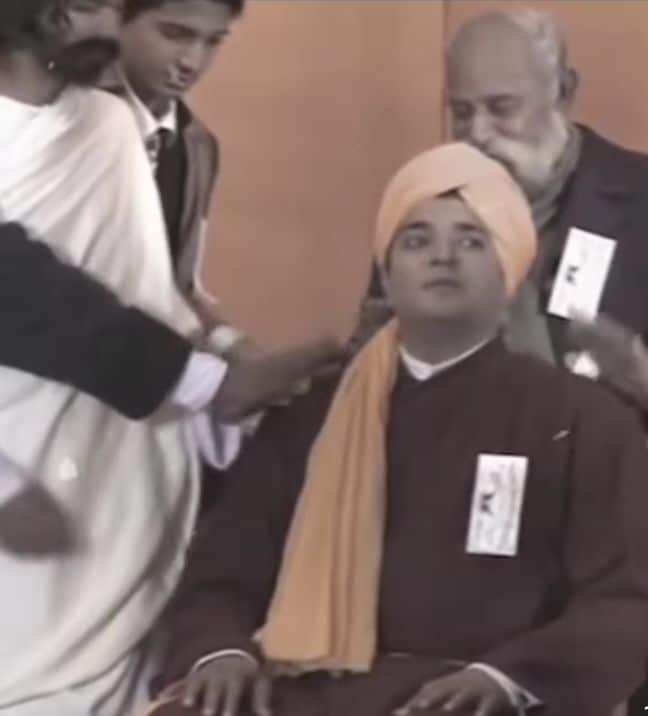
Vivekananda’s genius lay in how he bridged these various reform movements. While others focused on specific issues, he created a comprehensive vision linking spiritual renewal with social change. “Arise, awake, and stop not till the goal is reached!” wasn’t just a slogan—it was his blueprint for transforming India.
The Role of Education in the Indian Renaissance
The Role of Education in the Indian Renaissance
A. Introduction of Western Education Systems
When Swami Vivekananda emerged on India’s cultural landscape, the country was already experiencing profound educational changes. The British had introduced Western education systems that completely transformed how Indians learned and thought.
The 1835 English Education Act, championed by Lord Macaulay, shifted focus from traditional Sanskrit and Persian studies to English literature and science. This wasn’t just about language – it was a whole new way of thinking. Indians suddenly had access to Enlightenment ideas, scientific reasoning, and Western philosophical concepts.
Vivekananda saw both opportunity and danger here. He recognized the value in Western educational methods – their emphasis on rational inquiry, scientific thinking, and practical knowledge. But he also worried about Indians losing their cultural roots and spiritual heritage.
“We must have life-building, man-making, character-making education,” he insisted. What made him revolutionary was his refusal to simply reject Western education or blindly embrace it. Instead, he advocated for a synthesis – taking the analytical strengths of Western education while preserving the spiritual wisdom of Indian traditions.
B. Establishment of Educational Institutions
Vivekananda didn’t just talk about educational reform – he built it. The Ramakrishna Mission he founded in 1897 became a powerful vehicle for his educational vision, establishing schools, colleges, and training centers across India.
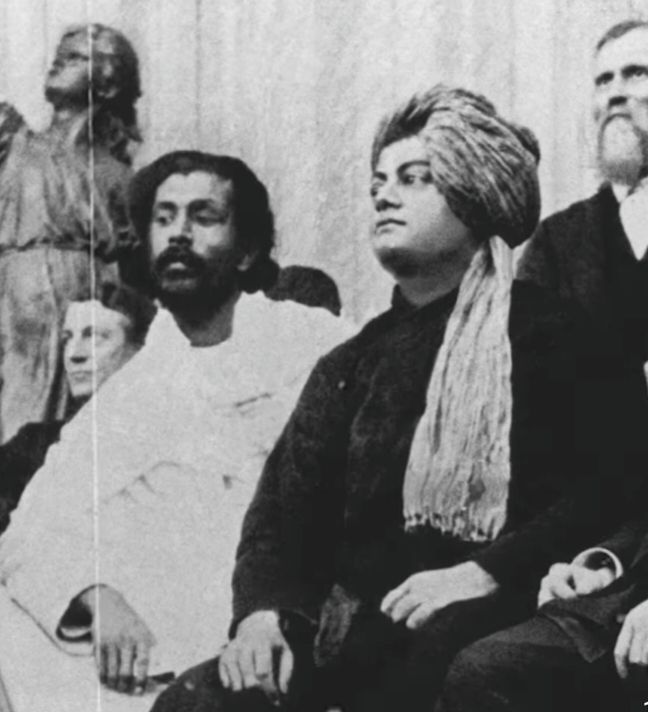
These weren’t ordinary institutions. They embodied his unique approach: combining modern subjects with traditional values, scientific training with spiritual development. The Mission established:
| Type of Institution | Key Features | Impact |
|---|---|---|
| Schools | Combined Western subjects with Indian spiritual values | Created educated citizens with strong cultural identity |
| Vocational Centers | Practical skills training for self-reliance | Economic empowerment for disadvantaged groups |
| Teacher Training | Prepared educators to implement holistic methods | Spread Vivekananda’s educational philosophy nationwide |
The Ramakrishna Mission Educational Institute in Belur Math became a model for this approach. Here, students received rigorous academic training alongside physical discipline, character development, and spiritual practice.
What made these institutions transformative was their accessibility. Vivekananda insisted that education must reach all segments of society, especially those traditionally excluded. “Education is not the amount of information that is put into your brain,” he said, “but the character you have developed.”
C. Impact on Indian Society and Culture
The educational reforms championed by Vivekananda rippled through Indian society in profound ways.
First, they democratized knowledge. By making education accessible to wider segments of society, including women and lower castes, Vivekananda’s initiatives helped break down entrenched social barriers. This created new pathways for social mobility and challenged the rigid caste system.
Second, they sparked a cultural renaissance. As educated Indians gained confidence in both Western knowledge and their own traditions, a new cultural synthesis emerged. This wasn’t about rejecting modernity or tradition, but finding ways for them to enrich each other.
Third, they fueled nationalist consciousness. Education became a tool for rediscovering India’s heritage and building national pride. Students educated in Vivekananda’s approach began questioning colonial narratives and advocating for independence.
Perhaps most importantly, these educational reforms shaped India’s modern identity. The idea that India could embrace modern science and technology while maintaining its spiritual and cultural essence became central to the national imagination.
Leading figures of modern India, from Rabindranath Tagore to S. Radhakrishnan to Jawaharlal Nehru, all acknowledged their debt to Vivekananda’s educational vision. Even today, the Indian educational system reflects his dual emphasis on modern knowledge and traditional values.
Economic Changes and Developments
The Legacy of the Indian Renaissance
Critiques of the Indian Renaissance
A. The Critique of Westernization
Critics often argue that Swami Vivekananda’s embrace of certain Western ideals undermined the authentic Indian spiritual tradition. They claim his reformist approach diluted traditional practices by trying to make them palatable to Western audiences and colonized minds.
Many traditionalists felt uncomfortable with his reinterpretation of Vedanta philosophy through a Western lens. They saw his participation in the Parliament of World Religions in 1893 as compromising Indian spiritual identity rather than asserting it.
Some opponents pointed out that Vivekananda’s admirers were often those already influenced by colonial education, creating a version of Hinduism that was sanitized for modern sensibilities.
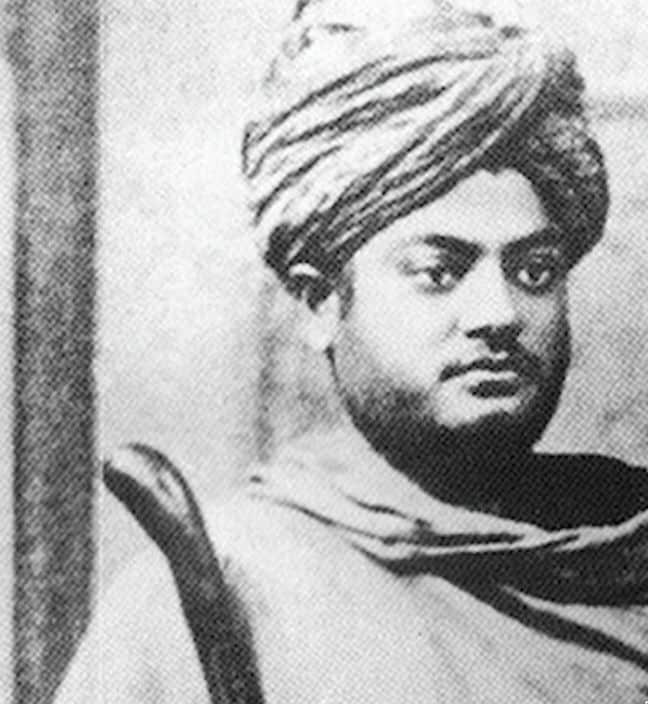
B. The Counter-Argument of Progress
Defenders of Vivekananda point out that his genius lay in distinguishing between Western materialism and valuable aspects of Western thought. His goal wasn’t imitation but synthesis.
“Take the knowledge of the West and the spirituality of the East,” he famously said. This wasn’t surrender but strategic adaptation.
What looked like Westernization to critics was actually a brilliant tactical move. By speaking a language Western audiences could understand, he planted Indian philosophy firmly in the global conversation.
Vivekananda didn’t weaken Indian identity – he strengthened it by making it dynamic and responsive rather than static. He gave Indians something they desperately needed: pride in their heritage without rejecting progress.
C. The Critique of Elitism
Another major criticism centers on Vivekananda’s approach being inherently elitist. His message primarily reached educated, upper-caste Indians and Westerners already interested in spirituality.
Critics argue that his Ramakrishna Mission attracted primarily Brahmin followers despite its universal claims. The intellectual complexity of his teachings and his emphasis on English-language texts created barriers for the masses.
Some point out that while he spoke about uplifting the downtrodden, his practical efforts couldn’t bridge the massive gap between theory and implementation in a deeply stratified society.
D. The Counter-Argument of Trickle-Down Effect
Supporters counter that Vivekananda’s strategy was deliberately top-down. He believed that transforming the educated classes would eventually transform society as a whole.
His emphasis on education wasn’t elitist but practical. The Ramakrishna Mission established schools, colleges, hospitals and relief programs that served people from all backgrounds.
Vivekananda himself criticized empty intellectualism: “So long as millions live in hunger and ignorance, I hold every person a traitor who, having been educated at their expense, pays not the least heed to them.”
His vision took time to implement, but his influence gradually permeated all levels of Indian society, inspiring leaders from various backgrounds.
E. The Critique of Gender Bias
Despite his progressive stance on many issues, critics highlight Vivekananda’s mixed messages on women’s roles. They point to instances where he appeared to reinforce traditional gender roles while simultaneously praising women’s spiritual potential.
His organizations maintained separate branches for men and women, which some view as perpetuating segregation rather than equality.
Some feminist scholars argue that his idealization of motherhood and female purity, while well-intentioned, actually restricted women to traditional roles rather than expanding their possibilities.
F. The Counter-Argument of Progressive Reforms
Defenders point out that for his time, Vivekananda was remarkably progressive on gender issues. He openly criticized child marriage, supported women’s education, and recognized female spiritual leadership when such ideas were revolutionary.
His famous statement that “the best thermometer to the progress of a nation is its treatment of its women” demonstrates his understanding of gender equality as essential to national development.
The women’s branch of the Ramakrishna Mission provided unprecedented opportunities for female spiritual practice and leadership at a time when women had few public roles.
While not perfect by modern standards, his vision helped lay groundwork for future progress in women’s rights in India.
The Indian Renaissance as a Catalyst for Modern India
Conclusion: The Lasting Impact of Indian Renaissance Leaders
The echoes of Swami Vivekananda’s powerful voice continue to resonate through modern India, but he wasn’t alone in sparking what we now recognize as the Indian Renaissance. This transformative period gave birth to a constellation of thinkers and reformers whose combined efforts fundamentally reshaped Indian society.
The Collective Vision
When we look at figures like Rabindranath Tagore, Sri Aurobindo, and Mahatma Gandhi alongside Vivekananda, we see a remarkable tapestry of complementary ideas. While Vivekananda championed spiritual strength and national pride, Tagore emphasized artistic expression and universal humanism. Aurobindo blended spiritual evolution with political consciousness, and Gandhi translated philosophical ideals into practical mass movements.
Together, these visionaries tackled the monumental challenge of crafting an Indian identity that could:
- Honor ancient traditions while embracing necessary reforms
- Resist colonial domination without rejecting valuable external influences
- Unite diverse communities without erasing their unique characteristics
Beyond Independence
Their impact extends far beyond India’s political independence. The seeds they planted continue to bear fruit in:
- Education reform – From Tagore’s Shantiniketan to Vivekananda’s emphasis on character-building education
- Religious harmony – Their inclusive spirituality that transcended sectarian divisions
- Social justice – Their rejection of caste discrimination and advocacy for women’s rights
- Global influence – Their introduction of Indian philosophical concepts to the world stage
What makes their legacy truly remarkable isn’t just the depth of their individual contributions but how their collective vision provided multiple pathways for Indian renewal. Their ideas weren’t just theoretical—they inspired concrete social movements, educational institutions, and philosophical traditions that continue to evolve and adapt.
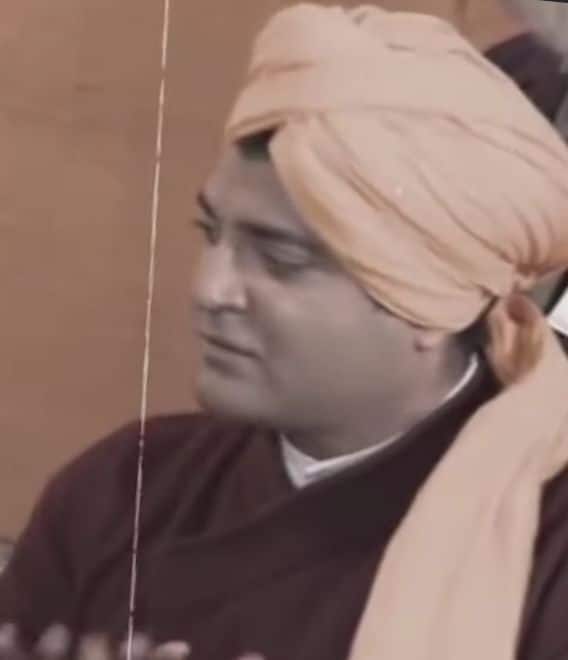
India today, with its complex blend of tradition and modernity, spiritual heritage and technological advancement, owes much to these Renaissance figures who showed that progress didn’t require abandoning identity, and that authentic identity couldn’t ignore the need for progress.
Frequently Asked Questions
What was the Indian Renaissance?
The Indian Renaissance wasn’t just another historical period – it was a massive cultural awakening that swept across India during the 19th and early 20th centuries. Think of it as India’s great reboot moment. When British colonialism crashed into traditional Indian society, something remarkable happened: a whole new way of thinking emerged.
Indians started questioning age-old customs, experimenting with Western ideas, and rediscovering their own ancient wisdom. What made this period truly special was how it blended the best of both worlds. People weren’t simply copying European enlightenment values – they were creating something uniquely Indian.
This cultural revival touched everything: religion, social structures, education, politics, and the arts. Leaders like Raja Ram Mohan Roy started pushing back against practices like sati (widow burning) while also advocating for modern education. The movement wasn’t just about modernization – it was about finding India’s authentic voice amid rapid change.
Who were the main leaders of the Indian Renaissance?
The Indian Renaissance had some seriously impressive minds driving it forward. These weren’t just thinkers – they were action-takers who transformed Indian society:
- Raja Ram Mohan Roy – Often called the “Father of Modern India,” he founded the Brahmo Samaj and fought against sati and child marriage
- Ishwar Chandra Vidyasagar – Championed widow remarriage and women’s education when these ideas were revolutionary
- Swami Vivekananda – Took Hindu philosophy global at the 1893 Parliament of Religions and founded the Ramakrishna Mission
- Rabindranath Tagore – Nobel laureate who revolutionized Bengali literature and established Shantiniketan
- Dayananda Saraswati – Founded Arya Samaj and promoted the “back to the Vedas” movement
- Annie Besant – British activist who became a powerful voice for Indian self-rule and educational reform
- Pandita Ramabai – Pioneered women’s rights and education, establishing the Sharada Sadan for widows
What made these leaders remarkable was their diversity of approaches. Some worked within religious frameworks, others through social reform, and still others through education or politics. They didn’t always agree, but together they created the intellectual foundation for modern India.
How did British rule influence the Indian Renaissance?
British colonialism was both the problem and the unexpected catalyst for India’s cultural rebirth. The relationship was complicated to say the least.
On one hand, British rule introduced Western education, printing presses, railways, and new ideas about democracy and individual rights. English-educated Indians suddenly had access to enlightenment thinkers, scientific advancements, and liberal political philosophy.
But make no mistake – this wasn’t some benevolent gift. The British dismantled traditional economic systems, exploited India’s resources, and often treated Indians as inferior. The cultural shock and humiliation of foreign domination actually sparked a defensive pride in Indian heritage.
This cultural collision created a unique intellectual environment. Indians began critically examining both their own traditions and Western ideas. The result? A synthesis that wasn’t just about blindly adopting European modernity or clinging to all aspects of tradition.
Indians like Bankimchandra Chatterjee started writing novels that blended Western literary forms with Indian themes. Educational reformers established institutions that taught both Sanskrit classics and modern science. Even religious reform movements incorporated elements of rationalism while preserving spiritual foundations.
What were some social reforms during the Indian Renaissance?
The social reforms during this period weren’t just changes – they were revolutions in everyday life:
- Women’s rights gained serious momentum. Campaigners fought against child marriage, pushed for widow remarriage, and established the first women’s schools.
- Caste reform became a major focus, with movements challenging untouchability and promoting social equality.
- Religious practices underwent scrutiny, with reformers targeting idol worship, excessive rituals, and superstitions while preserving core spiritual values.
- Public health initiatives expanded, with new hospitals and education about sanitation.
- Legal reforms transformed family law, property rights, and personal freedoms.
What’s fascinating is how reformers approached these changes. They didn’t just copy Western models – they often justified reforms by pointing to ancient Indian texts and traditions, arguing they were returning to purer versions of their heritage that had been corrupted over time.
Organizations like the Brahmo Samaj, Arya Samaj, Prarthana Samaj, and later the Ramakrishna Mission became vehicles for these reforms. They established schools, published journals, organized public debates, and created new community structures that embodied their ideals.
What role did education play in the Indian Renaissance?
Education wasn’t just part of the Renaissance – it was the engine driving the whole movement forward.
The introduction of Western-style education created a new class of Indians who could move between different intellectual worlds. They read Shakespeare alongside Sanskrit classics, studied calculus while mastering traditional music. This educational fusion sparked incredible creativity.
But the real magic happened when Indians took control of education themselves. Reformers like Tagore rejected the rigid, exam-focused British system and created new models at institutions like Shantiniketan, where arts, nature, and cultural pride were central.
Women’s education became a particular battleground. When Ishwar Chandra Vidyasagar opened the first girls’ schools, he faced fierce opposition. But by the early 20th century, pioneering women like Kadambini Ganguly were becoming doctors and lawyers.
The education revolution happened at multiple levels:
- Elementary education expanded beyond traditional pathshalas
- Higher education institutions like Hindu College (later Presidency College) became intellectual hotspots
- Technical education prepared Indians for industrial and scientific careers
- Religious education was reformed with more critical approaches to texts
Most importantly, education created a shared language and reference points for the nationalist movement that would eventually win India’s independence.
How did the Indian Renaissance affect arts and literature?
The arts experienced nothing short of a transformation during this period. Creative expression became a battlefield for new ideas and reclaimed heritage.
In literature, something remarkable happened. Writers began using local languages rather than just Sanskrit, making their work accessible to ordinary people. Bengali literature exploded with creativity through figures like Bankimchandra Chatterjee and Rabindranath Tagore, who blended Western literary forms with distinctly Indian sensibilities.
Painting underwent its own revolution. Artists like Raja Ravi Varma combined European realist techniques with Indian mythological themes, creating a new visual language. Later, the Bengal School under Abanindranath Tagore pushed back against Western influence, developing a distinctive style rooted in traditional Asian aesthetics.
Music and dance weren’t left behind. Musicians like Vishnu Digambar Paluskar systematized classical traditions while making them more accessible through notation and public performances. Dance forms that had declined under colonial disapproval were revived and given new artistic platforms.
The renaissance in arts wasn’t just about aesthetics – it was deeply political. Creative works celebrated India’s past glory, documented present struggles, and imagined future independence. When Tagore wrote “Jana Gana Mana” (later India’s national anthem), he was creating both art and national identity simultaneously.
What is the legacy of the Indian Renaissance?
The fingerprints of the Indian Renaissance are all over modern India – sometimes obvious, sometimes subtle.
Most directly, many institutions founded during this period still exist today: colleges, religious organizations, publishing houses, and cultural societies. The legal reforms from this era form the backbone of personal and family law in contemporary India.
But the deeper legacy is in how Indians think about their identity. The Renaissance created a template for being both modern and authentically Indian – a balancing act that continues to this day. It showed that progress doesn’t require abandoning tradition, and tradition doesn’t prevent innovation.
The intellectual foundations for India’s independence movement came directly from Renaissance thinking. When Gandhi combined traditional religious concepts with modern political organization, he was building on the synthesis pioneered by earlier reformers.
Perhaps most importantly, the Renaissance established pluralism as central to Indian identity. The idea that India could contain multiple religions, languages, and philosophies while maintaining a cohesive national character became fundamental to the modern state.
Even contemporary debates about secularism, religious reform, gender equality, and caste have their roots in conversations started during this period. When Indians argue about these issues today, they’re often using conceptual frameworks developed during the Renaissance.
Are there any critiques of the Indian Renaissance?
The Renaissance wasn’t all enlightenment and progress – it had serious blind spots that critics have rightfully pointed out.
For starters, it was largely an elite movement. Most reforms and intellectual debates happened among upper-caste, educated, urban Indians. Rural populations and lower castes were often objects of reform rather than participants in the conversation. Even today, many celebrated Renaissance figures came from privileged backgrounds.
Gender reform had limitations too. While fighting against practices like sati, many male reformers still promoted domesticity and “proper” feminine behavior. Women’s education was often justified as making them better mothers rather than independent thinkers.
Some critics argue the movement remained too deferential to Western ideas. Despite claims of synthesizing East and West, European concepts of progress and modernity often dominated the agenda. This created a tendency to judge Indian traditions by Western standards.
Religious reformers have been criticized for attempting to “sanitize” Hinduism to make it more acceptable to Western or modern sensibilities – removing elements considered “superstitious” while privileging text-based, Brahmanical interpretations over diverse local practices.
From a contemporary perspective, many Renaissance thinkers had problematic views on caste. Even while rejecting untouchability, many maintained beliefs in varna distinctions or hereditary occupations that would be considered casteist today.
Recommended For You
Want to dive deeper into Swami Vivekananda’s impact on modern India? These resources will give you the full picture:
- “The Web of Freedom: Swami Vivekananda’s Mission and Legacy” – Explores how his ideas shaped Indian nationalism and spiritual revival
- “Complete Works of Swami Vivekananda” – Original writings and speeches that revolutionized Indian thought
- “Awakening India: Vivekananda’s Message to the Nation” – How his philosophy continues to influence contemporary India
- “The Monk and the Philosopher” – Examines his unique blend of spiritual wisdom and practical action
- Video Lecture Series: “Vivekananda and the Making of Modern India” – In-depth analysis by leading scholars
These carefully selected resources provide both historical context and contemporary relevance. Each approaches Vivekananda’s contributions from different angles, giving you a comprehensive understanding of his enduring significance.
Fill the Form to Download Your Files
Ready to access our exclusive collection of Swami Vivekananda resources? Complete this quick form to get immediate access to:
- Complete digitized speeches from his American and European tours
- Rare photographs from his travels across India
- Academic papers analyzing his philosophical contributions
- Teaching guides for implementing his educational philosophy
- Interactive timeline of his life and major achievements
Your details help us customize future resources to better serve your interests in Indian history and philosophy.
Fill the Form to Download Your File
Get instant access to our comprehensive 50-page guide “Swami Vivekananda: Architect of Modern India” by completing this simple form. This carefully researched document includes:
- In-depth analysis of his key philosophical concepts
- Previously unpublished correspondence with world leaders
- Comparison of his ideas with other Renaissance thinkers
- Beautiful infographics illustrating his impact across different domains
- Expert commentary from leading scholars in Indian history
This exclusive resource is regularly updated with new research and is not available elsewhere online.
Fill Your Details to Register for the IGP 2024
The International Gurudev Program (IGP) 2024 brings together scholars, spiritual seekers, and social activists to explore Swami Vivekananda’s vision for the modern world. Registration includes:
- Access to 12 masterclasses with renowned experts
- Live virtual tours of significant sites in Vivekananda’s life
- Participation in discussion groups with international students
- Certificate of completion from the Ramakrishna Mission
- Digital library of rare historical documents
This year’s program takes place from August 12-25, 2024, with both online and in-person components in Kolkata, Belur Math, and Chicago.
Fill the Form to Get State PYQs
Preparing for competitive exams? Our collection of Previous Year Questions (PYQs) on Indian Renaissance and Swami Vivekananda is an essential study resource. Complete the form to receive:
- Subject-wise sorted questions from UPSC Civil Services Exams (2010-2024)
- State PSC questions with detailed answer explanations
- Topic-specific question banks with difficulty ratings
- Comparative analysis of how questions have evolved over years
- Practice tests with automated scoring and performance analytics
These materials are specifically curated for serious candidates preparing for administrative services, academic positions, and specialized historical research.
The Lasting Impact of Indian Renaissance Leaders
Swami Vivekananda stands as a towering figure among the key architects of modern India’s renaissance. His profound influence transcended the socio-political landscape of his time, catalyzing cultural revival and social reforms that continue to shape India today. Through his unwavering commitment to education as a transformative force and his vision of economic self-sufficiency, Vivekananda helped lay the foundation for a nation emerging from colonial shadows. The critiques of this period only underscore the complexity and significance of the renaissance movement he helped lead—a movement that ultimately served as the springboard for India’s journey into modernity.
As we reflect on Vivekananda’s contributions, we must recognize that his legacy isn’t merely historical but remains deeply relevant in contemporary India. His emphasis on universal values, spiritual strength, and national pride continues to inspire generations of Indians. In a rapidly changing world, Vivekananda’s vision offers timeless wisdom for addressing modern challenges. By understanding and embracing the ideals championed by renaissance leaders like him, we can honor their legacy while forging a path toward a more inclusive, spiritually grounded, and globally respected India—one that remains true to its cultural roots while confidently facing the future.
