
The Tanwar Tribe represents one of India’s historically significant communities with deep roots in the Indian subcontinent. This guide serves researchers, students, and anyone interested in learning about this remarkable community’s journey through time.
Thank you for reading this post, don't forget to subscribe!Historical Origins and Ancient Heritage of the Tanwar Community
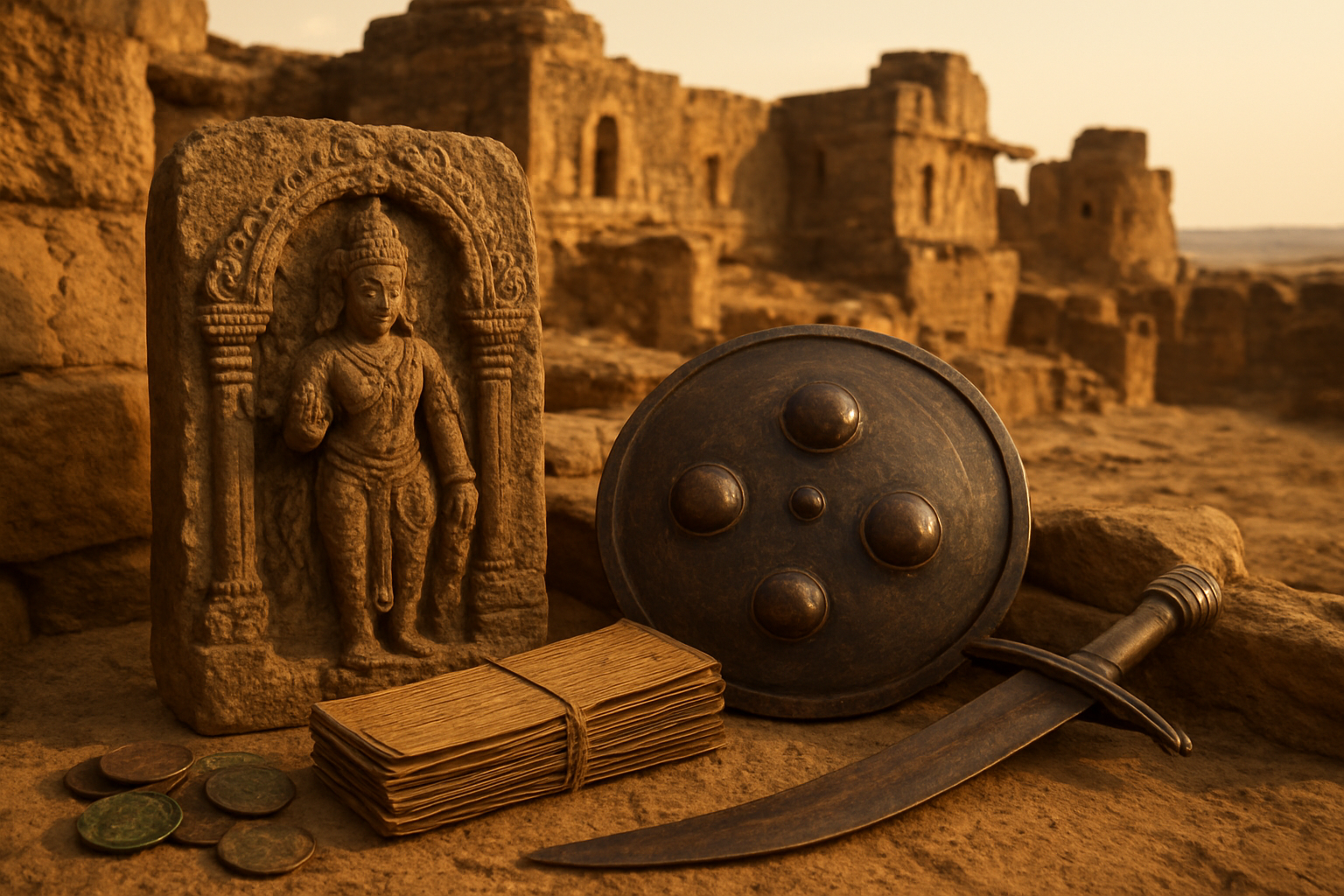
Tracing the Rajput lineage and warrior ancestry
The Tanwar tribe belongs to the prestigious Rajput community, with their lineage tracing back to the ancient Chauhan dynasty. Historical records place their origins in the medieval period, where they emerged as a branch of the legendary Chauhan rulers who controlled vast territories across Rajasthan and surrounding regions. The Tanwar warriors distinguished themselves through their military prowess and unwavering loyalty to their kingdoms.
Their ancestry connects to the solar dynasty (Suryavanshi) tradition, which places them among the most respected warrior clans in Indian history. The Tanwar community maintained strict martial traditions, with young men trained in warfare, horsemanship, and the code of honor that defined Rajput society. Their family chronicles, passed down through generations, speak of brave warriors who fought alongside famous rulers and defended their territories against invasions.
The clan’s warrior heritage remains evident in their family crests, oral traditions, and ceremonial practices that celebrate their martial past. Many Tanwar families still preserve ancient weapons, armor, and manuscripts that document their ancestors’ military campaigns and achievements.
Geographic distribution across North and Central India
The Tanwar community spread across multiple states, establishing significant populations in Rajasthan, Haryana, Punjab, Uttar Pradesh, and Madhya Pradesh. Their migration patterns followed trade routes and military campaigns, with different branches settling in various regions over centuries.
In Rajasthan, Tanwar settlements concentrated around traditional strongholds where their ancestors once ruled or served as military commanders. Haryana became another major center, particularly in districts like Rewari, Mahendragarh, and Gurgaon, where they established agricultural communities while maintaining their warrior traditions.
| State | Primary Districts | Settlement Period |
|---|---|---|
| Rajasthan | Alwar, Bharatpur, Jaipur | 12th-15th century |
| Haryana | Rewari, Mahendragarh, Gurgaon | 14th-16th century |
| Punjab | Patiala, Sangrur | 16th-17th century |
| Uttar Pradesh | Mathura, Agra, Aligarh | 13th-15th century |
Their distribution pattern reflects both voluntary migration for better opportunities and strategic relocations during various political upheavals in medieval India.
Key historical figures and their contributions to Indian history
Several notable Tanwar leaders shaped regional and national history through their military and administrative capabilities. Raja Hem Chandra, though primarily known as Hemu, had connections to Tanwar lineages and briefly ruled Delhi in the 16th century, demonstrating the community’s reach to the highest levels of power.
Rao Tula Ram stands out as one of the most celebrated Tanwar heroes, leading the 1857 revolt in Haryana against British rule. His guerrilla warfare tactics and ability to unite different communities made him a formidable opponent to colonial forces. The British considered him such a threat that they offered substantial rewards for his capture.
Other significant figures include:
- Rao Gopal Dev: Medieval ruler who expanded Tanwar territories in present-day Haryana
- Raja Nawal Singh: 18th-century leader who modernized administration in his territories
- Thakur Kushal Singh: Freedom fighter who participated in multiple anti-British movements
These leaders demonstrated the Tanwar community’s consistent involvement in protecting their homeland and fighting for justice across different historical periods.
Connection to ancient kingdoms and princely states
The Tanwar tribe maintained close relationships with various princely states, serving as military commanders, administrators, and trusted advisors. Their connection to the Kingdom of Rewari proved particularly significant, where Tanwar nobles held important positions and influenced policy decisions.
During the Mughal period, many Tanwar chiefs adapted to changing political realities while preserving their cultural identity. They served in Mughal armies and administration, earning recognition for their military skills and administrative competence. Some Tanwar families received jagirs (land grants) and titles that elevated their status within the imperial hierarchy.
The British colonial period brought new challenges, but Tanwar leaders continued playing important roles in princely states that maintained semi-autonomous status. They served as dewans (prime ministers), military commanders, and diplomatic representatives, bridging traditional governance with colonial administrative requirements.
Their involvement in independence movements reflected their deep connection to the land and people they had served for generations. Many Tanwar families sacrificed wealth and status to support freedom fighters, demonstrating their commitment to national liberation over personal gain.
Cultural Traditions and Social Practices
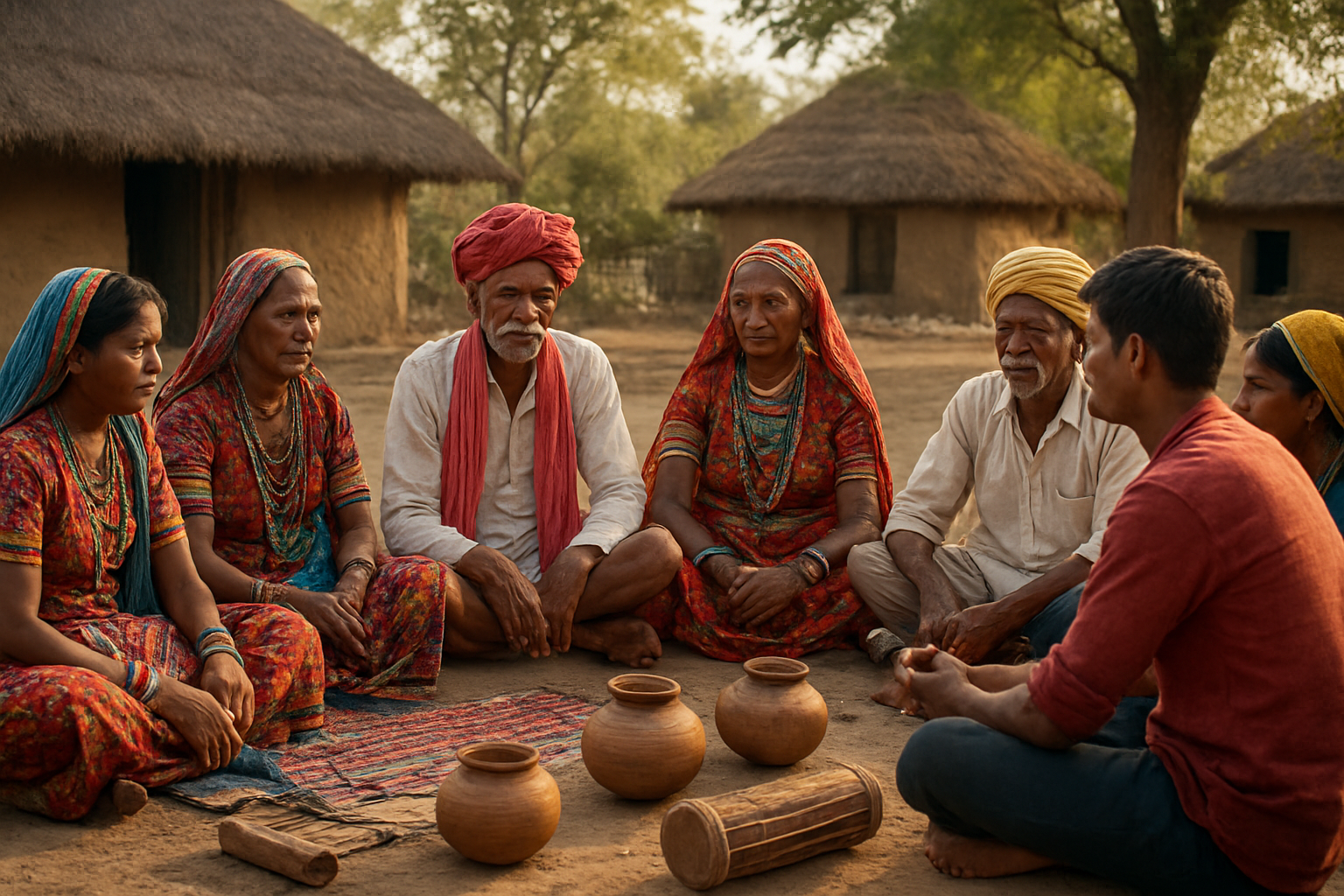
Religious customs and spiritual beliefs
The Tanwar community follows a rich blend of Hindu traditions with deep-rooted ancestral worship practices. Most families maintain small shrines in their homes dedicated to clan deities and family ancestors, believing these spirits provide protection and guidance. The community particularly reveres Durga and Hanuman, with special prayers offered during times of crisis or celebration.
Water worship holds special significance, with sacred wells and rivers considered divine. Many Tanwar families perform monthly rituals at nearby water bodies, offering flowers and sacred thread. The community also practices a unique form of ancestor veneration called “Pitru Paksha,” where they prepare special meals for departed souls and share stories of their heroic deeds.
Local shamans, known as “Ojhas,” play important roles in spiritual healing and blessing ceremonies. These traditional healers use herbs, chants, and ritualistic practices to treat both physical and spiritual ailments. The community believes in the power of collective prayers, often gathering during eclipses or significant astronomical events to perform group rituals.
Traditional festivals and ceremonial celebrations
Diwali and Holi receive grand celebrations within Tanwar communities, but they also observe unique regional festivals that reflect their warrior heritage. “Veer Purnima” celebrates ancestral bravery, where community elders recite tales of courage while younger members perform traditional sword dances.
Harvest festivals like Makar Sankranti involve elaborate kite-flying competitions and community feasts. During these celebrations, families prepare traditional sweets and exchange gifts with neighbors. The community also observes “Clan Day” annually, when extended family members gather from different regions to strengthen kinship bonds and discuss community matters.
Wedding seasons bring the most vibrant celebrations, with multi-day ceremonies involving folk music, dance performances, and elaborate feasts. The community particularly enjoys “Giddha” and “Bhangra” style dances during these occasions.
Marriage customs and family structures
Tanwar marriages traditionally follow arranged patterns, with families conducting extensive background checks focusing on family reputation, economic stability, and cultural compatibility. The community practices clan exogamy, meaning marriages within the same clan are strictly prohibited to maintain genetic diversity and strengthen inter-community relationships.
Wedding ceremonies span several days, beginning with “Tilak” (engagement) and culminating in “Vidai” (farewell). The bride’s family prepares an elaborate dowry, though modern families increasingly focus on education and skill development rather than material gifts. Traditional wedding rituals include fire ceremonies, where couples take seven vows around sacred flames.
Family structures remain predominantly patriarchal, with eldest sons inheriting family property and responsibilities. Joint family systems are common, especially in rural areas, where multiple generations live together and share resources. Women hold significant influence in household decisions and child-rearing, despite traditional gender roles.
Language dialects and oral storytelling traditions
The Tanwar community speaks various regional dialects depending on their geographical location, including Haryanvi, Rajasthani, and Punjabi variations. However, they maintain distinct vocabulary and expressions that reflect their historical experiences and cultural values.
Oral storytelling remains a cornerstone of cultural transmission, with grandparents sharing heroic tales, moral lessons, and historical accounts during family gatherings. These stories often feature brave warriors, clever princesses, and mystical creatures that teach important life lessons. Professional storytellers called “Kathakars” visit during festivals, performing dramatic recitations that captivate audiences for hours.
The community preserves genealogical records through oral tradition, with family historians memorizing detailed family trees spanning multiple generations. These verbal chronicles include migration patterns, battle participation, and significant family achievements that help maintain clan identity.
Traditional songs and ballads celebrate seasonal changes, religious festivals, and life milestones. Women particularly excel in devotional singing during religious ceremonies, while men perform martial songs during community celebrations.
Traditional occupations and skilled crafts
Historically, the Tanwar community engaged primarily in agriculture, animal husbandry, and military service, reflecting their Kshatriya heritage. Many families specialized in horse breeding and trading, developing expertise in identifying quality livestock and training animals for various purposes.
Traditional craftsmanship includes metalworking, particularly sword and agricultural tool manufacturing. Skilled artisans create decorative items using brass and copper, producing water vessels, religious artifacts, and household items that showcase intricate designs and superior durability.
Textile work represents another important traditional skill, with women creating beautiful embroidered clothing, bed linens, and ceremonial items. The community developed unique embroidery patterns that incorporate geometric designs and vibrant colors, often passed down through generations of women.
Modern economic shifts have led many community members toward education, government service, and business ventures, though they maintain pride in their traditional skills. Many families combine contemporary professions with ancestral crafts, creating supplementary income streams while preserving cultural heritage.
Agricultural practices remain important, with many families owning farmland and growing wheat, rice, and cash crops using both traditional and modern farming techniques.
Modern Demographics and Settlement Patterns
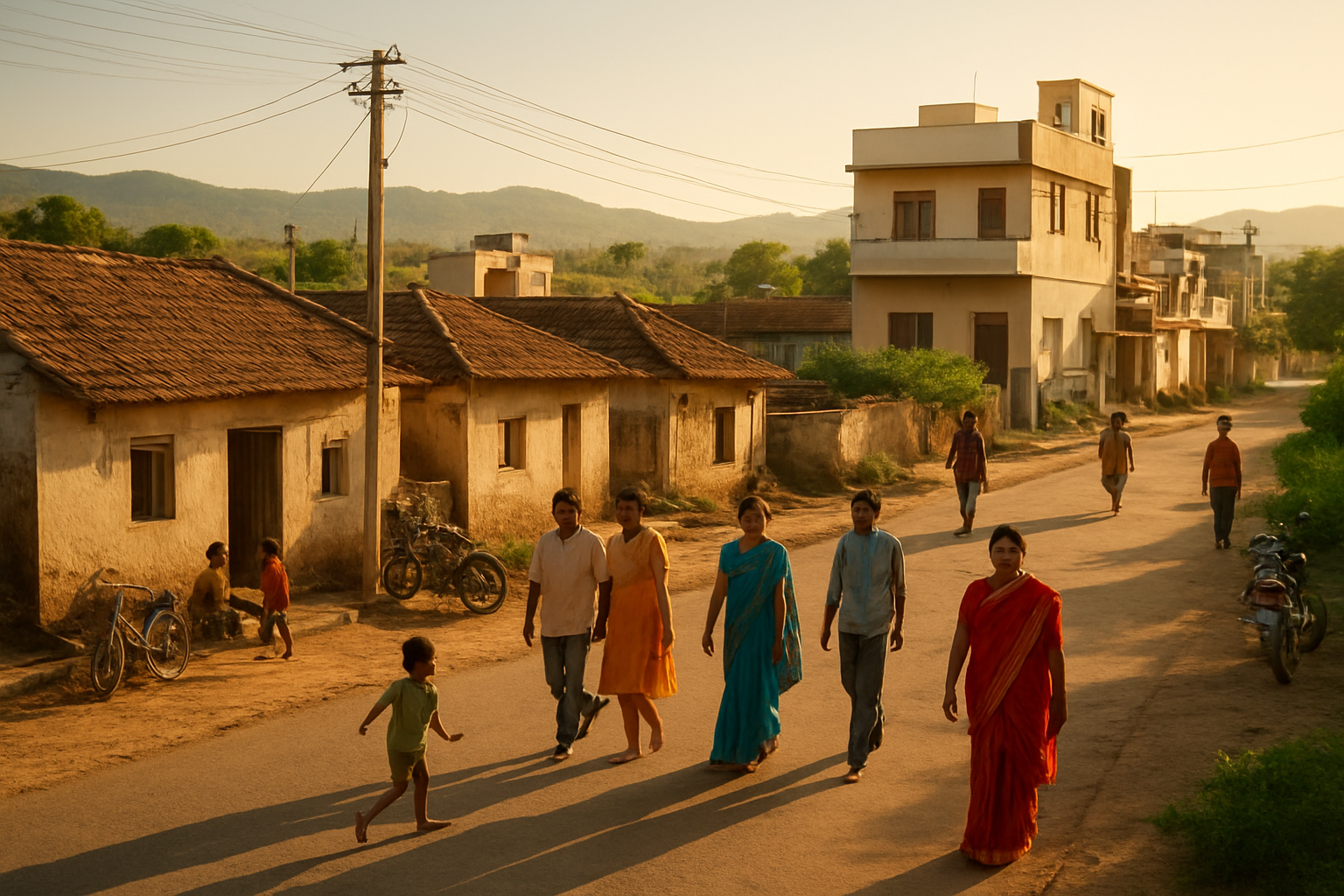
Current Population Distribution Across Indian States
The Tanwar community today spreads across multiple Indian states, with significant concentrations in Rajasthan, Haryana, Punjab, and Delhi. Rajasthan houses the largest population of Tanwars, particularly in districts like Alwar, Bharatpur, and Jaipur, where their ancestral roots run deep. Haryana follows as the second-largest hub, with substantial communities in Gurgaon, Faridabad, and Rewari districts.
Recent census data reveals interesting migration patterns within the Tanwar tribe. While traditional strongholds in rural Rajasthan continue to maintain sizable populations, newer settlements have emerged in urban centers. Delhi NCR has witnessed remarkable growth in Tanwar populations, primarily driven by economic opportunities and educational prospects.
| State | Primary Districts | Estimated Population |
|---|---|---|
| Rajasthan | Alwar, Bharatpur, Jaipur | 65% |
| Haryana | Gurgaon, Faridabad, Rewari | 20% |
| Punjab | Ludhiana, Amritsar | 8% |
| Delhi NCR | Various districts | 7% |
Smaller populations exist in Uttar Pradesh, particularly in western districts bordering Haryana and Rajasthan. The community maintains strong kinship networks across state boundaries, facilitating movement and settlement patterns based on family connections and economic opportunities.
Urban Migration Trends and Community Adaptation
Urban migration among the Tanwar community has accelerated significantly over the past three decades. Young Tanwars increasingly move to metropolitan areas for higher education and career advancement, creating vibrant diaspora communities in cities like Delhi, Mumbai, Bangalore, and Pune.
This migration pattern shows distinct generational differences. First-generation migrants often maintain strong ties to their ancestral villages, returning frequently for festivals and family occasions. Second and third-generation urban Tanwars display different adaptation strategies, blending traditional values with modern lifestyles while establishing new community networks in their adopted cities.
The community has successfully adapted to urban environments by creating informal support systems. WhatsApp groups, community associations, and annual gatherings help maintain cultural connections across geographical distances. Many urban Tanwar families organize regular meetups, celebrating traditional festivals together and ensuring cultural transmission to younger generations.
Professional networks within the community have become increasingly important. Established Tanwar professionals often mentor newcomers, creating career pathways in fields like information technology, finance, and entrepreneurship. This mentorship culture has contributed significantly to the community’s upward mobility in urban settings.
Educational Achievements and Professional Growth
Educational advancement within the Tanwar community has shown remarkable progress over recent decades. Literacy rates have improved dramatically, with younger generations achieving higher education at unprecedented levels. Engineering, medicine, business administration, and law have emerged as popular career choices among Tanwar youth.
The community places strong emphasis on education as a pathway to social mobility. Parents frequently sacrifice to ensure their children receive quality education, often moving to cities specifically for better schooling opportunities. This investment has yielded impressive results, with many Tanwars excelling in competitive examinations and securing admissions to premier institutions.
Professional achievements span diverse fields:
- Technology Sector: Software engineers, IT consultants, and tech entrepreneurs
- Medical Field: Doctors, specialists, and healthcare administrators
- Business: Entrepreneurs, corporate executives, and financial analysts
- Government Services: Civil servants, police officers, and administrative positions
- Academia: Professors, researchers, and educational administrators
The entrepreneurial spirit runs strong within the community. Many Tanwar-owned businesses have achieved significant success, particularly in sectors like real estate, manufacturing, and service industries. These successful entrepreneurs often become community leaders, supporting educational initiatives and cultural preservation efforts.
Political Representation and Community Leadership
Political engagement within the Tanwar community has evolved considerably. While historically the community focused primarily on local governance and traditional leadership structures, contemporary Tanwars have expanded their political participation across multiple levels of government.
Several Tanwar leaders have achieved prominence in state and national politics. They represent diverse political affiliations, reflecting the community’s pragmatic approach to political engagement rather than alignment with any single party. Local self-governance remains a strong tradition, with many Tanwars serving as village sarpanches, municipal councillors, and district-level representatives.
Community leadership extends beyond formal political roles. Social organizations led by prominent Tanwar members address issues like education, healthcare, and cultural preservation. These leaders often bridge traditional community structures with modern institutional frameworks, ensuring the community’s interests are represented while adapting to changing social dynamics.
The younger generation shows increasing interest in political participation, bringing fresh perspectives to community leadership. Many educated Tanwar youth engage in social activism, advocacy work, and policy development, contributing to broader social change while maintaining their community identity.
Women’s leadership within the Tanwar community has gained momentum. Female community leaders now play crucial roles in education advocacy, women’s empowerment initiatives, and cultural preservation efforts, challenging traditional gender roles while respecting cultural values.
Preserving Identity in Contemporary Times
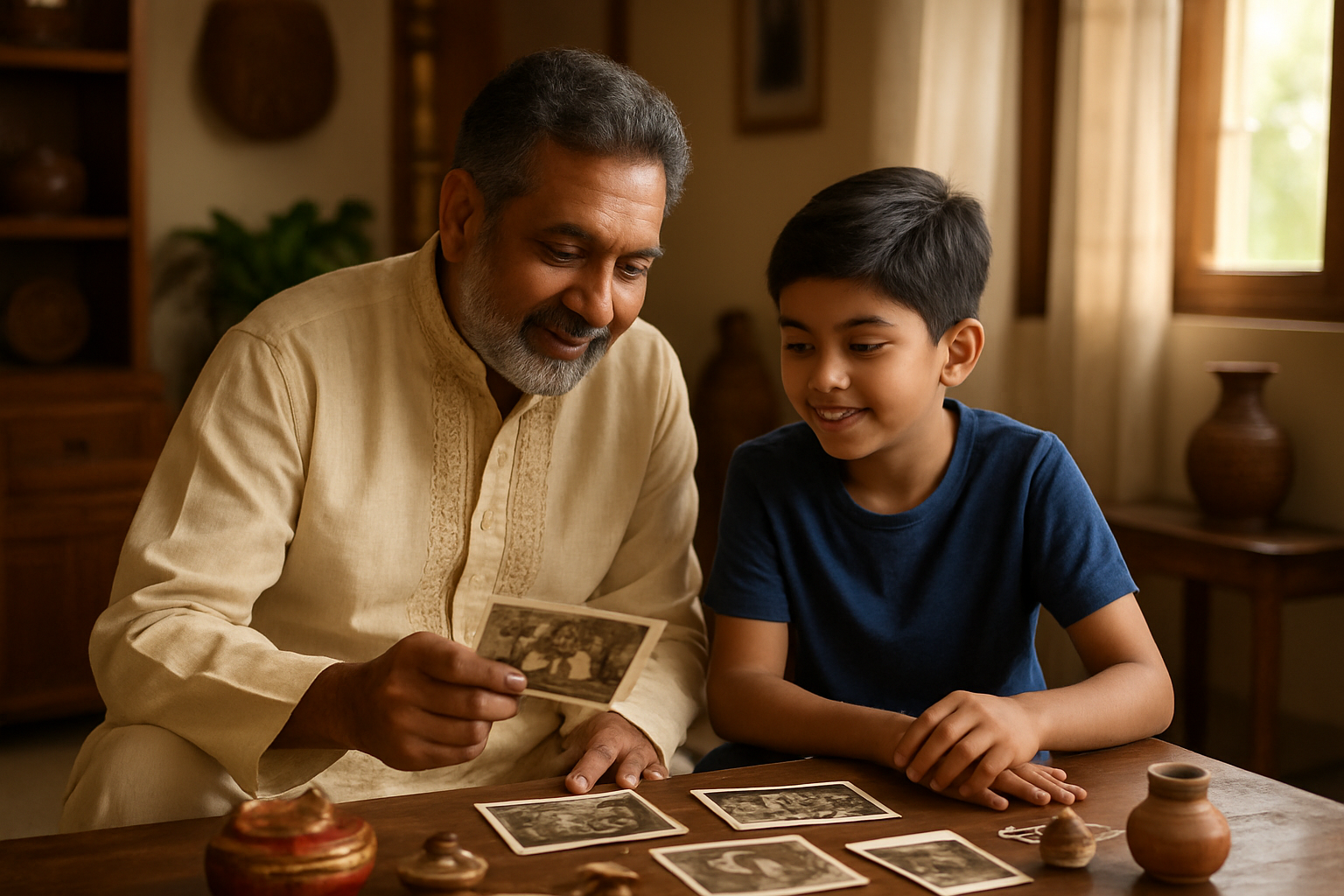
Youth engagement with traditional values
Today’s Tanwar youth find themselves walking a tightrope between honoring their ancestral heritage and embracing modern lifestyles. Many young Tanwar community members actively participate in traditional festivals like Diwali and Holi, where they learn age-old customs from their elders. These celebrations become teaching moments where grandparents share stories about the community’s warrior heritage and ancient traditions.
Educational initiatives within Tanwar families emphasize the importance of understanding their historical roots. Parents encourage children to learn traditional songs, folk dances, and cultural practices that have been passed down through generations. Local community centers organize workshops where young people can practice traditional crafts and learn about their ancestors’ roles in Indian history.
Many Tanwar youth also take pride in their community’s martial traditions, with some pursuing modern equivalents like martial arts or joining military academies. This connection to their warrior past helps them maintain cultural identity while adapting to contemporary career paths.
Digital platforms connecting global Tanwar communities
Social media platforms have revolutionized how Tanwar communities worldwide stay connected. Facebook groups dedicated to the Tanwar Tribe now host thousands of members from India, the United States, Canada, and the United Kingdom. These digital spaces serve as virtual meeting grounds where community members share family histories, organize events, and seek advice on cultural practices.
WhatsApp groups facilitate real-time communication between Tanwar families separated by continents. During major festivals, these groups buzz with activity as members share photos, videos, and greetings from their celebrations. YouTube channels created by Tanwar community members document traditional ceremonies, cooking methods, and historical narratives, ensuring these practices reach younger generations who might otherwise lose touch with their heritage.
Online matrimonial platforms specifically designed for the Tanwar community help maintain traditional marriage customs while accommodating modern relationship dynamics. These platforms allow families to connect across geographical boundaries, preserving cultural practices around arranged marriages and community endogamy.
Challenges facing cultural preservation efforts
Urbanization poses significant challenges to Tanwar cultural preservation. As families migrate from rural villages to metropolitan cities for better opportunities, they often lose daily contact with traditional practices. Children growing up in urban environments may struggle to connect with rural customs that once defined their community identity.
Language barriers create another hurdle, as younger generations primarily speak English or Hindi while many traditional songs and stories exist in regional dialects. This linguistic shift threatens the oral traditions that have preserved Tanwar history for centuries.
Economic pressures force many community members to prioritize career advancement over cultural activities. Traditional occupations that once defined Tanwar identity, such as agriculture and animal husbandry, become less viable in modern economies, leading to a disconnect from ancestral ways of life.
Intermarriage with other communities, while promoting social integration, sometimes dilutes specific cultural practices. Children from mixed marriages may feel less connected to Tanwar traditions, especially when both parents don’t equally emphasize cultural preservation.
Modern entertainment and global culture compete for young people’s attention, making traditional cultural activities seem outdated or irrelevant. Video games, streaming services, and social media often take precedence over community gatherings and cultural learning opportunities.
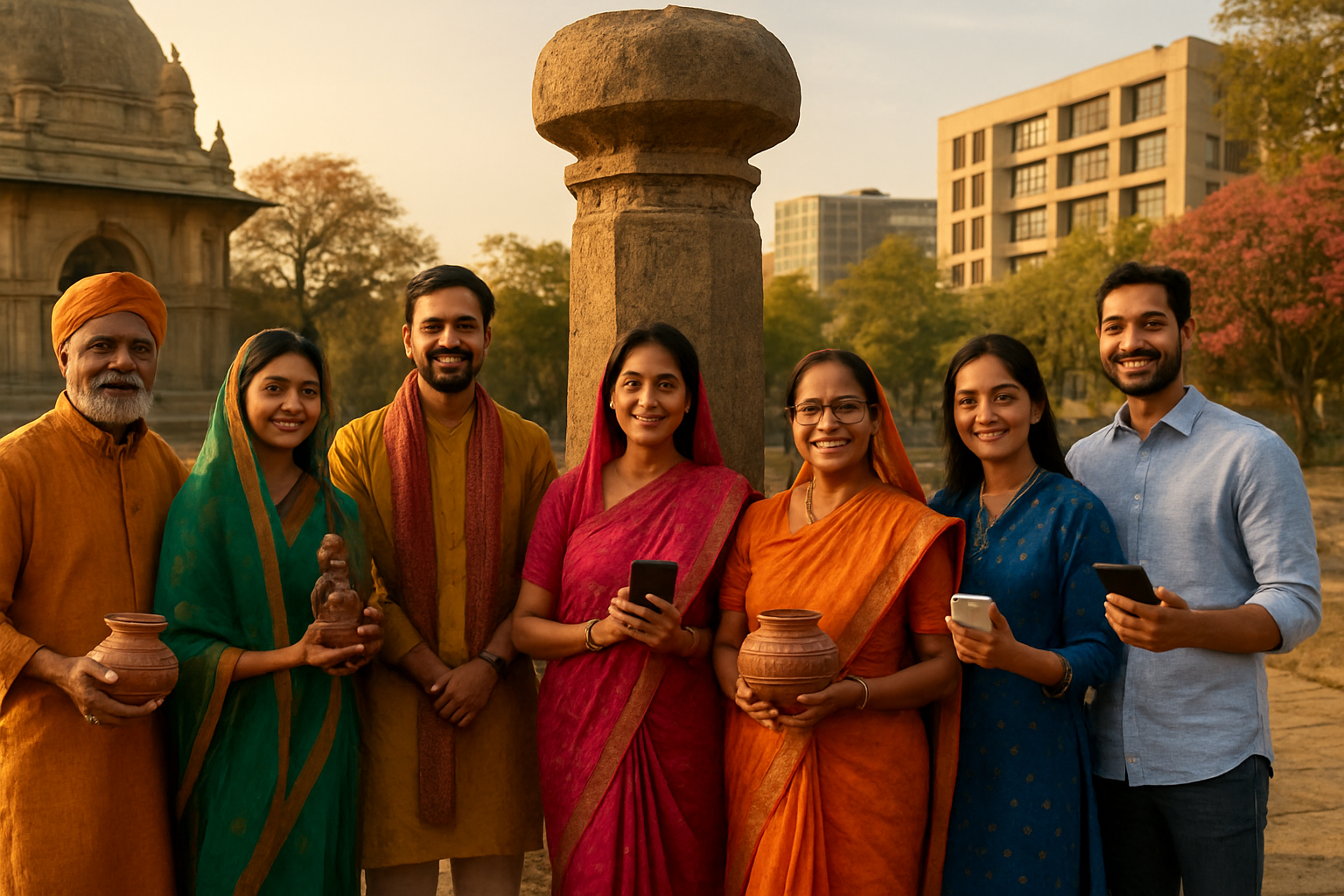
The Tanwar tribe carries forward a remarkable legacy that spans centuries, connecting ancient heritage with vibrant cultural traditions that continue to shape their community today. From their deep historical roots to their rich social practices, the Tanwar people have maintained a strong sense of identity while adapting to modern life. Their settlement patterns across different regions show how they’ve balanced preserving their traditions with embracing contemporary opportunities.
As the Tanwar community moves forward, the challenge lies in keeping their cultural heritage alive for future generations. Supporting their efforts to document traditions, celebrate their history, and maintain their unique identity becomes everyone’s responsibility. By learning about communities like the Tanwar tribe, we gain a deeper appreciation for India’s incredible cultural diversity and the importance of protecting these invaluable traditions that make our country so wonderfully rich and diverse.
