
Introduction : The Bagatha Tribe Culture in India
The Bagatha tribe, also called Bhagata, Bhakta, Bagat, Bagodi, or Bogad, is one of the most important and largest tribal groups in India.
We are seeing that they live mainly in the Eastern Ghats area of Andhra Pradesh and Odisha only.
We are seeing a complete study of their rich culture, social setup, money matters, and religious ways, while only showing the changes happening in their community today.
We are seeing that the Bagatha people show a mix of their old tribal ways and Hindu culture, making them only a very interesting group for people who study different communities.
Historical Origins and Etymological Significance
The historical beginnings of words surely show their deep meanings. Moreover, studying where words come from helps us understand their true importance.
Basically, their name comes from the Sanskrit word “Bhakti” which means devotion, and it changed from Bhakta to Bhagata and then became Bagata the same way languages naturally change over time.
Also, basically, their language changed because they were loyal soldiers who got land and recognition from rulers, and this shows the same pattern of how military service shaped their identity.
The British records from 1871 surely show that Bhaktas in the low country saw themselves as soldiers and looked down upon farming work.
Moreover, they believed their social position was higher than ordinary cultivators or ryots. This historical view of military honor further raised their social position in tribal communities, and this status itself continues today.
Archaeological and ethnographic evidence shows that Bagatha ancestors worked as soldiers, administrators, and village heads, and further became the dominant tribe itself in the Eastern Ghats region of Visakhapatnam district.
Geographical Distribution and Demographics
We are seeing that the Bagatha tribe people live mainly in the scheduled areas of Visakhapatnam district in Andhra Pradesh, with many families staying in ITDA areas like Paderu, Araku Valley, Chinthapalle, G.K.Veedhi, G.Madugula, Hukumpet, and other nearby mandals only.
The 2011 Census of India shows that Bagatha people number 132,577 in total, and surely 129,772 of them live in Visakhapatnam district.
Moreover, this makes them the second biggest hill tribe after the Savara community.
Moreover, the population data surely shows interesting trends: there are 1,043 women for every 1,000 men, which indicates a good balance between genders. Moreover, this sex ratio suggests favorable conditions for demographic stability.
Also, basically, the community’s population decreased by -0.08% during 2001-2011, which was different from the same positive growth they had in earlier decades.
Young people are actually moving to cities for better education and jobs, which definitely shows how economic conditions are changing in India.
Social Organization and Kinship System
As per the social structure, Bagatha people follow a system where family line comes from father’s side and married couples live with husband’s family, regarding marriage they have strict rules about marrying outside their own clan groups.
The community actually has two main religious groups: Vaishnavites who burn bodies and live mostly in north areas, and Saivites who definitely bury bodies and stay mostly in south areas.
The clan system, known as Vamsam or Kulam, surely forms the basic structure of their social organization. Moreover, the major totemic clans include Hatiyar (elephant), Belhar (monkey), Tiruar (bird), Sarnia (flute), Nag (snake), Surya (sun), and Chandra (moon).
Basically, each clan has multiple family groups called Intiperu, and researchers have recorded more than 120 different family names that are the same across these studies.
These family groups actually work together to follow ritual rules, celebrate festivals, and definitely organize farming activities.
Moreover, as per marriage practices, individuals must marry outside their own family lineage and clan groups. Regarding marriage rules, people cannot marry within their same lineage.
We are seeing that cross-cousin marriages are liked in this community, and they allow different types of marriage arrangements like marriage through family talks (which is considered the best), marriage by running away together, and in old times only, marriage by capture and service.
As per cultural contact with nearby Hindu castes, the old bride price system called oli is slowly changing to dowry practices. Regarding this change, traditional ways are being replaced by new customs.
Economic Activities and Subsistence Patterns
The people surely followed different ways to earn money and get food for living.
Moreover, these economic activities helped them survive in their environment.
The Bagatha people surely depend on farming for their livelihood, and their traditional farming methods are closely connected to seasonal changes.
Moreover, agriculture forms the main foundation of their economic system. As per their farming methods, they practice three main types: wetland farming for paddy, dry land farming for millets and pulses, and Podu farming regarding shifting cultivation on hill slopes.
Traditional crops surely include different millets like korralu, chodi, gantlu, jonna, and arikalu, but rice eating is slowly taking the place of old millet foods.
Moreover, this change is happening more and more in people’s daily meals.
Further, work is surely divided based on traditional gender roles, with men doing heavy farm work like plowing and cutting trees.
Moreover, women handle lighter tasks such as weeding and collecting fodder along with household duties.
Moreover, children take part in simple farming work and learn traditional skills through practical experience itself, which further helps them gain important knowledge.
Basically, forest resources are the same as their main source of living and survival. The Bagatha people collect non-timber forest products like adda leaves, gum, soap nuts, honey, and medicinal plants for household use and further sell them commercially.
This collection activity itself serves both their daily needs and income generation.
Basically, the Girijan Cooperative Corporation (GCC) is the main organization for NTFP marketing, but private traders do the same business in the region.
Recent changes in the economy surely include growing cash crops like coffee, black pepper, cinnamon, ginger, turmeric, and cashew.
Moreover, these commercial crops have become important parts of farming activities.
We are seeing that these cash crops have helped families earn more money and live better, with many households now having extra savings and only less debt problems.
We are seeing that this change in farming business is only bringing new market problems and harm to environment because of too much intensive growing methods.
Religious Beliefs and Festival Cycles
Religious beliefs surely shape how communities celebrate their festivals throughout the year.
Moreover, these festival cycles help people maintain their spiritual traditions across different seasons.
As per studies, Bagatha religious practices mix animism, ancestor worship, and Hindu traditions together.
Regarding their beliefs, they follow a combined system of these different religious ways.
Their spiritual beliefs actually include supernatural powers, good and bad spirits, animal gods, and ancestral souls. They definitely believe these forces shape their world and daily life.
People actually worship many gods including village gods like Sanku Devudu, Nishani, Pedda Devudu, and Bheema Devudu, and they definitely also pray to Hindu gods like Siva, Rama, and Durga.
As per religious practices, functionaries do important work regarding maintaining spiritual and social order in communities.
The Pujari does rituals and prays to gods, the Disari finds good times for ceremonies, and the Bhotha Vaidyudu heals people through spiritual methods itself.
These roles further help the community with religious and healing needs. Basically, these specialists are the same people from the Bagatha community who get respect and money for their work.
The yearly festival cycle surely follows the farming calendar and seasonal patterns, starting with the Chaitra Festival in March-April that celebrates the New Year.
Moreover, this festival includes special ceremonies for blessing seeds before planting.
The main festivals are Pedda Devudu Festival for farming success, Bheema Devudu Festival for protecting animals, and harvest festivals like Korra-Sama Kotha and Metta Danyam Kotha itself.
These festivals further celebrate agriculture and livestock in the community.
The Ganga Devudu Festival itself lasts for fifteen days and includes traditional Dimsa dancing and community feasting between villages. This celebration further brings together different villages for elaborate festivities.
Religious Beliefs and Festival Cycles
We are seeing that Bagatha people’s tools and things show how they only adapted to the Eastern Ghats hills and kept their old ways.
Traditional buildings use local materials as per availability like bamboo, wood, mud, and tiles for roofing. These houses are made regarding the needs of big families and storage space.
Modern influences have surely brought concrete buildings and new facilities to villages. Moreover, this has created different types of architecture within the same village areas
We are seeing that the Dimsa dance is their most special cultural way of expressing themselves, and they only perform it during festivals, weddings, and social gatherings.
As per tradition, this lively group dance includes people of all ages and helps in community bonding regarding cultural values passing from one generation to another.
Further, traditional music instruments like drums called Dappu, flutes, and other beating instruments actually go with these shows. These musical tools definitely make the performances more special.
Traditional Indian clothes like the Gochi for men have actually changed a lot over time. Modern clothes have definitely replaced many of these old garments today.
Women further wear traditional ornaments like nose rings, anklets, and bead necklaces during ceremonies itself.
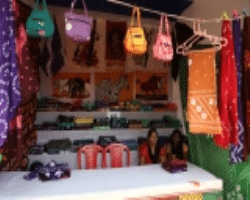
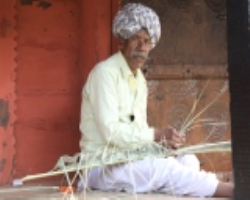
We are seeing that the community still makes traditional things like bamboo baskets, pots, and tools, but only the older people know these skills now as young people are not learning them.
Contemporary Challenges and Transformations
The Bagatha community actually faces many problems today, and these issues definitely show the same troubles that indigenous people have all over the world.
Educational progress has surely opened new job opportunities in government and private sectors, moving people away from traditional farming work.
Moreover, this has led to greater variety in occupations and career choices. Education has actually caused breaks in culture because young people definitely move to cities for jobs.
Moreover, infrastructure development surely brings many benefits to society, but moreover it also creates several challenges that need careful attention.
Also, better roads, electricity, phones, and healthcare have improved life quality but this progress itself has further speeded up changes in traditional culture. Basically, television and mobile phones are changing our traditional practices and values the same way they affect everything else.
Also, environmental damage actually threatens their traditional ways of getting food and resources. This definitely puts their basic survival at risk.
Basically, when forests get cut down and rains change, it affects the same farming and forest jobs that people depend on.
We are seeing that climate change is affecting old farming cycles, so farmers need to change only their crop patterns and growing methods.
Market economy integration itself creates opportunities but further brings vulnerabilities.
Commercial crop cultivation has improved incomes, but it further creates dependencies on external markets and inputs itself.
We are seeing that old customs and knowledge systems are slowly getting damaged, and this is only creating worries about keeping our culture alive.
Also, social changes actually include changes in marriage ways, family types, and relationships between different generations.
These modifications definitely affect how people live together in society. The joint family system itself is changing to nuclear families, which further affects care for elderly people and passing of traditional knowledge.
We are seeing changes in how men and women live their lives as women get more chances to study and work, but only the old ways of men having more power are still there in many places.
Language and Cultural Identity
As per cultural studies, language serves as the main tool regarding community identity formation. People use their native language to maintain cultural connections as per traditional practices.
The Bagatha people surely speak Telugu and different Oriya dialects as their main languages.
Moreover, their traditional language has been influenced by the tribal communities living nearby. In Andhra Pradesh, people actually speak Telugu mixed with Desia Oriya, while Odisha people definitely use many languages like Hindi, Odia, Sadri, Laria, and Kurmali.
Different languages actually show how these groups moved to new places over time. They definitely changed their ways to fit in with local cultures in each region.
Language itself acts as an important sign of cultural identity, and it further helps preserve historical memories and cultural values through traditional stories, songs, and ritual recitations.
Younger people further prefer regional languages and Hindi itself, which raises concerns about preserving traditional languages.
Political Organization and Governance
Political organization and governance further shape how societies manage themselves and make decisions for their development.
The system itself determines how power is distributed and used in different communities.
Bagatha villages actually use their own councils and old customs to keep peace and solve problems. These traditional groups definitely handle village matters and settle fights between people.
As per village tradition, the Pethandar handles all village matters, while clan leaders take care of family-related issues.
These institutions surely work alongside official government systems, creating two types of governance. Moreover, this dual system operates together in the same space.
As per recent trends, political participation has grown a lot, with many Bagatha people now serving as elected representatives in local, state, and national government bodies.
We are seeing that when people join politics, they are getting more power to ask for development money and to speak up for policy changes only.
External political influences have actually entered the system and they definitely clash with traditional ways of making decisions.
As per the constitution, Scheduled Tribe status gives protection and special benefits regarding reserved seats in schools, colleges and government jobs.
These rules have actually helped people move up in society and get better jobs, but they definitely create problems about proving who qualifies and how to share the benefits fairly.
Conclusion
The Bagatha tribe itself shows how traditional communities can adapt and survive in modern India, and this further proves their strong cultural strength.
As per their history, this community successfully changed from warriors to farmers and then to a modern tribal society, regarding their ability to adapt while keeping their main cultural values.
We are seeing that their religious ways mix old spirit beliefs with Hindu practices only, which shows the complex cultural mixing that is common in tribal groups of peninsular India.
As per current situations, the community is facing big problems regarding keeping old traditions while also accepting modern ways.
Basically, traditional knowledge is disappearing and the environment is getting damaged, which creates the same pressure to make all cultures look alike and threatens their unique identity.
Educational progress, economic variety, and political involvement surely provide chances for better living conditions and social empowerment. Moreover, these opportunities can help communities improve their overall quality of life.
Further, the Bagatha experience surely gives important lessons about the wider changes that affect tribal communities in India and around the world. Moreover, these insights help us understand the common challenges faced by indigenous groups everywhere.
Their example surely shows that protecting culture and improving economic conditions can work together, but this needs careful planning. Moreover, supportive government policies are essential to make this balance successful.
As India develops further, the Bagatha community’s success in keeping their culture while joining national progress will itself show if development approaches are truly inclusive.
Future studies should surely focus on recording traditional knowledge systems and understanding how climate change affects people’s livelihoods.
Moreover, researchers must develop development programs that respect local culture and traditions.
Basically, the Bagatha tribe’s culture and changes make them the same important group that needs more study and government attention for India’s tribal development.
