
Introduction
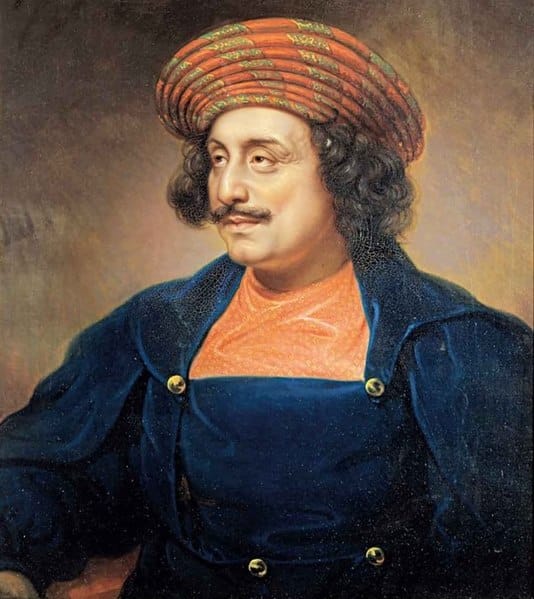
The influence of Raja Rammohon Roy on India, often hailed as the “Father of Modern India,” left an indelible mark on the social, religious, and political landscape of the country. His progressive ideas and tireless efforts to reform Indian society continue to shape modern India in numerous ways. This blog post explores the profound influence of Raja Rammohon Roy on various aspects of Indian life and how his legacy continues to resonate in contemporary times.
Thank you for reading this post, don't forget to subscribe!Early Life and Education
Born in 1772 in Radhanagar, Bengal, Raja Rammohon Roy was exposed to diverse religious and cultural influences from an early age. His education encompassed Persian, Arabic, and Sanskrit, as well as English later in life. This multicultural background laid the foundation for his progressive thinking and his ability to bridge Eastern and Western philosophies.
The influence of Raja Rammohon Roy on India’s extensive travels and interactions with people from different backgrounds further broadened his perspective. He worked for the British East India Company, which exposed him to colonial administration and Western ideas. These experiences played a crucial role in shaping his reformist vision for India.

Social Reforms
Abolition of Sati
One of the most significant contributions and influence of Raja Rammohon Roy on India was his campaign against the practice of Sati, the ritual burning of widows on their husbands’ funeral pyres. His tireless efforts led to the Bengal Sati Regulation Act of 1829, which outlawed the practice. This landmark achievement not only saved countless lives but also challenged deeply entrenched patriarchal norms in Indian society.
Roy’s approach to social reform was both intellectual and practical. He wrote extensively on the subject, arguing against Sati using religious texts and rational arguments. He also worked closely with British officials, leveraging their authority to effect change. This dual approach of intellectual discourse and political advocacy set a precedent for future social reformers in India.
Women’s Rights
The influence of Raja Rammohon Roy on modern India is particularly evident in the realm of women’s rights. Beyond his fight against Sati, Roy advocated for women’s education, property rights, and remarriage of widows. He challenged the prevalent notion that women were intellectually inferior to men and argued for their equal status in society.
Roy’s efforts laid the groundwork for later movements for women’s empowerment in India. His ideas influenced subsequent reformers and continue to inspire modern feminist movements in the country. The ongoing struggle for gender equality in India can trace its roots back to Roy’s pioneering work.
Education Reform
Roy’s emphasis on education as a tool for social reform and national progress continues to influence India’s education policy. The current focus on STEM education and English language proficiency in India can be seen as a continuation of Roy’s vision for a modern, educated India.
Religious Reforms
Brahmo Samaj
The influence of Raja Rammohon Roy on modern India is perhaps most visible in the religious sphere. In 1828, he founded the Brahmo Samaj, a reformist movement within Hinduism that rejected idolatry, casteism, and superstitious practices. The Brahmo Samaj promoted monotheism and rational thinking, drawing inspiration from the Upanishads and other religious texts.
The Brahmo Samaj had a profound impact on Indian religious thought and practice. It paved the way for other reform movements within Hinduism and influenced the development of a more rationalist and humanistic approach to religion in India. The legacy of the Brahmo Samaj can be seen in the continued existence of reformist Hindu movements and the ongoing debates about religious practices in modern India.
Interfaith Dialogue
Roy was a pioneer in promoting interfaith dialogue and understanding. He studied various religions, including Islam and Christianity, and sought to find common ground between different faiths. His writings on comparative religion were groundbreaking for their time and set a precedent for religious tolerance and pluralism in India.
This aspect of Roy’s work continues to be relevant in modern India, where religious harmony remains a crucial issue. His approach to interfaith dialogue serves as a model for addressing religious conflicts and promoting mutual understanding in a diverse society.
Political and Legal Reforms
Roy also played a crucial role in shaping India’s relationship with the British colonial government. While he recognized the potential benefits of British rule in terms of modernization and reform, he was also critical of colonial exploitation. This nuanced approach to engagement with colonial powers influenced later Indian leaders and shaped the discourse on nationalism and independence.
Literary Contributions
Raja Rammohon Roy made significant contributions to Bengali literature and journalism. He established several newspapers, including the Bengali weekly “Sambad Kaumudi” and the Persian newspaper “Mirat-ul-Akhbar.” These publications played a crucial role in spreading progressive ideas and fostering public discourse on social and political issues.
Roy’s literary works, which included translations of ancient Indian texts and original writings on various subjects, helped bridge the gap between traditional Indian knowledge and modern Western thought. His emphasis on clear, rational prose in Bengali set new standards for the language and influenced its development as a medium for modern ideas.
Legacy and Impact on Modern India
The influence of Raja Rammohon Roy on modern India is multifaceted and far-reaching. His ideas and reforms laid the foundation for many of the progressive movements that followed in the 19th and 20th centuries. The Indian Renaissance, the nationalist movement, and the social reform movements of the 20th century all owe a debt to Roy’s pioneering work.
In contemporary India, Roy’s legacy can be seen in various aspects of society:
- Secularism and Religious Tolerance: Roy’s emphasis on interfaith dialogue and religious reform continues to influence India’s approach to secularism and religious diversity.
- Women’s Rights: The ongoing struggle for gender equality in India builds upon the foundation laid by Roy’s early advocacy for women’s rights.
- Education: The emphasis on modern, scientific education in India reflects Roy’s vision of education as a tool for social progress.
- Social Reform: Roy’s approach to social reform through a combination of intellectual discourse and political advocacy continues to inspire activists and reformers in India.
- Press Freedom: The vibrant media landscape in modern India owes much to Roy’s early efforts to establish a free press.
- Legal and Political Institutions: Many of India’s democratic institutions and legal principles can trace their origins to Roy’s advocacy for reform.
Conclusion
The influence of Raja Rammohon Roy on modern India is profound and enduring. His visionary ideas and tireless efforts to reform Indian society laid the groundwork for many of the progressive movements and institutions that shape contemporary India. From social reforms to religious thought, from education to political institutions, Roy’s legacy continues to resonate in various aspects of Indian life.
As India continues to grapple with issues of social justice, religious harmony, and modernization, the life and work of Raja Rammohon Roy offer valuable lessons and inspiration. His commitment to rational thinking, social reform, and cultural synthesis remains as relevant today as it was two centuries ago.
