

Ever wondered what it feels like to call a sidewalk your bedroom and a cardboard box your blanket? Right now, over 100 million children worldwide are living this reality on our streets.
They’re not just statistics. They’re kids with dreams who’ve been dealt the worst hand possible. Some fled abuse, others were abandoned, and many were simply born into extreme poverty with nowhere else to go.
Understanding urban street children isn’t just about acknowledging their existence – it’s about recognizing the systemic failures that put them there in the first place.
I spent five years documenting their stories across three continents, and let me tell you: what I learned about survival, resilience, and our broken social systems will change how you see every child on every street corner.
The Reality of Urban Street Children
Who are street children and how they end up homeless
Ever seen kids sleeping in doorways or huddled under bridges? These are street children – young people who call the concrete jungle their home. They’re not there by choice.
Global statistics and distribution
The numbers are staggering – approximately 100-150 million children live on streets worldwide. And no, this isn’t just a “developing world problem.”
Asia tops the charts with the highest numbers, particularly in India and Bangladesh. Africa follows close behind, with huge populations in major cities across the continent. Latin America sees concentrations in Brazil and Mexico.
Even wealthy countries aren’t immune. The US counts around 1.7 million homeless youth annually.
The truth? We don’t know the exact figures. These kids exist in shadows, uncounted and often invisible to official statistics.
Daily survival challenges they face
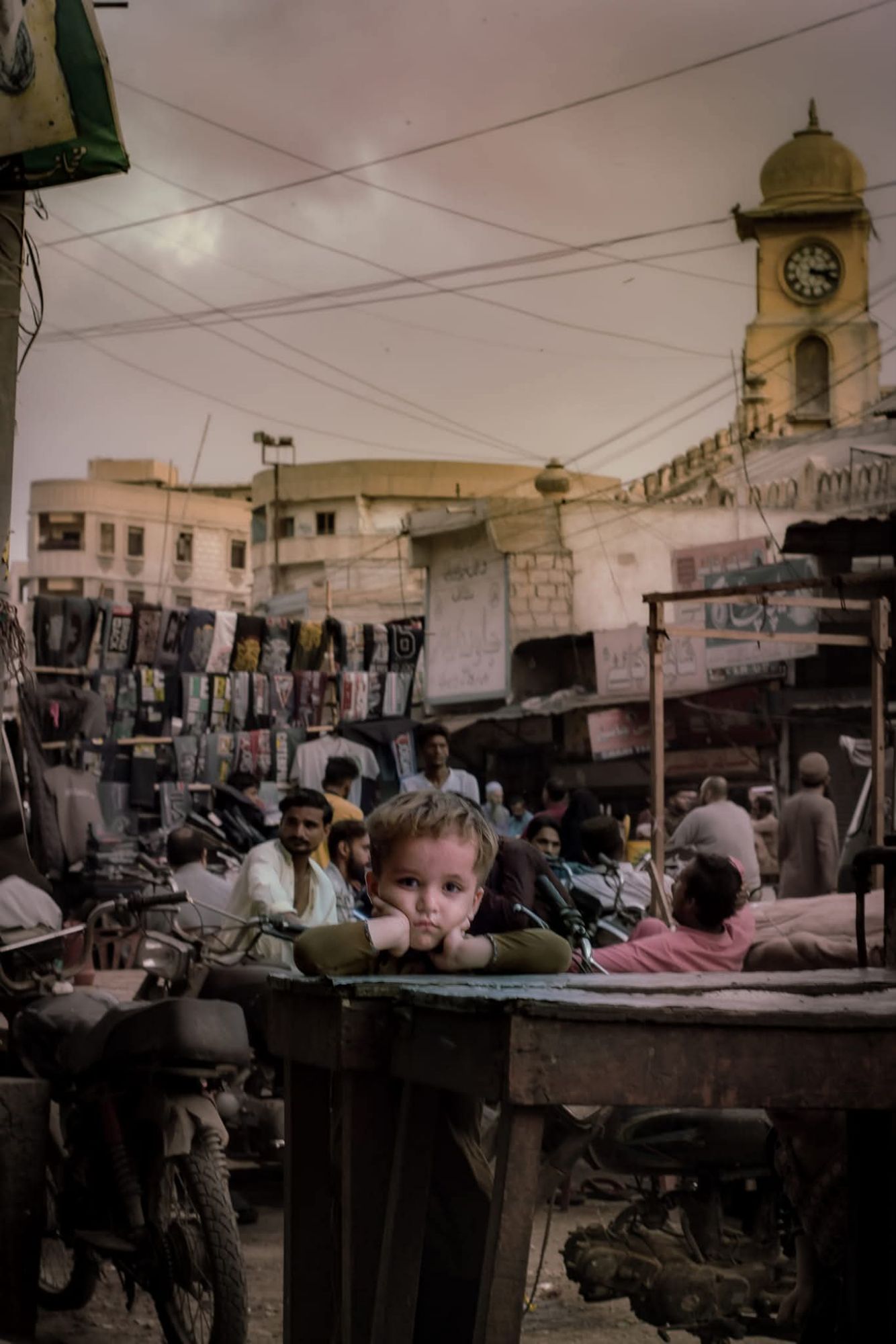
Surviving on the streets isn’t just tough – it’s brutal.
Food means dumpster diving, begging, or worse. Clean water? A luxury. Most street kids haven’t showered in weeks.
Sleep brings constant danger. Getting robbed, beaten, or sexually assaulted while you’re vulnerable happens regularly. Weather becomes a deadly threat – freezing in winter, heat stroke in summer.
Health problems multiply with zero healthcare. Simple infections become life-threatening. Dental issues, respiratory problems, and malnutrition are everyday realities.
Police harassment comes standard. Society views these kids as nuisances rather than victims. Drugs become both escape and trap, offering temporary relief but creating devastating dependencies.
Education? Forget it. Without schooling, the cycle continues.
Different categories of street children
Not all street kids are the same. Understanding the differences matters for helping them:
Children ON the streets work there during the day but return to some form of home at night. They contribute to family income but remain connected to family structures.
Children OF the streets live there permanently with no family contact. These kids are the most vulnerable, with the streets as their only home and other street children as their makeshift family.
Abandoned children were deserted by parents or caregivers. Unlike runaways, they didn’t choose to leave.
Runaway children fled home, usually escaping abuse, neglect, or family dysfunction.
Each group needs different interventions. One-size-fits-all approaches always fail.
Root Causes of the Street Children Phenomenon
A. Poverty and economic inequality
The cold, hard truth? Poverty drives kids to the streets. When families can’t afford basics like food or shelter, children often become breadwinners by default. They’re not choosing adventure – they’re surviving.
In most developing countries, the gap between rich and poor isn’t just wide – it’s a canyon. While the wealthy live in gated communities, poor families crowd into informal settlements with no running water or electricity. When parents earn less than $2 a day, sending kids to work seems logical.
Economic inequality creates a perfect storm. When governments slash social services, families at the bottom feel it first and worst. No safety nets. No second chances.
B. Family breakdown and domestic violence
Many street kids aren’t orphans – they’re runaways. They fled something worse than life on the streets.
Physical abuse, sexual violence, alcoholism… these aren’t just problems, they’re push factors. Children make rational choices to escape irrational situations at home.
Step-parents sometimes treat non-biological children as unwanted burdens. Kids get the message: you don’t belong here. So they leave.
C. Urbanization and migration
Rural families pour into cities chasing dreams of better jobs and opportunities. But urban reality hits hard.
Housing costs skyrocket while informal work pays pennies. Families fragment under pressure. Kids slip through cracks.
Rapid urbanization creates concrete jungles without adequate infrastructure. No affordable housing, schools, or healthcare. Where do children land? On the streets.
Some migrate alone, believing city streets offer more hope than rural poverty. They arrive without support networks, vulnerable to exploitation.
D. Failures in child protection systems
On paper, most countries have impressive child protection laws. In practice? Systems fail catastrophically.
Underfunded agencies can’t handle caseloads. Overworked social workers burn out. Police sometimes view street children as nuisances rather than victims.
Foster care systems collapse under demand. Orphanages become warehouses rather than homes. And bureaucracy moves at glacial speed while children grow up on sidewalks.
E. Impact of armed conflicts and natural disasters
War destroys more than buildings – it shatters families. Children separated during conflict often end up alone in urban centers, traumatized and without documents.
Natural disasters create instant orphans. After earthquakes, floods, or hurricanes, family tracing systems fail to reconnect thousands of displaced children.
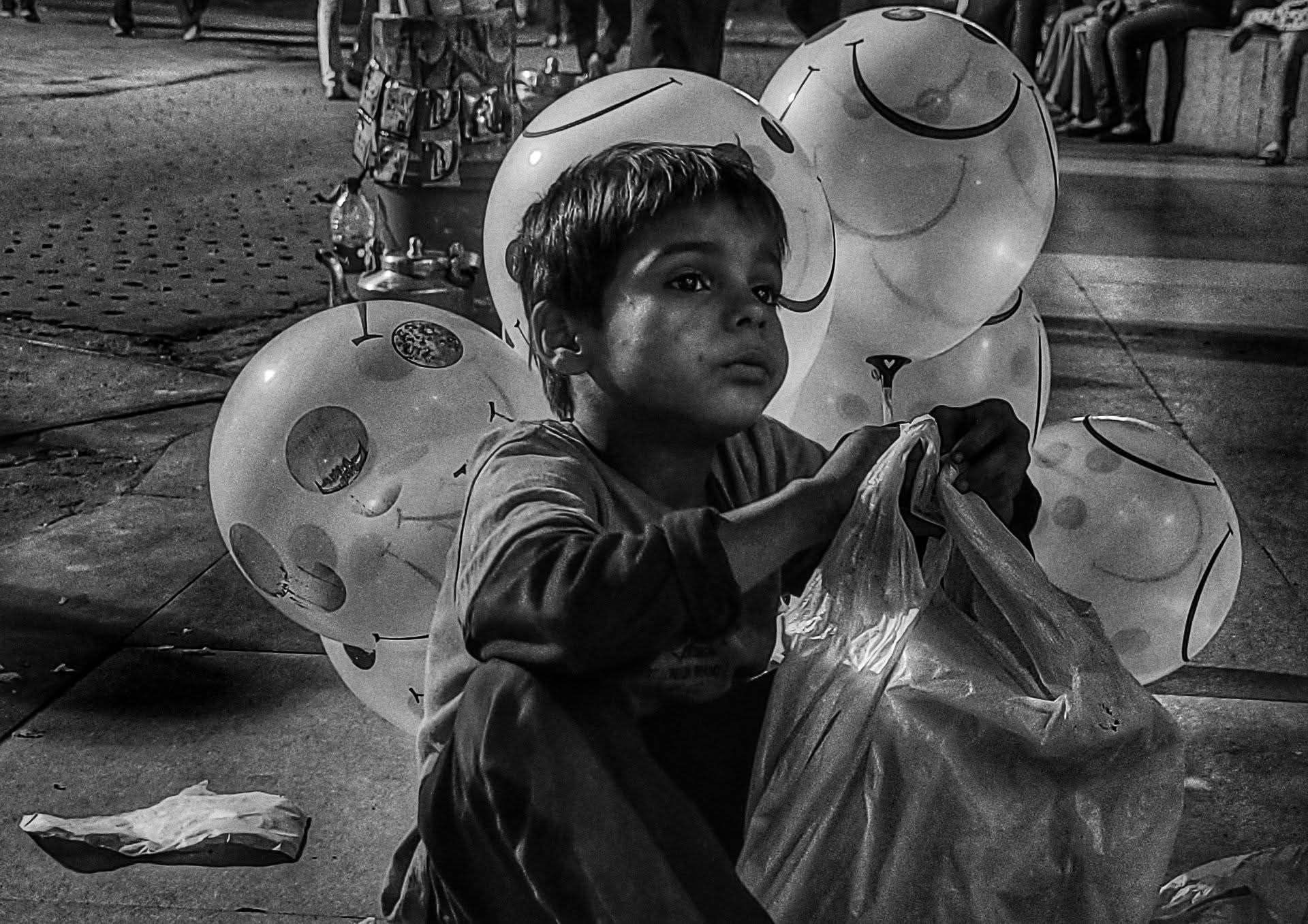
Refugee crises spawn particular vulnerability. Children fleeing violence across borders often lack legal status, making them invisible to protection systems.
Climate change will only worsen this. As environmental disasters increase, more children will find themselves alone in unfamiliar cities, joining the ranks of street children worldwide.
The Hidden Life on the Streets
A. Improvised shelters and sleeping locations
Ever wonder where street children rest their heads at night? The reality is brutal. Most kids cobble together makeshift shelters using cardboard boxes, plastic sheets, and discarded materials. They huddle in alleyways, under bridges, or inside abandoned buildings – anywhere offering minimal protection from weather and predators.
Some create communal sleeping areas, sharing body heat and providing safety in numbers. Others prefer isolated spots to avoid detection by authorities. During rainy seasons, drainage pipes become coveted real estate. In summer heat, cooling spots near water fountains are premium sleeping locations.
B. Income generation methods
These kids are hustlers by necessity. They wash windshields at traffic lights, sell small items like gum or flowers, collect recyclables, or perform simple tasks for small payments. The daily grind is constant.
Older street youth might guard cars, carry shopping bags, or do manual labor. Some resort to begging, especially younger children who generate more sympathy. The saddest truth? Many are exploited into criminal activities: pickpocketing, drug running, or prostitution.
C. Street gangs and social hierarchies
The street operates on unwritten rules. Hierarchies form naturally with older, stronger kids at the top. New arrivals must prove themselves or face brutal consequences.
Gangs provide what families should: protection, belonging, and resources. But the cost is high – loyalty tests often involve criminal acts or violence. Territory is fiercely defended, with invisible boundaries marking safe zones and no-go areas.
D. Physical and mental health issues
The street takes a devastating physical toll. Malnutrition stunts growth. Untreated injuries fester. Respiratory infections, skin diseases, and parasites are common companions. Dental problems cause constant pain.
Mental health suffers equally. PTSD, depression, and anxiety plague these children. Many self-medicate with glue, solvents, or alcohol – temporarily numbing their reality while causing permanent brain damage. Sleep deprivation from constant vigilance further deteriorates their mental state.
Trust issues run deep. When every adult has either abandoned or exploited you, forming healthy relationships becomes nearly impossible.
Exploitation and Abuse Risks
A. Child labor and economic exploitation
Kids on the streets don’t exactly have a ton of options. Many are forced into begging, selling trinkets, or washing car windows at traffic lights. Some work 12+ hour days just to scrape together enough for a meal.
The worst part? These kids aren’t building skills or getting an education. They’re stuck in a cycle that keeps them poor forever. And let’s not kid ourselves – a lot of this “work” is controlled by adults who take most of their earnings.
I met a 9-year-old in Mumbai who spent all day sorting through trash for recyclables. He made less than $2 a day, and his “boss” took half. That’s not work – that’s exploitation.
B. Sexual trafficking and abuse
The streets are hunting grounds for predators. Young girls and boys become targets for sex trafficking networks that promise food, shelter, or “jobs” that turn into nightmares.
Street children often lack protection from anyone who cares about their wellbeing. When you’re hungry and alone, it’s easier to fall for false promises.
Some studies show that nearly 70% of street girls experience sexual abuse before turning 18. And boys aren’t safe either – they just report it less often because of the stigma.
C. Drug trade involvement
Drug dealers love recruiting street kids. They’re perfect – desperate, under the radar, and face lighter punishments if caught.
These children start as lookouts or couriers before becoming users themselves. The dealers get them hooked to ensure loyalty. Soon, these kids are trapped in two ways – economically dependent and physically addicted.
A former street kid in Rio told me: “I wasn’t scared of dying. I was scared of withdrawal.”
D. Police harassment and criminalization
The very people who should protect these children often become their tormentors. Street kids get labeled as criminals just for existing in public spaces.
In many cities, police conduct regular “street cleaning” operations, rounding up children and either:
- Detaining them in juvenile facilities
- Dropping them off in remote areas
- Subjecting them to violence and humiliation
Instead of addressing why these kids are homeless, authorities criminalize them. One 14-year-old in Nairobi described being beaten weekly by officers who called him “street trash.”
The system treats symptoms, not causes. And the kids pay the price.
Successful Intervention Strategies
A. Outreach programs and first contact approaches
Street kids don’t walk into offices asking for help. We need to go where they are.
Mobile outreach teams have proven incredibly effective. These teams hit the streets day and night, building trust gradually. They bring essentials like food, basic medical care, and hygiene supplies – but their real goal? Establishing relationships.
Peer-based approaches work wonders too. Former street youth who’ve successfully transitioned make the best ambassadors because they speak the language and understand the life.
Drop-in centers that don’t demand ID or parental consent create safe first-contact points. The best ones operate with minimal barriers – no appointments needed, no judgment, just immediate help.
B. Rehabilitation and reintegration methods
The transition from street to stability isn’t a straight line. Effective programs recognize this reality.
Transitional housing models provide structured environments where kids can decompress from street survival mode. The most successful ones use graduated freedom approaches – starting with more supervision and gradually giving youth more independence as they demonstrate readiness.
Substance abuse intervention has to happen early, but forcing sobriety before a child is ready rarely works. Harm reduction approaches followed by evidence-based treatment show better results.
Mentorship programs that pair youth with stable adults create the consistency many have never experienced. These relationships often become the anchor that prevents regression to street life.
C. Education and vocational training initiatives
Traditional classrooms rarely work for kids who’ve been surviving on streets. Flexible learning environments that meet youth where they are academically show better outcomes.
Accelerated learning programs help older youth catch up without the shame of sitting in classes with much younger children. Alternative credentials like GED programs provide equivalent qualifications through more flexible pathways.
Vocational training tied to actual job placement delivers concrete results. Skills like food service, construction, computer repair, and hairdressing provide quick paths to income.
Entrepreneurship programs work surprisingly well with street youth, who often already possess hustle and resourcefulness – they just need to channel these skills into legitimate business.
D. Family reunification efforts
Not every child can or should return home. But when possible, family reunification creates sustainable solutions.
Mediated family meetings with trained professionals help address the underlying issues that pushed youth to the streets. These sessions must prioritize the child’s safety and wellbeing above all else.
Economic support for struggling families often makes the difference between successful reunification and repeated failure. Something as simple as rent assistance or job placement for parents can create stability.
Extended family placements offer alternatives when parents cannot provide adequate care. Grandparents, aunts, uncles or older siblings often step in successfully with proper support.
E. Trauma-informed care models
Street kids carry invisible wounds. Traditional services that don’t account for trauma often fail.
Psychological first aid approaches recognize that basic safety needs must be addressed before deeper therapeutic work. Staff trained to recognize trauma triggers avoid inadvertently retraumatizing youth.
Consistent, predictable environments help repair developmental damage from chronic stress. Even simple routines like regular mealtimes help rewire stress-response systems.
Strength-based approaches that focus on resilience rather than deficits build confidence. These kids have survived incredible hardships – effective programs acknowledge these survival skills while teaching healthier coping mechanisms.
Government Policies and Legal Frameworks
International conventions protecting children’s rights
Kids living on streets aren’t just a local problem—they’re a global crisis that demanded international action decades ago. The UN Convention on the Rights of the Child (CRC) from 1989 stands as the cornerstone document here. Almost every country on earth has signed it, promising to protect all children’s basic rights.
But here’s the kicker—signing papers doesn’t magically fix problems. While the CRC specifically calls out protecting children from exploitation, violence, and neglect, street kids still fall through the cracks daily.
Other important international frameworks include:
- The UN Guidelines for the Alternative Care of Children
- ILO Convention 182 on the Worst Forms of Child Labor
- The UN 2030 Agenda for Sustainable Development
Reality check: These conventions are only as good as their implementation. And that’s where things get messy.
National policy approaches and their effectiveness
National responses to street children vary wildly from country to country:
| Approach | Description | Effectiveness |
|---|---|---|
| Welfare-based | Providing shelters, food programs | Addresses immediate needs but not root causes |
| Rights-based | Focus on legal protections and empowerment | More sustainable but slower to implement |
| Punitive | Criminalization, forced removals | Counterproductive, drives children further underground |
| Community-based | Family strengthening, local support networks | Most promising but requires significant resources |
Many countries swing between caring for these kids and criminalizing them. One day they’re victims needing help, the next they’re “public nuisances” to be swept away before tourist season.
The most successful national policies combine immediate assistance with long-term solutions addressing poverty, family breakdown, and educational access. Brazil’s PETI program and Philippines’ Pantawid Pamilyang Pilipino Program show some promise by tackling poverty at the family level.
Legal status and identity documentation challenges
Try getting a job without ID. Now imagine being 12, alone, and never having had a birth certificate.
Street children face a brutal catch-22: without documentation, they can’t access many services designed to help them. Yet getting documentation often requires:
- Permanent address (which they don’t have)
- Parent/guardian signature (who may be absent)
- Fees (which they can’t afford)
This documentation gap turns these kids into ghosts—legally invisible and vulnerable to exploitation. Traffickers specifically target undocumented children because they’re harder to trace.
Some innovative solutions are emerging. Mobile registration units in Indonesia and India’s Aadhaar biometric ID system have helped thousands of street children gain legal identity. But millions more remain in legal limbo, unable to attend school, get healthcare, or eventually find legitimate work.
The documentation gap isn’t just a bureaucratic issue—it’s a fundamental human rights failure that perpetuates the cycle of street life.
Grassroots Organizations Making a Difference
A. Notable NGO success stories worldwide
Ever seen a tiny organization completely transform a kid’s life? That’s what groups like Butterflies in India are doing daily. They’ve reached over 10,000 street children through mobile schools and health clinics that meet kids where they actually are – on the streets, at bus stations, under bridges.
In Brazil, Projeto Axé doesn’t just give handouts. They use art and cultural expression to help former street kids rebuild their identities. Their capoeira and dance programs have become so successful that some graduates now perform internationally.
And check this out – Railway Children in East Africa has reunited thousands of runaway children with their families through their outreach teams that patrol transit hubs. Their success rate? Over 60% of contacted children either return home or enter sustainable alternative care.
B. Community-based support systems
The most effective solutions aren’t fancy or complicated. They’re neighborhood drop-in centers that offer simple things: a safe shower, a meal, and people who won’t judge you.
Take Vancouver’s Broadway Youth Resource Centre. It’s a one-stop shop run partially by former street youth themselves. Kids can grab breakfast, see a doctor, get job training, and hang with mentors who’ve been in their shoes – all under one roof.
What works isn’t rocket science. It’s consistent presence. It’s the same faces showing up day after day, building trust bit by bit.
C. Peer support and mentorship programs
Nothing beats advice from someone who’s actually been there. That’s why peer mentorship programs are game-changers for street kids.
In Nairobi’s Kibera slum, the “Big Brother” program pairs former street children who’ve completed school with younger kids still living rough. These mentors get it – they know exactly which corners are dangerous after dark and which shop owners might offer leftover food.
The results speak for themselves. When Philippines-based Childhope paired street kids with slightly older mentors, school attendance among participants jumped 70%. The magic ingredient? Belonging. Having someone who texts to check if you’re okay. Someone who notices when you don’t show up.
D. Faith-based initiatives
Churches, mosques, and temples worldwide are stepping up in unique ways. They’re not just offering prayers – they’re providing practical support.
In Los Angeles, the Covenant House started by Catholic workers now offers comprehensive services to homeless youth regardless of their beliefs. Their success comes from combining spiritual support with practical needs – emergency housing paired with job training.
Islamic Relief’s orphan sponsorship programs in Sudan and Somalia have pulled thousands of potential street children into stable homes before they ever hit the pavement. Their approach works because it’s culturally sensitive and community-embedded.
The Salvation Army’s global network reaches places government agencies never could, with overnight shelters in 131 countries that often serve as the first point of contact for children in crisis.
Breaking the Cycle: Long-term Solutions
A. Preventive approaches in vulnerable communities
The cycle of street life begins long before a child hits the pavement. In vulnerable communities, the warning signs are often clear as day – if someone’s actually looking.
Real prevention starts with boots on the ground. Community outreach workers who know the families, the struggles, the exact moment when a kid might be thinking about running. These aren’t just random do-gooders showing up once a month. They’re trusted faces who become part of the neighborhood fabric.
Early intervention programs actually work when they address the whole family system. A kid doesn’t just randomly decide street life sounds fun. There’s usually domestic violence, substance abuse, or crushing poverty pushing them out the door.
Some cities have started mapping “vulnerability zones” – areas where kids are most at risk of ending up on the streets. Then they flood these neighborhoods with resources before crisis hits. It’s cheaper than emergency responses and way more effective.
B. Economic empowerment for at-risk families
You can’t talk about keeping kids off streets without talking money. Plain and simple.
When parents can’t feed their kids or keep the lights on, everything falls apart. Microfinance programs specifically designed for families with children have shown remarkable success. A mother with a sustainable small business rarely sends her child to beg.
Job training programs need to work around parental realities – offering childcare during sessions and flexible scheduling. What good is a certificate if you can’t actually use it?
Some innovative approaches combine direct cash transfers with financial literacy. Give families both fish and fishing lessons, so to speak. Studies show most parents make responsible choices when given unconditional cash – despite what critics claim.
C. Creating sustainable pathways out of street life
Getting kids off the street isn’t the hard part. Keeping them off is.
Long-term solutions need concrete steps, not vague promises. Housing first, then education, then life skills, then employment opportunities. Skip any link in this chain and the whole thing falls apart.
Mentorship programs that pair former street youth with those just starting recovery show incredible promise. Nothing builds trust like someone who’s actually been there.
The education system needs serious flexibility for these kids. Traditional schooling often feels impossible after street life. Alternative learning models with rolling admission, competency-based advancement, and trauma-informed teaching practices make all the difference.
D. Shifting public perception and reducing stigma
The way we talk about street children matters. They’re not “throwaways” or “lost causes.” They’re kids in impossible situations making rational choices with limited options.
Media portrayals tend toward two extremes: demonizing or pitying. Neither helps. Humanizing these children – telling their full stories, showcasing their resilience and potential – changes how the public responds.
Business communities need to step up with second-chance hiring programs. A minor criminal record from survival activities shouldn’t mean permanent unemployment.
The uncomfortable truth? Most people walk past street children pretending not to see them. Breaking this cycle of invisibility is perhaps the most powerful intervention of all.
Urban street children face a harsh reality driven by poverty, family dysfunction, and systemic failures. They navigate a hidden world filled with exploitation risks and abuse, often invisible to mainstream society. Government policies and legal frameworks attempt to address this crisis, while grassroots organizations provide crucial direct support through education, healthcare, and rehabilitation programs.
Breaking this cycle requires comprehensive long-term solutions that address root causes rather than symptoms. This means investing in family support systems, poverty reduction, educational opportunities, and trauma-informed care. By recognizing street children as vulnerable individuals deserving of protection and opportunity—not as problems to be managed—we can transform lives and build more compassionate communities. Each of us can contribute through awareness, advocacy, or supporting organizations dedicated to giving these children pathways to a brighter future.
