
Introduction : VEDANTA OF SWAMI VIVEKANDA
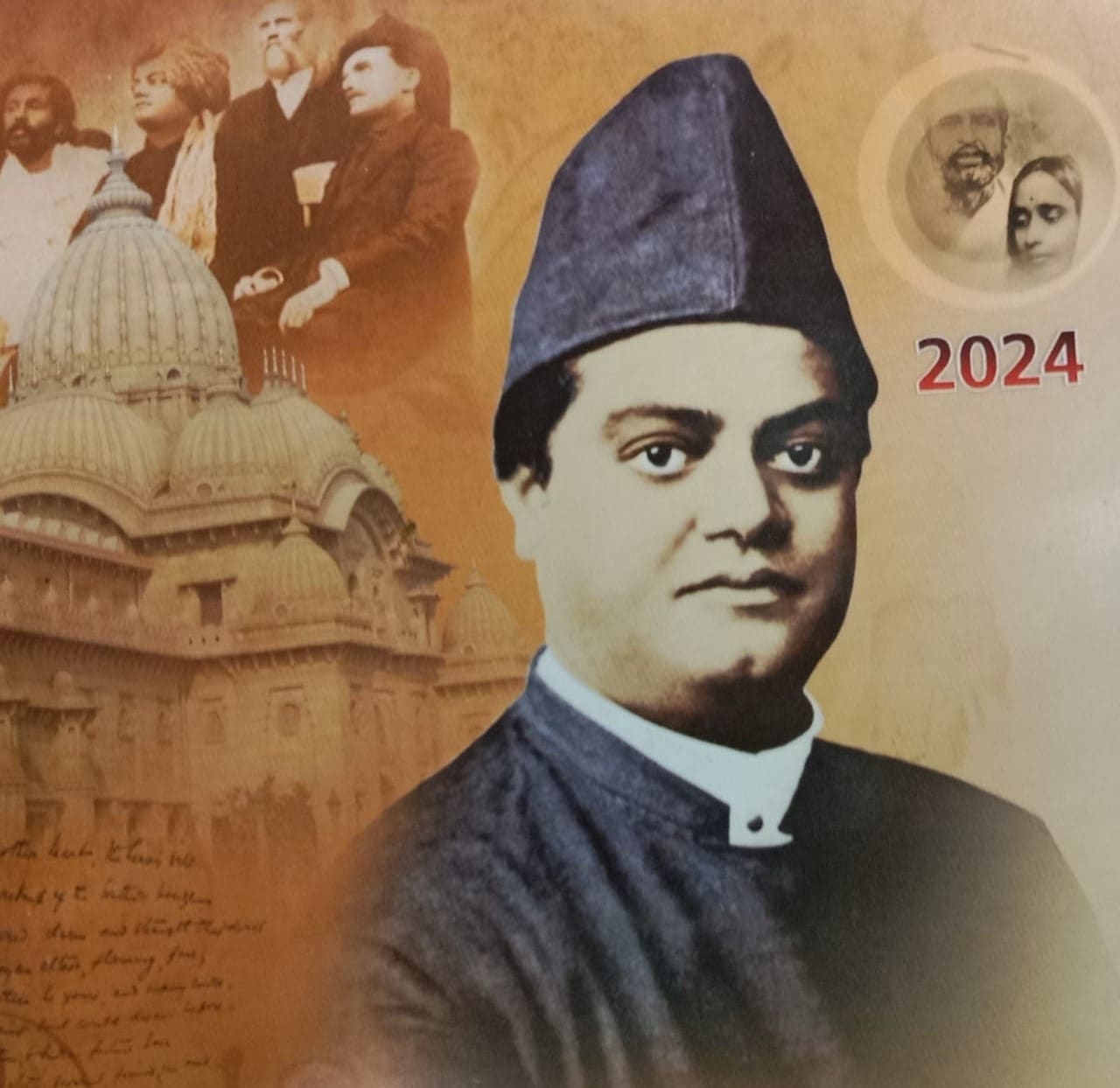
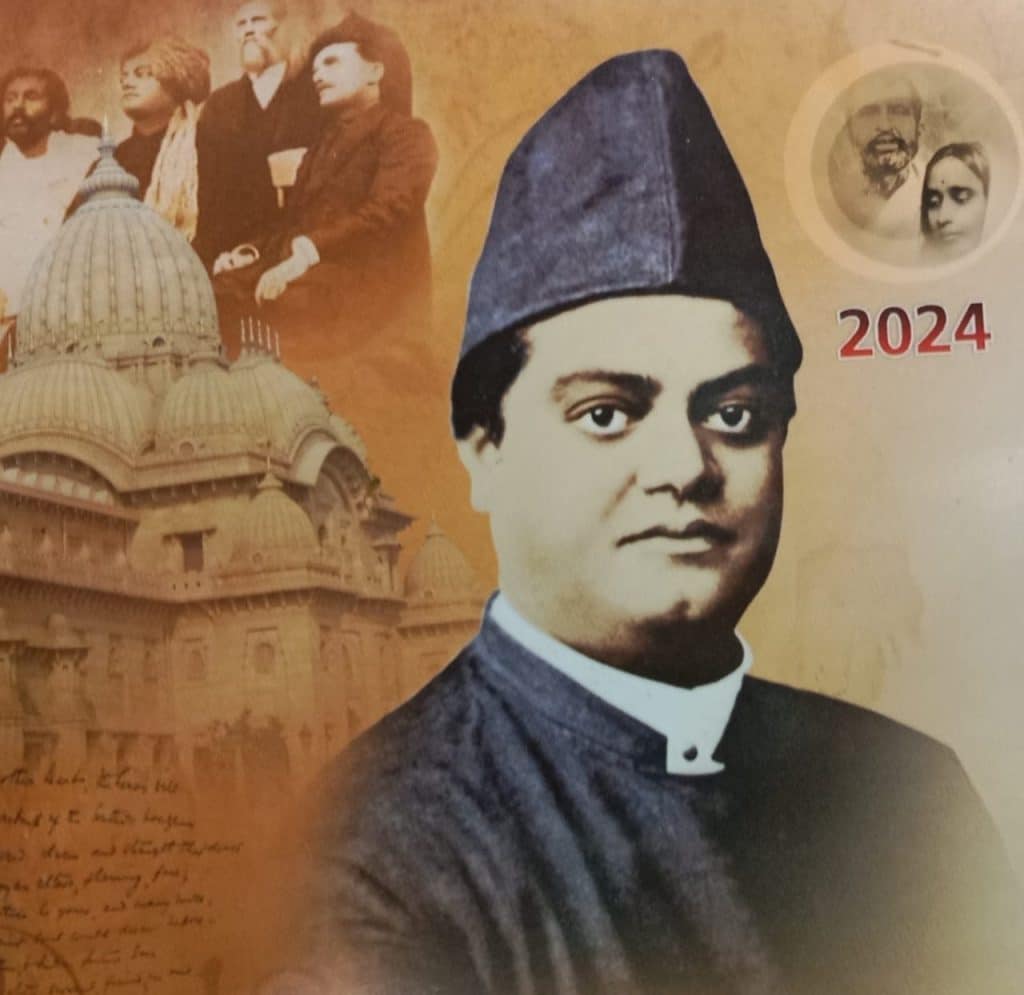
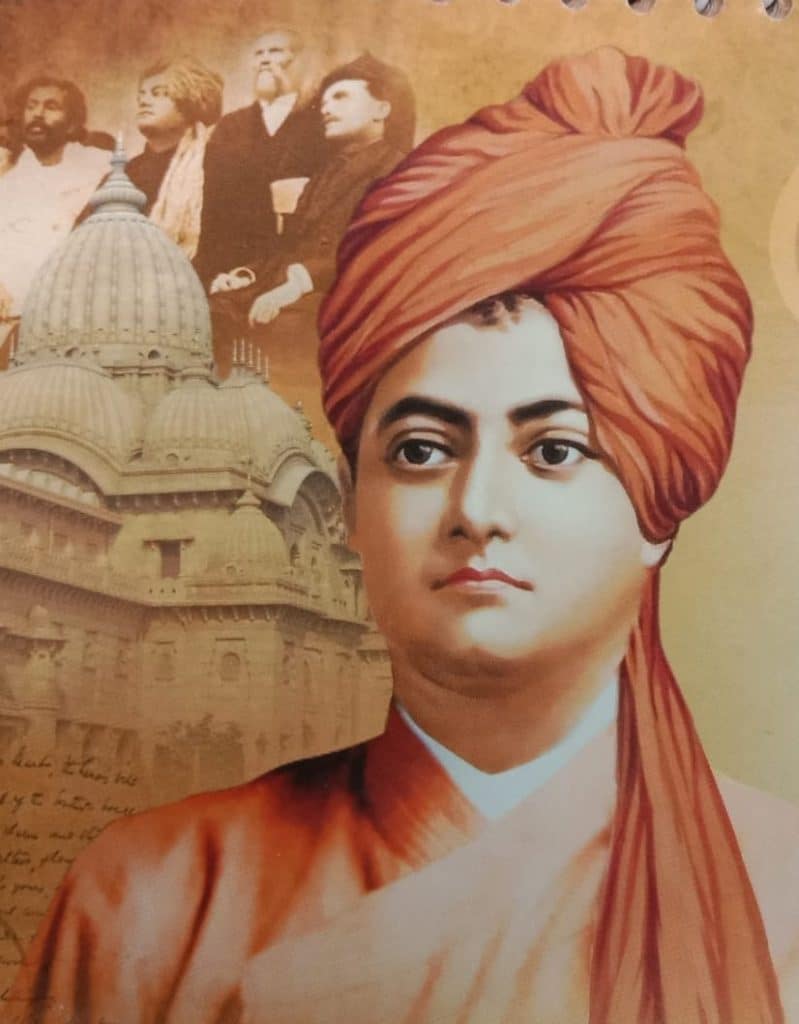
Hey there, fellow seekers of wisdom! Today, let’s chat about someone who really shook things up in the world of spirituality – Swami Vivekananda. This guy wasn’t just another philosopher; he was like a breath of fresh air in the realm of Vedanta.
Thank you for reading this post, don't forget to subscribe!Vivekananda took the ancient wisdom of Vedanta and made it cool for the modern world. He didn’t just keep it to himself or his homeland; he brought it to the West and made people sit up and take notice. It’s kind of like he was the rockstar of spirituality in his time!
Understanding Vivekananda’s take on Vedanta isn’t just about learning some old philosophy. It’s super relevant for us today. His ideas can help us navigate our complex world, find inner peace, and maybe even change how we see ourselves and others. So, let’s dive in and explore the Vedanta of Swami Vivekananda together!
Foundations of Vivekananda’s Vedanta
Influence of Sri Ramakrishna’s Universal Spirituality
Vivekananda’s journey into Vedanta wasn’t a solo trip. His guru, Sri Ramakrishna, played a huge role. Ramakrishna was like this amazing spiritual buffet – he tasted all religions and said, “Yep, they’re all delicious!” This idea of universal spirituality really shaped how Vivekananda saw Vedanta.
Classical Vedanta: especially Advaita Vedanta (Non-dualism)
Now, Vivekananda didn’t just make stuff up. He built on the classical Vedanta tradition, especially Advaita Vedanta. This is the idea that everything is one big, interconnected reality. It’s like saying we’re all waves in the same ocean. Pretty mind-blowing, right?
Interpretation of the Upanishads, Bhagavad Gita, and Brahma Sutras
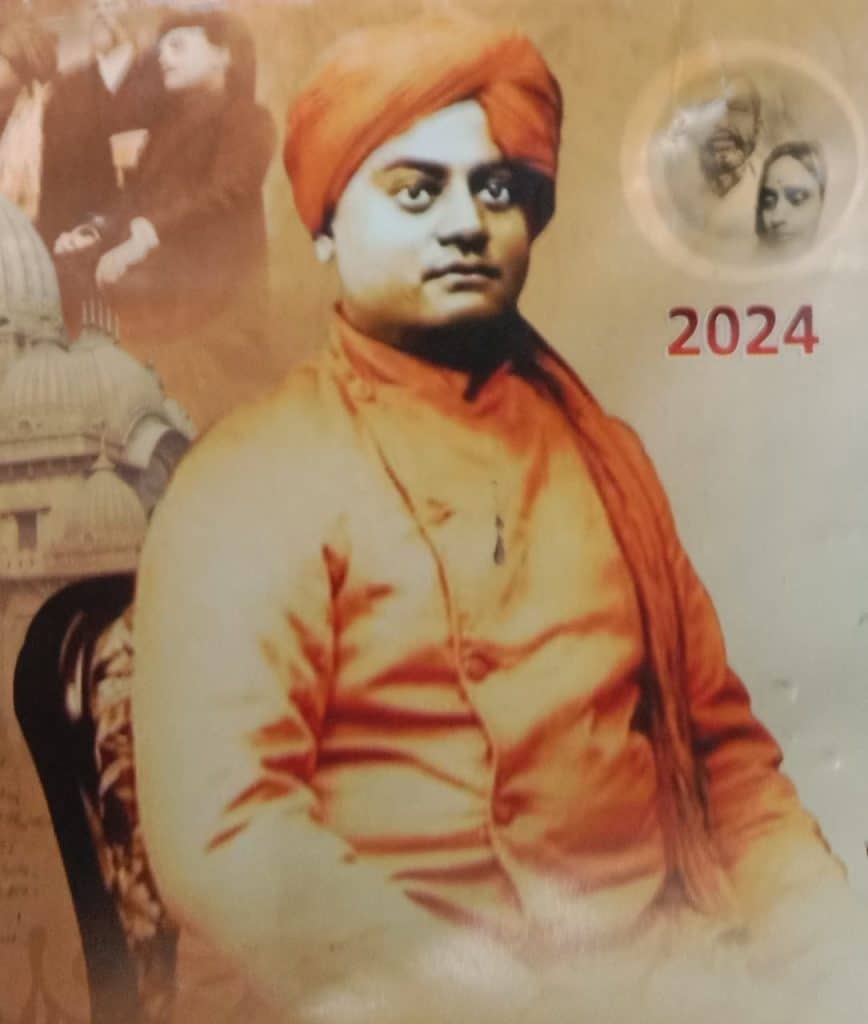
Vivekananda dove deep into the ancient texts – the Upanishads, Bhagavad Gita, and Brahma Sutras. But he didn’t just repeat what they said. He looked at them with fresh eyes and explained them in a way that made sense for modern times. It’s like he translated this ancient wisdom into a language we could all understand.
Core Principles of Vivekananda’s Vedanta
Divinity of the Soul
Oneness of Existence
Vivekananda took the idea of oneness to a whole new level. He said that everything – you, me, that tree outside, even the stars – it’s all one. God isn’t some far-off being, but is present in everything. It’s a bit like saying the entire universe is one big, cosmic family!
Unity of All Religions
Here’s where Vivekananda was really ahead of his time. He said all religions are just different paths to the same truth. It’s like different roads all leading to the same mountain top. He was all about religious tolerance and accepting everyone’s beliefs. In today’s world, we could really use more of this thinking!
Practical Vedanta
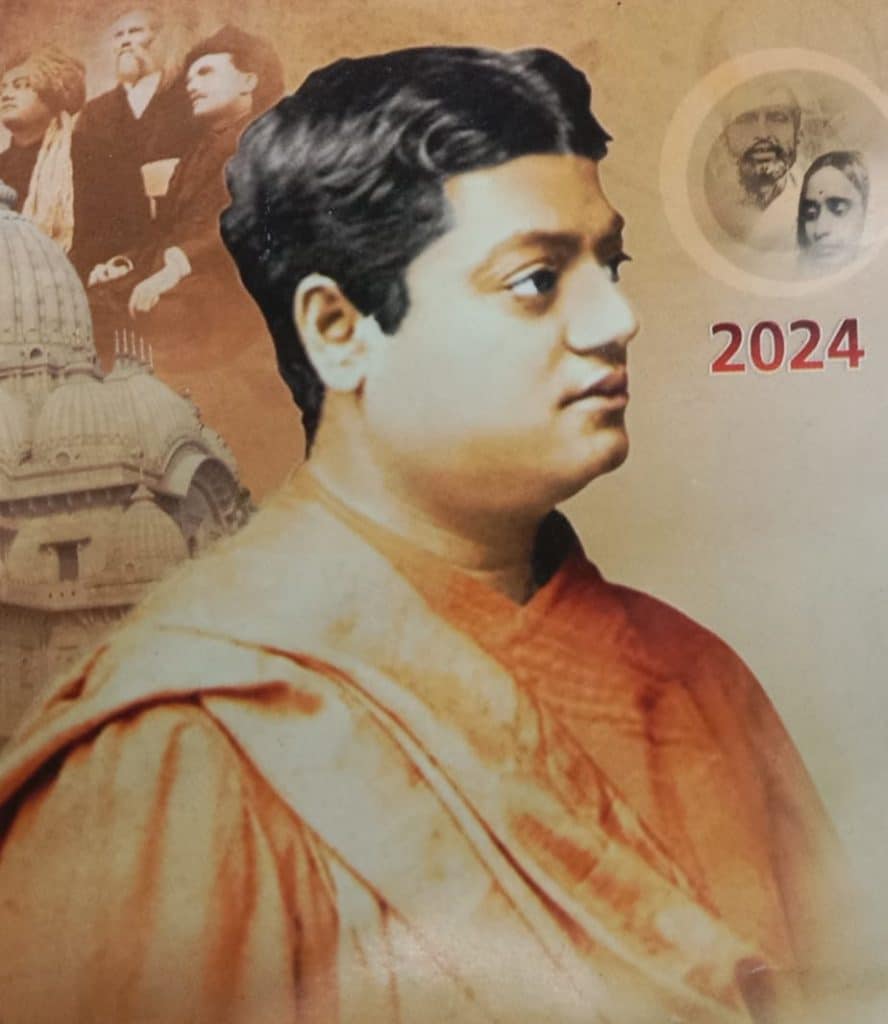
Vivekananda wasn’t into philosophy just for the sake of it. He wanted people to use these ideas in their daily lives. He said spirituality isn’t just about sitting and meditating; it’s about action and service too. It’s like he was saying, “Don’t just talk the talk, walk the walk!”
Freedom as the Goal
For Vivekananda, the ultimate goal was freedom – both spiritual and worldly. He talked about liberation from ignorance (that’s the spiritual part) and freedom from oppression in the world. It’s like he was fighting for our souls and our rights at the same time!
Methods of Realization According to Vivekananda
Vivekananda didn’t believe in a one-size-fits-all approach to spirituality. He talked about four main paths:
- Jnana Yoga: This is the path of knowledge. It’s for those who like to think, analyze, and understand.
- Bhakti Yoga: This is the path of devotion. It’s for those who are more emotional and want to connect through love and devotion.
- Karma Yoga: This is the path of action. It’s for those who want to serve others and work selflessly.
- Raja Yoga: This is the path of meditation and mind control. It’s for those who want to master their inner world.
The cool thing is, Vivekananda said these paths aren’t exclusive. You can mix and match based on what works for you!
Special Features of Vivekananda’s Vedanta
Dynamic and Active Vedanta
Vivekananda’s Vedanta wasn’t about sitting quietly in a cave. He wanted people to be strong, active, and engaged with the world. It’s like he was saying, “Be spiritual, but also be a doer!”
Emphasis on Man-Making
For Vivekananda, Vedanta wasn’t just about philosophy; it was about building character. He wanted to create strong, confident individuals who could stand on their own feet. It’s like he was running a spiritual gym for the soul!
Vedanta for the Masses
Here’s something really special about Vivekananda’s approach – he didn’t think Vedanta should be limited to monks or scholars. He wanted everyone to have access to this wisdom, regardless of who they were or where they came from. It’s like he opened the doors of a very exclusive club and said, “Everyone’s welcome!”
Impact of Vivekananda’s Vedanta
Vivekananda’s ideas didn’t just stay in India. After his famous speech at the Chicago Parliament of Religions, Vedanta started spreading in the West like wildfire. He sparked a revival of Hinduism, but with a modern, universal twist.
His ideas influenced all sorts of people – from leaders of India’s independence movement to modern yoga teachers. Even today, when we talk about global spirituality, we can see Vivekananda’s fingerprints all over it.
Conclusion
So, there you have it – Swami Vivekananda’s unique take on Vedanta. He took this ancient philosophy and made it relevant, practical, and accessible to everyone. His ideas about the divinity within each of us, the unity of all existence, and the harmony of different spiritual paths are still super relevant today.
In a world that often feels divided, Vivekananda’s Vedanta reminds us of our underlying unity. It encourages us to be strong, to serve others, and to find our own path to spiritual freedom. Whether you’re a spiritual seeker or just curious about different philosophies, Vivekananda’s Vedanta has something to offer. So why not explore it further? Who knows, you might just discover something amazing about yourself and the world around you!
