

Introduction : VIVEKANANDA ON WOMEN’S EMPOWERMENT
Swami Vivekananda, a prominent Indian monk and philosopher, was a pioneering advocate for women empowerment in 19th century India. His views on women’s rights and their role in society were revolutionary for his time and continue to inspire generations. This blog post explores Vivekananda’s thoughts on women empowerment and their relevance in today’s world.
Thank you for reading this post, don't forget to subscribe!Vivekananda’s Early Influences
Vivekananda’s progressive stance on women empowerment was shaped by various factors:
- His mother, Bhuvaneshwari Devi, a strong and intelligent woman
- His guru, Ramakrishna Paramahamsa, who worshipped the Divine Mother
- His experiences during his travels across India and the West
These influences helped Vivekananda develop a unique perspective on women’s rights and their potential in society.

Key Principles of Vivekananda’s Views on Women
Vivekananda’s ideas on women empowerment were based on several core principles:
- Equality of all souls
- Education as a fundamental right
- Economic independence
- Challenging oppressive social norms
- Recognizing women’s inherent strength
Let’s explore these principles in detail.
Education as a Tool for Empowerment
Vivekananda strongly believed that education was crucial for women’s empowerment. He said, “There is no chance for the welfare of the world unless the condition of women is improved. It is not possible for a bird to fly on only one wing.”
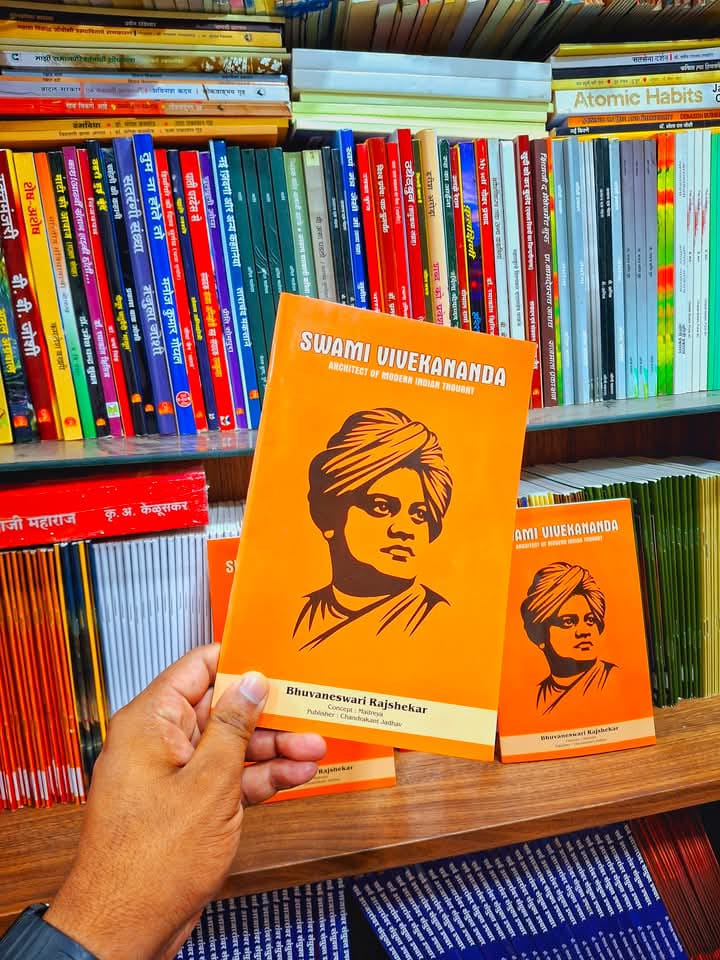
His ideas on women’s education included:
- Providing equal educational opportunities for women
- Promoting both secular and spiritual education
- Encouraging women to pursue higher studies
- Establishing schools and colleges for women
Vivekananda’s emphasis on education aligns with modern research showing that educated women contribute significantly to societal progress.
Challenging Social Norms
Vivekananda was vocal about challenging oppressive social norms that restricted women’s freedom. He criticized practices such as:
- Child marriage
- Sati (widow immolation)
- Purdah system
- Denial of property rights to women
He encouraged women to question these norms and assert their rights. Vivekananda’s views on challenging social norms resonate with contemporary feminist movements worldwide.
Spiritual Equality
A unique aspect of Vivekananda’s philosophy was his emphasis on spiritual equality. He believed that:
- Women have equal spiritual potential as men
- The Divine is beyond gender
- Women can attain the highest spiritual realization
This spiritual perspective added depth to his ideas on women empowerment, transcending mere social and economic equality.
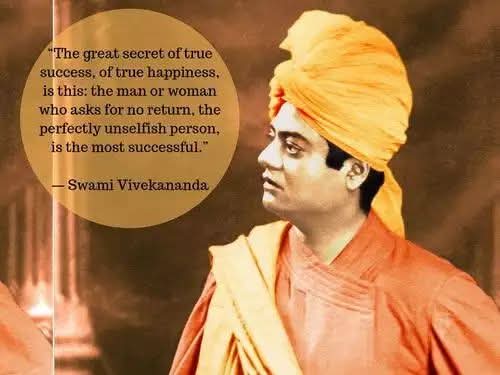
Economic Independence
Vivekananda recognized the importance of economic independence for true empowerment. He advocated for:
- Women’s right to work and earn
- Equal pay for equal work
- Financial literacy for women
- Women’s entrepreneurship
These ideas align with current global efforts to promote women’s economic empowerment.
Vivekananda’s Impact on Modern Feminism
Vivekananda’s ideas have had a lasting impact on feminist thought in India and beyond:
- Inspiring early Indian feminists like Sister Nivedita
- Influencing policy-making in post-independence India
- Contributing to the global discourse on women’s rights
- Providing a spiritual dimension to feminist philosophy
Many modern feminist organizations in India draw inspiration from Vivekananda’s teachings.
Criticisms and Controversies
While Vivekananda’s views were progressive for his time, some aspects have been criticized:
- Romanticizing traditional roles of women as mothers and wives
- Not addressing intersectionality in his approach
- Lack of concrete plans for implementing his ideas
It’s important to view his teachings in the context of his time while critically examining their relevance today.
Implementing Vivekananda’s Ideas Today
How can we apply Vivekananda’s teachings on women empowerment in the 21st century?
- Promote inclusive education systems
- Support women’s economic initiatives
- Challenge persisting gender stereotypes
- Encourage women’s participation in spiritual and religious leadership
- Integrate spiritual perspectives in feminist discourse
These steps can help create a more equitable society, as envisioned by Vivekananda.
Conclusion
Swami Vivekananda’s views on women empowerment were ahead of his time, combining social, economic, and spiritual dimensions. While some aspects of his philosophy may need reinterpretation in the modern context, the core principles of equality, education, and empowerment remain relevant.
As we continue to strive for gender equality, Vivekananda’s teachings offer valuable insights and inspiration. By understanding and implementing these ideas, we can work towards creating a world where women are truly empowered in all spheres of life.
