

Life in India Without Social Media: A Return to Human Connection
Today would be disrupted without social media life in India. In a country as vast and diverse as India, social media has become deeply embedded in daily life. From WhatsApp groups coordinating weddings to Instagram reels showcasing street food, digital platforms shape how Indians communicate, consume, and express themselves. But what if social media vanished overnight? What would life in India look like without the constant ping of notifications, the curated feeds, and the viral trends?
This essay explores the cultural, psychological, and societal dimensions of a social media-free India—offering a glimpse into both the challenges and the liberating possibilities of such a shift.
Re-discovering Human Interaction
Before the digital age, India thrived on interpersonal relationships rooted in physical proximity and emotional depth. In a world without social media:
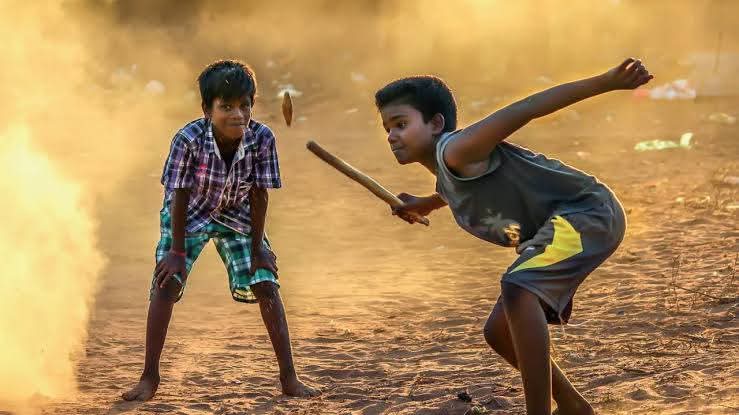
– Face-to-face conversations would regain prominence. Families would gather around evening tea, neighbors would chat across balconies, and friendships would be nurtured through shared experiences rather than emojis.
– Community events—from local festivals to political rallies—would become central hubs of information and engagement.
– Letters, landlines, and newspapers would reclaim their roles as primary communication tools, fostering patience and intentionality in interactions.
This shift would likely deepen social bonds, reduce superficial exchanges, and encourage more meaningful relationships.
The Decline of Digital Dependency
India is home to over 800 million social media users, with WhatsApp alone accounting for 535 million daily active users. The absence of these platforms would dramatically alter daily routines:
– Reduced screen time would lead to improved mental health, especially among youth vulnerable to anxiety, depression, and digital fatigue.
– Sleep patterns might normalize, as late-night scrolling and dopamine-driven engagement loops disappear.
– Attention spans could improve, allowing for deeper focus in education, work, and leisure.
Without the constant barrage of updates, Indians might experience a collective exhale—a return to mindfulness and presence.
Education and Youth Culture
Social media has transformed how students learn, socialize, and express themselves. In its absence:
– Classroom learning would dominate again, with textbooks and teacher-led instruction regaining importance.
– Youth activism would shift from hashtags to grassroots movements, echoing the pre-digital mobilizations of the 1970s and 1980s.
– Creativity would find new outlets—through street theatre, handwritten poetry, and community art projects.
While some digital tools would remain (like online libraries and educational portals), the absence of social media would encourage deeper intellectual engagement and reduce performative learning.
Social media has revolutionized Indian commerce, especially for small businesses and influencers. Without it:
– Word-of-mouth marketing would regain its power. Local shops would rely on reputation, quality, and customer loyalty.
– Traditional advertising—TV, radio, print—would see a resurgence, especially in Tier 2 and Tier 3 cities.
– Consumer choices might become more deliberate, less influenced by trends and influencer endorsements.
While e-commerce would persist, the absence of social media would slow the pace of consumption and encourage more sustainable buying habits.
Politics and Public Discourse
Social media has become a battleground for political ideologies, misinformation, and citizen engagement. In a post-social media India:
– Political campaigns would return to door-to-door canvassing, public speeches, and print manifestos.
– News consumption would rely on traditional media, potentially reducing the spread of fake news and echo chambers.
– Public discourse might become more civil, as anonymity and trolling diminish.
However, this could also limit access to alternative voices and grassroots movements that rely on digital platforms for visibility.
Culture, Entertainment, and Identity
India’s cultural landscape is deeply intertwined with social media—from viral dance challenges to meme-driven humor. Without it:
– Television and cinema would regain dominance, with appointment viewing replacing binge-watching.
– Local art forms—folk music, classical dance, street performances—might experience a renaissance.
– Identity formation would shift from digital validation to real-world experiences and relationships.
This could foster a more grounded sense of self, especially among adolescents navigating peer pressure and body image issues online.
Rural India: A Different Story
Interestingly, rural India already experiences a semi-social media life. While mobile penetration is high, digital literacy and access remain uneven. In these regions:
– Community radio, local newspapers, and village meetings continue to be primary sources of information.
– Agricultural practices rely more on tradition and local networks than on online tutorials or influencer advice.
– Social cohesion remains strong, with festivals, rituals, and oral storytelling playing central roles.
A social media-free India might resemble rural life more closely—slower, more connected, and deeply rooted in tradition.
Mental Health and Emotional Well-being
Numerous studies link excessive social media use to stress, comparison anxiety, and loneliness. In its absence:
– Self-esteem might improve, as people stop measuring their worth through likes and followers.
– Relationships could deepen, free from the distractions of digital flirtations and curated personas.
– Therapeutic practices—meditation, journaling, community support—might gain popularity.
India’s ancient wellness traditions, like yoga and Ayurveda, could see renewed relevance in promoting holistic well-being.
Challenges and Trade-offs
While the benefits are compelling, a social media-free India would also face significant challenges:
– Loss of digital activism: Marginalized voices often find amplification online. Without social media, their reach might shrink.
– Economic impact: Influencer marketing, digital advertising, and content creation are major industries. Their decline would affect livelihoods.
– Global disconnect: Social media enables cross-border communication, collaboration, and cultural exchange. Its absence could isolate India digitally.
Thus, while life without social media offers serenity, it also demands new systems of inclusion, innovation, and expression.
Conclusion: A Thoughtful Balance
Life in India without social media would be quieter, slower, and perhaps more authentic. It would revive forgotten modes of communication, deepen relationships, and reduce digital stress. Yet, it would also require reimagining how we connect, create, and advocate.
Rather than a complete rejection, India might benefit from a mindful recalibration—where social media is used with intention, boundaries, and awareness. The goal isn’t to escape the digital world, but to ensure it serves humanity, not the other way around.
Life in India Without Social Media: A Return to Human Connection
In a country as vast and diverse as India, social media has become deeply embedded in daily life. From WhatsApp groups coordinating weddings to Instagram reels showcasing street food, digital platforms shape how Indians communicate, consume, and express themselves. But what if social media vanished overnight? What would life in India look like without the constant ping of notifications, the curated feeds, and the viral trends?

This essay explores the cultural, psychological, and societal dimensions of a social media-free India—offering a glimpse into both the challenges and the liberating possibilities of such a shift.
Rediscovering Human Interaction
Before the digital age, India thrived on interpersonal relationships rooted in physical proximity and emotional depth. In a world without social media:
– Face-to-face conversations would regain prominence. Families would gather around evening tea, neighbors would chat across balconies, and friendships would be nurtured through shared experiences rather than emojis.
– Community events—from local festivals to political rallies—would become central hubs of information and engagement.
– Letters, landlines, and newspapers would reclaim their roles as primary communication tools, fostering patience and intentionality in interactions.
This shift would likely deepen social bonds, reduce superficial exchanges, and encourage more meaningful relationships.
The Decline of Digital Dependency
India is home to over 800 million social media users, with WhatsApp alone accounting for 535 million daily active users. The absence of these platforms would dramatically alter daily routines:
– Reduced screen time would lead to improved mental health, especially among youth vulnerable to anxiety, depression, and digital fatigue.
– Sleep patterns might normalize, as late-night scrolling and dopamine-driven engagement loops disappear.
– Attention spans could improve, allowing for deeper focus in education, work, and leisure.
Without the constant barrage of updates, Indians might experience a collective exhale—a return to mindfulness and presence.
Education and Youth Culture
Social media has transformed how students learn, socialize, and express themselves. In its absence:
– Classroom learning would dominate again, with textbooks and teacher-led instruction regaining importance.
– Youth activism would shift from hashtags to grassroots movements, echoing the pre-digital mobilizations of the 1970s and 1980s.
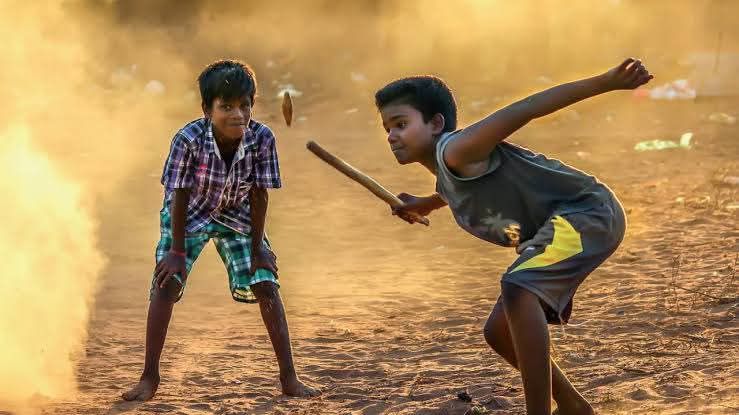
– Creativity would find new outlets—through street theatre, handwritten poetry, and community art projects.
While some digital tools would remain (like online libraries and educational portals), the absence of social media would encourage deeper intellectual engagement and reduce performative learning.
Commerce and Consumer Behavior
Social media has revolutionized Indian commerce, especially for small businesses and influencers. Without it:
– Word-of-mouth marketing would regain its power. Local shops would rely on reputation, quality, and customer loyalty.
– Traditional advertising—TV, radio, print—would see a resurgence, especially in Tier 2 and Tier 3 cities.
– Consumer choices might become more deliberate, less influenced by trends and influencer endorsements.
While e-commerce would persist, the absence of social media would slow the pace of consumption and encourage more sustainable buying habits.
Politics and Public Discourse
Social media has become a battleground for political ideologies, misinformation, and citizen engagement. In a post-social media India:
– Political campaigns would return to door-to-door canvassing, public speeches, and print manifestos.
– News consumption would rely on traditional media, potentially reducing the spread of fake news and echo chambers.
– Public discourse might become more civil, as anonymity and trolling diminish.
However, this could also limit access to alternative voices and grassroots movements that rely on digital platforms for visibility.
Culture, Entertainment, and Identity
India’s cultural landscape is deeply intertwined with social media—from viral dance challenges to meme-driven humor. Without it:
– Television and cinema would regain dominance, with appointment viewing replacing binge-watching.
– Local art forms—folk music, classical dance, street performances—might experience a renaissance.
– Identity formation would shift from digital validation to real-world experiences and relationships.
This could foster a more grounded sense of self, especially among adolescents navigating peer pressure and body image issues online.
Rural India: A Different Story
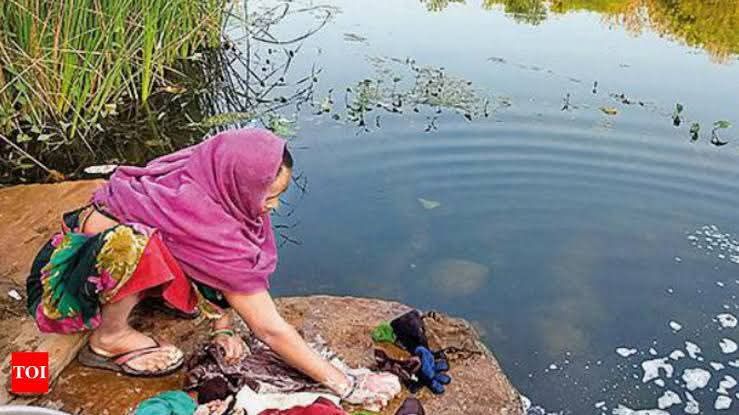
Interestingly, rural India already experiences a semi-social media life. While mobile penetration is high, digital literacy and access remain uneven. In these regions:
– Community radio, local newspapers, and village meetings continue to be primary sources of information.
– Agricultural practices rely more on tradition and local networks than on online tutorials or influencer advice.
– Social cohesion remains strong, with festivals, rituals, and oral storytelling playing central roles.
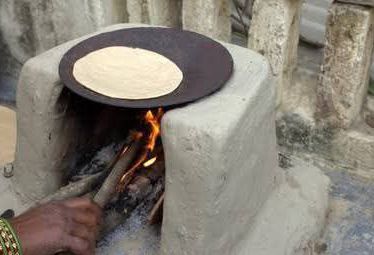
A social media-free India might resemble rural life more closely—slower, more connected, and deeply rooted in tradition.
Mental Health and Emotional Well-being
Numerous studies link excessive social media use to stress, comparison anxiety, and loneliness. In its absence:
– Self-esteem might improve, as people stop measuring their worth through likes and followers.
– Relationships could deepen, free from the distractions of digital flirtations and curated personas.
– Therapeutic practices—meditation, journaling, community support—might gain popularity.
India’s ancient wellness traditions, like yoga and Ayurveda, could see renewed relevance in promoting holistic well-being.
Challenges and Trade-offs
While the benefits are compelling, a social media-free India would also face significant challenges:
– Loss of digital activism: Marginalized voices often find amplification online. Without social media, their reach might shrink.
– Economic impact: Influencer marketing, digital advertising, and content creation are major industries. Their decline would affect livelihoods.
– Global disconnect: Social media enables cross-border communication, collaboration, and cultural exchange. Its absence could isolate India digitally.
Thus, while life without social media offers serenity, it also demands new systems of inclusion, innovation, and expression.
Conclusion: A Thoughtful Balance
Life in India without social media would be quieter, slower, and perhaps more authentic. It would revive forgotten modes of communication, deepen relationships, and reduce digital stress. Yet, it would also require reimagining how we connect, create, and advocate.
Rather than a complete rejection, India might benefit from a mindful recalibration—where social media is used with intention, boundaries, and awareness. The goal isn’t to escape the digital world, but to ensure it serves humanity, not the other way around.
